
Review · MUMBAI
Mumbai Market Tour
South Mumbai’s markets show you the city at street level: flowers piled high, spices in open sacks, cloth stacked from floor to ceiling, and vendors working beside colonial buildings and places of worship. I like the chance to see Crawford Market and Mangaldas Market in one outing, rather than treating Mumbai as a string of monuments viewed from a car.
I also like the human side of the tour. Guides such as Kieran and Dinesh have been praised for explaining local life, keeping a comfortable pace, and helping visitors bargain. The main consideration is important: parts of the route may feel more like a shopping tour than a cultural walk, with stops at pashmina, spice, or clothing shops.
Key points to know before you book
- Crawford Market brings together produce, spices, flowers, household goods, and party supplies in one noisy, colorful setting.
- Mangaldas Market is the main stop for fabric, with plenty to browse if you enjoy textiles and Indian clothing.
- The tour links markets with Jama Masjid, Mumba Devi Temple, Madhav Baugh, and colonial buildings, though the amount of time spent at each religious site may vary.
- Guides can make a major difference, especially when explaining prices, customs, and how to bargain.
- Shopping is part of the experience, and some stops may be in ordinary shops rather than picturesque market lanes.
- At $23 per person, the tour offers good value if you want orientation and local explanation, but less value if you want a strict sightseeing walk without sales stops.
South Mumbai’s markets are the real starting point
Mumbai can be hard to read at first. Its grand buildings and waterfront views are easy to find, but the city’s daily life is packed into lanes, carts, stalls, temples, mosques, and markets. This tour takes that everyday side of Mumbai as its main subject.
You walk through parts of South Mumbai where wide roads give way to narrow passages. Colonial-era buildings provide the backdrop, but the action is at street level. Vendors sell flowers, snacks, clothes, spices, household items, and jewelry. The sounds are part of the lesson: bargaining, delivery carts, calls from shopkeepers, and the steady movement of people going about their business.
I would not book this expecting a polished food tour or a quiet architectural walk. You are coming for contrast and contact. One minute you may be looking at old facades, and the next you are studying cloth colors, smelling cardamom, or watching flowers being sorted for worship.
A few more market tours around Mumbai worth a look
- Mumbai Street Food and Evening Bazaar Tour
★ 5.0 · 172 reviews - Mumbai Morning Market Tour of Flowers, Fish, and More
★ 5.0 · 100 reviews - Mumbai Street Food Tour with Evening Bazaar Walk
★ 4.9 · 79 reviews
Crawford Market: produce, spices, and practical shopping
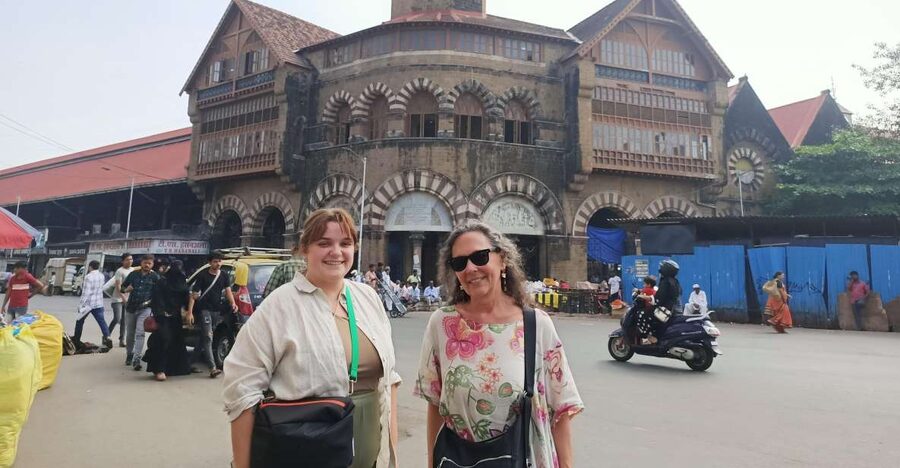
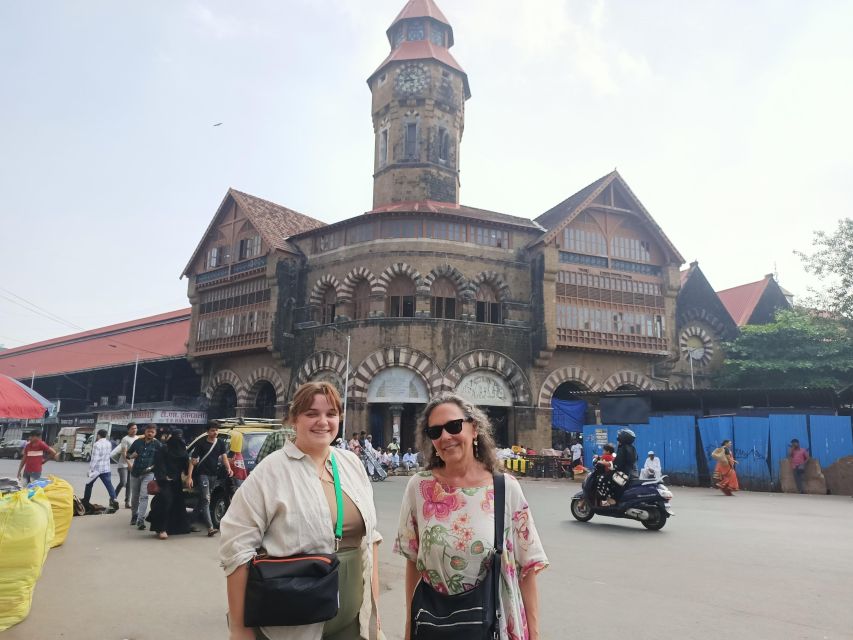
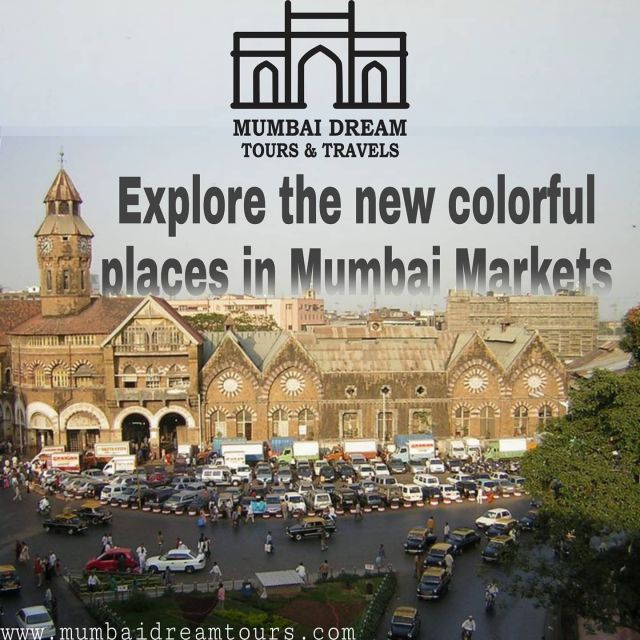
Crawford Market is the natural anchor for the outing. It is one of Mumbai’s oldest and largest markets, and its appeal comes from its range. The market is associated with fresh produce and spices, but you may also find scented candles, cake molds, party supplies, clothing accessories, and other everyday goods.
The variety matters. A market visit here is not just about buying fruit or taking photographs. It gives you a sense of how Mumbai shops, stocks kitchens, prepares religious offerings, and supplies small businesses. The mix of practical goods and colorful displays makes this a good place to start if you want a broad introduction.
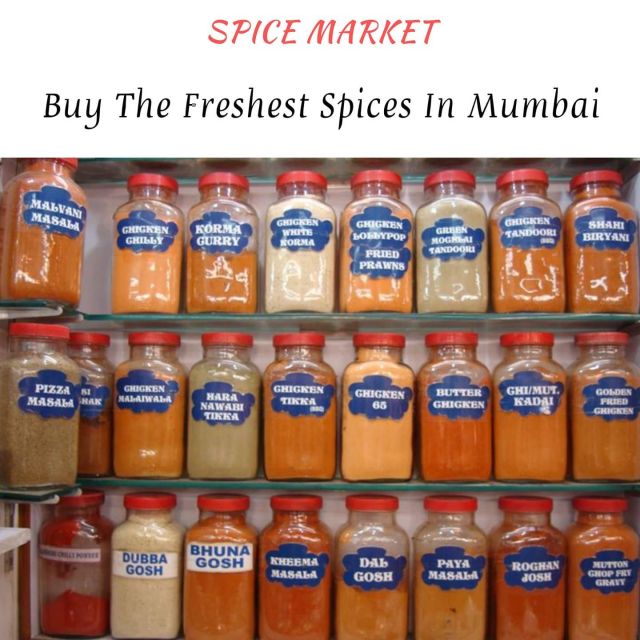
The spice section is especially useful for visitors who know little about Indian cooking. You might see cumin, coriander, turmeric, cardamom, and other seasonings sold close together. Ask your guide about unfamiliar ingredients and how they are used. An English-speaking guide can turn an otherwise quick look at a pile of powder into a useful bit of food culture.
There is a possible catch. Crawford Market can be busy and visually intense, so you should expect movement rather than a calm, orderly shopping hall. If you dislike crowds or sales pressure, stay close to the guide and decide in advance what, if anything, you actually want to buy.
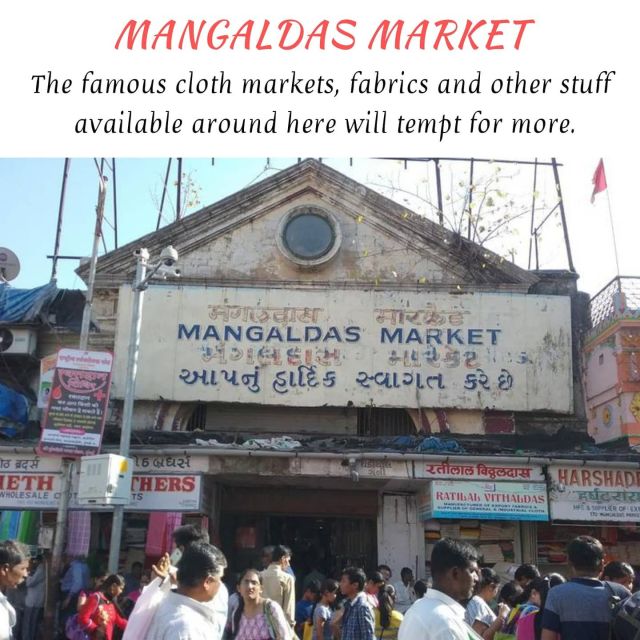
Mangaldas Market and the business of Indian textiles
Mangaldas Market is the stop for fabric. Rolls and stacks of cloth make this part of the tour more tactile than the spice or flower sections. You can look for fabric, clothing material, and other textile goods, while the guide helps explain quality, price, and bargaining.
This is where the guide’s personality matters most. One guide, Kieran, has been praised for giving patient help in the textile market. That is useful because fabric shopping can be confusing. The difference between a quick browse and a long, tiring sales pitch may come down to whether someone explains what you are looking at.
You should also know that textile stops can take more time than expected. If you enjoy color, pattern, and the feel of cloth, you may wish the visit lasted longer. If you are not shopping, you may find the stop less interesting. Tell the guide early if you are curious about the cultural side but do not want to purchase anything.
A practical rule: do not feel obliged to buy because you have entered a shop. Ask the price, compare it with other options, and take your time. Bargaining is part of the market experience, but a fair exchange should still feel comfortable for both sides.
The spice, flower, and jewelry markets
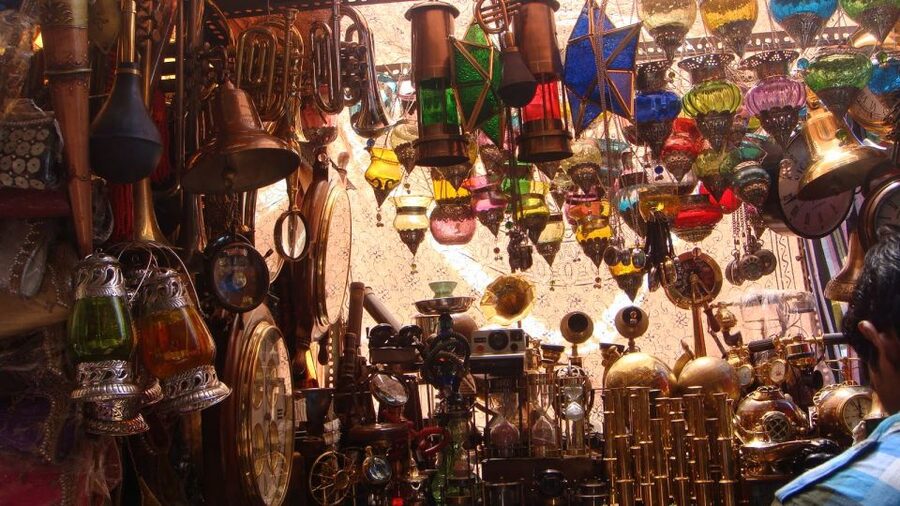
The tour also includes Mumbai’s spice, flower, and jewelry markets. These stops show three different sides of commerce.
The spice market is about scent and color. The ingredients are often displayed in open containers, making it easier to see their texture and shade. Turmeric, cardamom, cumin, and coriander are not just souvenirs. They are working ingredients used in homes and restaurants. Your guide can help you understand what is common, what is special, and what might travel well.
The flower market offers a different rhythm. Marigolds, roses, lilies, orchids, and other flowers may be arranged for worship, ceremonies, decoration, or sale to passersby. The bright colors are obvious, but the religious purpose is the more interesting part. Flowers in Mumbai are part of daily practice, not merely decoration for tourists.
The jewelry market is one of the older and busier trading areas in the city. You might find gold, silver, diamond jewelry, and precious or semi-precious stones. This is best treated as a viewing stop unless you already understand jewelry quality and pricing.
Be cautious with expensive purchases. The tour introduces you to the market, but it should not replace independent research or a professional assessment. At the same time, even if you buy nothing, the jewelry district helps explain the importance of craft and trade in South Mumbai.
More shopping tours in Mumbai:
- Mumbai:Dhobi Ghat Laundry,Dharavi Slum & Flower market Tour
★ 5.0 · 12 reviews - Mumbai: Evening Street Food Tasting & Cultural Market Tour
★ 4.7 · 11 reviews - Mumbai Heritage, Street Food & Bazaar Walking Tour
★ 5.0 · 4 reviews - Mumbai Market and Temple Tour With Cow Shelter Visit
★ 4.3 · 3 reviews
Jama Masjid, Mumba Devi Temple, and Madhav Baugh
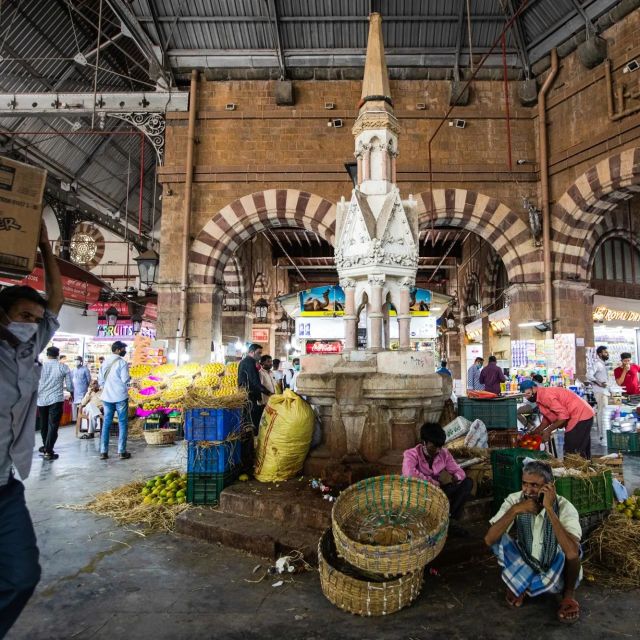
Religious sites give the market walk a wider frame. Jama Masjid and Mumba Devi Temple represent different parts of Mumbai’s religious life, while Madhav Baugh adds another historic stop to the route.
Mumba Devi Temple is especially relevant to the city’s identity. Mumbai takes its name from Mumba Devi, so the temple connects the modern city to an older local tradition. You should approach it respectfully, follow the guide’s instructions, and remember that it is a place of worship rather than a staged attraction.
Jama Masjid provides a different setting, with Islamic architecture and religious practice forming part of the same urban fabric. The value of visiting these places is not only in the buildings. You see how temples, mosques, shops, homes, and markets function close together.
The listing includes these sites, but the exact amount of time spent inside each one is not specified. One important point from the available experience is that a temple or mosque may be seen from the route without becoming a full guided visit. If religious architecture is your main reason for booking, ask for clarification before you go.
What the guide adds to the walk
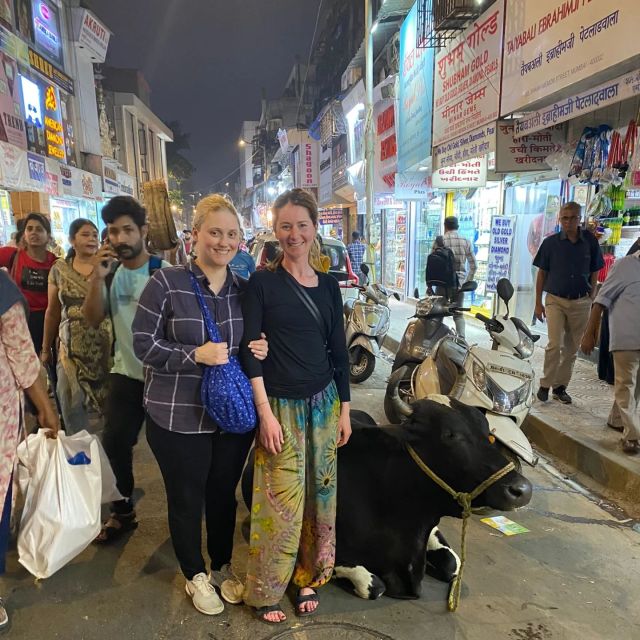
A good market guide does more than lead you from one address to the next. The guide explains what you are seeing, helps you read the pace of the street, and can prevent simple misunderstandings over prices or customs.
Dinesh has been praised for knowing the markets well and keeping the pace relaxed. That combination matters. Market walks become tiring when the guide rushes you through every lane, but they can also drag when every shop becomes a long sales stop.
Kieran has been praised for explaining Mumbai’s culture and for showing patience in the textile market. Those details suggest the tour works best when you ask questions and show the guide what interests you. If you care about food, fabrics, religion, or bargaining, say so. The route has enough variety to support different interests.
There is also evidence that guide assignments may vary. Do not book because you expect one particular person unless the provider confirms the name. The experience depends partly on the individual guide and how much interpretation he or she provides.
The shopping-tour question
This is the most important point to understand before paying. The experience is advertised as a walk through historic markets, but the route can include commercial shops selling pashminas, spices, and women’s clothing.
That is not automatically a problem. Shop visits can be useful if you want to learn about fabrics, spices, or local prices. They also give you a chance to practice bargaining with help from the guide. Some shops may have a personal connection with the guide, so you should feel free to ask whether a stop is optional.
The concern is that a sales stop can replace cultural sightseeing. A shop in an ordinary street may offer a practical buying experience but little architectural charm. If you expected uninterrupted visits to markets, temples, and mosques, you could feel disappointed.
My advice is simple: book this as a market and shopping walk with cultural context, not as a pure historical tour. Set your expectations correctly and the commercial side becomes easier to judge.
Is $23 good value?
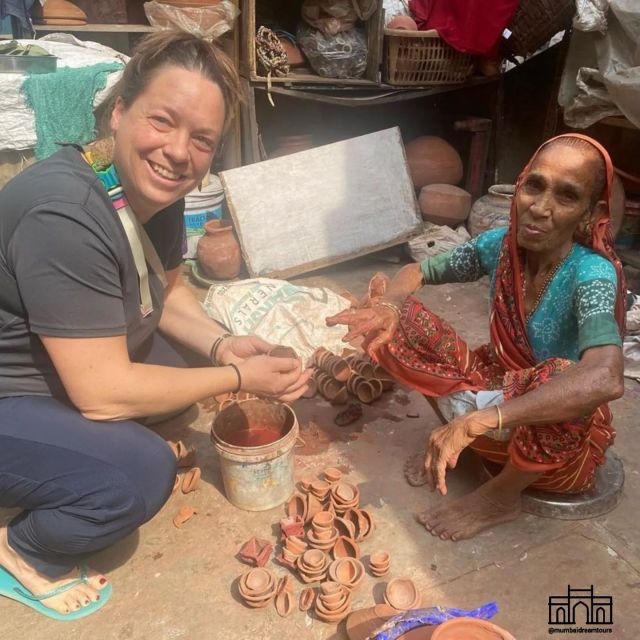
At $23 per person, the price is reasonable if you want a guide to orient you in South Mumbai’s market districts. You are paying for access to several different types of market, explanations in English, help with bargaining, and a route that links commerce with religious and colonial settings.
The value is strongest for first-time visitors who would not know where to begin. A guide can save you from wandering without context and can point out details you might miss on your own. The tour also gives you a useful first look before returning independently to buy something.
The value is weaker if you dislike shopping or prefer to explore alone. You may spend time in shops that do not interest you, and the available details do not provide a fixed duration or a guaranteed balance between every market and religious site.
The booking terms are traveler-friendly. You can reserve and pay later, and cancellation is allowed up to 24 hours in advance for a full refund. The only stated tour language is English.
Who should book this Mumbai market walk?
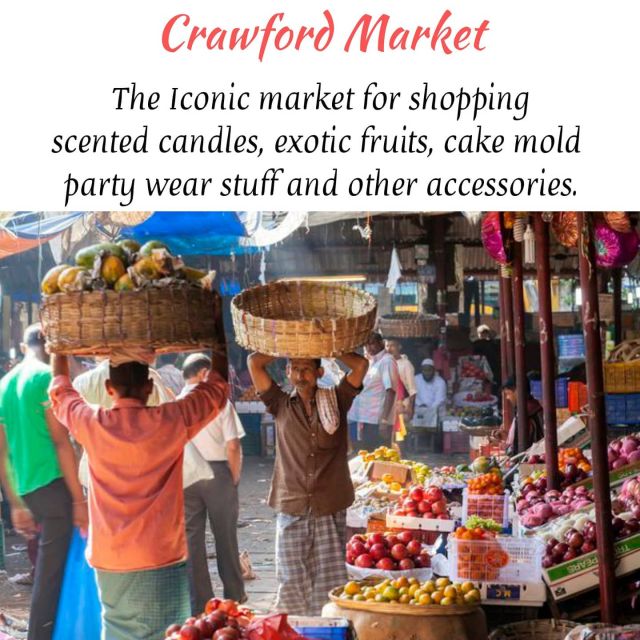
I would recommend it to first-time visitors, curious shoppers, photographers who enjoy street scenes, and anyone who wants a practical introduction to South Mumbai. It also suits you if you like learning through ordinary places rather than visiting only famous monuments.
Families and mixed-interest groups may appreciate the variety. One person can look at flowers, another can browse fabric, and another can focus on architecture or religious sites. The relaxed pace noted for Dinesh’s tour is also helpful if you do not want a punishing walk.
I would hesitate to recommend it to you if you want a tightly controlled itinerary with no shopping. It may also disappoint if your main goal is a detailed temple and mosque tour. The route appears to offer glimpses of those places, but market activity remains the main event.
Should you book the Mumbai Market Tour?
Book it if you want to see South Mumbai through its working markets, learn how to bargain, and have an English-speaking guide explain the city as you walk. Crawford Market, Mangaldas Market, spices, flowers, jewelry, and the surrounding religious sites give the outing plenty of variety.
Skip it if you want a quiet architecture tour or a guaranteed culture-only route. Before booking, decide how you feel about pashmina, spice, and clothing shop visits. If you accept those stops as part of the experience, $23 is a fair price for a lively first look at Mumbai’s commercial heart.
FAQ
Where does the Mumbai Market Tour take place?
The tour takes place in Maharashtra, India, through the historic markets of South Mumbai and nearby religious and colonial areas.
What markets are included?
The stated stops include Crawford Market, Mangaldas Market, a spice market, a jewelry market, and a flower market.
Are religious sites part of the tour?
Yes. The included sites are Jama Masjid, Mumba Devi Temple, and Madhav Baugh.
What language is the tour offered in?
The stated tour language is English.
How much does the tour cost?
The listed price is $23 per person.
Can I cancel the booking?
You can cancel up to 24 hours in advance for a full refund. You can also reserve your place and pay later.
Just added around Mumbai
- Mumbai: Local Markets & Temples Tour★ 4.6 · 45 reviews
- Night Tour: Mumbai’s Nights & Buzzing Bazaars★ 5.0 · 7 reviews
- Mumbai:Dhobi Ghat Laundry,Dharavi Slum & Flower market Tour★ 5.0 · 12 reviews
- Mumbai Morning Market Tour of Flowers, Fish, and More★ 5.0 · 100 reviews
- Mumbai: Magical Markets Tour★ 4.5 · 23 reviews
- Mumbai: 2 Hours Markets And Temple Tour★ 4.7 · 6 reviews
- Mumbai Market and Temple Tour With Cow Shelter Visit★ 4.3 · 3 reviews
- Mumbai Heritage, Street Food & Bazaar Walking Tour★ 5.0 · 4 reviews
Shopping Tours, compared.

Damnoen Saduak Market and Maeklong Railway Market
Read our review →
The Old Siam: Damnoen Saduak and Maeklong Railway Market
Read our review →
Train Market & Floating Market with Boat Ride
Read our review →
Ayutthaya & Ayothaya Floating Market Day Trip
Read our review →
Hanoi Cooking Class: Culture, Local Market & Meaning CSR Impact
Read our review →
5 Traditional Dishes Hanoi Cooking Class with Market Trip
Read our review →
Cooking Class and Lunch at a Tuscan Farmhouse with Local Market Tour from Florence
Read our review →
Cooking Class, Market & Thai Herbs Garden Tour
Read our review →Browse the lists this tour appears in