
Review · NEW DELHI
Old Delhi: Spices, Heritage and Bazaars Walking Tour
Old Delhi is best understood on foot, one crowded lane at a time. This three-hour walk takes you from the grand steps of Jama Masjid into narrow streets, old havelis, goldsmith quarters, market stalls, and Khari Baoli, Asia’s largest spice market. The scale shifts quickly from imperial monument to working neighborhood.
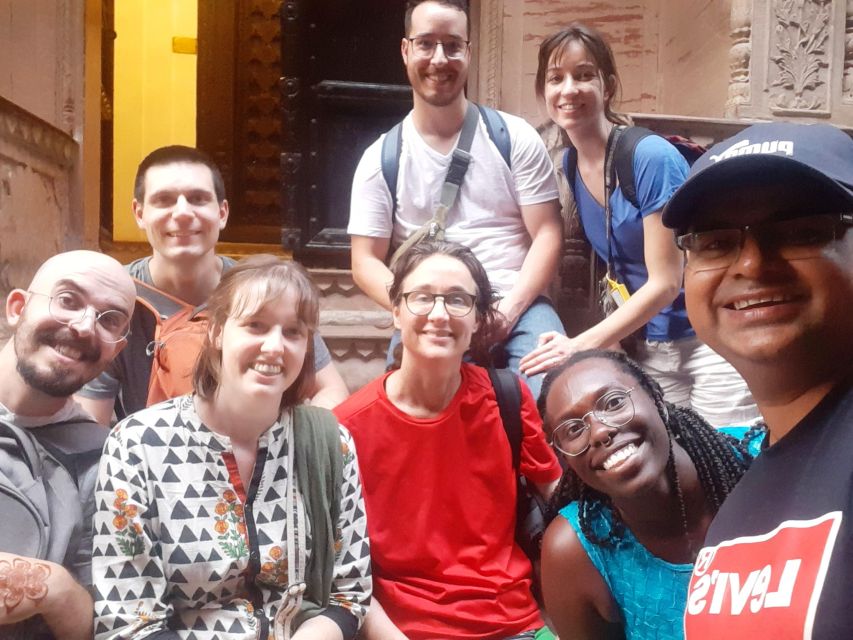
I like the small group, limited to seven people, and I like that guide Jai Singh focuses on local life as well as dates and dynasties. You may taste chai or snacks along the way, though food and drinks are not formally included. The main drawback is the walking itself: uneven lanes, traffic, crowds, and stairs make this a poor choice for anyone with mobility limits or for pregnant visitors.
Key points at a glance
- Jama Masjid views: Begin beside Shah Jahan’s 400-year-old mosque, with an optional paid visit and city views from above.
- Old Delhi on foot: Follow winding lanes through havelis, working neighborhoods, textile shops, jewelry stalls, and old bazaars.
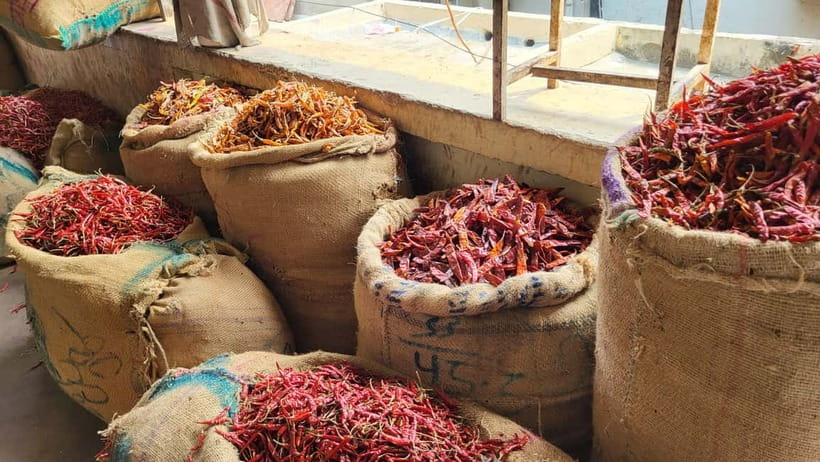
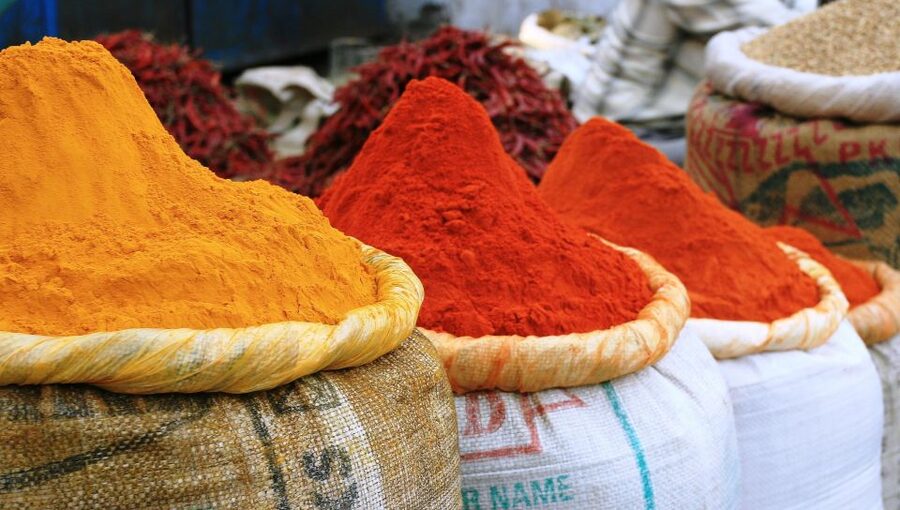
- Khari Baoli spices: See open sacks of cardamom, chilies, turmeric, cumin, and other spices inside a wholesale market.
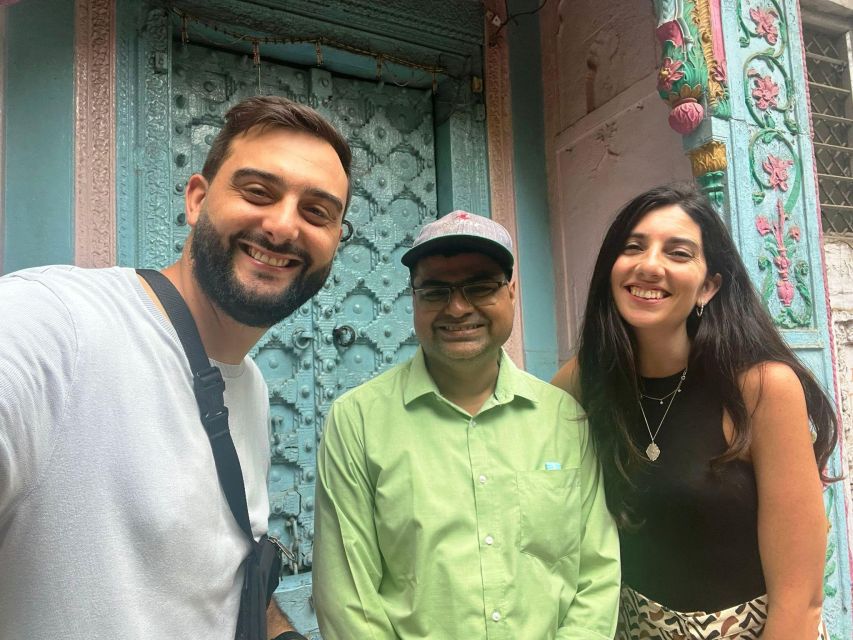
- A local guide who knows the maze: Jai Singh is praised for clear explanations, patience, safety, and help with onward transport.
- Small-group value: Seven or fewer participants gives you more room for questions and a better chance to adapt the walk to your interests.
- Budget-friendly price: At $13 per person, the tour offers strong value if you want orientation and context rather than a private car tour.
Starting at Jama Masjid Metro Station
The meeting point is exit gate number 1 of Jama Masjid Metro Station. This is a practical starting place because you avoid paying for a hotel transfer and arrive directly beside the historic center. If you come by Uber, use the supplied map pin rather than relying on a vague destination name.
Send your WhatsApp number or local Indian number when booking. Old Delhi has many similar-looking lanes, and the guide uses WhatsApp to help if you emerge from the station at the wrong exit or get dropped a few meters away. This small step matters more here than it would in a tidy modern district.
The group is limited to seven participants, although private or hotel pickup options may be available for centrally located hotels. The standard format is a walking tour in English, lasting about three hours. Some outings have run longer when the group wanted extra shopping, food, or neighborhood stops, so keep your next appointment flexible.
More Market Walking Tours in India
- Private Heritage Walking Tour in Jaisalmer Fort and Old Bazaar
★ 5.0 · 306 reviews - Jaipur Bazaar & Food Walking Tour
★ 5.0 · 281 reviews - Bengaluru Pete City Market Half-Day Walking Tour
★ 5.0 · 163 reviews
Jama Masjid and the view over Old Delhi
The walk begins around Meena Bazaar, once linked with the Mughal court and trade in precious goods. Today, it serves everyday shoppers with inexpensive clothing and household items. That change gives you an early lesson in how Old Delhi works: imperial spaces are still commercial spaces, but the customers and goods have changed.
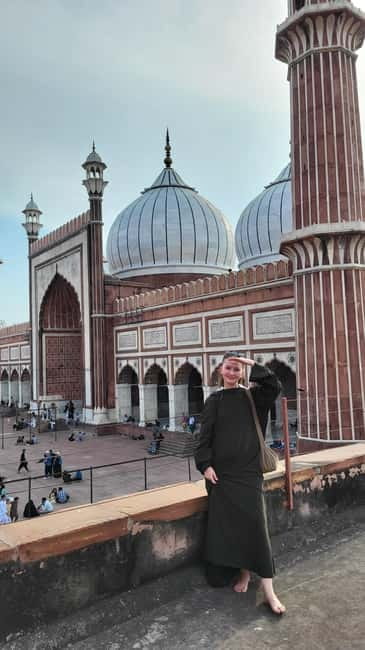
From there, you reach the broad stone steps of Jama Masjid. Emperor Shah Jahan, the ruler associated with the Taj Mahal, commissioned the mosque in the seventeenth century. Its large scale and elevated position make it one of the defining sights of Old Delhi.
The mosque visit is optional. If you enter, the additional fee is INR 450 per person. You can also remain outside for photographs and an explanation of the building. If you do enter, expect rules connected with dress, footwear, and appropriate conduct. A previous participant with elderly parents appreciated the guide’s patience and help with shoes, but the steps and walking surfaces can still be demanding.
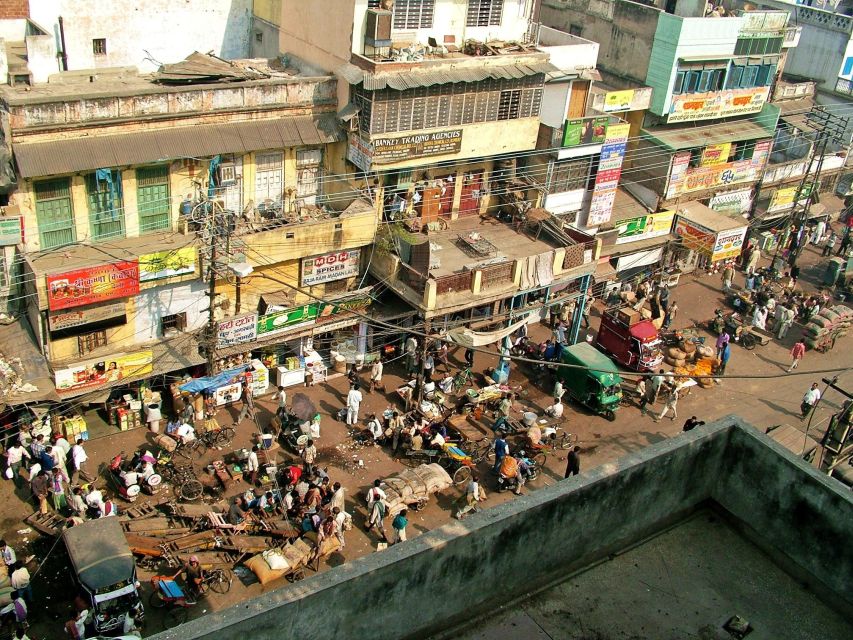
Some versions of the visit include access to higher points or a minaret view, but you should confirm what is available on your date. The reward is a broad look across the old city, where domes, rooftops, wires, market awnings, and modern buildings press into one busy scene. It is an excellent place to get your bearings before turning into the lanes.
Chandni Chowk, havelis, and the Mughal-era bazaars
After Jama Masjid, the tour leaves the open space of the mosque and enters the maze behind it. This is where a local guide earns the fee. Streets split into smaller alleys, traffic squeezes through narrow gaps, and the most interesting details often sit behind ordinary-looking shopfronts.
You pass old havelis, traditional houses built around courtyards and shaped by long-standing family and trading patterns. Some have survived in altered form, while others now sit above shops or workshops. Jai Singh explains how the buildings, trades, religious communities, and markets fit together rather than treating Old Delhi as a collection of isolated monuments.
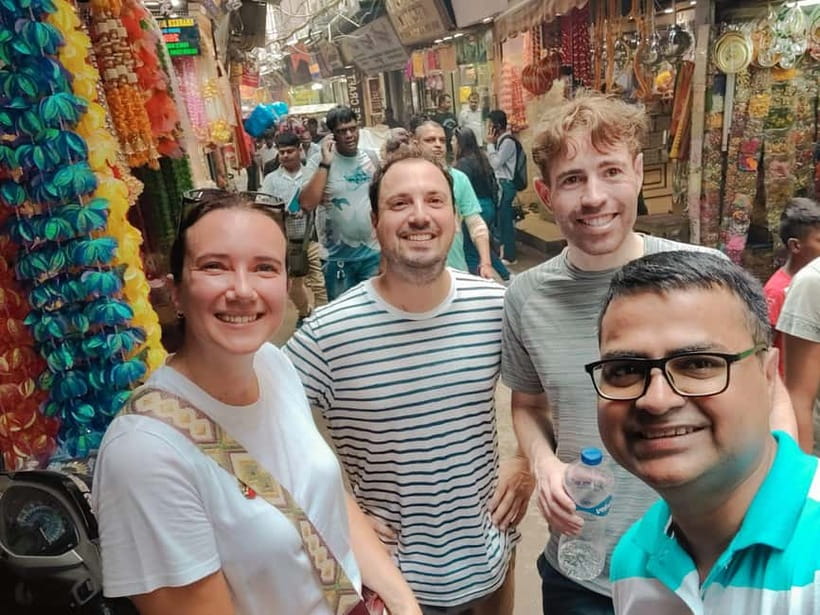
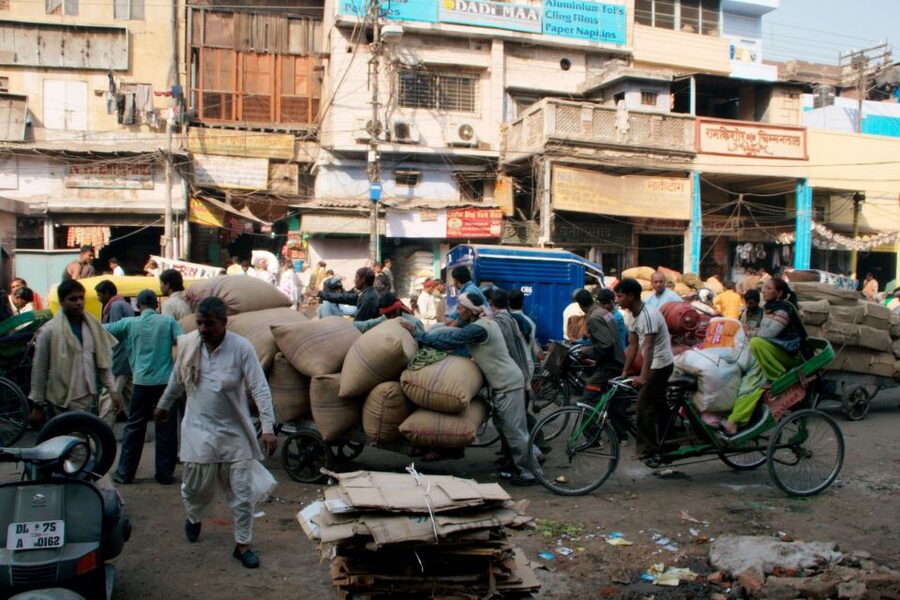
Chandni Chowk brings a more commercial rhythm. Expect clothing, wedding fabrics, jewelry, silverware, tea, sweets, and daily household goods. The markets can be noisy and crowded, and there is little space to stop without blocking people who are working. Keep your bag close, walk behind the guide, and pause only where the group can stand safely.
The goldsmith neighborhood is one of the more unusual parts of the route. Families and artisans have lived and worked in this area since the Mughal period, and the lanes show how a trade district can remain tied to a particular craft for generations. You may also pass textile shops and jewelry sellers. Shopping is not compulsory, but the guide can help explain prices and local buying practices if you are interested.
Some outings include a short rickshaw ride or extra stops for tea and snacks. These touches can make the route easier and more varied, but they are not listed as guaranteed inclusions. Food and drinks are officially extra, so carry some cash if you want to buy chai or street food.
Khari Baoli and the smell of the spice trade
The final major stop is Khari Baoli, the famous spice market near the old city’s commercial core. This is not a polished food hall. It is a working wholesale district where merchants handle large quantities of goods, and the atmosphere can be dusty, intense, and wonderfully direct.
The guide takes you toward a large warehouse area used by spice wholesalers. Open sacks reveal piles of different colors and textures. Depending on the day, you might see chilies, cumin, turmeric, cardamom, cloves, cinnamon, and other Indian seasonings. The point is not simply to smell a few spices. You learn how ingredients are sold, combined, and used in household cooking and commercial curry blends.
One useful part of the stop is the price comparison. Spices that cost surprisingly high amounts in overseas supermarkets may be ordinary wholesale goods here. Jai has also explained production stages, shopkeepers’ working patterns, curry ingredients, and the difference between common and less familiar spices.
The market is especially good for people who cook. You leave with a clearer idea of why Indian spice mixtures taste different from a single curry powder and why freshness, blending, and storage matter. If you buy anything, ask about packaging and take only what you can carry comfortably. Large bags and luggage are not allowed on the tour.
The sensory side is strong. The air can carry sharp chili, warm cinnamon, dusty turmeric, and sweet cardamom all at once. If you are sensitive to strong smells or crowded interiors, take a short step back when needed. The guide can keep the group moving without rushing the explanation.
More market walks in New Delhi:
- Bangkok: City Highlights Temple and Market Walking Tour
★ 4.5 · 3,990 reviews - Tokyo Tsukiji Fish Market Food and Culture Walking Tour
★ 5.0 · 3,184 reviews - Marrakech: Ben Youssef, Secret Garden, & Souks Walking Tour
★ 4.6 · 2,802 reviews - Marrakech: Colorful Medina Souks Guided Walking Tour
★ 4.7 · 2,470 reviews
What Jai Singh adds to the walk
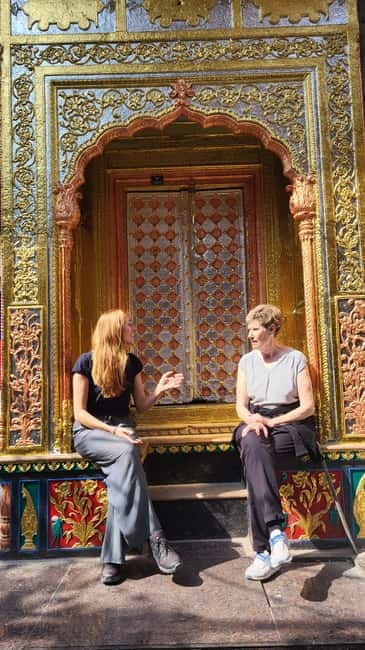
Jai Singh receives unusually consistent praise for three things: clear historical storytelling, patience, and personal care. He explains the past but also talks about current customs, food culture, local behavior, market work, and the social mix of Old Delhi.
That balance matters. A guide who only recites Mughal dates can leave you with attractive buildings but little sense of daily life. Jai connects the mosque, markets, workshops, and neighborhoods so you understand why this part of Delhi still functions as a living city rather than a museum district.
He also appears comfortable adapting the pace. Groups have stopped for chai, samosas, masala drinks, flower bracelets, jewelry, fabrics, and other local purchases. One solo participant was helped with a secure ride after the walk, while other participants received help with transport and onward plans. These extras depend on the guide and the day, but they show why having a local contact is useful in a complicated part of the city.
The guide’s manner is another strength. You can expect direct help crossing busy areas and moving through traffic, but you should still stay alert. Old Delhi is not a controlled pedestrian attraction. Cars, scooters, rickshaws, handcarts, animals, and shoppers share tight spaces.
How much walking and crowding should you expect?
This is a real walking tour, not a sightseeing drive with a few photo stops. You will move through narrow lanes, market streets, mosque steps, and uneven surfaces. The group may need to pause to let a cart or scooter pass, then move quickly through another section.
Wear comfortable shoes that you can remove and put back on easily if entering a religious site. Carry water, although one mineral water bottle per person is included. Bring a small day bag only, since luggage and large bags are not permitted.
The tour is not suitable for people with mobility impairments or pregnant women. Even fit visitors should think about heat, crowding, air quality, and the strain of standing and walking for several hours. The pace is often manageable, but Old Delhi itself cannot be made completely smooth or quiet.
Modest clothing is the sensible choice for a mosque visit and for walking through religious and residential areas. Ask before photographing people, workers, or shop interiors. The guide can help you understand where a picture is welcome and where it would be intrusive.
Is $13 a good price?
Yes, if you want a well-led introduction to Old Delhi. At $13 per person, the cost is low for three hours of local guiding through places that are difficult to interpret on your own. You are paying mainly for orientation, context, and confidence in the lanes, not for a long list of included attractions.
The Jama Masjid entrance fee is separate and costs INR 450. Food, drinks, tips, hotel transfers, and any optional rickshaw rides or shopping are also outside the basic price. That keeps the starting cost low, but you should budget a little extra if chai, snacks, or the mosque interior appeal to you.
The value is strongest for a first visit to Delhi, a solo visitor, or anyone who wants to understand the markets rather than simply photograph them. A private guide would offer more control, but this small-group format gives you a similar local introduction at a much lower cost.
Free cancellation up to 24 hours before the start and reserve-now, pay-later booking make the arrangement fairly flexible. Starting times vary, so check availability for your date.
Who should book this Old Delhi walk?
I would choose this tour if you enjoy street life, local commerce, architecture, and food culture. It suits curious first-time visitors who want a safe framework for exploring Old Delhi without being sealed inside a vehicle.
It also works well for solo visitors. The small group gives you company, while Jai’s help with meeting points and onward rides can reduce the stress of navigating Delhi alone. Couples and families with older children may also enjoy it if everyone can handle the walking.
I would not choose it for a quiet introduction to India. The route is crowded and sometimes chaotic. If you prefer polished attractions, air-conditioned transport, or a fixed schedule with no sensory surprises, this may feel tiring.
FAQ
Where does the tour meet?
Meet the guide at exit gate number 1 of Jama Masjid Metro Station in Delhi.
Can I come by Uber?
Yes. Use the provided Google Maps pin for the meeting point and share your WhatsApp or local Indian number so the guide can coordinate if you are nearby but not at the exact exit.
How long does the tour last?
The advertised duration is three hours. Some walks may run longer if the group adds shopping, food, or other stops.
Is the Jama Masjid entrance included?
No. Entering the mosque is optional and costs INR 450 per person. You can also view and photograph it from outside.
What language does the guide speak?
The tour is conducted in English.
How large is the group?
The small group is limited to seven participants.
Is hotel pickup available?
Pickup is optional for centrally located hotels. Standard meeting arrangements are at Jama Masjid Metro Station, and hotel drop-off is not included.
Are food and drinks included?
No. Food and drinks are not included in the stated price, although the guide may suggest or stop at places selling chai and snacks.
What should I bring?
Bring comfortable walking shoes, a small bag, and a phone with WhatsApp or another way to contact the guide. Large bags and luggage are not allowed.
Is the tour suitable for people with mobility impairments?
No. The tour is not suitable for people with mobility impairments or pregnant women because it involves substantial walking, uneven lanes, crowds, and mosque steps.
Should you book it?
Book this walk if you want Old Delhi explained from the inside out: its mosque, markets, crafts, food, religious spaces, and working streets. Jai Singh’s patient style and local detail are the main reasons to choose it, while the $13 price makes the decision easy for most visitors.
Skip it if you need a smooth, quiet, highly predictable outing. For everyone else, this is a practical first look at the old city, with enough history to give the chaos meaning and enough local detail to make the walk memorable.
More Walking Tours in New Delhi
- Spice Knight (Cooking Class -> Meal -> Local Market walk)
★ 5.0 · 59 reviews - Air Raid Shelter + St. Nicholas Market Walking Tour
★ 5.0 · 1,950 reviews - Tokyo: Tsukiji Fish Market Food and Walking tour
★ 5.0 · 1,724 reviews - Tokyo: Tsukiji Fish Market Guided Walking Tour
★ 4.9 · 1,397 reviews
More Heritage Tours in New Delhi
- Private Excursion to Floating Market and Ayutthaya World Heritage
★ 5.0 · 515 reviews - Palermo: Walking Tour of Historic Markets and Monuments
★ 4.9 · 478 reviews - Discover Palermo in 3 hours. Art, history, markets and street food
★ 5.0 · 352 reviews - 2 Hour Historic Market Food Tour and Hands-On Biscuit Class
★ 5.0 · 251 reviews
Just added around New Delhi
- Old Delhi Street Food and Spice Market Tour★ 5.0 · 12 reviews
- Old Delhi Temples and Spice Market Tour★ 5.0 · 5 reviews
- Old Delhi: Khari Bawli – Asia’s Largest Spice Market★ 5.0 · 3 reviews
- Delhi: Old Delhi’s Street Food, Temples & Spice Market Tour★ 5.0 · 30 reviews
- Delhi Markets: A Cultural Shopping Experience with an Expert★ 4.8 · 13 reviews
- Delhi: Half-Day Old Delhi Private Guided Tour with Markets★ 5.0 · 2 reviews
- Old Delhi Odyssey: A Tour of Religion, Spice Market, & Best Food★ 5.0 · 284 reviews
- Old Delhi & Spice Market Tour★ 5.0 · 98 reviews
Market Walking Tours, compared.
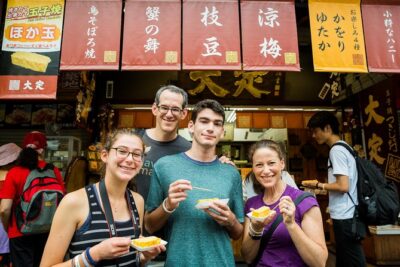
Tokyo Tsukiji Fish Market Food and Culture Walking Tour
Read our review →
Ben Youssef, Secret Garden, & Souks Walking Tour
Read our review →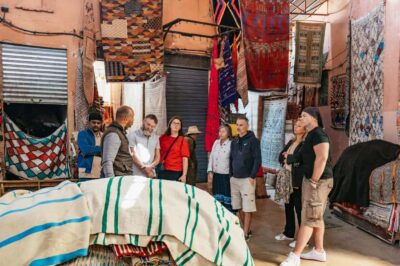

Air Raid Shelter + St. Nicholas Market Walking Tour
Read our review →


Nishiki Market Brunch Walking Tour (7 Tastings + Brunch)
Read our review →Tsukiji Fish Market Food and Culture Walking Tour
Read our review →Browse the lists this tour appears in