
Review · NEW DELHI
Delhi Markets: A Cultural Shopping Experience with an Expert
Delhi’s markets are not tidy rows of souvenir shops. They are narrow lanes full of wedding trim, bangles, spices, kitchen goods, clothing, food, rickshaws, and quick-moving shoppers. This private tour gives you a local guide to help you make sense of it all, with Kinari Bazaar’s wedding goods and Janpath’s boho fashion as two especially useful stops. I like the chance to shop for real items while learning why each market has its own character. I also like the practical help with bargaining and finding goods that suit your taste and budget.
The main caution is that the experience depends heavily on your guide. Most feedback praises Aamir, Aamer, Samir, Arham, and Riyaz for being kind, patient, and helpful, but one complaint describes little explanation and pressure to buy at out-of-the-way shops. Be clear about what you want, and do not feel obliged to purchase anything.
Key points at a glance
- Kinari Bazaar focuses on wedding craft: Look for embroidered trims, glittering bangles, and accessories used in Indian wedding celebrations.
- Matia Mahal adds Old Delhi flavor: Near Jama Masjid, you can browse kitchenware and choose the optional street-food tasting.
- Janpath suits modern shoppers: Boho clothing, Tibetan trinkets, jewelry, and independent fashion make this a useful stop for gifts.
- Your guide shapes the day: Aamir, Aamer, Samir, Arham, and Riyaz are named by past customers as friendly and helpful guides.
- The tour is private and flexible: Your guide can respond to requests for textiles, souvenirs, jewelry, fashion, photography, or particular items.
- The $9 price is unusually low: With hotel transport, a private guide, water, and four hours included, the value is strong, but your purchases and optional food cost extra.
Why Delhi’s markets work better with a guide
A Delhi market can be exciting for five minutes and confusing for the next fifty. Shops blend into one another, lanes change character quickly, and a price that sounds final may only be the opening move. A local guide gives you a second set of eyes, a way to ask questions, and help when you want to compare goods without wandering at random.
The best part of this experience is that shopping is not treated as a simple buying task. You learn what a market is known for, how its sellers work, and which handmade details deserve attention. That turns a quick purchase into a more useful piece of cultural contact.
This is also a private group tour, so you are not tied to the tastes or shopping list of strangers. If you want wedding decorations, textiles, jewelry, clothing, or small gifts, tell your guide early. The description specifically promises recommendations based on your taste and budget, and one solo customer found the format especially helpful for exploring shops with confidence.
At $9 per person, the cost is modest for four hours. Hotel pickup and drop-off, bottled water, the guide, and visits to three or four markets are included. That makes the tour a good value even if you buy only a few small items. The price becomes less impressive if you expect a fully guided sightseeing tour with long historical talks at every stop, since the heart of the experience is shopping and conversation.
More market shopping trips in New Delhi:
- Private Custom Shopping Tour: Delhi’s Bustling Markets
★ 4.5 · 15 reviews - Hanoi: Handcrafted Wood Carving Workshop with Local Artisan
★ 5.0 · 733 reviews - Marrakesh: Guided Souk Shopping Tour with a Local Guide
★ 4.9 · 651 reviews
Kinari Bazaar and the craft of Indian weddings
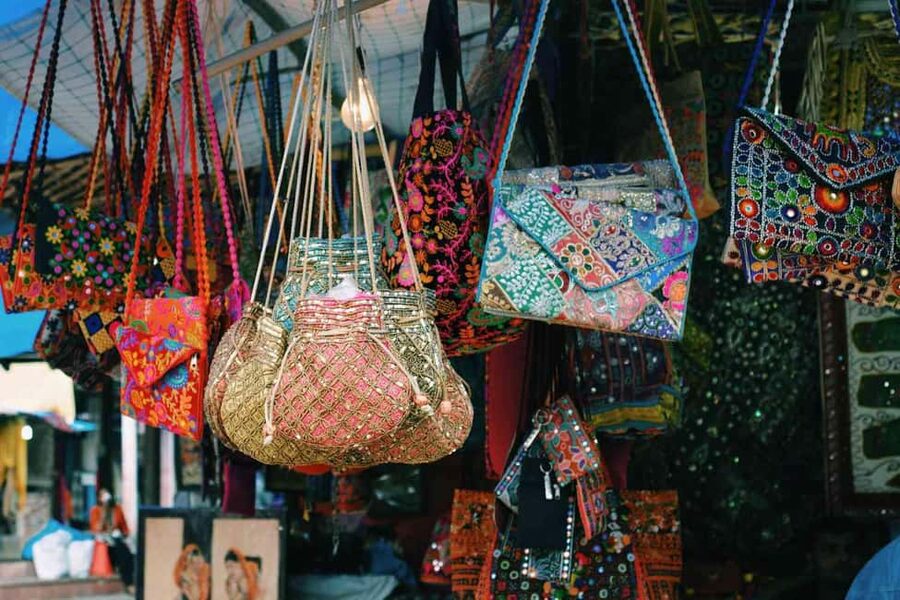
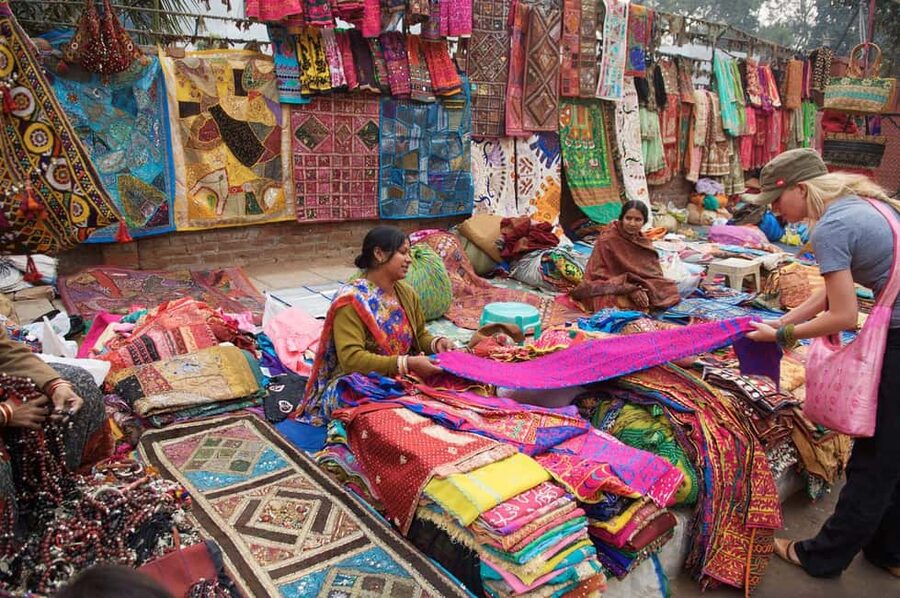
Kinari Bazaar is the most distinctive stop on the route. Its specialty is the visual language of Indian weddings: sparkling trims, hand-embroidered borders, decorative accessories, and bangles that can turn a plain outfit into a celebration.
You might not be shopping for a wedding, but this market helps explain how much detail goes into Indian ceremonial clothing and decoration. Look closely at the embroidery and edging rather than only judging an item by its sparkle. Your guide can help you spot better workmanship and explain how the material might be used.
This is a strong place for photographers, craft fans, and anyone who likes unusual souvenirs. A small piece of trim or a set of bangles may pack more cultural meaning than a generic Delhi magnet. Ask before photographing people, shop interiors, or detailed work, and keep your hands free enough to move through tight lanes.
The market can also be intense. You may see many similar items, hear several prices, and feel pulled toward purchases before you have decided what you want. Set a spending limit before entering. If you are only browsing, say so politely and keep moving.
One customer specifically called the wedding street in Old Delhi a must-see part of the experience. That fits the appeal: Kinari Bazaar gives you a look at a working market tied to local celebrations, not a display built only for tourists.
Matia Mahal near Jama Masjid
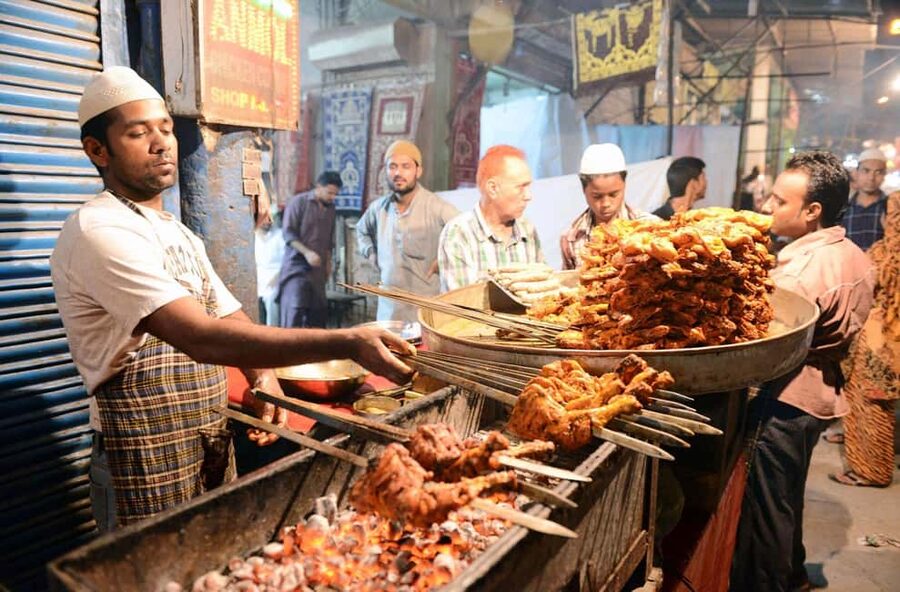
The route then moves toward Matia Mahal, close to Jama Masjid. Here, kitchenware and food share the same lanes. The change from wedding accessories to metal goods and cooking items gives the tour a useful contrast. Delhi’s markets are not separated into neat museum sections. Daily work, food, trade, and family life sit side by side.
The optional street-food tasting adds another layer. If you select it, you can try local snacks while your guide helps you understand what you are eating and where it fits into the market. Food choices are not included automatically, so confirm that you have selected the tasting option if it matters to you.
Use sensible judgment with street food. Bring cash, carry water, and tell your guide about dietary limits before ordering. The tour includes bottled water, but it does not promise a specific dish or cater to particular diets in the information provided.
This section may be more interesting if you enjoy everyday life than if you want polished shopping. Kitchenware is practical, and you might find useful household pieces, but the pleasure comes from seeing how the market operates. One customer also had a spice-market visit and a rickshaw ride around Chandni Chowk with a guide named Samir. Those additions show that the exact route can respond to local conditions and your requests, but they should not be treated as guaranteed parts of every booking.
Janpath for boho clothes and small gifts
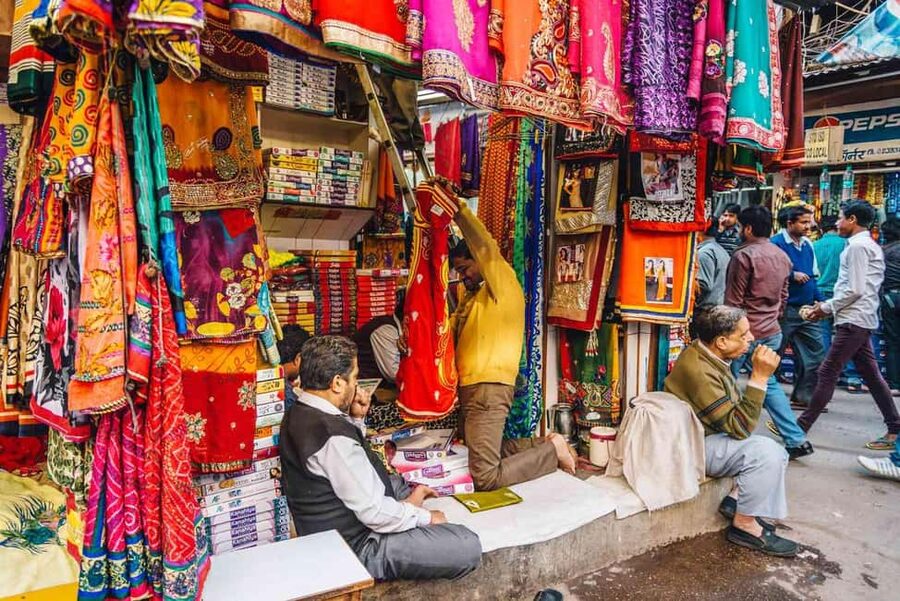
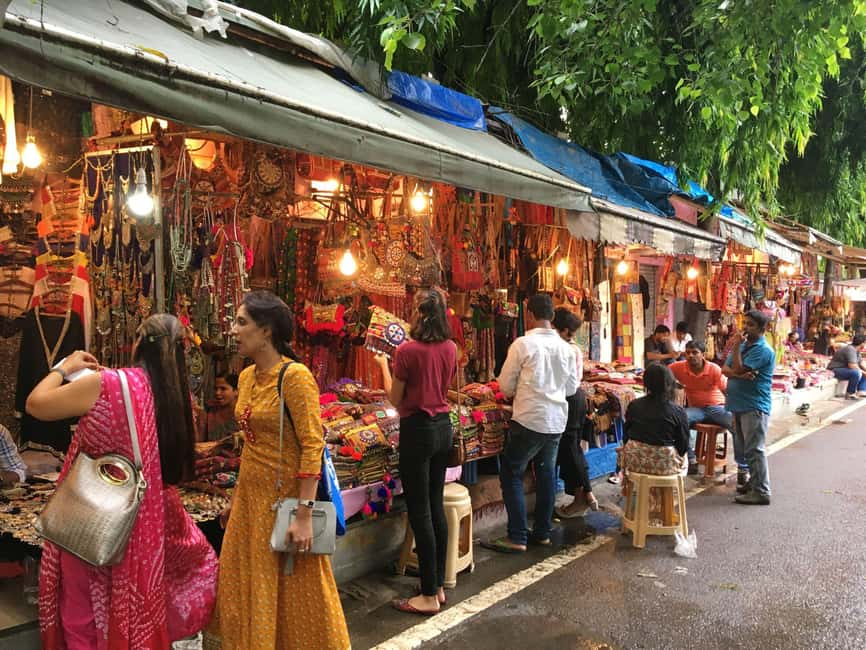
Janpath brings a different mood. It is associated here with boho clothing, Tibetan trinkets, indie fashion, and gift shopping. If you want something easy to pack, this may be the most useful market on the tour.
The selection suits shoppers looking for scarves, jewelry, decorative pieces, or relaxed clothing rather than formal Indian craftwork alone. You may find items that feel more contemporary than the wedding goods at Kinari Bazaar. The benefit of having a guide is not simply finding a shop. It is getting help comparing quality, material, and price before you buy.
Bargaining is part of the experience, but it should remain friendly. Start with a reasonable offer, keep your tone light, and be prepared to walk away if the price does not work for you. A guide can model the process and help you avoid paying far more than necessary, but you still make the final decision.
Do not expect every item to be handmade just because it is sold in a market. Ask where an item was made and what materials it uses. The tour promises help spotting high-quality handmade goods, which is useful, but no guide can guarantee that every seller offers artisan-made work.
More shopping tours in New Delhi:
- Old Delhi Food-Spice Market-Temples Tour Soon Featured on NETFLIX
★ 5.0 · 304 reviews - Old Delhi Odyssey: A Tour of Religion, Spice Market, & Best Food
★ 5.0 · 284 reviews - Old Delhi & Spice Market Tour
★ 5.0 · 98 reviews - Spice Knight (Cooking Class -> Meal -> Local Market walk)
★ 5.0 · 59 reviews
What the guide adds to the shopping
The strongest praise goes to the guides’ personal help. Aamir is described as patient, fun, and attentive to shopping needs. Aamer is praised for helping a solo customer feel safe in heavy crowds and jammed roads. Samir adjusted the route to requested items and included the spice market, a rickshaw ride, and street food. Riyaz is described as friendly and well informed about the markets, while Arham was paired with an experienced driver during an Old Delhi outing.
These details matter because Delhi shopping can involve more than choosing a product. You may need help crossing a crowded lane, explaining what you want, checking a price, or finding your vehicle again. A private guide can reduce that friction.
Still, your experience may vary. One customer felt the guide gave little information, led the group to distant shops, and allowed sellers to apply pressure while waiting outside. That is a serious concern, especially if you dislike sales tactics. Protect yourself by stating three things at the beginning: what you want to buy, what you do not want to buy, and whether you prefer markets over fixed-price shops.
If a shop feels uncomfortable, say that you would like to leave. The tour is meant to help you shop, not commit you to a purchase. A good guide should respect that boundary.
How to handle money and bargaining
Bring both cash and a credit card. The official advice specifically recommends carrying both, and personal shopping is not included in the $9 price. Street food, if selected, also comes separately from the tour fee.
Ask the price before showing strong interest. If you like an item, compare a few similar pieces before making an offer. Do not bargain over a tiny amount simply to win. The aim is a fair local price and a pleasant exchange, not the lowest number possible.
Your guide can help identify quality, but keep track of your own purchases. Check embroidery, fastenings, stones, fabric, and metalwork before paying. If you buy clothing, confirm the size and inspect the item in good light where possible. Markets reward patience.
The low tour price can make it tempting to spend more on shopping than planned. Decide your total budget in advance, then divide it among gifts, personal purchases, and food. A small amount of cash in smaller notes can make transactions easier, though the activity also advises bringing a credit card.
Getting around Old Delhi
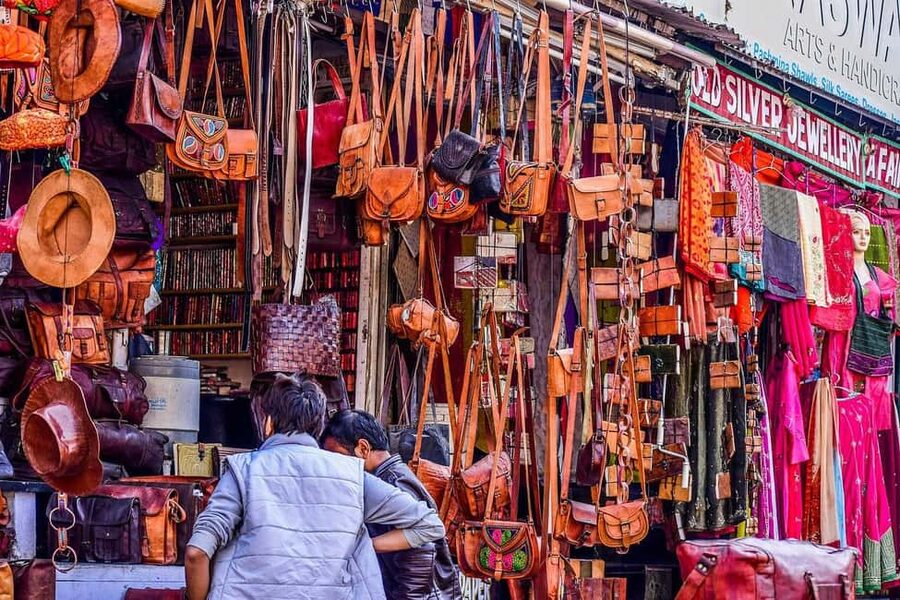
Pickup and drop-off are included from Delhi, Gurgaon, Noida, Ghaziabad, Faridabad, and Delhi Airport. That is a real advantage for a four-hour market outing, since you do not need to arrange your own way into the shopping districts.
The tour is on foot through market lanes, with transport between areas as needed. Expect crowds, traffic, and tight roads rather than a slow, open-air stroll. One customer specifically praised Aamer for managing intense crowds and jammed roads, while another described a rickshaw ride as part of the day.
Wear comfortable shoes and keep valuables secure. The supplied information does not give a specific accessibility plan, so ask before booking if stairs, uneven lanes, or crowded walking areas could be difficult for you. The same advice applies if you have limited time at the airport, since pickup there is offered but traffic can affect a four-hour schedule.
Who will get the most from this tour
I would choose this experience if you want shopping to be part sightseeing and part conversation. It is especially well suited to:
- People interested in textiles, jewelry, fashion, and craft
- Photographers who want busy market scenes and detailed handmade work
- Solo visitors who prefer local help in crowded areas
- First-time Delhi visitors who want bargaining guidance
- Shoppers with a clear request, such as wedding trim, gifts, clothing, or spices
- Anyone who prefers a private group over a large scheduled tour
It is less suitable if you want a quiet museum-style outing, dislike bargaining, or want every stop fixed in advance. The route covers three or four handpicked markets, but the guides may adjust the day to your interests. That flexibility is useful for some people and frustrating for others.
The language list is broad: English, French, German, Hindi, Japanese, Russian, and Spanish are available. Confirm your preferred language when booking. The live guide format means you can ask questions as you go instead of relying on a recorded explanation.
Practical details before you book
The outing lasts four hours, and starting times depend on availability. Free cancellation is available up to 24 hours in advance for a full refund, and you can reserve now while paying later. Those terms are useful if your Delhi plans are still shifting.
The tour includes bottled water, hotel pickup and drop-off, a local market guide, and the walking route through three or four markets. It does not include anything you buy, and street-food tasting applies only if you choose that option.
I would message the operator with a short shopping brief before the day begins. List the items you want, your approximate budget, any food restrictions, and whether you want more time for photography or actual buying. That gives the guide a clear starting point and reduces the chance of being taken somewhere that does not suit you.
Should you book the Delhi market tour?
Book it if you want an affordable, private introduction to Delhi shopping and you value personal help more than a fixed sightseeing script. The combination of Kinari Bazaar’s wedding craft, Matia Mahal’s food and kitchenware, and Janpath’s clothing and trinkets gives you a broad look at the city’s commercial life in four hours.
I would be more cautious if you strongly dislike sales pressure. The occasional concern about low explanation and unwanted shop choices should not be ignored. Set boundaries early and ask for market-focused stops.
At $9 per person, the included transport, water, guide, and private format make this a strong-value choice. You may leave with bangles, fabric, clothing, spices, or no purchases at all. The real benefit is having someone help you understand what you are seeing and decide what is worth your money.
FAQ
How long does the Delhi market tour last?
The tour lasts four hours.
Which markets are included?
The experience includes a walking tour of three or four selected markets. The stated route includes Kinari Bazaar, Matia Mahal, and Janpath, with other nearby markets possible.
Is the tour private?
Yes. The activity is offered for a private group.
Is hotel pickup included?
Yes. Pickup and drop-off are available in Delhi, Gurgaon, Noida, Ghaziabad, Faridabad, and from Delhi Airport.
What languages are available?
Guides are available in English, French, German, Hindi, Japanese, Russian, and Spanish.
Is street food included?
Street-food tasting is included only if you select that option. Personal shopping expenses are not included.
Can I cancel the booking?
Yes. You can cancel up to 24 hours in advance for a full refund. You can also reserve now and pay later.
Just added around New Delhi
- Old Delhi Street Food and Spice Market Tour★ 5.0 · 12 reviews
- Old Delhi Temples and Spice Market Tour★ 5.0 · 5 reviews
- Old Delhi: Khari Bawli – Asia’s Largest Spice Market★ 5.0 · 3 reviews
- Delhi: Old Delhi’s Street Food, Temples & Spice Market Tour★ 5.0 · 30 reviews
- Delhi: Half-Day Old Delhi Private Guided Tour with Markets★ 5.0 · 2 reviews
- Old Delhi Odyssey: A Tour of Religion, Spice Market, & Best Food★ 5.0 · 284 reviews
- Old Delhi & Spice Market Tour★ 5.0 · 98 reviews
- Private Half-Day Delhi Flower Market Tour★ 5.0 · 5 reviews
Market Shopping Tours, compared.
Handcrafted Wood Carving Workshop with Local Artisan
Read our review →
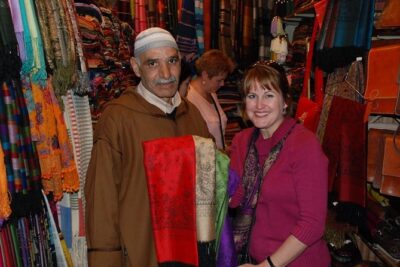
Shopping in the Souks of Marrakech Private Tour
Read our review →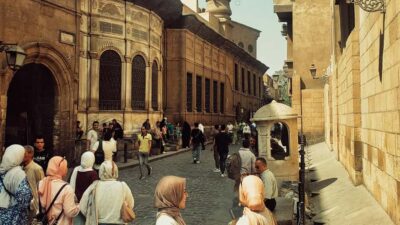
Local Markets & Khan el Khalili Private Shopping Tour
Read our review →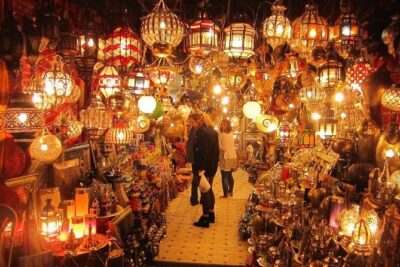
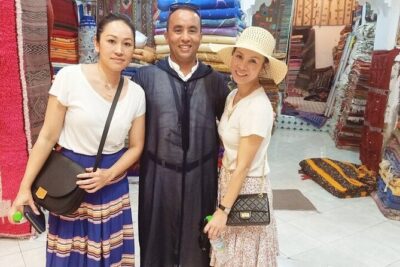
Pierogi Cooking Class with Market Shopping and Local Snacks
Read our review →
Exclusive Private Shopping Adventure in The souks
Read our review →Browse the lists this tour appears in