
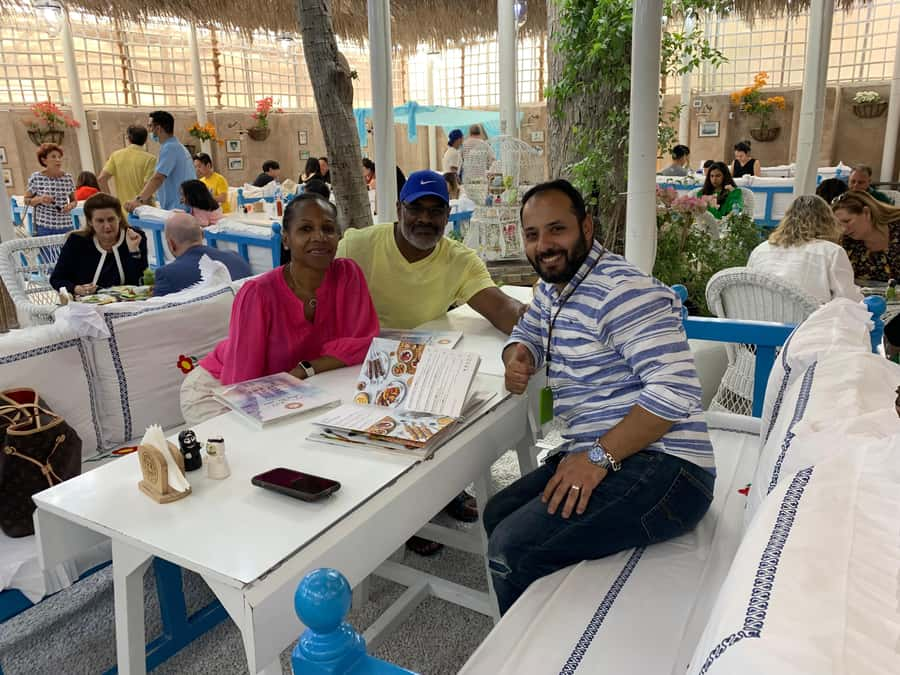
Review · DUBAI
Dubai Old Town, Creek, Abra boat, Souks Guided walking Tour
Dubai’s glass towers get the attention, but this three-hour Old Dubai tour takes you to the city that came before them. You’ll walk among coral-and-shell houses in Al Fahidi, cross Dubai Creek in a small abra, and finish among the scents of cardamom, saffron, and frankincense in the souks. I like the mix of walking, museum stops, local tastes, and boat travel. It gives you several ways to understand Dubai without spending a full day.
I also like the guide’s practical role in the Gold Souk, where the sales pitch can feel intense. Megan from the United States found her guide helpful when negotiating with vendors and good at finding shade for her teenagers in the July heat. The main drawback is the pace and terrain: you’ll walk through narrow lanes, cross markets, and board a small boat, so this is not a good match for people with mobility impairments. Large bags and luggage are not allowed.
Key points at a glance

- Coral-and-shell houses in Al Fahidi: See more than 55 traditional homes and learn how Old Dubai developed before its modern building boom.
- A real creek crossing by abra: The short boat ride links Bur Dubai with Deira and gives the tour a useful change of pace.
- Coins Museum stop: Examine old coins from Arabia and Dubai, with a look at different periods of the region’s past.
- Food and drink included: Arabic coffee or tea, fresh juice, bottled water, a samosa, and camel milk chocolate are part of the experience.
- Gold and Spice Souks: Shop for jewelry and spices with a guide who can help you handle vendor attention and bargaining.
- Small-group feel without a full-day commitment: At $27 per person, the tour packs several Old Dubai sights into three hours.
Starting at Al Seef, Dubai’s old quarter with a new edge
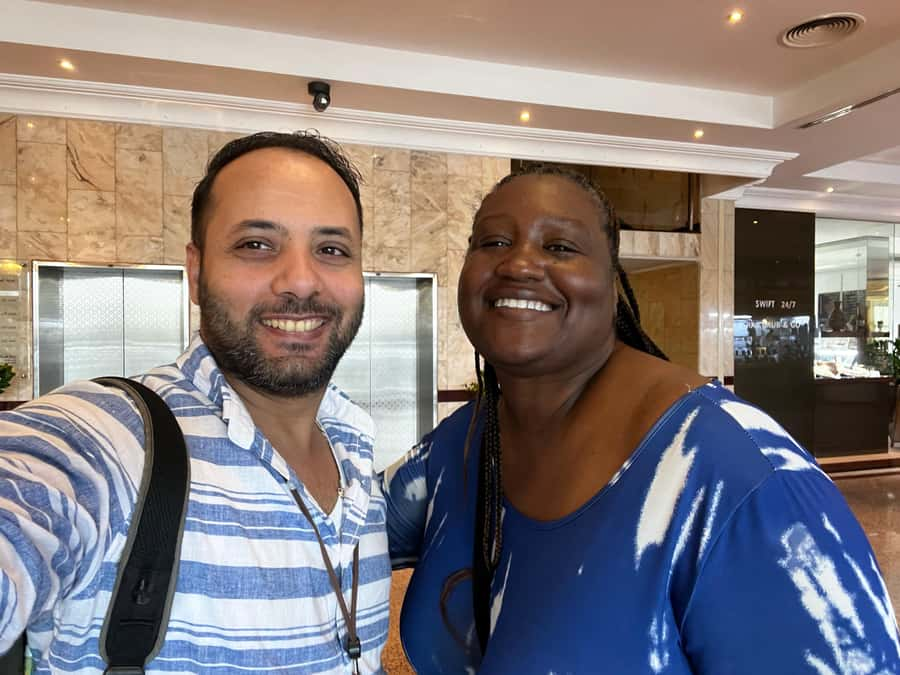
Meet outside Al Seef Heritage Hotel Dubai, Curio Collection by Hilton. You can reach the meeting point by taxi, or use Sharaf DG Metro Station on the Green Line. The meeting point matters because Al Seef sits beside Dubai Creek and gives you an easy transition from modern Dubai into the city’s older trading districts.
The first guided stop lasts about 20 minutes. Al Seef is a designed heritage area rather than an untouched historic neighborhood, so keep your expectations clear. It sets the mood with old-style architecture and creekside views, but the more authentic historical details come later in Al Fahidi and Deira.
Your guide speaks Arabic and English. French-speaking guide Walid is also associated with this experience, which may help French-speaking visitors who want more than basic directions. The guide is central to the tour because the streets, buildings, and market goods make more sense when someone explains what you are seeing.
More Market Boat Tours in Dubai
- Dubai: Authentic Old Town, Souks, Tastings & Abra Boat Tour
★ 5.0 · 845 reviews - Authentic Old Dubai, Souks, Tastings & local boat Guided Tour
★ 5.0 · 504 reviews - Dubai: Premium Old Town, Street Food, Souks & Boat Ride Tour
★ 4.9 · 262 reviews
Al Fahidi and the homes built for desert life
From Al Seef, the group heads toward Al Fahidi Historical Neighborhood, also known as Al Bastakia. The guided walk here lasts around 30 minutes. This is the part of Dubai where the tour most clearly leaves the modern city behind.
More than 55 houses were built with coral and seashells. Those materials were available from the nearby Gulf and suited the local climate. Look for the traditional wind towers, which helped move air through homes before air-conditioning. The narrow lanes also offered shade, an important detail when you are walking in Dubai.
I like this stop because it presents Old Dubai as a place where people lived, worked, and adapted to a demanding climate. You are not just looking at decorative walls. You are seeing practical building methods tied to the sea, the desert, and the trading economy.
The pace is fairly brisk. You will stop to discuss local customs, traditions, and daily life, but this is not a long architectural lecture at each house. If you want detailed time inside every building, a private walking tour would give you more freedom. For a short introduction, the format works well.
The Coins Museum and a compact history lesson
The Coins Museum receives about 20 minutes of guided time. The collection shows old coins from Arabia and Dubai and helps explain the different eras that shaped the region’s trade.
This is a useful stop because Dubai’s story is often told through its skyscrapers and shopping centers. Coins point you toward another story: commerce, changing rulers, regional connections, and the value systems used before the current currency and modern economy.
You should not expect a large museum visit. Twenty minutes is enough for an overview, not a slow study of every display. The advantage is that the stop keeps the history concrete. You can connect the objects in the cases with the trading activity you will see later in the souks.
Traditional village, Al Fahidi Fort, and Al Souq Al Kabeer
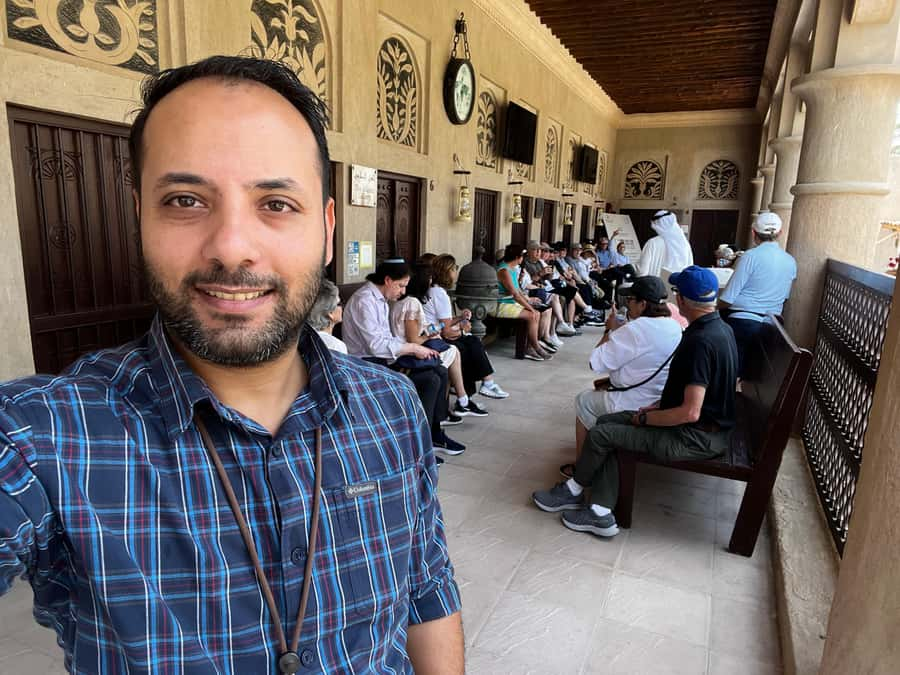
The next guided stop is a traditional village, with about 20 minutes set aside for it. Here the focus remains on Bedouin life and the customs of the Arabian Peninsula. The tour is designed to give you context for how people lived before Dubai became a global business and tourism center.
A 10-minute photo stop follows at Al Fahidi Fort. The short stop is enough for pictures and a quick explanation, but not a full fort visit. That distinction matters if you are building your day around major museum interiors. Here, the value comes from seeing a recognizable Old Dubai landmark as part of a larger walking route.
The group then passes through Al Souq Al Kabeer for roughly 15 minutes. This section helps connect the residential quarter with the commercial streets. It is a pass-through rather than a dedicated shopping session, so save your serious browsing for the Spice and Gold Souks later.
The walking surfaces and narrow lanes are part of the setting, but they can also make the tour tiring. Wear supportive shoes, carry only what you need, and take advantage of shaded areas when your guide points them out. Megan’s experience in the hot July weather is a useful reminder that shade is not a minor comfort here.
More Market Boat Tours in United Arab Emirates
- walking tour in old dubai, souks, abra boat, old town
★ 5.0 · 89 reviews
Crossing Dubai Creek by abra
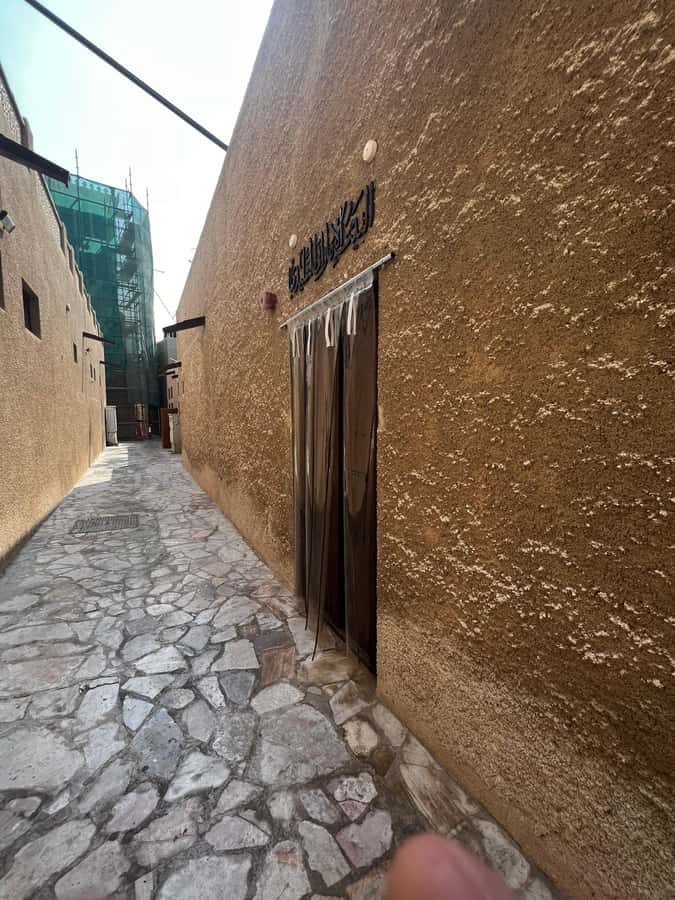
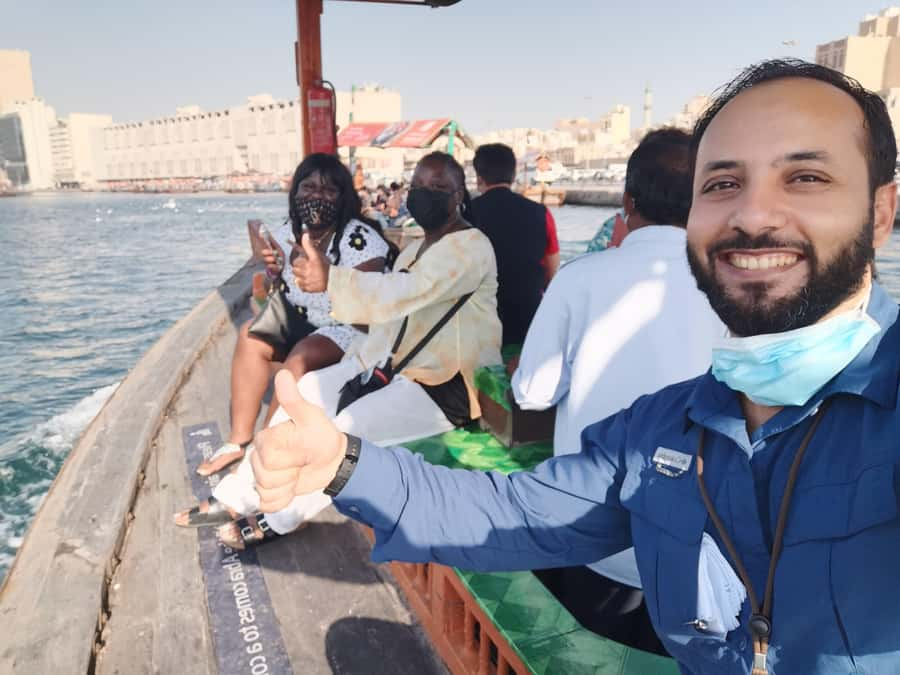
At Bur Dubai Abra Station, you board a traditional abra for a short crossing of Dubai Creek. The boat ride itself lasts about five minutes, but it is one of the tour’s most memorable changes of scene.
An abra is a small open boat, so you get a direct view of the water and the working relationship between Bur Dubai and Deira. You are not taking a sightseeing cruise with a long commentary. You are using the same basic form of transport that links the two sides of the creek.
The crossing also saves the tour from becoming three straight hours of pavement. After the historic lanes, the boat offers a brief pause before the markets. Keep your belongings secure and leave large luggage behind, since the activity does not allow large bags.
Spice Souk: follow the aromas through Deira
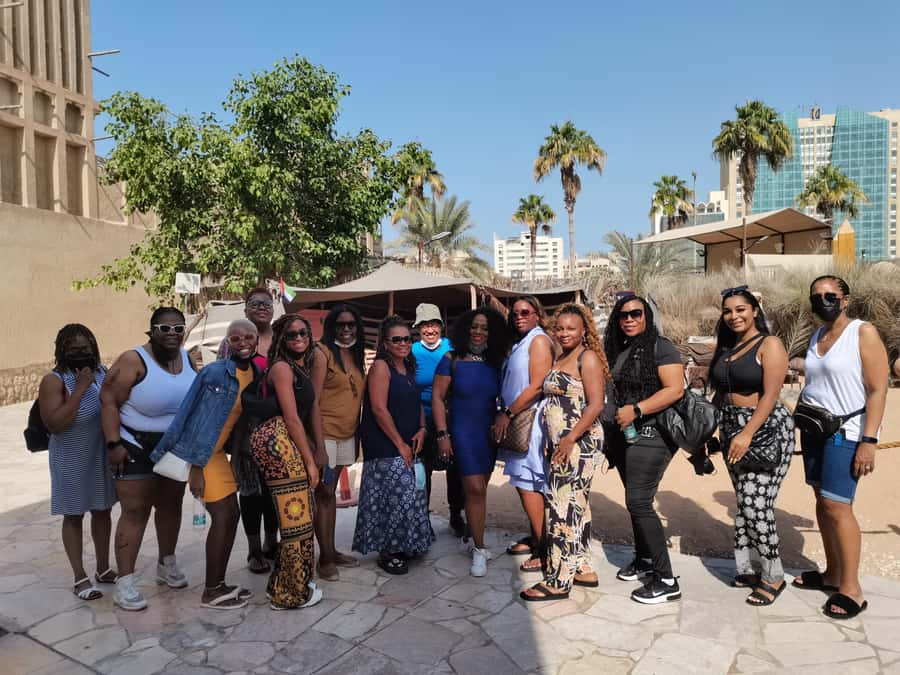
After the creek crossing, you walk through the Spice Souk for about 20 minutes, followed by another guided 30-minute visit that includes shopping. The souk is in Deira, one of Dubai’s oldest commercial districts, and its narrow lanes are lined with shops selling spices from around the world.
This is where the tour becomes especially sensory. You can expect sacks, jars, and displays of spices in strong colors and scents. Cardamom, saffron, dried herbs, and other products may catch your attention, though the exact shop displays can change.
The guide’s help is valuable here. Shopkeepers may invite you to sample or buy goods, and a guide can explain what you are looking at and help you keep the interaction friendly and manageable. The tour includes street food in the form of a samosa, fresh juice, Arabic coffee or tea, and camel milk chocolate. These small tastes give you a better feel for local flavors than simply passing shop windows.
Remember that the listed inclusions do not cover a general meal. The included snacks and drinks are useful refreshments, but you should not treat them as lunch. If you have dietary restrictions, the supplied information does not specify alternatives, so ask before booking.
Textile Souk and the route toward the Gold Souk
The walk through the textile markets gives you a look at another part of Dubai’s traditional retail trade. The route leads toward the abra and then onward to the Gold Souk. This section is less about a single landmark and more about seeing how closely the markets, creek transport, and old neighborhoods fit together.
The tour does not promise a long textile-shopping session. Think of it as a short market walk during the transition between the historic quarter and Deira. If fabrics are your main interest, you may want to return independently after the tour.
Gold Souk: jewelry, sales pressure, and useful guidance
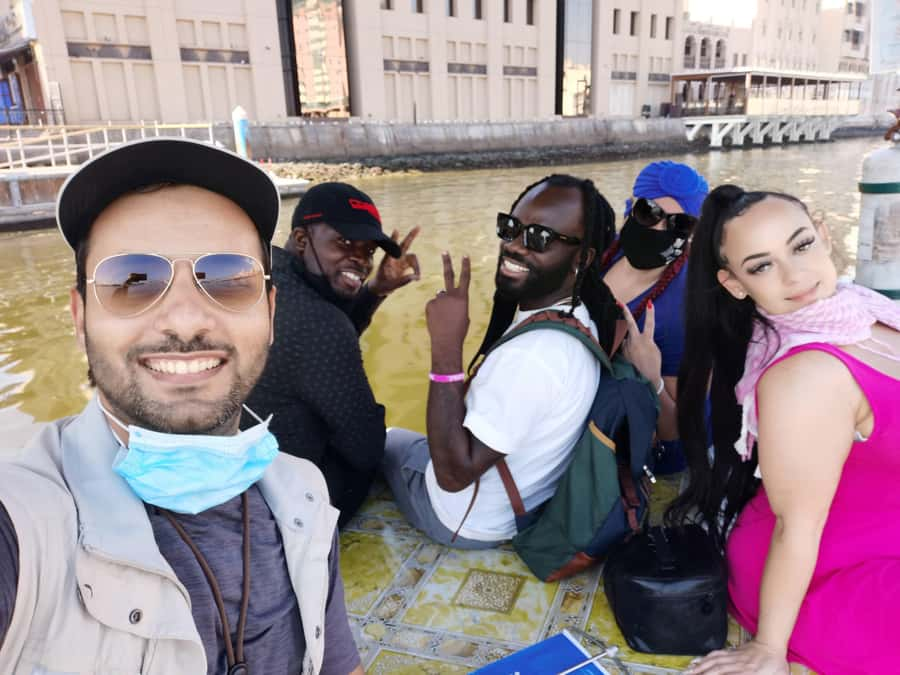
The Gold Souk is the final major market stop. Small stores line narrow streets, with Arabic and Indian jewelry styles displayed in windows and counters. The designs range from traditional pieces to elaborate modern work.
You can browse without needing to buy anything, but the sales attention may be direct. This is where a helpful guide earns the tour fee. Megan specifically valued her guide’s help negotiating with vendors, and that is practical assistance rather than background commentary. You still need to decide what you want to spend and what terms you accept, but you do not have to face every interaction alone.
The Gold Souk is best approached as a cultural market visit first and a shopping opportunity second. Prices, workmanship, and gold rates are separate questions, so avoid making a rushed purchase simply because the displays are impressive. If you do shop, take your time and ask clear questions about weight, workmanship, and the final price.
What the $27 price really covers
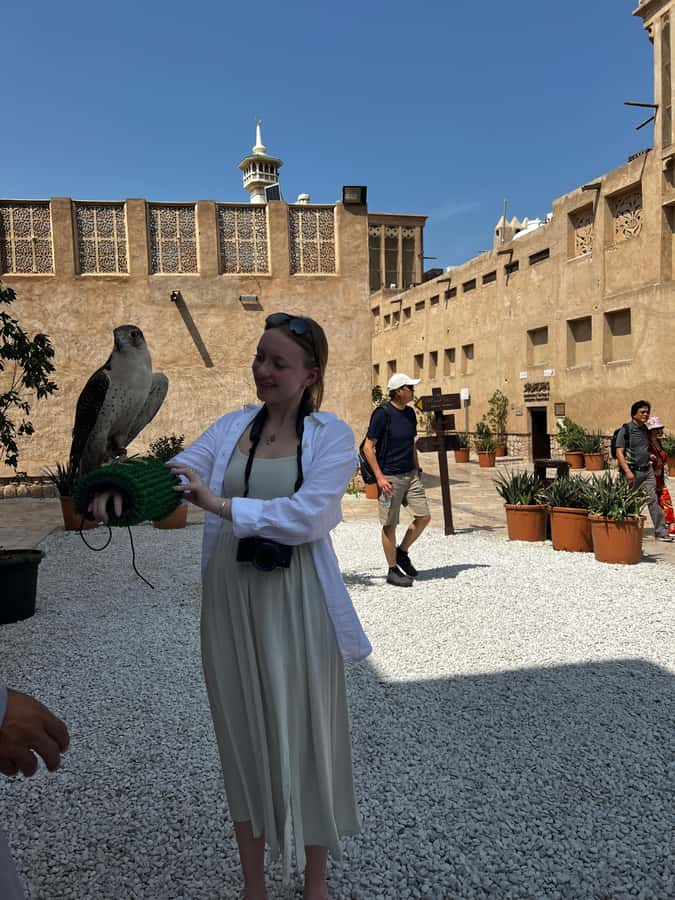
At $27 per person, this tour offers solid value if you want an introduction to Old Dubai in a short window. The price includes a local guide, heritage-site entry, museum entry, the abra ride, bottled water, Arabic coffee or tea, fresh juice, a samosa, and camel milk chocolate. It also includes visits to both the Spice Souk and Gold Souk.
You are paying for a connected route, not just admission to one attraction. The guide links the architecture, museum objects, creek crossing, food samples, and markets into one story. That is useful if you have only a few hours or do not want to work out the route between Bur Dubai and Deira yourself.
Transportation to the meeting point is not included. You must make your own way to Al Seef, and any purchases or additional food are your responsibility. At three hours, the tour also leaves room for a separate meal or further sightseeing afterward.
The value is strongest for first-time visitors who want orientation. If you already know Al Fahidi, the creek, and both souks well, the stops may feel familiar. In that case, the guide’s historical explanations and shopping help become the main reasons to book.
Heat, walking, and who should book
Dubai’s heat can change the experience, especially in July. The route includes outdoor walking through historic lanes and markets, though the guide may choose shaded areas when possible. Bring water even though bottled water is included, wear light clothing, and use sun protection.
The tour is not suitable for people with mobility impairments. The narrow lanes, walking sections, market crowds, and small boat boarding all make the route physically demanding in ways that are not captured by the three-hour duration.
I would recommend it to:
- First-time Dubai visitors who want more than malls and towers
- Families with older children and teenagers who benefit from a varied route
- Visitors staying near the creek or using the Green Line
- Shoppers who want guidance in the Spice and Gold Souks
- Anyone with a short stop in Dubai who wants several historic sights in one outing
I would be more cautious if you dislike vendor attention, cannot walk comfortably for much of three hours, or want a slow museum-focused experience. The tour covers a lot of ground and keeps moving.
Should you book this Old Dubai tour?
Book it if you want a practical, low-cost introduction to Al Fahidi, Dubai Creek, and the souks, with food samples and a guide to make the markets easier to handle. The combination of coral-and-shell houses, old coins, an abra crossing, spices, textiles, and gold gives you a broad picture of Dubai’s past in a short time.
Skip it if your priority is a private pace, extensive museum time, or a full meal. Also reconsider if you have mobility limits or prefer to avoid shopping districts. For most first-time visitors who can manage the walking, $27 is a fair price for three hours of history, transport, tastings, and practical market help.
FAQ
Where does the tour begin?
The meeting point is outside Al Seef Heritage Hotel Dubai, Curio Collection by Hilton. You can reach it by taxi, and Sharaf DG Metro Station on the Green Line is the nearest metro stop.
How long does the experience last?
The tour lasts three hours. Starting times depend on availability when you book.
Which languages are available?
The live guide is available in Arabic and English. French-speaking guide Walid is associated with the experience.
Is the abra boat ride included?
Yes. A traditional abra crossing on Dubai Creek is included, and the boat portion lasts about five minutes.
Are food and drinks included?
Arabic coffee or tea, bottled water, fresh juice, a samosa, and camel milk chocolate are included. A general meal is not included.
Can I bring luggage or a large bag?
No. Luggage and large bags are not allowed on the activity.
More Market Walking Tours in United Arab Emirates
- Walking Tour in Dubai. Souks, museums, Local Food Testing
★ 5.0 · 11 reviews - Dubai: Guided City Walking Tour to Spice and Gold Souk
★ 5.0 · 3 reviews - Dubai: Private Old Town, Heritage & Souks Walking Tour
★ 4.9 · 102 reviews
More Market Walking Tours in Dubai
- Historic Old Dubai & Souk Small Group Walking Tour
★ 5.0 · 156 reviews - Dubai Souks, Food & Culture Walking Tour
★ 5.0 · 132 reviews - Private Old Dubai Walking Tour: Forts, Souks, and Boats
★ 5.0 · 116 reviews - Private Historic Old Dubai and Souks Walking Tour featuring Hidden Gems
★ 5.0 · 27 reviews
Just added around Dubai
- Walking Tour in Dubai. Souks, museums, Local Food Testing★ 5.0 · 11 reviews
- Old Dubai Heritage Tour: Souks, Mosques & more hidden gems!★ 4.3 · 72 reviews
- Old Dubai Guided Tour With Photographer: Souks & Street Food★ 4.9 · 74 reviews
- Dubai:Private Frame Entry, Mosque, Souks, Tastings& transfer★ 4.8 · 9 reviews
- Dubai: Discover Dubai Old Town, Souks, Museum & Street Food★ 4.9 · 25 reviews
- Dubai: Guided City Walking Tour to Spice and Gold Souk★ 5.0 · 3 reviews
- Dubai Food Tour: 4 Cuisines, Souks & Street Bites★ 3.0 · 3 reviews
- Dubai: Al Ain Oasis, Camel Market, Old Museum & Jebel Hafeet★ 4.4 · 8 reviews
Market Boat & River Tours, compared.
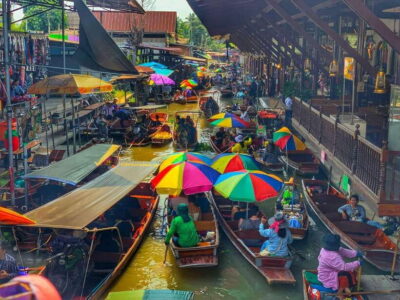
Train Market & Floating Market with Boat Ride
Read our review →
Cooking Class Hoi An:Local Market, Basket Boat, Fishing & Cooking
Read our review →
Market Tour, Basket Boat Ride and Cooking Class
Read our review →
Hoi An Cooking Class(Local market,Basket Boat,Fishing & Cooking)
Read our review →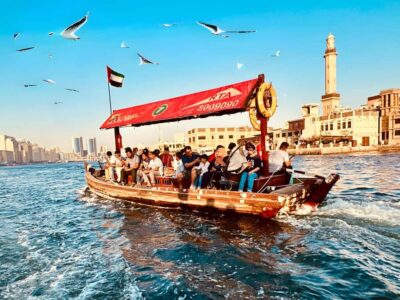
Authentic Old Town, Souks, Tastings & Abra Boat Tour
Read our review →
Hoi An Eco Tour Cooking Class & Fishing (Local market,basket boat,learn cooking)
Read our review →
Largest Floating Market, Wild Small Canal System & Organic cocoa
Read our review →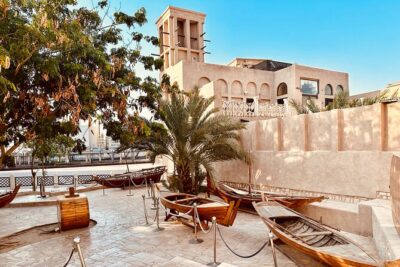
Authentic Old Dubai, Souks, Tastings & local boat Guided Tour
Read our review →Browse the lists this tour appears in