
Review · UBUD
Balinese Ubud cooking school (9 Dish Cooking and Market Tour)
The best part of this Ubud experience is the sheer amount of food you learn to make. In about five hours, you work through nine Balinese dishes, from chicken satay and vegetable soup to sambal matah and klepon, then sit down to eat the full spread.
I like the morning option for its local market visit and rice-field stop. I also like the friendly teaching style reported from chefs such as Yogi, Putu, and Gus, who explain the ingredients, answer questions, and keep the kitchen lively. The main consideration is transport: some classes take place around 50 minutes from central Ubud, and pickup outside Ubud costs extra.
Key points to know before booking
- Nine dishes in one class: You prepare a broad Balinese menu rather than only one curry and a side dish.
- Morning means more sightseeing: The morning schedule includes a local market and rice paddies. The afternoon option includes making a Balinese offering instead.
- Choose your menu: Book the regular menu for chicken dishes, or the vegetarian menu for tofu and tempeh versions.
- A local setting: The cooking school operates in a Balinese home, giving the lesson a more personal feel than a large commercial kitchen.
- You eat what you cook: Lunch or dinner, food tasting, rice, and bottled water are included.
- Check the transport details: Pickup is included only in the Ubud area. Meeting at Ubud Palace may be required, and outside-Ubud transfers carry an extra fee.
Nine dishes make this more than a standard cooking class
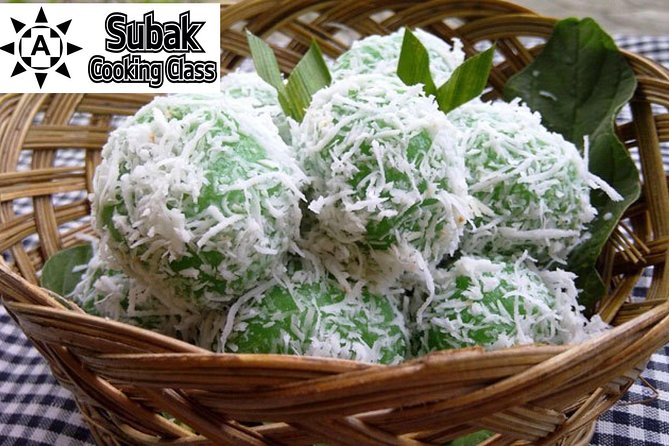
Many cooking classes give you two or three recipes and call it a day. This one aims much higher. The regular menu includes Balinese vegetable soup, chicken cooked with coconut milk and Balinese spices, sweet fried tempeh, chicken sate lilit, chicken steamed or grilled in banana leaf, lawar, sambal matah, base gede spice paste, and klepon cake.
White rice comes with the main dishes. That matters because you get to see how a Balinese meal is built: not as one large plate, but as several dishes with different textures, heat levels, and uses for spice paste.
The vegetarian menu is not simply the regular class with the meat removed. It substitutes tofu bumbu Bali, tempeh satay with peanut sauce, and pepes tofu for the chicken dishes. That gives you a proper menu, not an afterthought. You should select regular or vegetarian when booking so the school can prepare the right ingredients.
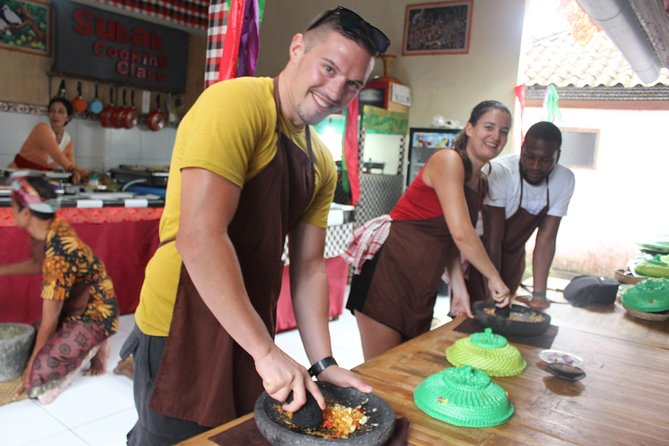
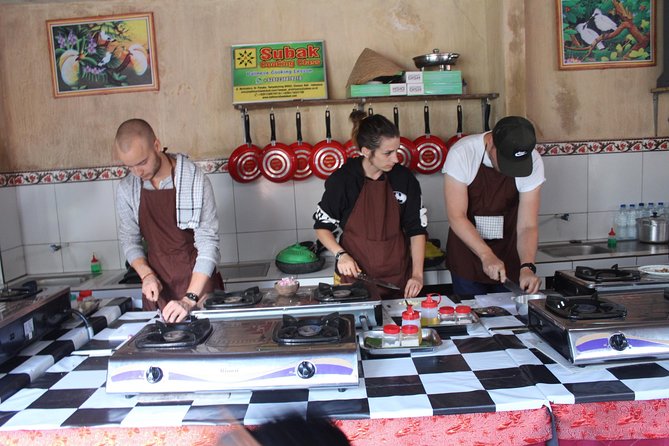
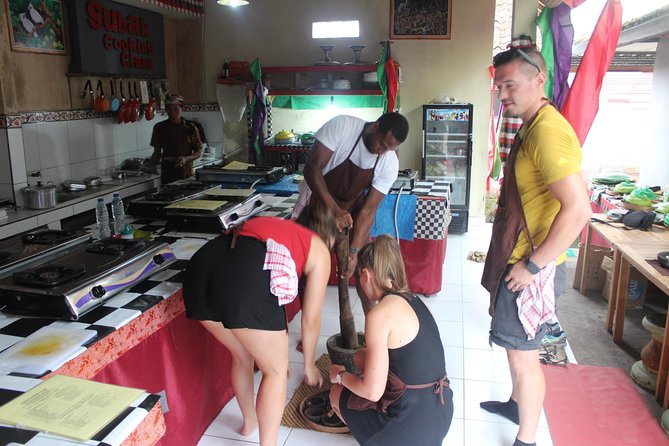
You will not be expected to arrive with professional skills. The class is designed around step-by-step instruction, with ingredients and kitchen equipment supplied. You work with a partner or small group at a cooking station, then eat the finished food together.
More Market Cooking Classes in Indonesia
- Ubud: Cooking Class with Transfers and Optional Market Visit
★ 4.9 · 824 reviews - Ubud: Balinese Cooking Class and Market Tour
★ 4.8 · 531 reviews - Balinese Cooking class with traditional morning market visit
★ 5.0 · 161 reviews
The morning market visit shows how the food begins
Choose the morning class if you want the fullest day. The class begins with a visit to a local market, usually accompanied by a driver or guide such as Wayan or Tata. This is not just a quick stop for photographs. You learn how local shoppers select ingredients, see vegetables and spices used in Balinese cooking, and sample unfamiliar fruits, sweets, and pastries.
The market is especially useful because the cooking lesson makes more sense once you have seen the ingredients in their everyday setting. You may encounter flowers being assembled for temple offerings, local cakes, and produce that rarely appears in Western supermarkets. Your guide can also explain how people buy and sell food and which ingredients belong in particular dishes.
This part is less polished than a food tour aimed at luxury visitors, which is part of its appeal. Market visits can be sensory and crowded, and you may need to stay close to your guide. Bring a camera if you want photographs, but keep some cash for any personal purchases.
The traditional market visit is offered only with the morning class. If you book the afternoon option, you should not expect the market stop.
Rice paddies and a Balinese home add cultural context
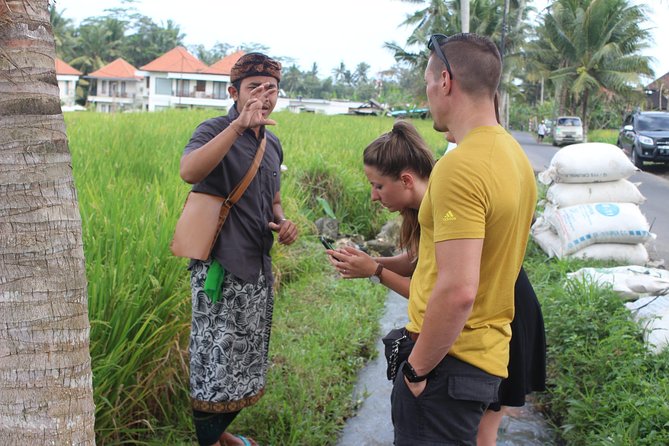
After the market, the morning program includes a visit to rice paddies. You learn about rice growing in Bali, the different kinds of rice, and how long the crop takes to reach harvest. The stop also offers photographs, and one account describes a view toward a volcano in the distance.
Rice is not a side note in Balinese food. It is the foundation of the meal, and seeing the fields helps connect the cooking class to daily life outside the kitchen. The rice-field visit is brief compared with the cooking lesson, but it gives the day a better sense of place.
The school itself is set in a Balinese home. That makes the setting feel more personal than a hotel demonstration kitchen. The space is arranged for cooking instruction, with several stations and staff available to help.
A home setting also means you should not expect a sleek culinary studio. The benefit is contact with a local family business and a more relaxed atmosphere. The tradeoff is that the group may be working around one shared table, and sound can become an issue if several people are talking at once.
What you actually cook, from base gede to klepon
The most useful lesson is probably base gede, the basic Balinese spice paste. It is a foundation for many local dishes, and learning to prepare it gives you a technique you can reuse at home. You also make sambal matah, a raw condiment with spices and coconut oil. It adds freshness and heat to the cooked dishes.
The regular menu then moves through several styles of cooking:
- Sayur Bali, a Balinese vegetable soup
- Ayam santan bumbu Bali, chicken with coconut milk and Balinese seasoning
- Tempe manis, sweet fried tempeh
- Sate lilit Bali, chicken satay shaped around a skewer
- Pepes ayam, chicken cooked in banana leaf
- Lawar Bali, mixed vegetables with Balinese spices
- Sambal matah
- Base gede
- Klepon, a sticky rice-flour cake filled with palm sugar
The menu gives you plenty of variety. You mince, mix, season, fry, steam, grill, and shape food. Banana-leaf cooking is a particularly useful local technique because it adds aroma and keeps the food moist.
Klepon is a fun finish. The small sticky rice-flour balls are boiled and filled with palm sugar, then usually coated with coconut. It is a simple dessert, but it shows how Balinese sweets rely on texture and palm sugar rather than heavy cream or chocolate.
A practical note: one negative account described frustration with excessive pre-preparation and an instructor whose explanation was hard to hear. Most of the supplied feedback describes hands-on work, but the exact balance can vary with the group and kitchen setup. If you want to do every knife cut yourself, ask the instructor which preparation has already been completed at the start.
More Market Cooking Classes in Ubud
- PRIVATE Ubud Market Tour & Balinese Cooking Class with Putu
★ 5.0 · 125 reviews - Jambangan bali cooking class with morning market tour
★ 5.0 · 35 reviews - Balinese cooking class/Go shopping at the market, cook, eat
★ 5.0 · 12 reviews
The cooking style is social, practical, and family-friendly
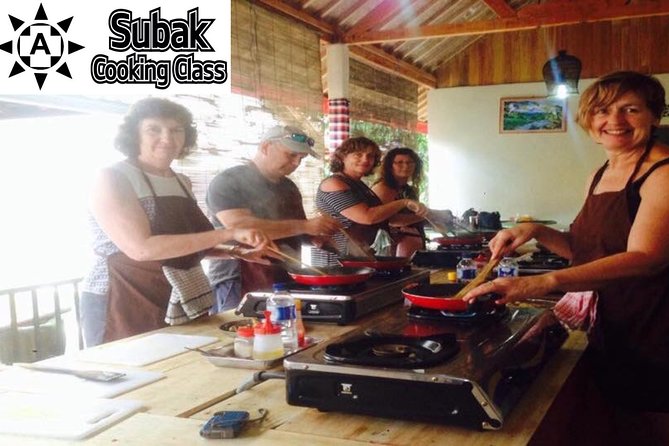
This class works well for couples, families, and friends because you cook beside other people and eat together afterward. Children can take part with adult help, although the supplied information does not set a specific minimum age.
The instructors are a major part of the experience. Yogi is described as funny and clear, while Putu and Gus are also praised for making the class relaxed and engaging. Guides such as Wayan and Tata add information about religion, food, local customs, and village life during the market and transfer portions.
That personal contact is one reason the class feels different from a recipe demonstration. You are not just watching a chef prepare dinner. You are handling ingredients, asking questions, and learning how the dishes fit into Balinese meals.
The class size is limited to a maximum of 14 people. That is small enough for a lively group but not necessarily private. You will probably cook with a partner, and the experience works best if you are comfortable sharing the space.
Spice levels can be adjusted. One participant prepared milder food while others in the group preferred more heat. Tell the instructor early if you have a low tolerance for chili or need a specific dietary adjustment.
Lunch or dinner is the real test of the class
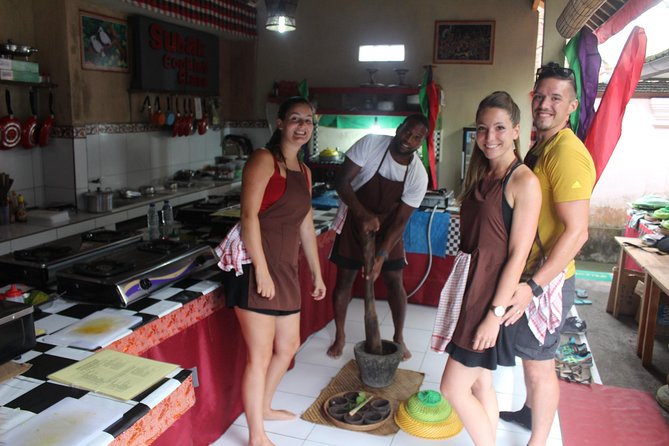
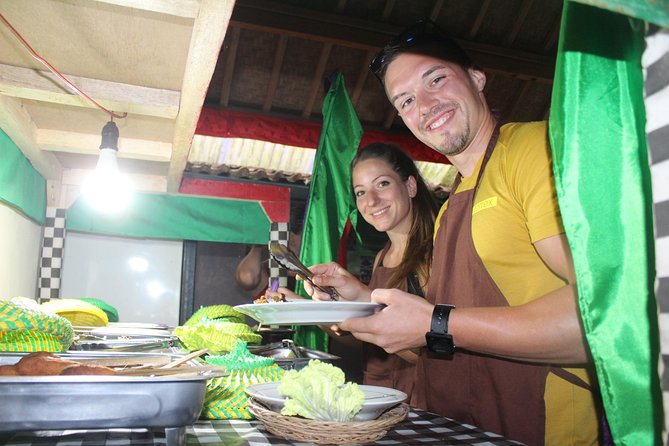
At the end, you sit down to eat the food you prepared. This is not a token tasting of one small plate. The menu is extensive, and you may have enough food to take leftovers back to your hotel if you cannot finish everything.
The meal also lets you compare your results with the instructor’s guidance. Sambal matah should bring a fresh, sharp note. The chicken dishes show how coconut milk and spice paste create a fuller sauce. Tempeh adds a nutty, firm texture, while lawar balances the richer foods with vegetables.
White rice is included with the main dishes, as is bottled water. Alcoholic drinks are not included. If you have a morning class, the meal is lunch. An afternoon class provides dinner.
I would arrive hungry. Nine dishes, market samples, dessert, and rice add up quickly. The meal is one of the strongest value points because you are not paying separately for a restaurant lunch after the lesson.
The transfer can shape your opinion of the day
The listed meeting point is Ubud Palace on Jalan Raya Ubud. Pickup and drop-off are offered in the Ubud area, but you should confirm the exact arrangement before setting out. If you are staying outside Ubud, an additional transport charge applies, and pickup is not arranged unless you request it.
This detail deserves attention. One account described an unexpected drive of about 50 minutes after meeting in Ubud. Another raised concerns about a driver and a small toll-road cash issue. These are not reasons to reject the class, but they show why you should clarify the route, pickup point, added fee, and toll arrangements in advance.
The school may be north of central Ubud, and the distance is part of the reason the day includes rice fields and a village setting. You gain a more rural backdrop, but you lose some time on the road.
The activity ends back at the meeting point. If you have a tightly timed spa booking, temple visit, or airport transfer afterward, leave plenty of space.
Is $58 good value for five hours?
At the listed price of $58, this is not the cheapest cooking lesson in Bali. It is still a reasonable buy if you use the full program. You receive transport within Ubud, a local guide, the market and rice-field visits on the morning schedule, cooking equipment, bottled water, recipes, food tasting, and a full meal.
The value improves if you compare it with the cost of booking a market tour, a cultural visit, and a restaurant meal separately. The class also gives you recipes to take home, which turns the experience into something you can repeat for friends and family.
The price may differ from older promotional amounts, so judge it by the current booking price rather than any past bargain. Outside-Ubud transport can add to the total. Ask about the fee before confirming if you are staying in Nusa Dua or another distant area.
For a simple two-dish demonstration, $58 would feel high. For nine dishes plus a market, rice paddies, guide, meal, and recipes, it is fair, particularly if you value food and local contact more than a short, polished presentation.
Who should book this Ubud cooking school?
I would point this class toward you if you want to learn several dishes in one sitting, enjoy eating a large meal, and prefer a local home setting to a hotel kitchen. It is also a good choice for families and couples who want an activity with conversation and shared work.
The morning schedule is the better choice for first-time visitors to Bali. You get the market, rice paddies, and cooking class in one outing. Select the afternoon option if you prefer a later start or want the Balinese offering activity, which is included only then.
This may not suit you if you dislike long road transfers, want a private lesson, need a quiet kitchen, or expect to prepare every ingredient from scratch. The group can reach 14 people, and the cooking area may become noisy. You should also confirm how much preparation is done before the lesson begins.
Bring a camera, wear normal comfortable clothing, and show your booking confirmation. Cash is useful for added transport costs outside Ubud. Tell the school your regular or vegetarian preference when you book.
Should you book it?
Book this class if your idea of a good Bali day includes a market, rice fields, hands-on cooking, and a generous shared meal. The nine-dish menu gives you far more practical material than most short classes, and the recipes make the experience useful after you return home.
Choose carefully if transport matters to you. Confirm your pickup point and extra charges, and allow more time than the five-hour estimate if you are traveling from outside Ubud. For food lovers who want a substantial introduction to Balinese cooking, the morning class offers the strongest package.
FAQ
How long does the Balinese cooking experience last?
The activity lasts approximately five hours, including the market or cultural visits, cooking lesson, and lunch or dinner.
Where does the tour start?
The listed meeting point is Ubud Palace, at F7V7+72R, Jalan Raya Ubud No. 8, Ubud, Bali. The activity ends back at the meeting point.
Is pickup included?
Pickup and drop-off are included in the Ubud area. If you stay outside Ubud, you must request transport and pay an additional charge.
Does every tour include a traditional market visit?
No. The traditional market visit is offered only with the morning class. The morning option also includes a rice-paddy visit.
What is included with the cooking class?
The price includes bottled water, cooking equipment, food tasting, lunch or dinner made during the class, recipes to take home, a local guide or host, and the listed morning or afternoon cultural activity.
Can I choose vegetarian food?
Yes. You can select a vegetarian menu or a regular menu. The vegetarian option uses tofu and tempeh in place of the chicken dishes.
Can I cancel for a full refund?
Yes, if you cancel at least 24 hours before the experience start time. Cancellations or changes made less than 24 hours in advance are not refunded or accepted.
More Markets in Ubud
- Ubud Traditional Night Market Food Tour-All Inclusive
★ 4.4 · 95 reviews - Bali Food Tour: Savor Street Food and Night Market Adventures
★ 5.0 · 46 reviews - Ubud Day Tour : Waterfall, Temple and Local Night Market Tour
★ 5.0 · 17 reviews - Bali Night Market Experience and Ubud Highlights tour
★ 5.0 · 16 reviews
More Cooking Classes in Ubud
- Hanoi Cooking Class: Culture, Local Market & Meaning CSR Impact
★ 5.0 · 5,147 reviews - 5 Traditional Dishes Hanoi Cooking Class with Market Trip
★ 5.0 · 4,890 reviews - Cooking Class and Lunch at a Tuscan Farmhouse with Local Market Tour from Florence
★ 5.0 · 4,831 reviews - Chiang Mai: Cooking Class, Market & Thai Herbs Garden Tour
★ 4.9 · 4,824 reviews
Just added around Ubud
- Jambangan bali cooking class with morning market tour★ 5.0 · 35 reviews
- Balinese cooking class/Go shopping at the market, cook, eat★ 5.0 · 12 reviews
- Bali: Ubud Monkey Forest, Coffee Plantation, and Market Tour★ 5.0 · 5 reviews
- Bali: Safari Zoo and Ubud Palace and Market Day Tour★ 4.7 · 6 reviews
- Bali – Ubud Night Market Food Tour★ 3.8 · 14 reviews
- Bali Night Market Experience and Ubud Highlights tour★ 5.0 · 16 reviews
- Ubud Day Tour : Waterfall, Temple and Local Night Market Tour★ 5.0 · 17 reviews
- Bali Food Tour: Savor Street Food and Night Market Adventures★ 5.0 · 46 reviews
Market Cooking Classes, compared.
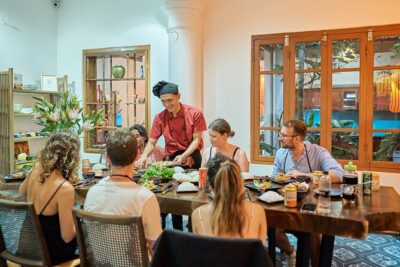
Hanoi Cooking Class: Culture, Local Market & Meaning CSR Impact
Read our review →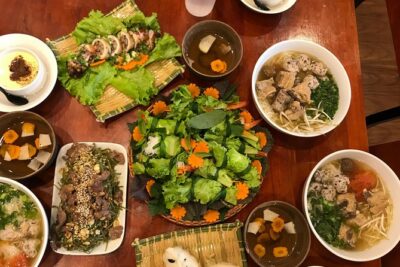
5 Traditional Dishes Hanoi Cooking Class with Market Trip
Read our review →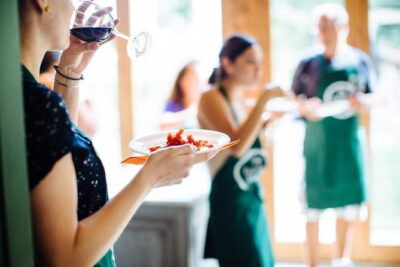
Cooking Class and Lunch at a Tuscan Farmhouse with Local Market Tour from Florence
Read our review →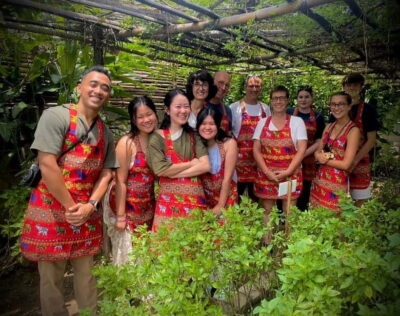
Cooking Class, Market & Thai Herbs Garden Tour
Read our review →
Authentic Cooking Class with Market & Farm Visit
Read our review →
Paella Cooking Experience & Boqueria Market Tour
Read our review →
Cooking Class Hoi An:Local Market, Basket Boat, Fishing & Cooking
Read our review →Browse the lists this tour appears in