
Review · MARRAKECH
Marrakech: Vibrant Souks, Local Artisans & Medina Experience
Marrakech’s medina makes far more sense once someone shows you how its lanes fit together. This walk starts at Djemaa el Fna and threads through souks, workshops, courtyards, and major sights before returning to the square.
I like the mix of practical orientation and culture, especially the chance to see pottery, metalwork, and carved wood being made. I also like that guides such as Youness and Hassan explain the meaning behind places like Ben Youssef Medersa without burying you in facts. The catch is that entrance fees are extra, and the narrow, uneven lanes are not suitable for people with mobility impairments.
Key points at a glance
- Start at Djemaa el Fna: Meet your guide in front of Cafe de France, then get your bearings before entering the medina.
- See craft in action: Traditional workshops may include pottery, metalwork, and hand-carved wood.
- Visit two standout sights: Ben Youssef Medersa costs 50 MAD per adult, while the Secret Garden costs 100 MAD.
- Shop with less pressure: The guide is paid for the tour, so you are not required to buy anything.
- Good first-day choice: The route helps you understand the souks and find places to revisit later.
- Expect a walking-heavy outing: Wear comfortable shoes, carry water, sunglasses, and some cash.
Why this medina walk works well on your first day
The old city can feel like a maze at first. One lane looks much like the next, signs are easy to miss, and the most interesting workshops often sit behind plain doorways. A local guide gives you a useful map in your head, even if you do not remember every street name.
This tour also gives you a broad introduction rather than focusing on one monument. You move from the open space of Djemaa el Fna into shopping lanes, historic buildings, craft workshops, and a garden. That range is the main reason I see value in it.
The tour costs $24 per person. That is a reasonable price for a licensed local guide and a small-group or private walking experience, but you need to add the entry charges for the two main sights. At current listed prices, Ben Youssef Medersa is 50 MAD per adult and the Secret Garden is 100 MAD. Transportation is not included.
I would book this early in a Marrakech stay. Several guests found that the tour helped them feel more comfortable in the medina and made it easier to return to places later. It is not a full shopping expedition or a quiet architectural lecture. It is a practical introduction to the city center, with plenty of sensory detail along the way.
A few more market tours around Marrakesh worth a look
- Marrakech: Bahia Palace, Saadian Tombs, Souk and Medina Tour
★ 4.7 · 4,974 reviews - Marrakech: Ben Youssef, Secret Garden, & Souks Walking Tour
★ 4.6 · 2,802 reviews - Marrakech: Colorful Medina Souks Guided Walking Tour
★ 4.7 · 2,470 reviews
Meeting at Djemaa el Fna and finding your bearings
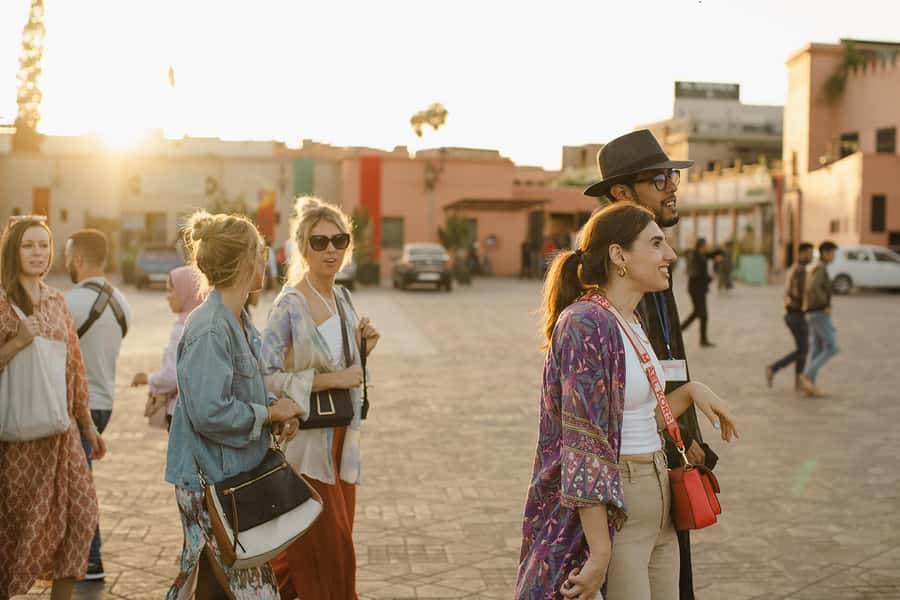
The meeting point is in front of Cafe de France in Djemaa el Fna. This famous square is the natural starting point because it connects several parts of the medina and gives you open space before the lanes tighten.
Your guide will contact you one or two days before the walk to confirm the meeting details. You will receive the guide’s name, meeting point, and useful tips through WhatsApp. That small bit of contact matters in Marrakech, where a clear meeting plan can save time and confusion.
The guide first explains the layout of the old city and points out the main areas for shopping and sightseeing. If this is your first day, pay attention here. You may not remember every detail, but you will begin to understand which lanes lead toward the souks, monuments, and gardens.
The square is also a lively place to start, so allow a little time to find Cafe de France. Carry water and keep your belongings secure, as you would in any crowded market area. The tour ends back at the same meeting point, which makes it easier to plan the rest of your day.
Riad Zitoun el Jdid and the first souk lanes
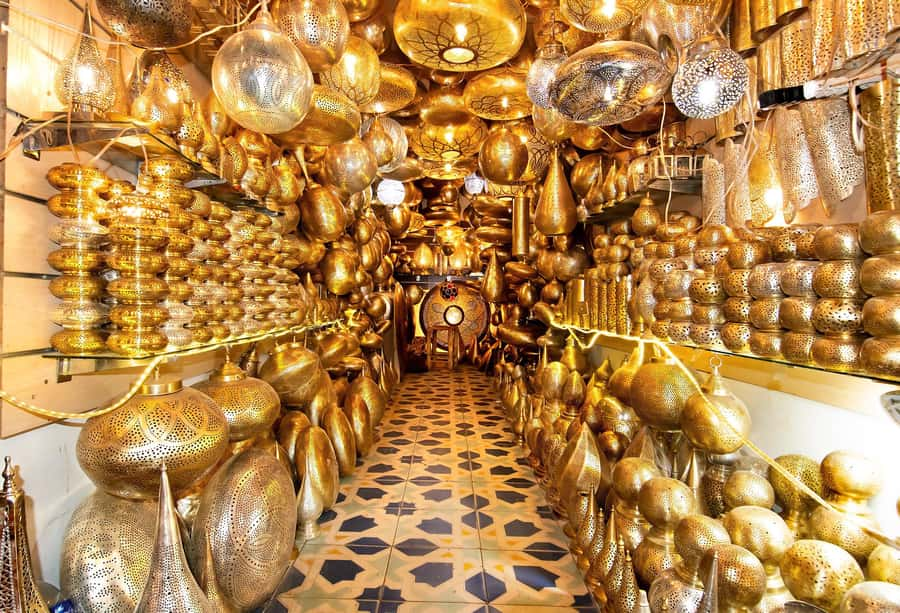
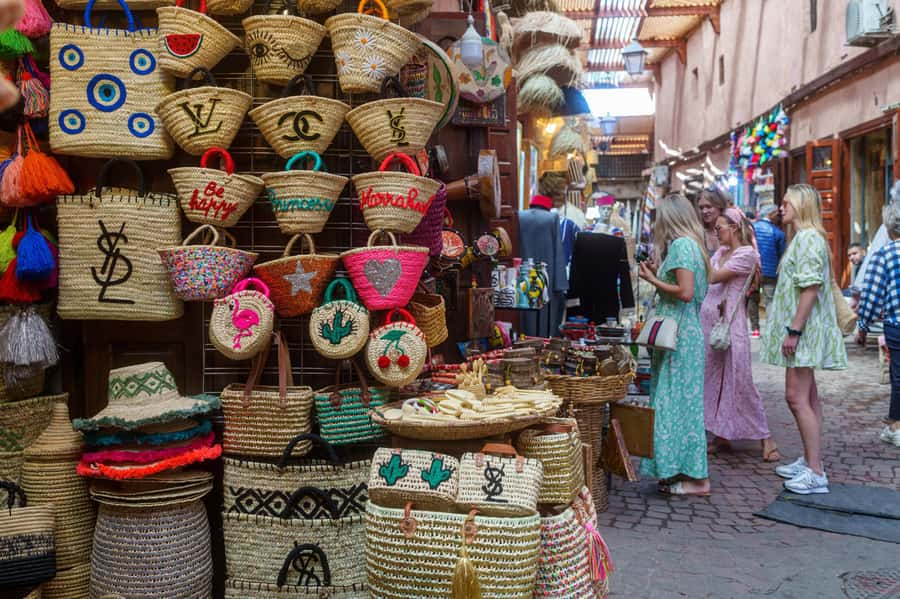
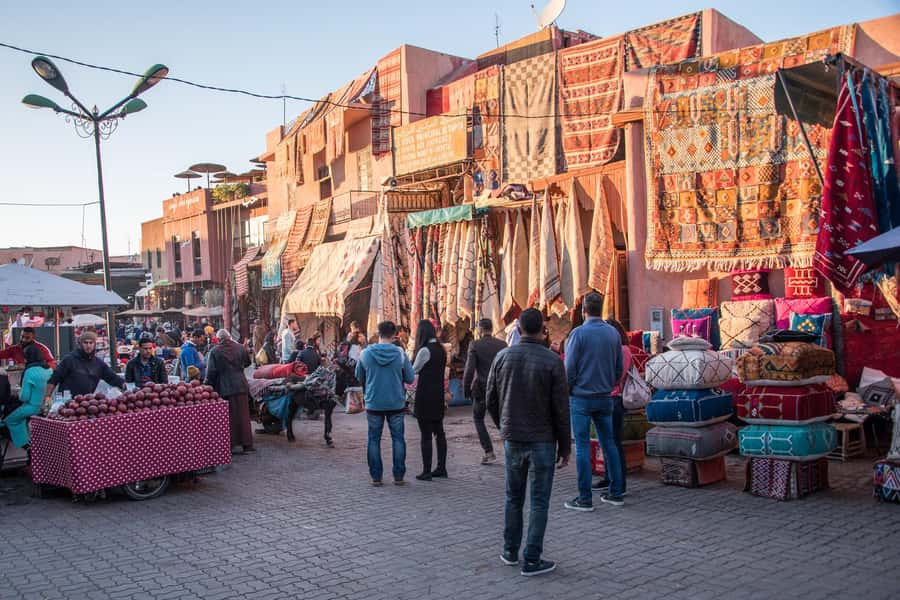
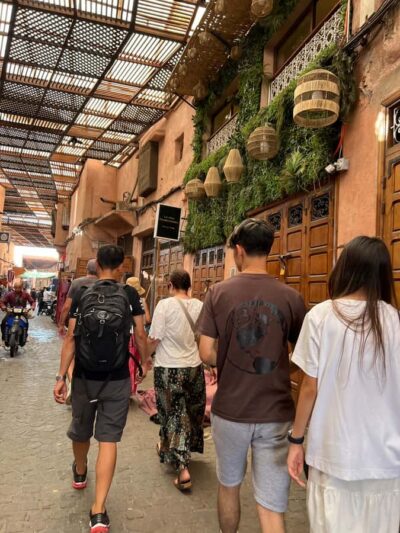
From Djemaa el Fna, the route continues toward Riad Zitoun el Jdid. This area brings together antique shops, spice stalls, woven rugs, and other goods aimed at both local life and visitors.
This is where the tour becomes useful for shoppers. A guide can explain what you are looking at and point out how different crafts fit into Moroccan daily life. You might see leather goods, silver items, spices, argan oil, rugs, and handmade decorations.
Do not treat the first shops as your only chance to buy something. The point of this early section is to see the range of goods and learn how the market works. If you spot a souvenir you truly want, you can ask questions, compare items, and decide later.
One helpful feature is the guide’s presence during the walk. The guide is paid for guiding, so you are not expected to buy anything from a workshop or shop visited along the way. That does not remove every sales pitch, but it can make the experience feel more relaxed, especially if you are new to Moroccan souks.
The route is shared or private depending on the option selected. A private tour gives you more control over questions and pace. A small group can be good if you prefer company and a lower price, though you may have less freedom to linger at every stall.
Ben Youssef Medersa and Moroccan design
Ben Youssef Medersa is the architectural centerpiece of the walk. This former Quranic school dates to the 14th century and was later restored by the Saadians. Its courtyards show Moroccan craftsmanship at close range, with zellij tilework, carved plaster, and cedar wood details.
The building rewards slow looking. Instead of trying to absorb the entire place at once, notice how the patterns repeat across walls and doorways. The tilework is precise and colorful, while the plaster carving and woodwork add softer, more detailed surfaces.
Guides Youness and Hassan received particular praise for explaining this site clearly and connecting it with Moroccan culture and Islam. That kind of explanation makes the building more than a pretty stop. You begin to see how decoration, learning, worship, and daily life once came together here.
Entry is not included in the tour price. The listed charge is 50 MAD per adult. The tour includes access arrangements and free time to explore each monument at your own pace, but you should still carry cash for admission.
The phrase skip-the-line access is included among the tour benefits, though entry fees remain separate. Ask your guide how the process works on the day. This distinction is worth noting when you compare the $24 price with the total cost of the outing.
Same stalls, a different way to shop and eat:
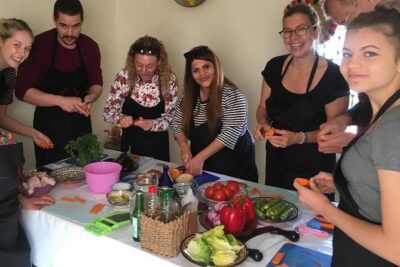
- Marrakech: Traditional Moroccan Cooking Class & Market Visit
★ 4.8 · 1,861 reviews - Marrakech Monuments & Souks 3-Hour Tour
★ 3.8 · 1,540 reviews - Marrakech: Saadian Tombs, Bahia Palace, Medina and Souk Tour
★ 4.7 · 673 reviews - Marrakech: Bahia Palace, Ben Youssef Medersa, & Souks Tour
★ 4.3 · 554 reviews
Souk El Attarine, spices, perfumes, and argan oil
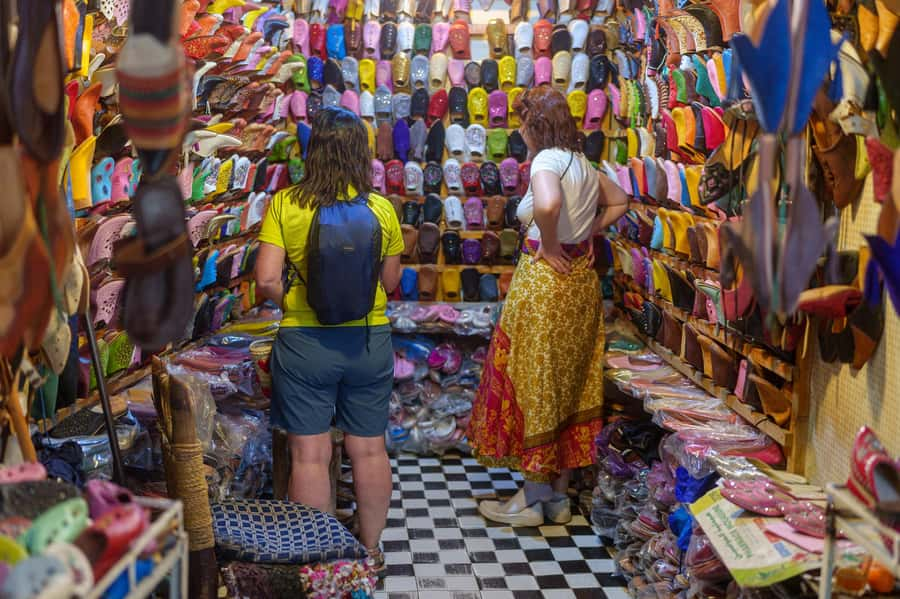
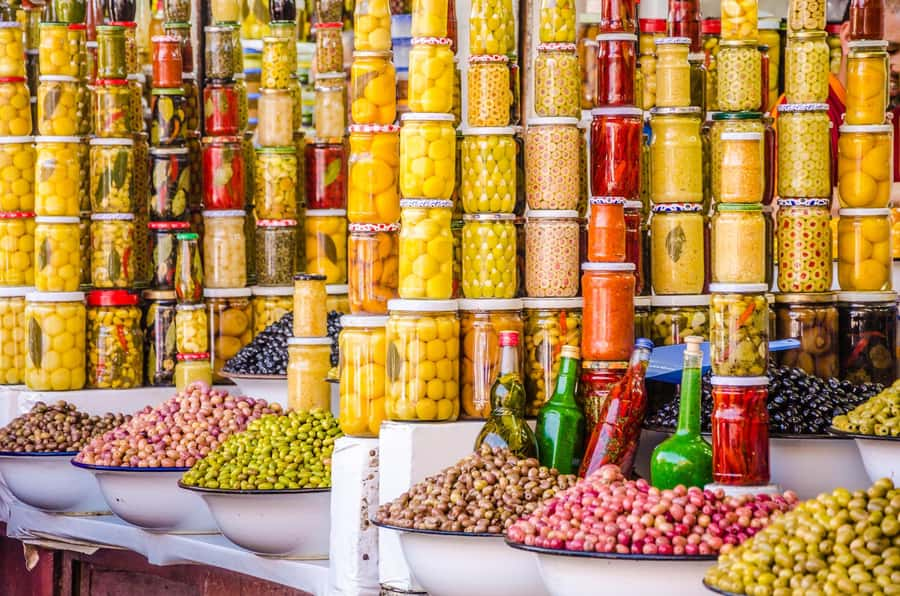
Souk El Attarine is the stop for spices, perfumes, and natural beauty products. The smells change quickly as you walk, which is part of the pleasure of a market tour. You may see colorful spice displays, bottles of oils, and products made for cooking, scent, or personal care.
The guide explains how these goods are used in Moroccan life. That context helps you shop with more sense. Rather than buying a powder simply because it looks colorful, you can ask what it is for, how it is used, and whether it suits what you want to take home.
Argan oil is one of the products you may encounter. The tour description also mentions spices and artisanal goods, so this is a good place to ask about uses and quality before spending money. Keep your budget in mind, and do not feel obliged to purchase.
The market is part of the everyday character of the medina, but it can also be intense. You will deal with tight lanes, strong smells, and shopkeepers who want your attention. Going with a guide may make the experience easier, particularly during a first visit.
Workshops where Moroccan crafts are made
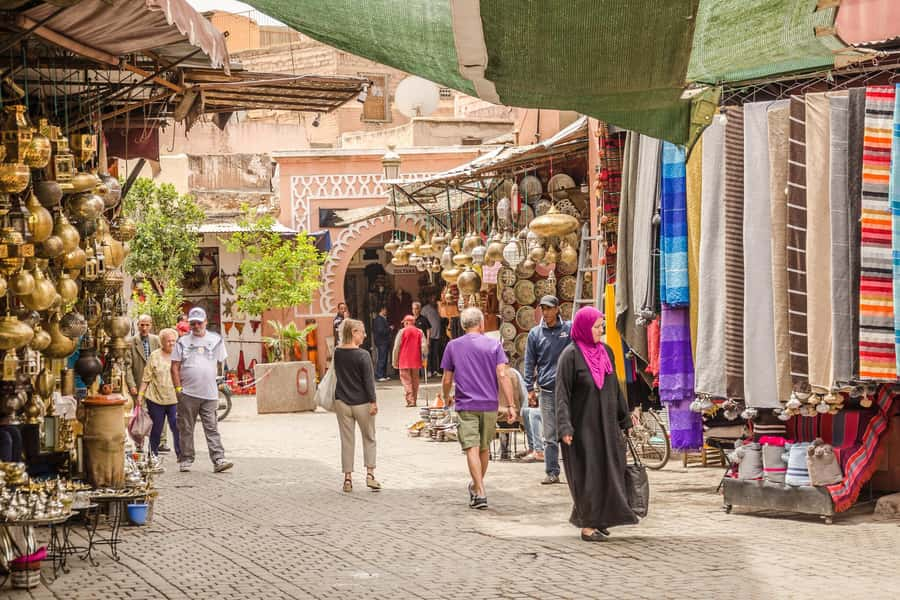
The craft workshops are one of the strongest reasons to choose this experience over a simple monument walk. You are shown how traditional work continues in the medina, with examples including pottery, metalwork, and hand-carved wood.
These stops help you understand why handmade goods cost more than factory-made souvenirs. The value is not only in the finished object. It also lies in the skill, tools, time, and inherited methods behind it.
The setting may be modest, and the work can happen in small spaces. That is part of the point. You are seeing production in the same old-city environment as the shops that sell it, rather than only looking at polished displays.
If you are shopping, examine items carefully and ask questions. The guide can help you understand what you are seeing, but the final choice is yours. Remember that the tour has no purchase requirement. You can watch, learn, and leave empty-handed.
A quiet pause in the Secret Garden
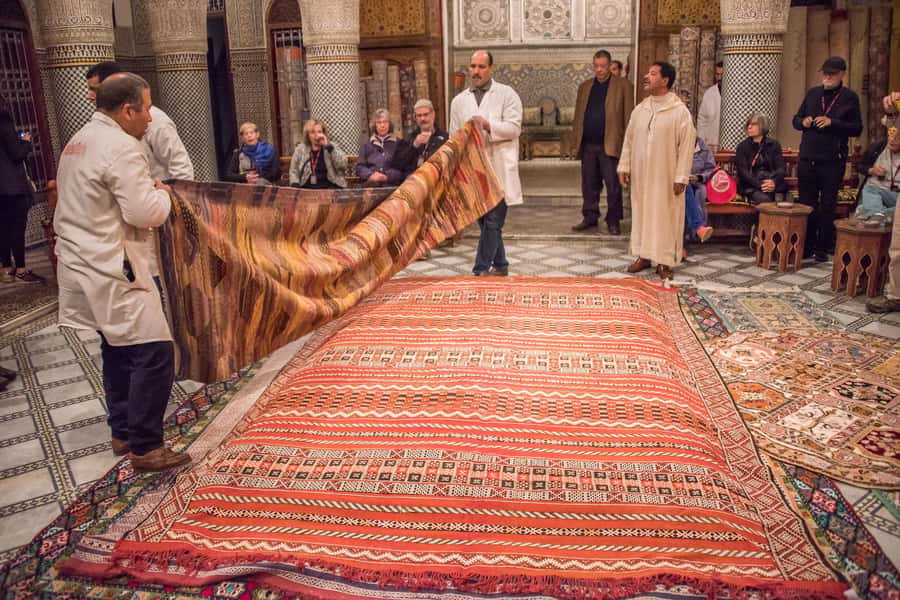
After the noise and close quarters of the souks, the Secret Garden offers a change of pace. It sits behind the medina walls and combines gardens with Islamic architectural details.
The garden’s irrigation system is part of the visit. Your guide explains how water was managed and why the system matters. This adds a practical layer to the beauty of the site. You are not only looking at plants and decoration, but also considering how a garden could be sustained in a dry climate.
The Secret Garden costs 100 MAD per adult, separate from the tour price. It is worth knowing this before you book, since the two monument fees add a noticeable amount to a $24 experience.
This stop also gives your feet a break. The tour remains a walking outing, but a quieter garden helps reset your senses before the final market section. If you prefer a tour that stays focused only on major monuments, this garden may feel like an optional extra. I think it earns its place because it provides contrast.
Souk El Kebir and the final carpet browsing
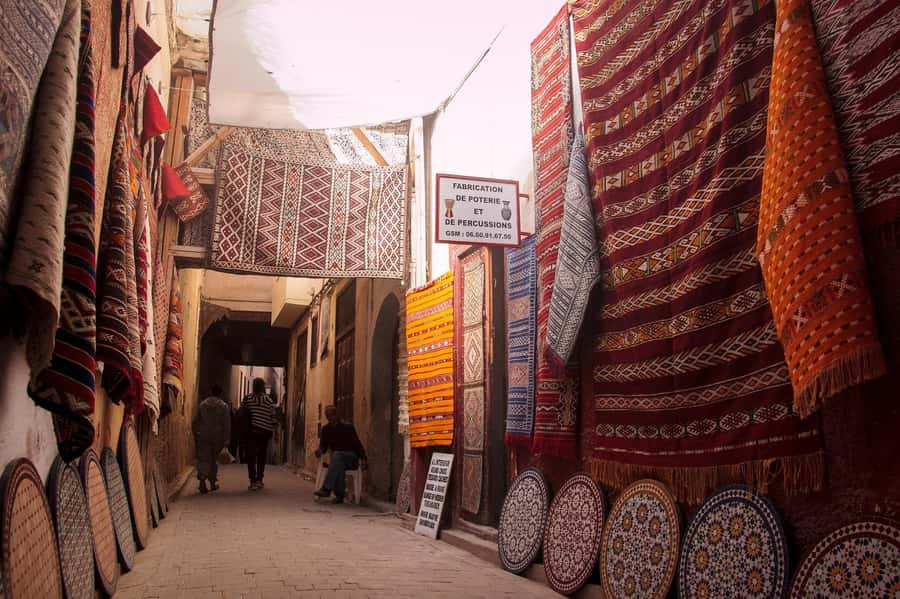
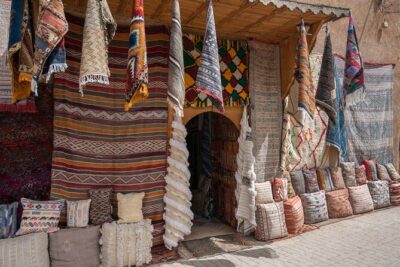
The walk finishes in Souk El Kebir, known for carpets and finely woven textiles. This is a useful final stop if you are considering a larger purchase, since you have already seen other crafts and had time to think about what appeals to you.
Carpet shopping can take patience. Look closely at the weave, colors, size, and condition. Ask questions, compare several pieces, and remember that browsing is allowed. A guide can explain the general character of the goods, but do not let the setting pressure you into buying more than you planned.
This part of the walk may be especially useful for anyone hoping to take home a distinctive piece rather than a small souvenir. It is less useful if you have no interest in shopping at all, though you can still appreciate the textiles and the work involved.
The route then returns to Djemaa el Fna. Ending where you began makes it easier to continue exploring, return to your riad, or revisit a shop or monument that caught your attention.
What the guides add to the experience
The strongest praise has gone to the guides’ explanations and easy manner. Youness is described as informative, friendly, funny, and good at timing the route. Hassan is praised for his understanding of the local area and for explaining culture and Islam in clear English.
That matters because the medina can be visually overwhelming. Without context, it is easy to remember only colors, smells, and sales pitches. A good guide helps connect the pieces: the school, the market, the workshop, the garden, and the objects you see for sale.
The listed languages are English and French. If you book, confirm your preferred language when arrangements are made. The private option also includes hotel pickup from your riad within the medina. Transportation is not otherwise included, so you should make your own way to the meeting point unless your selected private option covers pickup.
Walking comfort, group size, and total cost
Wear comfortable shoes. You will be on foot through the medina, and the tour is not suitable for people with mobility impairments. Sunglasses and water are sensible, while cash covers monument fees and any purchases you decide to make.
The experience is offered as a private or small-group walking tour, depending on the option selected. A private tour suits you if you want a more personal pace or have specific questions. A small group offers a social setting and may be the better value for solo visitors or couples who want company.
At $24 per person, the tour is fairly priced for a licensed local guide, cultural explanation, and route planning. Add 150 MAD per adult for the listed entry fees if you visit both Ben Youssef Medersa and the Secret Garden. You also need to account for any shopping, though buying is entirely optional.
You can cancel up to 24 hours in advance for a full refund, and the reserve-now, pay-later option keeps your plans flexible. Those terms are useful if your Marrakech schedule is still changing.
Should you book this Marrakech medina tour?
Book it if you are new to Marrakech, want a clear first look at the medina, or prefer to shop with a guide nearby. It is particularly good for a first day because it helps you get oriented and points out places worth revisiting.
You should also book if you enjoy handmade goods and want to see pottery, metalwork, wood carving, spices, textiles, and architecture in one outing. The mix is more useful than a tour that visits only one monument.
Think twice if you dislike walking, crowded shopping lanes, or the possibility of browsing around stores. Also budget for the separate entry fees. For most first-time visitors who want a practical introduction without paying for a long private excursion, this is a sensible choice.
FAQ
Where does the tour start?
You meet your guide in front of Cafe de France in Djemaa el Fna square.
Where does the tour end?
The activity ends back at the original meeting point in Djemaa el Fna.
What does the $24 price include?
The price includes a licensed local guide, a private or small-group walking tour depending on the option selected, skip-the-line access to monuments, free time at each monument, personalized service, and insider tips.
Are monument entrance fees included?
No. Ben Youssef Medersa costs 50 MAD per adult, and the Secret Garden costs 100 MAD. These fees are paid separately.
Is hotel pickup available?
Hotel pickup from a riad within the medina is included with the private option only. Transportation is not otherwise included.
What languages are available?
The tour is available in English and French.
What should I bring?
Bring comfortable shoes, sunglasses, water, and cash. You are not required to buy anything during the tour.
Just added around Marrakesh
- Souks tour of Marrakech ( 3 hours )★ 5.0 · 5 reviews
- Marrakech: Hidden Souks Shopping Tour with Private Guide★ 4.1 · 53 reviews
- Edgy 8 Dish Private, Fusion Cooking Class, Menu Plan, Market★ 4.9 · 31 reviews
- Marrakech: Half-Day Medina Markets Tour★ 4.5 · 11 reviews
- Marrakesh: Private Cooking Class & Local Market Shopping★ 4.7 · 15 reviews
- Marrakech: Bahia Palace, Madrassa & Souks Guided Tour★ 4.8 · 47 reviews
- Marrakech: private Guided tour Of Vibrant Souks★ 3.8 · 24 reviews
- Marrakech: Private Souks Tour with Tea and Traditional Snack★ 4.6 · 33 reviews
Marrakech Market Tours, compared.
Bahia Palace, Saadian Tombs, Souk and Medina Tour
Read our review →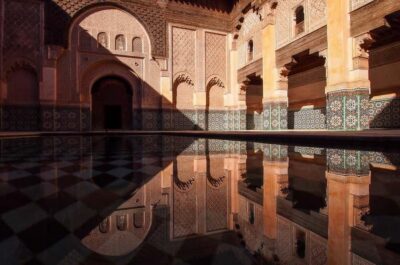
Ben Youssef, Secret Garden, & Souks Walking Tour
Read our review →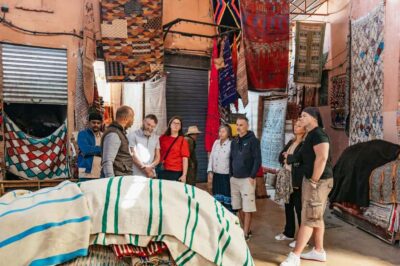
Traditional Moroccan Cooking Class & Market Visit
Read our review →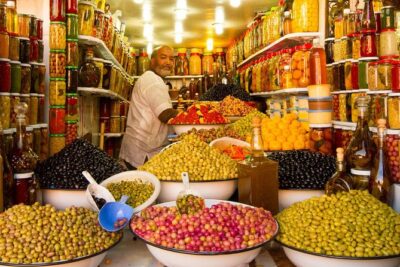
Moroccan Cooking Class & Marrakech Market Visit with Chef Khmisa
Read our review →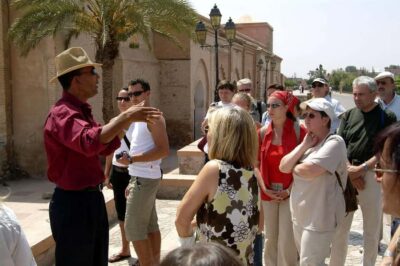
Saadian Tombs, Bahia Palace, Medina and Souk Tour
Read our review →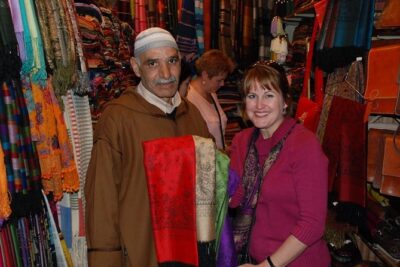
Shopping in the Souks of Marrakech Private Tour
Read our review →Browse the lists this tour appears in