
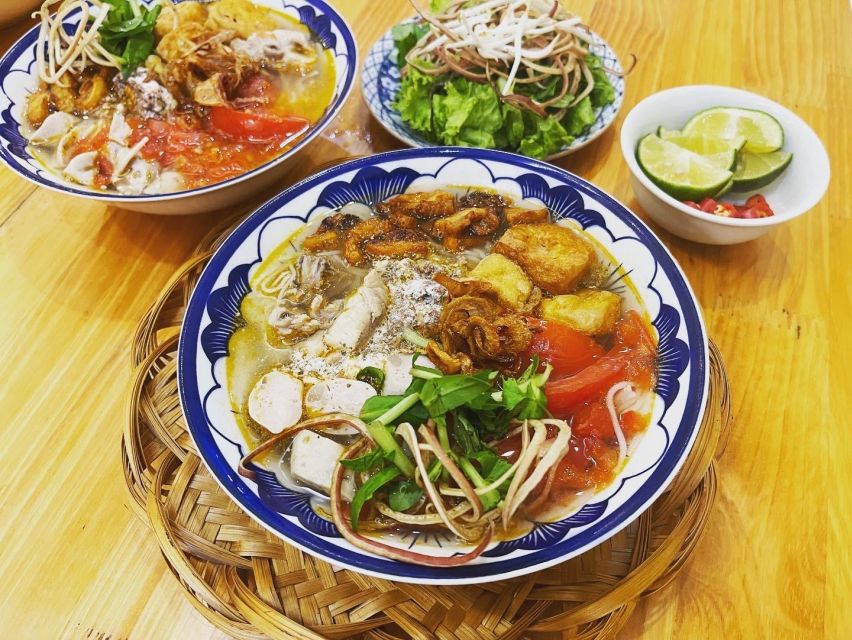
Review · HANOI
Hanoi: 5 Local Dishes Cooking Class with Meal & Market Visit
Hanoi’s best food lesson may begin before you touch a knife. At the local wet market, your chef chooses the fresh ingredients and shows you how to shop with a Vietnamese eye. Then you prepare five dishes, sit down to eat them, and finish with rice whisky, fruit, and a cookbook.
I especially like the market visit, which gives the class a useful local setting rather than making it feel like a cooking demonstration in a sealed room. I also like the hands-on format: you do the chopping, rolling, seasoning, and cooking, with guides such as Winnie, Vy, Bella, Ruby, Kim, and Perla helping at different sessions.
The main thing to consider is the pace. Five dishes in three and a half hours keeps everyone busy, but it leaves less time for a slow, detailed lesson on any single recipe. The meeting point is in the Old Quarter, and you must make your own way there.
Key points at a glance
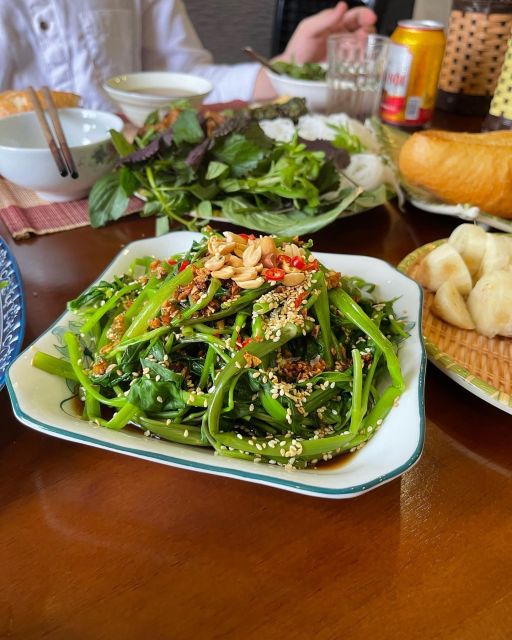
- Two five-dish menus: Choose between a menu with pho, bun cha, fried spring rolls, papaya salad, and egg coffee, or one with banh xeo, bun cha, pork rib noodle soup, beef fresh rolls, chicken salad, and banana ice cream.
- A real market stop: Watch your chef select and buy fresh ingredients before class begins.
- Vegetarian-friendly cooking: The menus can be adapted so you are not left eating around the main dishes.
- A shared meal at the end: You eat what you have prepared, along with tea, seasonal fruit, and rice whisky.
- Useful take-home extras: A recipe book and certificate help turn the class into more than a one-evening activity.
- Three and a half hours for $40: A fair price if you value instruction, food, ingredients, and a market visit in one package.
Why this cooking class works in Hanoi
Vietnamese food is easy to enjoy and harder to recreate. A bowl of pho may look simple, but its flavor depends on small choices: how ingredients are prepared, how sauces are balanced, and when each item goes into the pan or pot. This class gives you a practical introduction to those choices without asking you to commit to a full-day culinary course.
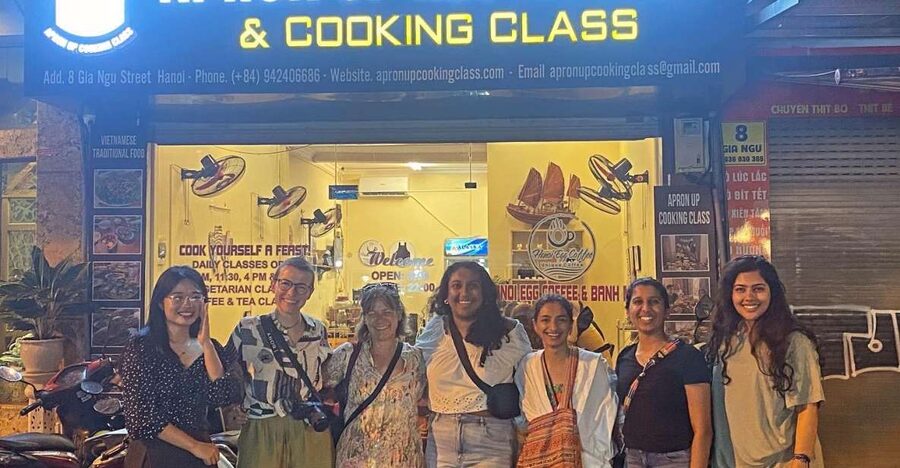
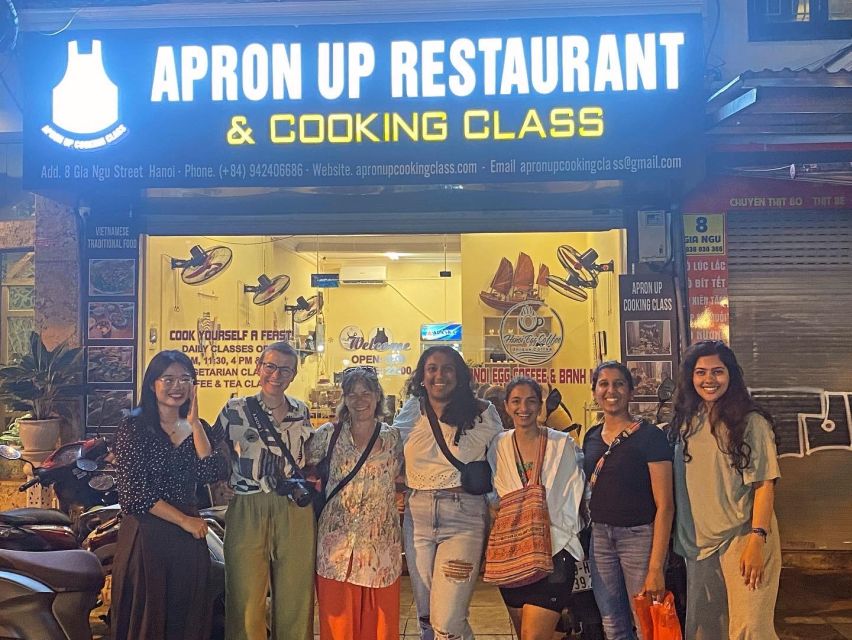
You meet an English-speaking chef at Apron Up Cooking Class. Look for the large Apron Up sign in front of the venue. The activity begins and ends there, so you do not need to arrange a separate ride between the market and kitchen.
I like that the experience joins three parts of Hanoi food culture. You see ingredients in a local market, learn how they are used, and then eat the finished dishes at the same table. That sequence gives the meal more meaning than simply ordering a plate in a restaurant.
The class has also worked well for different skill levels. Ruby has been praised for giving clear instructions and repeating a technique when needed. Kim has led private-feeling sessions with patient, step-by-step help. Vy is known for adjusting her explanations to different cooking abilities and keeping the mood relaxed.
Do not expect a quiet private lesson every time. The activity is designed as a class, and you may cook with other people. That can mean waiting briefly for a shared tool or taking turns on a task, but it also adds a social side to the meal. On some dates, a small booking group may receive unusually personal attention.
More Market Cooking Classes in Hanoi
- Hanoi Cooking Class: Culture, Local Market & Meaning CSR Impact
★ 5.0 · 5,147 reviews - 5 Traditional Dishes Hanoi Cooking Class with Market Trip
★ 5.0 · 4,890 reviews - Vietnamese Food Cooking Class in Hanoi with Market Experience
★ 5.0 · 778 reviews
The market visit: a short lesson in Vietnamese ingredients
The market stop is not just a shopping errand. Your chef selects the ingredients for the class and explains how to judge freshness. You get a look at the raw materials behind familiar dishes before they are washed, sliced, rolled, or grilled.
This is useful if you plan to cook Vietnamese food at home. You can ask about ingredients, learn their names, and see the difference between buying something from a market and picking a packaged substitute from a supermarket. One session even included learning Vietnamese words for the ingredients being used, a small touch that makes the class more memorable.
The market visit also gives you a better sense of how Vietnamese cooking starts. The dishes are not built from a long list of fancy products. They depend on fresh produce, herbs, noodles, meat, sauces, and careful preparation. Your chef does the purchasing, so you do not need to worry about navigating the market or guessing what to buy.
The drawback is that the market visit is part of a tightly planned schedule. You will not have unlimited time to browse, take photographs, or shop for your own ingredients. Think of it as an introduction to local food shopping, not a full market tour.
Choose between two menus
You can choose from two set menus, and the choice shapes the entire class. If you want to learn the dish most closely associated with Hanoi, pick the menu containing pho. If you prefer a wider mix of street-food favorites and a dessert, the other set menu gives you banh xeo and banana ice cream.
The first menu includes:
- Pho
- Bun cha
- Fried spring rolls
- Papaya salad
- Egg coffee
This is a strong choice for first-time visitors. Pho gives you a classic noodle soup, bun cha introduces grilled pork with noodles, and fried spring rolls cover a familiar Vietnamese snack in a hands-on way. Papaya salad adds a crisp, fresh dish, while egg coffee gives you an unusual Hanoi-style finish.
The second menu includes:
- Banh xeo pancakes
- Bun cha
- Pork rib noodle soup
- Beef fresh rolls
- Chicken salad
- Banana ice cream
This selection gives you more variety in texture and technique. You may work with a sizzling pancake, assemble fresh rolls, prepare noodles, and finish with a simple dessert. The menu lists six food names, but the experience is described as making five dishes, so confirm the exact menu and portions when booking.
Bun cha appears on both options. That makes sense in Hanoi, where grilled pork, noodles, herbs, and dipping sauce form one of the city’s signature combinations. It is also a useful dish to learn because it shows how a meal can balance smoky, salty, sweet, fresh, and sour flavors.
If you have time and want to learn both menu sets, you can book two classes. That is a larger commitment, but it gives you a much broader introduction to Hanoi cooking than one session alone.
Five dishes, with real work for your hands
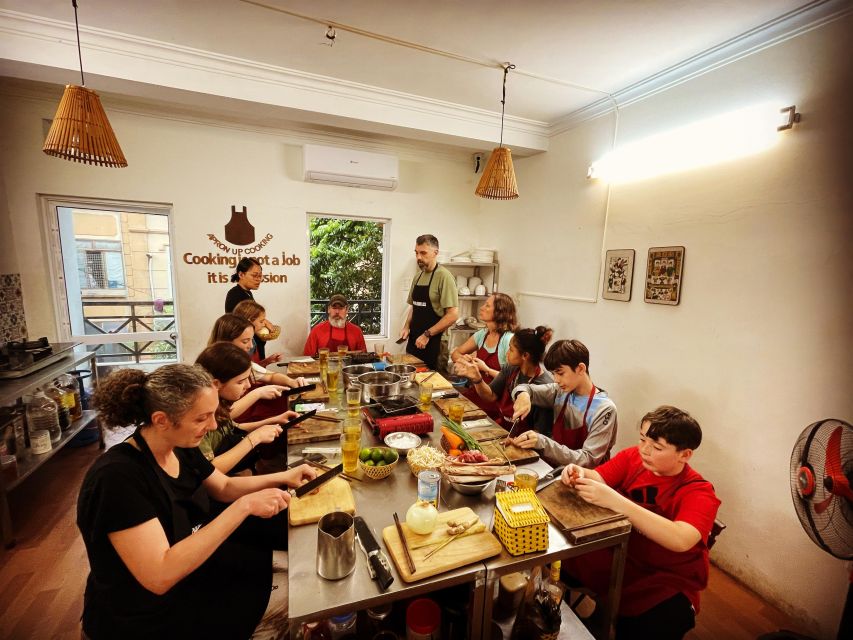
The class is not a chef’s demonstration followed by a meal you did not make. You receive step-by-step guidance and take part in the preparation. Depending on the menu, that can mean making pancake batter, rolling spring rolls or fresh rolls, preparing salads, assembling noodles, and helping create coffee or dessert.
I like this format for beginners because you do not need to arrive with advanced cooking skills. Ruby has been praised for clear explanations, while other instructors have been described as patient when students need a process shown more than once. The practical help matters more than fancy culinary language.
At the same time, the class is not a professional cooking school. The goal is to give you reliable methods and a taste of local food, not to train you for restaurant work. With five dishes on the schedule, some steps will be shared among the group or handled at a brisk pace.
The strongest part comes when everyone sits down together. You are not simply handed a plate after watching someone else cook. You can see the connection between your work and the finished meal, even if the chef or support staff has helped keep the timing on track.
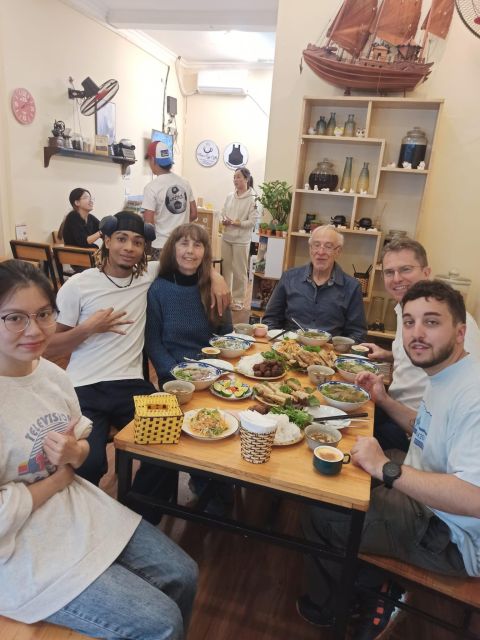
That shared meal is also where the class becomes social. You may work alongside people from other countries, then eat together after the kitchen tasks are finished. For solo visitors, this can be a pleasant way to meet people without signing up for a formal group tour of Hanoi.
More Market Cooking Classes in Vietnam
- Hanoi Cooking Class and Market Tour in Ancient House
★ 5.0 · 379 reviews - Rose Kitchen Hanoi: Market, Cooking & Culture Tour + Free PickUp
★ 5.0 · 342 reviews - Hanoi: Cooking Class in a Local Villa with Market Tour
★ 4.9 · 320 reviews - Hanoi Maya Kitchen: Traditional Cooking Class & Market Tour
★ 5.0 · 287 reviews
What vegetarian diners should know
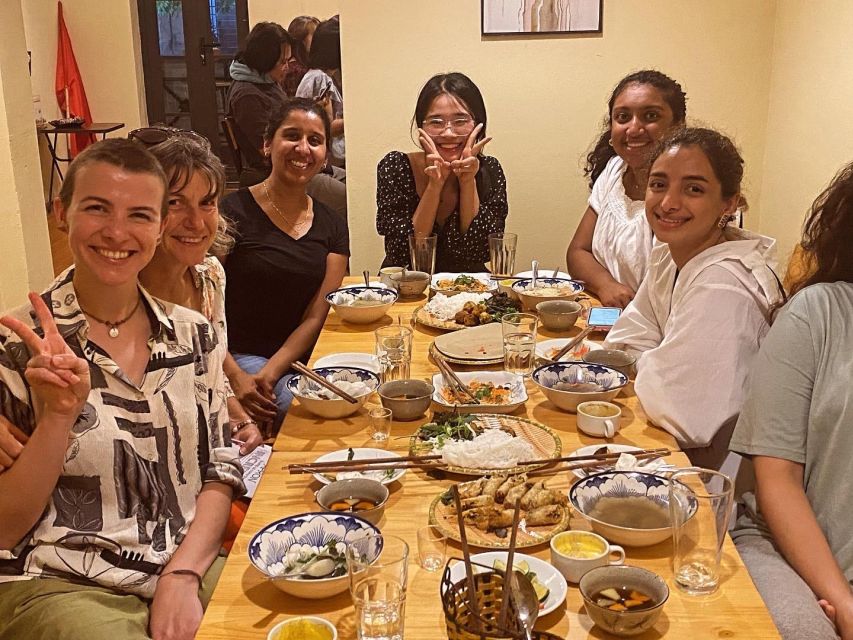
Vegetarian cooking is available, and the menus can be adapted so you can take part in all five dishes. This is important because Vietnamese cuisine often uses fish sauce, meat stock, or other animal products even when a dish contains plenty of vegetables.
Tell the provider about your diet when booking or before the class begins. The supplied information confirms that vegetarian options are available, but it does not specify the exact substitutions for every recipe. You should therefore ask what will replace meat, fish sauce, or meat-based broth in your selected menu.
The experience has worked well for vegetarian participants because the alternatives are prepared as part of the same meal rather than treated as an afterthought. You still get to cook, season, assemble, and eat the dishes with the rest of the group.
Egg coffee, rice whisky, and the final meal
The menu with egg coffee gives you one of Hanoi’s most distinctive drinks. You learn how it fits into the meal rather than treating it as a separate café stop. The other menu includes banana ice cream, offering a sweeter finish.
After cooking, you can enjoy tea, seasonal fruit, and homemade rice whisky. The whisky is a tasting, not the main purpose of the class, so it is easy to treat it as a small cultural extra. If you do not drink alcohol, the rest of the meal and tea remain the main event.
The food you make is served as lunch or dinner, depending on the starting time. Because the class lasts three and a half hours, check the available start times before booking. A poorly timed session could leave you hungry before the meal, especially if you are used to eating early.
Is $40 good value?
At $40 per person, this is not the cheapest way to eat in Hanoi. You can buy excellent street food for much less. The price makes more sense when you count what is included: an English-speaking instructor, a market visit, all ingredients and tools, five hands-on dishes, a full meal, tea, rice whisky, fruit, a cookbook, and a certificate.
I would call it good value for anyone who wants to learn rather than simply eat. The cookbook gives the class a longer life, and the recipes may help you recreate dishes at home. The certificate is a pleasant souvenir, though its practical value is mainly sentimental.
The price is less compelling if you are only seeking a market walk or a quick introduction to Vietnamese food. You are paying for the complete package and the teaching time. If you prefer restaurant meals, a street-food walk may suit you better.
The exact quality of the experience can also depend on your instructor. Winnie has been praised for explaining ingredients at the market and creating a relaxed class. Vy has been described as patient, cheerful, and good at keeping everyone involved. Bella brings humor and clear food explanations, while Perla has even helped a young teenager take part confidently.
Timing, meeting point, and access
The class lasts three and a half hours. You meet at Apron Up Cooking Class in Hanoi’s Old Quarter and return there at the end. Transportation is not included, so allow time to reach the meeting point yourself.
The activity is not suitable for children under four, people with mobility impairments, or wheelchair users. It is also listed as unsuitable for people over 95 years old. The market and kitchen setting may involve standing and moving between tasks, so consider your comfort before booking.
Cancellation is free up to 24 hours in advance, and you can reserve now and pay later. Those terms help if your Hanoi schedule is still shifting, but you should still check the available starting time before committing.
Who should book this experience?
I would recommend this class to first-time visitors who want a clear introduction to Hanoi food. It suits curious cooks, couples, solo visitors, vegetarian diners, and families with older children who can take part in kitchen tasks.
It is also a smart choice early in your Hanoi stay. Once you learn the balance of herbs, noodles, sauces, grilled meat, and fresh vegetables, restaurant menus may make more sense. You may also leave with a better idea of what to order during the rest of your trip.
You should think twice if you dislike group activities, have serious mobility limits, or want a slow lesson focused on one dish. The schedule covers five recipes, so the experience favors variety and participation over long technical study.
Should you book the Apron Up cooking class?
Book it if you want to eat a real meal, learn useful Vietnamese cooking methods, and spend part of your Hanoi day doing something active. The market visit, hands-on tasks, shared table, cookbook, and adaptable menus give the $40 price a reasonable return.
Choose the pho menu if Hanoi classics and egg coffee are your priority. Pick the other menu if you want banh xeo, fresh rolls, salads, and banana ice cream. If you want both, two classes provide a fuller food education.
I would skip it only if you are looking for the cheapest meal in town or cannot manage a three-and-a-half-hour session with standing and group participation. For most food-minded visitors, this is a practical, friendly way to move from eating Vietnamese cuisine to understanding how it is made.
FAQ
Where does the cooking class start and finish?
You meet at Apron Up Cooking Class in Hanoi’s Old Quarter, looking for the large Apron Up sign. The activity ends back at the same meeting point.
How long does the experience last?
The class lasts three and a half hours. Starting times vary, so check availability when selecting your date.
How many dishes will I cook?
The experience includes hands-on preparation of five traditional Vietnamese dishes. You can choose between two set menus, and the listed dishes include pho, bun cha, spring rolls, salads, banh xeo, noodle soup, egg coffee, and banana ice cream.
Can the menus be adapted for vegetarians?
Yes. Both set menus can be adapted for vegetarian diets. Ask about the exact substitutions for your chosen menu when booking.
Is transportation included?
No. You must make your own way to the Apron Up Cooking Class meeting point, and the activity ends there.
Can I cancel and receive a full refund?
Yes. You can cancel up to 24 hours before the activity for a full refund. You can also reserve now and pay later.
More Markets in Hanoi
- Weekend Hanoi Night Market & Street Food Tour
★ 4.5 · 47 reviews - Hanoi’s Culinary: Authentic Cooking Class and Local Market
★ 4.8 · 5 reviews - Hanoi: Vietnamese Cooking Class- Market Tour with Local Chef
★ 5.0 · 2 reviews - 2 Day Sapa-Bac Ha Market: Night Train& Homestay-Bus Ha Giang
★ 5.0 · 2 reviews
More Cooking Classes in Hanoi
- Hanoi: Maya Traditional Cooking Class & Market Tour
★ 4.9 · 243 reviews - Hanoi: Old Quarter Market Tour and Cooking Class with Meal
★ 4.8 · 192 reviews - Hanoi Cooking Class: Market Tour, Free Recipe & Beverages
★ 5.0 · 10 reviews - Hanoi Food Adventure: Vietnamese Market Tour & Cooking Class
★ 4.8 · 5 reviews
Just added around Hanoi
- Weekend Hanoi Night Market & Street Food Tour★ 4.5 · 47 reviews
- Hanoi: Vietnamese Cooking Class- Market Tour with Local Chef★ 5.0 · 2 reviews
- Hanoi Cooking Class: Market Tour, Free Recipe & Beverages★ 5.0 · 10 reviews
- Hanoi Food Adventure: Vietnamese Market Tour & Cooking Class★ 4.8 · 5 reviews
- Hanoi’s Culinary: Authentic Cooking Class and Local Market★ 4.8 · 5 reviews
- 2 Day Sapa-Bac Ha Market: Night Train& Homestay-Bus Ha Giang★ 5.0 · 2 reviews
- Mini Hanoi Coffee Workshop: Pick Any Signature Coffee You Like★ 5.0 · 160 reviews
- Hanoi: Old Quarter Market Tour and Cooking Class with Meal★ 4.8 · 192 reviews
Market Cooking Classes, compared.
Hanoi Cooking Class: Culture, Local Market & Meaning CSR Impact
Read our review →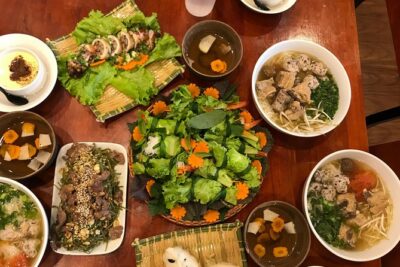
5 Traditional Dishes Hanoi Cooking Class with Market Trip
Read our review →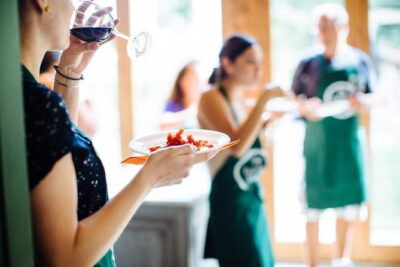
Cooking Class and Lunch at a Tuscan Farmhouse with Local Market Tour from Florence
Read our review →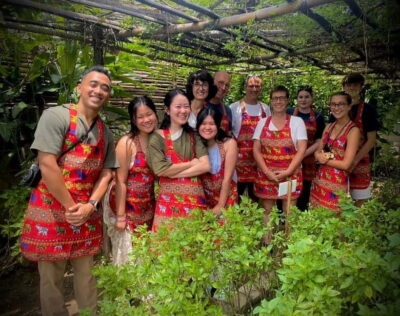
Cooking Class, Market & Thai Herbs Garden Tour
Read our review →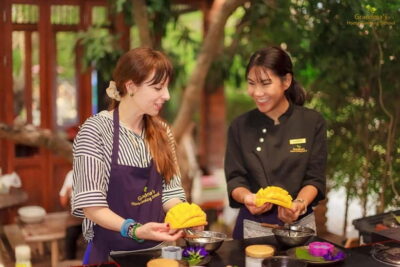
Authentic Cooking Class with Market & Farm Visit
Read our review →
Paella Cooking Experience & Boqueria Market Tour
Read our review →
Cooking Class Hoi An:Local Market, Basket Boat, Fishing & Cooking
Read our review →Browse the lists this tour appears in