
Review · KYOTO
Kyoto: Local Food Tasting Tour at the Nishiki Market
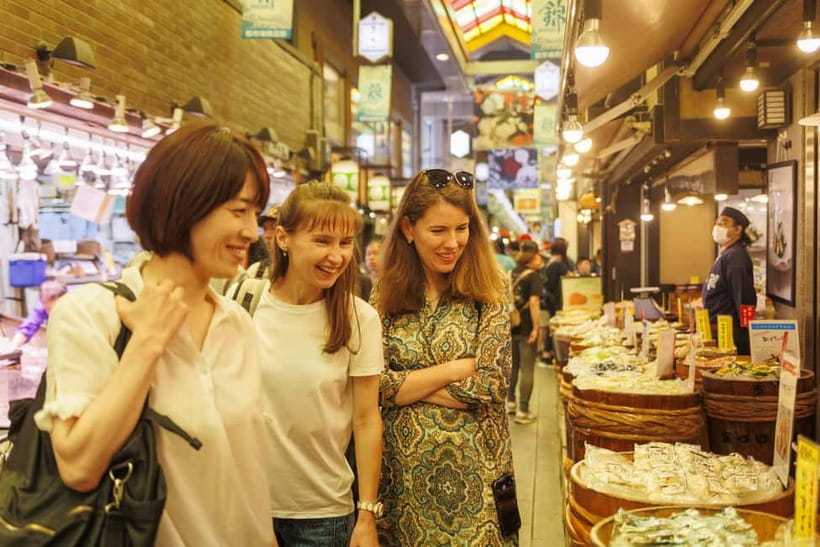
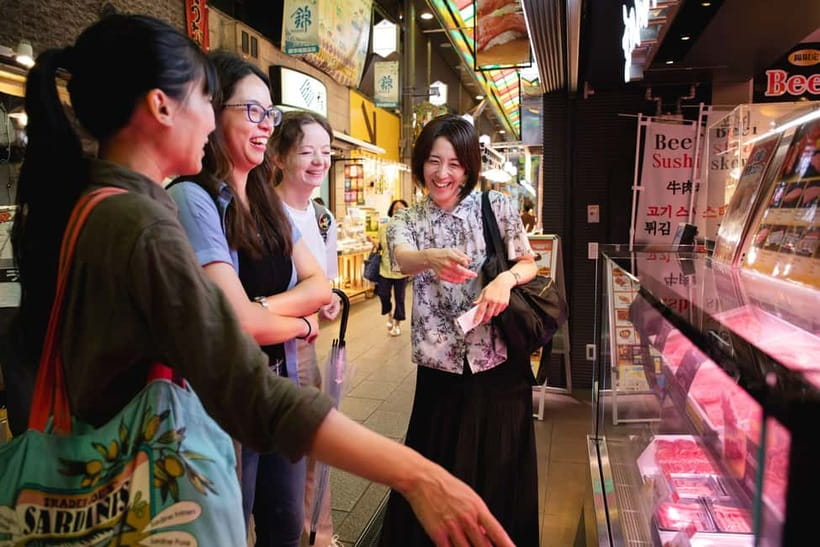
Nishiki Market is the place to let somebody else handle the food decisions. In three hours, an English-speaking guide leads you through a 400-year-old arcade of roughly 130 stalls, stopping for Kyoto specialties such as yuba, obanzai, hamo tempura, and wagyu steak skewers. I like the small group, limited to six, and the way the tour links each bite to Kyoto customs and daily life. The catch is that this is a tasting walk, not a full sit-down meal, and dietary restrictions cannot be accommodated.
I especially like having a guide such as Ayu, Toshi, Takuma, or Miho to make sense of the market’s crowds and unfamiliar foods. I also like that the walk continues beyond Nishiki to Nishiki-Tenmangu Shrine, Shinkyogoku Shopping Arcade, and Teramachi Street, giving you more than a quick snack stop.
Key points at a glance
- Five substantial local tastings: Try yuba, Kyoto home cooking, hamo tempura, wagyu steak, and other small samples.
- A 400-year-old food street: Nishiki Market has about 130 stalls, many selling ingredients and specialties you may not recognize.
- A very small group: With up to six participants, it is easier to ask questions and keep the guide’s attention.
- Food and culture together: Guides explain market customs, Japanese food traditions, shrines, and everyday Kyoto life.
- A useful first-day activity: The tour helps you learn what to buy and eat before returning to the market on your own.
- Optional tea ceremony: Add a 90-minute session with kimono dressing and a tea master after the market walk.
Why Nishiki Market works best with a guide
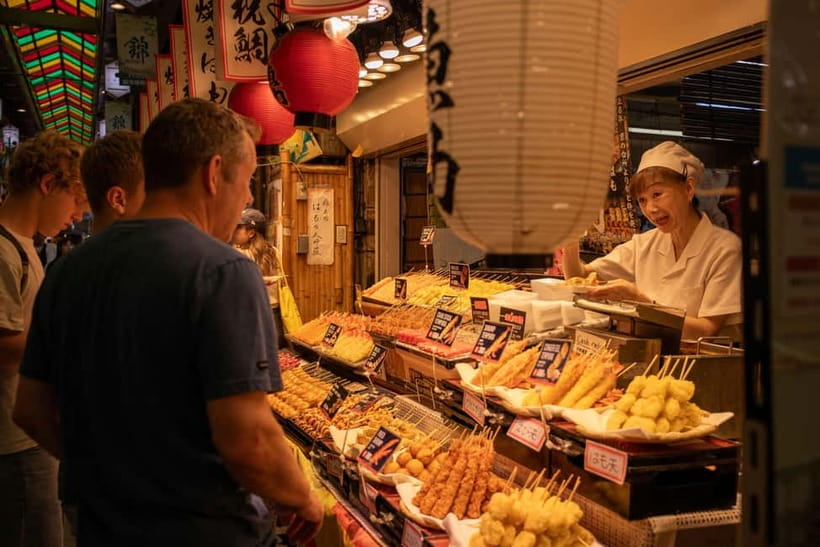
Nishiki Market can look simple on a map: one long covered shopping street in central Kyoto. On foot, it is a different story. Signs may be unfamiliar, portions vary, and some stalls are designed for locals who already know exactly what they want.
That is where this tour earns its keep. Your guide points out foods you might pass without noticing and explains what you are eating before you take a bite. The goal is not to race from stall to stall. It is to sample several things, ask questions, and understand why these foods matter in Kyoto.
The guide also helps with the market’s unwritten rules. Food is generally meant to be eaten at the stall or in an appropriate area rather than carried through the narrow passage while eating. A local guide can help you handle these small details without guesswork.
The group size matters. Six people is small enough for a relaxed conversation, and solo visitors may find it easier to meet people without being swallowed by a large tour. Some departures have been private or nearly private, but you should book for the advertised maximum rather than count on that.
More Street Food Market Tours in Japan
- Kyoto: Nishiki Market and Depachika Food Tour with a Local
★ 4.7 · 76 reviews - Kyoto: Nishiki Market Tour with a Local Foodie & Tastings
★ 4.5 · 67 reviews - Nishiki Market Food Tour with Cooking Class
★ 4.9 · 42 reviews
The first bites: yuba, obanzai, and Kyoto flavors
The food selection is built around Kyoto rather than generic Japanese street food. You may try yuba, the delicate skin that forms on simmering soy milk, along with obanzai, a term for everyday Kyoto-style home cooking.
Yuba is a useful introduction to Kyoto food because it is subtle and texture matters. It is not the sort of dish most people order by accident. Having a guide explain how it is made and how it fits into local cooking makes the tasting more meaningful.
Obanzai gives you another side of the city’s cuisine. Kyoto food is often associated with elaborate dining, but everyday home dishes tell a more practical story. These small portions show how local cooking can be seasonal, restrained, and based on good ingredients rather than heavy seasoning.
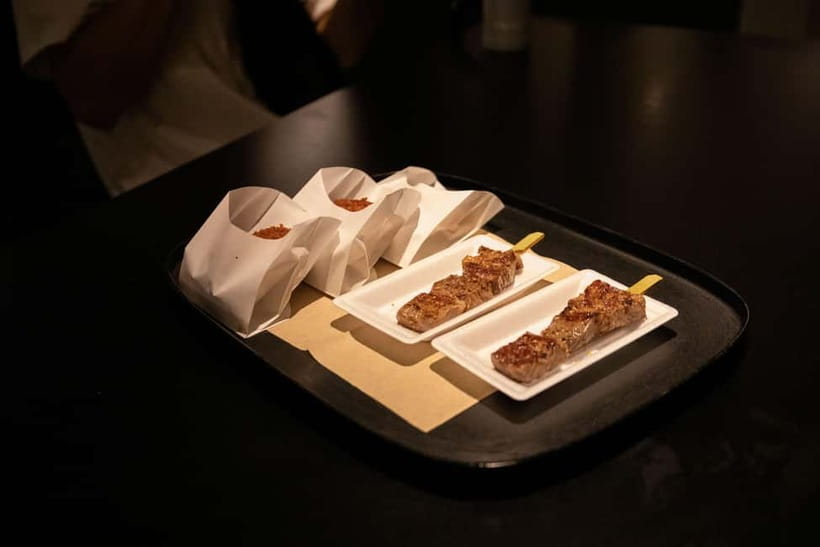
Other tastings can include Kyoto seasonings, crackers, Japanese-flavored honey, and similar market samples. The exact stops may vary, so do not treat the named foods as a guaranteed fixed menu. The advertised core includes five special foods, with hamo tempura and wagyu steak skewers among the featured bites.
This variety is one of the tour’s strongest points. You are not eating five versions of the same thing. You move between soft and crisp textures, savory and lightly sweet flavors, and familiar and unusual ingredients.
Hamo tempura and wagyu steak skewers
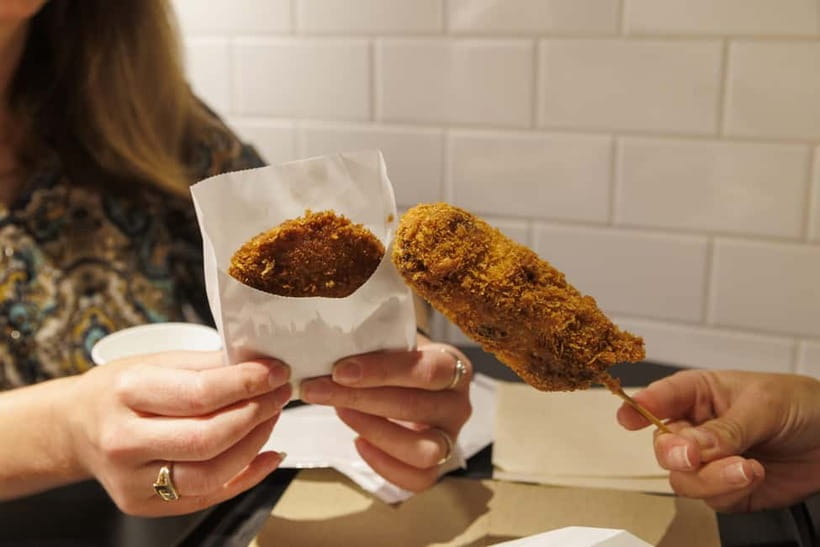
Hamo, or conger pike eel, is a Kyoto specialty that many first-time visitors would not think to seek out. Prepared as tempura, it offers a crisp outside and a delicate interior. It is a good example of the kind of food discovery this tour is designed to provide.
The wagyu steak skewer brings a more immediately familiar pleasure. It is rich and filling, and it gives the tasting route a substantial bite among the lighter samples. The combination of hamo and wagyu also shows the range of the market, from traditional local ingredients to premium meat.
You should expect tasting portions rather than restaurant plates. That is a benefit if you want to sample widely, but it may leave you ready for another meal later. A past visitor described eating enough to skip lunch, yet you should not assume the same quantity at every departure. Appetite, stall availability, and the guide’s route can affect the experience.
I would keep breakfast light, but not skip it entirely. The tour involves walking, waiting at stalls, and eating several different foods. Comfortable shoes matter more than dressy clothes, and rain gear is sensible in Kyoto’s changeable weather.
A market walk with stories, not just snacks
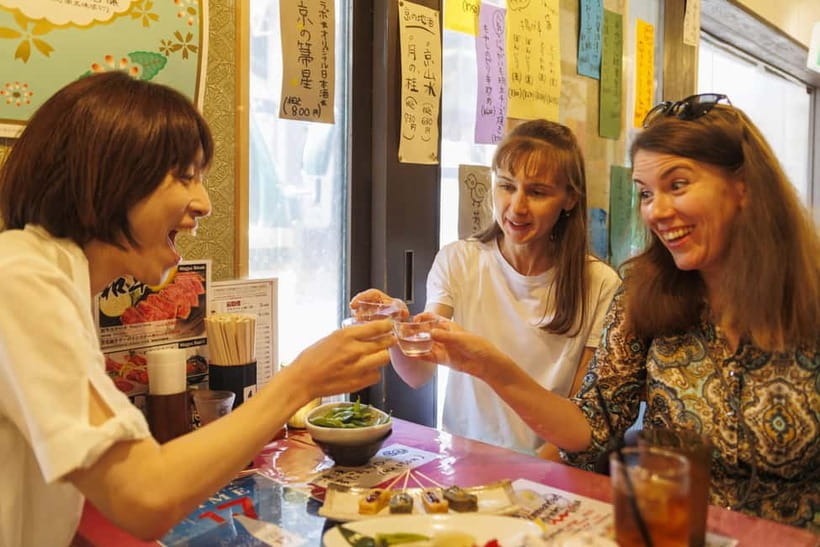
The best guides add context without turning the walk into a lecture. Names such as Takuma, Ayu, Toshi, Hide, Saki, and Miho have been associated with the warm, patient style this experience needs. The useful guide is not simply translating a menu. They explain customs, answer questions, and adjust the pace when somebody needs more time.
That personal contact is especially useful if this is your first day in Japan. You can ask about foods to seek out later, nearby sights, and basic cultural points that are hard to pick up from a guidebook. Several guides have also offered suggestions for the rest of a visitor’s Kyoto stay.
The experience works well for curious eaters, but you do not need to be an expert in Japanese cuisine. The guide can explain each food in straightforward terms and encourage you to try something outside your usual choices.
Families can also fit here. One particularly successful outing included an 11-year-old who enjoyed being encouraged to taste unfamiliar foods. Still, children should be comfortable walking and standing in a crowded market for several hours.
More street food market tours in Kyoto:
- Kyoto: Nishiki Market Food Tour
★ 4.9 · 21 reviews - Taste of Nishiki Market Walking Food Tour with Local guide
★ 5.0 · 17 reviews - Kyoto: Nishiki Market Food Tour with Local Guide
★ 4.6 · 5 reviews - Dubai: Old Town, Creek, Museums, Souks, & Street Food Tour
★ 4.8 · 10,816 reviews
Nishiki-Tenmangu Shrine adds a quiet pause
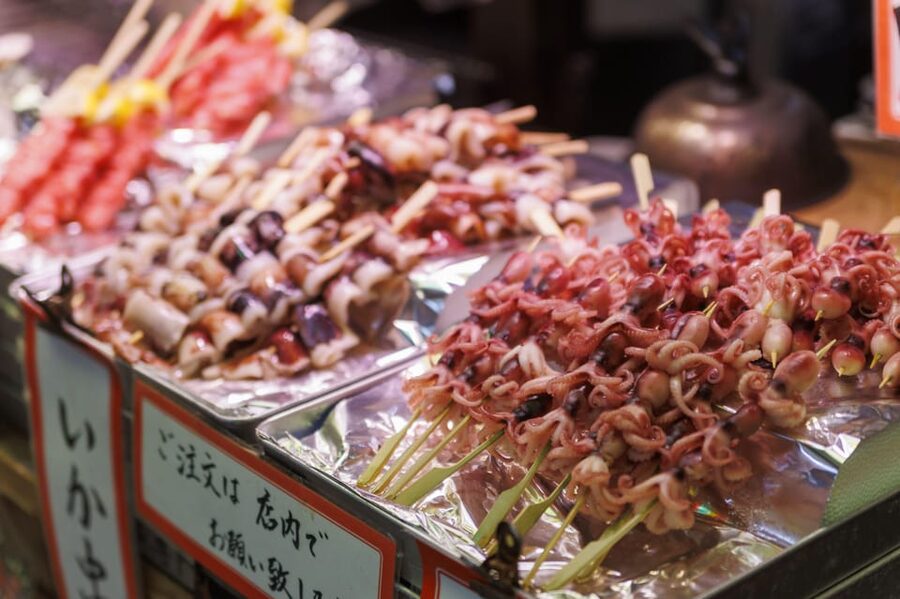
After about 90 minutes of market food and explanation, the route moves to Nishiki-Tenmangu Shrine for roughly 10 minutes. This short stop breaks up the eating and gives the walk a cultural anchor.
A shrine visit may seem like a small addition, but it helps connect Nishiki to the wider city. The guide can explain the site’s role and point out details you might otherwise pass without understanding. If you are already visiting many temples and shrines in Kyoto, this will not replace a major temple visit. It is better viewed as a concise cultural stop woven into a food walk.
The timing is also useful. A market can blur together after several food samples, while a brief shrine visit gives you a change of scene before the shopping streets.
Shinkyogoku and Teramachi: Kyoto after the market
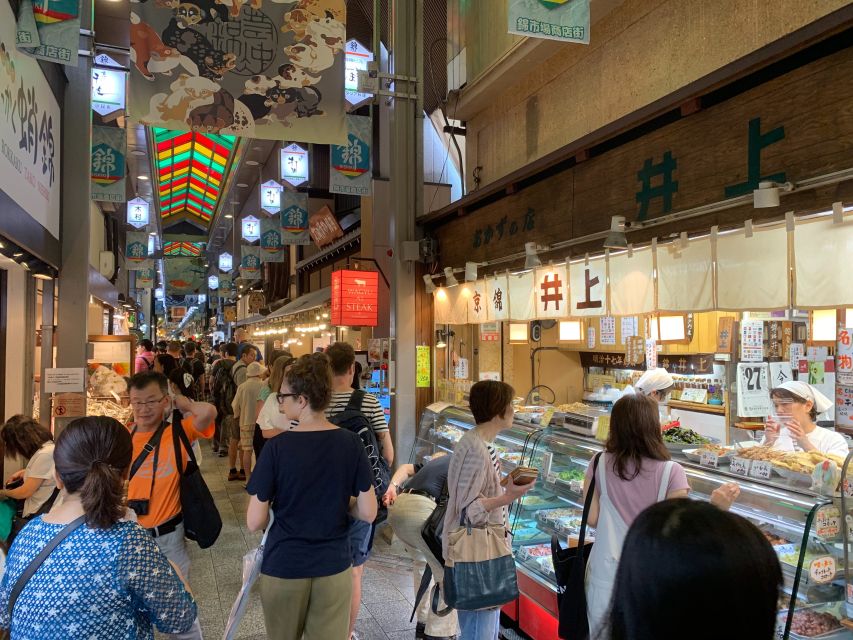
The tour continues through Shinkyogoku Shopping Arcade for about 45 minutes. This is a chance to browse beyond food, with shops and everyday shopping mixed into the walk. You can ask your guide what is worth looking at, and you may have time to make purchases.
Teramachi Street Shopping District follows for around 30 minutes. Together, these arcades show a different side of central Kyoto. Nishiki focuses heavily on food, while Shinkyogoku and Teramachi broaden the picture with shopping, local commerce, and small discoveries along the way.
Do not expect a dedicated shopping tour. The route is still guided, and the available time depends on the group and the day. If you find something you want to buy, tell your guide early rather than waiting until the final minutes.
There is also a short stop described as a less obvious local point of interest. Since the exact place is not specified, think of it as an extra discovery rather than a promised landmark. The attraction here is the guide’s local eye.
The walk ends at one of three central drop-off points, including the starting area near Shijo Street, Nishiki Orizuruya, or Kyoto Takashimaya. This makes it easy to continue shopping or sightseeing, but you should confirm the exact meeting and ending points for your selected option.
What $78 buys you
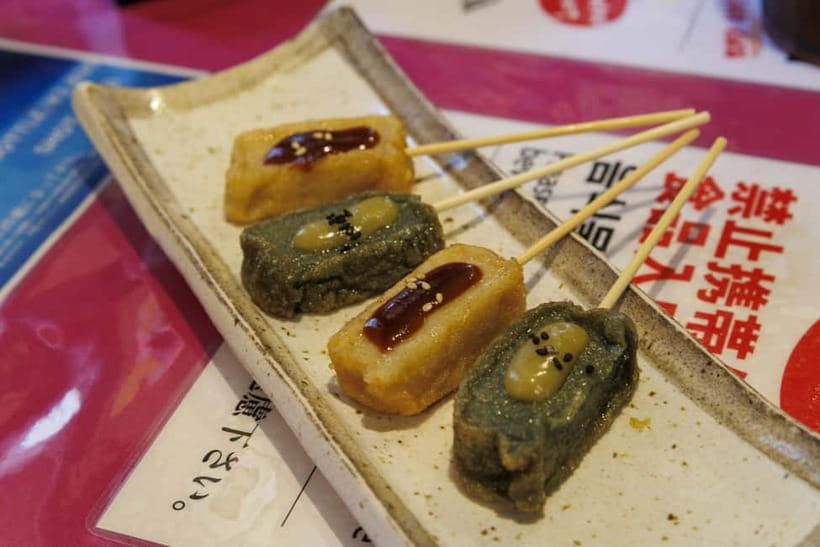
At $78 per person, this is not the cheapest way to enter Nishiki Market. You can walk through the arcade for free and buy individual snacks as you go.
The value comes from reducing trial and error. You receive a guided walk, five selected foods, extra tastings, historical and cultural explanation, and help navigating a market with many choices. If you would otherwise buy several foods at random and miss the dishes that best represent Kyoto, the fee can make sense.
A small group also gives the price more weight. A large coach-style food tour would be less suited to a narrow market, while a group capped at six can stop without creating a crowd of its own. For solo visitors, couples, and families who want a focused introduction, the price is easier to justify.
The value is weaker if you already know Nishiki Market well, speak Japanese comfortably, and enjoy choosing food without assistance. One participant felt the route could have been done independently. That is a fair point. The tour is paying for guidance, interpretation, and confidence, not exclusive access to the market.
The optional 90-minute tea ceremony
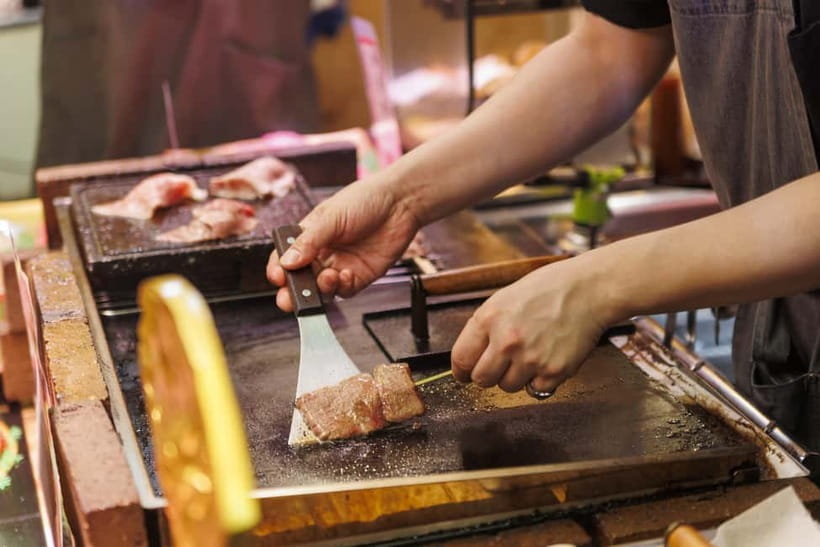
You can add a traditional tea ceremony after the food tour. The ceremony begins at 2:00 PM, and you must make your own way to the venue near Nishiki Market.
This add-on lasts 90 minutes. It begins with professional kimono dressing, followed by a tea ceremony led by a tea master. The session explains the meaning behind the movements and gestures, and there is time for commemorative photos in the traditional setting.
The tea ceremony is a good choice if you want a more structured cultural activity after the informal market walk. It also gives you a chance to dress in kimono and learn the basic form of the ceremony rather than simply watch from the side.
Plan the timing carefully. The market tour and tea ceremony are connected by location, but the transfer is not escorted. Select the tea ceremony option when booking if you want it included, and allow enough time to find the venue after the walking tour ends.
Who should book this Kyoto food tour
I would recommend it most strongly to:
- First-time visitors who want help reading a market and choosing unfamiliar foods.
- Food lovers who prefer several small tastings to one formal meal.
- Solo visitors who want a social activity with a small group.
- Families with older children who can walk and try new foods.
- People who enjoy culture explained through ordinary food and local shopping streets.
- Visitors who want a useful orientation near central Kyoto early in their stay.
You should think twice if you need a strict menu. The tour cannot accommodate vegetarian, halal, kosher, gluten-free, or allergy-related requests. It is also not suitable for wheelchair users or people with mobility impairments.
Bring comfortable shoes and rain gear. Pets, luggage, and large bags are not allowed. The tour is a group walking experience, so you should be ready to walk, stand, and keep pace through crowded shopping areas.
Cancellation is free up to 24 hours before the activity for a full refund, and the reserve-now, pay-later option can help if your Kyoto schedule is still changing. Check the start time and meeting point carefully because they vary by option.
Should you book it?
Book this tour if you want Nishiki Market to feel understandable rather than random. The strongest reasons are the small group, the selection of Kyoto-specific foods, and guides who explain the culture behind each stop. Ayu, Toshi, Takuma, Miho, and other guides have shown the value of a friendly local who can answer questions while keeping the walk moving.
Skip it if you are happy to browse alone, have firm dietary restrictions, or want a long restaurant meal. For everyone else, $78 is a reasonable price for a focused introduction to Kyoto food, especially near the beginning of a Japan trip. You may leave with a full stomach, a better sense of local customs, and enough confidence to return to Nishiki Market on your own.
FAQ
How long does the Nishiki Market food tour last?
The activity is described as a three-hour experience, with the walking route covering Nishiki Market and nearby shopping streets. Some past outings have lasted around three and a half hours or longer, so avoid scheduling a tight appointment immediately afterward.
What foods are included?
The included selection features five special foods, including yuba, obanzai home cooking, hamo tempura, and wagyu steak skewers. Additional samples can include Kyoto seasonings, crackers, Japanese-flavored honey, and other market tastings. Exact foods may vary.
Is the tour conducted in English?
Yes. The tour has a live English-speaking guide.
How many people are in the group?
The group is limited to six participants. Some departures may be smaller, but six is the stated maximum.
Can the tour accommodate food allergies or special diets?
No. The activity cannot accommodate vegetarian, halal, kosher, gluten-free, or allergy-related requests.
Can I add a tea ceremony?
Yes. You can choose an option that includes a 90-minute tea ceremony after the market tour. It begins at 2:00 PM near Nishiki Market, and you must travel to the tea ceremony venue on your own.
More Food in Kyoto
- Tokyo Tsukiji Fish Market Food and Culture Walking Tour
★ 5.0 · 3,184 reviews - Bangkok: Markets, Temples and Food Night Tour by Tuk Tuk
★ 4.9 · 2,371 reviews - London Bridge & Borough Market Food Tour with 7 Authentic Dishes
★ 5.0 · 1,972 reviews - Tokyo: Tsukiji Fish Market Food and Walking tour
★ 5.0 · 1,724 reviews
More Food and Drink Tours in Kyoto
- Kyoto Nishiki Market Food and Culture Walking Tour
★ 5.0 · 412 reviews - Dubai: Old Town, Souks, Street Food, Guided Tour & Abra Ride
★ 4.9 · 7,170 reviews - Bangkok by Night: Temples, Markets and Food Tuk-Tuk Tour
★ 5.0 · 3,752 reviews - Chef Guided Food Tour of Pike Place Market
★ 5.0 · 3,733 reviews
Just added around Kyoto
- Taste of Nishiki Market Walking Food Tour with Local guide★ 5.0 · 17 reviews
- Nishiki Market Food Tour with Cooking Class★ 4.9 · 42 reviews
- Kyoto: Wholesale Fish Market Walking Tour★ 5.0 · 2 reviews
- Kyoto: Nishiki Market Tour with a Local Foodie & Tastings★ 4.5 · 67 reviews
- Golden Pavilion, Nijo Castle, & Nishiki Market Half day tour★ 5.0 · 29 reviews
- Kyoto: Arashiyama Unveiled Bamboo, Temple, Matcha, & Monkeys★ 5.0 · 6 reviews
- Kyoto: Nishiki Market Food Tour★ 4.9 · 21 reviews
- Kyoto: Nishiki Market and Depachika Food Tour with a Local★ 4.7 · 76 reviews
Street Food Market Tours, compared.

Old Town, Creek, Museums, Souks, & Street Food Tour
Read our review →
Old Town, Souks, Street Food, Guided Tour & Abra Ride
Read our review →
London Bridge & Borough Market Food Tour with 7 Authentic Dishes
Read our review →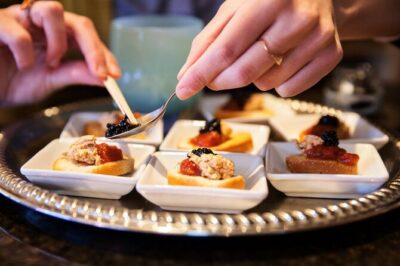
Old Town, Souks, Street Food, Guided Tour & Abra Ride
Read our review →
Small Group Cooking Class & Market Food Tour in Florence
Read our review →
Old Town, Street Food, Creek, Souks, & Emirati House
Read our review →Browse the lists this tour appears in