
Review · KYOTO
Kyoto Nishiki Market Food and Culture Walking Tour
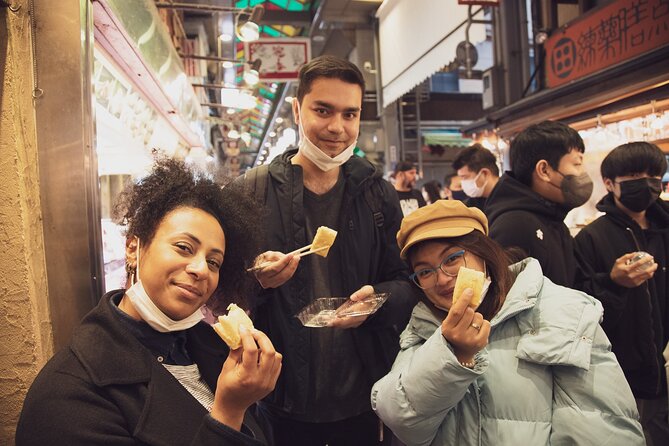
Kyoto’s Nishiki Market is easy to enter and surprisingly hard to understand. This narrow, 400-year-old food street is packed with pickles, seafood, sweets, meat, produce, and souvenir ingredients. A guide helps you move past the visual overload and tells you what you are looking at, how it is eaten, and which shops deserve your attention. I especially like the six-person maximum and the mix of food with shrine and temple visits. Guides such as Keiko, Takuma, Annie, Toshi, and Atsu have been praised for clear explanations and easy conversation.
I also like that the tastings can replace a meal, with some outings including yuba, soy doughnuts, omelette, pickled cucumbers, gyoza, minced-meat sandwiches, eel, fruit, and drinks. The main caution is value: at $80.92, the tour costs far more than simply walking through Nishiki Market and buying a few snacks yourself. The number of samples can vary, so food-focused visitors should confirm their expectations before booking.
Key points to know before you book
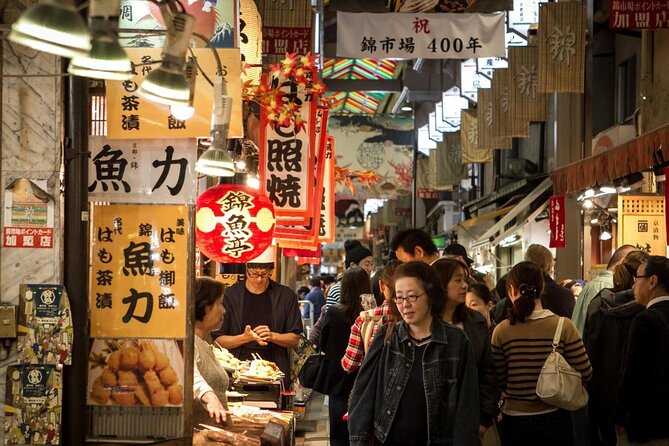
- Nishiki Market takes up most of the tour: Allow about 1 hour and 40 minutes among roughly 130 shops lining a narrow five-block street.
- The group is capped at six people: That makes it easier to ask questions, stop for purchases, and hear your guide in crowded areas.
- Food and culture are combined: You visit Nishiki Tenmangu, Shinkyogoku, Takoyakushido Eifukuji Temple, and Teramachi-dori.
- The tastings are substantial but not fixed: Some outings include many bites, while others have focused on only a few paid samples.
- Your guide affects the experience: Guides including Miku, Naoko, Saeko, Yoko, Chizuko, and Taisei have received especially warm praise for personal recommendations.
- Dietary restrictions are a serious limitation: Vegetarian, halal, kosher, gluten-free, and allergy-related requests cannot be accommodated.
What this Nishiki Market tour is really like
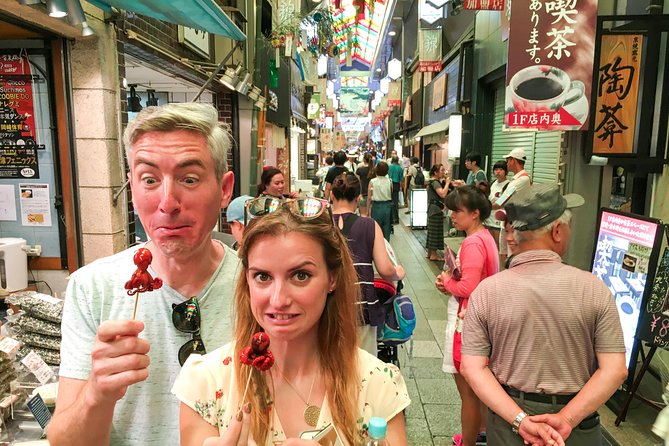
This is not simply a food crawl from one restaurant to the next. It is a guided walk through central Kyoto, with Nishiki Market as the main event and several nearby cultural stops added around it.
The basic route lasts about three hours. Nishiki Market receives the largest share of the time, followed by short visits to a Shinto shrine, a shopping arcade, a Buddhist temple, and a traditional shopping street. You walk, stop for tastings, listen to explanations, and have chances to shop.
The experience is particularly useful on a first visit to Kyoto. Nishiki Market can feel like a long corridor of tempting but unfamiliar food. You may see items you cannot identify, shops with no obvious English explanation, and stalls where it is unclear what you are expected to do. A local guide gives you a starting point and helps you make sense of the choices.
The tour is rated 4.9 out of 5, with 97 percent recommending it. That strong score reflects the guide-led experience more than a guaranteed menu. I would treat the food as a selected introduction to Kyoto rather than an unlimited tasting tour.
More Market Walking Tours in Japan
- Nishiki Market Brunch Walking Tour (7 Tastings + Brunch)
★ 5.0 · 1,355 reviews - Taste of Nishiki Market Walking Food Tour with Local guide
★ 5.0 · 17 reviews - Kyoto: Wholesale Fish Market Walking Tour
★ 5.0 · 2 reviews
Entering the 400-year-old Nishiki Market
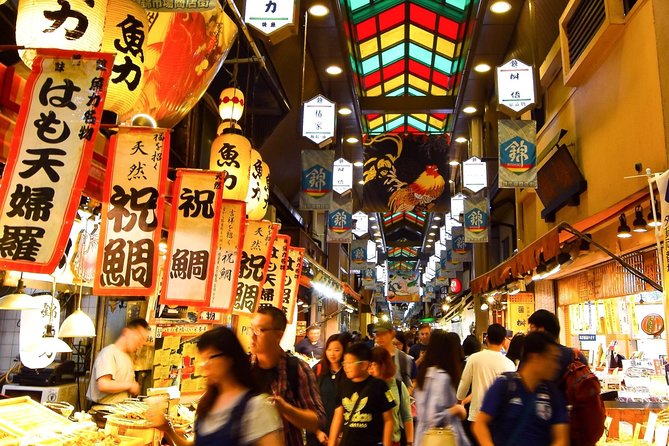
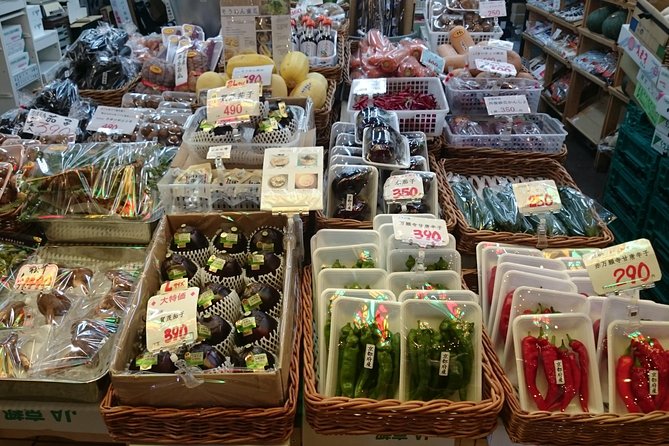
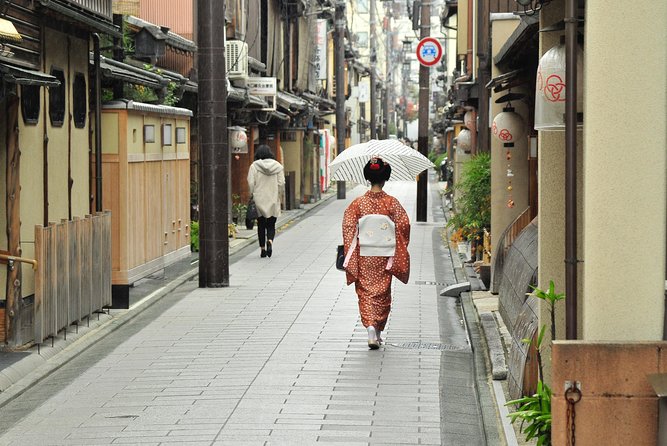
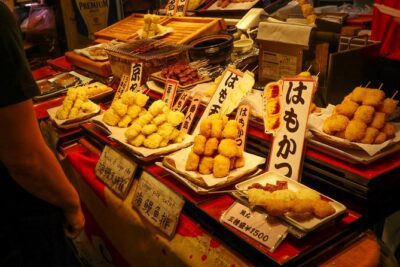
Nishiki Market is the heart of the outing. The market runs along a narrow covered street with about 130 shops and stalls spread over five blocks. It still serves local shoppers, but its central location also makes it one of Kyoto’s best-known food stops.
The guide leads you through the market while explaining local ingredients and eating customs. This is where the small group matters most. The passage can become tight, and a large tour would make it harder to stop without blocking the flow of people. With no more than six participants, you have a better chance to ask why a product matters or pause when something catches your eye.
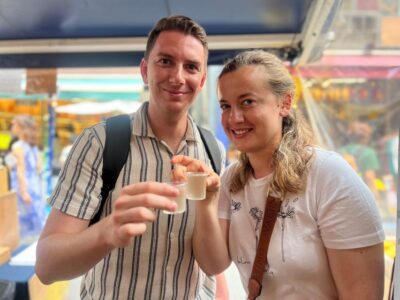
The food selection can vary, but the recorded tastings give a useful sense of the range. You might sample yuba, the delicate soybean product associated with Kyoto; soy doughnuts; rolled omelette; pickled cucumbers; gyoza; fruit; and minced-meat sandwiches. One outing included a Kobe-style minced-meat pie, while another included tempura conger eel and honey yuzu lemonade.
Some guides also point out ingredients worth taking home. Matcha salt, Japanese seasonings, and drink concentrates have been popular purchases. The benefit is not only finding a product, but learning what it is and how you might use it after leaving Japan.
A practical point: you should not assume every tour includes every item listed above. The operator says the food samples are enough to fill you up in place of a meal, and some outings have included many bites plus free samples offered in the market. Other accounts describe a smaller set of tastings, including three market items and three at a sit-down restaurant. The exact food stops depend on the day and the guide.
That variation explains the mixed value judgments. If your guide, such as Saeko or Yasuko, takes time to adjust the route and find foods that interest you, the experience can feel generous. If you expect a long sequence of paid tastings, the $80.92 price may feel high.
A short lesson at Nishiki Tenmangu
After the market, the tour visits Nishiki Tenmangu, a local Shinto shrine. The stop lasts about 15 minutes, so do not expect a long religious tour or a major shrine visit.
What you get is a practical introduction to shrine customs. Your guide explains the basic features you see at a Shinto site and shows you how to pray. This gives the market walk a useful cultural frame. Food in Japan is not separate from local custom, seasonal habits, and religious practice, so the shrine visit adds context without taking up much of the afternoon.
I like this stop because it gives you something you can use during the rest of your Japan trip. Once you understand the basic pattern of worship, you can approach other shrines with more confidence and respect.
The short timing is also a benefit if you are mainly booking for food. You get a taste of Kyoto’s religious culture without turning the tour into a full temple-and-shrine circuit.
Shinkyogoku, a different side of central Kyoto
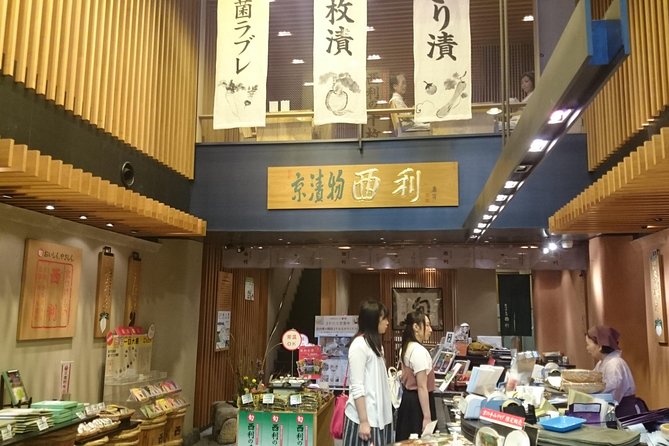
The route then reaches Shinkyogoku Shopping District, a pedestrian shopping arcade. The scheduled visit lasts about 20 minutes.
This street shows a more commercial side of Kyoto. You find modern shops alongside reminders of older local traditions, giving you a quick look at how residents shop and spend time in the city center. It is not another food market, and that change of pace helps prevent the tour from becoming three straight hours of eating.
Your guide may also help you understand the difference between the market and the surrounding shopping streets. Nishiki is built around food stalls and specialty shops, while Shinkyogoku and nearby streets offer a broader mix of retail. If you are looking for small gifts or want to compare local products, this part of the route can be useful.
The drawback is that 20 minutes is enough only for an introduction. You will not explore every arcade or shop. If you find something worth buying, ask your guide how much time is available before wandering off.
More market walks in Kyoto:
- Bangkok: City Highlights Temple and Market Walking Tour
★ 4.5 · 3,990 reviews - Tokyo Tsukiji Fish Market Food and Culture Walking Tour
★ 5.0 · 3,184 reviews - Marrakech: Ben Youssef, Secret Garden, & Souks Walking Tour
★ 4.6 · 2,802 reviews - Marrakech: Colorful Medina Souks Guided Walking Tour
★ 4.7 · 2,470 reviews
A quiet temple at Takoyakushido Eifukuji
Takoyakushido Eifukuji is a small Buddhist temple on the corner of the shopping street. The scheduled stop is only 10 minutes, but its appeal is its ordinary setting.
Kyoto has famous temples that can fill a full morning. This one offers a different view: a temple close to shops and everyday city life. Your guide explains how religious places can sit alongside normal neighborhood routines, rather than existing only in distant scenic settings.
I find this kind of stop valuable because it keeps the tour grounded. You are not being rushed from one grand sight to another. Instead, you see how Kyoto’s religious traditions fit into a central urban district.
Ten minutes is brief, so keep your expectations modest. This is a cultural pause, not a full temple visit. Its purpose is to show you a local detail you might pass without noticing.
Teramachi-dori and the final shopping stretch
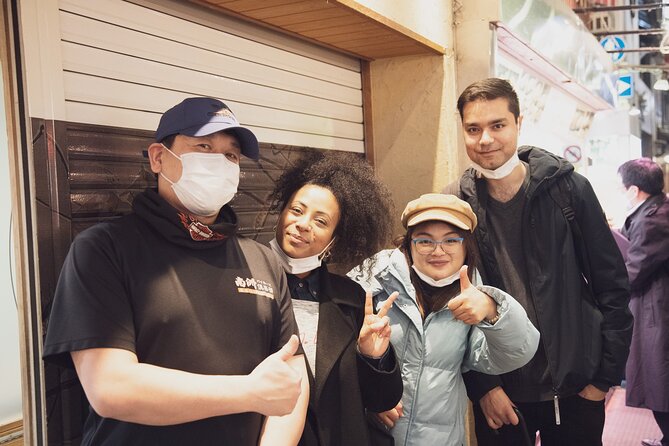
The final scheduled stop is Teramachi-dori, a shopping street lined with long-established businesses and newer shops. The listed time is about 15 minutes.
This is another chance to see how old and new Kyoto operate side by side. Your guide can point out places that suit your interests, and several outings have allowed time for shopping during the walk. If you are on a short visit, this can save time because you get food advice and shopping suggestions in one outing.
Chizuko was praised for steering a guest toward seasonings and drink concentrates that might otherwise have been missed. Annie helped one participant locate matcha salt. Those examples show the practical value of a local guide: not just telling you what you are seeing, but helping you choose something worth carrying home.
Again, the time is limited. This tour is not designed for a long shopping session. If you want to buy several gifts, you may need to return later on your own.
The guides make the biggest difference
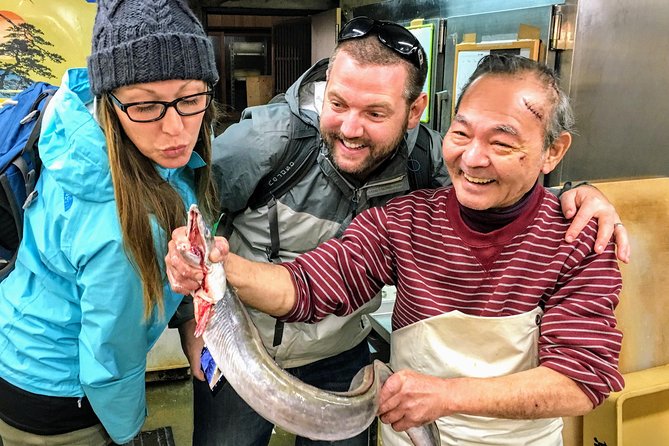
The operator uses several guides, so the tone can vary from one departure to another. Names associated with strong experiences include Keiko, Takuma, Miku, Toshi, Naoko, Annie, Atsu, Saeko, Yoko, Chizuko, Taisei, Taka, Yasuko, Akiko, Eric, Nagi, and Miku.
The repeated strengths are clear: guides explain food in plain English, connect dishes to Kyoto culture, and answer questions without rushing. Takuma was noted for good English and a comfortable pace. Toshi combined food information with cultural and religious explanations. Atsu worked well with a multigenerational group, while Yoko made a family group feel comfortable trying unfamiliar foods.
Small groups can become semi-private when bookings are light. One outing effectively became a private tour, allowing Saeko to adjust the food choices and recommend which shops to try or avoid. Another solo participant received extra attention from Takuma.
You should not count on a private tour, but the maximum of six gives you a reasonable chance of personal interaction. If you care about a specific interest, such as ingredients, food history, shopping, or shrine customs, tell the guide early. The best accounts came from people whose guides adapted to their questions.
How much food should you expect?
This is the most important question before booking. The tour description presents the samples as enough food to replace a meal. Several experiences did end with participants feeling full, especially when the route included yuba, pickles, sweets, dumplings, fruit, meat, eel, and drinks.
But the food is not a fixed tasting menu. The guide may visit a handful of shops, and the number of samples can change. One account described three market tastings and three more at a sit-down restaurant, which felt insufficient for the price. Another described enough bites and free samples to feel full by the end.
I would book this for guided discovery, not for maximum quantity. If your priority is to eat as many inexpensive market snacks as possible, exploring Nishiki independently may give you more food for less money. If your priority is knowing what to order, understanding unfamiliar ingredients, and avoiding the paralysis of too many choices, the tour has a stronger case.
Come hungry, but do not arrive expecting a formal restaurant meal. Bring water as well, especially in hot weather. The walking pace is moderate, and part of the experience includes sitting or stopping, but you are still outside and moving through crowded streets.
Is $80.92 a fair price?
At $80.92 per person, this is not a bargain food walk. You are paying for the guide’s time, the small group, cultural explanations, selected tastings, and the convenience of having the market explained to you.
The value is strongest for first-time visitors, solo visitors who want company, families, and anyone nervous about ordering unfamiliar food. A guide can also help you spend your limited Kyoto time well. Chizuko’s route, for example, helped one participant find food products and shopping choices during a tight schedule.
The value is weaker for confident independent eaters. Nishiki Market is free to enter, and you can buy snacks as you go. If your goal is simply to sample the largest possible number of items, the self-guided option will likely cost less.
I would also consider the group size. A six-person limit is more useful in Nishiki’s narrow passage than a large coach-style group, and it allows the guide to tailor explanations. That is the main reason the price can make sense, provided your guide gives you a good range of tastings.
Important practical details before you go
The tour is near public transportation, but hotel pickup, hotel drop-off, and transportation to or from attractions are not included. You make your own way to the meeting point, so check the starting instructions carefully. One participant had confusion because two map locations appeared, and another reported receiving directions associated with the wrong point.
The tour runs in rain or shine. The operator states that poor weather can lead to a date change or full refund, but you should still dress for conditions. Nishiki Market can become very crowded, and anyone bringing a stroller should notify the operator in advance.
Most people can participate, but the route includes walking through market and shopping streets. The tour is not suitable for people who need dietary accommodations the operator cannot provide.
The legal drinking age in Japan is 20. Extra food and drinks, personal purchases, and other expenses are not included. You receive booking confirmation at the time of reservation, and cancellation is free up to 24 hours before the start time. Cancellations or changes made less than 24 hours ahead are not refunded or accepted.
Who should book this Kyoto food walk?
I would choose this tour if you are visiting Kyoto for the first time and want a guided introduction to Japanese market food. It is also a good fit if you are traveling alone, bringing a family, or prefer explanations before ordering.
The tour works well for curious eaters who want more than familiar sushi and ramen. You may encounter tofu products, pickles, unusual seafood, local sweets, specialty drinks, and ingredients to take home. The shrine and temple stops also make it more than a snack run.
I would hesitate if you have strict dietary needs. Vegetarian, halal, kosher, gluten-free, and allergy-related requests cannot be accommodated, and the operator warns that severe restrictions may make it impossible to arrange food.
I would also hesitate if you judge a food tour mainly by the number of paid samples. In that case, $80.92 may be hard to justify. Ask yourself what you are buying: a guided introduction to Kyoto’s food culture, or the cheapest way to eat through the market.
Should you book the Nishiki Market Food and Culture Walking Tour?
Book it if you want a focused three-hour introduction with a small group, a local guide, and cultural stops that add meaning to the food. The strongest part is the human guidance. Guides such as Toshi, Atsu, Saeko, Chizuko, and Yoko have helped people slow down, ask questions, and notice products they might have skipped.
Skip it if you are comfortable navigating markets alone, have major dietary restrictions, or want a guaranteed long list of tastings. You can explore Nishiki Market independently and spend less.
For most first-time Kyoto visitors who value context and personal help, this is a worthwhile orientation. Just keep your expectations realistic: the route and food selection can change, and the price pays for guidance as much as for the food.
FAQ
How long does the Kyoto Nishiki Market Food and Culture Walking Tour last?
The tour lasts approximately three hours.
How many people can join the tour?
The tour has a maximum of six participants.
What places are included?
The route includes Nishiki Market, Nishiki Tenmangu, Shinkyogoku Shopping District, Takoyakushido Eifukuji Temple, and Teramachi-dori Street.
Is Nishiki Market free to enter?
Yes. Nishiki Market has no admission charge, though food purchases and included tasting arrangements are part of the tour experience.
Does the tour include enough food for a meal?
The tour is designed to include enough samples to fill you up in place of a meal. The exact number and type of tastings can vary.
Can the tour accommodate vegetarian or halal diets?
No. The operator cannot accommodate vegetarian, halal, kosher, gluten-free, or allergy-related requests.
Is transportation included?
No. Transportation to and from the attractions, hotel pickup, and hotel drop-off are not included.
Does the tour run in bad weather?
The tour takes place rain or shine. If the operator cancels because of poor weather, you are offered another date or a full refund.
What is the cancellation policy?
You can cancel for a full refund up to 24 hours before the experience start time. Cancellations made less than 24 hours ahead are not refunded.
Is the tour suitable for someone bringing a stroller?
You should tell the operator in advance if you are bringing a stroller because Nishiki Market can become very crowded.
More Food in Kyoto
- Kyoto: Nishiki Market Tour with a Local Foodie & Tastings
★ 4.5 · 67 reviews - Kyoto: Nishiki Market Food Tour with Local Guide
★ 4.6 · 5 reviews - Dubai: Old Town, Creek, Museums, Souks, & Street Food Tour
★ 4.8 · 10,816 reviews - Dubai: Old Town, Souks, Street Food, Guided Tour & Abra Ride
★ 4.9 · 7,170 reviews
More Food and Drink Tours in Kyoto
- Kyoto: Local Food Tasting Tour at the Nishiki Market
★ 4.7 · 135 reviews - Kyoto: Nishiki Market and Depachika Food Tour with a Local
★ 4.7 · 76 reviews - Nishiki Market Food Tour with Cooking Class
★ 4.9 · 42 reviews - Kyoto: Nishiki Market Food Tour
★ 4.9 · 21 reviews
Just added around Kyoto
- Taste of Nishiki Market Walking Food Tour with Local guide★ 5.0 · 17 reviews
- Nishiki Market Food Tour with Cooking Class★ 4.9 · 42 reviews
- Kyoto: Wholesale Fish Market Walking Tour★ 5.0 · 2 reviews
- Golden Pavilion, Nijo Castle, & Nishiki Market Half day tour★ 5.0 · 29 reviews
- Kyoto: Nishiki Market Tour with a Local Foodie & Tastings★ 4.5 · 67 reviews
- Kyoto: Arashiyama Unveiled Bamboo, Temple, Matcha, & Monkeys★ 5.0 · 6 reviews
- Kyoto: Nishiki Market Food Tour★ 4.9 · 21 reviews
- Kyoto: Enjoy Sushi & Market Tour! Best for Family & Couple!★ 4.8 · 20 reviews
Market Walking Tours, compared.
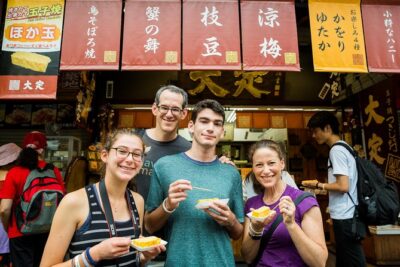
Tokyo Tsukiji Fish Market Food and Culture Walking Tour
Read our review →
Ben Youssef, Secret Garden, & Souks Walking Tour
Read our review →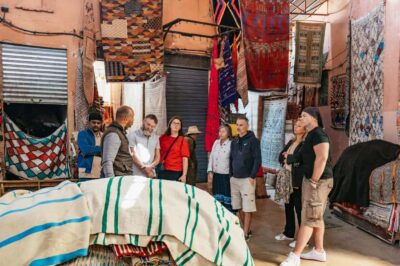

Air Raid Shelter + St. Nicholas Market Walking Tour
Read our review →
Nishiki Market Brunch Walking Tour (7 Tastings + Brunch)
Read our review →Tsukiji Fish Market Food and Culture Walking Tour
Read our review →Browse the lists this tour appears in