
Review · KYOTO
Golden Pavilion, Nijo Castle, & Nishiki Market Half day tour
Kyoto’s most useful history lesson fits into four focused hours here. You’ll see the Golden Pavilion, walk through Nijo Castle’s samurai-era rooms, and finish at Nishiki Market, where you can choose lunch for yourself.
I like the personal attention from Roberto, a Kyoto City Certified Tourist Guide, and the way he uses an iPad with his own images and explanations. I also like the route’s practical finish: you receive food and sightseeing suggestions for the rest of your Kyoto stay. The main drawback is pace. Two major sights plus public transport leave little room to wander slowly, and your entrance fees and transport are extra.
Key points at a glance
- Three very different Kyoto stops: A gold-covered Zen temple, a shogun’s castle, and a traditional food market give you a broad first look at the city.
- Roberto’s iPad explanations: Images help make the Edo Period, samurai, shoguns, and castle politics easier to follow.
- Private group format: You can ask questions, request photos, and discuss plans for the days ahead without keeping up with a large crowd.
- A useful morning schedule: The tour runs from 8:30 AM to about 12:30 PM, leaving the afternoon open.
- Public transport is part of the lesson: You travel by bus and subway, learning how Kyoto works while moving between sights.
- Extra costs are clear: The listed price is $90 per person, with about 1,800 yen more for the two admission tickets, plus your transport and food.
Why this four-hour route works
This is not simply a ride between three famous addresses. Each stop shows a different piece of Kyoto. Kinkaku-ji introduces religious art, prestige, and careful garden design. Nijo Castle explains how the shogun controlled powerful lords and protected himself from danger. Nishiki Market brings you back to daily life, food, tools, and local shopping.
That range is the strongest reason to consider the tour. If you are new to Japan, the political and religious terms can blur together quickly. Roberto’s explanations, supported by pictures on an iPad, are meant to give you a framework you can use for the rest of your trip.
The timing also makes sense. You meet at 8:30 AM in front of the 7-Eleven at the JR Kyoto Station Central Entrance, on the Kyoto Tower side. The morning ends at Nishiki Market, close to lunch time. You do not have to return to the station before eating or continuing on your own.
You should think of this as an active sightseeing morning, not a slow photography walk. The route includes a 35-minute bus journey, about 20 minutes by subway, another 15-minute subway ride, and a 10-minute walk to Nishiki Market. Comfortable shoes are important.
More full-day market trips in Kyoto:
- From Bangkok: Ayutthaya & Ayothaya Floating Market Day Trip
★ 4.7 · 6,084 reviews - Bangkok: Damnoen Saduak, Train Market & Mahanakhon Day Trip
★ 4.7 · 2,162 reviews - Day Trip to Bangkok Floating Market & Maeklong Railway
★ 5.0 · 1,528 reviews
Meeting Roberto at Kyoto Station
The meeting point is specific but busy: the door of the 7-Eleven in the JR Kyoto Station Building, 1st floor, using the Kyoto Tower side exit. Roberto carries an iPad and a red card marked RBRT, making him easier to spot.
This is a sensible starting place because Kyoto Station is a major transport hub. It also means you should allow enough time to find the correct exit. Kyoto Station is large, and coming out on the wrong side can cost you several minutes.
The tour is offered in English or Spanish and is arranged for a private group. That matters if you want to stop for questions about the imperial court, Buddhist traditions, samurai government, or restaurants you hope to visit later.
Roberto can also take photos of you during the morning. One particularly personal touch is the possibility of a short trip video, a feature that has been appreciated by people on the tour. It is not the main reason to book, but it gives the outing a pleasant keepsake quality.
Kinkaku-ji and the Golden Pavilion
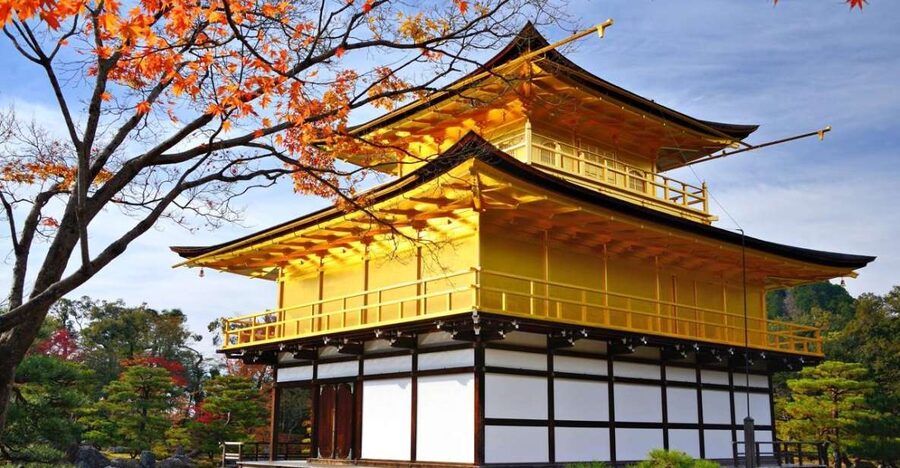
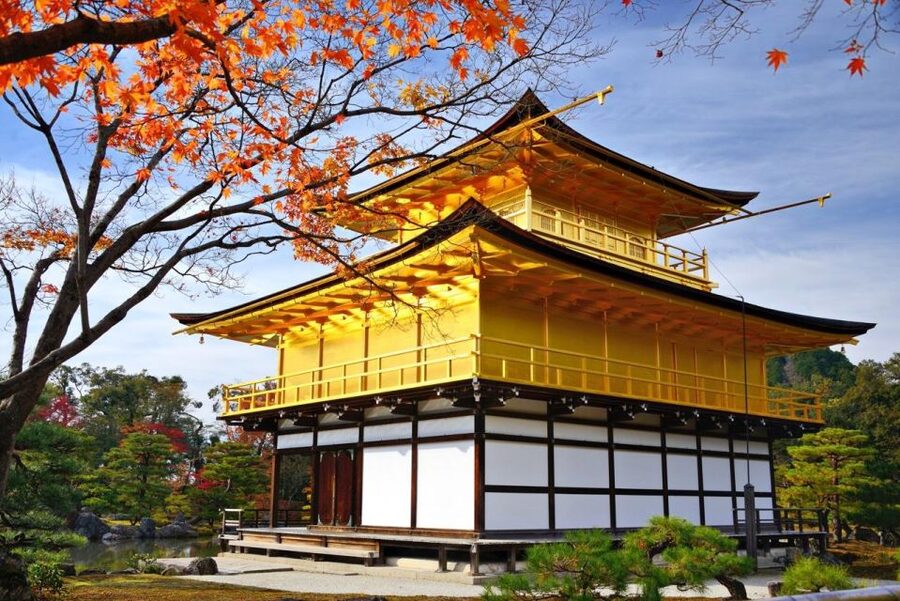
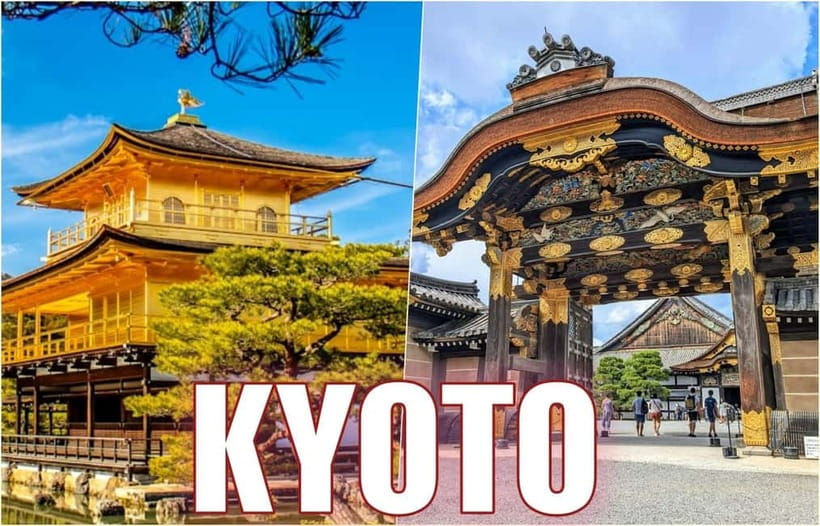
The first major stop is Kinkaku-ji, usually called the Golden Pavilion. It sits in northwest Kyoto and is one of Japan’s most recognized sights. The upper two floors are covered in real gold leaf, which catches the light above the pond and makes the building easy to understand as a display of wealth, power, and religious devotion.
The pavilion began as a villa for Ashikaga Yoshimitsu, a 14th-century shogun. After his death, it became a Zen Buddhist temple. That change from private retreat to religious site gives Roberto useful material to explain, especially if you are still sorting out the difference between shogun, samurai, feudal lord, and monk.
Your guided visit here is planned for about 90 minutes. The famous view across the pond is the obvious highlight, but the setting matters just as much. The water, trees, and gold structure are arranged to be seen together, not as separate objects.
Photography is a major part of the appeal, but there are places inside the temple grounds where pictures are forbidden. Follow the signs and Roberto’s instructions. The site can also feel crowded, so the value of a guide is partly practical: you get the essential context without trying to read every sign or decide which details matter.
Kinkaku-ji is not a place where you enter the pavilion and inspect every room. The famous building is viewed from outside, and the visit follows the established path through the grounds. If you want a long, quiet garden stroll, the 90-minute schedule may feel short. If you want a clear introduction to one of Kyoto’s key sights, it is a good use of the morning.
Nijo Castle and the sound of the nightingale floors
From Kinkaku-ji, the route continues toward Nijo Castle. The listed transfer takes about 20 minutes by subway, though the full movement between attractions can include walking and station time. Public transport keeps the tour connected to ordinary Kyoto rather than isolating you in a private vehicle.
Nijo Castle is the historical counterpoint to Kinkaku-ji. Here, the focus is the power struggle among samurai, feudal lords, and the shogun. Roberto explains how the military government worked, how authority was maintained, and how the samurai era ended as Japan moved toward modernization.
The castle’s architecture helps make those ideas concrete. You see detailed woodwork and carefully finished interiors, but the most memorable feature may be the nightingale floors. These wooden floors make a chirping sound when walked on, acting as an early warning system against unwanted visitors.
That detail gives the visit a human scale. Instead of hearing only about political control, you can connect the story to a floor designed to reveal footsteps. It is the sort of small feature that makes a large historical subject easier to remember.
The guided portion at Nijo Castle is planned for about 95 minutes. That is a useful amount of time for a serious visit, but it is not unlimited. You will need to keep moving through the route, especially if you stop often for photos or spend time studying the woodwork.
Nijo Castle is also a UNESCO World Heritage site, as is Kinkaku-ji. Seeing both on one morning lets you compare two kinds of prestige: the religious and artistic display of the pavilion with the political and defensive setting of the castle.
A few more market tours around Kyoto worth a look
- Nishiki Market Brunch Walking Tour (7 Tastings + Brunch)
★ 5.0 · 1,355 reviews - Kyoto Nishiki Market Food and Culture Walking Tour
★ 5.0 · 412 reviews - Kyoto: Nishiki Market Tea Ceremony with Koto Performance
★ 4.8 · 294 reviews - Kyoto: Local Food Tasting Tour at the Nishiki Market
★ 4.7 · 135 reviews
Nishiki Market, Kyoto’s food street
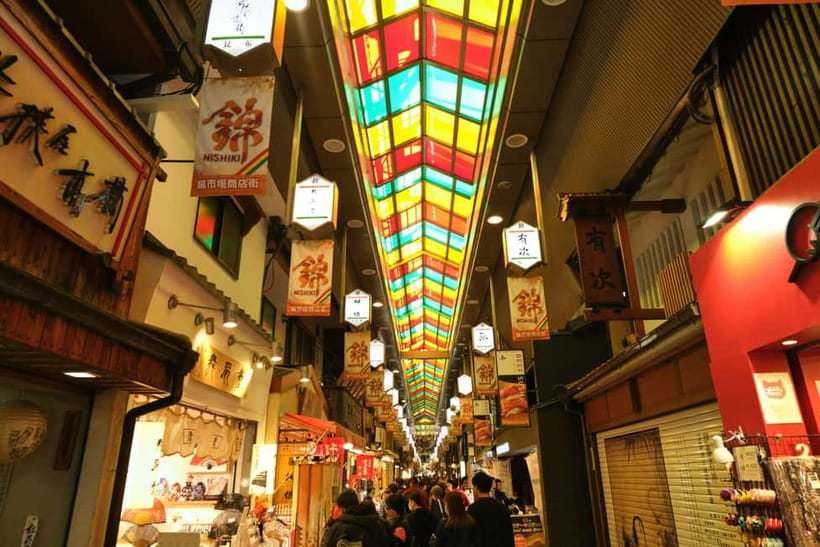
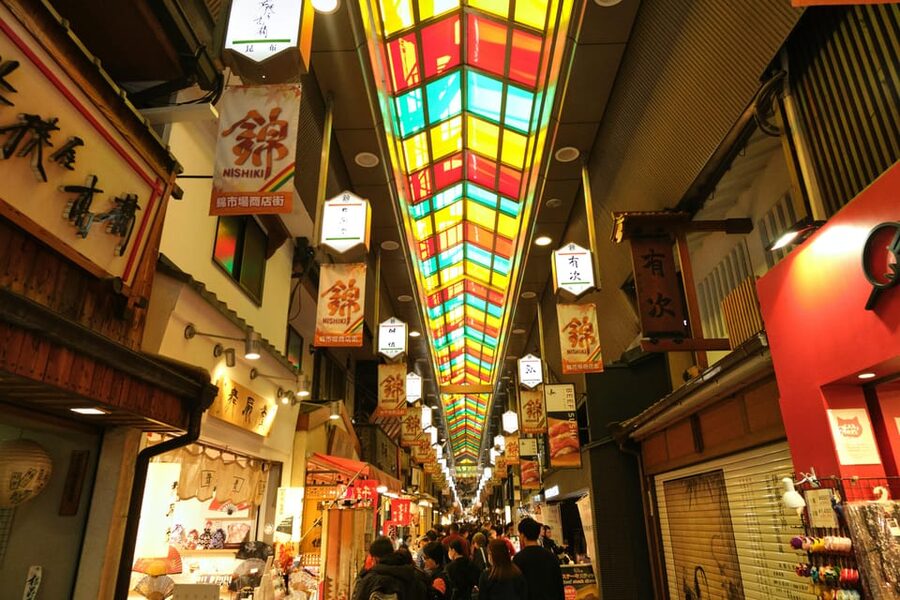
The final stop is Nishiki Market, a narrow shopping street stretching about five blocks. It is often called Kyoto’s Kitchen, and the name fits the selection. Shops sell seafood, produce, knives, cookware, and other food-related goods, alongside prepared foods and restaurants.
The tour reaches the market at about 12:30 PM and ends near its entrance. Roberto explains the market’s origins, then leaves you free to choose lunch from the many options. This is a smart way to finish because you are not locked into a set restaurant or forced to leave the area just as you become hungry.
Nishiki is a place to look closely. You might find ingredients you recognize, foods you have never seen, or kitchen tools that reveal how seriously Kyoto takes cooking. The street can feel lively and crowded, especially at a popular time of day, so keep bags close and be considerate in narrow sections.
The explanations available in the area are in English, which helps, but a guide still adds value by explaining what you are seeing in context. Ask Roberto which foods are worth trying or which nearby areas fit your plans for the afternoon.
The market is also where this tour becomes less structured. Kinkaku-ji and Nijo Castle have fixed paths and admission gates. Nishiki gives you choices. You can eat, continue shopping, or use the location as a starting point for more independent sightseeing.
The guide’s iPad and personal approach
Roberto’s use of an iPad is one of the more useful features of the tour. Historical explanations can become abstract when you are standing in front of a temple or castle. Images can show how a building looked in another period, clarify who held power, or help connect a person’s name with an event.
The guide also offers recommendations for the rest of your stay. That is especially helpful early in a Kyoto visit, when you may still be deciding how to arrange temples, neighborhoods, food stops, and cultural sites.
The personal format makes it easier to ask for that kind of advice. You can explain what you enjoy and receive suggestions suited to your plans, rather than hearing a fixed speech intended for everyone.
The feedback associated with the experience repeatedly highlights Roberto’s warmth, clear historical explanations, and attention to individuals. Several people also appreciated a video made during the outing. The rating is 5.0 from 29 reviews, with comments in English, Spanish, and French describing the experience as informative, enjoyable, and well organized.
That praise should be read alongside the tour’s limits. A good guide cannot change the size of Kinkaku-ji, remove crowds, or turn a four-hour route into a relaxed full-day visit. Roberto’s strength is making the scheduled stops understandable and personal.
What the $90 price really covers
The price is $90 per person. It includes Roberto’s guiding service, his explanations with iPad images, and the private group format. His own entrance fees and transport costs are covered, so you are not paying for the guide’s tickets or fares.
You must budget separately for your own admissions:
- Golden Pavilion: 500 yen, about $3.10
- Nijo Castle: 1,300 yen, about $8.15
- Transportation: extra
- Food and drinks: extra
That puts the two listed admissions at roughly 1,800 yen per person, before transport and lunch. The final cost is therefore higher than the headline price, but the comparison should be made against what you want from the morning.
If you only want quick photographs at Kinkaku-ji and a short look at Nishiki Market, $90 may feel high. If you want a private guide to explain the shogun system, samurai politics, the Edo Period, temple symbolism, and Kyoto transport while also offering advice for later days, the price is easier to justify.
The private format is particularly useful for families or couples who prefer a flexible conversation. It is less attractive if you already know Kyoto’s history well or prefer to explore independently with an audio guide.
Pace, walking, and practical limits
The tour takes place rain or shine. Bring comfortable shoes and be ready for a mix of walking, buses, subway rides, temple paths, castle floors, and a market street.
You do not climb mountains or face very long stairways, but this is still an active morning. You need to be in reasonable walking condition. The experience is not suitable for wheelchair users, pregnant women, people with back problems, people with a low fitness level, or people prone to seasickness. The last category is unusual for a land tour, but it is part of the stated suitability information.
Baby strollers and luggage or large bags are not allowed. Plan to leave bulky items elsewhere before meeting Roberto.
The route is most comfortable when you arrive ready to move. A light bag, water, and shoes with good support will make the morning easier. Since the tour finishes at Nishiki Market, you can buy lunch afterward, but food and drinks are not included.
You can cancel up to 24 hours before the start for a full refund, and the reserve-now, pay-later option keeps the booking flexible. Check the available start time when you reserve, since the standard schedule is 8:30 AM to 12:30 PM.
Who should book this Kyoto morning
I would recommend this tour to a first-time Kyoto visitor who wants orientation as well as sightseeing. The mix of religion, military government, architecture, food, and transport gives you useful background before you continue to places such as Gion or Fushimi Inari.
It also suits families and private groups that want questions answered in English or Spanish. The iPad material can help younger participants follow the stories, while the photo assistance and possible video add a personal touch.
History fans will appreciate the focus on the Edo Period, shogun, samurai, and Japan’s shift toward modernization. Food-minded visitors will like ending at Nishiki rather than being sent back to the station.
I would be more cautious about booking if you want a leisurely morning, have mobility concerns, dislike public transport, or prefer to spend a long time at one site. The schedule is full, and the experience depends on walking and staying with the planned route.
Should you book this half-day tour?
Book it if you want clear historical context, private attention, and three major Kyoto experiences in one morning. Roberto’s iPad explanations, photo help, language options, and advice for the rest of your visit make this more than a basic sightseeing transfer.
Skip it if you already know Kyoto’s main history or want complete control over your pace. Also remember to add the two admission fees, public transport, and lunch to the $90 price.
For most first visits, the strongest plan is to take this tour early in your Kyoto stay. You finish at Nishiki Market with the afternoon still open, and the recommendations you receive can help shape the days that follow.
FAQ
How long does the Golden Pavilion, Nijo Castle, and Nishiki Market tour last?
The tour lasts about four hours, normally from 8:30 AM to 12:30 PM.
Where does the tour begin?
Meet in front of the 7-Eleven at the JR Kyoto Station Central Entrance, on the 1st floor of the station building. Use the Kyoto Tower side exit.
Where does the tour end?
The tour ends at the entrance to Nishiki Market. Roberto explains the market’s origins, and you can then choose your own lunch.
Are admission fees included?
No. Your admission costs are extra. The Golden Pavilion costs 500 yen, and Nijo Castle costs 1,300 yen. You also pay your own transportation and food costs.
Is transportation included?
Your own transportation is not included. The route uses a public bus and subway services. The guide’s entrance fees and transportation do not need to be paid by you.
What languages are available, and what should I bring?
The tour is available in English and Spanish. Bring comfortable shoes. Baby strollers, luggage, and large bags are not allowed.
More Shopping Tours in Kyoto
- Kyoto: Nishiki Market and Depachika Food Tour with a Local
★ 4.7 · 76 reviews - Kyoto: Nishiki Market Tour with a Local Foodie & Tastings
★ 4.5 · 67 reviews - Nishiki Market Food Tour with Cooking Class
★ 4.9 · 42 reviews - Kyoto: Nishiki Market Food Tour
★ 4.9 · 21 reviews
Just added around Kyoto
- Taste of Nishiki Market Walking Food Tour with Local guide★ 5.0 · 17 reviews
- Nishiki Market Food Tour with Cooking Class★ 4.9 · 42 reviews
- Kyoto: Wholesale Fish Market Walking Tour★ 5.0 · 2 reviews
- Kyoto: Nishiki Market Tour with a Local Foodie & Tastings★ 4.5 · 67 reviews
- Kyoto: Arashiyama Unveiled Bamboo, Temple, Matcha, & Monkeys★ 5.0 · 6 reviews
- Kyoto: Nishiki Market Food Tour★ 4.9 · 21 reviews
- Kyoto: Enjoy Sushi & Market Tour! Best for Family & Couple!★ 4.8 · 20 reviews
- Kyoto: Nishiki Market and Depachika Food Tour with a Local★ 4.7 · 76 reviews
Market Day Trips, compared.
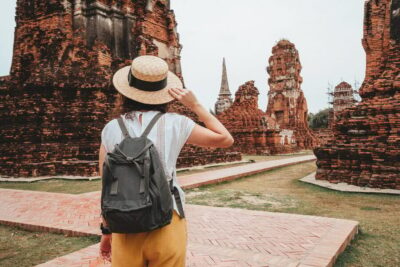
Ayutthaya & Ayothaya Floating Market Day Trip
Read our review →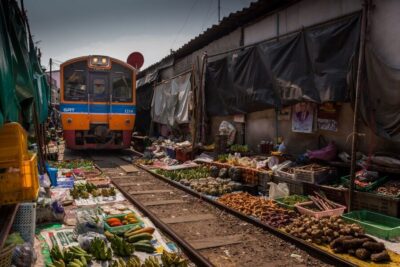
Damnoen Saduak, Train Market & Mahanakhon Day Trip
Read our review →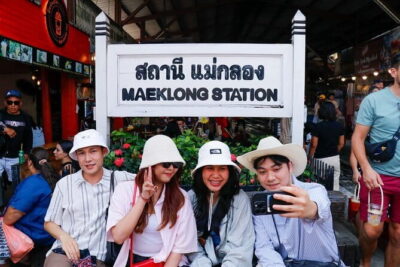
Day Trip to Bangkok Floating Market & Maeklong Railway
Read our review →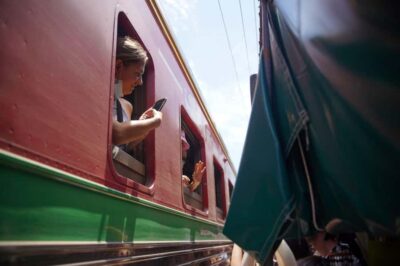
Floating Market and Ayutthaya Guided Day Tour
Read our review →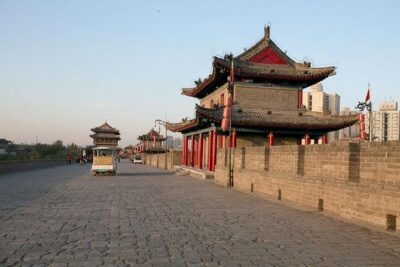
Mini Group Xian Day Tour to Terracotta Army, City Wall, Pagoda and Muslim Bazaar
Read our review →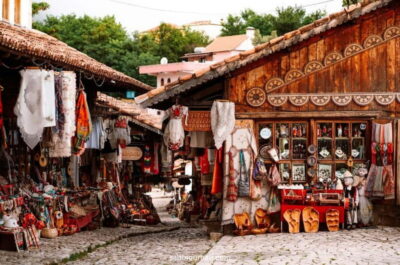
From Durres/Golem: Kruja Castle & Old Bazaar Day Tour
Read our review →
Ayutthaya, Railway & Floating Markets Full-Day Tour
Read our review →
From HCM: Mekong Delta & Cai Rang Floating Market 2-Day Tour
Read our review →Browse the lists this tour appears in