
Review · KYOTO
Kyoto: Enjoy Sushi & Market Tour! Best for Family & Couple!
The best part of this Kyoto experience is that you do not only eat sushi, you learn how the meal comes together. You visit Nishiki Market to watch fish being cut, then return to make vinegar rice, three types of sushi, and miso soup. I especially like the market connection and the chance to learn a few dishes you can repeat at home.
I also like the small group size, the dessert and coffee at the end, and the extra Kyoto sightseeing advice from a local tourism expert. One thing to consider is the price: at $77 per person, it is good value if you want instruction and a full meal, but it may feel high if you expect a long, highly hands-on cooking lesson or mainly want to eat.
Key points to know before you book
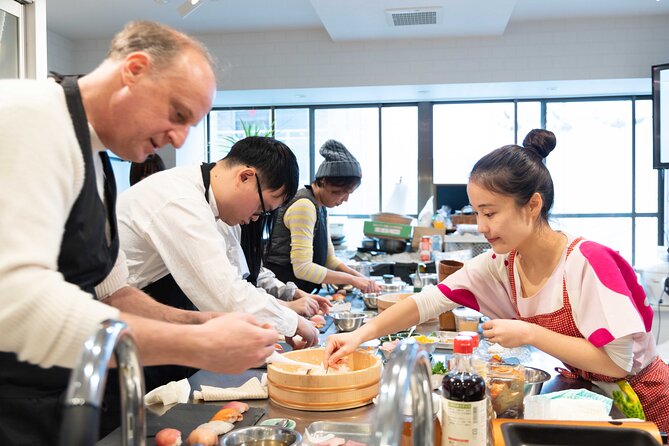
- Watch fish being cut at Nishiki Market: The market visit adds a real food-shopping angle to the class, rather than treating sushi as an isolated kitchen activity.
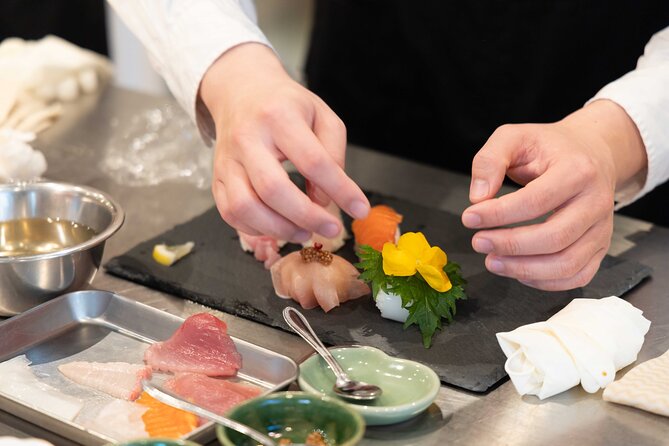
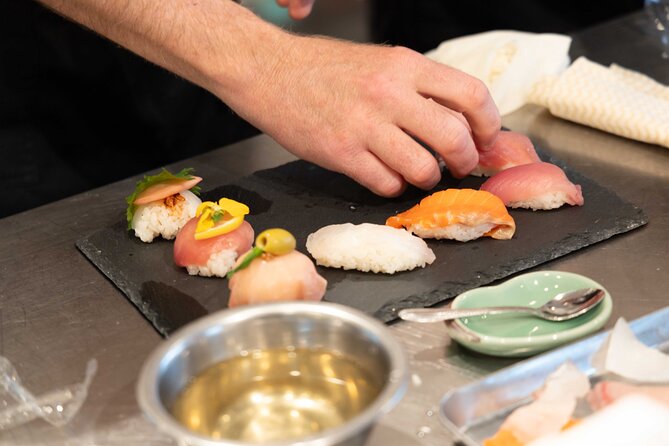
- Make three sushi styles: You prepare nigiri, temari, and temaki, each with a different shape and technique.
- Learn dashi and miso soup: The class includes tasting and comparing dashi before you make the soup.
- Eat what you prepare: Sushi, miso soup, dessert, and coffee are included in the two-hour session.
- Get seasonal Kyoto advice: A local tourism expert shares ideas for sightseeing during the time of year you visit.
- Expect a small, accessible class: Groups are limited to 10, the class is wheelchair accessible, and instruction is offered in English and Japanese.
A sushi class tied to Nishiki Market
This is a compact food experience in central Kyoto. You meet in front of a building with Salon Roll hair salon on the first floor. The location is about 10 minutes from Kyoto Station and five minutes from Shijo Station, placing it within easy reach of Gion and Kiyomizu-dera.
That location matters. You can fit the class into a sightseeing day without sending yourself across the city. A morning or early afternoon session could work before visiting nearby sights, while a later class gives you a reason to pause after a busy day of temples and lanes.
The experience begins with an introduction to Japanese food culture. This is useful because sushi is not simply fish placed on rice. The vinegar rice, the stock used for soup, the seasonings, and the handling of ingredients all affect the finished meal. You get a practical look at those building blocks instead of only watching a chef assemble a final plate.
The class is limited to 10 people. That is small enough to make questions possible, though you should keep your expectations realistic. A small group does not always mean one-on-one teaching at every step. One piece of feedback described the instructor as less engaged than expected, with less hands-on help than hoped for. If close coaching is your main reason for booking, ask questions early and take an active role.
A few more market tours around Kyoto worth a look
- Nishiki Market Brunch Walking Tour (7 Tastings + Brunch)
★ 5.0 · 1,355 reviews - Kyoto Nishiki Market Food and Culture Walking Tour
★ 5.0 · 412 reviews - Kyoto: Nishiki Market Tea Ceremony with Koto Performance
★ 4.8 · 294 reviews
Watching fish preparation at Nishiki Market
The visit to Nishiki Market gives this activity its strongest local connection. You go with the guide to select fresh fish and watch skilled market vendors cut it. One particularly memorable detail is the chance to see salmon being prepared.
This is not presented as a full market tour. It is a focused stop connected to the meal you are about to make. That keeps the two-hour schedule moving, but it also means you should not expect a long history lesson about every stall or a free period to browse the entire market.
Still, the stop has real value. You see the difference between a prepared ingredient and the tidy slices that arrive on a sushi plate. You also get a better sense of how central fish selection and cutting are to the finished dish. For families, this can be an easy way to add a visual, active moment to a cooking class. Children who are less interested in a lecture may pay closer attention when a vendor is working with a whole piece of fish.
The market can also make the class feel less staged. You are not simply handed ingredients in a kitchen and told to copy a recipe. You see where part of the food comes from, then use that context when making your own meal.
Building vinegar rice from the start
Back at the cooking space, you learn how to make vinegar rice. This is one of the most useful parts of the class for home cooks, since rice often decides whether homemade sushi holds together or falls apart.
The session is designed around making food, not only watching. You prepare the rice and learn the basic process before shaping the sushi. The goal is artistic presentation, so you are encouraged to use your own creativity while keeping the food practical enough to make at home.
That balance will appeal to couples and families who want a shared activity rather than a strict technical course. You can try to make neat pieces, but there is room for your own style. The class helps you create food that looks special at a home party without requiring restaurant-level skill.
At the same time, two hours goes quickly. You should expect an introduction to the techniques, not a full professional sushi apprenticeship. The class gives you a foundation and a finished meal. It does not promise that you will master knife work or every part of sushi preparation in one sitting.
Making nigiri, temari, and temaki
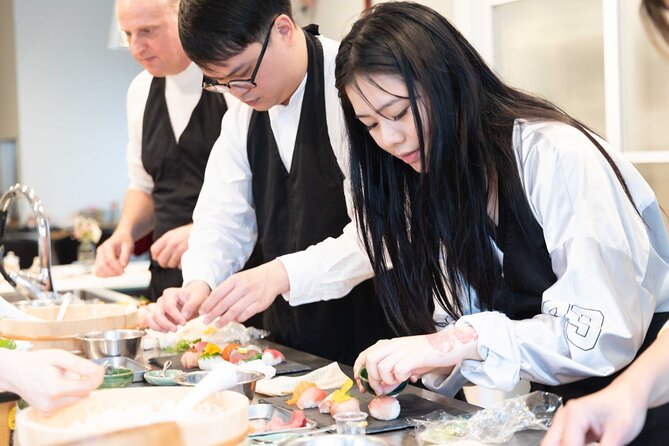
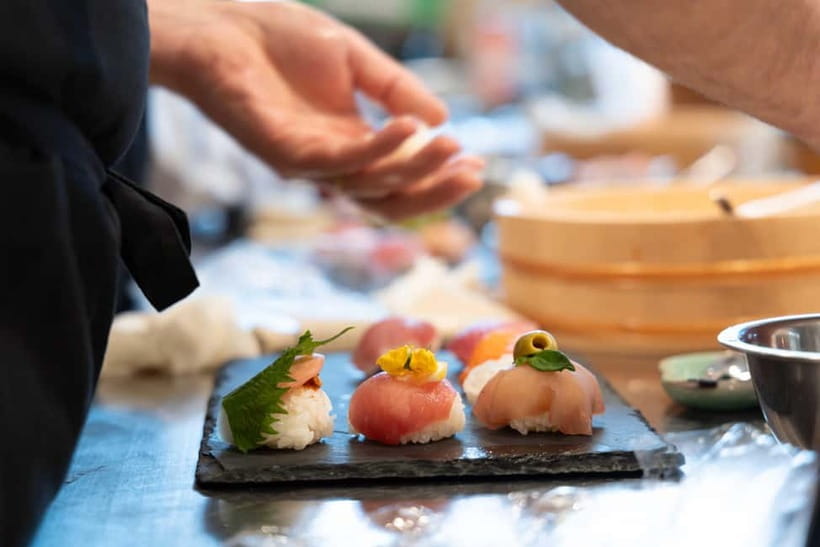
The main cooking section covers three forms of sushi: nigiri, temari, and temaki. Each one gives you a different kind of task.
Nigiri is the familiar hand-shaped sushi with a piece of fish or another topping over rice. It teaches you how to form the rice without pressing it too hard. Temari sushi is round and decorative, which makes it a natural choice for the artistic side of the class. Temaki is hand-rolled sushi, shaped like a cone and easier to customize at the table.
This variety is a smart use of a short class. You do not spend the entire session repeating one shape. Instead, you see how rice, fillings, and presentation change from one style to another. For a couple, it creates a friendly bit of competition over the neatest piece. For a family, each person can focus on a shape they find easiest or most fun.
The strongest teaching style here appears to be helpful but flexible. The instructor can guide you toward the right technique while leaving room to explore different flavors. That is good for beginners who want support without feeling as if every piece must look identical.
The possible weakness is the level of personal attention. With up to 10 participants, some people may receive more direct help than others. If the instructor seems to be moving quickly, ask for a demonstration again rather than quietly guessing. You will get more from the class if you treat it as an active workshop.
More shopping tours in Kyoto:
- Kyoto: Local Food Tasting Tour at the Nishiki Market
★ 4.7 · 135 reviews - Kyoto: Nishiki Market and Depachika Food Tour with a Local
★ 4.7 · 76 reviews - Kyoto: Nishiki Market Tour with a Local Foodie & Tastings
★ 4.5 · 67 reviews - Nishiki Market Food Tour with Cooking Class
★ 4.9 · 42 reviews
Learning dashi and making miso soup
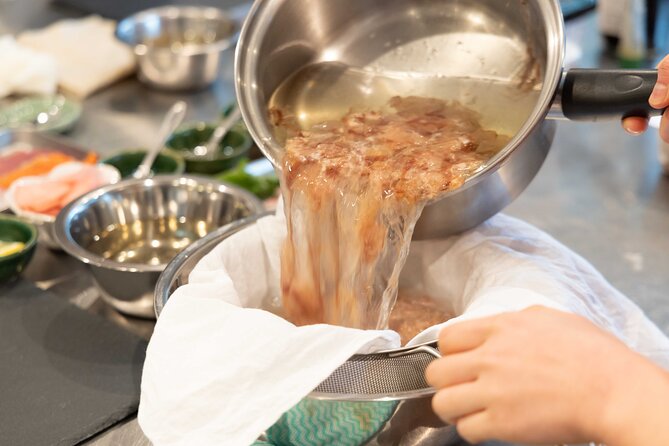
The soup portion adds useful depth to the meal. You learn how to make dashi, taste and compare it, and then use it in miso soup.
Dashi is a basic Japanese stock, and tasting it before adding other ingredients helps you notice what it contributes. This is a small but worthwhile detail. Many visitors know miso soup as a familiar restaurant side dish, but this class shows the stock behind it and gives you a better sense of how the flavor is built.
Making soup alongside sushi also creates a more complete meal. You are not spending two hours on rice and fish alone. You learn a second dish that is simple enough to repeat at home and useful far beyond a single Japanese meal.
The class includes the soup in the final meal, so the cooking lesson ends with something you have made from several connected components. That makes the experience feel more satisfying than a demonstration where you taste only one prepared sample.
Sitting down to sushi, dessert, and coffee
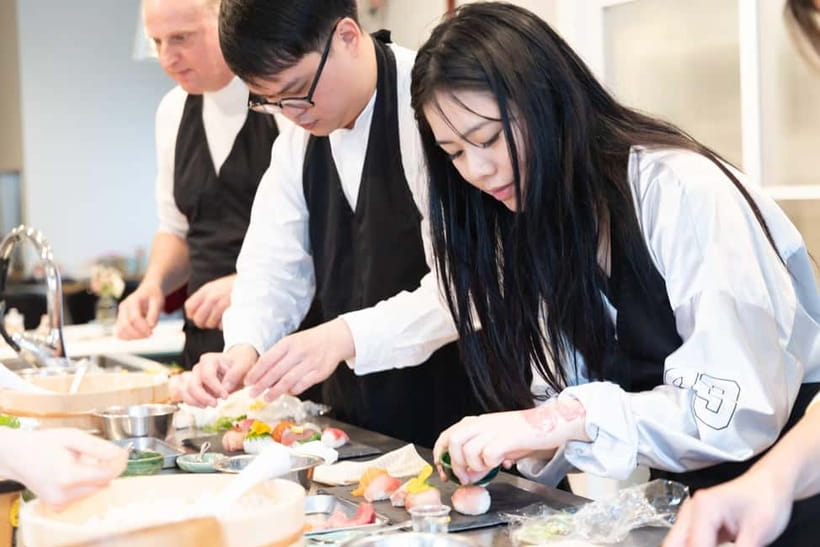
After the preparation, you eat the sushi and miso soup. Dessert and coffee are included, giving the session a clear finish rather than ending as soon as the last piece is shaped.
The final course may include a homemade matcha dessert. Green tea and sake have also been part of the finishing meal for some sessions, and Kyoto local beverages such as sake and beer are available for an additional charge. Do not assume the alcohol is included in the $77 price. If you want a drink, plan for an extra cost.
This shared meal is a big reason the activity works well for couples and families. You have something to talk about while eating, and the group can compare its different sushi shapes and results. The social part is relaxed, but the experience remains centered on food rather than turning into a general evening tour.
The value depends on how you measure it. If you compare the price with the cost of an ordinary lunch, $77 is expensive. If you count the market visit, instruction, meal, dessert, coffee, and local advice, the price is more reasonable. You are paying for a structured activity and a meal, not just a plate of sushi.
Kyoto advice from a local tourism expert
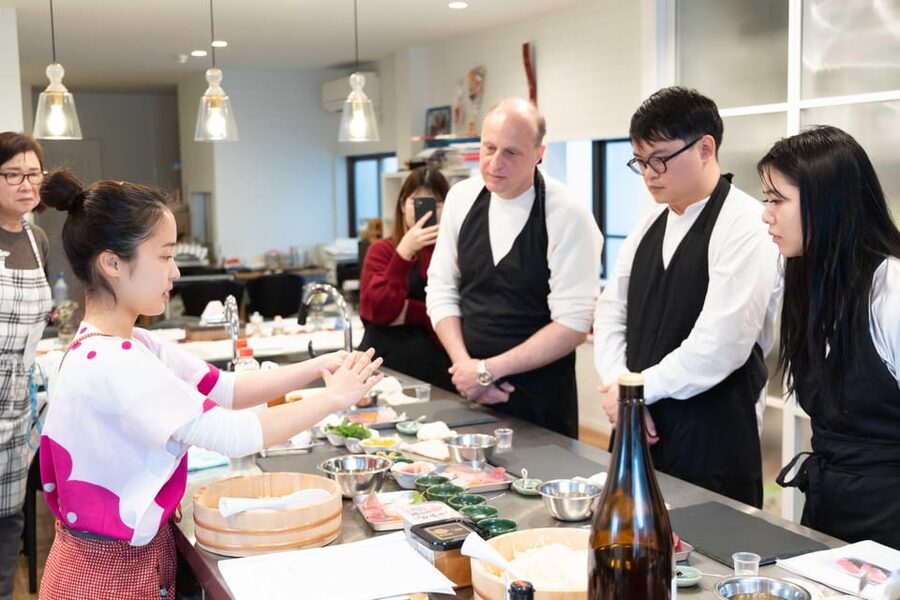
A useful extra is the seasonal sightseeing guidance. A Kyoto tourism expert shares recommendations suited to the time of year you visit.
This can be more practical than a general list of famous sights. Kyoto changes with the seasons, and the best places to visit, the timing of visits, and the overall feel of the city can vary. You can ask about what fits your remaining days, especially if you are deciding between temples, neighborhoods, or seasonal viewing spots.
The quality of this advice will depend on your questions. Go prepared with a short list of places you already plan to see and ask what would pair well with them. You might also ask about the best use of a free morning or afternoon. The activity does not provide a separate sightseeing tour, so think of this as useful local guidance during the cooking experience.
Who will enjoy this two-hour class most
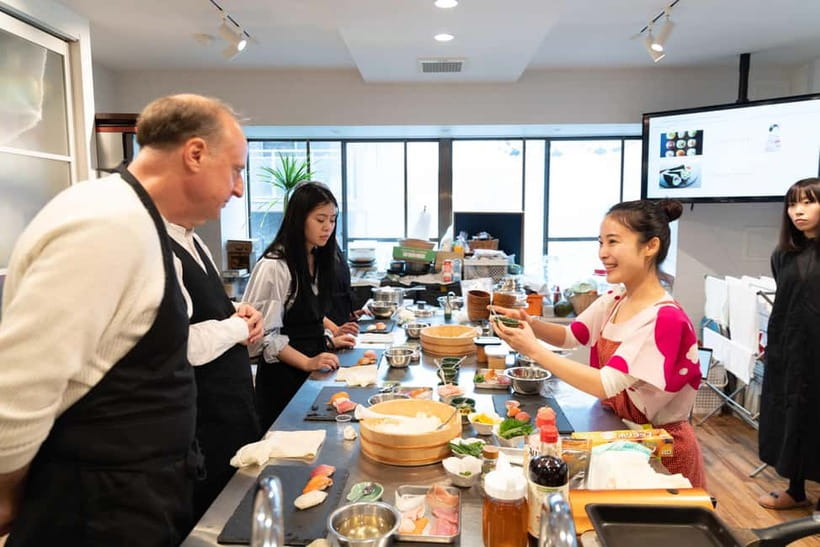
I would recommend this for families, couples, and first-time visitors who want a Kyoto activity with a clear beginning, middle, and end. You visit a market, make food, sit down to eat, and receive local tips. That makes it easy to fit into a packed itinerary.
It is also a good choice if you want to do more than watch a professional chef. You take part in making vinegar rice, sushi, dashi, and miso soup. The techniques are approachable, and the food is meant to be recreated at home.
The class may suit you less if you are already an experienced sushi cook and want advanced fish-cutting instruction. The market vendor handles the fish preparation, while your role is to watch and then work with the ingredients in the class.
It may also disappoint you if you want an unhurried market exploration or long individual coaching. The activity lasts two hours, and one account of the class found the instructor too passive. The small group helps, but it cannot guarantee constant attention.
The wheelchair-accessible setup is a practical advantage, though the supplied information does not describe the exact layout or restroom arrangements. If you need specific access details, contact the provider before booking.
Getting there and planning your day
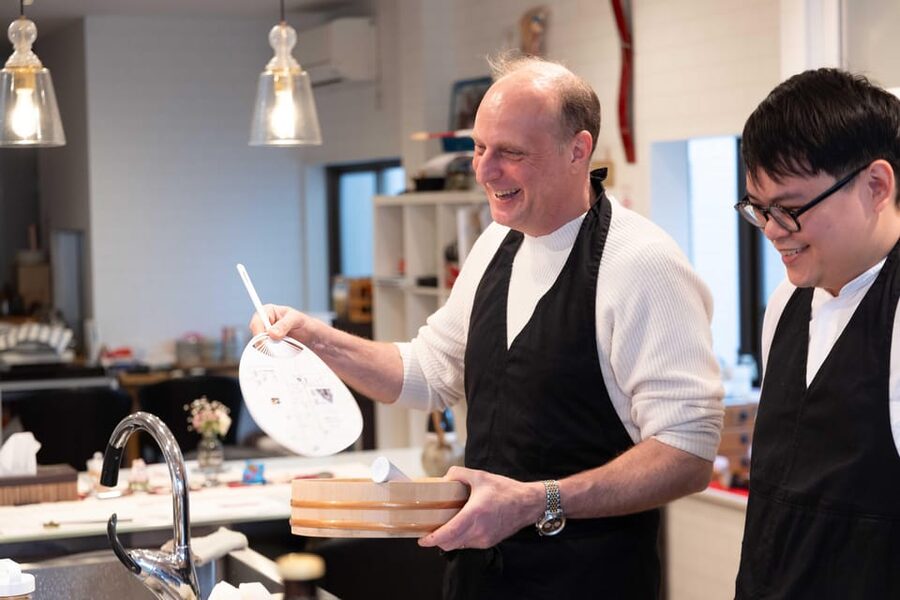
The meeting point is in front of the building with Salon Roll on the first floor. Take care to identify that salon rather than relying only on a general map pin.
The venue is about 10 minutes from Kyoto Station and five minutes from Shijo Station. It is also close to Gion and Kiyomizu-dera, so the class can be paired with sightseeing in central Kyoto. Build in enough time to reach the meeting point without rushing, especially if you are coming from a temple or another part of the city.
Instruction is available in English and Japanese. The class is intended for a small group of no more than 10 people. Smoking is not allowed indoors.
The price is $77 per person. You can cancel up to 24 hours before the activity for a full refund, and you can reserve now and pay later. Those terms help if your Kyoto schedule is still changing, but the main booking decision should come down to your interest in learning and eating, not just the cancellation policy.
Should you book this Kyoto sushi experience?
Book it if you want a hands-on food activity that connects the kitchen to Nishiki Market. The market fish-cutting stop, three sushi styles, dashi lesson, miso soup, dessert, and seasonal Kyoto tips give the two hours a good amount of variety.
I especially recommend it for families and couples who value a shared activity over a formal restaurant meal. You leave with techniques for vinegar rice, nigiri, temari, temaki, and miso soup, plus ideas you can try at home.
Think twice if you are seeking advanced sushi training, a long market walk, or guaranteed one-to-one instruction. At $77, the class earns its price when you take part fully and value the meal and local guidance as part of the package. If that sounds like your kind of Kyoto afternoon, it is a sensible booking.
FAQ
How long does the sushi and market experience last?
The activity lasts two hours.
How much does the experience cost?
The price is $77 per person.
Where does the activity meet?
You meet in front of a building with a hair salon called Salon Roll on the first floor.
How close is the meeting point to Kyoto Station?
The meeting point is about 10 minutes from Kyoto Station.
Is the activity offered in English?
Yes. Instruction is available in English and Japanese.
What types of sushi will I make?
You will learn to prepare nigiri, temari, and temaki sushi.
Is food included after the cooking class?
Yes. The meal includes the sushi you prepare, miso soup, dessert, and coffee.
Are drinks such as sake and beer included?
Kyoto local beverages such as sake and beer are available for an additional charge.
Can I cancel the booking for a refund?
Yes. You can cancel up to 24 hours in advance for a full refund.
Just added around Kyoto
- Taste of Nishiki Market Walking Food Tour with Local guide★ 5.0 · 17 reviews
- Nishiki Market Food Tour with Cooking Class★ 4.9 · 42 reviews
- Kyoto: Wholesale Fish Market Walking Tour★ 5.0 · 2 reviews
- Golden Pavilion, Nijo Castle, & Nishiki Market Half day tour★ 5.0 · 29 reviews
- Kyoto: Nishiki Market Tour with a Local Foodie & Tastings★ 4.5 · 67 reviews
- Kyoto: Arashiyama Unveiled Bamboo, Temple, Matcha, & Monkeys★ 5.0 · 6 reviews
- Kyoto: Nishiki Market Food Tour★ 4.9 · 21 reviews
- Kyoto: Nishiki Market and Depachika Food Tour with a Local★ 4.7 · 76 reviews
Shopping Tours, compared.

Damnoen Saduak Market and Maeklong Railway Market
Read our review →
The Old Siam: Damnoen Saduak and Maeklong Railway Market
Read our review →
Train Market & Floating Market with Boat Ride
Read our review →
Ayutthaya & Ayothaya Floating Market Day Trip
Read our review →
Hanoi Cooking Class: Culture, Local Market & Meaning CSR Impact
Read our review →
5 Traditional Dishes Hanoi Cooking Class with Market Trip
Read our review →
Cooking Class and Lunch at a Tuscan Farmhouse with Local Market Tour from Florence
Read our review →
Cooking Class, Market & Thai Herbs Garden Tour
Read our review →Browse the lists this tour appears in