
Review · OSAKA
Osaka: Cooking Class & Sake Tasting with Local Market Visit
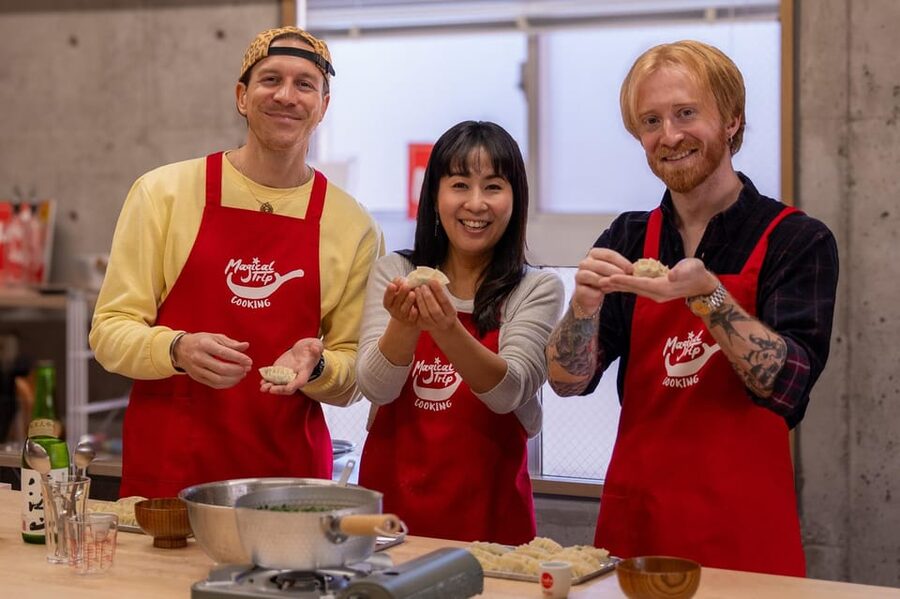
Osaka’s food culture makes the most sense when you cook it yourself. This four-hour class takes you from a local supermarket to a small cooking studio, where you prepare niku-sui, okonomiyaki, and gyoza with an English-speaking guide such as Chie, Eri, or Akko.
I like the market visit, which shows you the everyday ingredients behind Osaka’s home cooking. I also like the relaxed drink-and-cook format, with three canned alcoholic or non-alcoholic drinks, tea, and plenty of time to chat while your lunch comes together.
The main drawback is that this is not suitable for gluten-free diners, and food is prepared in an external kitchen, so allergy-free meals cannot be guaranteed. You also need to arrive on time, since late arrivals cannot join or receive a refund.
Key points to know before booking
- Three Osaka dishes in one class: Prepare niku-sui beef soup, okonomiyaki, and gyoza rather than simply watching a demonstration.
- A useful supermarket stop: Shop for fresh ingredients with your guide and see the products Osaka residents use at home.
- Small group setting: The class is limited to seven participants, making it easier to ask questions and share cooking jobs.
- Guides add local color: Chie, Eri, Emi, Ayu, Eri, and Akko have each led sessions, with food, culture, and city tips forming part of the conversation.
- Recipes go home with you: Download the recipes afterward and try the dishes in your own kitchen.
- Four hours for $90: The fee covers ingredients, lunch, drinks, tea, guide service, photos, and the class itself.
From Minami Morimachi station to the supermarket
The meeting point is in front of FamilyMart, a one-minute walk from Exit 4B of Minami Morimachi Station. That detail matters in Osaka, where large stations can have several exits and long underground passages. Give yourself enough time to find Exit 4B rather than cutting it close.
The class begins with a walk to a local supermarket. This is not just a quick ingredient pickup. Your guide uses the stop to show you the everyday side of Japanese food shopping, including the products and fresh items needed for the meal.
I like this opening because it gives the cooking a proper setting. You see what goes into the dishes before you handle it, and you get a small look at how people shop for an ordinary meal in Osaka. It also helps you understand that these recipes are not built around rare ingredients or complicated restaurant equipment.
The supermarket visit does involve walking, and the class may include places that are difficult for wheelchairs or strollers. If walking is hard for you, a private tour is suggested instead.
More Market Cooking Classes in Japan
- Tokyo Sushi Making Class in Tsukiji with Professional Chef
★ 5.0 · 1,177 reviews - Tsukiji Fish Market Guided Tour and Sushi Making with Pro Chef
★ 5.0 · 775 reviews - Tokyo: Tsukiji Fish Market Sushi Making Class with Pro Chef
★ 4.9 · 506 reviews
Cooking niku-sui, Osaka’s beef soup
Back at the MagicalTrip Original Cooking Studio, the class turns toward niku-sui. This beef soup is popular with local diners but less familiar to many international visitors, so it offers a useful change from Osaka’s better-known street foods.
Your guide explains the preparation step by step, using simple ingredients and a method intended for home cooking. You are not expected to have kitchen training. The guides help you work through each recipe, and the small group means you can ask questions as you go.
Niku-sui also gives the class a good balance. Okonomiyaki and gyoza are hands-on and social, while soup brings a quieter, comforting element to the meal. You get to see how an everyday Japanese dish can be satisfying without a long list of difficult techniques.
The precise cooking tasks may vary with the group and the guide, but the central point is clear: you help prepare the dish rather than sitting back while someone else does all the work.
Making okonomiyaki the Osaka way
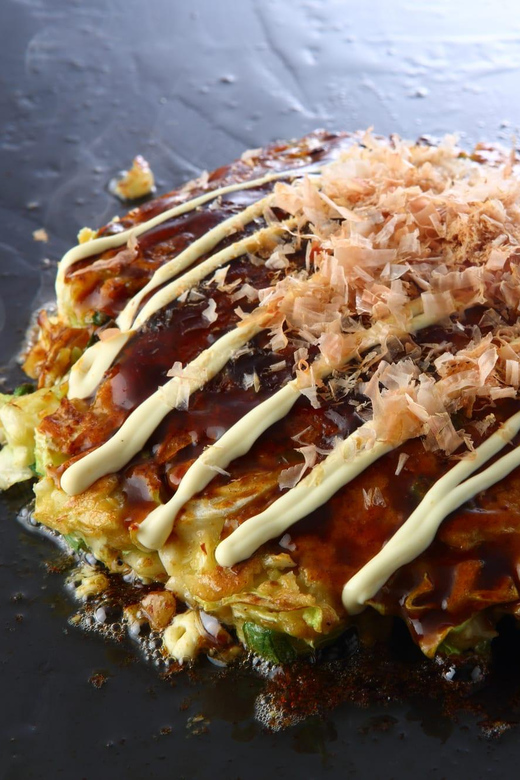
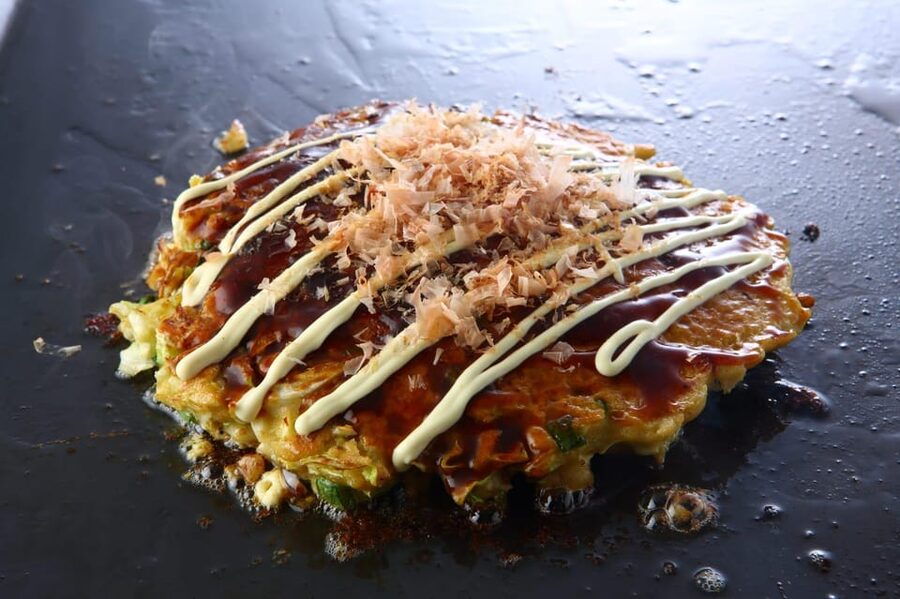
Okonomiyaki is the most recognizable dish in this class. Often described as a savory pancake, it is closely tied to Osaka’s food identity and leaves plenty of room for personal choices.
The appeal here is not only eating the finished pancake. You get to see how the ingredients are combined and cooked, then learn a version you can attempt at home. The guide explains each stage in clear English, making the class workable for beginners.
This is also the part of the meal most likely to bring out friendly debate. Osaka families and restaurants have their own habits, and your guide can explain how local food customs shape the dish. Chie, for example, has added background about Japanese regions and products while teaching, which gives the cooking more context than a bare recipe lesson.
You should not expect a formal chef school or a long technical lecture. The tone is informal, friendly, and practical. Some groups even choose background music while cooking, adding to the easygoing atmosphere.
Folding gyoza together
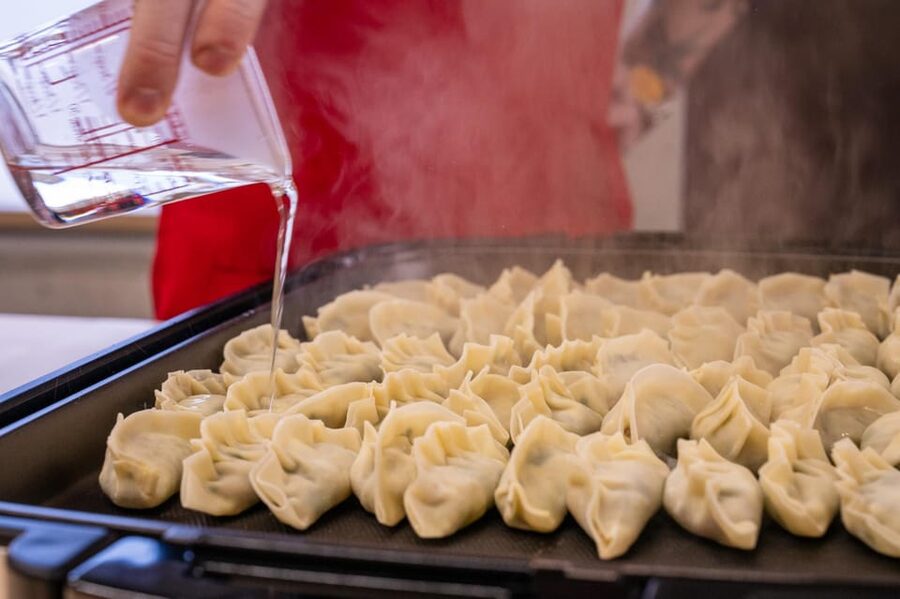
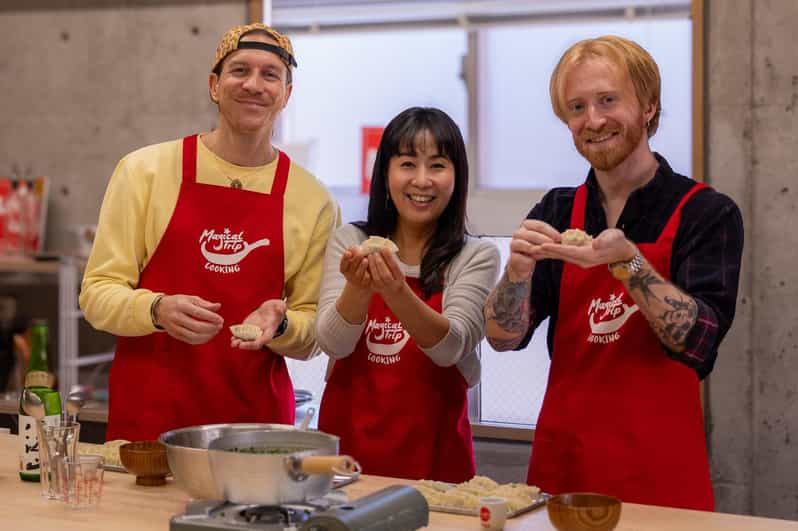
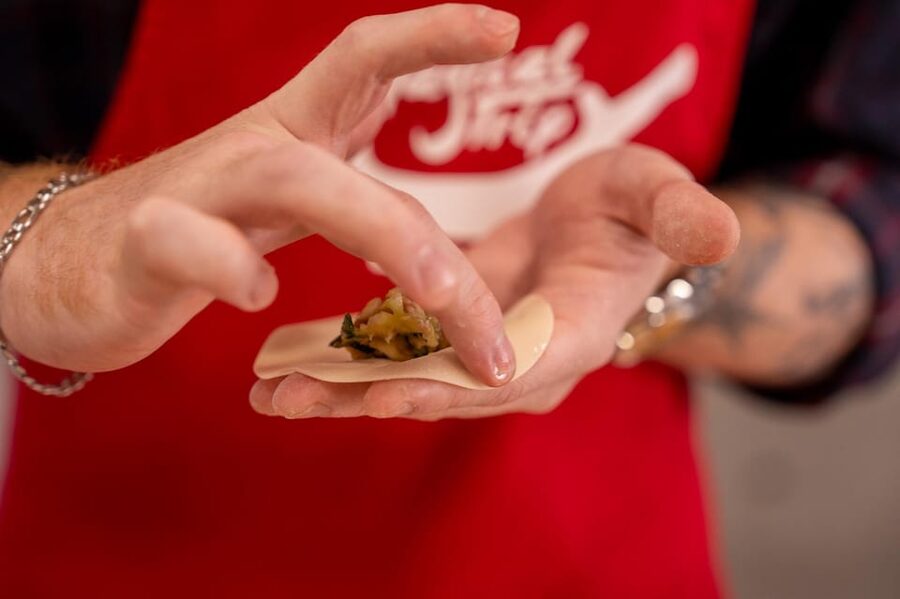
Gyoza brings the most direct group activity. You fold the dumplings, work alongside the other participants, and then cook them for lunch. The shape does not have to be perfect to make the task enjoyable, and the hands-on work gives couples, families, friends, and solo visitors an easy way to talk.
This is a good class choice if you want more than a demonstration. Folding gyoza gives you a clear task, but it is simple enough that you can still listen to the guide and ask questions about Osaka.
The class is limited to seven people, which helps here. In a larger group, you might spend most of the time watching someone else fold. With fewer participants, you have a better chance to take part in each recipe and receive help when needed.
The cooking also involves cutting and heating, so the minimum age is 12. Parents should consider that before booking for younger children.
More produce and farmers markets in Japan:
- Hanoi Cooking Class: Culture, Local Market & Meaning CSR Impact
★ 5.0 · 5,147 reviews - Cooking Class and Lunch at a Tuscan Farmhouse with Local Market Tour from Florence
★ 5.0 · 4,831 reviews - Cooking Class Hoi An:Local Market, Basket Boat, Fishing & Cooking
★ 5.0 · 3,660 reviews - Hoi An Cooking Class(Local market,Basket Boat,Fishing & Cooking)
★ 5.0 · 1,323 reviews
Lunch, sake, beer, and conversation
Once the dishes are ready, you eat the lunch you helped prepare. The included meal is substantial: niku-sui, okonomiyaki, and gyoza provide three different tastes and textures rather than one small sample.
The drink allowance is three canned beverages, and you can choose alcoholic or non-alcoholic options. Sake and beer are available, along with soft drinks, and tea is served during the experience. This is a nice cultural touch, but it also keeps the offer clear. You are not signing up for an unlimited drinking event.
The drinks work best as part of the conversation. Guides answer questions about Osaka, Japanese food, and local customs while the meal comes together. Eri has been praised for answering questions about the city and culture, while Chie has combined food instruction with background about Japanese history and regional products.
If you do not drink alcohol, you can still take part fully. The three canned drinks may be alcoholic or non-alcoholic, so the class is not built around alcohol consumption.
The value of $90 for four hours
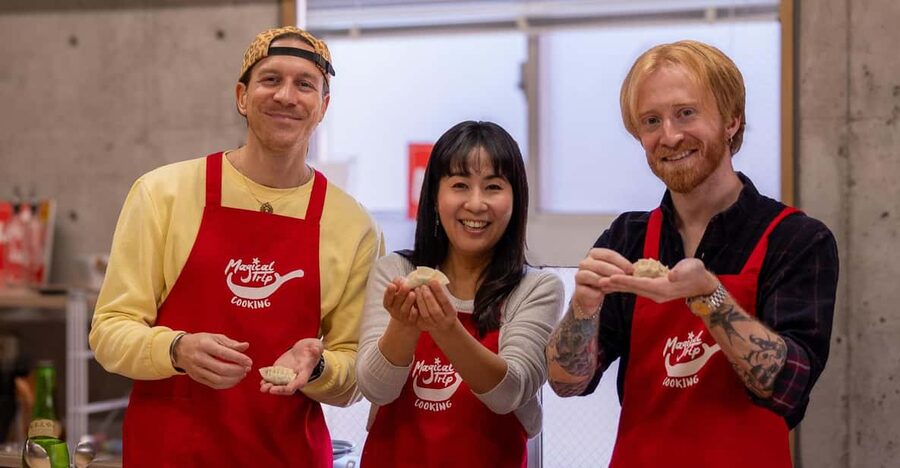
At $90 per person, this class costs more than buying an okonomiyaki lunch at a casual restaurant. That comparison misses the main value, though. Your fee includes four hours with an English-speaking guide, all ingredients, the supermarket visit, hands-on instruction, lunch, three canned drinks, tea, recipes, and photos sent by email afterward.
I see the strongest value in the combination of food and access. You are not paying only for a meal. You are paying for the guidance that helps you understand the ingredients, prepare three dishes, and repeat them at home.
The class also fills a useful half-day slot. If you have already seen Osaka’s major sights, this gives you a more ordinary view of the city through shopping and home-style food. It works well on a rainy day, though the walk to the supermarket and studio still means you should dress for the weather.
The value is less convincing if you want a restaurant-focused food tour with many tastings. This experience centers on cooking one meal, not moving from shop to shop sampling a long list of dishes.
Guides who shape the experience
The teaching style matters here, and the named guides have distinct strengths. Chie has been especially good at combining cooking with explanations of Japanese products, regional customs, and history. Eri has created a calm class atmosphere and answered questions about Osaka and local culture.
Akko has been described as friendly and helpful while participants cooked and ate lunch. Emi has guided groups through the supermarket and explained how to prepare all three dishes, while Ayu has shared Osaka and Kobe suggestions along with the recipes.
You cannot choose a specific guide from the information provided, so book this for the format rather than one particular person. Still, the range of guide names gives you a useful sense of the class: the host is not simply supervising a kitchen. The guide is part teacher, part local contact, and part conversation partner.
That personal element is one of the class’s best features. If you enjoy asking questions, tell your guide what interests you. You might learn more about food shopping, Osaka neighborhoods, regional dishes, or places to visit later in your trip.
Dietary needs, access, and timing
Vegans and vegetarians are welcome, but you must tell the operator about dietary needs or allergies at least one day ahead. Same-day requests cannot be accommodated, and substitutions are not always possible.
Gluten-free options are unavailable. People with serious allergies should take the warning seriously: the operator cannot guarantee allergy-free meals because food is prepared in external kitchens. This is not the right class for anyone who needs strict control over every ingredient or preparation surface.
The activity may include locations that are inaccessible by wheelchair or stroller and is not recommended for people with mobility problems. A private tour is suggested if you have walking difficulties, though the supplied details do not say that a private option will solve every dietary or access concern.
Osaka can be very hot in summer, with stated highs reaching 40°C, and cold in winter, with lows down to -5°C. Dress for the season, especially since the experience begins outside the studio.
Arrive early. The class starts on time, and late arrivals cannot join, reschedule, or receive a refund. Cancellation is free up to 24 hours before the activity, and you can reserve now and pay later.
Who should book this Osaka cooking class
I would choose this class for someone who wants to understand Osaka through ordinary food rather than only through famous sights. It suits couples, families with children over 12, friends, and solo visitors who enjoy a social setting.
It is also a strong choice for first-time cooks. The recipes use simple ingredients, the guide explains each step, and you receive the recipes afterward. You do not need to arrive with knife skills or Japanese cooking experience.
Food-focused visitors will appreciate the three-dish format, while repeat visitors may like seeing a local supermarket and learning about niku-sui, a dish that receives less attention than okonomiyaki. The drinks and relaxed chat make it easy to meet the rest of the small group.
I would look elsewhere if you want a strictly professional cooking lesson, a gluten-free menu, a wheelchair-friendly activity, or a large selection of restaurant tastings. This is a friendly home-style class, not an advanced culinary course.
Should you book it?
Book it if you want to cook, eat, and talk with a local guide in a small group. The supermarket visit gives the class a useful everyday angle, and the combination of niku-sui, okonomiyaki, and gyoza gives you three recipes to take home.
The $90 price is fair for four hours of instruction, lunch, drinks, ingredients, photos, and recipes, provided you can manage the walking and dietary limits. Arrive early, notify the operator about food needs the day before, and come ready to participate rather than simply watch.
FAQ
Where does the cooking class meet?
Meet in front of FamilyMart, a one-minute walk from Exit 4B of Minami Morimachi Station in Osaka.
How long does the experience last?
The cooking experience lasts four hours.
What dishes will I prepare?
You will prepare niku-sui beef soup, okonomiyaki, and gyoza.
Are drinks included?
Yes. The experience includes three canned alcoholic or non-alcoholic drinks, plus tea during the class.
Is lunch included?
Yes. Lunch made during the cooking class is included.
Is the class suitable for beginners?
Yes. No cooking experience is required, and the English-speaking guide explains each recipe step by step.
Can vegans and vegetarians join?
Yes, vegans and vegetarians are welcome. You must inform the operator about dietary needs or allergies at least one day in advance.
Are gluten-free meals available?
No. Gluten-free options are unavailable, and allergy-free meals cannot be guaranteed because food is prepared in external kitchens.
More Drinking Tours in Japan
- Hokkaido Sapporo :Hill of Buddha, Beer Museum & Fish Market
★ 4.6 · 9 reviews - Tokyo: Private Tsukiji Street Food & Sake with Local Guide
★ 5.0 · 3 reviews - Cancun Taco Tour, Local Beer and Night Market with Transportation
★ 5.0 · 816 reviews - Self-Guided Craft Beer Tour (Explore Old Market)
★ 4.5 · 19 reviews
More Cooking Classes in Japan
- Tokyo: Tsukiji Market Walking Tour & Sushi Cooking Class
★ 4.6 · 122 reviews - Nishiki Market Food Tour with Cooking Class
★ 4.9 · 42 reviews - Private Market Tour and Cooking Class with Kanae, a Sapporo Local
★ 5.0 · 29 reviews - Nagoya Super Market Tour & Home Cooking Class with a Local, Akiko
★ 5.0 · 10 reviews
Just added around Japan
- Nagoya Super Market Tour & Home Cooking Class with a Local, Akiko★ 5.0 · 10 reviews
- Tokyo: Private Tsukiji Street Food & Sake with Local Guide★ 5.0 · 3 reviews
- Tokyo: Tsukiji Market Guided Tour & Sushi-Making Experience★ 4.4 · 11 reviews
- Tokyo: Tsukiji Market and Hama-rikyu Gardens Guided Tour★ 4.8 · 73 reviews
- Tokyo: Tsukiji Fish Market Culture Tour with Sashimi Tasting★ 4.6 · 54 reviews
- Tokyo : Tsukiji Fish Market Food Walking & Shrine Visit Tour★ 5.0 · 3 reviews
- 【Family pack】Tokyo: Tsukiji fish market food tour★ 5.0 · 3 reviews
- Tokyo: Tsukiji Fish Market Foodie and Educational Tour★ 5.0 · 4 reviews
Market Cooking Classes, compared.
Hanoi Cooking Class: Culture, Local Market & Meaning CSR Impact
Read our review →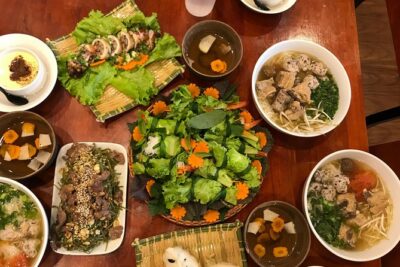
5 Traditional Dishes Hanoi Cooking Class with Market Trip
Read our review →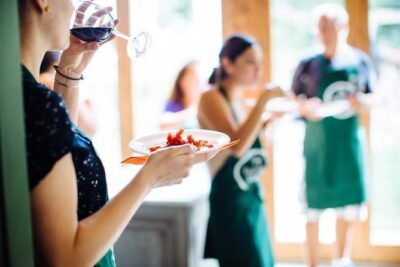
Cooking Class and Lunch at a Tuscan Farmhouse with Local Market Tour from Florence
Read our review →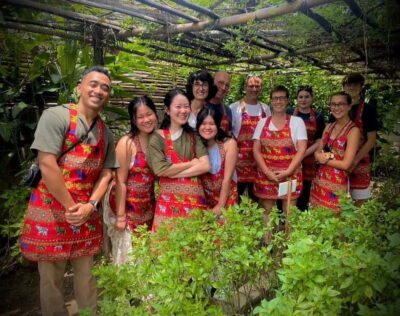
Cooking Class, Market & Thai Herbs Garden Tour
Read our review →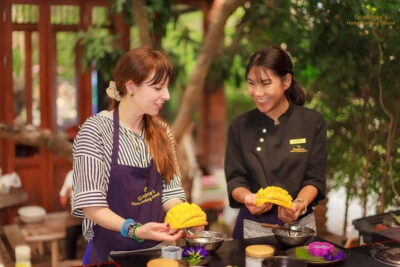
Authentic Cooking Class with Market & Farm Visit
Read our review →
Paella Cooking Experience & Boqueria Market Tour
Read our review →
Cooking Class Hoi An:Local Market, Basket Boat, Fishing & Cooking
Read our review →Browse the lists this tour appears in