
Review · TOKYO
Tokyo: Tsukiji Market and Hama-rikyu Gardens Guided Tour
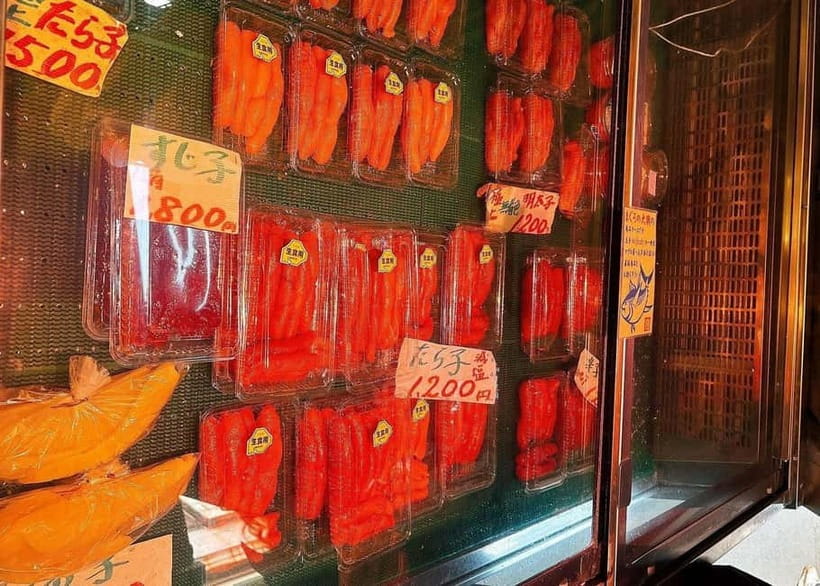
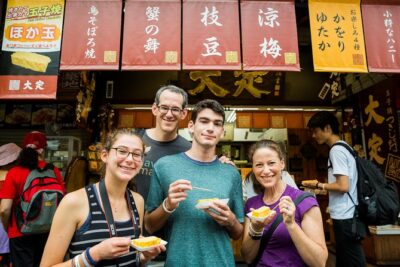
Tokyo food culture comes alive in the narrow lanes of Tsukiji Outer Market, where you can watch shopkeepers handle seafood, browse produce, and buy small bites such as grilled scallops, tamagoyaki, sushi, wagyu skewers, and matcha sweets. The tour then shifts from food to quiet gardens and city views.
I like the smart pairing of the market with Hama-rikyu Gardens, since you get two very different sides of Tokyo in one walk. I also like that admission to the garden is included, while the guide can explain the market’s 480 seafood types and 270 kinds of produce instead of leaving you to guess what you are seeing.
The main drawback is that this is a walking tour with little room for a slow meal or long shopping stop. The information also gives conflicting details about wheelchair access, so anyone with mobility needs should confirm conditions before booking.
Key points at a glance

- Tsukiji’s food lanes: Browse seafood, produce, sushi, grilled scallops, tamagoyaki, wagyu skewers, and sweets at your own expense.
- Three distinct stops: The route links Tsukiji Hongwanji Temple, Tsukiji Outer Market, and Hama-rikyu Gardens.
- A useful Tokyo contrast: Move from market noise and food stalls to a quiet Edo-period garden framed by skyscrapers.
- Optional tea ritual: Matcha and wagashi tasting costs about 1,000 yen and is paid locally.
- A compact half-day plan: The walk lasts about 150 minutes to three hours, depending on the start time and pace.
- Several guide languages: English, Chinese, French, Korean, and Spanish are available.
From a temple meeting point to Tokyo’s food quarter
The tour begins in front of the Starbucks near Tsukiji Station. This is a practical place to meet, but you should arrive with enough time to identify your guide before the group sets off. The route finishes at Hama-rikyu Gardens, so you do not return to the starting point.
Your first stop is Tsukiji Hongwanji Temple, about a 15-minute guided visit. The temple is known for its unusual architecture and calm interior atmosphere. It gives the outing a quiet opening before you enter the food market, and the short visit works well for people who want cultural context without spending a full morning at a single religious site.
I would not book this tour mainly for the temple. Fifteen minutes is enough to see the exterior, pause in the serene setting, and hear the basic story, but not enough for a long architectural study. Its real value is how it sets up the change of mood that follows.
More Fish Market Tours in Japan
- Tokyo Tsukiji Fish Market Food and Culture Walking Tour
★ 5.0 · 3,184 reviews - Tokyo: Tsukiji Fish Market Food and Walking tour
★ 5.0 · 1,724 reviews - Tokyo: Tsukiji Fish Market Guided Walking Tour
★ 4.9 · 1,397 reviews
Tsukiji Outer Market and the art of choosing a snack
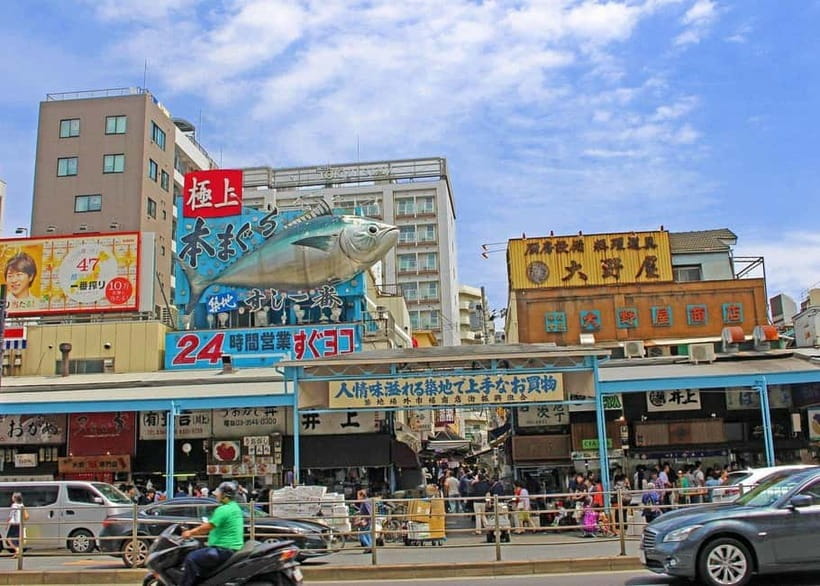
Tsukiji Outer Market receives about 45 minutes of guided touring, free time, and shopping. The market has an 83-year history as one of Tokyo’s central wholesale areas and handles around 480 types of seafood and 270 types of produce. Those numbers matter because they explain why the lanes can feel hard to read at first. You are not walking through a simple row of souvenir stands. This is a working food district with a huge range of ingredients.
Your guide can point out what you are seeing and explain Japanese food customs. That is useful here, since many products will be unfamiliar and the narrow lanes are better enjoyed when you are not stopping every few steps to decode a sign or wonder how a food is served.
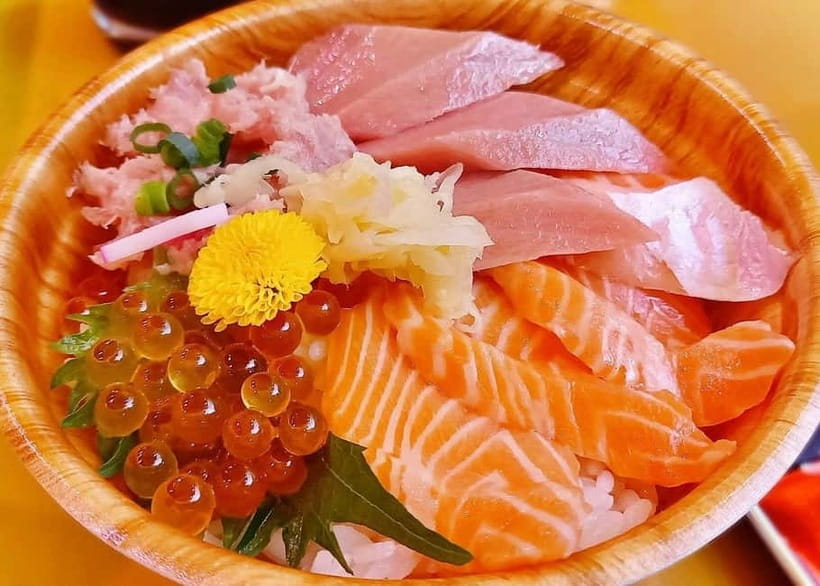
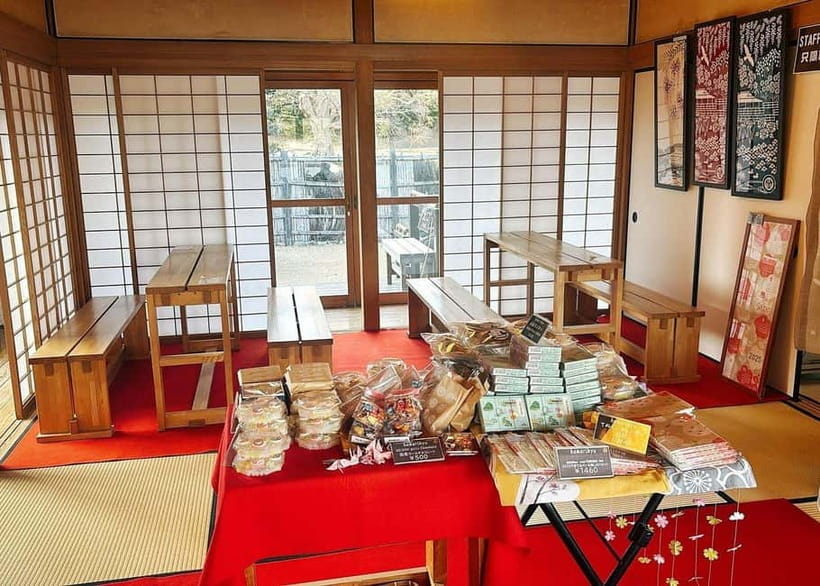
The food is not included, so plan to pay for anything you sample. Suggested bites include:
- Grilled scallops
- Tamagoyaki, a softly layered Japanese omelette
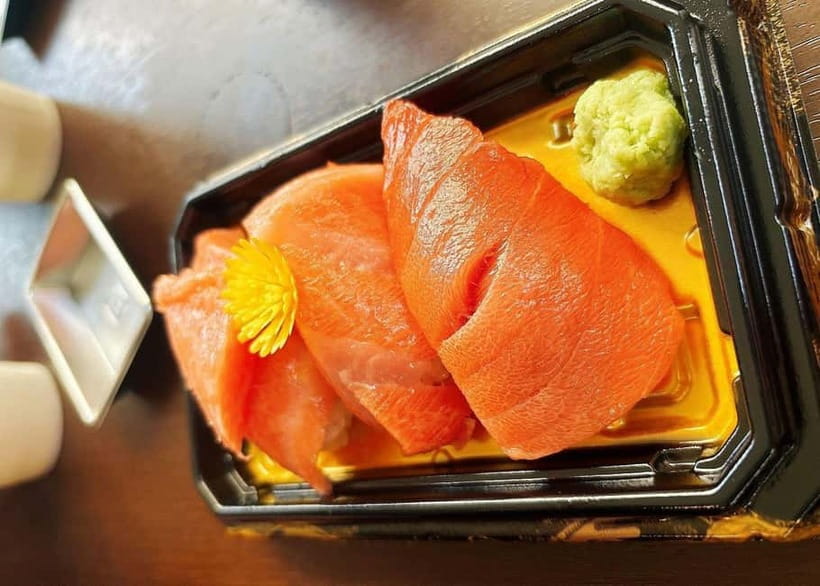
- Sushi
- Wagyu skewers
- Matcha sweets
The range makes this stop suitable for mixed groups. An adventurous eater can try several small items, while a cautious eater can choose a familiar snack and continue browsing. I recommend treating the market as a series of small tastes rather than sitting down for a full lunch. Forty-five minutes passes quickly, especially if you want to shop, take photographs, and stay with the group.
One practical point: food stalls and shops may accept payment in different ways, but the tour information only confirms that purchases are extra and paid locally. Carry enough Japanese yen for snacks, particularly if you want to add the matcha and wagashi tasting later.
Why the garden stop changes the pace
After the market, the group walks for about 15 minutes to Hama-rikyu Gardens. This transfer is short enough to be manageable, but it is still part of the tour’s total walking time. Comfortable shoes are not optional advice here. You will be on your feet at the market, on the connecting walk, and through the garden.
Hama-rikyu is an Edo-period garden created more than 370 years ago. The one-hour stop includes guided touring and free time. Depending on the season, you may see flowers in bloom, and the garden offers a very different setting from Tsukiji’s food lanes.
The best feature is the contrast. Tokyo’s skyline rises around a carefully designed historic garden, so you get both old and new city views in the same frame. The garden is not simply a green break after lunch. It helps you understand how Tokyo can preserve a quiet historic space while high-rise buildings surround it.
Season matters. The information promises flowers in bloom depending on the time of year, but it does not specify which flowers will be at their best on a particular date. I would visit for the garden’s design, ponds, paths, and skyline setting first, with seasonal color as a welcome extra.
You will have free time here, which gives you a chance to take photographs or slow down after the market. The garden portion is also the reason to choose this tour instead of a food-only Tsukiji walk. It adds a calm, scenic finish rather than ending with another commercial stop.
The optional matcha and wagashi experience
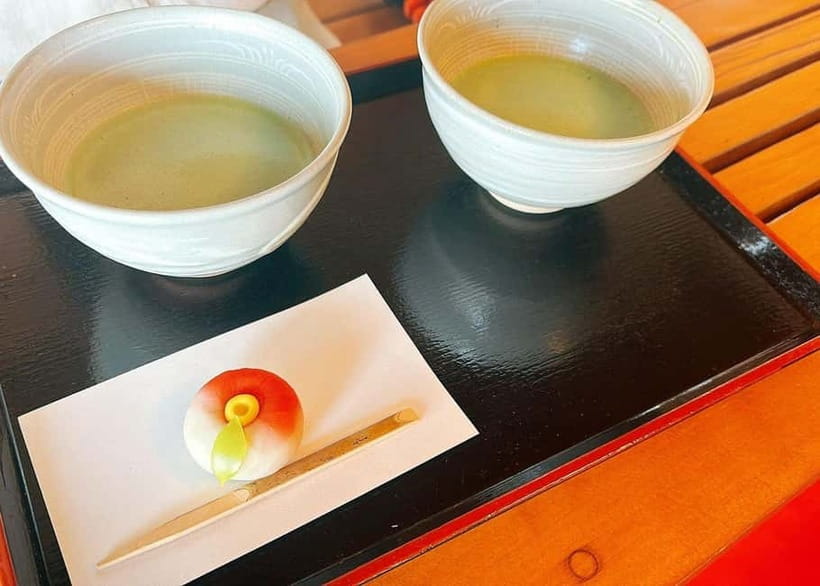
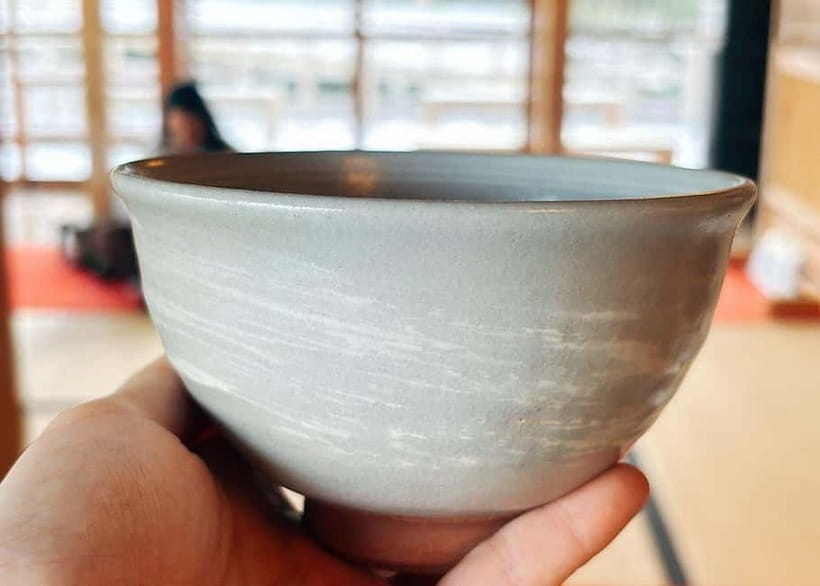
If you want a more traditional food experience, you can add matcha and wagashi tasting in the gardens. It costs about 1,000 yen and is paid on-site. Wagashi are Japanese sweets, and the guide may explain basic Japanese etiquette while you taste them.
This is optional, so you can keep the overall cost close to the advertised $31 if you prefer a simple walking tour. I see the tasting as a good add-on for first-time visitors who want more cultural explanation, while people mainly focused on market snacks may decide they have already had enough food.
The extra fee is modest, but remember that your market purchases are separate too. A $31 tour can become more expensive if you sample several foods, shop in the market, and add tea. That is not a flaw, but it is worth budgeting for before you arrive.
More Fish Market Tours in Tokyo
- Tokyo Sushi Making Class in Tsukiji with Professional Chef
★ 5.0 · 1,177 reviews - Tsukiji Fish Market Guided Tour and Sushi Making with Pro Chef
★ 5.0 · 775 reviews - Tokyo: Tsukiji Fish Market Food and Culture Walking Tour
★ 4.7 · 757 reviews - Tsukiji Fish Market: Street Food & Culture Walking Tour
★ 5.0 · 669 reviews
What the $31 price really covers
At $31 per person, the price is reasonable for a guided half-day walk that includes admission to Hama-rikyu Gardens. The local guide is the main value. Without a guide, you can visit the market and garden independently, but you may miss the meaning behind unfamiliar ingredients, the market’s role in Tokyo food culture, and the garden’s Edo-period setting.
The price does not include transportation, meals, or market food. That keeps the base cost clear, but it also means this is not an all-inclusive food tour. Think of it as a guided introduction with the freedom to decide how much you want to eat and shop.
The advertised duration ranges from 150 minutes to three hours. The listed route adds up to about two hours and 15 minutes of scheduled activity, including the temple, market, walk, and garden. In practice, your start time, group pace, and time spent tasting or shopping will affect the total. I would keep the rest of your schedule flexible and allow up to three hours.
Walking, group comfort, and accessibility
This is a walking tour with no included transport between stops. You should bring water, wear comfortable shoes, and carry a camera if you want photographs of the market, temple, or skyline.
The tour information describes the activity as wheelchair accessible but also lists wheelchair users and people with mobility impairments as unsuitable. Those details do not agree. Because the route includes narrow market lanes, a 15-minute walk, and garden paths, anyone who uses a wheelchair or has difficulty walking should contact the provider before paying.
Pregnant people are also listed as unsuitable for the activity. The reason is not explained, so you should follow the provider’s guidance and ask for clarification if needed.
Smoking is not allowed during the experience. There is no mention of a meal break, private transport, or a return to the starting point. Plan to finish at Hama-rikyu Gardens and arrange your next stop from there.
Who will get the most from this tour
I would recommend this experience to a first-time Tokyo visitor who wants a compact introduction to food, religion, history, and gardens. It is especially useful if you prefer a guide to help you make sense of a large market rather than exploring every stall alone.
It also suits couples, families with older children, and small groups with different interests. One person can focus on seafood, another on sweets, and everyone still gets the temple and garden. The food choices are flexible, since no set meal is imposed.
You may want a different plan if your main goal is a long breakfast, serious shopping, or a detailed garden visit. The 45-minute market period is enough for a taste, but not for leisurely browsing every lane. Likewise, the one-hour garden visit gives a good overview but will feel brief to someone who wants to study every path.
The tour is available with live guides in English, Chinese, French, Korean, and Spanish. That language range is helpful, but you should confirm your preferred language and start time when checking availability.
My practical verdict
Book this tour if you want variety without a full-day commitment. Tsukiji supplies the food and street life, Tsukiji Hongwanji adds a brief spiritual pause, and Hama-rikyu provides a quiet finish with flowers and skyline views. The route feels well balanced, provided you are comfortable walking and paying separately for food.
Skip it if you want an unhurried market feast or if mobility is a concern and the accessibility details cannot be clarified. For most able walkers, though, $31 is a fair price for a guided look at three distinct Tokyo settings, with enough free time to choose your own snacks and photographs.
FAQ
Where does the Tokyo walking tour begin?
The meeting point is in front of Starbucks Coffee near Tsukiji Station.
Where does the tour finish?
The tour finishes at Hama-rikyu Gardens, also called Hama-rikyu Onshi Garden.
How long does the experience last?
The stated duration is between 150 minutes and three hours. The route includes a temple visit, the market, a walk to the garden, and time in the garden.
Is transportation included?
No. This is a walking tour, and transportation to or between the attractions is not included.
Is admission to Hama-rikyu Gardens included?
Yes. The garden admission fee is included in the tour price.
Is food included?
No. Food from market stalls is optional and must be paid for separately.
How much does the matcha tasting cost?
The optional matcha and wagashi tasting costs about 1,000 yen, payable on-site.
What food can I try at Tsukiji Market?
You might find grilled scallops, tamagoyaki, sushi, wagyu skewers, and matcha sweets. Food purchases are not included.
Which languages are available for the guide?
Live guides may be available in English, Chinese, French, Korean, and Spanish.
Can I cancel the booking?
You can cancel up to 24 hours in advance for a full refund. The reserve-now, pay-later option is also available.
More Shopping Tours in Tokyo
- Tsukiji Fish Market: Street Food & Culture Walking Tour
★ 4.8 · 259 reviews - Private Toyosu & Tsukiji Market Adventure with Tuna Auction
★ 4.8 · 191 reviews - Tokyo: Toyosu Tuna Auction &Tsukiji Market Gourmet Adventure
★ 4.8 · 187 reviews - Tokyo: Tsukiji Fish Market Tour with 6 Stops & Seafood Lunch
★ 4.5 · 165 reviews
More Markets in Tokyo
- Tsukiji Fish Market Small-Group Food Walking Tour
★ 5.0 · 621 reviews - Tokyo: Tsukiji Fish Market Sushi Making Class with Pro Chef
★ 4.9 · 506 reviews - Tokyo Food Tour Taste Fresh Delights at Tsukiji Market
★ 5.0 · 429 reviews - Tokyo Tsukiji Fish Market Tour and Sushi Making Lesson
★ 5.0 · 390 reviews
Just added around Tokyo
- Tokyo: Private Tsukiji Street Food & Sake with Local Guide★ 5.0 · 3 reviews
- Tokyo: Tsukiji Market Guided Tour & Sushi-Making Experience★ 4.4 · 11 reviews
- Tokyo : Tsukiji Fish Market Food Walking & Shrine Visit Tour★ 5.0 · 3 reviews
- Tokyo: Tsukiji Fish Market Culture Tour with Sashimi Tasting★ 4.6 · 54 reviews
- Tokyo: Tsukiji Fish Market Foodie and Educational Tour★ 5.0 · 4 reviews
- Tokyo’s Kitchen: Tsukiji Market Food & Culture Walk★ 4.7 · 74 reviews
- Tokyo: Guided Walking Tour of Tsukiji Market with Lunch★ 4.4 · 24 reviews
- Tokyo Morning Tour: Meiji Shrine, Asakusa & Fish Market★ 4.9 · 44 reviews
Fish Market Tours, compared.
Tokyo Tsukiji Fish Market Food and Culture Walking Tour
Read our review →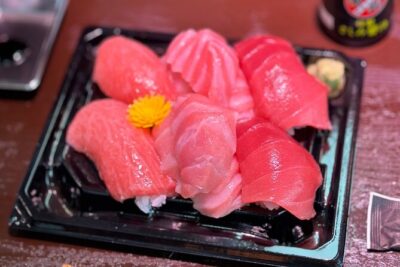

Tokyo Sushi Making Class in Tsukiji with Professional Chef
Read our review →
Tsukiji Fish Market Guided Tour and Sushi Making with Pro Chef
Read our review →Tsukiji Fish Market Food and Culture Walking Tour
Read our review →
Tsukiji Fish Market: Street Food & Culture Walking Tour
Read our review →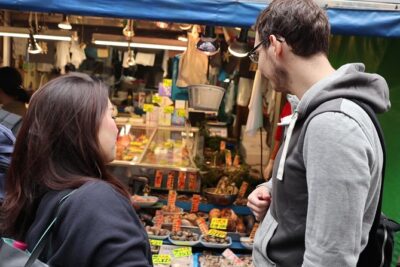
Tsukiji Fish Market Small-Group Food Walking Tour
Read our review →Browse the lists this tour appears in