
Review · TOKYO
Tokyo Sushi Making Class in Tsukiji with Professional Chef
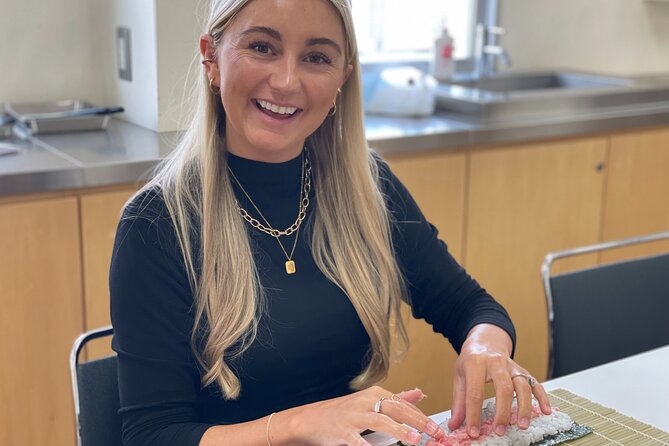
Tsukiji is the right place to learn sushi. In this 90-minute hands-on class, you watch a professional chef prepare fish, then make five nigiri and one rolled sushi yourself. The best part is practical: your work becomes lunch, with fresh ingredients and expertly prepared wasabi added to the table.
I like the clear English support and the small, personal feel of the traditional Japanese classroom. I also like the mix of technique and culture, from knife work and fish preparation to the story of sushi in old Edo. The main catch is simple but important: the classroom is on the third floor with stairs only, and special dietary requests cannot always be met.
Key points before you book
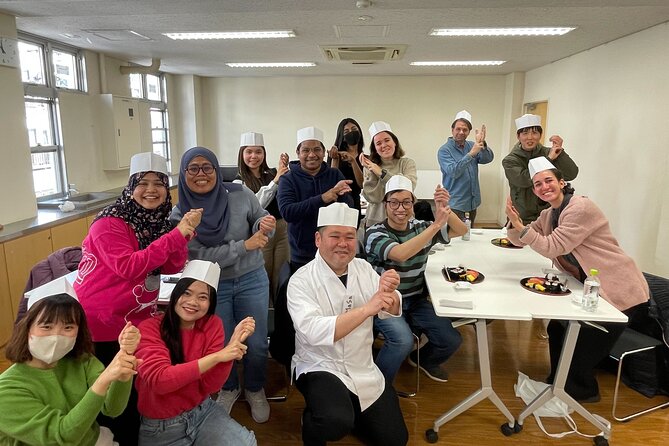
- You make six pieces of sushi: five different nigiri and one rolled sushi, then eat what you prepare.
- You watch a fish-cutting demonstration: the chef explains preparation steps and the Japanese knives used for sushi.
- English help is built in: hosts such as Yuko, Yugo, Kanon, and others translate and guide the class.
- The setting is local Tsukiji: the class takes place in a traditional building near Tsukiji’s outer market area.
- The class suits families and beginners: children from about seven to twelve have taken part, and no previous sushi skills are required.
- Plan around the stairs and allergies: the room is on the third floor, and kosher and halal requests are not accommodated.
Why Tsukiji makes a good classroom
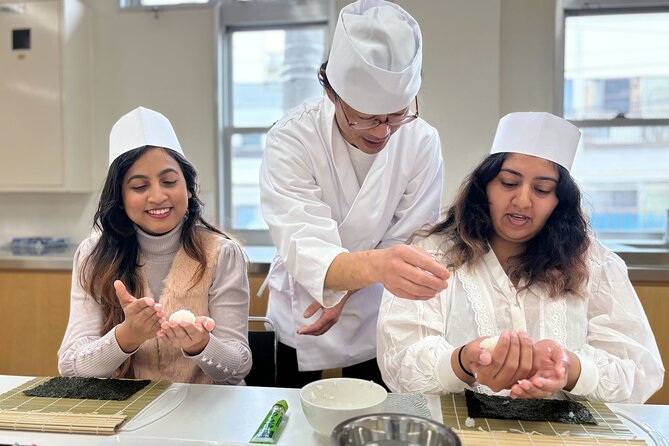
Sushi can seem simple when it arrives on a restaurant plate. A slice of fish, a small mound of rice, perhaps a dab of wasabi. This class shows you how much care sits behind that tidy appearance.
The setting helps. You meet at 4-chōme-16-2 Tsukiji, in the Chuo City area, and make your own way there. The classroom is in a traditional Japanese building near the Tsukiji market area, rather than in a large hotel kitchen or a polished cooking school designed only for tourists.
That location gives the class a useful sense of place. Tsukiji’s outer market remains one of Tokyo’s best areas for browsing food shops, seafood counters, kitchen goods, and casual places to eat. The class itself does not include hotel pickup or transportation, but the meeting point is near public transportation and the activity ends where it begins.
The experience is listed with three Tsukiji stops: Tsukiji Fish Market, Tsukiji Jogai Market, and Tsukiji Nippon Fish Port Market. Think of these as the market setting and local food context for the class, not as a long sightseeing tour with a separate market lecture at every stop. The main event takes place in the classroom.
More Fish Market Tours in Japan
- Tokyo Tsukiji Fish Market Food and Culture Walking Tour
★ 5.0 · 3,184 reviews - Tokyo: Tsukiji Fish Market Food and Walking tour
★ 5.0 · 1,724 reviews - Tokyo: Tsukiji Fish Market Guided Walking Tour
★ 4.9 · 1,397 reviews
The opening fish-cutting demonstration
The class begins with a demonstration by the sushi chef. You watch the chef take apart and prepare fish while explaining the steps needed before it can become sushi.
This is one of the most useful parts of the experience because it shows work you normally never see. At a restaurant, fish arrives on your plate already trimmed. Here, you get to watch the preparation that makes neat slices possible.
The chef also explains Japanese knives. That detail matters. Sushi depends on clean cuts, and the knife is not simply a sharp kitchen tool used with force. The demonstration gives you a better idea of why sushi chefs handle fish with such precision.
The class has featured chefs including Tanaka and Kate, depending on the session. The names of the host and chef may vary, but the format remains the same: a professional sushi chef demonstrates the technical work, while an English-speaking host helps you follow along.
You will not leave as a sushi master after one short lesson. You will, however, understand more about the difference between preparing fish carefully and simply slicing it. That makes the next part of the class more rewarding.
Learning nigiri and rolled sushi step by step
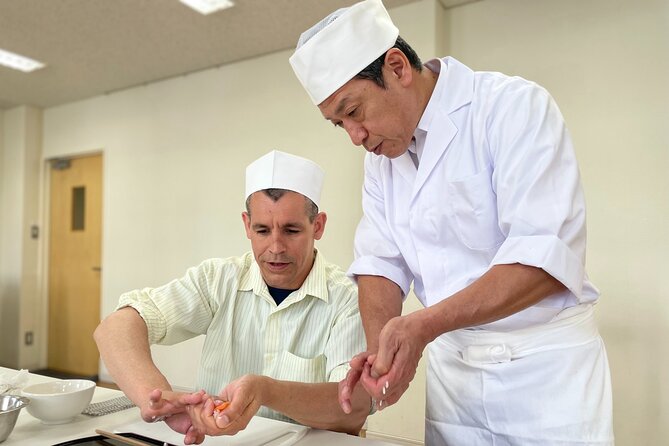
After the demonstration, the chef explains what sushi is and shows you how to prepare two basic styles: nigiri sushi and rolled sushi, often called maki.
Nigiri is the small hand-formed piece of rice topped with fish. It looks easy until you try to make the rice the right shape without crushing it. The chef guides you through the process, and the host helps translate instructions as you work.
You make five different nigiri pieces. That gives you several chances to repeat the hand movements and improve. Your first piece may be a little uneven. By the fifth, you should have a clearer idea of how much rice to use and how firmly to shape it.
The rolled sushi offers a different task. You work with the rice and fillings in a sheet, then roll and cut it into pieces. This is usually the part that produces the most visible result for beginners. Even if your roll is not perfectly tight, you can see how the ingredients become a finished plate.
The class provides proper sushi utensils and tableware sourced from local shops. You do not need to bring equipment, which keeps the activity easy to fit into a busy Tokyo day.
The teaching style is designed for beginners. English-speaking hosts including Yuko, Yugo, and Kanon have helped explain the chef’s instructions, and the staff assist when your rice, fish, or roll needs a small correction. You are not left to figure out the technique alone.
A lunch you made yourself
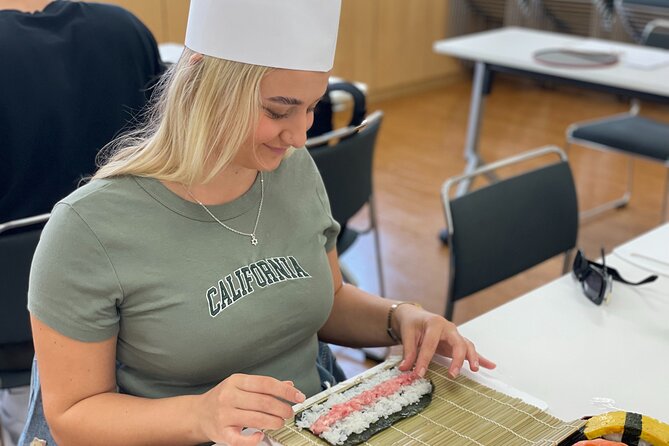
The final meal is built into the lesson. You eat the five nigiri and one roll you prepare, using the fresh ingredients supplied for the class.
That makes the price easier to judge. At about $49.74 per person, you are not paying only for a meal. You are paying for a short cooking lesson, a fish-preparation demonstration, an English-speaking host, professional instruction, ingredients, utensils, and lunch. For a first sushi class in Tokyo, that is a fair package.
You should arrive with some appetite. The meal is not an extra tasting after the class, it is the point of the class. You get to see the ingredients, handle them, and then taste the result while the work is still fresh.
The chef may also prepare another piece for you, including sushi with freshly prepared wasabi. That gives you a useful comparison between your beginner effort and the chef’s polished version.
The food is a major reason to choose this over a simple restaurant meal. You leave with more than a full stomach. You know how the pieces were formed, and you can try the basic methods again at home.
More Fish Market Tours in Tokyo
- Tsukiji Fish Market Guided Tour and Sushi Making with Pro Chef
★ 5.0 · 775 reviews - Tokyo: Tsukiji Fish Market Food and Culture Walking Tour
★ 4.7 · 757 reviews - Tsukiji Fish Market: Street Food & Culture Walking Tour
★ 5.0 · 669 reviews - Tsukiji Fish Market Small-Group Food Walking Tour
★ 5.0 · 621 reviews
The people who shape the experience
The host and chef work as a team. The chef focuses on preparation and technique, while the English-speaking host explains the lesson and helps keep the group moving.
Several host and chef combinations appear in the experience, including Yuko with Tanaka, Yugo with Tanaka, and Kanon with Kate. Other sessions have included guides named Nao, Emma, Eri, AJ, Ishi, and Miky. You should not expect one particular person unless that is confirmed at booking, but the format provides English assistance throughout.
This matters more than it may sound. Sushi instruction involves small hand movements, timing, and food terms that can be hard to follow through gestures alone. Clear translation lets you concentrate on the food rather than guessing what to do next.
The class can hold up to 20 people, though the traditional classroom setting may feel more intimate with a smaller group. A group of 20 would naturally feel less personal than a compact family session, so keep that possible range in mind if close individual attention is your top priority.
The teaching also works well for families. Children have taken part, made their own sushi, and in some cases tried sushi or sashimi for the first time because they prepared it themselves. That is a real advantage: children often approach an unfamiliar food more willingly when they have helped create it.
What the Tsukiji stops add
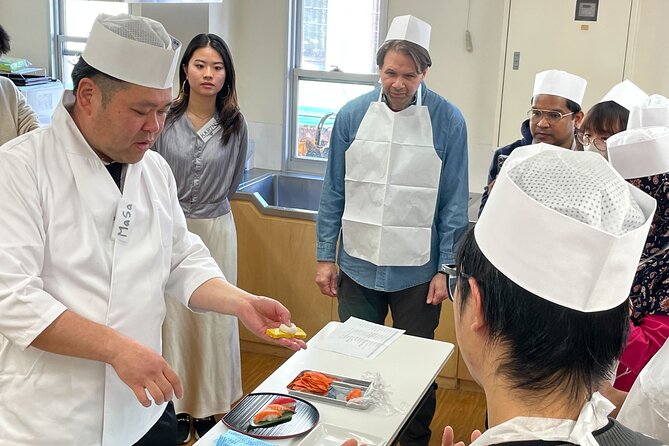
Tsukiji Fish Market
The first market reference sets the food context. Tsukiji is closely tied to seafood and Japanese cooking, so learning sushi beside the market area feels more grounded than taking the same lesson in a generic cooking studio.
Do not expect the class fee to cover a full market shopping trip or a guided seafood tour. Your transport to the meeting point is your responsibility, and the class itself centers on the sushi lesson.
Tsukiji Jogai Market
The Jogai, or outer market, is the most useful place to spend extra time before or after the lesson. You can browse food shops and market stalls at your own pace, then connect what you see with the ingredients and tools discussed in class.
The timing is helpful. Since the activity lasts about an hour and a half, it can fit before or after other Tokyo plans. You might pair it with a morning visit to the market area, but the supplied information does not promise a specific market opening schedule, so check your planned day separately.
Tsukiji Nippon Fish Port Market
This stop adds another seafood-focused reference to the setting. It reinforces the link between sushi and the fish trade, though the central hands-on instruction remains in the classroom.
The class ends back at the meeting point. If you have a strict appointment afterward, leave extra time. The experience notes that it may run beyond the scheduled end, so do not place a train departure or timed attraction immediately afterward.
Who will get the most from this class
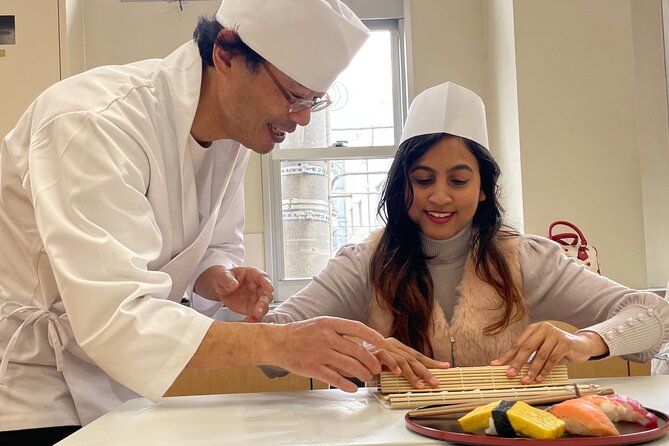
I would choose this for a first-time sushi maker, a family with children, or anyone who wants a food activity with a clear beginning and end. It is also a good rainy-day choice because the main lesson happens indoors.
You do not need to be a serious cook. The instruction is paced for beginners, and staff help you shape the sushi as you go. You also do not need to spend half a day on the activity, which makes it useful in a packed Tokyo itinerary.
Sushi fans will get the most from the fish-cutting demonstration and knife explanation. If you already make sushi at home, the class may feel basic, but you could still enjoy watching a professional prepare the fish and learning the Japanese approach to nigiri.
This is less suited to anyone looking for a private, highly customized culinary lesson. The group can reach 20 people, and the activity follows a set structure. It is also a poor fit if stairs are difficult, since the classroom is upstairs with no elevator mentioned.
Allergies, restrictions, and practical limits
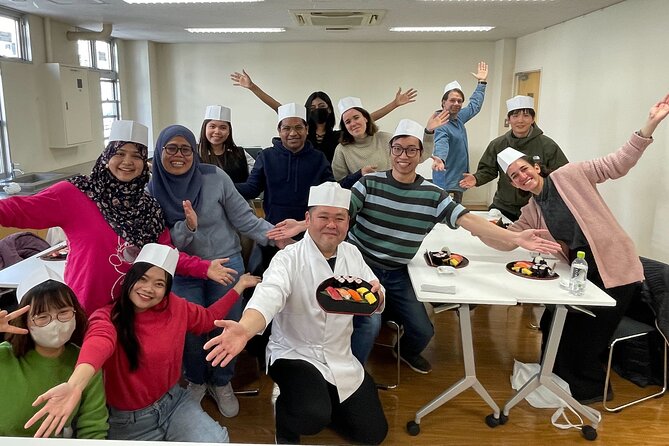
Tell the provider about allergies when you reserve. The staff will try to accommodate allergy-related requests, but they cannot guarantee every request can be met.
Kosher and halal requests are not accommodated. Extra food and drinks, hotel pickup, drop-off, and transportation to or from attractions are also not included.
Wear something comfortable for a short hands-on lesson, and keep your schedule flexible at the end. The meeting point is near public transportation, but you are responsible for getting there and returning to your next stop.
The activity has a mobile ticket, and confirmation is provided at booking. You can cancel for a full refund up to 24 hours before the start time. Cancellations or changes made less than 24 hours ahead are not refunded or accepted.
Is $49.74 a good value?
For Tokyo, the price is reasonable for what is included. You receive instruction from a professional sushi chef, English guidance, fresh market-sourced ingredients, equipment, a fish-cutting demonstration, and a meal of six pieces you make yourself.
The value is strongest if you would otherwise pay for lunch and want an activity that teaches you something. It is weaker if you only want to eat high-end sushi, since this is a beginner class rather than a formal sushi-counter meal.
The short duration is another advantage. You get a complete activity without sacrificing most of your day. The tradeoff is that the lesson cannot cover every sushi style, seafood type, or knife skill in 90 minutes.
Should you book the Tsukiji sushi class?
Book it if you want to make your own lunch, learn the basics from a sushi chef, and place a practical food activity in the middle of a Tsukiji visit. It is especially good for families, beginners, and people who enjoy meeting local hosts through food.
Think twice if you need a fully private class, have strict halal or kosher requirements, cannot manage stairs, or want a long guided tour of the markets. For everyone else, the combination of a fish-cutting demonstration, five nigiri, one roll, and a convenient 90-minute schedule makes this one of Tokyo’s more useful food activities.
FAQ
How long does the sushi-making class last?
The activity lasts approximately 1 hour and 30 minutes.
Where does the class meet?
The meeting point is at 千社額棟 4-chōme-16-2 Tsukiji, Chuo City, Tokyo 104-0045, Japan.
Where does the activity end?
The class ends back at the meeting point.
What sushi will I make?
You will make five different nigiri sushi pieces and one rolled sushi.
Can I eat the sushi I prepare?
Yes. The sushi you make is included as lunch during the activity.
Is an English-speaking guide included?
Yes. An English-speaking host and a professional sushi chef lead the experience.
Is the class suitable for beginners?
Yes. The chef teaches the basic steps and provides help as you make the nigiri and rolled sushi.
Is the class suitable for children?
The activity has been enjoyed by families with children, including children between seven and twelve years old.
Is the classroom accessible without stairs?
No. The classroom is on the third floor of a traditional Japanese building and is reached by stairs only.
Can the class accommodate halal, kosher, or allergy-related requests?
Allergy-related requests may be considered if you provide notice, but accommodation is not guaranteed. Halal and kosher requests are not accommodated.
Is hotel pickup included?
No. You make your own way to the meeting point, and hotel pickup and drop-off are not included.
Can I cancel for a refund?
You can receive a full refund if you cancel at least 24 hours before the experience start time. Changes or cancellations made less than 24 hours in advance are not accepted or refunded.
More Market Cooking Classes in Tokyo
- Hanoi Cooking Class: Culture, Local Market & Meaning CSR Impact
★ 5.0 · 5,147 reviews - 5 Traditional Dishes Hanoi Cooking Class with Market Trip
★ 5.0 · 4,890 reviews - Cooking Class and Lunch at a Tuscan Farmhouse with Local Market Tour from Florence
★ 5.0 · 4,831 reviews - Chiang Mai: Cooking Class, Market & Thai Herbs Garden Tour
★ 4.9 · 4,824 reviews
More Market Cooking Classes in Japan
- Tokyo: Tsukiji Fish Market Sushi Making Class with Pro Chef
★ 4.9 · 506 reviews - Tokyo: Tsukiji Market Walking Tour & Sushi Cooking Class
★ 4.6 · 122 reviews - Tokyo: Sushi Making with Pro Chef & Tsukiji Fish Market Tour
★ 4.6 · 49 reviews - Nishiki Market Food Tour with Cooking Class
★ 4.9 · 42 reviews
Just added around Tokyo
- Tokyo: Private Tsukiji Street Food & Sake with Local Guide★ 5.0 · 3 reviews
- Tokyo: Tsukiji Market Guided Tour & Sushi-Making Experience★ 4.4 · 11 reviews
- Tokyo: Tsukiji Market and Hama-rikyu Gardens Guided Tour★ 4.8 · 73 reviews
- Tokyo : Tsukiji Fish Market Food Walking & Shrine Visit Tour★ 5.0 · 3 reviews
- Tokyo: Tsukiji Fish Market Culture Tour with Sashimi Tasting★ 4.6 · 54 reviews
- Tokyo: Tsukiji Fish Market Foodie and Educational Tour★ 5.0 · 4 reviews
- Tokyo’s Kitchen: Tsukiji Market Food & Culture Walk★ 4.7 · 74 reviews
- Tokyo: Guided Walking Tour of Tsukiji Market with Lunch★ 4.4 · 24 reviews
Fish Market Tours, compared.
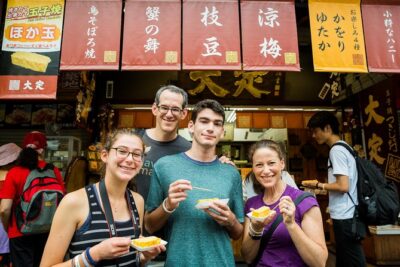
Tokyo Tsukiji Fish Market Food and Culture Walking Tour
Read our review →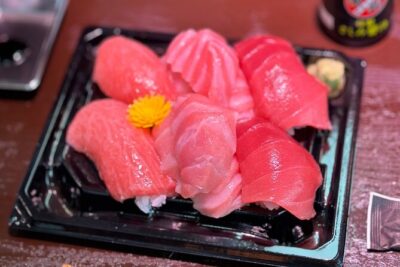
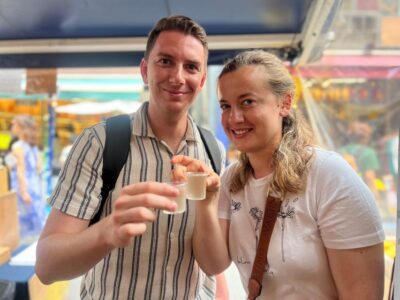
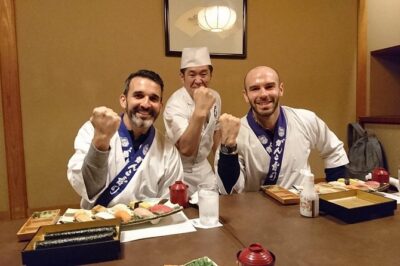
Tsukiji Fish Market Guided Tour and Sushi Making with Pro Chef
Read our review →Tsukiji Fish Market Food and Culture Walking Tour
Read our review →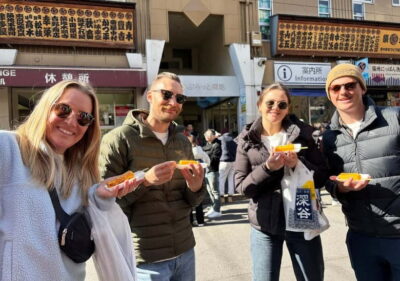
Tsukiji Fish Market: Street Food & Culture Walking Tour
Read our review →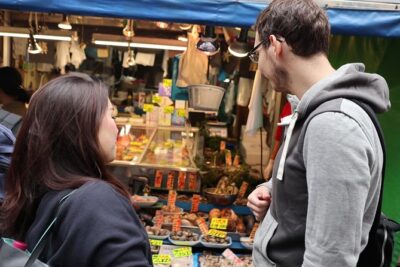
Tsukiji Fish Market Small-Group Food Walking Tour
Read our review →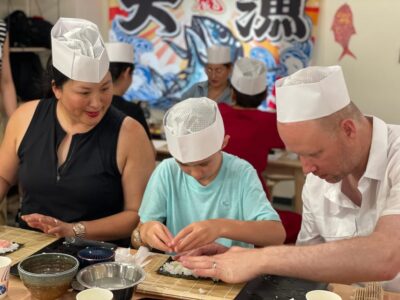
Tsukiji Fish Market Sushi Making Class with Pro Chef
Read our review →Browse the lists this tour appears in