Review · MARKET TOURS
Singapore: Market-to-Table Experience and Cooking Class
Singapore’s food culture makes the most sense when you see its ingredients before they reach the plate. This market-to-table experience takes you through a local wet market, adds a Singaporean breakfast in a coffeeshop, then brings you back to the kitchen to cook three dishes from scratch.
I like the direct link between market and meal, and I like that your hosts are both licensed guides and trained chefs. Denise, Vivian, Angel, and Collin are named as hosts for different sessions, and the small-group setting can make the class feel relaxed rather than factory-like. The main consideration is time: some people may want less market time and more cooking, while the full experience can run closer to three and a half hours when lunch is included.
Key points
- Market before kitchen: Learn about local ingredients and daily life at a Singapore wet market before cooking.
- Three dishes per session: The menu changes by day, with Hokkien mee, chicken rice, ngoh hiang, spring rolls, ondeh ondeh, and kueh dadar among the choices.
- Breakfast is included: Stop at a local coffeeshop for an iconic Singapore breakfast.
- Guides who cook: Hosts such as Denise, Vivian, Angel, and Collin lead both the cultural walk and the hands-on class.
- Good for mixed ages: The activity is designed as a friendly, practical introduction to Singaporean food.
- Useful booking detail: It costs $109 per person, lasts about three hours, and allows free cancellation up to 24 hours before the start.
Why the wet market is the right place to begin
A cooking class can teach you a recipe. A market visit helps explain why the recipe tastes the way it does.
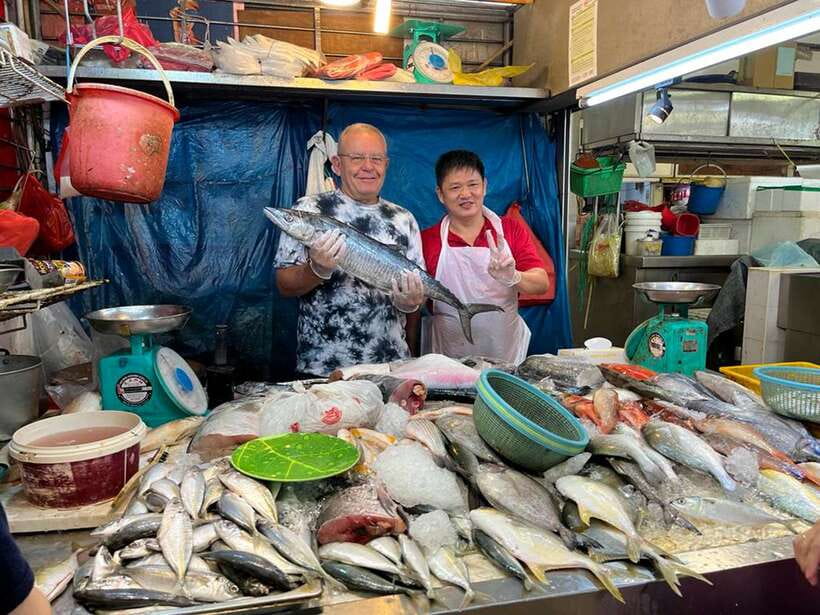
You begin by meeting at the Let’s Go Tour Singapore sign near the junction of Northern Bridge Road and Jalan Sultan Road. From there, a licensed guide and chef takes you to a local wet market. The point is not simply to look at stalls. You learn about ingredients, food shopping, and the everyday habits of Singapore residents.
That context matters in Singapore, where Chinese, Malay, Indian, and other food traditions meet in the same city. The market gives your guide a natural way to explain those connections. You might hear why particular herbs, spices, noodles, coconut products, or preserved ingredients matter in local cooking.
The market is also the most distinctive part of the outing. Cooking classes in a studio can feel detached from the place where the food comes from. Here, you first see the raw materials and local setting, then return to prepare a meal with them. That simple order makes the class easier to understand.
Allow some flexibility in your expectations. The market visit is a walking and talking portion, not just a quick stop for photographs. One participant felt the market section could have been shorter so there would be more time at the stove. If you are chiefly interested in cooking technique, you may share that preference with your guide at the start.
More market cooking classes in the world:
- Hanoi Cooking Class: Culture, Local Market & Meaning CSR Impact
★ 5.0 · 5,147 reviews - 5 Traditional Dishes Hanoi Cooking Class with Market Trip
★ 5.0 · 4,890 reviews - Cooking Class and Lunch at a Tuscan Farmhouse with Local Market Tour from Florence
★ 5.0 · 4,831 reviews
A local coffeeshop breakfast adds useful context
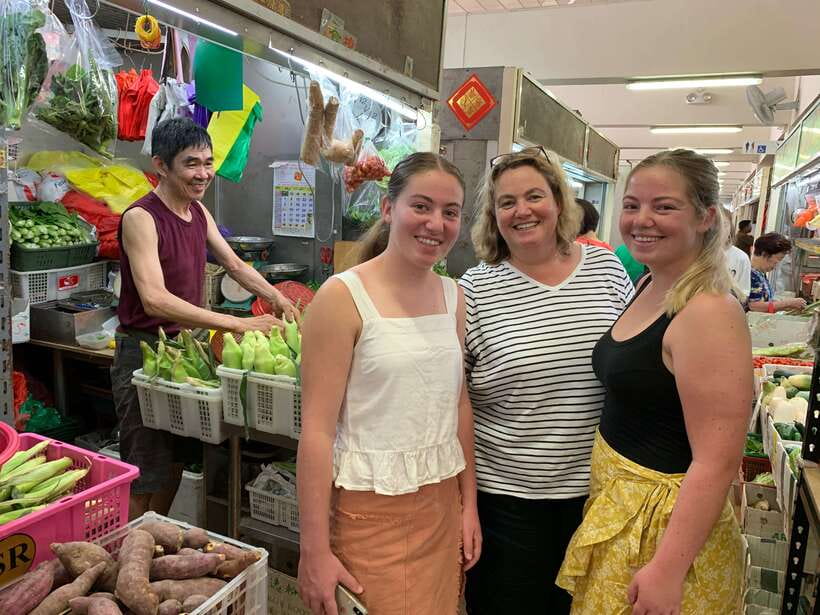
After the market, you stop at a local coffeeshop for an iconic Singapore breakfast. This is a small but important part of the experience because it shows how local food fits into ordinary daily life.
The breakfast is not presented as a formal restaurant meal. It is a chance to see the kind of setting where Singaporeans eat and meet. That makes it a helpful counterpoint to the cooking class, which is structured and instructional.
The supplied details do not specify the exact breakfast dish, so you should not book expecting a particular item. The important point is the setting and the chance to eat something local before returning to the studio.
This stop also gives the experience a better rhythm. You are not spending three straight hours chopping and stirring. You move through the neighborhood, talk about food and culture, have breakfast, then settle into the cooking session. For many people, that variety will make the morning more enjoyable.
The cooking menu changes by day
The menu is not the same every day, so check the date before booking. You will prepare three dishes from one of two menus.
Menu A, offered Tuesday, Thursday, and Saturday:
- Hokkien mee, also called Singapore noodles
- Vegetarian spring roll
- Ondeh ondeh
Menu B, offered Wednesday, Friday, and Sunday:
- Traditional chicken rice
- Ngoh hiang
- Kueh dadar
The schedule leaves Monday unlisted in the provided information, so check availability carefully if that is your preferred day.
This rotating structure is useful if you have a specific food goal. Book Menu A if Hokkien mee and ondeh ondeh appeal to you. Choose Menu B if you want to learn chicken rice, ngoh hiang, and kueh dadar. The general description also refers to laksa as one of the local favourites taught in the experience, but the day-by-day menus provided here list Hokkien mee or chicken rice instead. I would confirm the exact menu rather than assume laksa will be served.
What you learn at the stove
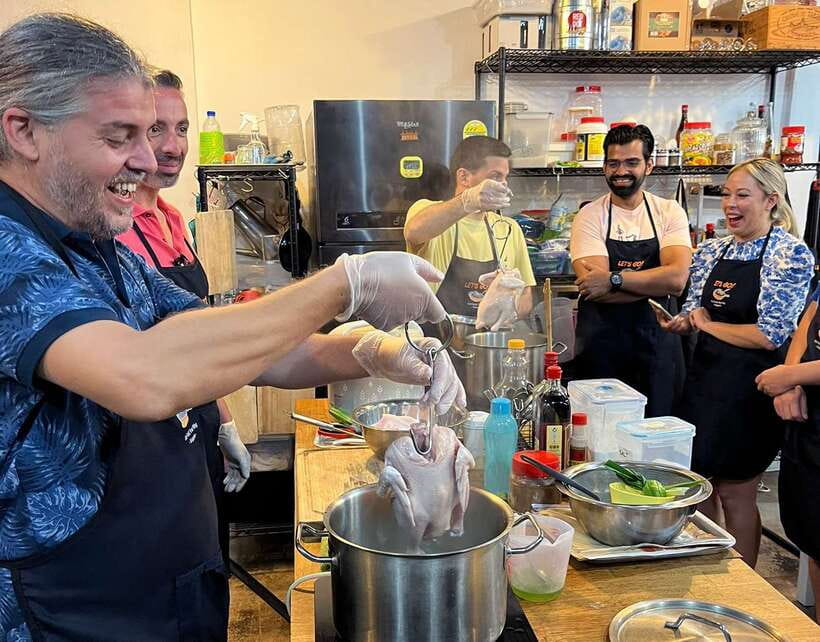
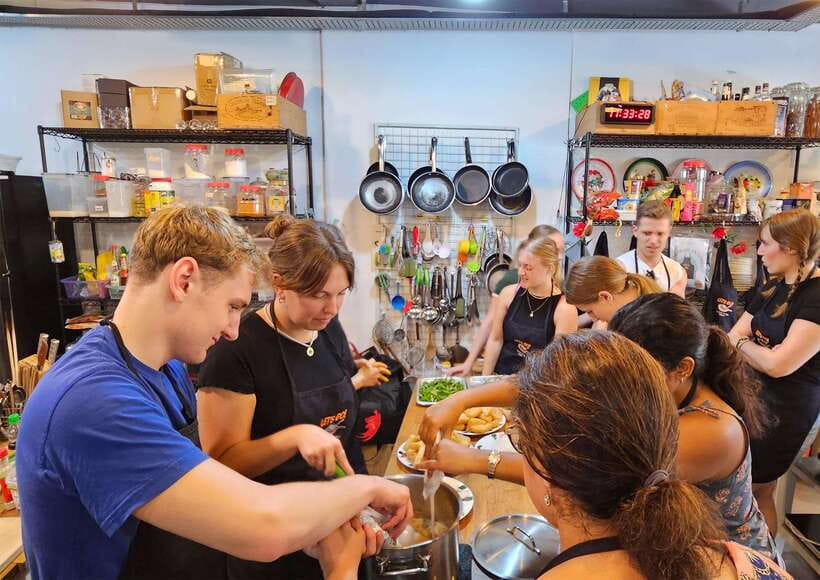
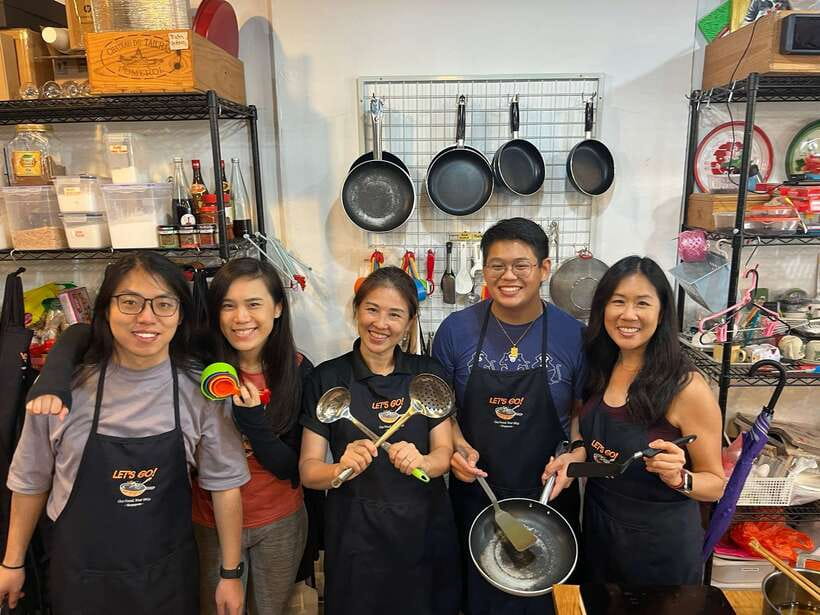
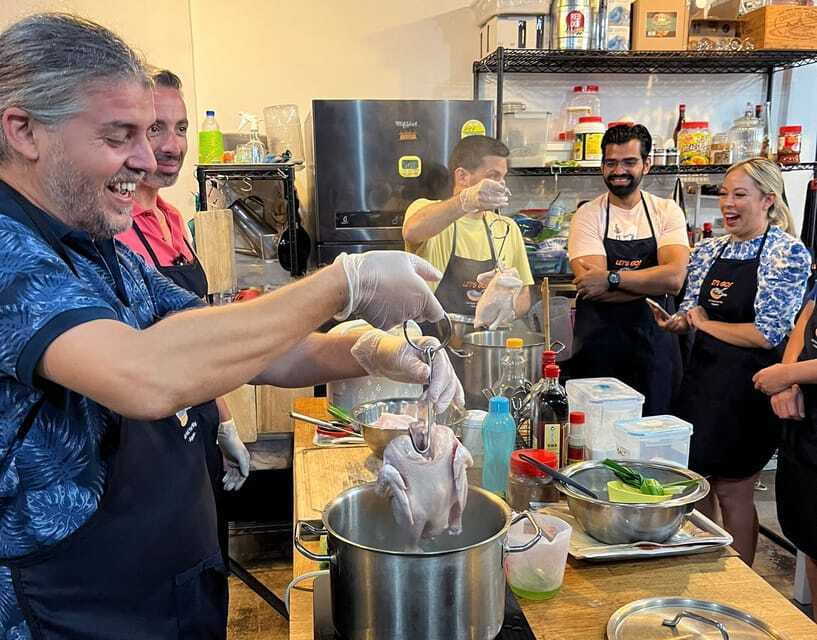
The class is designed to be hands-on. Ingredients and equipment are supplied, so you do not need to shop for supplies or bring cooking tools. The hosts explain the techniques and guide you through the preparation.
That makes the experience suitable for people who want more than a demonstration. You should expect to take part in the work, with the chef guiding the process and explaining how local dishes are built.
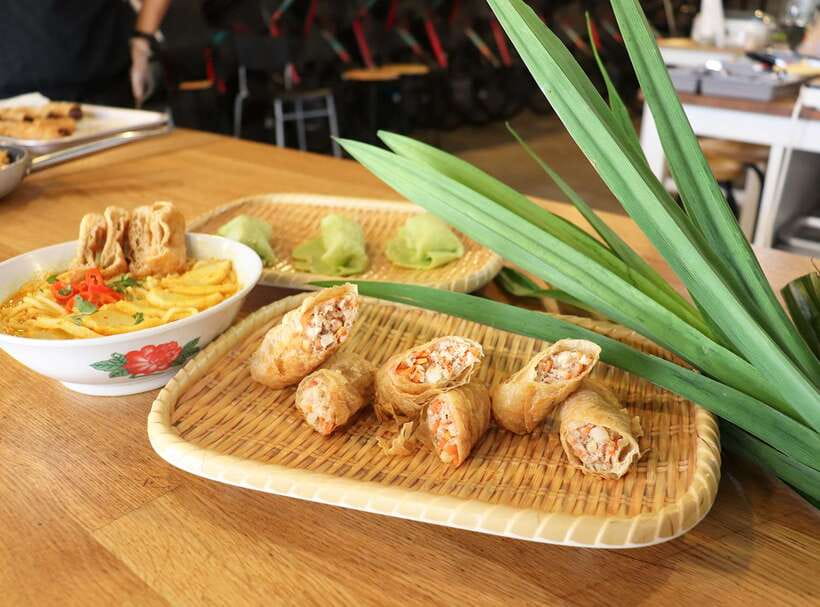
The recipes also give the session a good range of flavors and textures. Hokkien mee introduces Singapore’s noodle tradition. Chicken rice focuses on a dish that looks simple but depends on careful preparation. Ngoh hiang brings five-spice seasoning and minced meat into the lesson. The sweet dishes, ondeh ondeh and kueh dadar, show how pandan, palm sugar, and coconut appear in Singaporean desserts.
Kueh dadar is a pandan crepe rolled around coconut sweetened with palm sugar. That is a particularly useful dish to learn because it introduces ingredients that may be less familiar to home cooks outside Southeast Asia. Ngoh hiang, described as a five-spice minced meat roll, gives you another clear example of the Chinese influence in Singaporean cuisine.
The class is not only about copying a recipe. You also learn how the dishes fit into Singapore’s mixed food culture. Hosts are described as warm, outgoing, and experienced, and that matters in a practical class. A clear instructor can make the difference between feeling involved and simply trying to keep up.
More cooking classes in the world:
- Chiang Mai: Cooking Class, Market & Thai Herbs Garden Tour
★ 4.9 · 4,824 reviews - Chiang Mai: Authentic Cooking Class with Market & Farm Visit
★ 4.9 · 4,546 reviews - Barcelona: Paella Cooking Experience & Boqueria Market Tour
★ 4.8 · 3,661 reviews - Cooking Class Hoi An:Local Market, Basket Boat, Fishing & Cooking
★ 5.0 · 3,660 reviews
The hosts shape the experience
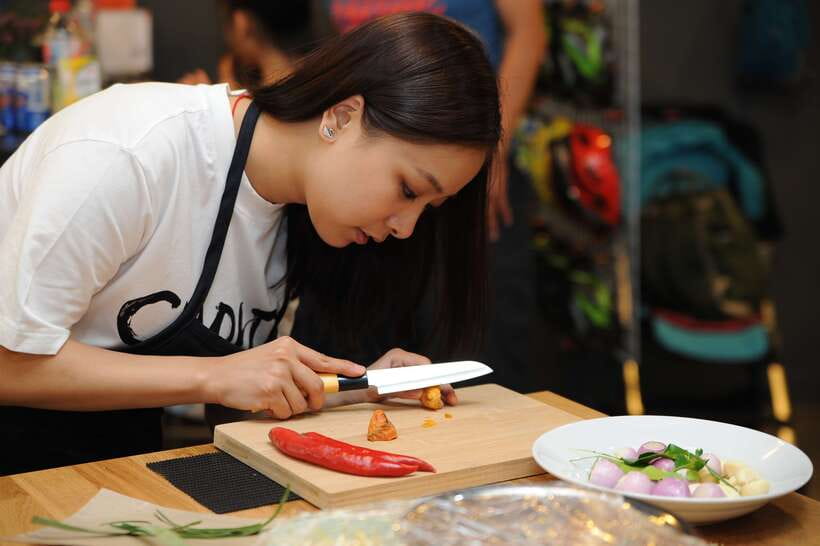
The host names connected with this activity include Denise, Vivian, Angel, and Collin. Different dates may have different instructors, but the common role is the same: your guide leads the market visit and then teaches the cooking class.
Denise is described as both a strong guide and chef. Vivian leads the neighborhood walk and explains local culture before the group cooks and eats lunch. Angel is noted as an easy-to-understand teacher, which can be especially helpful for English-speaking visitors. Collin is described as a friendly host who explains the market and offers practical cooking tips.
These details suggest that the experience depends heavily on the person leading your session. That is normal for a small cooking class, and it is also part of its appeal. You are not watching a distant instructor on a stage. You can ask questions, get help with a technique, and hear stories linked to the ingredients around you.
The listed teaching languages are English and Chinese. If clear English instruction is important to you, the experience is specifically set up to provide it.
How much food and time to expect
The stated duration is three hours, but the complete experience can take a little longer. One account places the total at about three and a half hours, including time to eat the finished dishes. That is worth noting if you have a tight afternoon booking.
The class prepares three dishes, and you then eat what you have made. Water is provided. The experience is therefore more than a short lesson followed by a token tasting. You should expect a proper meal-sized finish, although the exact portion sizes are not specified.
The pace may vary with group size and the cooking menu. A small group can make it easier to work directly with the chef and ask questions. One session had only three participants, including two local residents, which created a calm atmosphere. Group sizes are not fixed in the supplied information, so do not assume every departure will be that small.
If you have a full day of sightseeing planned afterward, leave some breathing room. The market walk, breakfast, class, and meal all take time. I would avoid scheduling a timed attraction immediately after the cooking session.
Is $109 a fair price?
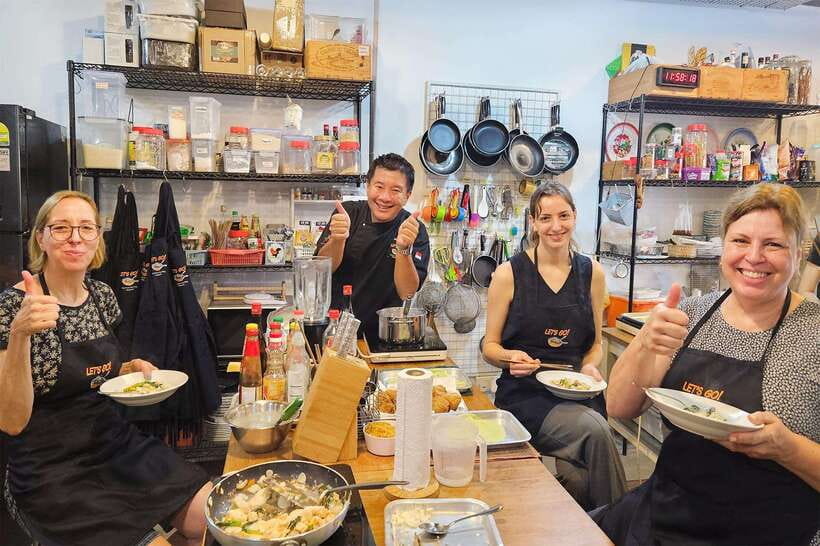
At $109 per person, this is not the cheapest way to eat in Singapore. You could have a filling hawker meal for far less. The value comes from the combination of activities: a guided market visit, cultural explanation, breakfast, ingredients, equipment, cooking instruction, and the meal you prepare.
The price makes more sense if you want an organized introduction to Singaporean food rather than a single meal. You are paying for access to a guide and chef, the structure of the class, and the chance to handle dishes that may be difficult to understand from a restaurant menu alone.
It is also a better fit for people who value context. If your goal is simply to taste chicken rice or noodles, use a food court or hawker center. If you want to know how dishes are made and why certain ingredients matter, the added cost is easier to justify.
I would call the value good for a visitor who wants one food-focused morning with several parts. It is less compelling for a confident cook who already knows Southeast Asian techniques and mainly wants a long, advanced lesson. The course is aimed at a broad audience, not professional chefs.
Who will enjoy this most
This activity suits first-time visitors who want to connect food with local life. The market and coffeeshop give you a look at Singapore beyond major sights, while the class gives you something practical to remember.
It also works well for families and mixed-age groups. The experience is described as suitable for all ages, and the hands-on format gives people different ways to take part. Children may enjoy shaping or assembling food, while adults can focus on seasoning and technique, though the provided information does not specify a minimum age.
Food lovers who prefer small, personal activities should also consider it. You get a guide, a market, a breakfast, and a cooking lesson in one outing. That is a fuller experience than a standard restaurant meal.
It may be less suitable if you dislike group instruction, walking through a working market, or spending part of the morning learning about ingredients rather than cooking. It is also not the best choice if you require a very specific menu and cannot adjust your schedule to the rotating days.
Dietary needs and accessibility
You should note any dietary concerns when booking. The hosts can consider allergies, but the supplied information does not promise that every dietary request can be accommodated, so be specific and ask for confirmation.
The activity is wheelchair accessible, but you need to mention this in advance. Wheelchair rental is not provided. Since the outing includes a market visit and neighborhood movement, advance notice is particularly important so the team can prepare appropriately.
The experience runs rain or shine. Singapore’s weather can change quickly, and the market portion still takes place in wet conditions. Bring suitable footwear and clothing for walking outdoors, but do not expect the activity to be canceled simply because of rain.
Meeting point and practical planning
Look for the Let’s Go Tour Singapore sign at the junction of Northern Bridge Road and Jalan Sultan Road. Give yourself enough time to find the exact sign, especially if you are unfamiliar with the area.
The tour is offered in English and Chinese. All cooking ingredients and equipment are included, as is bottled water. Personal expenses beyond the included elements are not covered.
The activity offers free cancellation up to 24 hours before the start, and you can reserve now and pay later. Those terms are useful if your Singapore schedule is still changing, but you should still check the available starting time for your chosen date.
Wear something comfortable for walking and cooking. The information does not specify a dress code, but a practical outfit is sensible for a market visit and a hands-on kitchen session.
Should you book this cooking class?
Book it if you want Singaporean food explained through the places, ingredients, and techniques behind it. The market visit gives the morning a local focus, the coffeeshop breakfast adds everyday context, and the class lets you prepare three dishes rather than simply watch someone else cook.
Choose your date based on the menu. Menu A is the pick for Hokkien mee, vegetarian spring rolls, and ondeh ondeh. Menu B is better for chicken rice, ngoh hiang, and kueh dadar. If laksa is your priority, confirm its availability before paying because it appears in the general description but not in the listed daily menus.
At $109, this is best viewed as a compact food and culture experience, not a budget meal or advanced culinary course. Leave extra time after the scheduled three hours, mention dietary or wheelchair needs in advance, and expect the market portion to be a meaningful part of the morning. For a practical, friendly introduction to Singapore’s food traditions, it is a strong choice.
FAQ
How much does the Singapore market-to-table experience cost?
The price is $109 per person.
How long does the experience last?
The stated duration is three hours. Including time to eat the finished dishes, the full outing may take about three and a half hours.
Where is the meeting point?
Meet at the Let’s Go Tour Singapore sign at the junction of Northern Bridge Road and Jalan Sultan Road.
Which languages are offered?
The activity is offered in English and Chinese.
What is included in the price?
Bottled water, the local market tour with a licensed guide and chef, and all ingredients and equipment needed for the cooking class are included.
Which dishes are prepared on Tuesday, Thursday, and Saturday?
Menu A includes Hokkien mee, also called Singapore noodles, vegetarian spring rolls, and ondeh ondeh.
Which dishes are prepared on Wednesday, Friday, and Sunday?
Menu B includes traditional chicken rice, ngoh hiang, and kueh dadar.
Can dietary concerns be accommodated?
You should note dietary concerns when booking. The hosts can consider allergies, but the supplied information does not guarantee that every request can be met.
Is the activity wheelchair accessible?
Yes, the activity is wheelchair accessible, but you must mention the need when booking. Wheelchair rental is not provided.
More Shopping Tours in the world
- Bangkok: Floating Market and Train Market Experience
★ 4.8 · 3,998 reviews - Bangkok: City Highlights Temple and Market Walking Tour
★ 4.5 · 3,990 reviews - Half-Day Railway Market and Floating Market Tour in Thailand
★ 4.5 · 3,924 reviews - Chef Guided Food Tour of Pike Place Market
★ 5.0 · 3,733 reviews
More Markets in the world
- Bangkok: Damnoen Saduak Market and Maeklong Railway Market
★ 4.5 · 26,723 reviews - The Old Siam: Damnoen Saduak and Maeklong Railway Market
★ 4.5 · 10,992 reviews - Bangkok: Train Market & Floating Market with Boat Ride
★ 4.7 · 9,547 reviews - From Bangkok: Ayutthaya & Ayothaya Floating Market Day Trip
★ 4.7 · 6,084 reviews
Just added around the world
- Three-Hour Private Chengdu Tea Wholesale Market Tour★ 5.0 · 4 reviews
- Half-day Dandan Noodles Cooking Class with a Local Market Visit★ 5.0 · 8 reviews
- Chania: Old Town, Public Market, Hill of Prophet Elias, Agia Triada★ 5.0 · 35 reviews
- Moroccan Cooking Class with a Local Family & Market Visit★ 5.0 · 16 reviews
- Chania Old Town, Public Market and Chrisopigi Monastery Tour★ 4.5 · 6 reviews
- 3-Hour Herbal Wholesale TCM Market and a Local Wet Market Tour★ 5.0 · 4 reviews
- Food Tasting & Market Shopping: Private Guided Tour in PORT LOUIS★ 4.5 · 9 reviews
- Charleston International Sweet Treats & Historic City Market Tour★ 5.0 · 22 reviews
Market Cooking Classes, compared.
Hanoi Cooking Class: Culture, Local Market & Meaning CSR Impact
Read our review →
5 Traditional Dishes Hanoi Cooking Class with Market Trip
Read our review →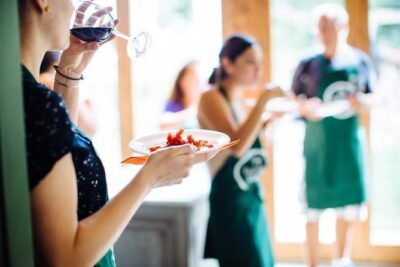
Cooking Class and Lunch at a Tuscan Farmhouse with Local Market Tour from Florence
Read our review →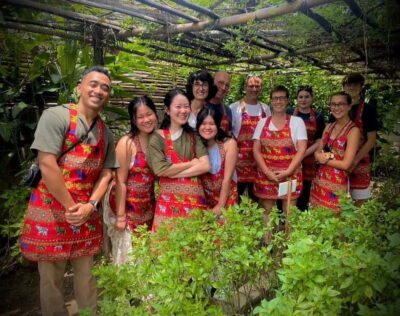
Cooking Class, Market & Thai Herbs Garden Tour
Read our review →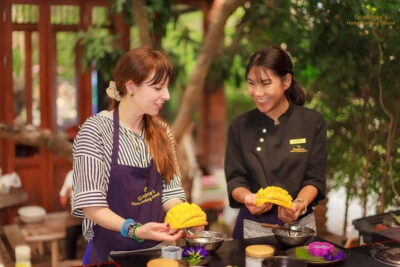
Authentic Cooking Class with Market & Farm Visit
Read our review →
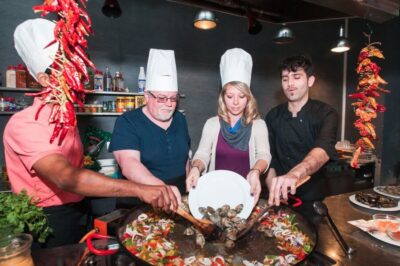
Paella Cooking Experience & Boqueria Market Tour
Read our review →