
Review · CHINA
Three-Hour Private Chengdu Tea Wholesale Market Tour
Chengdu’s wholesale tea market is less a single shop than a tea town under one roof, with rows of sellers handling leaves in many shapes, sizes, and stages of preparation. Your English-speaking guide takes you through this busy trade center, explaining how tea is dried, processed, packed, and classified. I like the chance to taste before buying, and I like that the tour covers tea sets as well as tea itself. The main drawback is simple: if you want a quiet, formal tea ceremony, this wholesale market may feel too commercial and crowded.
I also like the private format. You can ask basic questions about green tea, oolong, black tea, white tea, and Pu-er without being tied to a large group. Jerry is one guide specifically praised for making the visit clear and enjoyable. Allow roughly two hours, though the activity is described as lasting about two to three hours, and confirm the pickup details if you expect hotel collection rather than meeting at Wenshu Yuan Monastery.
Key points at a glance
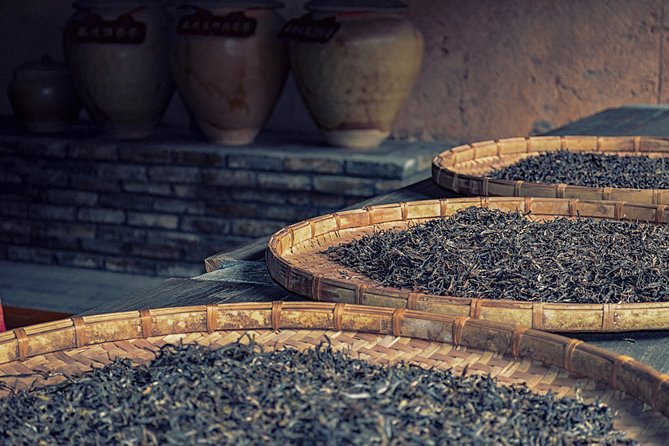
- A huge tea-buying center: You visit one of China’s major wholesale tea markets, with a large collection of specialist shops.
- Tasting before buying: Sit down, sample the tea you want, and make a decision before paying.
- Five major tea styles covered: Learn the basic differences between oolong, green, black, white, and Pu-er tea.
- Practical processing lessons: See how shops dry, process, grade, and package tea leaves.
- Private English-speaking tour: Your group has its own guide, making it easier to ask questions and shop at your own pace.
- Tea ware at reasonable prices: The market also sells tea sets and accessories, not just loose leaves.
Entering Chengdu’s wholesale tea market
The appeal here is scale. You are not being led to one polished tea boutique with a short tasting and a fixed sales pitch. You are entering a major wholesale market made up of many tea shops, where the trade itself is part of the show.
That matters because the market gives you a look at how tea is bought and sold in Chengdu. You might see leaves being handled, sorted, dried, processed, and packed for sale. The experience is useful even if you have no plan to return home with a large supply of tea.
Your guide helps turn a maze of shops into something you can understand. Instead of seeing bins and packets as a blur, you can ask what separates one tea from another and why prices vary. The tour is designed for learning through direct observation, not for sitting through a long lecture.
The market may be most interesting for people who enjoy food halls, craft workshops, and working commercial spaces. It is also a good fit if you want to see a side of Chengdu that does not depend on a famous monument or a staged cultural performance.
More Private Market Tours in China
- Private Guangzhou Food Tour Michelin Restaurant&Local Food Market
★ 5.0 · 32 reviews - Old Guangzhou Backstreet Alley Local Market Walking Private Tour
★ 5.0 · 18 reviews - Private Beijing Markets Tour with Tea Tasting at Hongqiao Pearl Market
★ 5.0 · 18 reviews
What you learn about five types of tea
The tour introduces five broad tea categories: oolong, green, black, white, and Pu-er. That list gives you a useful starting point, especially if tea labels and unfamiliar leaves normally leave you guessing.
You can learn how to tell these types apart and hear about the qualities and functions commonly associated with drinking them. Keep your expectations sensible. This is a short market visit, not a professional tea course, so the information is best viewed as a practical introduction.
Green tea is one of the categories you will encounter, along with oolong, black, white, and Pu-er. The value is not only memorizing names. You can connect the category to the appearance of the leaves, the way the tea is prepared, and the flavor you prefer during tasting.
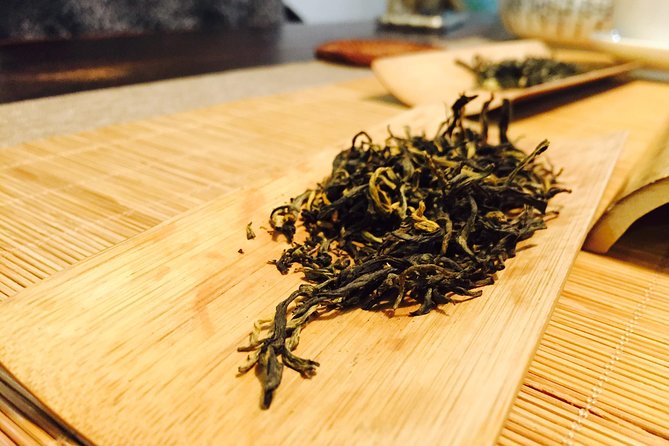
The guide can also help you understand why loose leaves come in different shapes and sizes. At a wholesale market, that visual variety becomes easier to appreciate because you can compare products from several shops rather than looking at one carefully selected display.
If you already know a little about tea, use the private setting to ask more focused questions. You can ask about how tea is packed, how to compare two similar products, or what to look for before buying. If you are a beginner, simply learning the basic categories can make later tea shopping much less confusing.
Watching tea being dried, processed, and packed
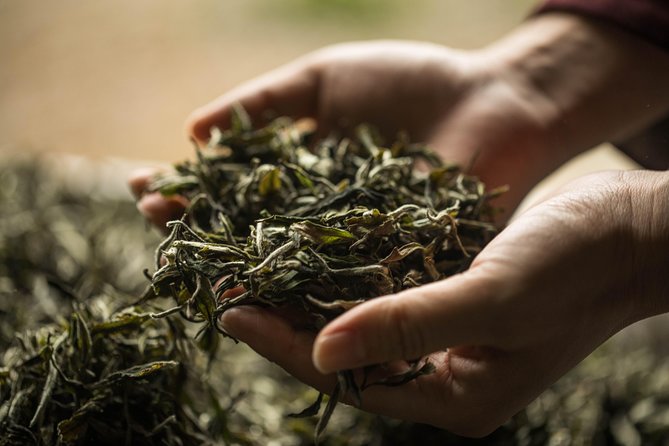
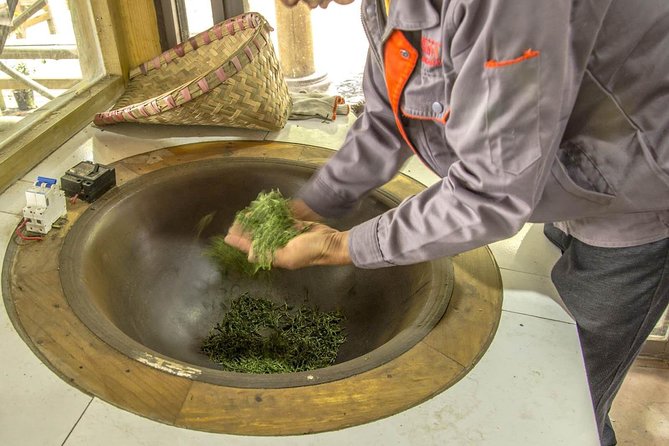
One of the strongest parts of the visit is its practical focus. You can learn how tea shops dry, process, and package their leaves. These steps are easy to overlook when tea reaches you in a neat box, but they help explain why the same broad type of tea can look and taste very different.
The market also handles tea in many forms. You may find leaves that are tightly shaped, loose, large, small, or prepared for different kinds of packaging. The information provided does not promise a particular demonstration or factory-style production session, so think of this as an explanation and close look at shop operations rather than a hands-on class.
That distinction is important. You are visiting working wholesale stores, not a museum exhibit. The experience can feel more direct and useful, but the setting may also be less polished. Shops are there to sell tea, and the commercial purpose is always present.
I like that balance. You get to see how tea is presented in a real buying environment, then ask questions while the products are in front of you. For many people, that is more memorable than hearing a general explanation in a hotel lounge.
Sitting down for a tea tasting
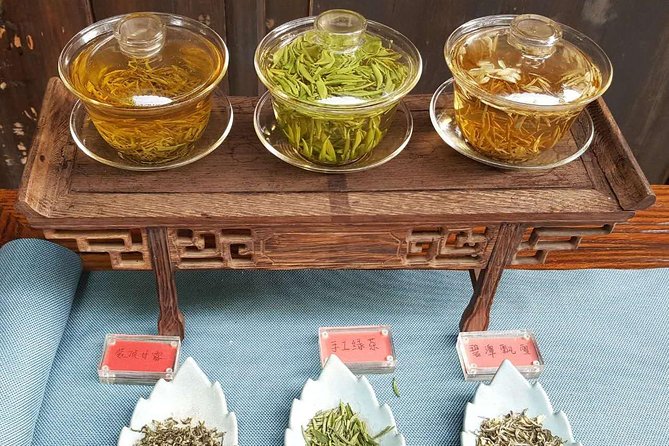
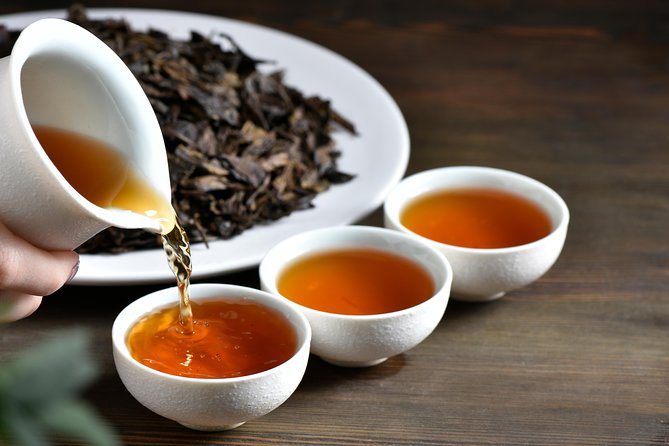
If you are considering a purchase, you can sit down and taste what you want before making a deal. This is one of the most useful details of the whole activity. Tea can look appealing in a packet and still not suit your taste, so sampling gives you a better basis for spending money.
Take your time with this part. Notice which flavors you prefer, and ask your guide to help you compare similar teas. A private tour gives you more room to say that you like one sample but not another, without worrying about holding up a large group.
The tasting also makes the market less intimidating. Wholesale shops can feel geared toward buyers who already know exactly what they want. Having an English-speaking leader beside you gives you a practical bridge into that setting.
Still, tasting does not remove the need for judgment. You are still shopping, and the final purchase is your decision. Avoid buying more than you can use simply because the price seems attractive or because the packaging looks impressive. The best souvenir is tea you will actually drink.
More coffee and tea market tours in China:
- Active Volcano, Rice Field, Hot Spring, Fruit market, Tea Plantation with Lunch
★ 5.0 · 513 reviews - Da Nang Cooking Class with Coffee Tasting and Market Visit
★ 5.0 · 310 reviews - Kyoto: Nishiki Market Tea Ceremony with Koto Performance
★ 4.8 · 294 reviews - Hungry in Vienna? A Food Lover’s Coffee & Market Walk
★ 4.9 · 276 reviews
Buying tea leaves without overdoing it
The tour makes sense for a tea enthusiast who wants to shop, but you do not need to be a serious collector to enjoy the visit. The market is worth seeing for its size and variety alone.
I would set a simple budget before you arrive. Decide if you want a small amount of tea, a gift, a particular type, or a tea set. That makes it easier to compare rather than buying the first appealing packet placed in front of you.
Your guide can help you understand the basic differences between products, but the information supplied does not promise a fixed tasting menu, specific brands, or set prices. Costs can vary by tea, quality, quantity, and shop. Treat the visit as a chance to compare and learn, not as a guarantee of one special bargain.
The market is also a useful place to look for tea sets and accessories. If you already own tea at home, a small piece of tea ware may be easier to carry than a large quantity of leaves. If you are buying gifts, ask about packaging and consider how well your purchase will travel.
The private format and guide support
This is a private activity, so only your group takes part. That changes the pace. You can spend longer on a tea type that interests you, move on from products that do not appeal, and ask questions without a room full of strangers listening.
The tour is led by an English-speaking guide. Jerry is specifically associated with a highly praised visit and is described as helping make the market easy to understand. The provider’s response also encourages people to share videos of their tea haul, which fits the hands-on, shopping-focused nature of the experience.
A private guide is especially useful at a wholesale market because the setting may be large and visually repetitive. You are not left to work out every label and product difference alone. The guide can explain what you are seeing and help you focus your time.
Do note the meeting information carefully. The stated meeting point is Wenshu Yuan Monastery, at 66 Wen Shu Yuan Jie in Qingyang District, Chengdu. Pickup is offered, and the overview refers to collection from a centrally located hotel, but you should confirm the exact arrangement when booking. The activity ends back at the meeting point.
Timing, transport, and the two-hour plan
The core market visit is listed as two hours, while the overall activity is described as roughly two to three hours. That is a useful amount of time for a first look, a few explanations, tea tasting, and possible shopping.
The tour is near public transportation, and the meeting point at Wenshu Yuan Monastery is practical if you are already visiting that part of Chengdu. If hotel pickup is important to you, ask for clear instructions rather than assuming it is automatic for every address.
Because the tour is short, arrive ready to focus. Think about what you most want from the visit: learning the tea categories, seeing how the shops work, tasting before buying, or finding tea ware. You may do all four, but you will get more from the experience if you know your priority.
The schedule is not built around a long list of sightseeing stops. The tea market is the stop. That is good news if you prefer one focused activity, but less appealing if you want a broad city tour with several landmarks.
Is $46.16 per person good value?
At $46.16 per person, the value depends on how much help you want while exploring the market. You are paying for a private English-speaking guide, an organized visit, explanations of several tea categories, and assistance while tasting and shopping.
The price is easier to justify for a couple, family, or small group that wants personal attention. It is also useful if you do not speak Chinese and would feel uncertain negotiating or comparing tea in a large wholesale setting.
If your only goal is to buy a packet of tea as cheaply as possible, you may find the guided cost harder to justify. The market itself has free admission, so the fee is for the guide and the private experience, not an entrance ticket.
Group discounts are offered, which may improve the per-person value for a larger private party. Since the activity is often booked about 10 days ahead, planning early is sensible if your Chengdu dates are fixed.
Who will enjoy this market visit most?
I would recommend the tour to you if you like seeing how everyday products are sold, enjoy tastings, or want a practical introduction to Chinese tea. It suits first-time tea buyers particularly well because you can ask simple questions and sample before committing.
It is also a good choice for a small private group with mixed interests. One person can focus on tea leaves, another can look at tea sets, and everyone can still experience the market together.
You may want to skip it if you dislike shopping environments or want a formal ceremony in a calm room. The supplied details describe a large wholesale market with many tea shops, not a quiet cultural performance.
The activity is suitable for most participants, and confirmation is received at booking. It is near public transportation, though the information does not provide detailed mobility notes, so ask the provider if you have specific access needs.
Cancellation and planning notes
Free cancellation is available if you cancel at least 24 hours before the local start time. A cancellation made less than 24 hours ahead is not refunded, and changes inside that window are not accepted.
Bring enough time to reach the meeting point and keep your shopping goals realistic. Since the tour returns to the starting point, it can fit neatly into a Chengdu day alongside nearby plans.
Should you book the Chengdu tea market tour?
Book it if you want a private, practical look at Chengdu’s tea trade and like the idea of tasting before buying. The best reasons are the huge range of shops, the chance to learn how tea is processed, and the guide’s help with five major tea categories.
I would be more cautious if you want a purely sightseeing-focused outing or a polished tea ceremony. This is a working wholesale market, with shopping at its center.
For tea lovers, curious food shoppers, and anyone who wants a useful souvenir, $46.16 can be fair value, especially with a private group and possible discount. Confirm hotel pickup, decide what you want to learn, and leave room in your bag for tea or a small set of accessories.
FAQ
How long does the Chengdu tea market tour last?
The market visit is listed as two hours, while the overall activity lasts approximately two to three hours.
How much does the tour cost?
The listed price is $46.16 per person. Group discounts are offered.
Where does the tour meet?
The stated meeting point is Wenshu Yuan Monastery, 66 Wen Shu Yuan Jie, Qingyang District, Chengdu, Sichuan, China.
Does the tour offer hotel pickup?
Pickup is offered, and the activity description refers to collection from a centrally located Chengdu hotel. Confirm the exact pickup arrangement for your address.
Where does the tour end?
The activity ends back at the meeting point.
Is this a private tour?
Yes. Only your group takes part in the activity.
Can I taste tea before buying it?
Yes. If you are considering a purchase, you can sit down and taste the tea you want before making a deal.
More Shopping Tours in China
- Xi’an: Terracotta Army, Lunch, City Wall, Pagoda, Bazaar
★ 5.0 · 72 reviews - Organic Xiao Long Bao Soup Dumpling Class & Market Walk
★ 5.0 · 62 reviews - Chengdu: Cooking Class with Fresh Market Half Day Experience
★ 5.0 · 42 reviews - Half-Day steamed Buns Cooking Class with a Local Market Visit
★ 5.0 · 26 reviews
More Markets in China
- Mini Group Xian Day Tour to Terracotta Army, City Wall, Pagoda and Muslim Bazaar
★ 5.0 · 1,320 reviews - Half-Day Chengdu Cooking Class with a Local Market Visit
★ 5.0 · 465 reviews - Shanghai Day Tour to Zhujiajiao Water Town, Yu Garden, Bazaar, Bund
★ 5.0 · 162 reviews - Organic Chinese Dumpling Class with Market Walk
★ 5.0 · 88 reviews
Just added around China
- Half-day Dandan Noodles Cooking Class with a Local Market Visit★ 5.0 · 8 reviews
- 3-Hour Herbal Wholesale TCM Market and a Local Wet Market Tour★ 5.0 · 4 reviews
- Private Distinctive Market Tour with Shaomai Lunch and Full Massage in Beijing★ 5.0 · 2 reviews
- Small Group Beijing Temple of heaven and Summer Palace with Pearl market★ 5.0 · 3 reviews
- Private Tour to Pearl Market Acrobatic Show & Peking Duck Dinner★ 5.0 · 5 reviews
- Half Day Tour:Market Shopping Acrobatic Show & Peking Duck dinner★ 5.0 · 2 reviews
- Lama Temple, Hutong and Silk & Pearl Market Private Day Tour★ 5.0 · 5 reviews
- Full-Day Private Tour Panjiayuan Antique Market and Beijing Capital Museum★ 5.0 · 3 reviews
Coffee & Tea Market Tours, compared.
Da Nang Cooking Class with Coffee Tasting and Market Visit
Read our review →
Nishiki Market Tea Ceremony with Koto Performance
Read our review →
Hungry in Vienna? A Food Lover’s Coffee & Market Walk
Read our review →
Delicious Doughnuts & Tea: Small-Group Borough Market Experience
Read our review →
Mini Hanoi Coffee Workshop: Pick Any Signature Coffee You Like
Read our review →
From rick’s coffee to local markets authentic casablanca
Read our review →
Vienna Eats: Private Foodie Walk with Coffee & Markets
Read our review →
Ethiopian Culinary Tour – Market, Food, Coffee Ceremony & more
Read our review →Browse the lists this tour appears in