Review · MARKET TOURS
Sofia: Flea and Food Markets Tour
Sofia’s markets tell the city’s story better than any single museum. On this walking tour, you move from flea-market curiosities to food stalls and learn how the Ottoman period, the Kingdom, Communism, and postcommunist Bulgaria shaped daily life. The four food stops give the day a tasty purpose, too.
I like the clear historical thread and the way the tour links ordinary markets with major sights such as Alexander Nevsky Cathedral, the Roman ruins, and the Banya Bashi Mosque. I also like the friendly, personal guiding style reported from guides including Ivo, Daniela, Dany, Nesi, and Theodora. The main drawback is practical: the walk covers about 3 kilometers, and one booking began later than expected, which affected evening plans.
Key points
- Four markets, four eras: Connect Sofia’s Flea Market, Central Market Hall, Hali Market, and Women’s Market with different chapters of Bulgarian history.
- Four food stops: Sample traditional dishes and local drinks, with a soft drink included at the final stop.
- A useful first-day tour: The route helps you get your bearings while introducing Sofia’s central sights and food customs.
- About 3 kilometers on foot: Expect a gentle city walk with stops, but not a suitable outing for wheelchair users or people with mobility impairments.
- Room for browsing: Set aside time for antiques, souvenirs, and the small discoveries that make market visits worthwhile.
- $50 buys more than lunch: The price includes a guide, four tastings, and a full day of cultural context, making it good value if you want food and sightseeing combined.
Why Sofia’s markets make such good history lessons
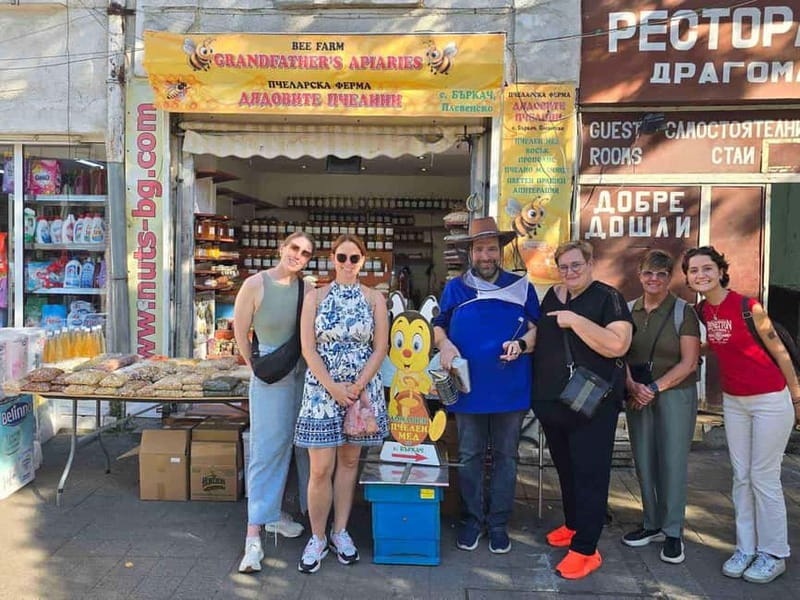
Sofia can seem like a city of grand churches, broad streets, and imposing government buildings. Markets show another side. They reveal what people buy, eat, trade, and carry home.
This tour uses four markets as four historical windows. The Flea Market represents the postcommunist era. The Central Market Hall connects with the Communist period. Hali Market reflects the Kingdom period, while the Women’s Market carries the story of Sofia’s Ottoman presence.
That framework is useful because Bulgarian history can otherwise feel like a long sequence of empires and political changes. Here, the subject stays tied to places you can see and foods you can taste. You are not simply told that history happened. You see how different periods left their mark on commerce and city life.
The guide also points out important landmarks along the route. Depending on the exact path and pace, you hear about Alexander Nevsky Cathedral, Saint Sofia Church, The Largo, the Roman ruins, Banya Bashi Mosque, Sofia Synagogue, Lion Bridge, and other central sights.
I would take this tour early in a Sofia visit if you want context before exploring alone. It gives you a useful mental map of the center and may help you decide which markets, monuments, and antique shops deserve a second visit.
More food and drink tours in the world:
- Dubai: Old Town, Creek, Museums, Souks, & Street Food Tour
★ 4.8 · 10,816 reviews - Dubai: Old Town, Souks, Street Food, Guided Tour & Abra Ride
★ 4.9 · 7,170 reviews - Bangkok by Night: Temples, Markets and Food Tuk-Tuk Tour
★ 5.0 · 3,752 reviews
Starting at Crystal Park’s split-head monument
The meeting point is the Stefan Stambolov Monument in Crystal Park. The sculpture depicts a split head, so it is not an easy landmark to confuse with an ordinary statue. Arrive about 10 minutes before the start, since finding the guide is simpler when you are already at the meeting point rather than hurrying in from another street.
The location also provides a fitting start. You are close to Sofia’s central monuments, but the tour quickly moves beyond the polished postcard version of the city. The guide sets the tone by combining food, architecture, political change, and everyday life.
The tour is in English and led by a live local guide. Guide names associated with this experience include Ivo, Daniela, Dany, Nesi, and Theodora. The individual style may differ, but the strongest pattern is clear: expect plenty of explanation and an open chance to ask questions.
That personal element matters. Sofia’s food traditions are tied to geography, religion, empire, and family habits. A guide can explain those links while you are standing in a market, which is more useful than reading a short description on a sign.
The Flea Market and the postcommunist chapter
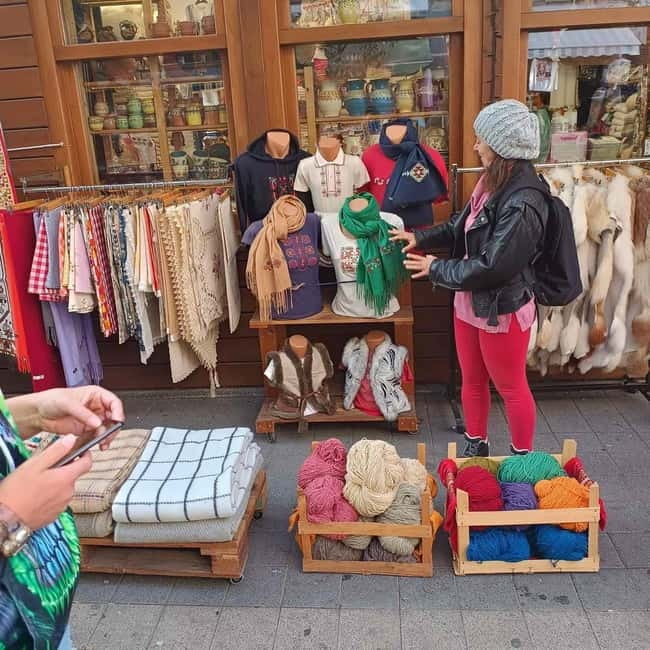
The Flea Market is the most natural stop for anyone who enjoys old objects, small finds, or the thrill of not knowing what you will see next. You can browse for souvenirs and antiques, though the available goods will vary.
Its place on the route is not accidental. The market represents postcommunist Bulgaria, a period when trading, reselling, and informal commerce became part of a changing economic life. The guide explains that shift while you look at the objects themselves.
Do not treat this stop as a guaranteed shopping appointment. The tour does not promise a particular antique or souvenir, and prices and stock can change. If you find something appealing, you may want to ask the guide about its likely use, age, or cultural background before buying.
I like this part because it gives the tour an element of chance. Food stops follow a plan, but a flea market invites you to pause over something odd or familiar. It also offers a gentler introduction to Sofia than beginning with a formal monument lecture.
Central Market Hall and the Communist period
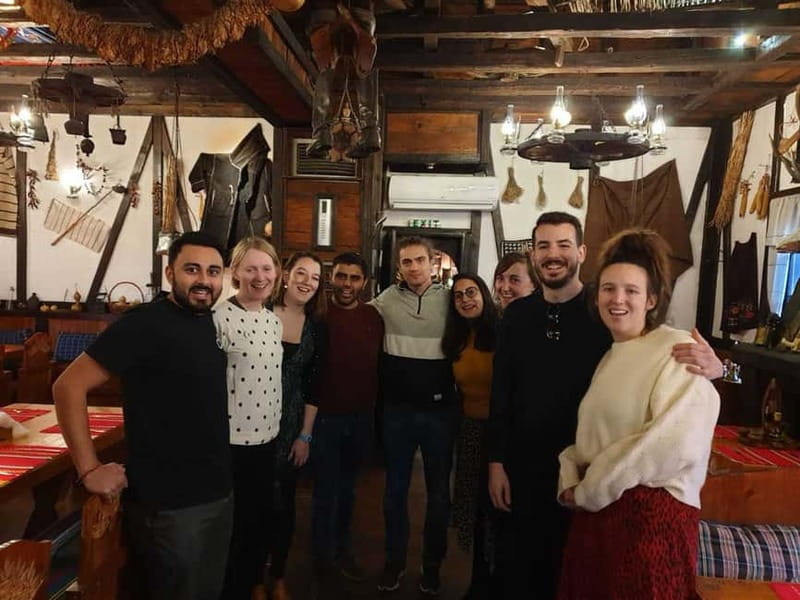
The Central Market Hall brings the tour into a more organized indoor market setting. This stop represents the Communist period and gives you another way to think about how food shopping and public commerce changed over time.
The hall is an important contrast with the Flea Market. One offers a loose collection of objects and stalls, while the other presents a more structured market space. Moving between them helps you understand that markets are not all the same kind of place. They can be official, informal, practical, social, or a mix of all four.
One of the food stops takes place during the market portion of the day. The exact dishes are not specified in advance, so you should expect local specialties rather than a fixed restaurant-style menu. Four food stops are included, and the food is described as plentiful in the strongest feedback, so avoid eating a large meal just before the tour.
This is also a good point to ask questions. If you have never tried Bulgarian cuisine, your guide can provide context about what you are tasting and how it fits into local food customs. The value is not only the sample itself. It is the explanation that helps you recognize similar dishes later.
A few more market tours around the world worth a look
- Chef Guided Food Tour of Pike Place Market
★ 5.0 · 3,733 reviews - Tokyo Tsukiji Fish Market Food and Culture Walking Tour
★ 5.0 · 3,184 reviews - Bangkok: Markets, Temples and Food Night Tour by Tuk Tuk
★ 4.9 · 2,371 reviews - London Bridge & Borough Market Food Tour with 7 Authentic Dishes
★ 5.0 · 1,972 reviews
Hali Market and Sofia’s Kingdom period
Hali Market represents the Kingdom period. The historical label gives this stop more weight than a quick market visit would have on its own.
You can expect to keep walking, listening, and tasting rather than stopping for a long formal talk. That rhythm works well in Sofia. The city center is compact enough to connect food, architecture, and history without spending the entire day in one building.
The Kingdom period can feel abstract when encountered only in a timeline. A market gives it a physical setting. You can consider how the city was organized, how food was sold, and how public life developed before the Communist era.
I especially like the way this part adds balance. The tour is not only about old objects or contemporary food. It gives you several historical reference points, so the city’s modern identity feels less isolated from what came before.
The Women’s Market and Ottoman influence
The Women’s Market is linked to the Ottoman presence in Bulgaria. It is one of the most useful stops for understanding Sofia as a city shaped by more than one culture and political system.
The tour does not present Bulgarian food as a sealed-off tradition. Instead, it shows how outside influence helped shape what became Bulgarian. One booking specifically valued learning about the Ottoman Empire’s influence and the role of food and local customs in the country’s development.
This is where a good guide adds real value. A market can look ordinary at first glance, but the products, names, cooking methods, and trading traditions may carry centuries of contact between communities. You get a chance to ask about those links as you walk.
The Women’s Market also helps connect food with people. You are not just looking at architecture. You are seeing a working part of Sofia’s daily life. The route may feel less polished than the city’s grandest sights, but that is part of its appeal.
Four food stops, with room to arrive hungry
The tour includes four stops for local dishes and drinks. The available information does not list a fixed menu, so you should not book it expecting a particular pastry, grilled dish, dessert, or beverage. Instead, think of it as a guided introduction to Bulgarian tastes, shaped by what is available on the day.
That flexibility can be a plus. You are sampling food in different market areas rather than sitting down to one long meal. It also means you get several small experiences instead of placing all your expectations on a single restaurant.
The final food stop includes a soft drink. Other drinks and tastings are part of the food experience, but you should check with the guide if you have allergies, dietary restrictions, or strong preferences. No special dietary arrangements are stated in the tour information, so do not assume substitutions are available.
Bring an appetite. One young group found the food so filling that they were still full afterward, and another booking described the food as tasty and plentiful. You may want a light breakfast or early meal, especially if the tour begins around the middle of the day.
The food is also a social advantage. Sharing small tastings gives you natural pauses to talk with the guide and ask how the dishes relate to Bulgarian life. The strongest part of the experience is not simply eating four times. It is understanding why each stop belongs on a Sofia market route.
Landmarks along the route, from Roman ruins to Lion Bridge
The markets are the main subject, but the route passes several of Sofia’s major sights. That makes the tour a useful blend of orientation walk and food outing.
At Alexander Nevsky Cathedral, you get one of the city’s best-known architectural reference points. Saint Sofia Church and the Roman ruins show that Sofia’s story reaches much further back than the modern city. The Largo adds a major civic and political setting.
The Banya Bashi Mosque and Sofia Synagogue help show the religious variety of the historic center. Lion Bridge gives the route another recognizable landmark and helps connect the central markets with the wider city.
You should not expect an in-depth interior visit at every sight. The focus remains on walking, markets, and food. Still, the route gives you enough background to return later with better questions and a clearer idea of what you are seeing.
This is why I would not call the experience only a food tour. It is a compact introduction to Sofia’s central district, with market stops providing the structure.
The 3-kilometer walk and how the pace feels
The walk covers about 3 kilometers, or 2 miles, with stops along the way. That is manageable for many people, but the tour is not suitable for wheelchair users or people with mobility impairments.
Wear comfortable shoes and comfortable clothes. Market streets, city pavements, and standing during food stops can make unsuitable footwear tiresome. Rain is also worth considering. One tour continued in rainy weather and was still enjoyed, but a waterproof layer and shoes with good grip would make the day easier.
The experience is described as lasting one day, with starting times available when you check the date. A past booking reported that the tour started much later than expected and ended late enough to affect evening plans. I would avoid scheduling a tight dinner reservation, theater ticket, or long-distance departure immediately afterward.
The pace can also vary with group size. A small group may allow more questions and a slower look at a particular market. A larger group may move more briskly. Several bookings had especially personal guiding, including one tour conducted just for two people, but you should not assume every departure will be private.
Is $50 good value for this Sofia experience?
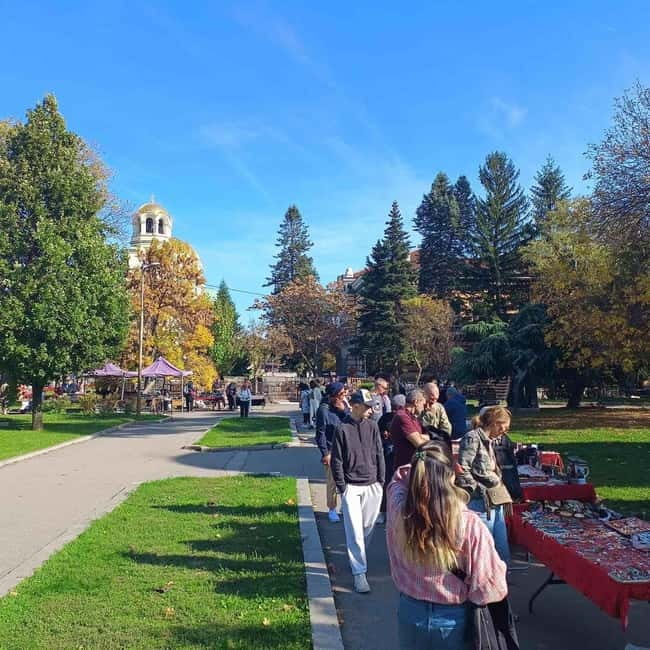
At $50 per person, the tour is not the cheapest way to walk through Sofia’s markets. You could visit public market areas on your own for little or no admission cost.
The comparison changes once you count what is included. You get an English-speaking local guide, four food stops, a soft drink at the final stop, historical explanations, and a route linking several central landmarks. You are also paying for interpretation, not just access.
I consider the price fair if you want food and orientation in one outing. It is particularly useful on a first day, when you may still be figuring out Sofia’s layout and deciding where to return. The tour can also save you from guessing which market foods to try.
It is less compelling if you prefer to eat slowly at one restaurant, shop without a schedule, or explore independently with a guidebook. The market stops are a planned group experience, and the exact food selection is not fixed.
The cancellation terms reduce some booking risk. You can cancel up to 24 hours in advance for a full refund, and you can reserve now and pay later. That flexibility is helpful when your Sofia plans are still moving around.
Who will enjoy this market walk most?
I would recommend it to first-time visitors who want a practical introduction to Sofia. It suits people who enjoy local food but also want political and cultural context rather than a meal with no explanation.
It is a good match for couples, friends, and small groups with mixed interests. One person can focus on food, another on architecture, and another on antiques. The route gives each of you something to notice.
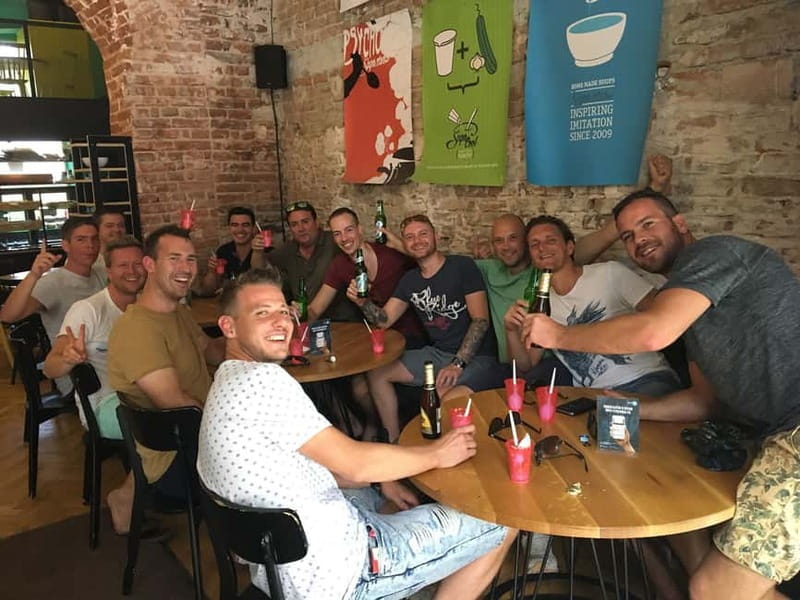
Younger adults also seem likely to enjoy the pace and variety. A group ranging from ages 21 to 28 found it a good first-day activity, and the combination of walking, tastings, and city history keeps the outing from feeling like a formal lecture.
I would be more cautious if you have limited mobility, dislike walking, need a firmly timed itinerary, or have strict dietary requirements. The food list is not fixed, and the tour includes several market environments rather than one controlled venue.
Should you book the Sofia Flea and Food Markets Tour?
Book it if you want to understand Sofia through everyday places. The four-market structure is the main reason to choose it. You get a clear route through postcommunist, Communist, Kingdom, and Ottoman-era connections, with food making the history easier to remember.
The guides are another strong reason. Names such as Ivo, Daniela, Dany, Nesi, and Theodora appear in the tour’s guiding roster, and the experience depends heavily on having someone who can explain the city in a warm, conversational way.
Skip it if you want a private food crawl with a set menu, a short stroll, or a guaranteed finish time. For everyone else, $50 is a sensible price for four tastings, a 3-kilometer introduction to central Sofia, and enough local context to make the rest of your stay more rewarding.
FAQ
Where does the tour meet?
Meet at the Stefan Stambolov Monument in Crystal Park. The sculpture shows a split head. Arrive 10 minutes before the activity begins.
How long is the walking route?
The tour involves about 3 kilometers, or 2 miles, of walking with stops.
Which markets does the tour visit?
The route visits Sofia’s Flea Market, Central Market Hall, Hali Market, and the Women’s Market.
How many food stops are included?
Four food stops with local dishes are included. A soft drink is included at the final food stop.
What language is the tour offered in?
The live tour guide speaks English.
Is the tour suitable for wheelchair users?
No. The tour is not suitable for wheelchair users or people with mobility impairments.
What should I wear?
Wear comfortable shoes and comfortable clothes because the experience includes about 3 kilometers of walking and several stops.
Can I cancel for a full refund?
Yes. You can cancel up to 24 hours before the activity for a full refund. You can also reserve now and pay later.
Just added around the world
- Three-Hour Private Chengdu Tea Wholesale Market Tour★ 5.0 · 4 reviews
- Half-day Dandan Noodles Cooking Class with a Local Market Visit★ 5.0 · 8 reviews
- Chania: Old Town, Public Market, Hill of Prophet Elias, Agia Triada★ 5.0 · 35 reviews
- Moroccan Cooking Class with a Local Family & Market Visit★ 5.0 · 16 reviews
- Chania Old Town, Public Market and Chrisopigi Monastery Tour★ 4.5 · 6 reviews
- 3-Hour Herbal Wholesale TCM Market and a Local Wet Market Tour★ 5.0 · 4 reviews
- Food Tasting & Market Shopping: Private Guided Tour in PORT LOUIS★ 4.5 · 9 reviews
- Charleston International Sweet Treats & Historic City Market Tour★ 5.0 · 22 reviews
Food & Drink, compared.

Old Town, Creek, Museums, Souks, & Street Food Tour
Read our review →
Old Town, Souks, Street Food, Guided Tour & Abra Ride
Read our review →
Bangkok by Night: Temples, Markets and Food Tuk-Tuk Tour
Read our review →
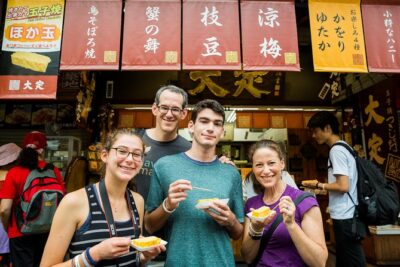
Tokyo Tsukiji Fish Market Food and Culture Walking Tour
Read our review →
Markets, Temples and Food Night Tour by Tuk Tuk
Read our review →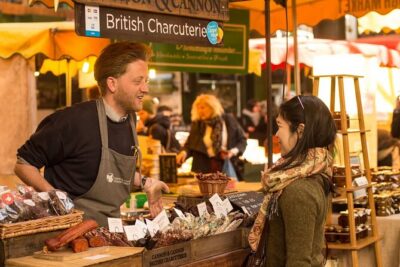
London Bridge & Borough Market Food Tour with 7 Authentic Dishes
Read our review →