
Review · TBILISI
Tbilisi: Street Art & Dezerter Bazaar Tour w/ Tastings
Tbilisi’s best stories often sit away from the postcard sights, and this tour takes you into that less polished, more lived-in side of the city. You’ll follow legal and illegal street art, pass the former home of a major Georgian painter, and finish among the smells and colors of Dezerter Bazaar. I especially like the mix of street art and local history, plus the chance to taste wine, chacha, cheese, and Georgian sweets while a local guide explains what you’re eating.
I also like that guide Giorgi, often listed as George, brings personal stories about growing up in Georgia rather than giving you a string of memorized dates. The main consideration is the walking: you’ll cover about 2 to 3 miles, and the tour length can vary from 1.5 to 4 hours depending on the route and pace. The bazaar can also feel crowded and untidy, which is part of its appeal but not everyone’s idea of a relaxed outing.
Key things to know before you book
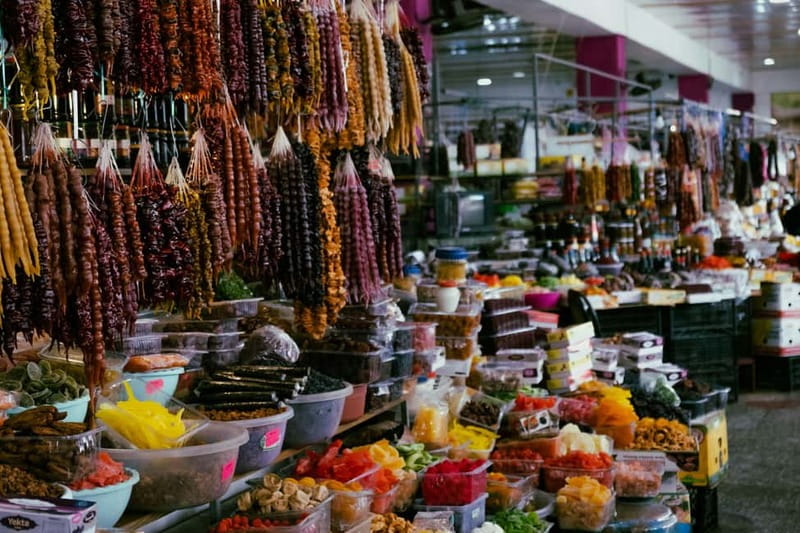
- Dezerter Bazaar is the grand finale: Taste churchkhela, tklapi, dried fruit, cheese, wine, and chacha at Tbilisi’s oldest and largest farmers market.
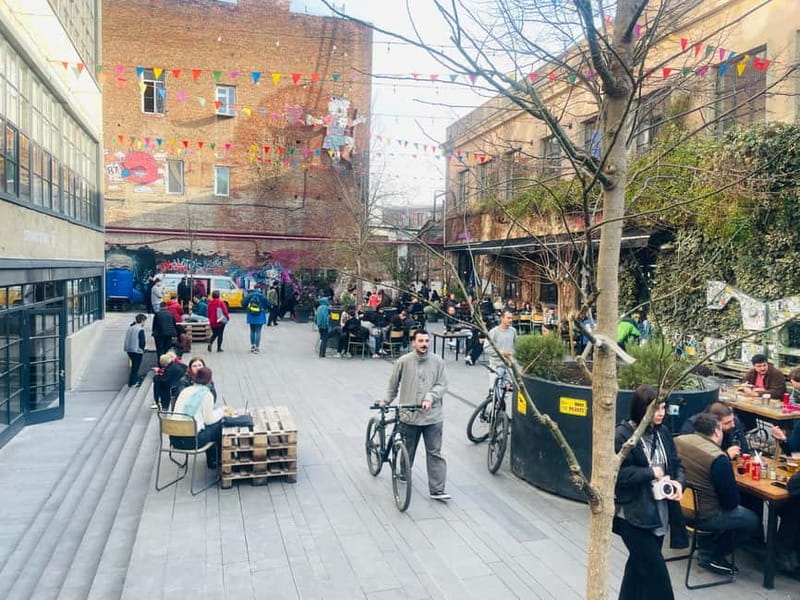
- Fabrika gives the tour its creative start: This former industrial space is now one of the city’s best-known meeting points for art, food, and independent culture.
- The guide is a major part of the experience: Giorgi, also called George, is praised for clear explanations, local stories, patience, and an easygoing manner.
- Expect a real city walk: The route covers around 2 to 3 miles through streets, alleys, railway-station surroundings, and market lanes.
- You get useful follow-up advice: The guide shares ideas about places to visit, areas to skip, Georgian foods to try, and how the city fits together.
- The format stays flexible: You can book a private outing or a small group, with English or Russian guidance and hotel pickup and drop-off.
Why this Tbilisi walk feels different
Many first visits to Tbilisi focus on the Old Town, sulfur baths, Narikala Fortress, and the Kura River. Those places deserve your time, but they do not show the whole city. This walk shifts your attention to working streets, creative spaces, local shopping, and buildings that carry traces of several eras at once.
The street art is not treated as decoration alone. Your guide explains the difference between approved work and pieces painted without permission, then connects what you see to local artists, changing neighborhoods, and the way people use public space. That makes the walk more useful than simply stopping for photographs.
I like the combination of subjects. You are not spending three hours on art alone, or on food alone. You get a little architecture, a little recent history, local customs, personal stories, and practical advice. The route keeps changing, so the experience has a good rhythm.
The guide matters here. Giorgi is repeatedly praised for being friendly, patient, and easy to talk with. He pauses for photographs and rest when needed, and he is happy to discuss Georgian culture beyond the planned stops. One particularly memorable detail from the feedback is that he sometimes sings, reflecting his interest in music as well as art.
A few more market tours around the world worth a look
- 2-Hour Food, History and Street Art Tour of Ponce City Market
★ 5.0 · 159 reviews - Phnom Penh’s Morning Market and Street Art Tour by Tuk tuk
★ 5.0 · 128 reviews - Naples: The Spanish Quarters, Street Art and Local Market
★ 4.7 · 59 reviews
Starting at Fabrika in Tbilisi
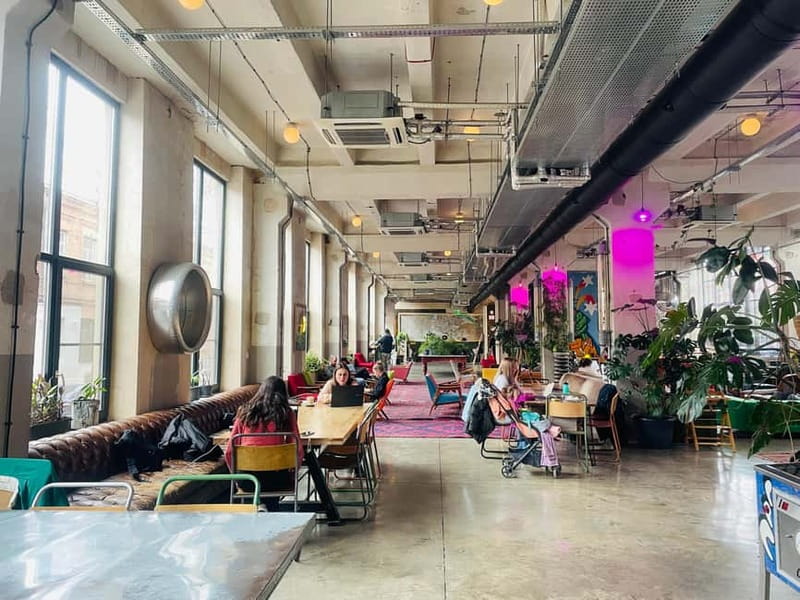
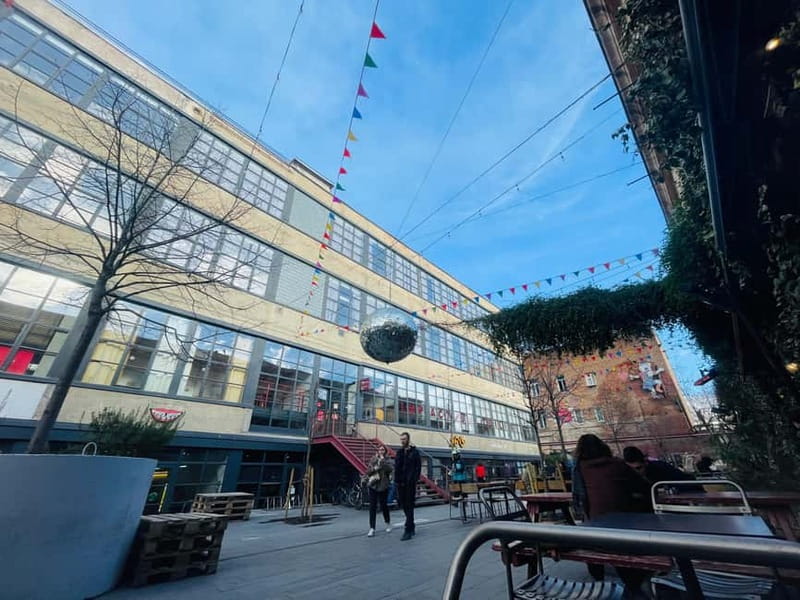
Fabrika is one of the first major stops and a natural place to begin. The former factory has been reused as a hostel and social space, with cafes, creative businesses, courtyards, and a strong connection to Tbilisi’s modern alternative culture.
You’ll have time for photographs, sightseeing, and a guided look at the area. Coffee or tea may also be part of this stop, although extra food and drinks are not included in the tour price. If you have seen only Tbilisi’s old stone streets, Fabrika offers a useful contrast: it shows how an old building can be given a new public life.
This is also where the tour’s tone becomes clear. You are encouraged to ask questions, look closely, and notice details that you might otherwise pass without a second thought. Fabrika is popular and recognizable, so it is not a secret corner of the city, but it works well as a gateway to the less familiar streets that follow.
Reading the street art and side streets
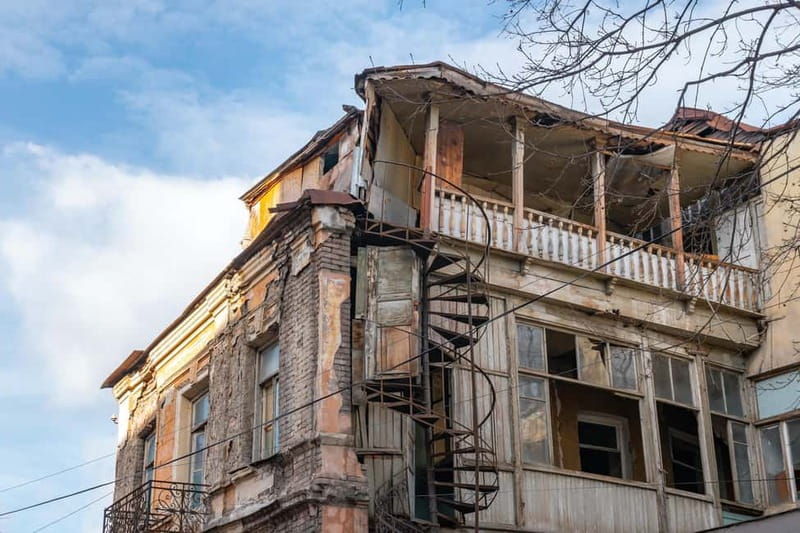
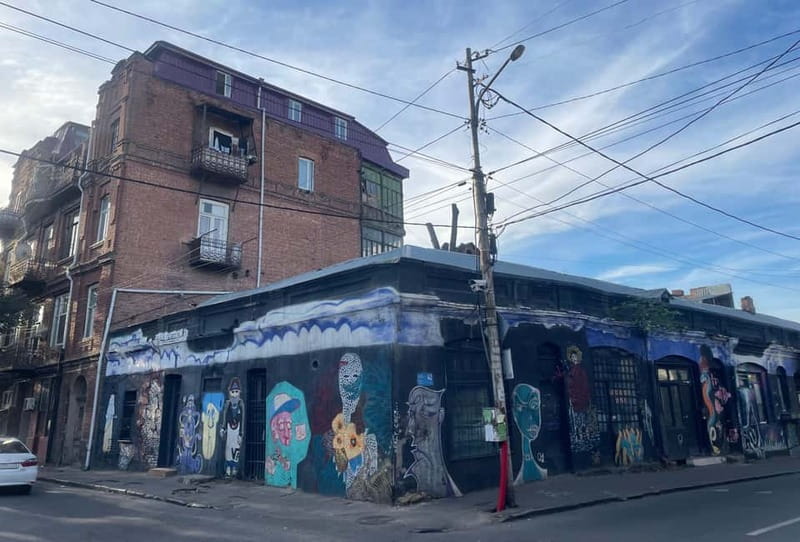
After Fabrika, the walk heads through streets and alleys with a mixture of legal murals, informal graffiti, and smaller works that can be easy to miss. The route includes a stop described as a secret location, but the point is less about a named attraction and more about seeing how art appears in ordinary parts of Tbilisi.
You may pass places where the paint is layered over older work, walls that have changed with the neighborhood, and buildings that show different periods of construction side by side. Your guide offers context about artists from the present day and earlier generations, including the former residence of one of Georgia’s best-known painters.
This is where Giorgi’s personal approach adds value. Instead of treating art as a list of names, he connects it with daily life and his own experience of Georgia. That helps you understand why a particular wall matters locally, even when it is not a famous monument.
The route is not designed for speed. You will stop for photographs and conversation, and the guide can pause when you need a break. Still, wear shoes with good support. Two to three miles is manageable for most people, but uneven pavement, standing, and market walking can make the outing feel longer than the distance suggests.
Tbilisi Railway Station and the city around it
The railway station is another useful point on the route. It is not simply a quick photo stop. The surrounding area helps show how Tbilisi works as a transport and commercial center, away from the Old Town’s visitor-focused streets.
You’ll hear about the area as you walk, see the station from outside, and continue toward the market. The change in atmosphere is part of the experience. Fabrika introduces a polished creative district, while the railway-station area feels more connected to ordinary movement, shopping, and work.
Do not expect a formal museum visit or a long architectural lecture here. The value comes from the wider view. You are seeing how the city’s artistic side, transport links, and market culture sit close together.
Same stalls, a different way to shop and eat:
- Bangkok: Damnoen Saduak Market and Maeklong Railway Market
★ 4.5 · 26,723 reviews - The Old Siam: Damnoen Saduak and Maeklong Railway Market
★ 4.5 · 10,992 reviews - Dubai: Old Town, Creek, Museums, Souks, & Street Food Tour
★ 4.8 · 10,816 reviews - Bangkok: Train Market & Floating Market with Boat Ride
★ 4.7 · 9,547 reviews
Dezerter Bazaar: Georgia through food

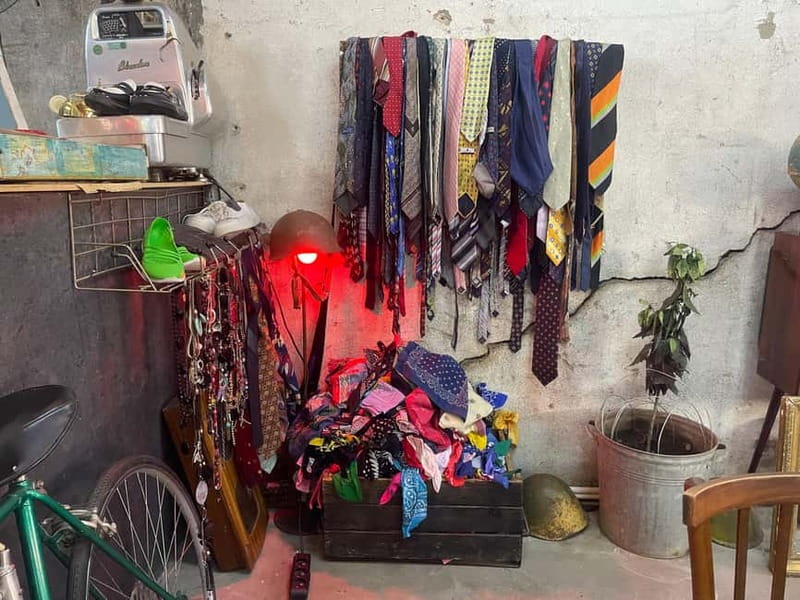
The final major stop is Dezerter Bazaar, Tbilisi’s oldest and largest farmers market. This is the part of the outing that most clearly engages all your senses. You’ll move past stalls of regional foods, local produce, cheese, dried fruit, sweets, and drinks while the guide explains what is worth trying.
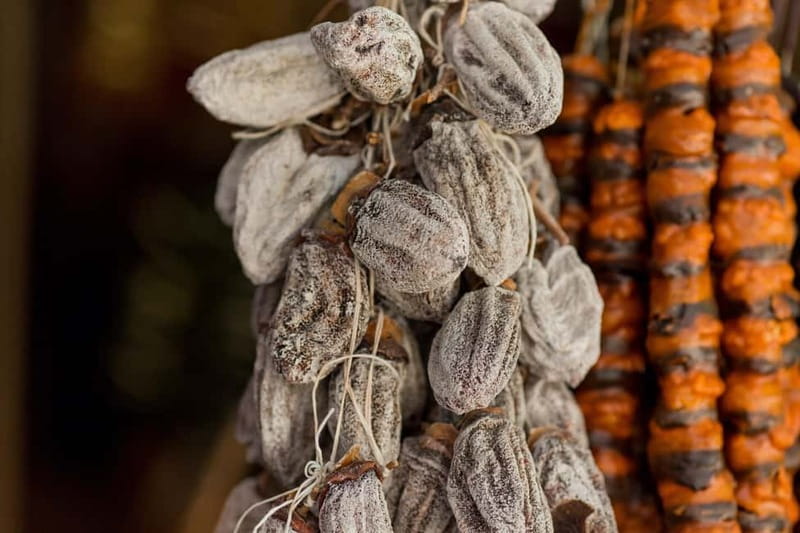
The included tastings are generous enough to give you a proper introduction. Expect Georgian wine, a shot of chacha, local cheese, churchkhela, tklapi, and dried fruits. Churchkhela is the familiar candle-shaped sweet made with nuts and thickened grape juice. Tklapi is a chewy fruit preparation, often made from plum or another fruit. Having the guide explain these foods before you taste them makes the experience much more meaningful.
The wine and chacha are important parts of the stop, but pace yourself. Chacha is a strong Georgian spirit, and the tasting is only one small part of a walking tour. If you want more food or drinks, those are extra. The market is also a good place to buy something for later, but check customs rules before packing food for home. One visitor specifically discovered that Australian customs regulations prevented taking the tasting items back.
The market can be noisy, crowded, and visually chaotic. That is not a flaw in the usual tourist sense, but you should know what you are signing up for. If you prefer quiet food halls and tidy displays, Dezerter Bazaar may feel rough around the edges. If you want to see local commerce as it really operates, it is one of the strongest parts of the tour.
After the tasting, you can continue shopping and exploring on your own, or return to your accommodation with the guide. That choice is useful. You are not forced to leave just as you begin to understand the market.
What the $30 price gets you
At $30 per person, this tour offers solid value if you want more than a standard sightseeing walk. The price includes a guide, hotel pickup and drop-off, traditional wine, chacha, sweets, cheese, and other local tastings. You are also paying for interpretation: someone who can explain the art, the streets, and the food in a way that makes sense.
The value is strongest for first-time visitors with limited time. Several people used the tour early in their stay and found that it helped them understand where to go afterward. That is a smart way to use it. You can ask about restaurants, neighborhoods, markets, and places to avoid, then use the rest of your visit with better direction.
The value is less obvious if you only want a short food tasting or a simple photo walk. You could visit Fabrika and the bazaar independently, especially since Tbilisi is considered safe for exploring on your own. But you would lose the explanations, introductions to unfamiliar foods, and personal stories that give the route its shape.
Private and small-group options are available. A private outing should suit you if you want to ask many questions or set a slower pace. A small group can keep the price attractive while still allowing conversation with the guide.
Timing, pickups, and practical details
Pickup is available from your accommodation, with listed pickup points at 10 Dodo Abashidze Street and 26 Ramaz Davitashvili Street. The guide asks you to wait in the lobby five minutes before the scheduled time. The vehicle will wait no more than five minutes after pickup, so do not treat the start time casually.
The listed duration ranges from 1.5 to 4 hours. That is a wide spread, so check the available start time and expected duration when you book. In practice, the route can take around three hours when you allow time for photographs, questions, walking, and tastings.
The activity operates in all weather. Bring comfortable shoes and clothing suited to the forecast. Since the route includes a market and ordinary city streets, skip oversize luggage and large bags. They are not allowed, and a small day bag is the sensible choice.
English and Russian tours are available. Cancellation is free up to 24 hours before the start, and you can reserve now and pay later. Those options are helpful if your Georgia plans are still shifting, but the key planning issue remains the walking distance and variable duration.
Who will enjoy this tour most
I would recommend this experience to you if you want to see Tbilisi as a living city rather than a collection of monuments. It suits curious first-time visitors, people interested in urban art, food-focused travelers, and anyone who likes asking local questions.
It is especially useful at the start of a trip. You will leave with ideas about where to eat, what foods to buy, and which parts of the city deserve more time. The combination of advice and orientation can save you from spending your whole stay in the same tourist district.
Families and older visitors should think about the 2 to 3 miles of walking, market crowds, and weather exposure. The guide is willing to pause, but this is not a seated food tour. People who dislike strong spirits, informal markets, or graffiti may find parts of it less appealing.
The experience also works well for repeat visitors. If you have already seen the main churches and viewpoints, the street art, railway-station district, and Dezerter Bazaar offer a fresh angle on Tbilisi.
Should you book the Street Art and Dezerter Bazaar Tour?
Book it if you want a compact introduction to Tbilisi’s creative side, everyday food culture, and less polished neighborhoods. The combination of Fabrika, street art, railway-station surroundings, and Dezerter Bazaar gives you a broader picture than a standard city-center walk.
I would put the guide high on your decision list. Giorgi, also written as George, is praised for his warmth, clear explanations, patience, local stories, and ability to make conversation feel natural. That personal connection is a major part of what you are paying for.
Skip it if you want a quiet, highly structured tour focused only on famous sights, or if walking through a crowded market sounds unpleasant. For most visitors seeking local context, included tastings, and practical Tbilisi advice, $30 is a fair price for a memorable half-day introduction.
FAQ
How long does the Tbilisi Street Art and Dezerter Bazaar Tour last?
The listed duration is between 1.5 and 4 hours. Check the available start times and duration when booking, since the pace, group type, and time spent at stops can affect the total length.
How much walking is involved?
You will cover about 2 to 3 miles on foot. Comfortable shoes are recommended because the route includes city streets, alleys, sightseeing stops, and market lanes.
What food and drinks are included?
The tour includes traditional Georgian wine, a shot of chacha, local sweets, cheese, and tastings such as churchkhela, tklapi, and dried fruits. Extra food and drinks are not included.
Does the tour include hotel pickup and drop-off?
Yes. Hotel pickup and drop-off are included. Listed pickup and drop-off points include 10 Dodo Abashidze Street, 26 Ramaz Davitashvili Street, and Tbilisi.
What languages are available?
The live guide is available in English or Russian.
Is this a private tour or a group tour?
You can book a private experience or join a small group, depending on availability.
What should I bring, and what is not allowed?
Bring comfortable shoes and clothing suited to the weather. Oversize luggage and large bags are not allowed. The activity operates in all weather conditions.
More Shopping Tours in the world
- From Bangkok: Ayutthaya & Ayothaya Floating Market Day Trip
★ 4.7 · 6,084 reviews - Hanoi Cooking Class: Culture, Local Market & Meaning CSR Impact
★ 5.0 · 5,147 reviews - 5 Traditional Dishes Hanoi Cooking Class with Market Trip
★ 5.0 · 4,890 reviews - Cooking Class and Lunch at a Tuscan Farmhouse with Local Market Tour from Florence
★ 5.0 · 4,831 reviews
Just added around the world
- Three-Hour Private Chengdu Tea Wholesale Market Tour★ 5.0 · 4 reviews
- Half-day Dandan Noodles Cooking Class with a Local Market Visit★ 5.0 · 8 reviews
- Chania: Old Town, Public Market, Hill of Prophet Elias, Agia Triada★ 5.0 · 35 reviews
- Moroccan Cooking Class with a Local Family & Market Visit★ 5.0 · 16 reviews
- Chania Old Town, Public Market and Chrisopigi Monastery Tour★ 4.5 · 6 reviews
- 3-Hour Herbal Wholesale TCM Market and a Local Wet Market Tour★ 5.0 · 4 reviews
- Food Tasting & Market Shopping: Private Guided Tour in PORT LOUIS★ 4.5 · 9 reviews
- Charleston International Sweet Treats & Historic City Market Tour★ 5.0 · 22 reviews
Shopping Tours, compared.
Damnoen Saduak Market and Maeklong Railway Market
Read our review →
The Old Siam: Damnoen Saduak and Maeklong Railway Market
Read our review →
Train Market & Floating Market with Boat Ride
Read our review →
Ayutthaya & Ayothaya Floating Market Day Trip
Read our review →
Hanoi Cooking Class: Culture, Local Market & Meaning CSR Impact
Read our review →
5 Traditional Dishes Hanoi Cooking Class with Market Trip
Read our review →
Cooking Class and Lunch at a Tuscan Farmhouse with Local Market Tour from Florence
Read our review →
Cooking Class, Market & Thai Herbs Garden Tour
Read our review →Browse the lists this tour appears in