
Review · BEIJING
6-Hour Private Beijing Tour: Flower and Fish Market, Panjiayuan Antique Market and 798 Art Zone
Beijing’s grand palaces tell only part of the story. This private tour takes you into Shilihe’s flower and fish market, the weekend stalls of Panjiayuan, and the converted industrial spaces of 798 Art Zone, where art galleries sit beside cafés and small shops. It is a useful way to see the city’s everyday buying, collecting, and creative sides.
I like the private vehicle and flexible guide. You can spend more time at the antique market if old ceramics and Cultural Revolution memorabilia catch your eye, or move along if shopping is not your thing. I also like that lunch or dinner, bottled water, pickup, and hotel return are included.
The main drawback is time. Six hours is enough for an introduction, but not enough to inspect every stall or gallery. Panjiayuan is livelier on weekends, and 798 deserves extra time, so the start day and pace matter.
Key points to know before booking
- Three very different stops: flowers, fish, insects, antiques, contemporary art, boutiques, cafés, and restaurants.
- Private sightseeing: only your group takes part, with transport by private vehicle and a guide who can adjust the pace.
- Weekend tip: Panjiayuan is most active on weekends, when more sellers and stalls are present.
- Guide support matters: guides such as Ranee, Alice, Lucy, Linda, Miko, and Sherry have helped with cultural context, shopping advice, and route changes.
- Meals are included: morning departures have Chinese lunch, while afternoon departures finish with dinner at a local restaurant.
- Best for curious shoppers: the tour suits anyone who wants a less familiar side of Beijing rather than another standard monument circuit.
A different side of Beijing in six hours
This is not a tour built around Beijing’s most famous sights. You will not spend the day moving between imperial gates and grand courtyards. Instead, you get a look at the city through its markets and creative districts.
That makes the experience useful on a first visit, especially if you have already seen the main historic sites. It also works well on a return visit, when you want to understand how people shop, collect, decorate their homes, and spend free time.
The tour costs $158 per person. That is not a bargain for a simple market visit, but the price includes a private guide, private transport, hotel pickup and drop-off, bottled water, and lunch or dinner. For a small group that values convenience and conversation, the package can make sense. A solo visitor or couple will pay more per person than a larger private group, although group discounts are available.
The strongest reason to pay for this format is not admission. The three stops do not require admission fees. You are paying for transport, translation, local explanation, and the ability to shape the day around your interests.
More Private Market Tours in China
- Private Beijing Markets Tour with Tea Tasting at Hongqiao Pearl Market
★ 5.0 · 18 reviews - Private Tour to Pearl Market Acrobatic Show & Peking Duck Dinner
★ 5.0 · 5 reviews - Lama Temple, Hutong and Silk & Pearl Market Private Day Tour
★ 5.0 · 5 reviews
Starting at Shilihe’s flower, fish, and insect market
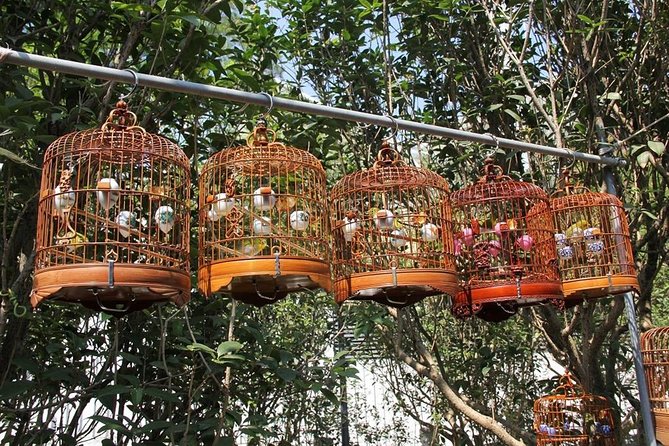
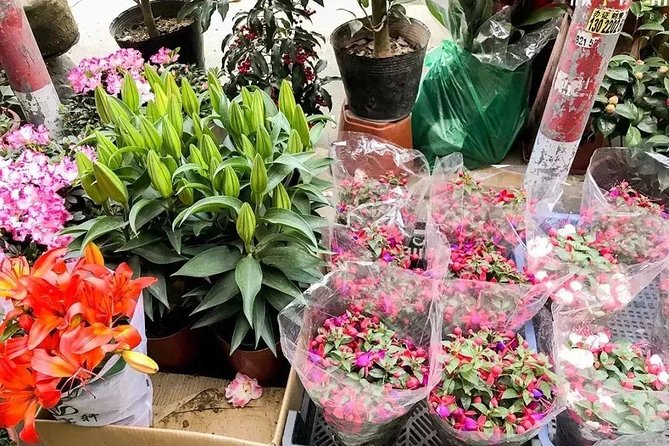
Your first stop is Shilihe Culture, a local market known for flowers, plants, fish, insects, and precious stones. The attraction here is sensory rather than historic. You can expect colorful displays, unusual animals and plants, and rows of products that are difficult to understand from a quick independent visit.
The flower and plant section gives the market a calm, decorative side. The fish area adds movement and color, with many species on display. The insect section brings a more unexpected touch, while the precious stones add another reason to browse slowly.
You have about an hour here. That is enough to get a clear sense of the place, but it is not a long shopping session. If you want photographs, take them early and keep your group together. The tour description says admission is free, so there is no entry charge to weigh against the time spent.
This is also where a guide can make the biggest difference. A market filled with unfamiliar products can become a blur of color without context. Your guide can explain what you are seeing and help with basic shopping questions. The supplied guide names include Ranee, Alice, Lucy, Linda, Miko, and Sherry, though the person assigned to your booking will vary.
The market may be less appealing if you want polished shops or a quiet cultural site. It is a working local market, not a staged attraction. Dress for the weather, since the tour operates in all conditions, and wear shoes that are comfortable for standing and walking.
Panjiayuan and the pleasure of looking closely
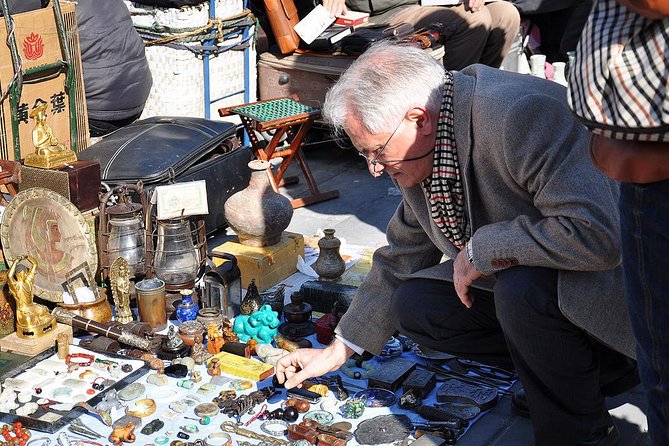
Panjiayuan Antique Market is the most rewarding stop for anyone who enjoys browsing without a fixed shopping list. Sellers offer jewelry, ceramics, calligraphy, teapots, ethnic clothing, Buddha statues, paper lanterns, Cultural Revolution memorabilia, and furniture linked to the Ming and Qing periods.
You should approach the market with curiosity, not certainty. The range is broad, and the tour description itself points to sought-after antiques as well as handmade crafts and artworks. If you are hoping to buy a genuine period object, ask your guide for help and treat confident claims from sellers with care. The tour gives you shopping advice, but it does not promise that every item is authentic.
The market is especially important to schedule well. It is open during the weekend, and weekends tend to bring more stalls and a livelier selection. If Panjiayuan is your main reason for booking, a weekend departure is the sensible choice. On a quieter day, you may still find interesting objects, but the full market atmosphere may not be there.
The standard stop lasts about an hour. That can go quickly. One of the useful features of a private tour is flexibility. If you become absorbed in the market, a guide such as Miko can adjust the plan and allow more time, as long as the rest of the schedule permits. If antiques are not your priority, you can keep the visit brief and protect more time for 798.
Bring a sense of proportion to the shopping. Panjiayuan is best treated as a place to look, compare, ask questions, and enjoy the variety. You may find a memorable souvenir, but the experience does not depend on buying anything.
Lunch or dinner with the route built around your day
The start time changes the shape of the tour. Pickup is offered at 9 a.m., 11 a.m., noon, or 1 p.m. Morning departures include a Chinese lunch before the visit to 798 Art Zone. Afternoon departures include dinner at a local restaurant after the art district.
That gives you a practical choice. A 9 a.m. start gives you the longest feeling of a day out and leaves the evening free after hotel drop-off. A 1 p.m. start may suit you if you prefer a slower morning, though you should expect the tour to run into the evening.
Specific restaurant details are not provided, so you should not book this tour expecting a named dining venue or a particular regional menu. You can advise the operator of dietary requirements when booking. That is worth doing early, especially if your group has restrictions.
The meal is valuable mainly because it keeps the route simple. You do not need to stop and arrange food between markets. It also gives you a chance to ask your guide about the places you have seen, local customs, or the day’s next stop.
More flower and flea markets in Beijing:
- Full-Day Private Tour Panjiayuan Antique Market and Beijing Capital Museum
★ 5.0 · 3 reviews - Beijing Culture Tour to Antique Market and Cloisonné Workshop
★ 5.0 · 2 reviews - Bangkok: Night Bike Tour with Temples & Flower Market Visit
★ 4.8 · 751 reviews - Bangkok: Night Bike Tour with Temples & Flower Market Visit
★ 5.0 · 223 reviews
798 Art Zone and Beijing’s creative side
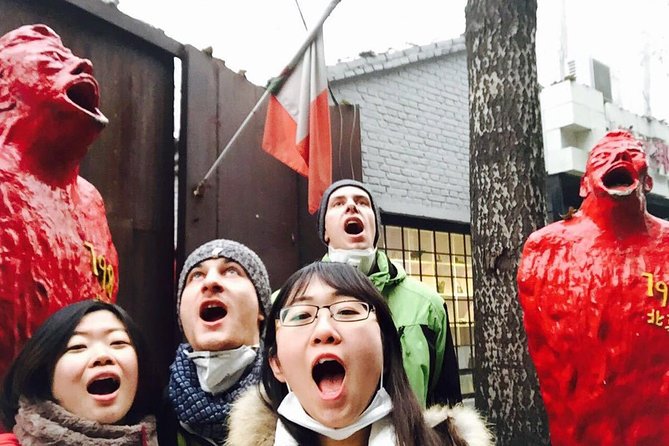
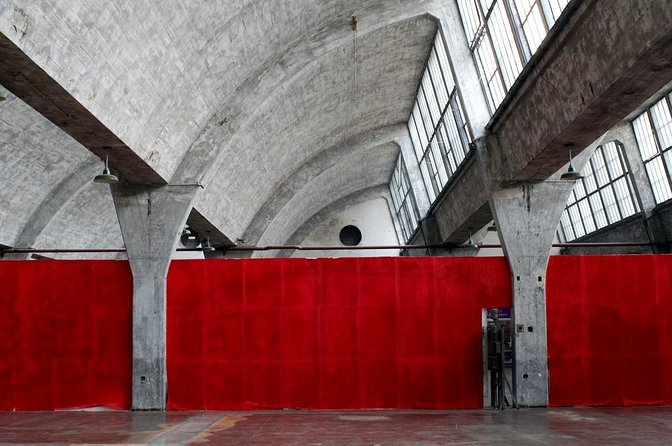
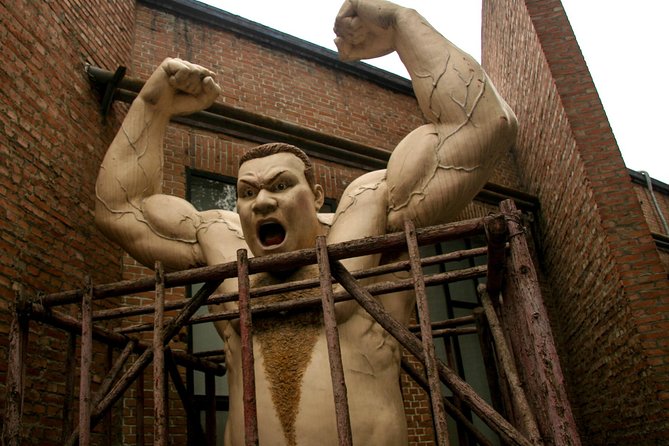
798 Art Zone changes the tone completely. After the traditional goods and market stalls, you move into a district known for contemporary art galleries, boutiques, coffee shops, bars, and restaurants.
The setting is described as quirky and contemporary, and that is a useful way to think about it. This is not a single museum with a fixed route. It is an area to walk through, look around, and choose which galleries or shops deserve your attention.
You have about an hour listed for this stop, but that is the part of the schedule most likely to feel short. There are galleries to enter, public spaces to inspect, boutiques to browse, and cafés that invite a slower pause. One direct account of the experience specifically wished for more time here, which fits the layout: a district is harder to cover than a single attraction.
If contemporary art interests you, ask your guide to protect time for the galleries rather than letting the market visit consume the whole afternoon. If shopping is your main interest, the boutiques may appeal more than the exhibition spaces. Your guide can help direct the visit, but the tour cannot guarantee which exhibitions will be open on the day.
The art zone is also a good contrast to the markets. Panjiayuan looks backward through objects, collecting, and traditional crafts. 798 looks forward through modern art, design, cafés, and changing gallery displays. Seeing both in one day gives the tour a clear shape rather than feeling like three unrelated stops.
What the private guide adds
You can visit markets without a guide, but the experience is harder to manage when you do not speak the language or know how the districts work. A private guide gives you someone to answer questions in English, explain unfamiliar products, and help you decide where to spend your limited time.
The guide quality appears to be the most important part of this experience. Ranee is described as someone who gave useful context in both the markets and galleries. Alice helped with lunch and added a stop at the Silk Market, including an explanation of silk production. Lucy was praised for making local markets easier to visit independently, while Linda was appreciated for answering questions about Beijing and China.
Miko’s flexibility is especially useful at Panjiayuan, where a quick look can easily become a longer search for a particular object. Sherry and driver Zhang, also written as Zang in one account, handled a punctual pickup and visits to the markets and art district.
These details do not guarantee which guide you will receive. They do show what to value when the tour begins: clear English, cultural explanation, shopping help, and a willingness to adjust the schedule. Tell your guide early if you care most about antiques, plants, art, food, or photography.
A private guide is also useful for travelers who dislike forced shopping. You can explain that you want to browse without buying, or that you prefer art galleries over souvenirs. The experience is not a fixed group circuit, so your interests should have room to shape the day.
Transport, timing, and practical comfort
Hotel pickup and drop-off are included, which removes one of the main annoyances of linking three spread-out parts of Beijing. You travel by private vehicle, and only your group participates.
That setup is convenient for families and small groups. Children must be accompanied by an adult, and most people can take part. The tour is not presented as physically difficult, but you should expect walking and standing in markets and the art district.
Pickup times are listed as 9 a.m., 11 a.m., noon, and 1 p.m. The exact schedule depends on the option chosen at checkout. Since the tour lasts about six hours, allow enough time afterward for the hotel return rather than booking a tight evening appointment.
Dress for the weather. The tour runs in all weather conditions, and the markets and art zone are not described as fully indoor attractions. Comfortable shoes and a light layer are sensible choices.
The experience is booked, on average, about 15 days ahead. That is not a rule, but it suggests you should reserve early if you need a particular date, especially a weekend for Panjiayuan.
Who gets the most value from this tour
I would recommend this tour to you if you want local markets and modern art in the same outing. It is a good choice for repeat visitors, shoppers who want guidance, families who prefer a private vehicle, and anyone curious about ordinary city life beyond the major monuments.
It is also a strong option if you want to ask many questions. The guide can explain what you see as you go, rather than leaving you to interpret unfamiliar products and signs alone.
I would think twice if your main goal is serious antique buying. The market visit is brief, and the tour does not promise expert authentication. I would also hesitate if 798 Art Zone is your top priority, since one hour may leave you wishing for more time.
You can cancel for a full refund if you do so at least 24 hours before the start time. Changes or cancellations made inside that window are not accepted for a refund. Keep that cutoff in mind before committing to a weekend schedule.
Should you book the six-hour Beijing market and art tour?
Book it if you want a private, practical introduction to three very different parts of Beijing: the colorful Shilihe market, the collectible-filled stalls of Panjiayuan, and the contemporary galleries of 798.
The best version of the day is a weekend booking, an early start, and a clear conversation with your guide about priorities. Ask for more time at Panjiayuan if antiques matter most, or protect the final hour for 798 if modern art is your reason for coming.
At $158 per person, the value rests in the private transport, meal, guide, and flexibility rather than admission tickets. For a small group that wants help making sense of Beijing’s less familiar corners, that can be a fair price. If you prefer to browse independently and use public transport, you may find the cost harder to justify.
FAQ
How long does the tour last?
The experience lasts approximately six hours.
What pickup times are available?
Pickup is offered at 9 a.m., 11 a.m., noon, or 1 p.m., depending on the option selected at checkout.
Is hotel pickup and drop-off included?
Yes. Hotel pickup and return transport are included, using a private vehicle.
Is lunch or dinner included?
Yes. Morning departures include lunch, while afternoon departures include dinner at a local restaurant.
When is Panjiayuan Antique Market liveliest?
Panjiayuan tends to have more stalls and activity on weekends. The tour information advises planning this stop during the weekend if you want the fullest market selection.
Is the tour private?
Yes. Only your group participates, and a private guide accompanies you.
Can I cancel for a full refund?
Yes, if you cancel at least 24 hours before the experience start time. Cancellations or changes made less than 24 hours before the start time are not accepted for a refund.
More Private Market Tours in Beijing
- Private Distinctive Market Tour with Shaomai Lunch and Full Massage in Beijing
★ 5.0 · 2 reviews - 3-Hour Private Shopping Tour at Panjiayuan Market from Beijing
★ 5.0 · 2 reviews - Cairo 8 Hour Private Tour of Pyramids, Egyptian Museum and Bazaar
★ 5.0 · 2,931 reviews - Private Excursion to Maeklong Railway and Floating Markets
★ 5.0 · 850 reviews
More Fish Market Tours in Beijing
- Tokyo Tsukiji Fish Market Food and Culture Walking Tour
★ 5.0 · 3,184 reviews - Tokyo: Tsukiji Fish Market Food and Walking tour
★ 5.0 · 1,724 reviews - Tokyo: Tsukiji Fish Market Guided Walking Tour
★ 4.9 · 1,397 reviews - Tokyo Sushi Making Class in Tsukiji with Professional Chef
★ 5.0 · 1,177 reviews
Just added around Beijing
- Private Tour to Pearl Market Acrobatic Show & Peking Duck Dinner★ 5.0 · 5 reviews
- Private Distinctive Market Tour with Shaomai Lunch and Full Massage in Beijing★ 5.0 · 2 reviews
- Small Group Beijing Temple of heaven and Summer Palace with Pearl market★ 5.0 · 3 reviews
- Half Day Tour:Market Shopping Acrobatic Show & Peking Duck dinner★ 5.0 · 2 reviews
- Lama Temple, Hutong and Silk & Pearl Market Private Day Tour★ 5.0 · 5 reviews
- Full-Day Private Tour Panjiayuan Antique Market and Beijing Capital Museum★ 5.0 · 3 reviews
- Beijing Culture Tour to Antique Market and Cloisonné Workshop★ 5.0 · 2 reviews
- Dumpling Cooking Class and Local Market Tour★ 5.0 · 3 reviews
Fish Market Tours, compared.
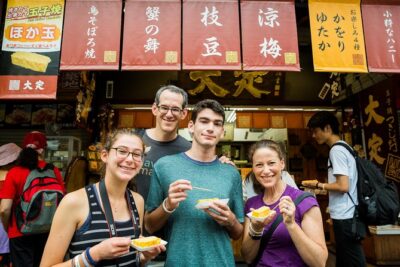
Tokyo Tsukiji Fish Market Food and Culture Walking Tour
Read our review →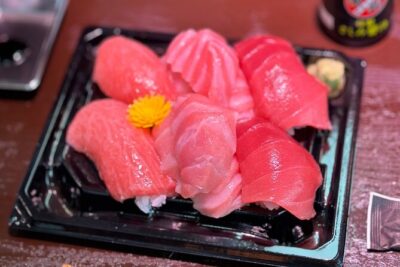

Tokyo Sushi Making Class in Tsukiji with Professional Chef
Read our review →
Tsukiji Fish Market Guided Tour and Sushi Making with Pro Chef
Read our review →Tsukiji Fish Market Food and Culture Walking Tour
Read our review →
Tsukiji Fish Market: Street Food & Culture Walking Tour
Read our review →
Tsukiji Fish Market Small-Group Food Walking Tour
Read our review →Browse the lists this tour appears in