Review · MARKET TOURS
Taste Bucharest: A Food Lover’s Tour of Markets & Neighbourhoods
Bucharest’s best food stories are found away from polished restaurants. This five-hour outing takes you from the National Theatre through old neighborhoods and Armenian streets to Obor Market, where you’ll taste Romanian cheeses, smoked meats, spreads, mici, and seasonal produce. A short tram ride adds a useful local touch.
I like two things in particular. First, the food comes with context: you learn why a church, house, market, or Communist-era street matters before sitting down to eat. Second, the small group, capped at 12, gives guides such as Angelica, Julian, Mihaela, Bogdan, and Andrea room to answer questions and adjust the pace.
The main consideration is that this is not a tour built around steaming bowls of ciorbă or stuffed cabbage. The tastings lean toward cold platters, cheeses, dips, sausages, market produce, and sweets, with a few drinks. You’ll also walk about 6 kilometers, so comfortable shoes are essential.
Key points to know before booking
- Obor Market is the food center of the day: Expect market produce, traditional goods, mici, and local snacks in one of Bucharest’s most useful food stops.
- The tour mixes food with city history: The National Theatre, Batiștei Street, Batiștei Church, the Armenian Quarter, and Communist-era Bucharest all form part of the route.
- You taste more than you simply look: The menu can include cheeses, zacusca, bean spread, fish roe, sausages, bacon, cracklings, vegetables, pickles, and a Wallachian doughnut.
- Romanian drinks are part of the experience: You can usually expect a shot of tuica and up to three beers, with soft drinks, coffee, or tea available as non-alcoholic choices.
- It is an active half-day: Plan on roughly five hours, 6 kilometers on foot, and a short tram ride through Bucharest.
- The value depends on your food expectations: At $102.79 per person, the price makes more sense if you want a guided neighborhood tour, transport, history, and several tastings rather than a restaurant meal.
Why this Bucharest food tour feels different
Many city food tours stay close to the center and move between restaurants. This one uses food as a reason to reach parts of Bucharest you might not otherwise visit. You begin among central landmarks, then move through residential streets, old religious sites, and a market used for ordinary shopping.
That combination is the tour’s strongest idea. I like learning about a city while walking to lunch, and here the buildings and streets are not filler between bites. The guide explains Bucharest’s political past, its changing neighborhoods, and its food customs as the route unfolds.
The tone also depends heavily on the guide. Angelica is praised for her warmth and care with the group. Julian brings humor and strong English skills. Mihaela, Bogdan, Andrea, Andreea, Elena, Daniel, and Alex are also named as friendly and engaging guides. You should expect the exact personality and pace to vary, but the small-group format gives your guide a good chance to make the day feel personal.
More food and drink tours in the world:
- Dubai: Old Town, Creek, Museums, Souks, & Street Food Tour
★ 4.8 · 10,816 reviews - Dubai: Old Town, Souks, Street Food, Guided Tour & Abra Ride
★ 4.9 · 7,170 reviews - Bangkok by Night: Temples, Markets and Food Tuk-Tuk Tour
★ 5.0 · 3,752 reviews
Starting at the National Theatre and the Romanian Revolution
The meeting point is the Ion Luca Caragiale National Theatre on Bulevardul Nicolae Bălcescu. The first stop lasts about 15 minutes and focuses on the theatre’s role during the Romanian Revolution and the street fighting that shaped Bucharest.
This is a useful opening because it gives the city a political frame before the food begins. You are not just walking past a major building. You are hearing how public spaces in central Bucharest became connected to national change.
The stop is short, so do not expect an extended theatre visit or an interior performance tour. The value is in the explanation of the surrounding streets and their place in modern Romanian history.
Batiștei Street, old embassies, and Neo-Romanian design
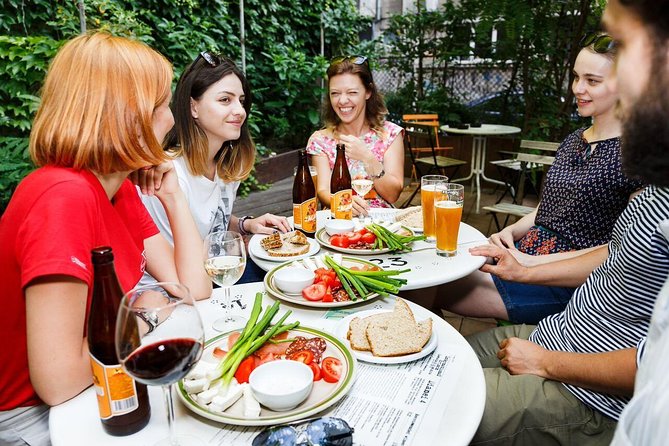
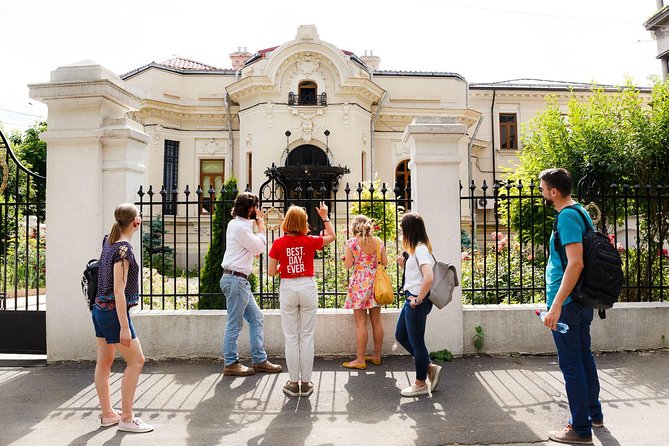
From the theatre, the route continues to Strada Batiștei for about 20 minutes. This street once housed the old American embassy, and the guide points out 19th-century buildings and Neo-Romanian architectural details.
I like this part because it helps you notice Bucharest’s mixed visual character. The city is not presented as one tidy architectural style. Instead, you see older homes and public buildings alongside later changes, with the guide explaining why the area matters.
The next stop is Batiștei Church at Strada Batiștei 19. You spend about 15 minutes learning about the church’s place in Romanian Orthodox heritage. This is another brief cultural stop, but it adds balance to the food portions and gives the route a sense of place.
If you prefer a tour that gets to eating within the first few minutes, this opening stretch may feel slow. If you want food tied to architecture and local events, it is one of the reasons to choose this outing.
The Armenian Quarter and Bucharest’s oldest documented house
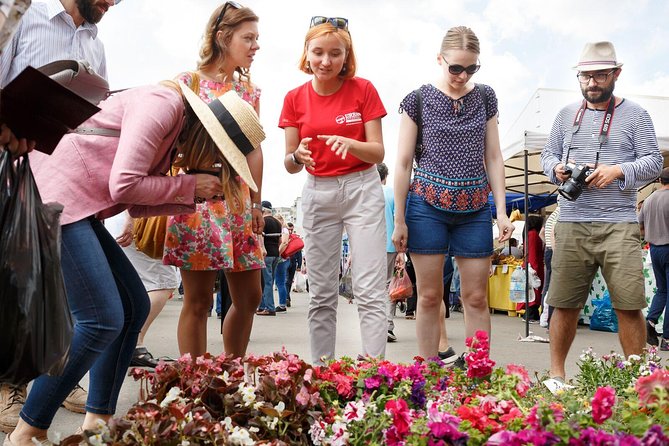
The Armenian Church and the surrounding Armenian Quarter receive about an hour. This is one of the longer walking sections, and it gives you time to look beyond the main tourist streets.
The area is noted for its varied architecture and for Bucharest’s oldest documented house. That detail makes the stop more than a quick photograph. You get a look at a part of the city shaped by a community with its own religious and cultural presence.
Your guide may spend more time on history here than you expect. One person who took the tour felt the history portion ran long, even while enjoying the guide. That is a fair warning: this is a food and culture walk, not a nonstop tasting crawl.
Still, the historical information can be useful later. When you reach the market and see the food as part of daily life, the earlier discussion helps connect the city’s neighborhoods with its people.
A few more market tours around the world worth a look
- Chef Guided Food Tour of Pike Place Market
★ 5.0 · 3,733 reviews - Tokyo Tsukiji Fish Market Food and Culture Walking Tour
★ 5.0 · 3,184 reviews - Bangkok: Markets, Temples and Food Night Tour by Tuk Tuk
★ 4.9 · 2,371 reviews - London Bridge & Borough Market Food Tour with 7 Authentic Dishes
★ 5.0 · 1,972 reviews
Riding along Calea Moșilor to Obor
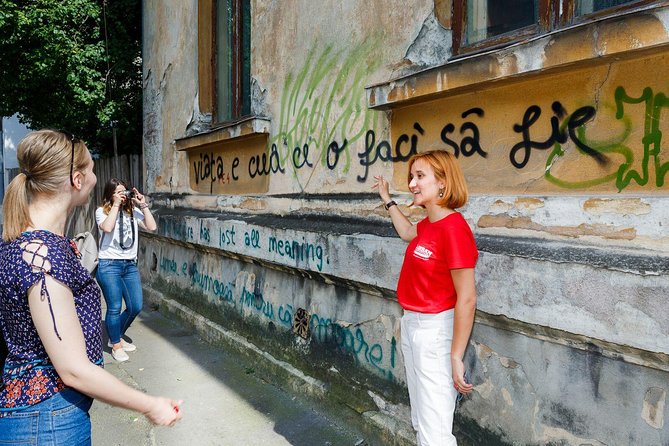
At Calea Moșilor, you take a short ride on Bucharest’s public transport, including a tram segment, toward Obor Market. This is a simple but effective change of pace.
The tram is not a sightseeing vehicle. You use it as local residents do, moving from central Bucharest toward a large market district. That makes the route feel less staged and gives you a glimpse of the city beyond its central monuments.
Public transport also matters because it saves your legs for the market and food stops. Even so, the full outing covers about 6 kilometers on foot, so the tram does not turn this into an easy, low-walking activity.
Obor Market: the heart of the food experience
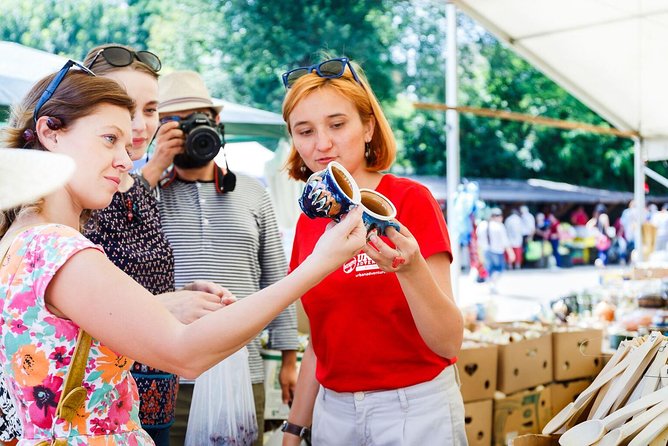
You spend about 1 hour and 40 minutes around Piata Obor, the longest stop of the day. This is where the tour’s food purpose becomes clearest.
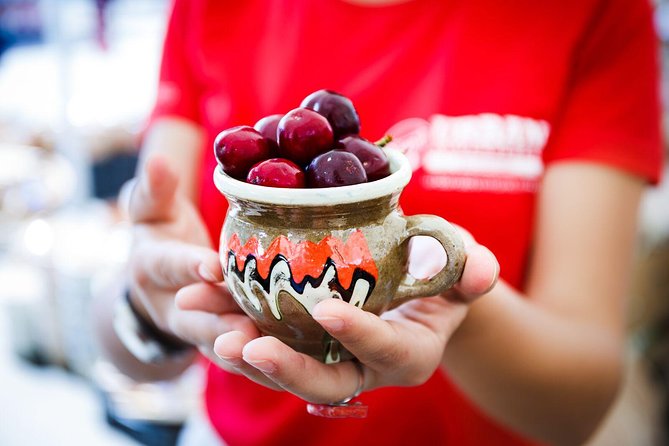
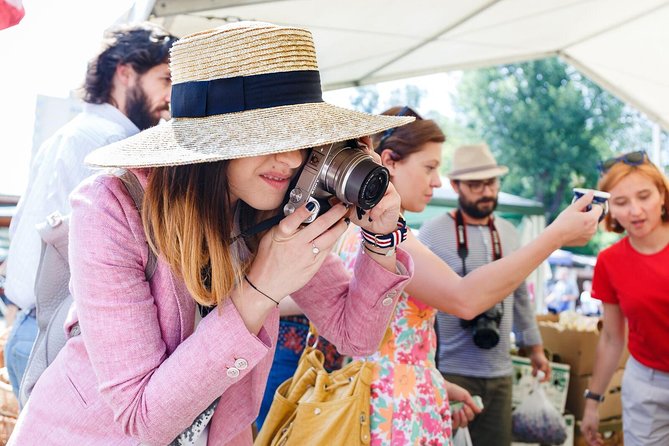
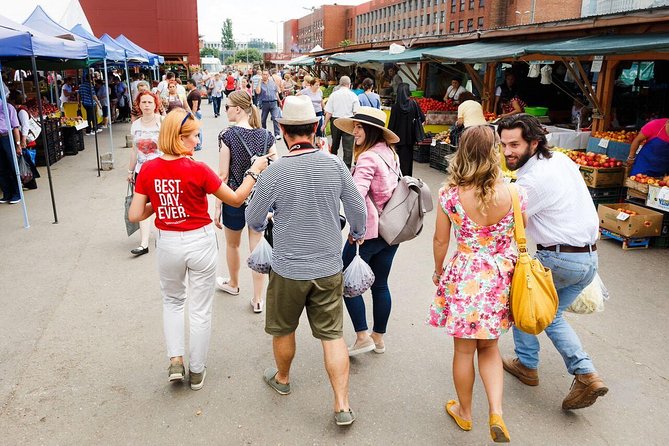
Obor is a working market filled with produce, traditional goods, deli items, and street food. The guide helps explain the different sections and points out ingredients that may be unfamiliar if you do not know Romanian cooking. Seasonal items can include wild strawberries, wild garlic, spicy pickles, watermelon, or grapes.
The market portion is valuable even before you eat. You see how food is bought, sold, and discussed in Bucharest. Guides have also been known to buy fresh vegetables for later tasting, which gives you a more direct connection to the stalls and vendors.
You may also have time to shop for traditional items. The exact opportunity depends on the day’s pace and the route, but Obor is the place to ask questions about local produce and food customs.
What you are likely to eat
The food is generous in variety, but it is not mainly a hot meal. The central tasting can include a peasant platter with:
- Aubergine dip
- Zacusca
- Whipped beans
- Fish roe
- Telemea and burduf cheeses
- Cow, sheep, and goat cheeses
- Sausages
- Smoked bacon and cracklings
- Red onions, tomatoes, and toast
This is the kind of spread that works best when you are willing to try several small portions rather than wait for one signature dish. The cheeses show how much Romanian food depends on milk from different animals. The spreads and smoked products offer a useful introduction to pantry foods that are easy to miss on a standard restaurant menu.
The famous hot item is mici, grilled skinless sausage served with mustard. This is often the food moment people remember most, especially at Obor, where the dish is a local favorite. You may find a line at the market’s popular mici counter, though the tour’s arrangements can make the stop easier than trying to work out the market alone.
The final sweet is usually a Wallachian doughnut. It provides a simple finish after the salty meats and cheeses, and several guides have made this last stop a memorable part of the day.
The menu changes with the season and what is available. You should not book this expecting cabbage rolls, soup, or a full restaurant lunch. One participant found the food portion disappointing for exactly that reason, despite enjoying the guide and the history. The description of the experience points more toward cold foods, market produce, mici, drinks, and a doughnut.
Romanian beer, tuica, and non-alcoholic choices
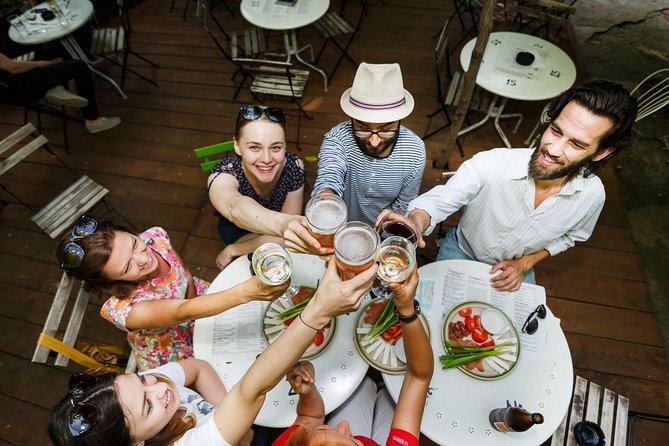
Drinks are included, which improves the value for many people. You can usually expect a shot of tuica, Romania’s fruit brandy, and up to three beers. Soft drinks, coffee, or tea are available as non-alcoholic alternatives.
The tuica is a small but important cultural taste. It is strong, so pace yourself, especially if you are also sampling several beers. The tour is not simply a series of alcohol stops, but the drinks help explain how Romanian food is often enjoyed socially.
Exact drink offerings may change with availability. If you do not drink alcohol, tell the provider in advance and use the soft drink, coffee, or tea options.
How the $102.79 price compares with the experience
At $102.79 per person, this is not the cheapest way to eat in Bucharest. You could buy mici, beer, pastries, and market snacks for far less if you already knew where to go and how to order.
The price makes more sense when you count the whole package: roughly five hours with a guide, historical explanations, several food stops, included drinks, market interpretation, and public transport between neighborhoods. You are paying for access and structure as much as for the food itself.
A small group of up to 12 also matters. You are less likely to lose the guide’s explanations in a crowd, and the guide can usually answer questions about ingredients, buildings, or the city. Private departures are also offered, which may suit families or groups wanting more control over the pace.
I would choose this tour early in a Bucharest visit. It can help you understand what foods to order later and show you areas that are easy to miss from a central hotel. If your main goal is a large, hot Romanian lunch, the price will feel less convincing.
Walking, timing, and practical comfort
The tour lasts about five hours and includes roughly 6 kilometers of walking. Wear comfortable shoes, and expect some standing at market stalls and food stops.
The meeting point is the National Theatre. The tour ends at Piata Sf. Gheorghe, near Saint George Square and Unirea Square, so you do not return to the starting point. That ending is useful if you plan to continue exploring central Bucharest afterward.
The activity is near public transport, and most people can take part. Still, the walking distance and tram ride make it less suitable if you need a mostly seated experience.
Food and route details can change on the day. Seasonal produce, open businesses, market conditions, and what is fresh may affect the final schedule. If you have allergies, gluten intolerance, or follow a vegetarian or vegan diet, give at least 24 hours’ notice. The provider will try to help, but options may be limited.
Who should book it
I would recommend this for a first visit to Bucharest, especially if you want the city explained by a local rather than reduced to a list of monuments. It suits people who enjoy trying unfamiliar foods, walking through ordinary neighborhoods, and learning the story behind a market.
It is also a good choice if you have only a short stay. In one half-day, you cover architecture, Romanian political history, religious heritage, public transport, and local food.
You may want something else if you are vegetarian, dislike offal or cured foods, avoid alcohol, or want a tour centered on cooked regional dishes. Some alternatives may be possible with advance notice, but the food selection is built around cheeses, meats, spreads, sausages, produce, and drinks.
Should you book Taste Bucharest?
Book it if you want food and neighborhood discovery in equal measure. The strongest parts are the small group, the trip to Obor Market, the chance to taste Romanian staples in context, and guides who bring humor and personal local knowledge to the walk.
Skip it if you want a formal sit-down meal or a menu built around soup and cabbage rolls. At 4.9 out of 5 from 689 ratings, with 98 percent recommending it, the experience has a strong record, but the right expectation matters. Think of it as a guided introduction to Bucharest’s food culture, not a five-hour restaurant feast.
FAQ
How long does the Taste Bucharest tour last?
The tour lasts approximately five hours.
How much walking is involved?
You walk about 6 kilometers during the experience. Comfortable walking shoes are recommended.
Does the tour use public transportation?
Yes. The route includes Bucharest public transport, including a short tram ride along Calea Moșilor toward Obor Market.
Where does the tour start?
It starts at the Ion Luca Caragiale National Theatre, Bulevardul Nicolae Bălcescu 2, Bucharest.
Where does the tour end?
The tour ends at Piata Sf. Gheorghe, near Saint George Square and Unirea Square.
What food is included?
Typical tastings can include Romanian cheeses, aubergine dip, zacusca, whipped beans, fish roe, sausages, smoked bacon, cracklings, vegetables, pickles, toast, mici with mustard, seasonal produce, and a Wallachian doughnut.
What drinks are included?
The tour usually includes a shot of tuica and up to three beers. Soft drinks, coffee, or tea are available as non-alcoholic alternatives.
Can dietary restrictions be accommodated?
You should notify the provider at least 24 hours in advance about allergies, sensitivities, vegetarian or vegan diets, or gluten intolerance. Accommodation is attempted, but choices may be limited.
What is the group size?
The tour has a maximum of 12 people. Private options are also available.
Can the food and route change?
Yes. The route, stops, and food can change based on seasonal availability, freshness, and what is accessible on the day.
Just added around the world
- Three-Hour Private Chengdu Tea Wholesale Market Tour★ 5.0 · 4 reviews
- Half-day Dandan Noodles Cooking Class with a Local Market Visit★ 5.0 · 8 reviews
- Chania: Old Town, Public Market, Hill of Prophet Elias, Agia Triada★ 5.0 · 35 reviews
- Moroccan Cooking Class with a Local Family & Market Visit★ 5.0 · 16 reviews
- Chania Old Town, Public Market and Chrisopigi Monastery Tour★ 4.5 · 6 reviews
- 3-Hour Herbal Wholesale TCM Market and a Local Wet Market Tour★ 5.0 · 4 reviews
- Food Tasting & Market Shopping: Private Guided Tour in PORT LOUIS★ 4.5 · 9 reviews
- Charleston International Sweet Treats & Historic City Market Tour★ 5.0 · 22 reviews
Food & Drink, compared.

Old Town, Creek, Museums, Souks, & Street Food Tour
Read our review →
Old Town, Souks, Street Food, Guided Tour & Abra Ride
Read our review →
Bangkok by Night: Temples, Markets and Food Tuk-Tuk Tour
Read our review →
Tokyo Tsukiji Fish Market Food and Culture Walking Tour
Read our review →
Markets, Temples and Food Night Tour by Tuk Tuk
Read our review →
London Bridge & Borough Market Food Tour with 7 Authentic Dishes
Read our review →