
Review · TBILISI
Join a Local for a Market Tour, Cooking Class and Meal in her Tbilisi Home
Tbilisi’s best food lesson may begin not in a classroom, but among the stalls of Dezerter Bazaar, where Tina helps you choose the produce, spices, and other ingredients for your meal. You then head to her family home near Tbilisi Mall to cook and eat together.
I like the personal choice built into this four-hour experience: you can help decide what to prepare instead of following a fixed demonstration. I also like the home setting, where Georgian food comes with family conversation, homemade wine, and practical kitchen tips. The main consideration is that the class can feel informal and unstructured, and Tina, rather than her daughter Teona, is currently the host.
Key points to know before booking
- Dezerter Bazaar comes first: Spend about an hour exploring one of Tbilisi’s major food markets with Tina.
- You help choose the menu: The dishes may include khachapuri, khinkali, chakhokhbili, lobio, mchadi, walnut dip, or other seasonal foods.
- Tina hosts the home portion: Older descriptions may show or name Teona, but Tina currently leads the experience.
- This is a private activity: Only your own group participates, with a personalized cooking session in Tina’s home.
- Local drinks are part of the meal: Expect non-alcoholic beverages and one or two glasses of Georgian alcohol, sometimes including homemade wine.
- Plan your route carefully: You meet at Dezerter Bazaar and finish near Tbilisi Mall. Hotel transport is not included.
From Dezerter Bazaar to Tina’s kitchen
The experience starts at Dezerter Bazaar on Abastumani Street. This is a useful place to begin because Georgian cooking depends heavily on fresh produce, herbs, walnuts, cheese, chicken, beans, cornmeal, and spice blends. Rather than simply hearing about those ingredients, you see them in their everyday setting.
Tina leads you through the market for about an hour. You might encounter piles of fruit and vegetables, dried goods, spices, pickles, bread, and other foods used in Georgian homes. The market is not arranged as a polished cooking-school display, so you should expect a real working food market with its own rhythm and distractions.
The shopping has a practical purpose. You may choose some of the ingredients that will later appear in your meal. In some cases, Tina may ask what Georgian foods you want to try before you shop. This makes the market visit more than a sightseeing stop. It gives you a better sense of how a home cook selects ingredients and adjusts a meal to suit the season.
I especially like this part for first-time visitors to Georgia. You get a quick introduction to local food habits without spending hours wandering the market alone. Tina can help you identify unfamiliar produce, spices, and cuts of meat, while also explaining what will work best in the recipes.
The drawback is that market shopping is not a fully scripted performance. If you want a polished tour with a fixed sequence and formal explanations at every stall, this may feel loose. That informality is part of the appeal, but it also means the exact experience can vary.
More market cooking classes in the world:
- Hanoi Cooking Class: Culture, Local Market & Meaning CSR Impact
★ 5.0 · 5,147 reviews - 5 Traditional Dishes Hanoi Cooking Class with Market Trip
★ 5.0 · 4,890 reviews - Cooking Class and Lunch at a Tuscan Farmhouse with Local Market Tour from Florence
★ 5.0 · 4,831 reviews
Cooking two or three Georgian dishes at home
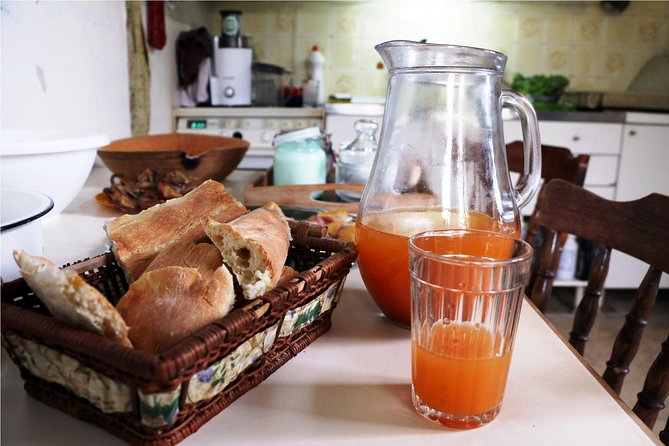
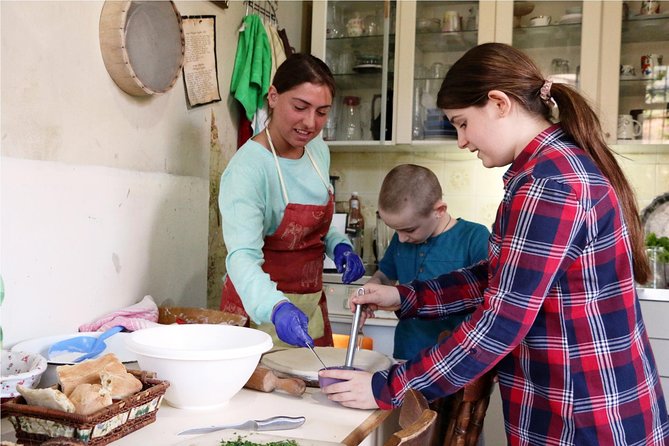
After the market, you continue to Tina’s family home near Tbilisi Mall. The home setting changes the tone completely. You are not standing at a demonstration counter with a large group. You sit in a family kitchen and work with Tina as she prepares the meal.
The advertised plan is to cook two or three typical Georgian dishes. The exact menu depends on the season, your preferences, and the ingredients available. Possible foods include cheese-filled khachapuri, khinkali dumplings, chakhokhbili, lobio, mchadi, walnut dip, chicken dishes, corn-based sides, and different forms of khachapuri.
That flexibility is one of the strongest reasons to book. You can focus on dishes you are most curious about, or let Tina guide you toward foods that show off Georgian home cooking. If you are interested in dumplings, you may work on khinkali. If you prefer a simpler dish to repeat at home, walnut dip or a chicken stew may be a better choice.
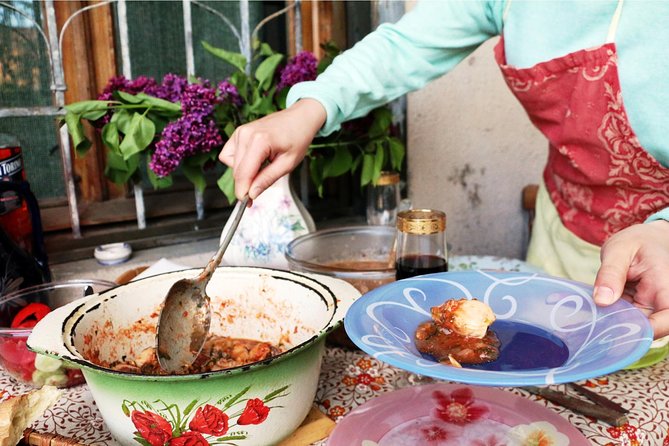
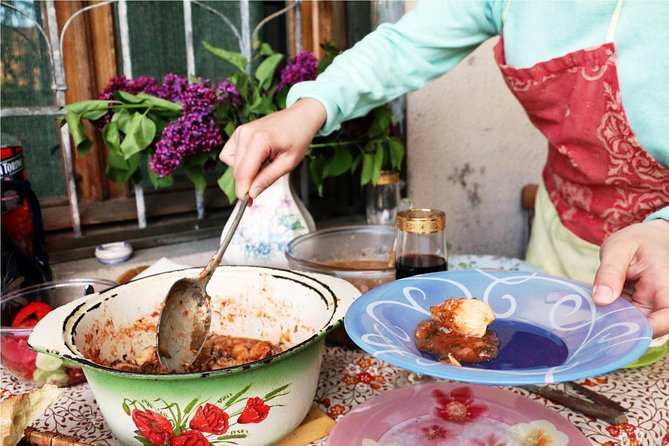
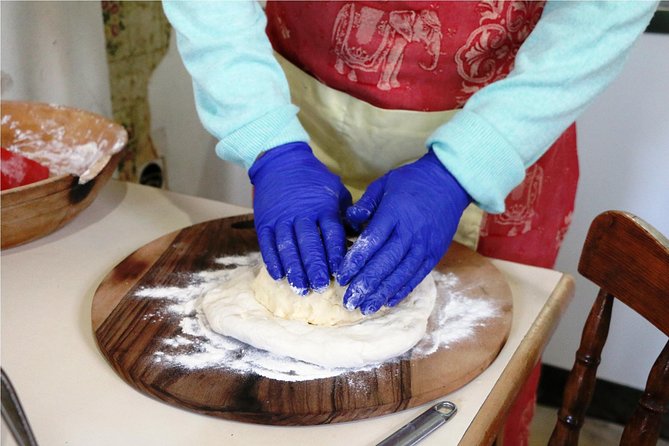
The class is hands-on, but do not expect a formal culinary course with printed lesson plans and precise restaurant-style timing. Tina’s teaching is personal and practical. You may chop vegetables, onions, and garlic, help shape dough, prepare fillings, or work under her supervision while she handles more complex steps.
This approach suits cooks who want usable advice rather than technical theater. You can ask questions as you go, and the recipes are connected to the meal you are about to eat. The experience also gives you a chance to learn how Georgian flavors work together: fresh herbs with chicken, walnuts with vegetables, tangy plum sauce with bread, and cheese with baked dough.
The home may be modest, and the cooking can feel spontaneous. One account describes a large amount of food being prepared while the group sat in the kitchen and talked with Tina’s family. That is worth understanding before you book. You are entering a private family environment, not a commercial studio.
What you may cook and eat
The sample menu begins with khachapuri, Georgia’s famous cheese-filled bread. The style can vary from region to region, so the shape, dough, and filling may not be identical from one visit to the next. It is a good dish for a cooking class because you can see how dough and cheese become a central Georgian comfort food.
Khinkali, the pleated Georgian dumpling, is another possible highlight. Making these dumplings takes more care than simply buying them in a restaurant. You may learn about the filling, folding, and handling needed to keep the juices inside. If you have never eaten khinkali, Tina can also help you understand how Georgians traditionally approach them at the table.
Chakhokhbili is a chicken stew prepared with fresh herbs. It gives you a clearer picture of Georgian home cooking than a single pastry does. The dish depends on slow cooking, herbs, and the balance between savory chicken and fresh flavor.
Other foods that may appear include lobio, a bean dish; mchadi, a cornmeal bread; ghomi, a corn-based side; shkmeruli, a chicken dish; and walnut dip. The walnut spread is particularly useful for home cooks because it can be served with bread, vegetables, or as part of a larger meal. One participant enjoyed it enough to recreate it at home for friends.
The table may also include Georgian pickles, bread, and tkemali, a sharp plum sauce. These extras matter because Georgian meals are not usually built around one isolated main course. Small sides, sauces, breads, and shared plates help create the full flavor of the meal.
Dessert is listed as traditional sweets or dried fruit. The menu can change with the season, so you should treat the sample dishes as examples rather than a promise. Tell the provider about allergies, dietary restrictions, or cooking preferences when you book.
A meal with Tina and her family
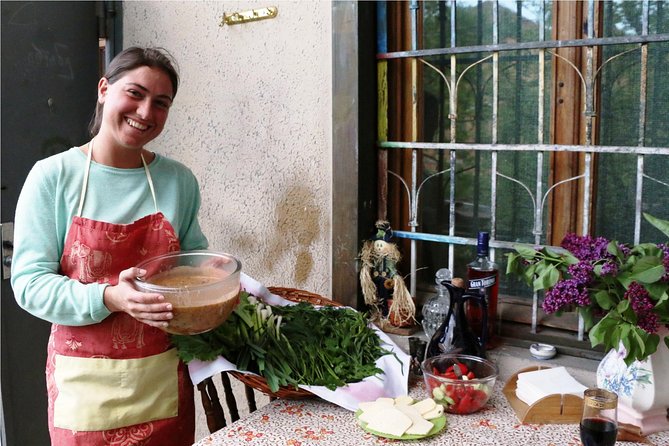
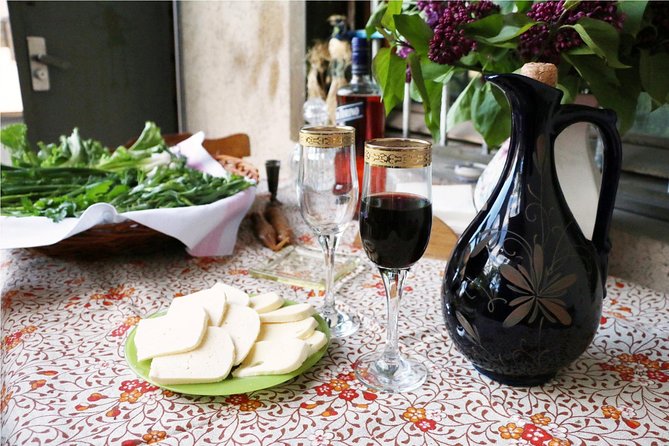
The meal is the emotional center of the experience. After cooking, you sit down with Tina and eat the food you helped prepare. Local alcohol and non-alcoholic drinks are included, with one or two glasses of spirits or wine available as part of the meal.
Georgia is well known for its wine, and the home setting gives the drink a more personal role than a standard restaurant pairing. Some visits have included homemade red wine made by Tina’s husband. The exact drink selection can vary, but the point is to share a Georgian meal in a Georgian home.
Tina’s hospitality receives the strongest praise in the supplied feedback. Her manner is warm and direct, and she may continue talking with you long after the food is finished. One person expected to leave at 1 p.m. and stayed until 4 p.m., chatting about Georgia and family life.
That extra time may be wonderful if you enjoy unhurried conversation. It can also make the four-hour estimate less exact. A home meal does not always end on a stopwatch, so allow room in your schedule after the stated duration.
Family members may be present, and past visits have included introductions to Tina’s husband and children. Some groups have felt comfortable enough to connect their own families by video call. That kind of contact is not a guaranteed part of the booking, but it shows how personal the setting can become.
The experience is best for people who are curious about daily life, not just famous dishes. If you prefer to eat quickly and move on to your next sight, the extended conversation may feel like a delay. If you enjoy sitting at the table and letting a meal unfold, it is a major strength.
More cooking classes in the world:
- Chiang Mai: Cooking Class, Market & Thai Herbs Garden Tour
★ 4.9 · 4,824 reviews - Chiang Mai: Authentic Cooking Class with Market & Farm Visit
★ 4.9 · 4,546 reviews - Barcelona: Paella Cooking Experience & Boqueria Market Tour
★ 4.8 · 3,661 reviews - Cooking Class Hoi An:Local Market, Basket Boat, Fishing & Cooking
★ 5.0 · 3,660 reviews
Why the private format matters
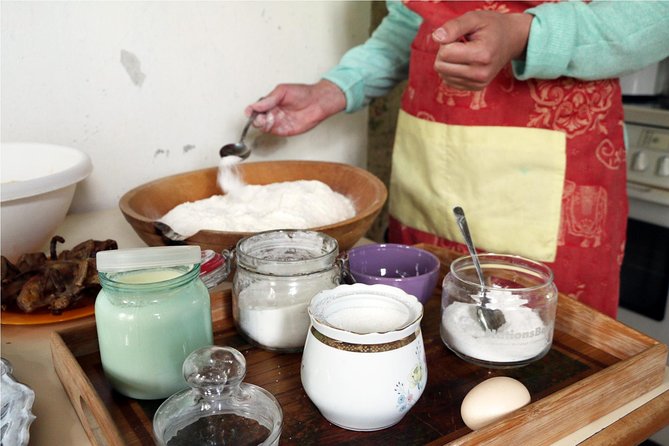
This is a private activity, so only your group participates. That matters in a small home kitchen. You can ask questions without competing with a large class, and Tina can adjust the pace or menu to suit your interests.
A private format also makes the market visit more flexible. You can stop to examine unfamiliar ingredients, discuss what you want to cook, and make choices as a group. For couples, families, or close friends, this can feel more like being invited into a home than joining a standard excursion.
The tradeoff is price. At $189 per person, this is not a budget meal or a quick cooking demonstration. You are paying for a private guide, market visit, instruction, home hospitality, food, drinks, and a highly personal setting. Group discounts are available, which may improve the value for a larger party.
I would compare the price with what you want from a food experience. If you only want to taste khachapuri and khinkali, a restaurant meal will cost less. If you want to learn recipes, shop with a local, and spend time with a Georgian family, the package offers more than food alone.
Getting there and planning the day
You meet Tina at Dezerter Bazaar, 5 Abastumani Street, in Tbilisi. Hotel pickup and drop-off are not included, so you need to arrange your own way to the market.
The experience ends at Tina’s home near Tbilisi Mall, which is not the same place as the meeting point. This is the most important logistical detail. Plan your onward route from the Tbilisi Mall area rather than assuming you will return to central Tbilisi.
The activity is offered in English and includes a mobile ticket. It is near public transportation, but the supplied details do not specify the exact route or travel time between the market and the home. Give yourself a little breathing room before and after the four-hour estimate.
The experience is suitable for service animals. Tell the provider about allergies, dietary needs, and food preferences at the time of booking, since the menu may change by season and will be prepared in a private home.
A note about Tina and the older descriptions
The current host is Tina. Some older descriptions and photographs refer to her daughter Teona, who no longer appears to run the event regularly. This is not a reason to avoid the experience, but it is useful to know before you arrive.
Tina has hosted the activity herself and is the person you should expect to meet at the market and home. If you booked because you specifically wanted to meet Teona, clarify the current hosting arrangement before your visit.
Who will get the most from this experience
I would recommend this for:
- Couples who want a relaxed food-centered afternoon or evening
- Families who enjoy cooking together
- Visitors interested in Georgian home life, not only restaurant dishes
- Curious eaters who want to choose what they prepare
- Home cooks who want recipes they can attempt after returning home
- Anyone comfortable with a flexible schedule and informal hospitality
I would be more cautious if you need a strict timetable, a professional teaching kitchen, a guaranteed menu, or hotel transportation. The experience is personal and adaptable, but those qualities also make it less predictable than a standard group class.
Should you book it?
Book this experience if you want Georgian food with a human connection. The market visit, menu choice, private kitchen, family conversation, and shared meal give you a fuller picture of Tbilisi than a restaurant reservation alone.
The strongest reasons to go are Tina’s hospitality, the chance to select dishes, and the practical cooking help. The main cautions are the $189 price, the informal structure, the possible change in menu, and the finish near Tbilisi Mall rather than at your hotel.
For an independent foodie who values time with locals, I think the experience is worth considering. For a tightly scheduled visitor who wants a polished class with fixed recipes and easy transport, choose a more formal cooking school instead.
FAQ
Where does the experience begin?
You meet Tina at Dezerter Bazaar, located at 5 Abastumani Street in Tbilisi, Georgia.
Where does the experience end?
The experience ends at Tina’s home near Tbilisi Mall.
How long does the experience last?
The approximate duration is four hours. The market portion takes about one hour, followed by the cooking class and meal.
What dishes might I cook?
Possible dishes include khachapuri, khinkali, chakhokhbili, lobio, mchadi, ghomi, shkmeruli, walnut dip, corn dishes, and different types of khachapuri. The menu may vary by season and preference.
Are drinks included?
Yes. The experience includes non-alcoholic beverages and one or two glasses of local alcohol. Homemade wine may be served, but the exact drink selection can vary.
Is hotel transportation included?
No. Hotel pickup and drop-off are not included. You must arrange your own transportation to Dezerter Bazaar and from Tina’s home near Tbilisi Mall.
More Shopping Tours in the world
- Bangkok: Floating Market and Train Market Experience
★ 4.8 · 3,998 reviews - Bangkok: City Highlights Temple and Market Walking Tour
★ 4.5 · 3,990 reviews - Half-Day Railway Market and Floating Market Tour in Thailand
★ 4.5 · 3,924 reviews - Chef Guided Food Tour of Pike Place Market
★ 5.0 · 3,733 reviews
More Markets in the world
- Bangkok: Damnoen Saduak Market and Maeklong Railway Market
★ 4.5 · 26,723 reviews - The Old Siam: Damnoen Saduak and Maeklong Railway Market
★ 4.5 · 10,992 reviews - Bangkok: Train Market & Floating Market with Boat Ride
★ 4.7 · 9,547 reviews - From Bangkok: Ayutthaya & Ayothaya Floating Market Day Trip
★ 4.7 · 6,084 reviews
Just added around the world
- Three-Hour Private Chengdu Tea Wholesale Market Tour★ 5.0 · 4 reviews
- Half-day Dandan Noodles Cooking Class with a Local Market Visit★ 5.0 · 8 reviews
- Chania: Old Town, Public Market, Hill of Prophet Elias, Agia Triada★ 5.0 · 35 reviews
- Moroccan Cooking Class with a Local Family & Market Visit★ 5.0 · 16 reviews
- Chania Old Town, Public Market and Chrisopigi Monastery Tour★ 4.5 · 6 reviews
- 3-Hour Herbal Wholesale TCM Market and a Local Wet Market Tour★ 5.0 · 4 reviews
- Food Tasting & Market Shopping: Private Guided Tour in PORT LOUIS★ 4.5 · 9 reviews
- Charleston International Sweet Treats & Historic City Market Tour★ 5.0 · 22 reviews
Market Cooking Classes, compared.
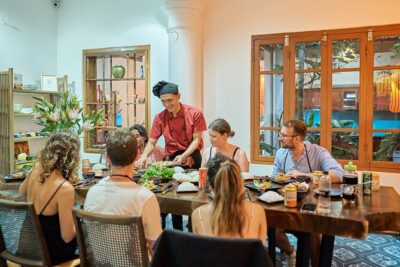
Hanoi Cooking Class: Culture, Local Market & Meaning CSR Impact
Read our review →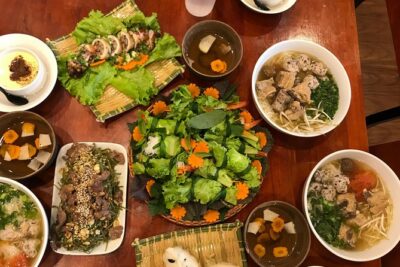
5 Traditional Dishes Hanoi Cooking Class with Market Trip
Read our review →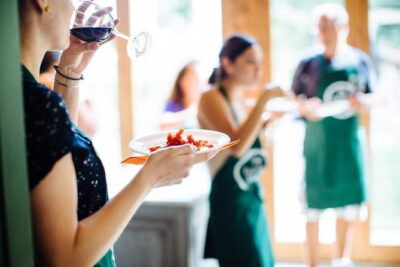
Cooking Class and Lunch at a Tuscan Farmhouse with Local Market Tour from Florence
Read our review →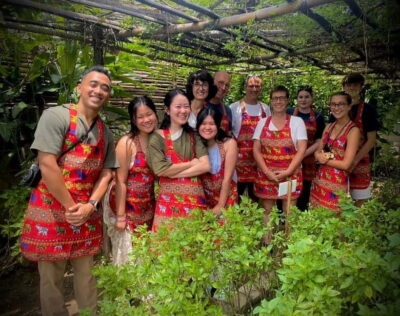
Cooking Class, Market & Thai Herbs Garden Tour
Read our review →
Authentic Cooking Class with Market & Farm Visit
Read our review →
Paella Cooking Experience & Boqueria Market Tour
Read our review →
Cooking Class Hoi An:Local Market, Basket Boat, Fishing & Cooking
Read our review →Browse the lists this tour appears in