
Review · MARKET TOURS
Durban: Local Markets and Culture Guided Walking Tour
Durban’s real character comes into focus in the Warwick markets, where Indian spice stalls, African traders, traditional healers, food sellers, and everyday shoppers share the same crowded lanes. This is not a polished sightseeing loop. It is a close look at how much of Durban shops, travels, eats, and works.
I like the way guide Johnny connects the markets to Durban’s past and present, rather than treating them as a shopping stop. I also like the local combi rides, which turn a simple transfer into part of the day’s cultural lesson. The main consideration is comfort: you will walk about 8,000 steps, spend time in busy market areas, and use minibus taxis instead of a private vehicle.
Key points to know before booking
- Warwick’s many markets in one morning: Visit early morning, bridge, Indian, African, medicine, and Victoria Street markets.
- Johnny’s local connections: He is familiar with the market community and helps you feel at ease while looking around.
- A real local transport lesson: Ride Durban’s minibus combis with your guide rather than moving around in a tourist vehicle.
- Traditional medicine stalls: See herbs, oils, powders, and animal-based products sold within African healing traditions.
- Shopping with practical help: Save spice, souvenir, and local craft buying for the market section, where prices can be far below tourist shops.
- Bunny chow by the sea: The tour ends with Durban’s famous bread-and-curry meal on the North Beach promenade.
Starting in Morningside and getting your bearings
The tour begins at Tekweni Backpackers, at 169 Ninth Avenue in Morningside, just off Florida Road. If you are driving, safe parking is available at the meeting point. Johnny meets you inside the property, which makes the start straightforward.
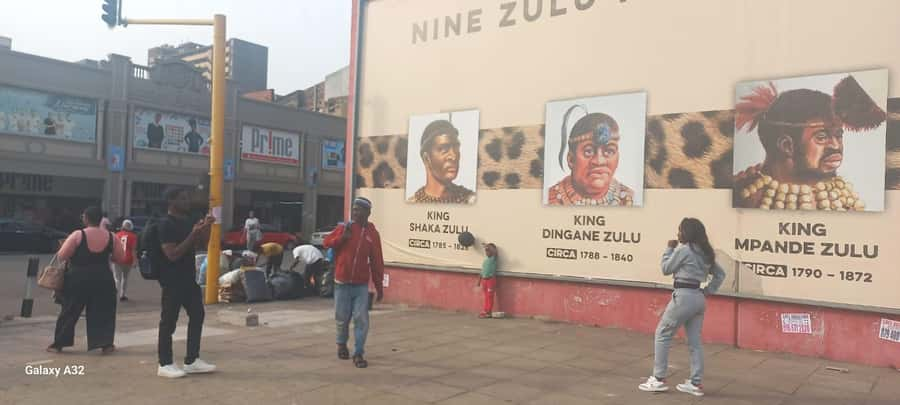
The opening talk sets the city in context before you head toward the markets. Durban is shaped by several communities and traditions, and the tour uses the city itself to explain how those influences meet. You will hear about local history, politics, food, culture, and daily life as you move through town.
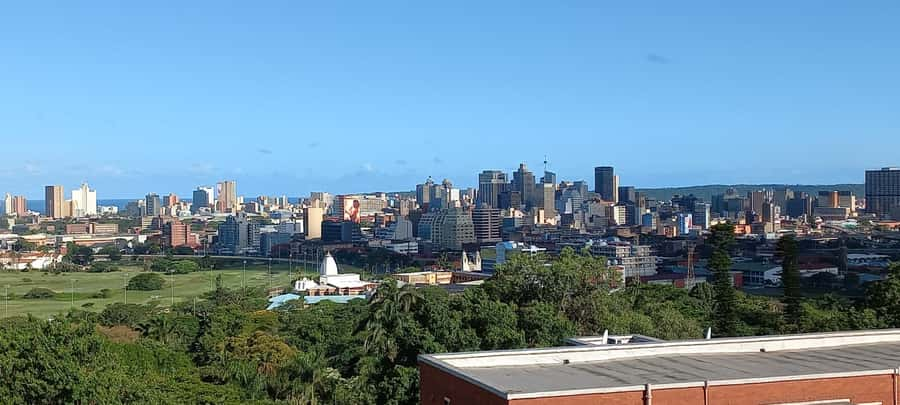
A viewpoint and photo stop come early in the route. That gives you a useful first look at Durban before the street-level part begins. I appreciate this kind of opening because it helps you understand the city’s layout before you are surrounded by market stalls and traffic.
The tour is in English, and Johnny’s role is central. He does not simply point toward a row of shops and name it. He answers questions, explains local customs, and adds personal knowledge of how the city has changed. Several visitors found his passion for Durban to be one of the strongest parts of the day, especially when discussing the city’s different communities.
More market walks in the world:
- Bangkok: City Highlights Temple and Market Walking Tour
★ 4.5 · 3,990 reviews - Tokyo Tsukiji Fish Market Food and Culture Walking Tour
★ 5.0 · 3,184 reviews - Marrakech: Ben Youssef, Secret Garden, & Souks Walking Tour
★ 4.6 · 2,802 reviews
Riding Durban’s combi taxis
The first local minibus ride takes about 15 minutes. Later, you use public transport again between the markets and the beachfront. These combi taxis are a normal part of Durban’s transport system, but they can be confusing if you have never used them.
That is why having Johnny with you matters. He explains how the system works and guides you through the ride, so you can focus on the experience instead of wondering where to stand or which vehicle to use. You are not just being transferred between attractions. You are seeing how local people move through the city.
The ride may feel less orderly than a private taxi. You could wait a little, and the vehicles are not designed for a quiet sightseeing trip. One person specifically found waiting harder in bad weather and asked if an Uber or taxi would be preferable. The answer is clear: if you want maximum comfort and control, this is not the right transport choice. If you want a more ordinary Durban experience, the combi is part of the point.
Rain may also slow the day. The schedule can stretch when weather affects transport or walking. That flexibility seems useful, but you should not book this expecting a tightly timed four-hour circuit.
Walking through the Warwick markets
The market section is the heart of the experience. You move through several connected areas, each with its own purpose and feel. The route includes the early morning market, bridge market, Indian markets, African medicine market, African market, and Victoria Street Market.
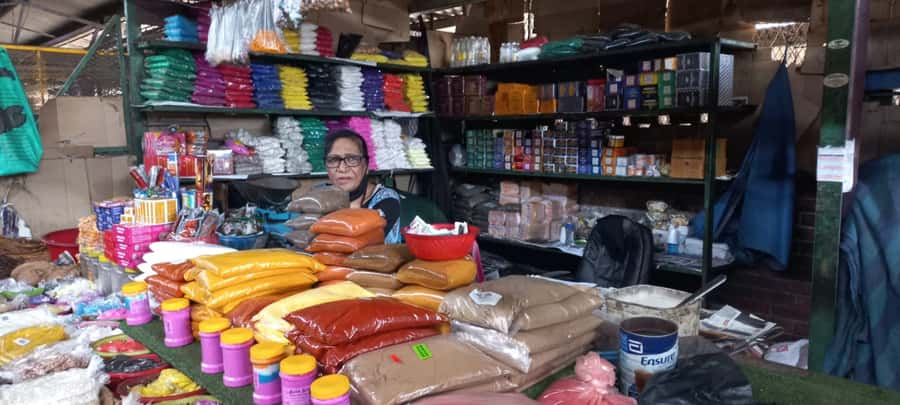
This is a lot to take in. The value is not only in the number of stops, but in the contrast between them. You see food, household goods, spices, clothing, remedies, souvenirs, and everyday products sold in places used by local residents rather than designed mainly for sightseeing.
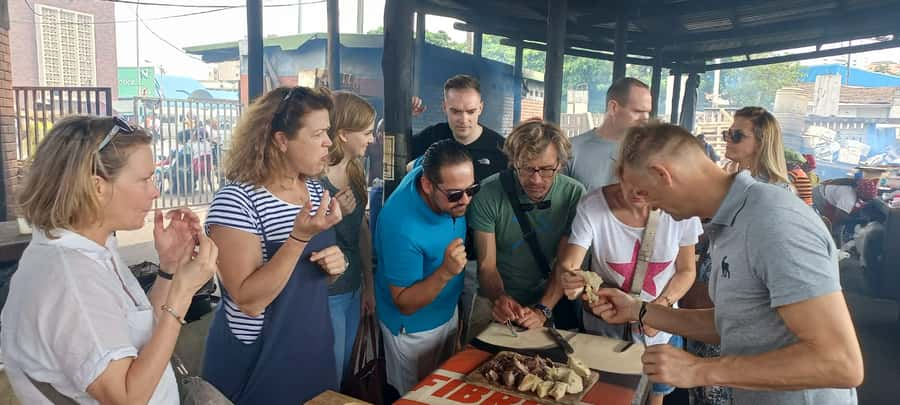
The early morning and bridge markets show the working side of Durban’s trade. These are places to observe how goods are displayed, discussed, and sold. You will want to keep your pace slow. Johnny can explain what you are seeing, introduce you to people he knows, and help you look without treating the market like a photo set.
The Indian market section adds another layer to Durban’s food and shopping culture. This is where you might find spices and other ingredients, along with small items suitable to take home. The best shopping advice is simple: save room in your bag and do not rush to buy local goods elsewhere before this part of the tour.
Victoria Street Market is the most familiar name on the route, but it is only one piece of the wider market visit. You get a fuller picture by seeing it alongside the less polished and more everyday market areas. That comparison is useful. It shows you the difference between a well-known visitor stop and the wider trading district around it.
The traditional medicine market
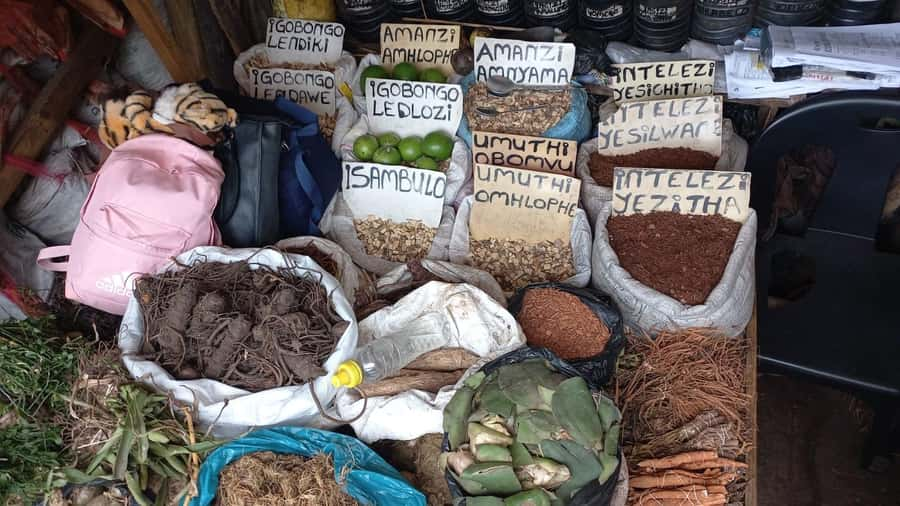
The African medicine, or Muti, market requires a thoughtful approach. You may see powders, oils, herbs, and products made from parts of animals, all sold in the context of traditional healing practices.
Johnny explains the meaning and use of these goods rather than asking you to treat them as oddities. That makes this stop more valuable. It is a chance to learn about a living tradition, but it can also feel confronting if you are not used to seeing these products openly sold.
Be respectful with photography and follow Johnny’s lead. The market is a place of work and belief, not a staged cultural display. The guide’s local standing helps here. He knows the people in the area, and that creates a more comfortable setting for asking questions and looking closely.
This portion also gives the tour a wider social angle. You see different income levels and ways of making a living within the same city. The market is practical, sometimes rough around the edges, and not arranged for easy sightseeing. That is precisely why it offers more insight than a standard city walk.
More walking tours in the world:
- Marrakech: Colorful Medina Souks Guided Walking Tour
★ 4.7 · 2,470 reviews - Air Raid Shelter + St. Nicholas Market Walking Tour
★ 5.0 · 1,950 reviews - Tokyo: Tsukiji Fish Market Food and Walking tour
★ 5.0 · 1,724 reviews - Tokyo: Tsukiji Fish Market Guided Walking Tour
★ 4.9 · 1,397 reviews
Shopping for spices, crafts, and small gifts

Bring cash if you plan to shop. Personal expenses are not included, and smaller market purchases may be easier with cash than a card. Sunglasses, a hat, sunscreen, water, and comfortable clothing are also sensible choices for a long day outside.
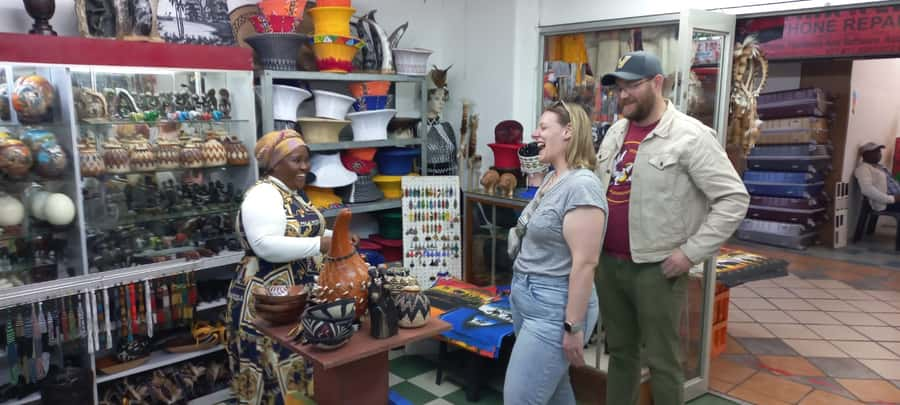
Johnny can help you judge what is worth buying and where prices make sense. That is especially useful for spices, trinkets, and souvenirs. You may find lower prices than in tourist-focused stores, but you should still compare before buying and remember that bargaining may be part of the exchange.
A large reusable bag is a smart extra. One person wished they had waited to do more shopping in the markets because the prices were so favorable. Another bought more than planned anyway. The lesson is practical: leave luggage space, but do not feel pressured to purchase anything.
The shopping is not the whole point, and you should not expect a quiet browse. Stalls can be close together, the route can feel chaotic, and you will spend much of the time standing or walking. Still, the chance to buy something with a clear connection to the place adds value to the visit.
A city walk between markets and beach

After the market route, the tour continues through Durban on foot and by local transport. The walking pace is described as slow, but the total distance still adds up to about 8,000 steps. Comfortable shoes are essential.
This part links the markets to the city center and the coast. Johnny continues to explain what you pass, answer questions, and adjust the pace to the group. The day may last closer to five hours, and sometimes longer if the group shops, stops for extra food, or loses time to rain.
That flexibility can be a strength. You get more room for conversation and local stories instead of being pushed from stop to stop. It can also make the end time less exact, so leave a little space in your schedule afterward.
The route is not suited to wheelchair users, and it may be tiring for anyone who has difficulty walking or standing. The activity also excludes people over 95, according to the booking information. For most able walkers, the pace is manageable, but this is still an active outing rather than a vehicle-based city tour.
Bunny chow at North Beach
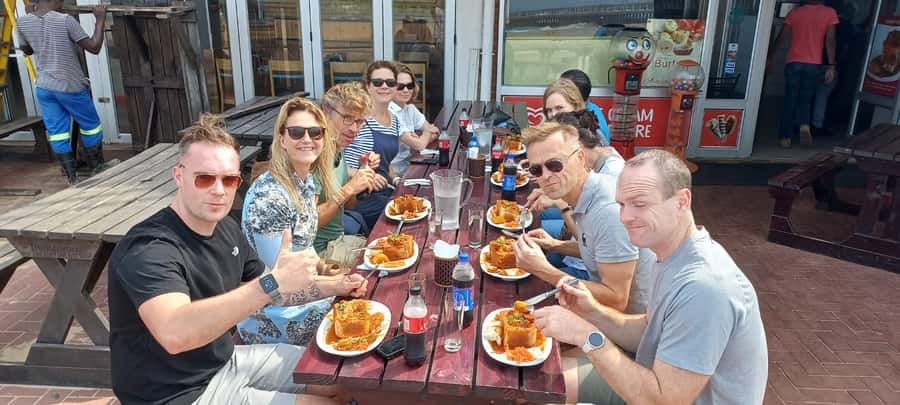
The day finishes on the North Beach promenade with lunch. The included meal is bunny chow, Durban’s well-known specialty: a hollowed loaf of bread filled with meat and curry.
This is a fitting end because it connects the city’s food traditions to the day’s market discoveries. You are not simply stopping at a generic restaurant for a sandwich. You are trying a dish that is strongly associated with Durban, after spending the morning looking at the ingredients, trade, and communities that shape the city’s food culture.
Lunch lasts about an hour. Beverages are not included, so bring extra money if you want a drink. The beach setting also gives you a chance to sit down after the walking and transport.
Bunny chow may not suit every stomach or every preference. If you are unused to spicy food, ask what options are available before ordering. The meal is part of the experience, but it should not be the sole reason to book. The markets and guide-led access make up most of the tour’s value.
What the $68 price includes
At $68 per person, this tour is reasonably priced if you value access and explanation more than polished transport. Your fee covers the guide, walking tour, both local minibus rides, and lunch. You are paying for a full half-day with someone who knows the city and its market communities, not just for entry to a single attraction.
The included transport matters. Two local rides could be handled independently, but first-time visitors may struggle to understand the system or feel comfortable using it. The guide removes that uncertainty and makes the trip more useful.
The lunch also improves the value, especially since the tour lasts 330 minutes. You still need money for drinks and personal purchases, and the day may run longer if the group spends extra time shopping or stops for a second meal. One person reported a much longer outing with two meals, so plan for some variation.
Compared with a private car tour, this is less comfortable and less predictable. Compared with a standard city walk, it offers more direct contact with ordinary market life. I would consider it good value for curious visitors who want context, local access, and a meal, but less suitable for anyone mainly seeking convenience.
Who will get the most from this experience
I would choose this tour if you want to understand Durban beyond the beachfront and major sights. It suits first-time visitors who want an introduction to the city, as well as people who enjoy food, local transport, markets, and conversations.
It is also a strong choice for solo visitors. Johnny’s familiarity with the market areas can make the setting feel less intimidating, particularly for someone who would not visit these places alone.
You should be open-minded and willing to ask questions. The traditional medicine market may challenge your expectations, and the markets can feel crowded or untidy. That is part of the setting, not a fault to be hidden.
I would skip it if you need step-free access, dislike minibus taxis, have limited walking ability, or prefer a fixed schedule. You may also want a different outing if shopping is not of interest. Much of the day is built around looking, comparing, and understanding what the markets sell.
Practical preparation for the day
Wear comfortable shoes and light, comfortable clothes. Take water, sunscreen, sunglasses, and a sun hat. Cash is important for drinks and shopping, while a larger bag helps if you buy spices or gifts.
Keep your camera ready for the viewpoint, but use good judgment in the markets. Ask before taking close photos of people or stalls, and let Johnny guide you through the more sensitive areas.
Book with the weather in mind. The route can continue in light rain, but wet conditions may make waiting for transport and walking less pleasant. Free cancellation is available up to 24 hours before the start, and you can reserve now and pay later if your plans are still moving.
Should you book the Durban markets tour?
Book it if you want Durban as a lived-in city, not just a beach destination. The strongest reasons are Johnny’s local insight, the unusual market route, the chance to use combi taxis, and the bunny chow lunch at North Beach.
Do not book it expecting luxury transport, a quiet pace, or a tidy museum-style presentation. You will walk, wait, handle a little confusion, and see parts of the city that may feel confronting. For the right person, those rough edges are exactly what make the day worthwhile.
FAQ
Where does the tour start?
It starts at Tekweni Backpackers, 169 Ninth Avenue in Morningside, just off Florida Road. The guide waits inside the premises.
Where does the tour finish?
The tour finishes at North Beach, on the beachfront promenade, after lunch.
How long does the tour take?
The stated duration is 330 minutes, or about five and a half hours. The practical guidance describes it as a 4 to 5 hour tour, though the day can run longer if weather, shopping, or extra stops affect the schedule.
What transport is used?
The tour uses local minibus taxis, also called combis. One ride takes about 15 minutes, and another local transport journey connects the markets with the beachfront.
What markets will I visit?
The route includes the early morning market, bridge market, Indian markets, African medicine market, African market, and Victoria Street Market.
Is lunch included?
Yes. Lunch is included and consists of bunny chow, a loaf of bread filled with meat and curry. Beverages are not included.
Should I bring cash?
Yes. Cash is recommended for personal expenses, shopping, and beverages with lunch.
How much walking is involved?
The walk is about 8,000 steps at a slow pace. Comfortable shoes are recommended.
Is the tour suitable for wheelchair users?
No. The activity is not suitable for wheelchair users.
What language is the tour in?
The live tour guide provides the experience in English.
Just added around the world
- Three-Hour Private Chengdu Tea Wholesale Market Tour★ 5.0 · 4 reviews
- Half-day Dandan Noodles Cooking Class with a Local Market Visit★ 5.0 · 8 reviews
- Chania: Old Town, Public Market, Hill of Prophet Elias, Agia Triada★ 5.0 · 35 reviews
- Moroccan Cooking Class with a Local Family & Market Visit★ 5.0 · 16 reviews
- Chania Old Town, Public Market and Chrisopigi Monastery Tour★ 4.5 · 6 reviews
- 3-Hour Herbal Wholesale TCM Market and a Local Wet Market Tour★ 5.0 · 4 reviews
- Food Tasting & Market Shopping: Private Guided Tour in PORT LOUIS★ 4.5 · 9 reviews
- Charleston International Sweet Treats & Historic City Market Tour★ 5.0 · 22 reviews
Market Walking Tours, compared.
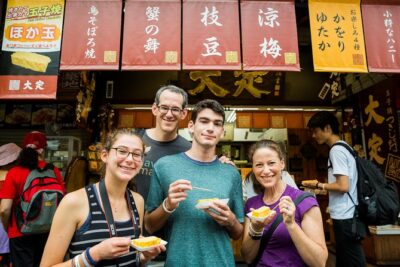
Tokyo Tsukiji Fish Market Food and Culture Walking Tour
Read our review →
Ben Youssef, Secret Garden, & Souks Walking Tour
Read our review →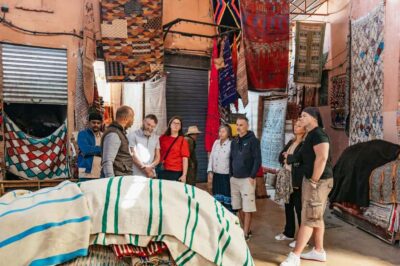

Air Raid Shelter + St. Nicholas Market Walking Tour
Read our review →
Nishiki Market Brunch Walking Tour (7 Tastings + Brunch)
Read our review →Tsukiji Fish Market Food and Culture Walking Tour
Read our review →Browse the lists this tour appears in