
Review · SPAIN
Guided visit to the Pasaia fish market
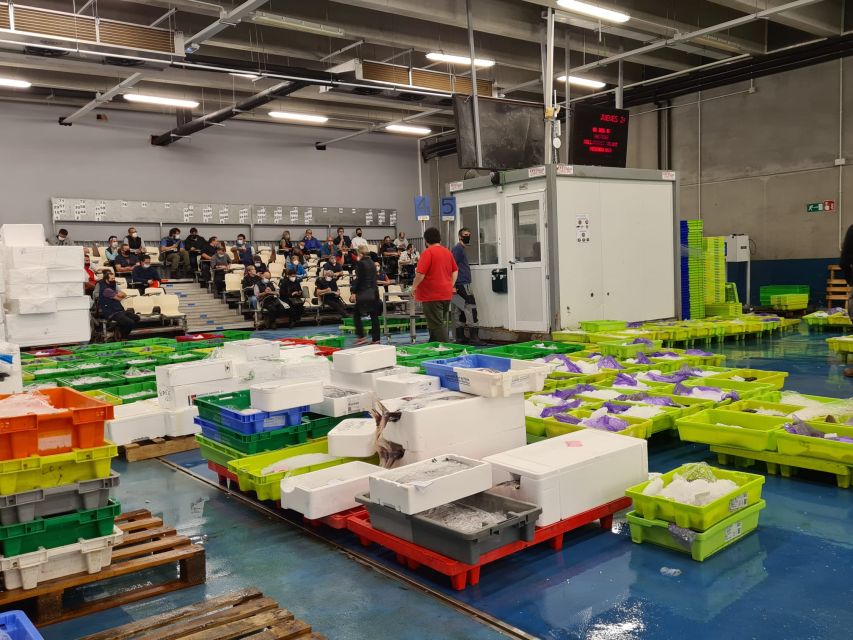
The most revealing moment comes early, when Pasaia’s catch moves from fishing boats to auction, then toward fishmongers and wholesalers. This is a working market, not a polished museum, so you see the practical rhythm of the local fishing trade at close range. The auction is the main event, with buyers, sellers, and fishmongers working quickly around you.
I like the small group of no more than 10 people, which makes it easier to stay with the guide and hear the explanations. I also like the breakfast beside the market, a simple local touch that gives the visit a relaxed finish. The main drawback is that the tour is conducted only in Spanish, and the wet floor and working environment require careful walking.
Key points at a glance
- Watch a real fish auction: See how the catch is handled before it reaches shops and restaurants.
- Learn the full route of the fish: Follow it from unloading at the market to the fishmonger.
- Understand inshore fishing: Hear about the main fishing gear used by local fishermen.
- See how the guilds work: The guide explains the role of Fishermen’s Guilds in the local industry.
- Finish with breakfast: Eat beside the market after the visit.
- Keep the group small: The tour accepts up to 10 participants and lasts about 90 minutes.
Inside Pasaia’s working fish market
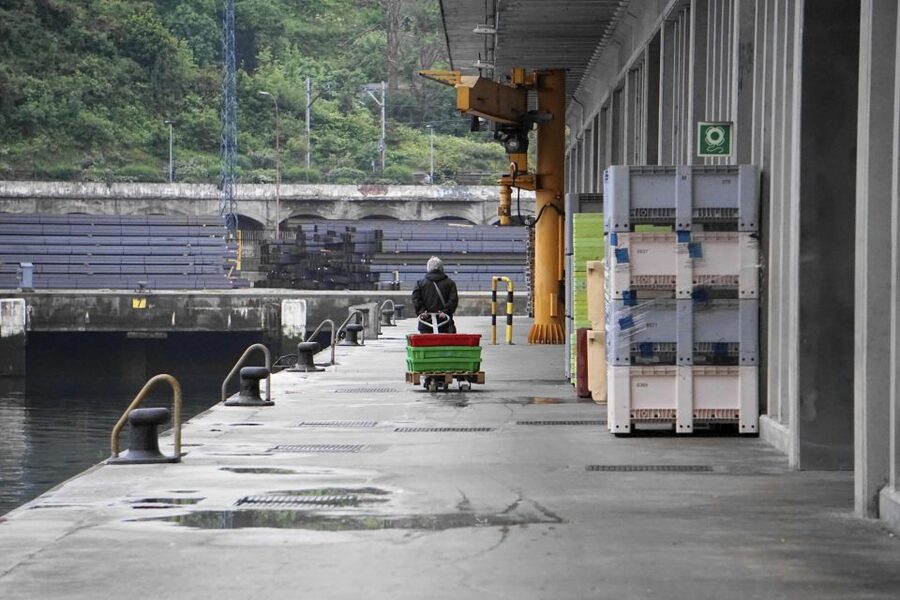
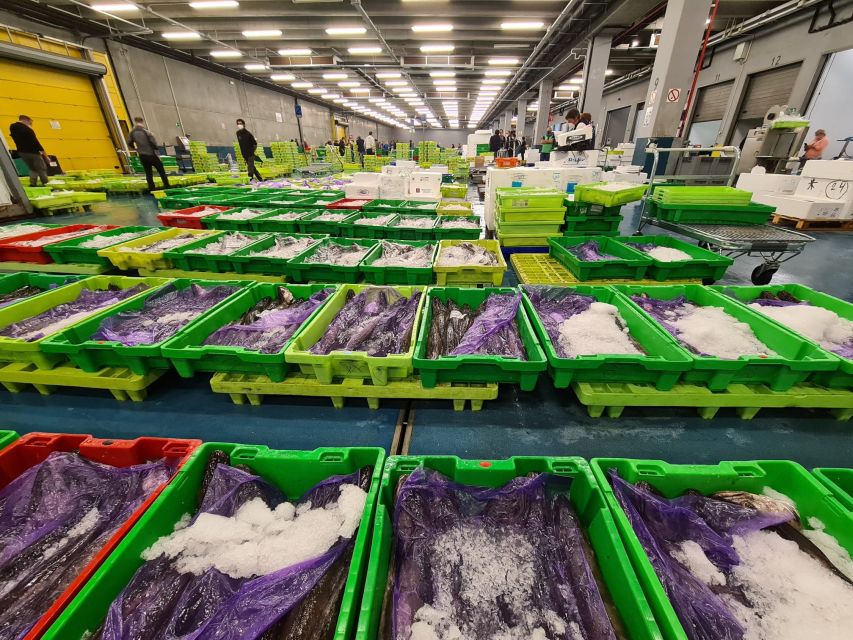
This visit gives you access to the interior of Pasaia’s fish market building, where the useful story is not just what fish is sold, but how the whole system works. You learn what happens from the moment fishermen unload their catch until the fish is ready for a fishmonger or wholesaler.
That makes the experience different from a standard food tour. You are not simply looking at seafood or tasting a local dish. You are watching a working supply chain in its busiest early hours, with the guide explaining the building, the fishing sector, and the market’s daily operation.
The setting also calls for good manners. You enter a place where people are doing their jobs, so you remain with the group and stop only where the guide directs you. This is not a space for wandering around, reaching toward the fish, or getting in the way of buyers and sellers.
You must not touch the fish. Photography and video are limited as well. You may take pictures of fish and general views of the area, but you may not photograph people or the auction screens. If taking photos is central to your idea of a market visit, this restriction may feel limiting. If you are there to watch and listen, it should not get in the way.
More fish market tours in Spain:
- Tokyo Tsukiji Fish Market Food and Culture Walking Tour
★ 5.0 · 3,184 reviews - Tokyo: Tsukiji Fish Market Food and Walking tour
★ 5.0 · 1,724 reviews - Tokyo: Tsukiji Fish Market Guided Walking Tour
★ 4.9 · 1,397 reviews
Following the catch from boat to fishmonger
The guide explains the path the fish takes through the market. That basic sequence gives the tour its shape: fishermen unload the catch, the fish enters the market process, buyers take part in the auction, and the products move toward fishmongers and wholesalers.
I find this kind of explanation useful because it connects the seafood on a plate with the people and decisions behind it. You begin to see the fish market as a workplace with its own rules and timing, not simply as a place where food appears for sale.
The visit also covers the inshore fishing sector. You learn about the fishing gear used by local fishermen and the practical differences between methods. The information is presented on site, where the equipment and market activity make the subject easier to picture.
The tour also explains how Fishermen’s Guilds work. That is a valuable part of the visit because it places the market within the local fishing community. You are not only watching an auction. You are learning how fishermen organize and how the trade connects people who catch, sell, and distribute the fish.
The guide speaks Spanish, so you should have enough Spanish to follow a spoken explanation. The group is small, with a maximum of 10 participants, which helps when the market is active and you need to remain close to the guide.
The fish auction is the main attraction
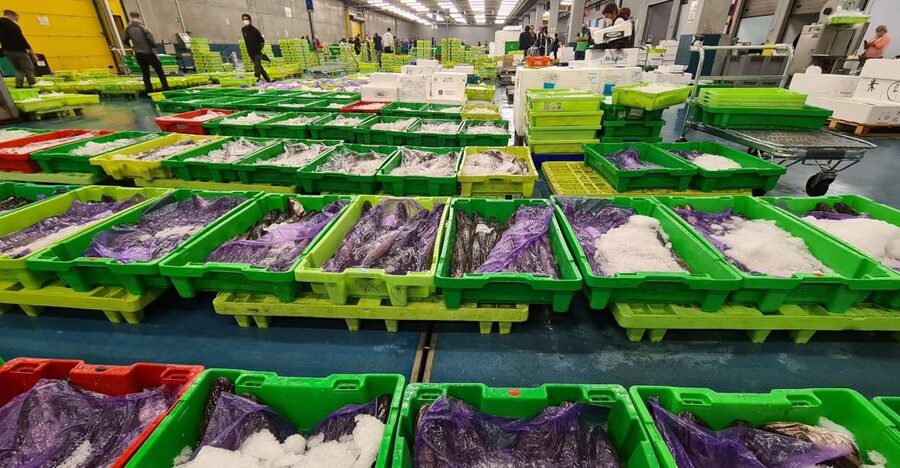
The auction is likely to be the most striking section of the visit. You see the energy of the early morning as fishmongers, sellers, and wholesalers handle business at speed. The guide explains what you are seeing, so the activity has context rather than becoming a blur of movement.
You may be surprised by how quickly the auction works. It is not arranged as a performance for visitors, and the people involved are focused on their jobs. That gives the experience its value, but it also means you need to watch quietly and follow instructions.
The auction screens cannot be photographed or filmed. This rule protects the working process and keeps the group from becoming a distraction. You can still observe the fish and take general shots of the area where allowed, but you should put your phone away during the most sensitive parts of the sale.
For me, the auction makes the $17 price reasonable. You receive access to a working place, a guided explanation of the trade, and breakfast. The visit is short, but the material is specific. You are paying for a look at a part of Pasaia that you would not understand as well by simply walking past the building.
A close look at local fishing methods
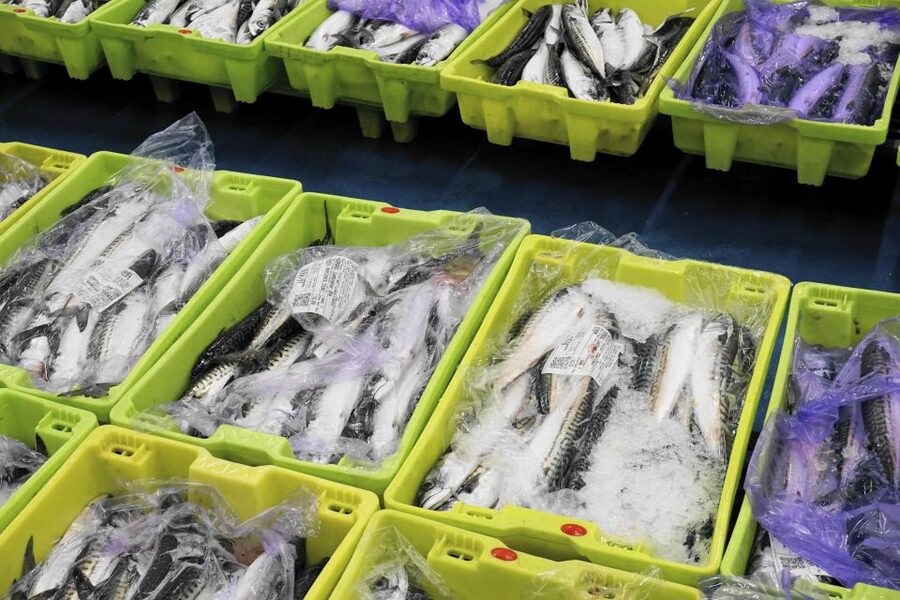
The fishing gear section adds useful context to the market. Instead of treating all fishing as one broad activity, the guide explains the main methods used in inshore fishing and how they relate to the local catch.
This matters because the tools and methods help explain why different fish arrive at the market and how fishermen work close to the coast. You may not leave able to identify every piece of gear, but you should have a clearer sense of the work behind the seafood being sold.
The explanation of the Fishermen’s Guilds adds another layer. These guilds help organize the fishing community and form part of the local system that connects fishermen with the market. The tour uses the market itself to explain these relationships, which is more useful than hearing a general talk in a separate visitor center.
Since the tour lasts 90 minutes, it does not try to cover every aspect of Basque fishing. Think of it as a focused introduction to Pasaia’s inshore sector, with the fish auction as its centerpiece.
A few more market tours around Spain worth a look
- Barcelona: Paella Cooking Experience & Boqueria Market Tour
★ 4.8 · 3,661 reviews - Barcelona Paella Cooking Class with Market Visit, Tapas & Sangria
★ 5.0 · 2,531 reviews - Paella Cooking Class, Wine Tasting & Central Market in Valencia
★ 5.0 · 1,150 reviews - Valencian paella cooking class, tapas and visit to Ruzafa market.
★ 5.0 · 828 reviews
Breakfast beside the market
After the market visit, you enjoy breakfast next to the fish market. It is a small detail, but it gives the experience a pleasant ending. You have just seen the catch being handled and sold, then sit down for food nearby.
The breakfast is included in the $17 price along with the guide. That makes the cost good value, especially if you appreciate experiences that combine a local activity with a simple meal. The breakfast is not described as a full culinary workshop or seafood tasting, so do not book this expecting an elaborate food program.
I like the change of pace. The market is quick and work-focused, while breakfast gives you time to process what you have seen. It also makes the tour feel connected to everyday life rather than finished the moment you leave the auction area.
Practical shoes matter here
Wear comfortable, non-slip shoes, and hiking shoes are recommended. The floor is usually wet, so slipping is a real concern rather than a minor comfort issue.
You also need to remember that this is a work area. Stay with the group, avoid blocking anyone, and stop where the guide tells you. Do not touch the fish, even if you are close enough to inspect it.
The experience is not suitable for people with mobility impairments. The wet floor, the need to remain with the group, and the active market setting can make the visit difficult if you have trouble walking or standing safely.
The early working atmosphere is part of the appeal, but it also means the tour may feel less leisurely than a normal sightseeing stop. You are entering a place where business is taking place, so flexibility and attention matter.
Spanish language and group size
The live tour guide speaks Spanish, and no other language is listed. You should be comfortable listening to spoken Spanish or arrange another way to follow the explanation before booking.
The group limit of 10 is a strong point. A smaller group is better suited to a working market because it takes up less room and makes it easier for everyone to hear the guide. It also helps the group move together without adding too much pressure to the people carrying out the auction.
The tour is operated by Kofradia-Itsas Etxea, and the guide is included in the price. No individual guide name is provided, so you should not expect to book a particular person.
Is $17 a fair price?
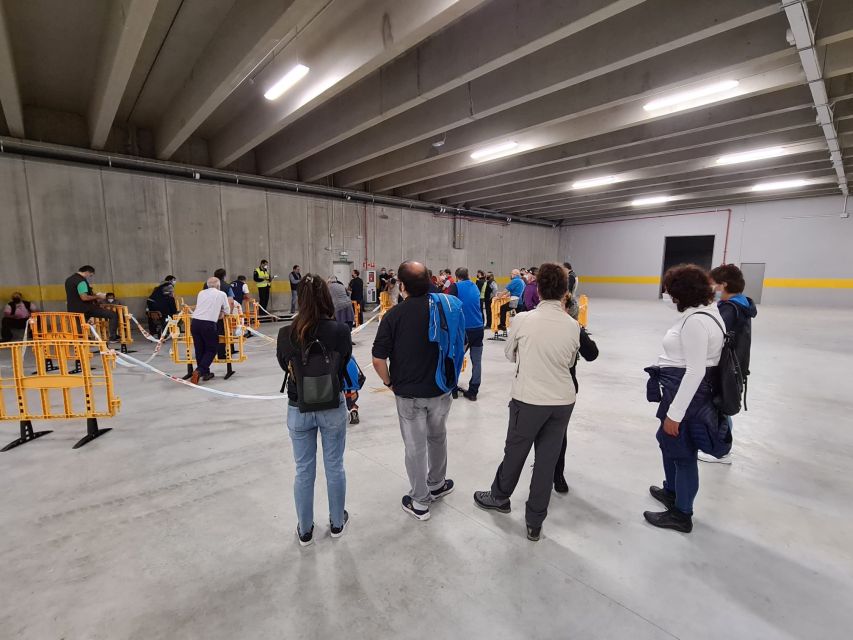
At $17 per person, this is a reasonably priced experience if you want access to a working fish market and an explanation of local fishing. The price includes the 90-minute guided visit and breakfast, so you are getting more than a quick look inside the building.
The value depends on your interests. If you enjoy food systems, working harbors, local trades, and early-morning activity, the tour offers something quite specific. If you mainly want a scenic walk, a long meal, or a relaxed cultural talk, this may feel too short and practical.
The small group adds value because the market itself is not designed as a large attraction. You are paying for an organized visit that keeps you close to the guide and out of the way of workers.
The free cancellation policy allows you to cancel up to 24 hours in advance for a full refund. You can also reserve now and pay later, which helps if your plans around the Basque Country are still changing.
Who should book this Pasaia visit?
I would choose this tour if you have an interest in seafood, fishing communities, food markets, or the working side of a port town. It suits visitors who prefer seeing how a local system operates rather than collecting another view from a lookout.
It is also a good match for anyone who wants a short activity. At 90 minutes, it can fit into a morning without taking over your day. The breakfast gives it a natural finish and adds a little comfort after time on the market floor.
You should think twice if you do not understand Spanish, need step-free or very easy walking, or want unrestricted photography. The rules are clear, and they are necessary in a place where people are working, but they may not suit every visitor.
Should you book the Pasaia fish market tour?
Book it if you want a direct look at the route from fisherman to fishmonger, and if a real auction sounds more interesting than a staged demonstration. The small Spanish-language group, the market access, and the included breakfast make the $17 cost appealing.
Skip it if your main goal is a long food tasting, extensive photography, or an easy-access attraction. For the right visitor, this is a brief but grounded way to understand Pasaia’s fishing trade. Just wear shoes with good grip, listen carefully, and treat the market as a workplace first.
FAQ
Where does the guided visit take place?
The visit takes place inside the Pasaia fish market building, with breakfast served next to the market.
How long does the experience last?
The guided visit lasts 1.5 hours.
What language is the tour conducted in?
The tour is conducted in Spanish.
What is included in the price?
The price includes the Mater Itsasontzi Ekoaktiboa guide and breakfast.
How large is the group?
The group is limited to 10 participants.
Can I take photographs inside the market?
You may photograph fish and general views of the area, but photography and video of people and auction screens are forbidden.
What should I wear?
Wear comfortable, non-slip shoes. Hiking shoes are recommended because the market floor is usually wet.
More Shopping Tours in Spain
- Spanish Cooking Class & Triana Market Tour in Sevilla
★ 5.0 · 760 reviews - Seville: 3.5-Hour Spanish Cooking Class & Triana Market Tour
★ 4.9 · 751 reviews - Valencia: Paella Cooking Class with Central Market Tour
★ 5.0 · 721 reviews - Barcelona: Paella Cooking Class with Market Visit and More
★ 4.9 · 711 reviews
Just added around Spain
- Explore Bilbao’s Flavors Mercado de la Ribera and Old Town★ 4.5 · 3 reviews
- CERTAL Exclusive Tour: LA RIBERA Market + GASTROBARS Bilbao (3h)★ 4.5 · 12 reviews
- Barcelona La Boqueria & Sant Antoni Private Food Experience★ 5.0 · 7 reviews
- Barcelona Tapas Cooking & Cocktail Class with Veronique & Mattias★ 5.0 · 3 reviews
- Spanish Oysters, Cava and Ibérico Ham at Barcelona’s La Boqueria Market★ 5.0 · 8 reviews
- Taste of Barcelona: Boqueria Market, Tapas & History Tour★ 4.5 · 22 reviews
- Cook Paella & Tapas + Market Tour in Barcelona (4-Course Meal)★ 5.0 · 2 reviews
- Private Barcelona Market Tour & Paella Cooking Class with Josh★ 5.0 · 4 reviews
Fish Market Tours, compared.
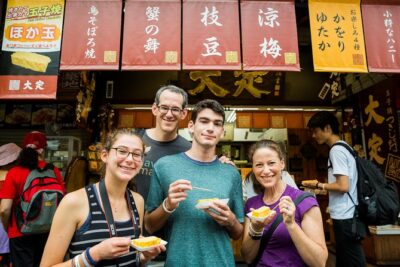
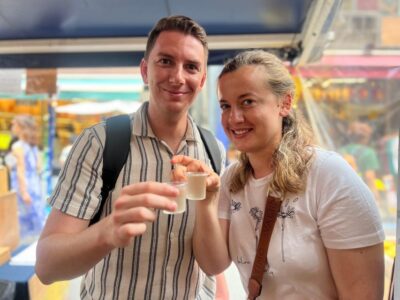
Tokyo Tsukiji Fish Market Food and Culture Walking Tour
Read our review →
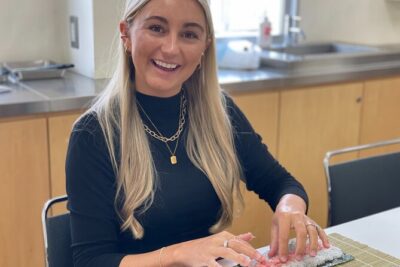
Tokyo Sushi Making Class in Tsukiji with Professional Chef
Read our review →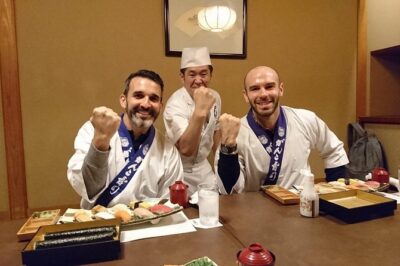
Tsukiji Fish Market Guided Tour and Sushi Making with Pro Chef
Read our review →Tsukiji Fish Market Food and Culture Walking Tour
Read our review →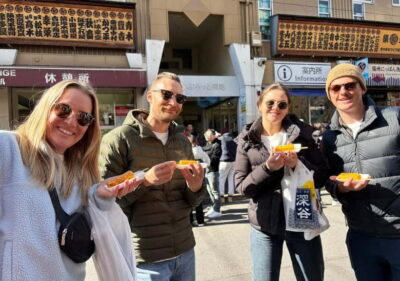
Tsukiji Fish Market: Street Food & Culture Walking Tour
Read our review →
Tsukiji Fish Market Small-Group Food Walking Tour
Read our review →Browse the lists this tour appears in