
Review · MARKET TOURS
Ethiopian Culinary Tour – Market, Food, Coffee Ceremony & more
The best part of this Addis Ababa food tour is that it treats food as a way into daily life. You move from the produce stalls of Atkilt Tera to the spice lanes of Merkato, then learn to make injera before sitting down to eat it. I especially like the mix of hands-on cooking and street-level city touring.
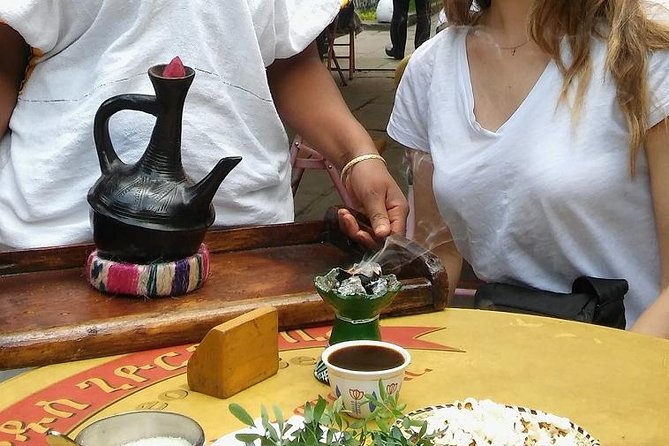
I also like the coffee focus. Tomoca gives you a quick taste of Addis coffee culture, while the longer ceremony in Sululta shows the social side of coffee, from washing and roasting the beans to drinking the finished brew. The main drawback is the packed schedule: traffic, crowded markets, and a possible group of up to 30 people can make this feel more like a full city day than a relaxed food lesson.
At a glance
- Market access: Visit Atkilt Tera and the spice section of Merkato, Africa’s largest open-air market.
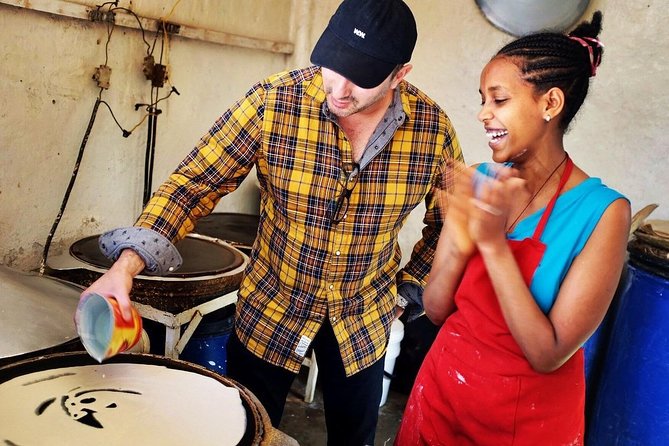
- Hands-on injera lesson: Work with local women to prepare Ethiopia’s famous sourdough flatbread, then eat what you make.
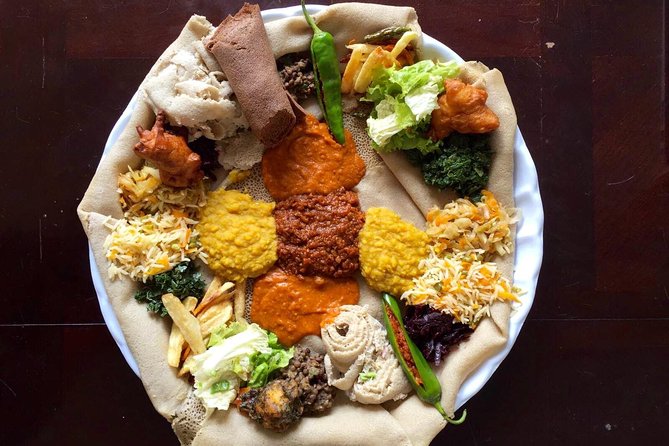
- Historic lunch: Sample an assortment of Ethiopian dishes at Taitu Hotel, described as Ethiopia’s first hotel.
- Two coffee perspectives: Taste coffee at the old Tomoca Café, then watch a full ceremony in Sululta.
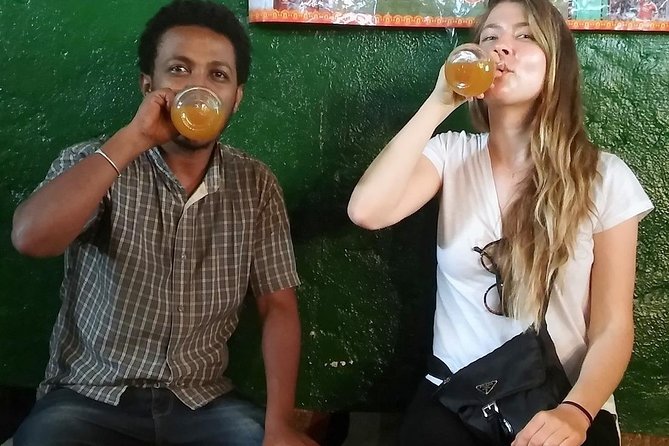
- A sweet local drink: Finish the mountain visit with a taste of honey wine, known locally as tej.
- Good city coverage: Hotel, house, or airport pickup in Addis Ababa, transport, driver, fuel, and an English-speaking guide are included.
Why this food tour works in Addis Ababa
Addis Ababa can be hard to read in a short visit. Its sights are spread across a large city, traffic can slow every transfer, and the most interesting food experiences are not always easy to arrange alone. This tour gives you a practical route through several parts of the city, with someone to explain what you are seeing.
The day is not limited to restaurant meals. You see vegetables and spices being sold, handle injera batter, drink coffee in two different settings, and taste honey wine outside the city. That range is the tour’s real strength. You get food, but you also get a look at shopping, hospitality, trade, and family traditions.
I would think of it as a food and culture sampler, not a cooking school. The injera session is the main practical lesson. The rest of the day is built around tasting, watching, asking questions, and moving through Addis with a guide.
Guides named in the tour’s feedback include Zerefa, Abiy, Desale, Samuel, Emmanuel, and Seya. The exact guide is not guaranteed, but the repeated pattern is clear: the guide can matter a lot here. Strong English, local knowledge, and flexibility are especially useful in Merkato, where the streets are crowded and the shopping experience can feel confusing without help.
More coffee and tea market tours in the world:
- Active Volcano, Rice Field, Hot Spring, Fruit market, Tea Plantation with Lunch
★ 5.0 · 513 reviews - Da Nang Cooking Class with Coffee Tasting and Market Visit
★ 5.0 · 310 reviews - Kyoto: Nishiki Market Tea Ceremony with Koto Performance
★ 4.8 · 294 reviews
Starting with Atkilt Tera’s produce stalls
Pickup is offered from a hotel, house, or airport location in Addis Ababa, though the listed meeting point is Edna Mall on Cameroon Street. Confirm your pickup details before the morning of the tour, especially if you are staying outside the central area.
The first market stop is Atkilt Tera, described as Ethiopia’s largest fruit and vegetable open market. This is a good opening because it starts with everyday ingredients rather than polished presentations. You can expect piles of produce, local buying and selling, and a chance to see the raw materials behind Ethiopian meals.
The market visit also gives your guide useful ground for explaining food habits. You can ask about the ingredients you later see at lunch, or about the spices that shape Ethiopian cooking. Since the tour operates in all weather, wear shoes that can handle uneven or wet ground and clothing suited to the forecast.
Walking through Merkato’s spice market
Merkato is the major market stop, with about an hour set aside for the spice area. It is described as the largest open-air market in Africa, and that scale is part of the experience. This is not a tidy food hall designed for visitors. It is a working market, with crowds, movement, strong smells, and plenty to look at.
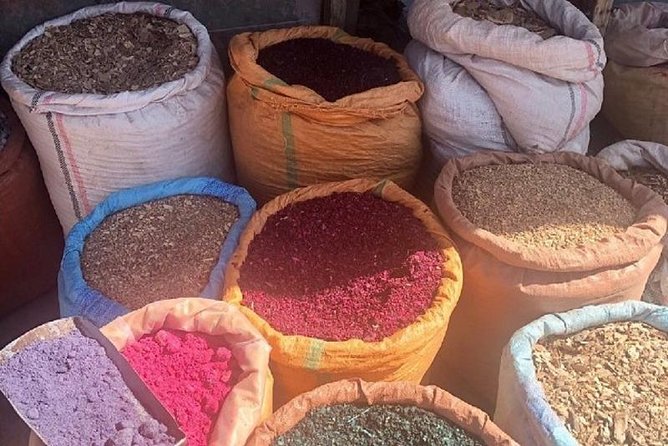
The spice section is particularly useful if you are trying to understand Ethiopian food. You get to see and smell the seasonings before tasting dishes at lunch. A guide can also help you identify products and handle purchases. Desale, for example, helped one participant find souvenirs at a fair price, while Zerefa was praised for taking care of safety in the crowded parts of Merkato.
That support is one of the better reasons to book this as a guided visit. You can certainly walk around Addis alone, but a market of this size is easier to appreciate when someone explains what you are looking at and keeps the group moving.
Allow for a little sensory overload. Merkato is busy by nature, not arranged for quiet browsing. Keep your belongings secure, stay with the guide, and expect the pace to be affected by crowds. If you want a calm, slow food walk, this may feel rushed. If you want to see working Addis, it is one of the strongest parts of the day.
Learning to make injera with local women

The injera lesson brings the tour closer to home life. You meet a group of women who demonstrate how the traditional bread is prepared, and you get a chance to make it yourself.
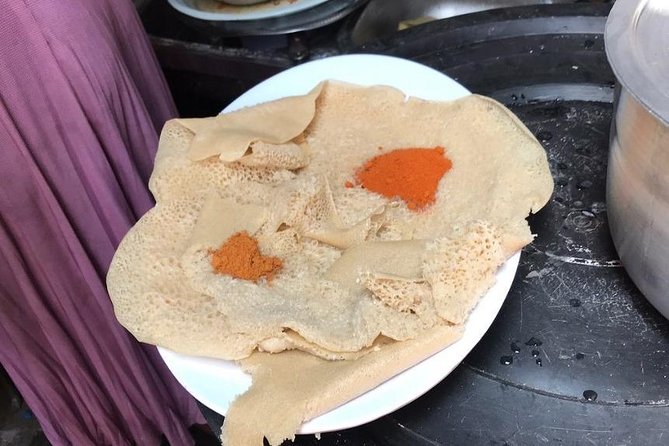
Injera is more than something placed beside a meal. It is the base and utensil for many Ethiopian dishes, so learning about it helps you understand how the food is eaten as well as how it is cooked. The hands-on element also gives the day some humor. One person described their own attempt as hilariously bad, but still enjoyed the chance to make and eat the bread.
Do not expect professional results on your first try. The value is in handling the process and seeing the skill involved. The lesson is also a welcome change from simply watching someone cook. You take part, then get to taste the result.
One useful limitation is that the experience focuses on injera rather than a full lesson in Ethiopian cuisine. A visitor specifically looking for instruction in the stews, sauces, and spice blends served on top may want to ask the guide what can be covered during the visit. The day gives you a strong introduction to the bread, but it is not presented as a chef-led cooking course.
More coffee stops in the world:
- Hungry in Vienna? A Food Lover’s Coffee & Market Walk
★ 4.9 · 276 reviews - From rick’s coffee to local markets authentic casablanca
★ 5.0 · 90 reviews - Vienna Eats: Private Foodie Walk with Coffee & Markets
★ 5.0 · 77 reviews - Market Tour and Cooking Class with a Coffee Ceremony at a Home in Addis Ababa
★ 5.0 · 32 reviews
Lunch at Taitu Hotel in Piassa
Lunch takes place at Taitu Hotel in the Piassa area, identified as Ethiopia’s oldest hotel. The setting adds a bit of historical character to the meal, while the food is served as an assortment of Ethiopian dishes in buffet form.
This format suits a first-time visitor. You can sample several dishes instead of committing to one plate, and the guide can help explain what you are eating. Lunch includes a bottle of water and hot drinks. Portions have been described as generous, so you should not expect a small tasting menu.
Taitu is also a practical place to pause after the market and injera activity. The tour covers a lot of ground, and a seated meal gives you time to regroup. You may want to tell the guide about dietary needs at booking or early in the day, since the supplied details do not specify a separate vegetarian, vegan, or allergy menu.
The lunch stop is not the most hands-on culinary part of the experience. Its value comes from the combination of a historic setting, a broad sample of Ethiopian food, and a proper break in the middle of a busy day.
A short stop at Tomoca Coffee
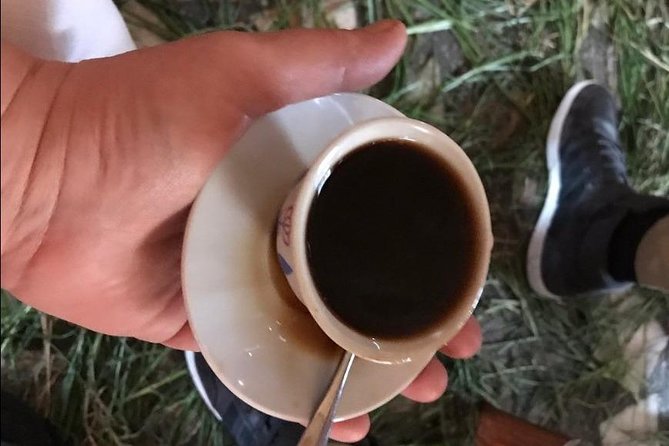
Tomoca Coffee adds a concentrated coffee stop before the longer ceremony in Sululta. The café is described as the oldest Tomoca location, with more than half a century of coffee-making experience. You receive a cup of coffee or macchiato, and you can buy roasted or ground coffee as a souvenir.
This stop works well for anyone who wants to compare a quick café drink with a traditional ceremony. Tomoca is about the finished cup and the café setting. Sululta is about the full process and the social ritual.
You have about 30 minutes here, so think of it as a tasting and buying stop, not a long café visit. If coffee is a major interest, ask questions while you are there and consider buying a bag for later. The inclusion of a drink makes the stop feel more useful than simply passing by a famous name.
The full coffee ceremony in Sululta
The trip to Sululta changes the pace and setting. This mountain village outside Addis gives you a more open view on the ride and a quieter place for the main coffee experience.
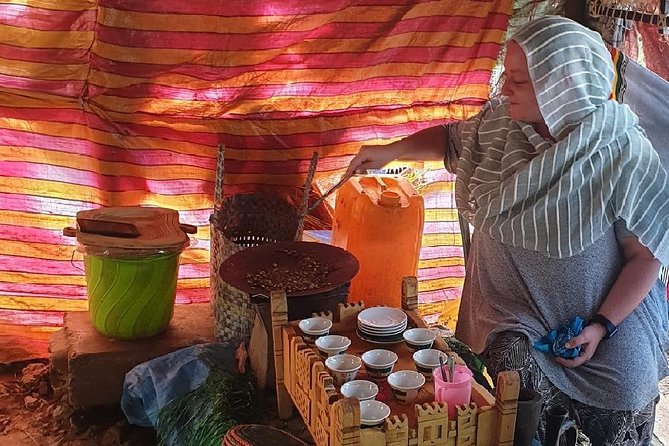
The ceremony covers the full sequence: washing the beans, roasting them live, and preparing the coffee for drinking. This matters because Ethiopian coffee culture is tied to the preparation and sharing, not just the final beverage. You are given time to watch the process and enjoy a cup after the roasting.
For many people, this will be the day’s most memorable food moment. It feels personal and unhurried compared with the market. You can ask about the beans, the roasting, and the order of the ceremony while the process is taking place.
The tour materials call the coffee organic, but they do not give a specific farm or region. Do not expect a formal coffee lecture with technical tasting notes. The strength is the live demonstration and the chance to take part in a local custom.
Tasting honey wine, or tej
The Sululta stop also includes a taste of Ethiopian honey wine, commonly called tej. You learn about how it is made and receive a glass to taste.
Tej gives the day another useful angle. It is not simply an extra alcoholic drink added to the schedule. It introduces a specialty with its own place in Ethiopian food and drink culture. Some versions of the day may also include discussion or tasting of locally made beer or vodka, but only honey wine is specifically included in the stated program.
Alcohol beyond the honey wine is not included. If you do not drink alcohol, make that clear to your guide. The rest of the tour remains food and coffee focused.
What the $85 price includes
At $85 per person, the value depends on how much of the included transport and guiding you would otherwise need to arrange. The price covers pickup and drop-off in Addis Ababa, a vehicle, driver, fuel, an English-speaking guide, local guides, lunch, water, and hot drinks.
That is a fair bundle for a 5 to 6 hour day, especially if you are in Addis for a short visit. You are not paying only for meals. You are also paying for the driving between markets, Piassa, and Sululta, plus help in places where independent visitors may spend time simply figuring out where to go.
Group size can reach 30 people, so the experience may not feel private. A large group is less ideal for a market walk or a hands-on bread lesson, though the listed price reflects a shared tour rather than a private one. Group discounts are available, which may make it a sensible choice for families or friends.
The tour is usually booked about 26 days ahead, but one person managed to reserve it by phone the night before and had a good day. I would not rely on last-minute availability, especially if your dates are fixed. Confirmation is received at booking, and free cancellation is available up to 24 hours before the start time. Poor weather can lead to a new date or a full refund.
Who should book this Addis food experience?
I would recommend this tour to you if you have one free day in Addis and want a broad introduction rather than a single restaurant meal. It is especially useful if you want to:
- See markets that are difficult to understand alone
- Try several Ethiopian dishes at one sitting
- Make injera rather than only eat it
- Learn how a coffee ceremony unfolds
- Visit both central Addis and Sululta
- Have transport arranged for the whole day
Families can consider it too, since the minimum age is 8. Keep in mind that the day includes crowds, driving, and all-weather operation. Comfortable clothes and practical shoes will serve you better than dressy footwear.
You may want a different experience if your main goal is advanced cooking instruction, fine dining, or a quiet private tour. The food lesson centers on injera, and the group may include as many as 30 people. You should also confirm the pickup arrangement, since the information gives both broad Addis pickup coverage and Edna Mall as the meeting point.
My verdict on the Addis culinary tour
I like this tour because it shows how food connects to the city. The markets explain the ingredients, the injera lesson shows a basic technique, Taitu provides a proper Ethiopian meal, Tomoca introduces café culture, and Sululta gives you the full coffee ceremony and honey wine.
The strongest parts are the market access, the chance to make injera, and the careful coffee presentation in Sululta. Guides such as Zerefa, Seya, Samuel, and others are singled out for clear English, local insight, flexibility, and attention to safety. Those qualities make a real difference in Addis.
Book it if you want one efficient day that covers food, drink, markets, and local customs. Skip it if you want a slow private cooking class or dislike crowded public places. For most first-time visitors with limited time, the $85 cost is reasonable because transport, lunch, drinks, and guiding are already bundled together.
FAQ
How long does the Ethiopian Culinary Tour last?
The experience lasts approximately 5 to 6 hours.
What food activities are included?
You visit produce and spice markets, learn to make injera, and eat an assortment of Ethiopian dishes for lunch at Taitu Hotel.
Is lunch included?
Yes. Lunch includes Ethiopian dishes, a bottle of water, and hot drinks.
Where does lunch take place?
Lunch is served at Taitu Hotel in Piassa, described as Ethiopia’s first hotel.
Does the tour include a coffee ceremony?
Yes. In Sululta, you watch a full Ethiopian coffee ceremony, including washing and roasting the beans, then enjoy a cup of coffee.
Is honey wine included?
Yes. You learn about honey wine and taste a glass in Sululta. Other alcoholic drinks are not included.
Is transportation provided?
Yes. The price includes ground transportation with a car, driver, and fuel, plus pickup and drop-off at a hotel, house, or airport location in Addis Ababa. Edna Mall is also listed as the meeting point, so confirm the exact arrangement.
What is the cancellation policy?
You can cancel at least 24 hours before the start time for a full refund. Changes or cancellations made less than 24 hours in advance are not accepted for a refund. If poor weather causes cancellation, you are offered another date or a full refund.
More Food in the world
- Tokyo Tsukiji Fish Market Food and Culture Walking Tour
★ 5.0 · 3,184 reviews - Bangkok: Markets, Temples and Food Night Tour by Tuk Tuk
★ 4.9 · 2,371 reviews - London Bridge & Borough Market Food Tour with 7 Authentic Dishes
★ 5.0 · 1,972 reviews - Tokyo: Tsukiji Fish Market Food and Walking tour
★ 5.0 · 1,724 reviews
More Food and Drink Tours in the world
- Dubai: Old Town, Creek, Museums, Souks, & Street Food Tour
★ 4.8 · 10,816 reviews - Dubai: Old Town, Souks, Street Food, Guided Tour & Abra Ride
★ 4.9 · 7,170 reviews - Bangkok by Night: Temples, Markets and Food Tuk-Tuk Tour
★ 5.0 · 3,752 reviews - Chef Guided Food Tour of Pike Place Market
★ 5.0 · 3,733 reviews
Just added around the world
- Three-Hour Private Chengdu Tea Wholesale Market Tour★ 5.0 · 4 reviews
- Half-day Dandan Noodles Cooking Class with a Local Market Visit★ 5.0 · 8 reviews
- Chania: Old Town, Public Market, Hill of Prophet Elias, Agia Triada★ 5.0 · 35 reviews
- Moroccan Cooking Class with a Local Family & Market Visit★ 5.0 · 16 reviews
- Chania Old Town, Public Market and Chrisopigi Monastery Tour★ 4.5 · 6 reviews
- 3-Hour Herbal Wholesale TCM Market and a Local Wet Market Tour★ 5.0 · 4 reviews
- Food Tasting & Market Shopping: Private Guided Tour in PORT LOUIS★ 4.5 · 9 reviews
- Charleston International Sweet Treats & Historic City Market Tour★ 5.0 · 22 reviews
Coffee & Tea Market Tours, compared.
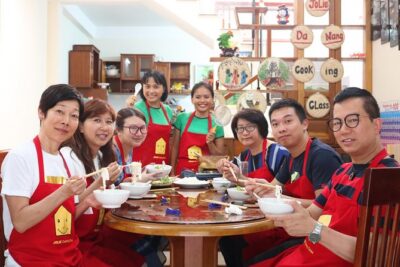
Da Nang Cooking Class with Coffee Tasting and Market Visit
Read our review →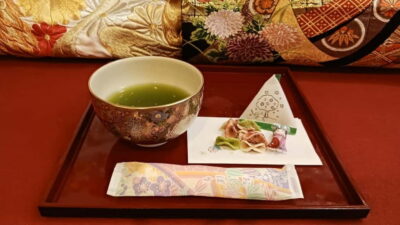
Nishiki Market Tea Ceremony with Koto Performance
Read our review →
Hungry in Vienna? A Food Lover’s Coffee & Market Walk
Read our review →
Delicious Doughnuts & Tea: Small-Group Borough Market Experience
Read our review →
Mini Hanoi Coffee Workshop: Pick Any Signature Coffee You Like
Read our review →
From rick’s coffee to local markets authentic casablanca
Read our review →
Vienna Eats: Private Foodie Walk with Coffee & Markets
Read our review →
Private Floating Market, Train Market and After Rain Cafe Tour
Read our review →Browse the lists this tour appears in