Review · MARKET TOURS
Galle: Cooking Class at a Local Home and Market Tour
Sri Lankan food makes the most sense when you see the ingredients before they reach the pot. This three-hour class takes you through a local market in Galle with Madhu, then into her family home to cook a full spread of curries, sambol, rice dishes, and sides.
I like the market visit because you help choose the vegetables and, when included for your group, fish. I also like the shared cooking style: everyone contributes to several dishes instead of making one plate alone. The main consideration is that this is a home-based class, not a polished demonstration kitchen, so expect a warm, practical setting rather than restaurant-style comfort.
Key points
- Market first: Shop with Madhu for fresh vegetables, fish, spices, and other cooking ingredients.
- Family-home setting: Cook in a traditional Sri Lankan kitchen and meet Madhu’s family.
- A full meal: Prepare several dishes, including vegetable curry, fish or chicken curry, coconut sambol, side dishes, and dessert.
- Hands-on learning: Everyone helps with the cooking, so you try more than one recipe and technique.
- Good for groups: The class accepts up to 10 people and works well for families and friends.
- Useful take-home value: You receive the recipes, along with photos and video from the experience.
Why this Galle cooking class feels different
Many cooking classes place you at a workstation and hand you a measured basket of ingredients. This one begins earlier, at the market. That small change gives you a better sense of how Sri Lankan meals are built.
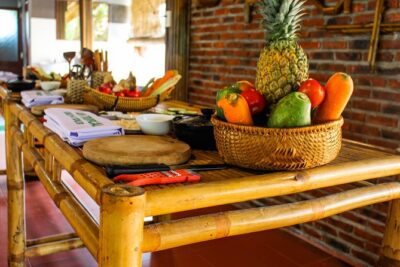
With Madhu guiding you, you can ask about the vegetables, spices, fish, and other ingredients as you shop. Some groups have also stopped at a local spice shop, which adds another useful layer to the lesson. You are not just learning a recipe. You are seeing how a cook chooses the raw materials first.
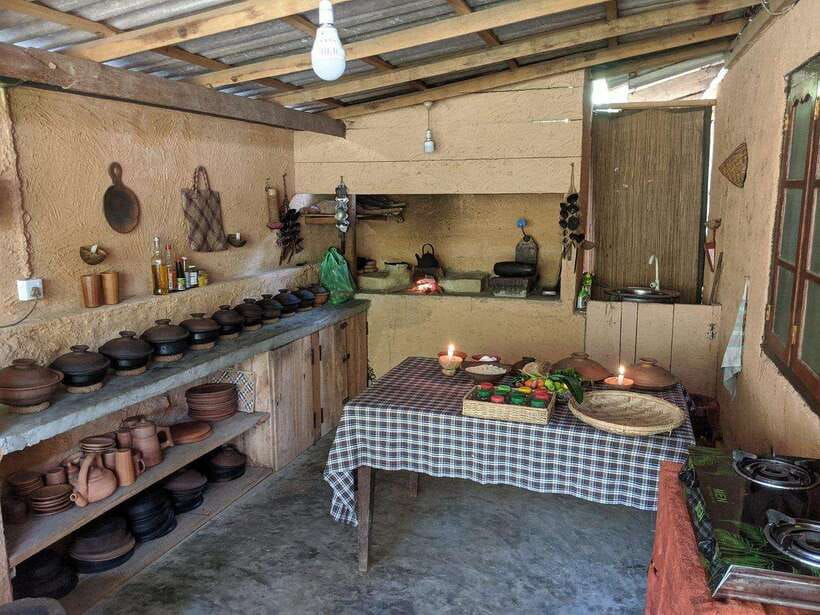
The class then moves to Madhu’s home in the Kotapola area listed for the experience. The setting is part of the lesson. You cook in a traditional family kitchen, work alongside Madhu and her family, and see a more ordinary side of Sri Lankan food culture than you would in a hotel kitchen.
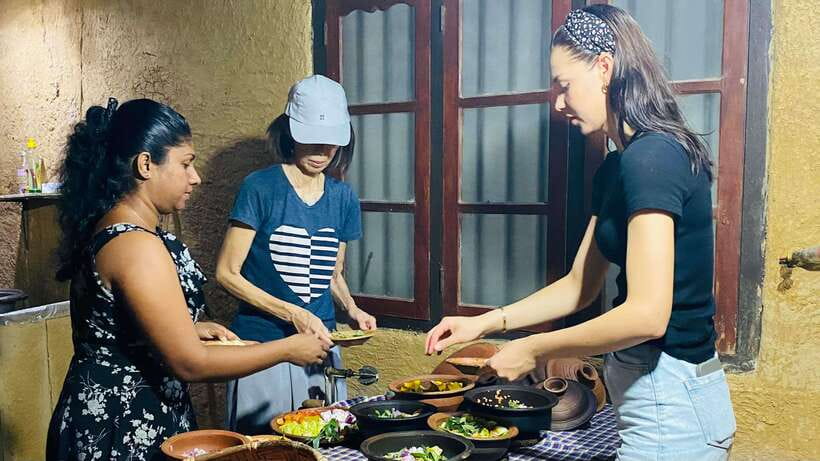
I especially like the way the class is organized for shared participation. You may help with several dishes rather than prepare a single curry from start to finish. That means you try more flavors and learn how the separate parts of a Sri Lankan meal fit together.
More market cooking classes in the world:
- Hanoi Cooking Class: Culture, Local Market & Meaning CSR Impact
★ 5.0 · 5,147 reviews - 5 Traditional Dishes Hanoi Cooking Class with Market Trip
★ 5.0 · 4,890 reviews - Cooking Class and Lunch at a Tuscan Farmhouse with Local Market Tour from Florence
★ 5.0 · 4,831 reviews
The market visit: choosing the meal before cooking it
The market is not simply a short shopping stop. It gives you the first practical lesson in Sri Lankan cooking.
You walk through the stalls with Madhu and select fresh, locally sourced ingredients for the meal. Depending on the food preferences of your group, this may include vegetables, fish, and ingredients for sambol and curry. Madhu explains what the ingredients are and how they are used, which is helpful if you are seeing unfamiliar produce for the first time.
This is also the best time to ask questions. If you do not know a vegetable, ask how it is cooked. If a spice is unfamiliar, ask what it contributes to the dish. A market can be noisy and busy, and you will not get a long lecture at every stall, but the short explanations help connect the ingredients to the recipes later.
There is also an opportunity to sample local street food at one of the markets. The details can vary, but this part gives you a taste of everyday food outside the formal meal you will prepare at home.
A practical point: the market visit makes the class more active than a standard cooking lesson. You will be walking, looking, choosing, and handling ingredients before you sit down to cook. Wear comfortable clothes and shoes, and expect the morning or afternoon to have a steady rhythm rather than a slow, quiet pace.
Inside Madhu’s traditional kitchen
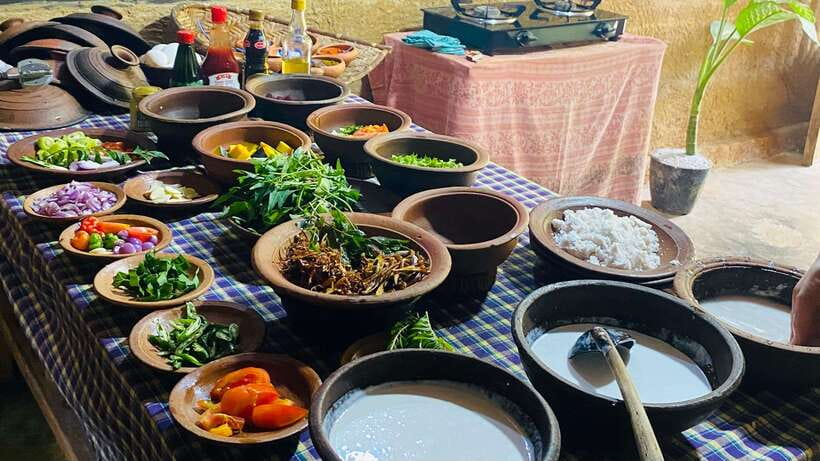
After shopping, you go to the cooking venue at Madhu’s family home. The home setting is the heart of the experience.
You will have a professional chef guiding you, but the class does not sound like a formal culinary-school course. Madhu teaches through clear explanations and practical work. You can learn a few Sri Lankan phrases along the way, ask about ingredients, and see how the food is prepared in a traditional kitchen.
The emphasis is on participation. Your group may chop, stir, season, prepare coconut, and help with several curries and side dishes. The exact menu can depend on the ingredients selected and the needs of the group. The advertised meal includes seven vegetable curries, fish or chicken curry, coconut sambol, side dishes, and dessert. One group cooked 11 traditional dishes, so you should expect a broad meal rather than one simple recipe.
That variety is useful. A curry teaches one set of techniques, while sambol, rice, vegetables, and side dishes show how Sri Lankan meals balance heat, creaminess, acidity, and texture. You may not master every dish in three hours, but you will see enough of the process to repeat the recipes at home.
The shared format also suits friends and families. Each person can take part, and children have been warmly welcomed. If your group prefers to cook mainly vegetables, tell Madhu in advance. A vegetarian participant received careful attention throughout the meal, and the class can also adjust spice levels for someone who prefers milder food.
What you may cook and eat
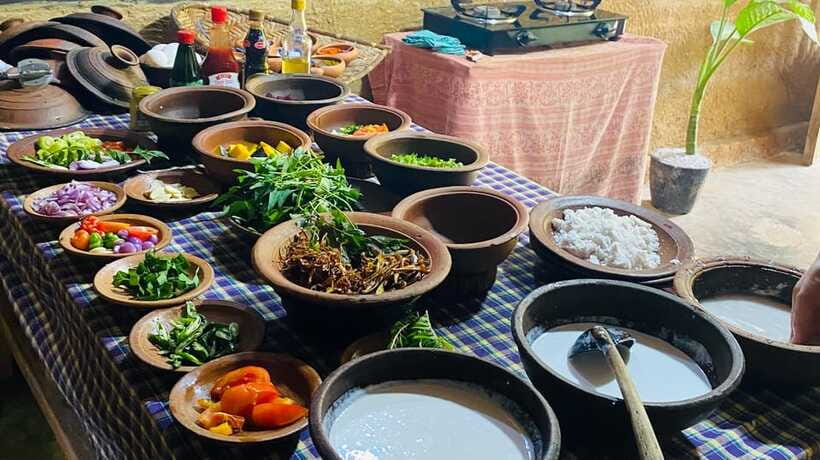
The meal is designed as a traditional Sri Lankan course with several parts on the table. The main choices listed are fish curry or chicken curry, along with seven vegetable curries, coconut sambol, side dishes, and dessert.
The vegetable dishes are a strong reason to book this class. Sri Lankan food is not built around one large portion of meat with a token vegetable on the side. Several small preparations can share the meal, each with its own seasoning and texture. If you choose vegetables that are new to you at the market, the cooking session becomes a lesson in produce as well as spice.
The fish curry has received special praise from several participants, but the class is not only about heat. Madhu has prepared a special fish dish for someone who could not tolerate much spice. That suggests you should speak up about dietary needs and spice preferences instead of assuming every dish will be fiery.
Coconut is another important part of the meal. Coconut milk and homemade coconut ingredients may be used in the curries and sambol. You can learn how coconut softens spices and adds body to a dish without making every curry taste the same.
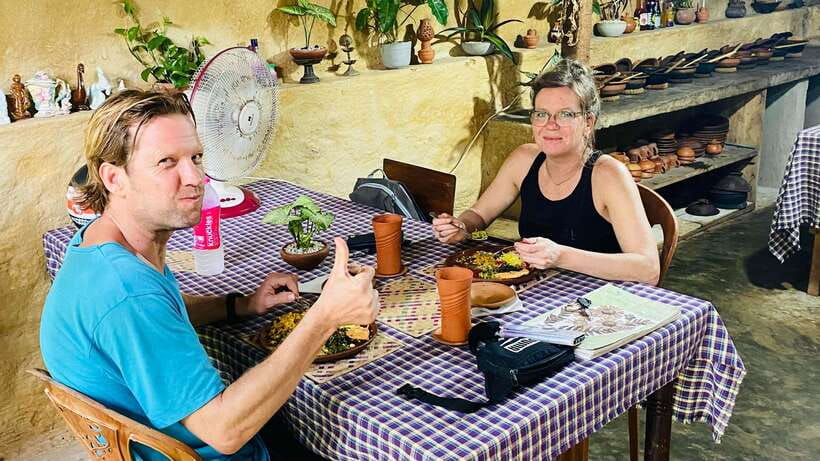
The final meal is generous. You sit down with your group and eat what you helped prepare, with additional side dishes supplied by your local host. Water and a welcome drink are included. Dessert is also listed, so this is not a quick tasting followed by a separate lunch plan.
More cooking classes in the world:
- Chiang Mai: Cooking Class, Market & Thai Herbs Garden Tour
★ 4.9 · 4,824 reviews - Chiang Mai: Authentic Cooking Class with Market & Farm Visit
★ 4.9 · 4,546 reviews - Barcelona: Paella Cooking Experience & Boqueria Market Tour
★ 4.8 · 3,661 reviews - Cooking Class Hoi An:Local Market, Basket Boat, Fishing & Cooking
★ 5.0 · 3,660 reviews
A three-hour schedule that packs in a lot
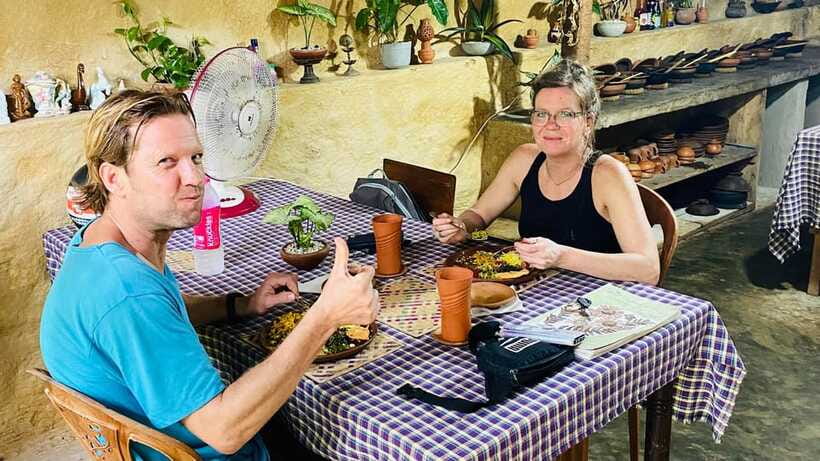
Three hours is long enough to cover the market and cooking without taking over your entire day. It is a good fit if you want a food experience but still plan to visit other sights in Galle.
The usual flow is:
- Hotel pickup and meeting Madhu
- Market visit and ingredient selection
- Possible street food tasting and spice-shop stop
- Transfer to the family home
- Cooking several Sri Lankan dishes
- Sitting down to eat the finished meal
- Receiving recipes and photos or video from the experience
The order and timing may vary. Starting times depend on availability, so check the schedule when booking. Hotel pickup and drop-off are included, which matters because the activity combines a market in Galle with a home setting in the Kotapola area.
With a maximum of 10 participants, the class remains small enough for questions and hands-on work. A group of 10 is still more social than private, and you may share tasks rather than receive constant one-to-one instruction. If you want a very quiet, private lesson, confirm the group size before booking.
What the $40 price includes
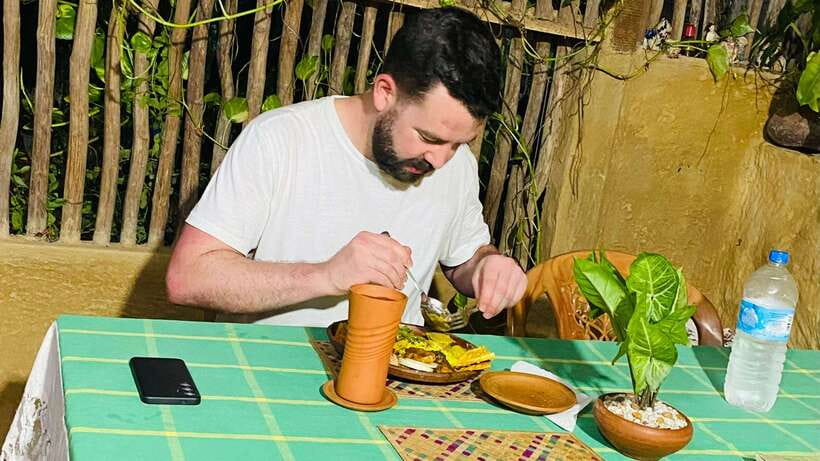
At $40 per person, the value comes from the number of parts packed into the experience. You are paying for transport, a market tour, instruction, ingredients, equipment, a welcome drink, water, the meal, side dishes, recipes, and photo and video service.
If you paid separately for a market tour, cooking lesson, meal, and transport, the total would likely be higher. More important, those pieces work better together here. You see the ingredients at the market, use them in the kitchen, then eat the result.
The price is also easier to justify for a group. Friends or relatives can share the meal and the work, and children can take part. The experience is less valuable if you only want to sit and watch, since the main appeal is helping with many dishes.
There are a few limits to keep in mind. The price does not promise a private class, and the venue is a family home rather than a high-end cooking studio. You are paying for access to local food habits and personal instruction, not for luxury surroundings.
Food needs, spice levels, and family groups
This class suits vegetarians particularly well because the meal includes many vegetable dishes. One participant received careful attention as a vegetarian, and the shopping format gives your group a chance to discuss what should go into the meal.
You should also tell Madhu about allergies, meat preferences, and spice tolerance before the class. A special milder fish preparation was made for one person who did not eat much spice, so adjustments may be possible. The supplied information does not promise a specific allergy-free menu, so anyone with a serious allergy should confirm arrangements before paying.
Families can consider this activity too. Children have been welcomed, and a shared kitchen can be more engaging for them than a long restaurant meal. Younger children may need help around cooking equipment, but the class offers a chance to handle ingredients and learn where food comes from.
For adult groups, the format works well because everyone can do a small job. You do not need to be an experienced cook. The value is in seeing the method, asking questions, and trying a range of dishes.
The most authentic part is the meal at home
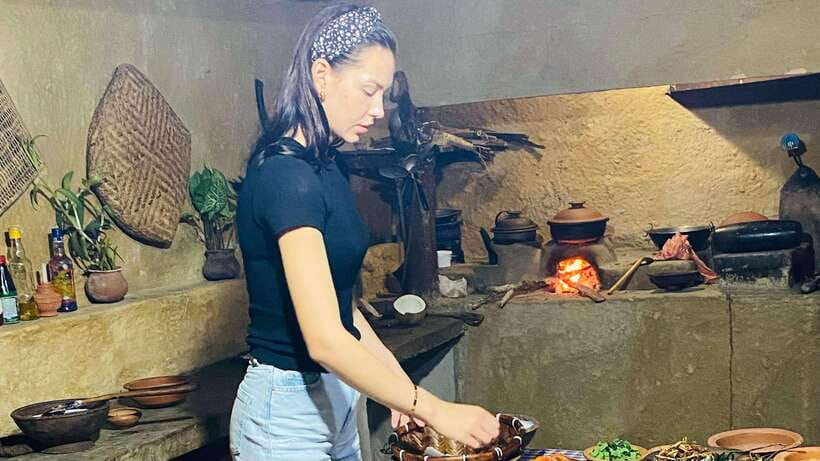
The market and cooking lesson are useful, but the family setting gives the class its character. Eating in the same home where you cooked makes the meal feel connected to the people and place.
Madhu’s family is involved in welcoming participants, and the home atmosphere is warm rather than formal. You can ask about dishes, ingredients, cooking methods, and local food habits while sitting down to eat. That informal conversation is difficult to recreate in a commercial cooking studio.
The tradeoff is simple: a home kitchen may not have the space, equipment, or polished layout you expect from a culinary school. It may feel close and personal, but it will not be a staged show kitchen. I see that as a fair exchange for a more direct local experience, provided you value connection over comfort.
Small details that improve the experience
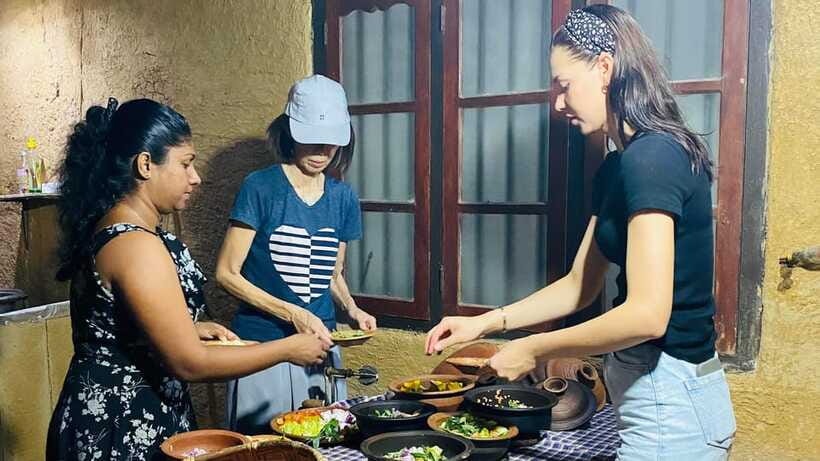
A few choices can make this activity work better for you:
- Tell Madhu about vegetarian needs or low-spice preferences before the class.
- Wear comfortable clothing and shoes for the market visit and cooking session.
- Ask about unfamiliar vegetables while shopping, not only after the meal.
- If you want to buy spices, allow time for the possible spice-shop stop.
- Bring an appetite. The meal can include many dishes, not just one curry.
- Make sure you receive the recipes before leaving so you can recreate the food at home.
- If you need a private class, ask about the group size, since the maximum is 10 participants.
The included photo and video service is a nice extra. It lets you keep a record of the cooking session without needing to spend the whole time taking pictures yourself.
Who should book this cooking class?
I would choose this class if you want food to be the way you get to know Sri Lanka. It suits people who enjoy markets, home cooking, shared meals, and asking questions about unfamiliar ingredients.
It is especially good for:
- Couples who want a local meal with a practical activity
- Families looking for a child-friendly cultural experience
- Groups of friends who enjoy cooking together
- Vegetarians who want several vegetable dishes
- First-time visitors who want an introduction to Sri Lankan flavors
- Home cooks who want recipes to use after the trip
I would be less eager to recommend it if you want a polished, quiet, private cooking studio or a tightly fixed menu. The class is hands-on and home-based, and the exact dishes can reflect what your group chooses at the market.
The experience has a current rating of 5 out of 5 from 47 reviews, and the strongest praise centers on Madhu’s patient teaching, the fresh ingredients, the family welcome, and the final feast. Those are the reasons to book, not simply the promise of learning a few recipes.
Should you book the Galle cooking class?
Yes, if you want more than a meal. For $40, you get a market visit, transport, a three-hour lesson, many dishes, and a home meal with Madhu and her family. The class gives you a practical look at Sri Lankan food from market stall to dining table.
Book it when you want a friendly group experience and are happy to help with several dishes. Choose another option only if you need a fully private class, a luxury kitchen, or a fixed menu with no variation. For most food-loving visitors, this is a generous and personal way to spend three hours in the Galle area.
FAQ
Where does the cooking class take place?
The experience is listed in Kotapola, Sri Lanka, with a market visit in Galle and cooking at a local family home.
How much does the cooking class cost?
The price is $40 per person.
How long does the experience last?
The cooking class and market experience lasts three hours.
Is hotel pickup and drop-off included?
Yes. Hotel pickup and drop-off are included.
What food is included?
The meal includes seven vegetable curries, fish or chicken curry, coconut sambol, side dishes, and dessert. The exact selection can vary.
Is the market visit included?
Yes. The market tour is included, along with ingredient shopping for the cooking class.
Who teaches the cooking class?
Madhu is the local host and cooking instructor. The experience is led in English.
How many people can join?
The class is a small-group experience with a maximum of 10 participants.
Is the activity wheelchair accessible?
Yes. The activity is listed as wheelchair accessible.
Can I cancel for a full refund?
Yes. You can cancel up to 24 hours in advance for a full refund. You can also reserve now and pay later.
More Shopping Tours in the world
- Bangkok: Floating Market and Train Market Experience
★ 4.8 · 3,998 reviews - Bangkok: City Highlights Temple and Market Walking Tour
★ 4.5 · 3,990 reviews - Half-Day Railway Market and Floating Market Tour in Thailand
★ 4.5 · 3,924 reviews - Chef Guided Food Tour of Pike Place Market
★ 5.0 · 3,733 reviews
More Markets in the world
- Bangkok: Damnoen Saduak Market and Maeklong Railway Market
★ 4.5 · 26,723 reviews - The Old Siam: Damnoen Saduak and Maeklong Railway Market
★ 4.5 · 10,992 reviews - Bangkok: Train Market & Floating Market with Boat Ride
★ 4.7 · 9,547 reviews - From Bangkok: Ayutthaya & Ayothaya Floating Market Day Trip
★ 4.7 · 6,084 reviews
Just added around the world
- Three-Hour Private Chengdu Tea Wholesale Market Tour★ 5.0 · 4 reviews
- Half-day Dandan Noodles Cooking Class with a Local Market Visit★ 5.0 · 8 reviews
- Chania: Old Town, Public Market, Hill of Prophet Elias, Agia Triada★ 5.0 · 35 reviews
- Moroccan Cooking Class with a Local Family & Market Visit★ 5.0 · 16 reviews
- Chania Old Town, Public Market and Chrisopigi Monastery Tour★ 4.5 · 6 reviews
- 3-Hour Herbal Wholesale TCM Market and a Local Wet Market Tour★ 5.0 · 4 reviews
- Food Tasting & Market Shopping: Private Guided Tour in PORT LOUIS★ 4.5 · 9 reviews
- Charleston International Sweet Treats & Historic City Market Tour★ 5.0 · 22 reviews
Market Cooking Classes, compared.
Hanoi Cooking Class: Culture, Local Market & Meaning CSR Impact
Read our review →
5 Traditional Dishes Hanoi Cooking Class with Market Trip
Read our review →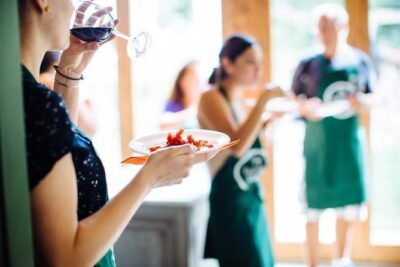
Cooking Class and Lunch at a Tuscan Farmhouse with Local Market Tour from Florence
Read our review →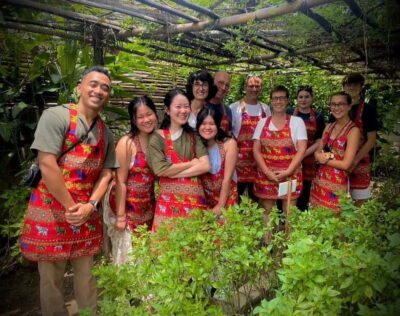
Cooking Class, Market & Thai Herbs Garden Tour
Read our review →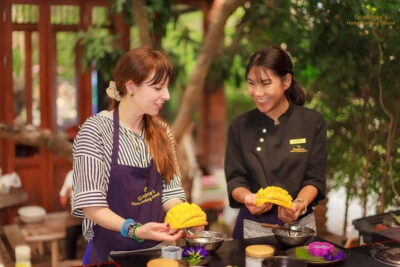
Authentic Cooking Class with Market & Farm Visit
Read our review →
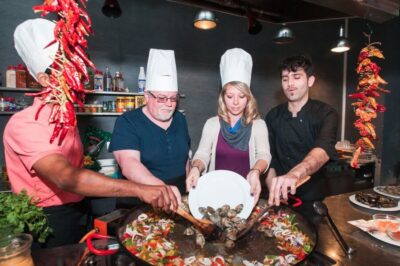
Paella Cooking Experience & Boqueria Market Tour
Read our review →