
Review · CHINA
Half-Day steamed Buns Cooking Class with a Local Market Visit
Chengdu is famous for hot food, but this class takes you past the finished dish and into the process. You begin at a local spice market, then learn to fold and steam baozi, filled Chinese buns, in a traditional Sichuan courtyard. I like the way the market gives meaning to the ingredients, and I like that you eat the food you make rather than simply watching a chef work. The main consideration is time: the class lasts about four hours, and the market visit includes walking, so comfortable shoes matter.
I also like the small, social touches. You receive local tea in the courtyard, and the meal ends with beverages or beer. Guides including Lance and Jerry have helped visitors handle the market, explain unfamiliar vegetables, and try a little Chinese language. A group of up to 15 keeps the price of $80 reasonable, though a smaller group would give each person more kitchen attention.
Key points at a glance
- Market first, cooking second: You see Sichuan spices and ingredients before using them in the kitchen.
- Baozi from dough to dinner: You make filled steamed buns and eat them at the end of the class.
- Traditional courtyard setting: The lesson takes place in a Sichuan-style courtyard with local tea.
- Helpful English guidance: An English-speaking guide leads the market visit and cooking session.
- Food and drinks included: Ingredients, light refreshments, tea, beer or other beverages, and lunch or dinner are covered.
- Useful planning details: The experience lasts about four hours, accepts children from age five, and offers a vegetarian option if requested in advance.
Starting at Chengdu’s local spice market
The first stop is Chilli Cool China, where the experience begins with a walk through a local market. This is not just a quick shopping stop before class. You are given challenges to complete while learning about Sichuan spices and the ingredients used later in the kitchen.
That order makes sense. Sichuan cooking can look mysterious when you encounter unfamiliar peppers, seasonings, and vegetables on a menu. Seeing the ingredients in their market setting helps you connect names, smells, colors, and uses before you begin cooking.
You may also get a small chance to use Chinese. One guide, Lance, has helped visitors try local language during the market visit, while Jerry has patiently translated unfamiliar vegetables and explained what shoppers were looking at. The exact guide is not guaranteed, but the format gives you a better chance to ask practical questions than a standard sightseeing walk.
The market is also the most active part of the morning or afternoon. You will be walking, looking closely at ingredients, and keeping up with the group. It is wise to wear comfortable walking shoes, especially since the tour operates in all weather. Rain or strong heat could make this part less comfortable, so dress for the day rather than for the kitchen alone.
More Local Market Tours in China
- Half-Day Chengdu Cooking Class with a Local Market Visit
★ 5.0 · 465 reviews - Half-Day Professional Mapo Tofu Cooking with a Local Market Visit
★ 5.0 · 19 reviews - Old Guangzhou Backstreet Alley Local Market Walking Private Tour
★ 5.0 · 18 reviews
What the Sichuan ingredients add to the class
The market visit gives the cooking lesson a local frame. You are not simply handed a bowl of premeasured ingredients and told to copy a recipe. You first learn about the spices and produce that shape Sichuan food.
That matters even if you never recreate the dish at home. You will better understand why Sichuan food has such a strong identity, and you can ask about ingredients that you might otherwise pass without recognizing. The class is built for curious eaters who want more than a restaurant meal or a short demonstration.
The market challenges also give the first part some structure. Instead of listening to a long explanation, you have something to look for and discuss. For families, this can make the market more engaging for children, although younger participants will need to stay with the group in a busy public setting.
Do not expect a full food tour of Chengdu. The market visit supports the baozi class, so the focus stays on spices and ingredients connected to cooking. If your main goal is a long tasting route through the city, this is not the right format. If you want a useful introduction before making a local dish, it fits well.
Tea in a traditional Sichuan courtyard
After the market, you move to Chilli Cool’s Kitchen, set in a traditional Sichuan-style courtyard. The change in setting gives the experience a calmer second act.
You are treated to local tea, a custom used to welcome friends and visitors. It is a small detail, but it gives you time to settle in before handling dough and fillings. I appreciate this pause because cooking classes can feel rushed when everyone moves directly from one task to the next.
The courtyard also helps distinguish the class from a generic cooking school. The surroundings connect the food to local customs without requiring a long history lecture. You get a taste of how hospitality and food fit together in Sichuan daily life.
The information does not specify whether the kitchen is fully enclosed or how much time is spent seated in the courtyard. Since the activity runs in all weather, bring suitable clothing. The included tea and light refreshments should help, but this is still a hands-on food activity rather than a relaxed afternoon of sitting.
Making baozi with a professional chef
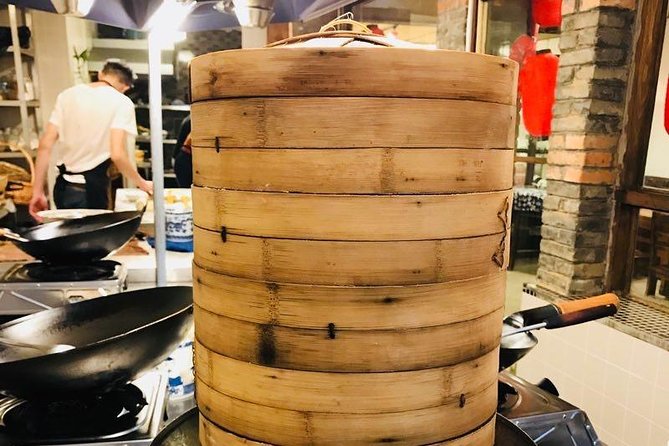
The central lesson focuses on baozi, traditional steamed buns with a filling. A professional chef guides you through the cooking process in a cozy kitchen.
The appeal here is practical. You are not only watching dough being shaped by someone who has made it many times. You take part in making the buns yourself, then see the result cooked and served as a meal. The exact recipe, filling, and number of buns are not specified, so you should not book this expecting a particular menu beyond baozi.
Making steamed buns also gives the class a clear task. You work with dough, filling, shaping, and steaming, with the guide helping you through the stages. The finished bun is simple enough to understand but hands-on enough to keep the class interesting.
This is a good choice if you like food classes that produce something recognizable. You leave with an understanding of how a familiar Chinese staple is assembled, rather than a vague memory of watching a demonstration.
The group limit is 15 people. That is small enough to keep the session personal by tour standards, but it is not a private lesson. If the class fills, you may share work surfaces and wait briefly for help. The guide and chef have to divide attention among the group, so visitors who want one-to-one instruction should consider that limitation.
More Market Cooking Classes in China
- Chengdu: Cooking Class with Fresh Market Half Day Experience
★ 5.0 · 42 reviews - Hong Kong Market Walking Tour & Chinese Cooking Class
★ 5.0 · 24 reviews - Half-day Dandan Noodles Cooking Class with a Local Market Visit
★ 5.0 · 8 reviews - Beijing: Vegan Home Cooking & Local Market Tour with Sanxia
★ 4.8 · 4 reviews
Eating what you made, with tea or beer
The final reward is the meal itself. You eat the baozi you prepared, along with beverages or beer, and the class schedule determines whether this counts as lunch or dinner.
This meal is more than a convenient inclusion. It gives the cooking lesson a proper finish and lets you judge the result while the technique is still fresh. You can see how the shape, filling, and steaming affect the finished bun.
Ingredients, drinks, light refreshments, and lunch or dinner are included in the $80 price. That makes the cost easier to assess than the fee for a class where you still need to buy a meal afterward. You are paying for four to five hours of guiding, market access, instruction, food, and a local cultural setting, not just for a recipe card.
The value depends on your interests. If you would happily pay for a market walk and a meal in Chengdu, adding the cooking lesson makes the price fair. If you only want to eat baozi, a restaurant will cost much less. The class earns its price through participation and context.
Vegetarian food is available, but you need to request it when booking. You should also provide any other dietary requirements at that time. The supplied information does not promise other substitutions, so do not wait until the kitchen session to explain a serious allergy or restriction.
Why the guide can make or break the morning
The market requires explanation. Names of spices and vegetables can be hard to follow when you are seeing them for the first time, and the language barrier can turn a simple question into a missed opportunity.
That is why the guide matters more here than in a class held entirely in a kitchen. Lance has helped visitors understand the market from start to finish and has taken photos during the experience. Jerry has been praised for patient translations and clear explanations of unfamiliar vegetables. If either guide leads your group, you can expect a personal touch, but the booking details do not promise a specific guide.
Photography is another useful detail. Having the guide take pictures can free you to concentrate on the market and cooking. It also gives you a record of the process, especially if you are busy shaping buns with flour on your hands.
The English-speaking guide is included, but this is still a group setting. Ask questions as you go, particularly at the market, when an ingredient is in front of you. Waiting until the cooking begins may mean missing the connection between the ingredient and the recipe.
Timing, meeting point, and group size
The stated duration is about four hours, with the full activity sometimes described as four to five hours. Plan a half-day around it rather than scheduling a museum visit or train immediately afterward.
You meet at 167 Yi Huan Lu Bei San Duan, Jin Niu Qu, Chengdu, Sichuan, postal code 610051. The experience ends back at the meeting point. No separate transport is listed, so you should arrange your own way to and from the starting address unless the operator gives you different instructions after booking.
Confirmation is provided when you book, and a mobile ticket is available. The tour is commonly booked about 14 days ahead, so reserving early is sensible if your Chengdu dates are fixed. This matters most for families, larger groups, or anyone who needs the vegetarian option.
The minimum age is five. That makes the activity possible for families, but children should be comfortable walking through a market and taking part in a structured kitchen session. The maximum group size is 15, and group discounts are available. Ask about the discount when booking if you are traveling with several people.
The experience runs in all weather. Comfortable walking shoes are specifically advised, and practical clothing is better than anything delicate or restrictive. You will be in a market, courtyard, and kitchen, so this is not the time for formal clothing.
Who will get the most from this Chengdu class
I would recommend this experience to food-focused visitors who want to understand what they are eating. It is especially useful for first-time visitors to Chengdu who want a guided introduction to Sichuan ingredients without committing to a full-day food program.
Families can also make good use of it because the market challenges and bun shaping offer clear activities. The age minimum is five, but the child still needs to manage walking and group instructions.
It suits you less if you dislike group activities, have severe dietary restrictions that require detailed substitutions, or want a quiet private cooking lesson. The class is social, hands-on, and built around a shared kitchen.
It is also not a replacement for a broad Sichuan food tour. The focus is narrow and useful: market ingredients, Sichuan spices, and baozi. That narrow focus is a strength if you want to learn one dish properly, but a limitation if you want to sample many local specialties.
Should you book the baozi workshop?
Book it if you want to do something in Chengdu that links the market, the kitchen, and the dining table. The best parts are the ingredient-focused market visit, the traditional courtyard setting, the chance to try some Chinese language, and the satisfaction of eating buns you helped make.
The $80 price is reasonable when you count the guide, ingredients, meal, drinks, tea, and roughly half a day of instruction. I would book at least 14 days ahead if you need a certain date, request vegetarian food or other dietary care at the time of booking, and leave plenty of room around the four-hour schedule.
Skip it if your priority is a cheap meal, a private chef, or a long city food crawl. For everyone else, this is a friendly, practical way to meet Chengdu through one local dish, with enough market context to make the cooking feel connected to the place.
FAQ
How long does the baozi cooking experience last?
The activity lasts about four hours, with the full workshop described as taking four to five hours.
Where does the tour begin?
It begins at 167 Yi Huan Lu Bei San Duan, Jin Niu Qu, Chengdu, Sichuan, China, postal code 610051.
Where does the activity end?
The activity ends back at the meeting point.
What is included in the price?
The experience includes an English-speaking guide, the market tour, food ingredients, beverages or beer, light refreshments, and lunch or dinner depending on the class schedule.
Is a vegetarian option available?
Yes. You must advise the operator at the time of booking if you require vegetarian food. You should also provide details of any other dietary requirements when booking.
Can children join the class?
Yes. The minimum age is five years old.
What happens if I need to cancel?
You can receive a full refund if you cancel at least 24 hours before the local start time. Cancellations or changes made within 24 hours are not accepted for a refund.
More Markets in China
- Mini Group Xian Day Tour to Terracotta Army, City Wall, Pagoda and Muslim Bazaar
★ 5.0 · 1,320 reviews - Shanghai Day Tour to Zhujiajiao Water Town, Yu Garden, Bazaar, Bund
★ 5.0 · 162 reviews - Organic Chinese Dumpling Class with Market Walk
★ 5.0 · 88 reviews - Xi’an: Terracotta Army, Lunch, City Wall, Pagoda, Bazaar
★ 5.0 · 72 reviews
More Cooking Classes in China
- Dumpling Cooking Class and Local Market Tour
★ 5.0 · 3 reviews - Hanoi Cooking Class: Culture, Local Market & Meaning CSR Impact
★ 5.0 · 5,147 reviews - 5 Traditional Dishes Hanoi Cooking Class with Market Trip
★ 5.0 · 4,890 reviews - Cooking Class and Lunch at a Tuscan Farmhouse with Local Market Tour from Florence
★ 5.0 · 4,831 reviews
Just added around China
- Three-Hour Private Chengdu Tea Wholesale Market Tour★ 5.0 · 4 reviews
- Half-day Dandan Noodles Cooking Class with a Local Market Visit★ 5.0 · 8 reviews
- 3-Hour Herbal Wholesale TCM Market and a Local Wet Market Tour★ 5.0 · 4 reviews
- Private Tour to Pearl Market Acrobatic Show & Peking Duck Dinner★ 5.0 · 5 reviews
- Private Distinctive Market Tour with Shaomai Lunch and Full Massage in Beijing★ 5.0 · 2 reviews
- Small Group Beijing Temple of heaven and Summer Palace with Pearl market★ 5.0 · 3 reviews
- Half Day Tour:Market Shopping Acrobatic Show & Peking Duck dinner★ 5.0 · 2 reviews
- Lama Temple, Hutong and Silk & Pearl Market Private Day Tour★ 5.0 · 5 reviews
Market Cooking Classes, compared.
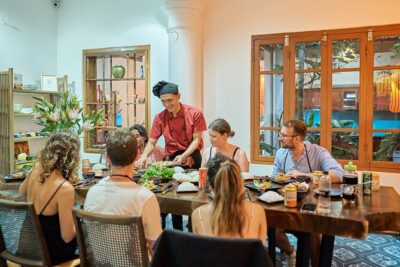
Hanoi Cooking Class: Culture, Local Market & Meaning CSR Impact
Read our review →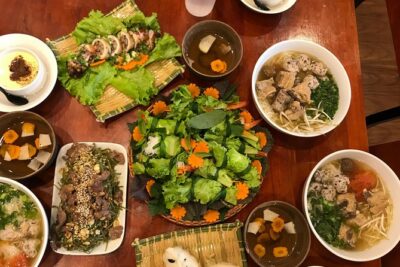
5 Traditional Dishes Hanoi Cooking Class with Market Trip
Read our review →
Cooking Class and Lunch at a Tuscan Farmhouse with Local Market Tour from Florence
Read our review →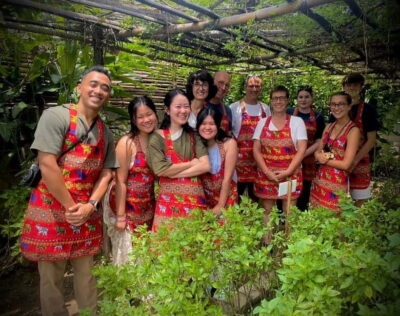
Cooking Class, Market & Thai Herbs Garden Tour
Read our review →
Authentic Cooking Class with Market & Farm Visit
Read our review →
Paella Cooking Experience & Boqueria Market Tour
Read our review →
Cooking Class Hoi An:Local Market, Basket Boat, Fishing & Cooking
Read our review →Browse the lists this tour appears in