
Review · KATHMANDU
Kathmandu Secret Food Crawl & Local Market Tour
Kathmandu’s best food often hides in plain sight: a small stall down an alley, a market counter crowded with locals, or a Newari dish you would never order without help. This two-hour walk brings you into Ason Bazar, the city’s oldest local market, then pairs its sights with at least five foods and drinks. I like the way the tour connects eating with daily life, and I like that guide Santosh has been especially good at explaining Nepal’s customs, religions, and social history along the way.
The price is $28 per person, a fair deal if you arrive hungry and make full use of the food stops. The main caution is pace. Two hours can hold a surprising amount of eating, but one guest felt the guide sometimes hurried through places, so this may feel more like a fast tasting walk than a slow market stroll.
Key points to know before you book
- Ason Bazar gives the tour its local focus: You walk through Kathmandu’s oldest market and see commerce, crafts, clothing, and ordinary street life.
- Expect at least five foods and drinks: Past tastings have included momos, laphing, pani puri, lassi, samosas, buckwheat pancakes, chatamari, and Newari dishes.
- Santosh is a memorable guide when available: He explains food alongside religion, politics, traditions, and the city’s changing culture.
- The portions add up quickly: Several people finished very full, with some tasting eight or nine different items.
- The meeting point is practical: Start at the main gate of Chhaya Devi Complex.
- It suits curious eaters best: You should be willing to try unfamiliar textures, strong spices, and dishes served in simple local settings.
Why this food walk is more than a meal
Kathmandu can be hard to read at first. Streets seem to fold into one another, shops spill into walkways, and food stalls may have no useful English sign. A guide changes the experience from random snacking into a guided introduction to the city.
The point is not simply to find a good plate of momos. You learn what people eat, where they shop, how Newari traditions shape local food, and how Kathmandu’s many religious and cultural influences meet in one neighborhood. The walk also gives you a useful first look at the city before you set off for other parts of Nepal.
I particularly like this approach for your first day in Kathmandu. One person used the tour early in a visit and found it helped make sense of the city’s noise, religions, and local customs. That timing makes sense: after two hours, you should have a better idea of what foods to seek out later and which alleys feel worth exploring.
More produce and farmers markets in the world:
- Hanoi Cooking Class: Culture, Local Market & Meaning CSR Impact
★ 5.0 · 5,147 reviews - Cooking Class and Lunch at a Tuscan Farmhouse with Local Market Tour from Florence
★ 5.0 · 4,831 reviews - Cooking Class Hoi An:Local Market, Basket Boat, Fishing & Cooking
★ 5.0 · 3,660 reviews
Starting at Chhaya Devi Complex
The meeting point is the main gate of Chhaya Devi Complex. You should treat this as a firm landmark and arrive ready to walk, since the tour is built around markets, lanes, and food stops rather than a vehicle ride.
The guide is English-speaking, friendly, and expected to lead the route in person. Santosh is the name that comes up most often in the experience details, and his role has gone well beyond pointing out dishes. He has discussed local culture, religion, politics, history, traditional clothing, and everyday life, adjusting conversations to the interests of the people in his group.
That personal element matters in Kathmandu. A food stall may serve a familiar-looking snack with an unfamiliar filling, or a dish may have a religious or ceremonial role that is not obvious from the plate. A good explanation helps you understand what you are eating instead of treating it as a novelty.
Walking through Ason Bazar
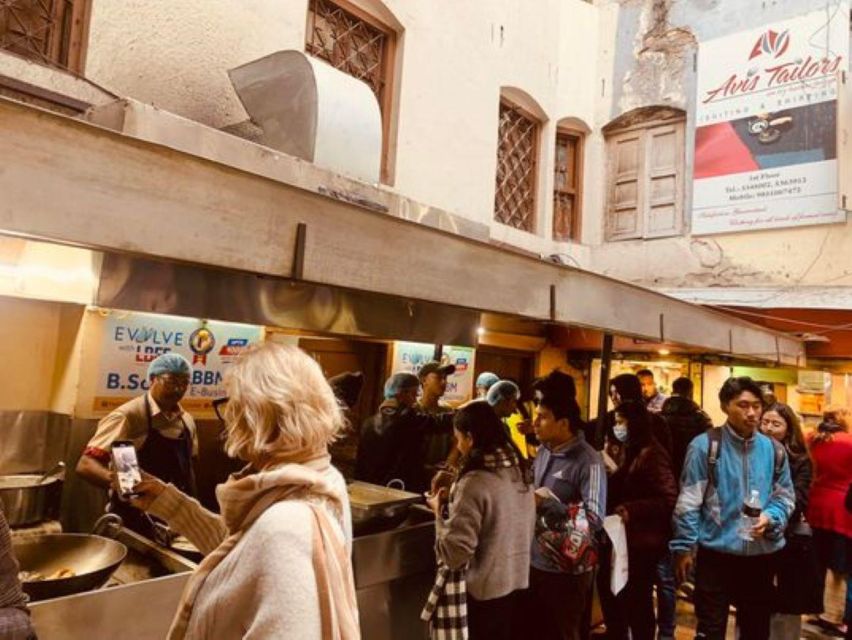
Ason Bazar is the heart of the outing. It is described as Kathmandu’s oldest local market, and the appeal is its working character. You are not being led through a display built only for sightseeing. You see a place where people buy food, clothing, household goods, and other everyday items.
The market also brings the Newar community’s traditions into view. The tour highlights Newari crafts, customs, and food, along with the city’s other cultural influences. You might hear about traditional clothing, local celebrations, and the way old neighborhoods continue to function within modern Kathmandu.
I would pay attention between food stops. Look at what is being sold, notice who is shopping, and watch how narrow lanes connect to larger market paths. The walk is as valuable for these small observations as it is for the tasting menu.
The route may also pass through nearby local areas and alleys associated with Thamel, based on the experiences described. The exact order and number of stops can vary, so you should not expect a fixed restaurant-style itinerary. That flexibility is useful because the guide can choose places that are open and suited to the group, but it also means you may not receive every dish listed in general descriptions.
Newari flavors and the first tastings
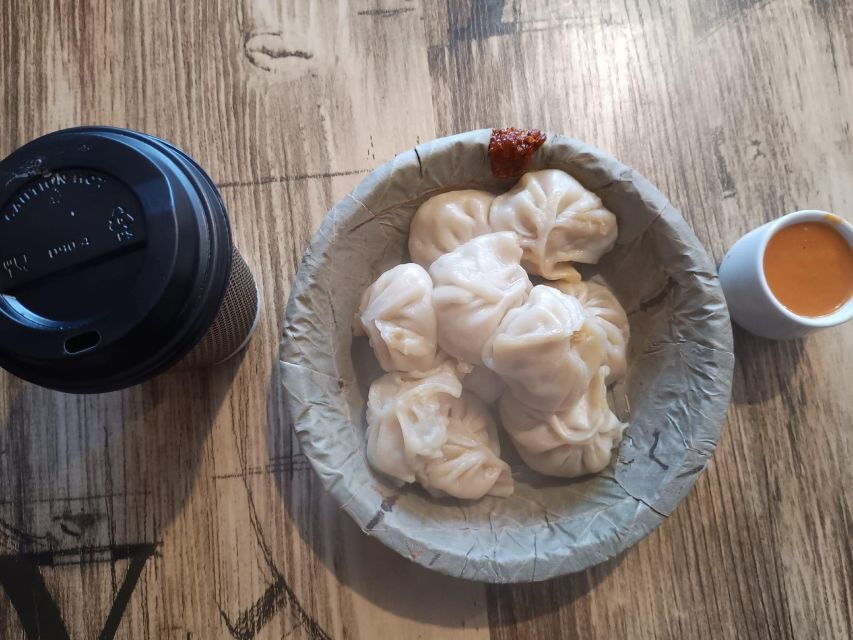
Newari food is the main cultural thread. The Newar people are indigenous to the Kathmandu Valley, and their cuisine includes strong flavors, contrasting textures, fermented foods, beaten rice, pickles, and buffalo meat. You may encounter a platter similar to Samay Baji, with beaten rice, spiced buffalo meat, pickles, and other small portions.
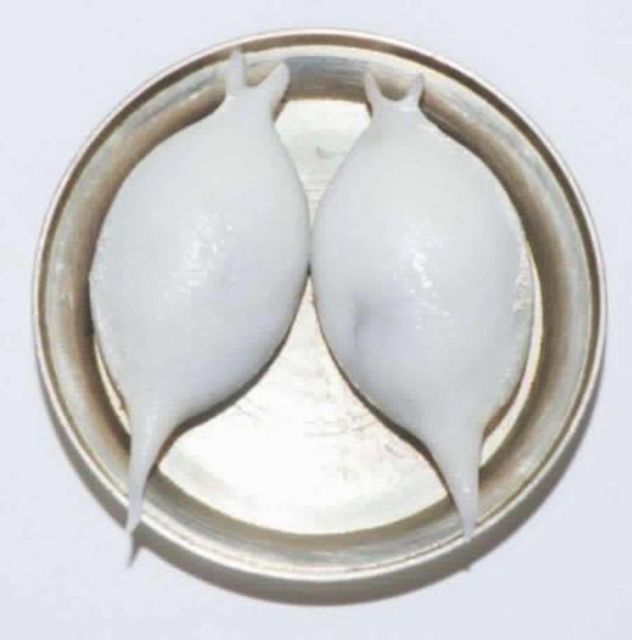
You may also try Yomari, a steamed sweet dumpling filled with molasses and sesame seeds. It is a very different experience from savory street food and shows how Newari cooking includes special sweets as well as snack foods.
Another likely possibility is chatamari, sometimes compared with a Newari pizza. The comparison helps you picture it, but it should not make you expect Italian flavors. Chatamari is a local rice-flour dish and can be topped in ways that reflect Kathmandu’s own cooking traditions.
Past tastings have included buckwheat pancakes, samosas, and momos. These foods give you a useful spread: local Newari specialties alongside snacks influenced by wider Nepali, Tibetan, and Indian food traditions.
More food and drink tours in the world:
- Dubai: Old Town, Creek, Museums, Souks, & Street Food Tour
★ 4.8 · 10,816 reviews - Dubai: Old Town, Souks, Street Food, Guided Tour & Abra Ride
★ 4.9 · 7,170 reviews - Bangkok by Night: Temples, Markets and Food Tuk-Tuk Tour
★ 5.0 · 3,752 reviews - Chef Guided Food Tour of Pike Place Market
★ 5.0 · 3,733 reviews
Street snacks in the narrow lanes
The street-food portion is where the tour earns its price. Many people would not feel comfortable choosing an unfamiliar stall alone, even when the food looks appealing. The guide takes you to small local places that are easy to miss and explains what to order.
Momos are the obvious favorite for many first-time visitors. These dumplings come in several forms and may be filled with meat or vegetables. They are familiar enough to be approachable, but still worth trying from a local stall rather than assuming one plate tells you all about them.
Laphing is less predictable. It is a cold, spicy mung-bean noodle dish with a slippery texture and a sharp kick. If you prefer mild food, ask the guide about the heat before you take a full portion.
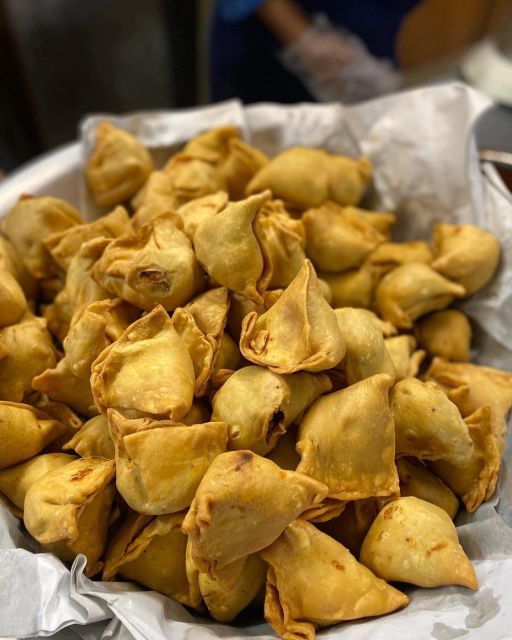
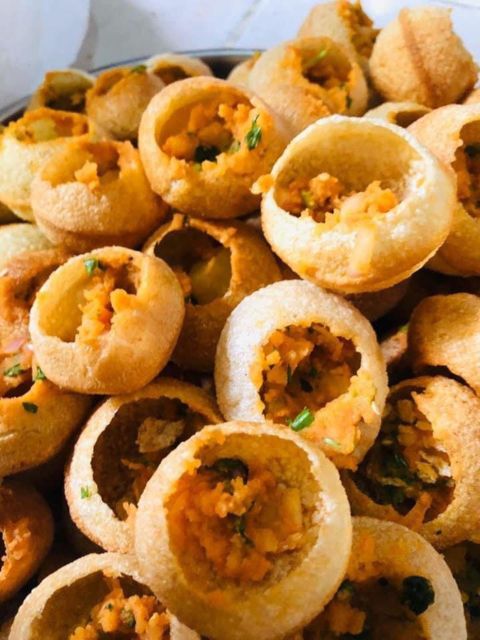
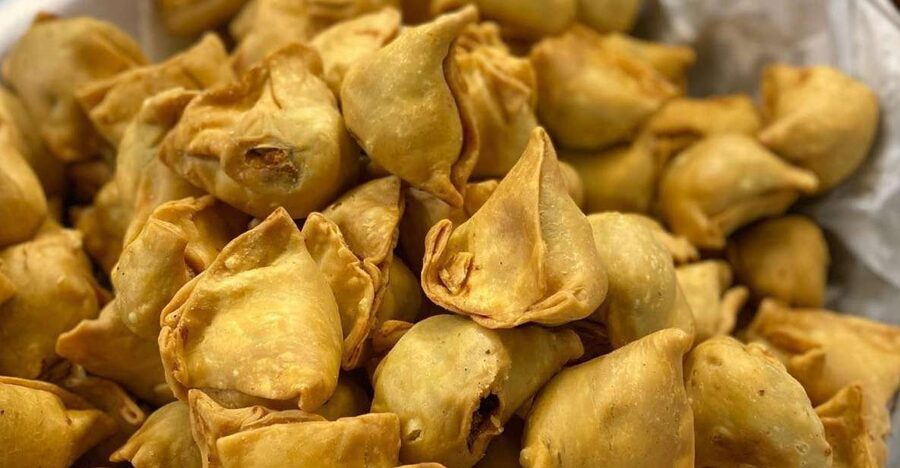
Pani puri adds another contrast. These small, crisp shells are filled and served with seasoned liquid, making them quick, messy, and fun to eat. Lassi provides a cooler, sweeter break, while samosas offer a familiar fried snack with local context.
The food is included, with a minimum of five items and drinks. In practice, the tasting can be generous. Some outings have included eight or nine different things, and several people reported being very full by the end. I recommend eating only a light breakfast or lunch beforehand.
Cleanliness, spice, and comfort
A food walk should stretch your palate, not your nerves. The guide is expected to select established local vendors, and one particularly useful experience described food as fresh, safe, and prepared at clean stalls. Still, street food is street food. You should use your own judgment, tell the guide about allergies or dietary limits, and ask questions before trying something unfamiliar.
The tour description does not promise vegetarian, vegan, gluten-free, or allergy-specific arrangements. If you have a serious restriction, contact the provider before booking rather than relying on an adjustment at the market.
Spice levels can also vary. Laphing, pickles, and chutneys may be hot, while sweet foods and lassi provide relief. The guide can explain dishes, but you should be clear about your comfort level from the start.
Food safety is only one part of comfort. You will be walking through active market areas and standing at stalls, not sitting in a quiet dining room. Wear practical shoes, carry tissues or hand sanitizer, and keep your schedule open enough that you do not have to rush away immediately after the final tasting.
The cultural value of the guide
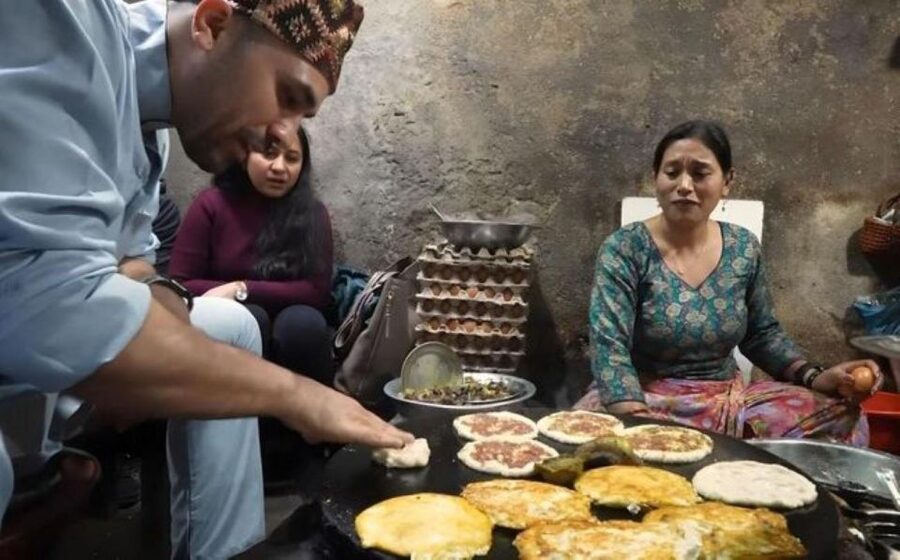
The strongest part of this experience is the conversation around the food. Santosh, when assigned, has been praised for explaining not only ingredients but also Nepal’s wider culture. That can include the role of religion in daily life, local politics, social customs, and the history of Kathmandu’s neighborhoods.
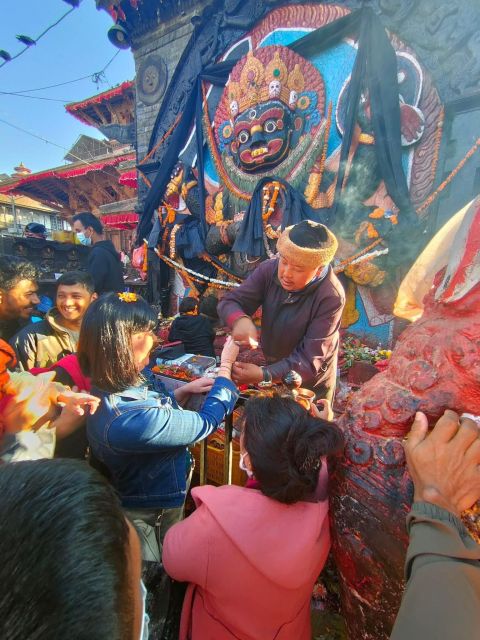
This turns a short food walk into a compact orientation tour. You may pass a temple, market building, clothing stall, or neighborhood courtyard and learn why it matters. One outing included a visit to Kumari Temple, where the timing allowed the group to see the Kumari appear. That is not listed as a guaranteed stop, so treat it as a possible extra rather than a promised part of the route.
The guide’s local knowledge is especially useful for solo visitors. Eating alone at an unfamiliar stall can feel awkward, and ordering from a menu you cannot read is not always simple. A guide gives you a social bridge and makes it easier to try several small portions.
The experience also works well for couples and small groups. It has been adapted around personal schedules in at least one case, but you should still allow the full two hours and confirm the start time when booking.
Is $28 good value?

At $28, this tour is reasonably priced if you value both food and interpretation. The fee includes the English-speaking guide, government taxes and official expenses, and all food and drinks, with at least five items promised. You are not paying only for a meal. You are paying for access to places you might not find, the confidence to try unfamiliar dishes, and explanations that connect them to Kathmandu.
The value is strongest if you arrive hungry. A meal’s worth of small tastings can cost a fair amount on its own, and several experiences included more than the minimum. You also avoid spending your first day guessing which stalls are worth trying.
The deal is less compelling if you want a slow, polished restaurant lunch or a private cooking lesson. This is a walking tasting route in working market areas. The food is the main event, but the setting may be basic and the pace brisk.
Free cancellation up to 24 hours before the start gives you some flexibility, and you can reserve without paying immediately. Those terms are useful when your Nepal plans depend on flights, trekking arrangements, or weather.
Who should book this Kathmandu food tour?
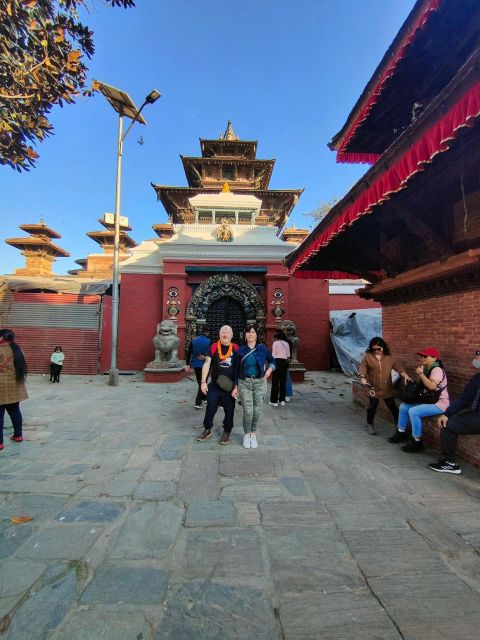
I would recommend it to first-time visitors who want help finding local food without spending a full day on a formal city tour. It is also a strong choice for solo visitors, couples, and anyone curious about Newari culture.
You will get the most from it if you enjoy trying several small portions and asking questions. The tour is not aimed at people who want only familiar food, a quiet setting, or a carefully paced culinary lecture.
Families may need to judge the fit based on their children’s tolerance for walking, spice, and unfamiliar dishes. The activity description does not provide a specific age policy, so check before booking if that matters to your group.
My verdict: book it early in your Kathmandu stay
I like this tour because it combines three useful introductions: the food of the Kathmandu Valley, the working life of Ason Bazar, and the cultural background that ties the two together. The frequent praise for Santosh’s explanations is important, since the guide is what turns a string of snacks into a meaningful city walk.
Book it near the start of your visit if you want help getting your bearings and a list of foods to seek out later. Go hungry, keep your pace flexible, and tell the guide about dietary limits before the first stop.
Skip it only if you dislike street food, need a slow meal, or want a fixed menu with guaranteed dishes. For most curious eaters, $28 buys a generous and practical introduction to Kathmandu’s local side.
FAQ
Where does the Kathmandu food tour meet?
The meeting point is the main gate of Chhaya Devi Complex.
How long does the activity last?
The tour lasts two hours. Starting times depend on availability when you book.
How much food is included?
The tour includes at least five food items with drinks. Previous tastings have included eight or nine different items, so you should expect to finish well fed.
What foods might I try?
Possible foods include Newari dishes such as yomari, Samay Baji, and chatamari, along with momos, laphing, pani puri, lassi, samosas, and buckwheat pancakes. The exact selection can vary.
What language does the guide speak?
The live guide speaks English. Santosh has led many of the described outings and has explained food, culture, religion, politics, and local customs.
Can I cancel the booking?
You can cancel up to 24 hours in advance for a full refund. The booking option also allows you to reserve now and pay later.
More Markets in the world
- Bangkok: Damnoen Saduak Market and Maeklong Railway Market
★ 4.5 · 26,723 reviews - The Old Siam: Damnoen Saduak and Maeklong Railway Market
★ 4.5 · 10,992 reviews - Bangkok: Train Market & Floating Market with Boat Ride
★ 4.7 · 9,547 reviews - From Bangkok: Ayutthaya & Ayothaya Floating Market Day Trip
★ 4.7 · 6,084 reviews
More Food in the world
- Tokyo Tsukiji Fish Market Food and Culture Walking Tour
★ 5.0 · 3,184 reviews - Bangkok: Markets, Temples and Food Night Tour by Tuk Tuk
★ 4.9 · 2,371 reviews - London Bridge & Borough Market Food Tour with 7 Authentic Dishes
★ 5.0 · 1,972 reviews - Tokyo: Tsukiji Fish Market Food and Walking tour
★ 5.0 · 1,724 reviews
Just added around the world
- Half-day Dandan Noodles Cooking Class with a Local Market Visit★ 5.0 · 8 reviews
- Three-Hour Private Chengdu Tea Wholesale Market Tour★ 5.0 · 4 reviews
- Chania: Old Town, Public Market, Hill of Prophet Elias, Agia Triada★ 5.0 · 35 reviews
- Moroccan Cooking Class with a Local Family & Market Visit★ 5.0 · 16 reviews
- Chania Old Town, Public Market and Chrisopigi Monastery Tour★ 4.5 · 6 reviews
- 3-Hour Herbal Wholesale TCM Market and a Local Wet Market Tour★ 5.0 · 4 reviews
- Food Tasting & Market Shopping: Private Guided Tour in PORT LOUIS★ 4.5 · 9 reviews
- Charleston International Sweet Treats & Historic City Market Tour★ 5.0 · 22 reviews
Local & Farmers Market Tours, compared.
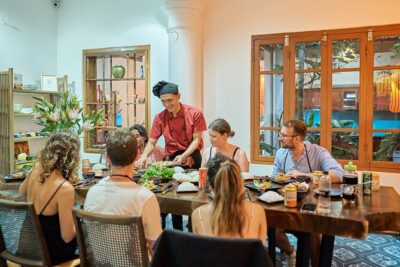
Hanoi Cooking Class: Culture, Local Market & Meaning CSR Impact
Read our review →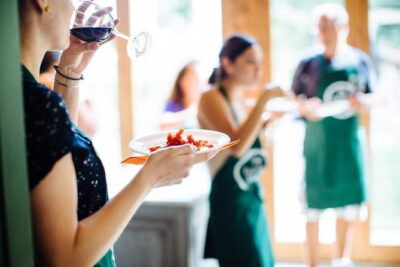
Cooking Class and Lunch at a Tuscan Farmhouse with Local Market Tour from Florence
Read our review →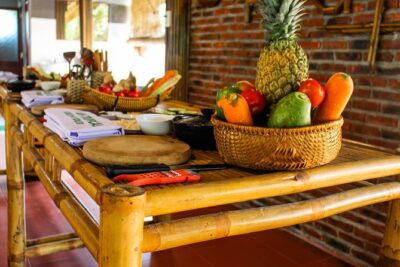
Cooking Class Hoi An:Local Market, Basket Boat, Fishing & Cooking
Read our review →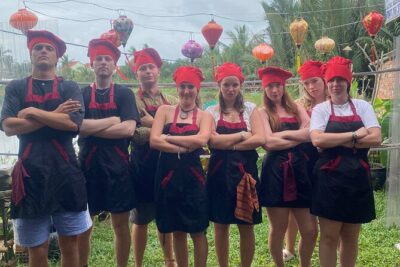
Hoi An Cooking Class(Local market,Basket Boat,Fishing & Cooking)
Read our review →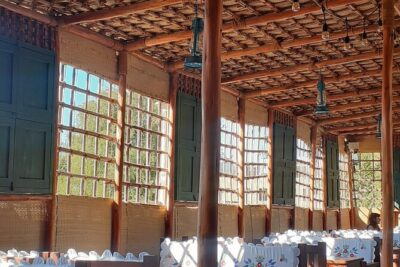
Old Dubai tour: Local Market, Tasting, Dubai creek with Abra ride
Read our review →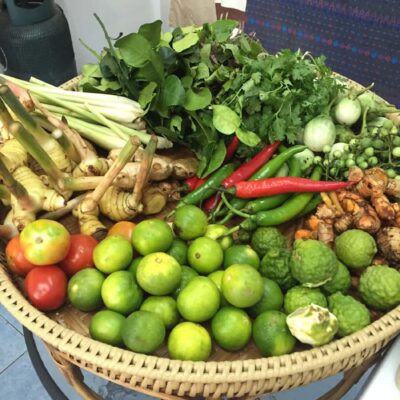
Half Day Easy Thai Cooking Class & Local Market Tour
Read our review →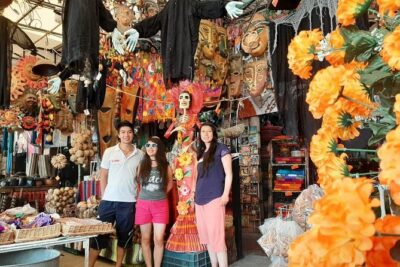
Cancun Street Food Tour with Food Stalls, Local Market and Murals
Read our review →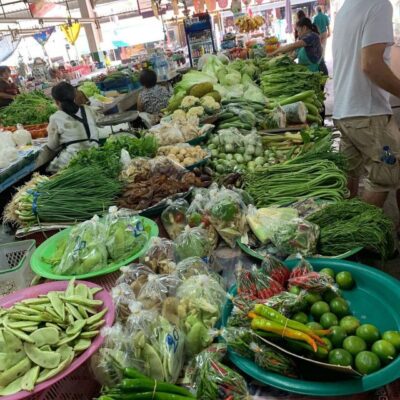
Browse the lists this tour appears in