Review · MARKET TOURS
Lagos, Nigeria: Nigerian Cooking Class and Market Visit
Nigerian food makes the most sense when you see the ingredients first. This five-hour experience begins at a local market in Oniru, where Aisha helps you choose spices, fresh meat, and other supplies before taking you to her home kitchen. I like the market-to-table format and the chance to learn several familiar Nigerian dishes in one private class.
I also like that the group is limited to one booking of up to two people, so you should get plenty of direct help. A locally made Adire apron and a PDF recipe book add real value. The main consideration is the $175 price for up to two people, which is fair for a private half-day class but less attractive if you are traveling alone.
Key points to know
- The market comes first: You shop for ingredients in Oniru and get a close look at everyday food buying in Lagos.
- Aisha teaches in her home: Expect a personal, English-language class rather than a large demonstration.
- You cook Nigerian staples: Possible dishes include jollof rice, stew, egusi, fufu, puff puff, meat pie, and peppersoup.
- The class is hands-on: You prepare the food step by step, then take the cooked dishes home.
- Useful keepsakes are included: You receive the Adire apron used during class and a PDF recipe book.
- Plan for practical requirements: Wear comfortable shoes, carry water and sun protection, and bring an international passport or copy.
Starting at the Oniru market
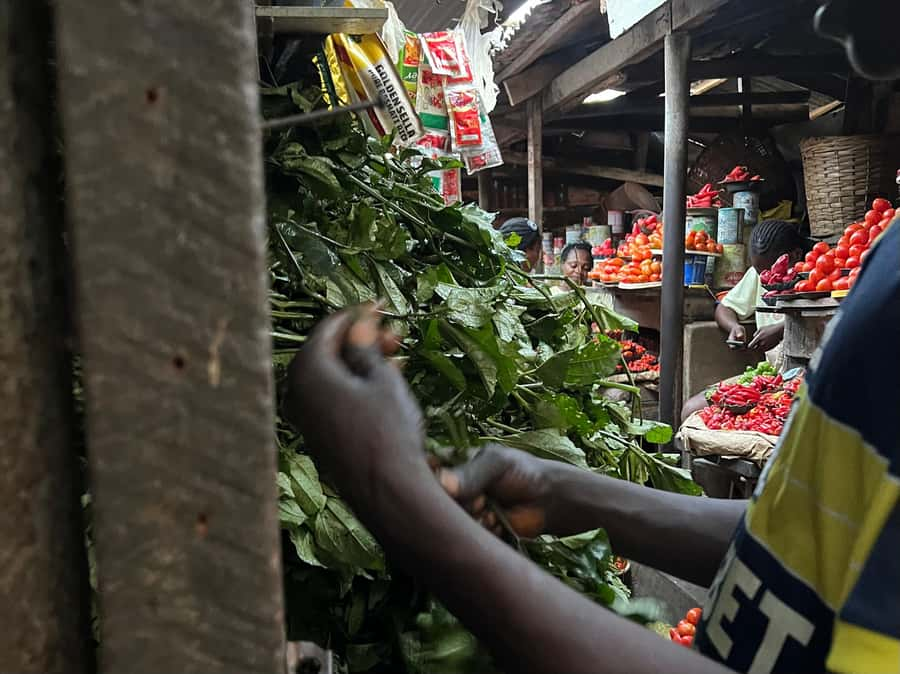
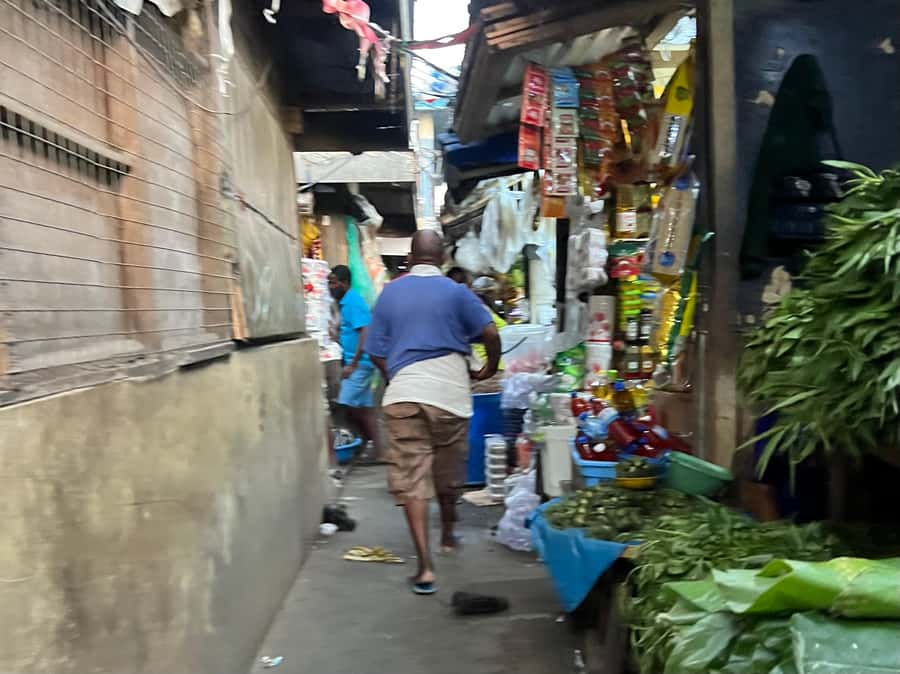
The experience begins away from the kitchen, at a local market in the Oniru area of Lagos. That is an important choice. Instead of receiving a tray of prepared ingredients, you see where the cooking starts and how food shopping works in the city.
You can expect a busy, energetic market setting with plenty to look at and photograph. Aisha guides you through the ingredients used in Nigerian cooking, including different spices and fresh meats. You also get to choose some of the supplies yourself, which helps connect the finished meal to the products you saw and handled earlier.
The market visit is not just a shopping stop. It gives you a practical introduction to local routines, bargaining, and the organized disorder that often comes with a large city market. If you have never shopped for Nigerian ingredients before, this may be the most eye-opening part of the day.
Keep your phone secure while taking pictures. The information for the experience specifically suggests holding it tightly, a sensible reminder in a crowded public market. You should also wear shoes that can handle five hours of walking, standing, and kitchen work.
A sun hat, sunscreen, and water are useful because the market portion takes place outdoors. Starting times vary, so check availability when you book. The market is described as being in Oniru, while the experience is also presented as a Lagos Island activity. Confirm the meeting details and exact starting point before setting out.
More market cooking classes in the world:
- Hanoi Cooking Class: Culture, Local Market & Meaning CSR Impact
★ 5.0 · 5,147 reviews - 5 Traditional Dishes Hanoi Cooking Class with Market Trip
★ 5.0 · 4,890 reviews - Cooking Class and Lunch at a Tuscan Farmhouse with Local Market Tour from Florence
★ 5.0 · 4,831 reviews
Learning spices, meat, and Nigerian flavor
Nigerian food is not one single style, and a good class should help you understand how the parts work together. Aisha introduces the spices used in the dishes and explains how ingredients are selected. That context matters because many Nigerian recipes depend as much on preparation and seasoning as on the ingredient list itself.
You will learn by doing rather than simply watching. The class is described as step by step and hands-on, which means you should have the chance to take part in the preparation of the dishes. That is especially helpful for foods such as egusi and fufu, where texture and timing can be difficult to judge from a written recipe alone.
The private format should make it easier to ask direct questions. With one booking covering up to two people, you are not competing with a large room for attention. The class is conducted in English, so you can ask about unfamiliar ingredients, methods, and substitutions as you work.
Do not expect a polished restaurant kitchen or a formal culinary-school lesson. This is a home-based class hosted by Aisha, a cook who enjoys preparing and teaching Nigerian food. That setting is part of the appeal, but it also means the experience is personal and informal rather than highly standardized.
Cooking jollof rice, egusi, and more
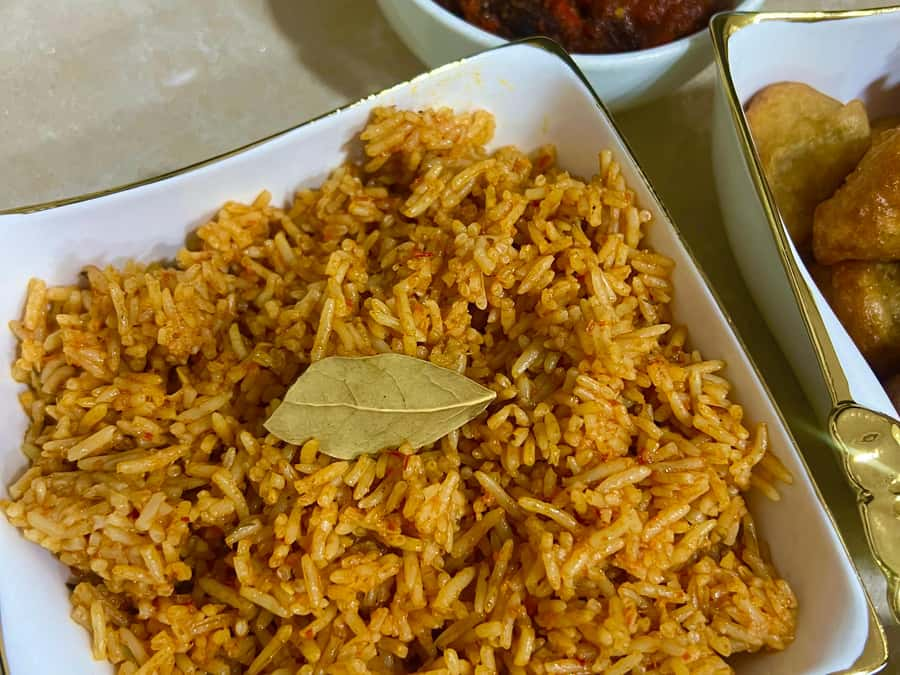
The possible menu covers several important parts of Nigerian cooking. Jollof rice is the obvious favorite for many first-time visitors, but the class can also include stew, egusi, fufu, puff puff, meat pie, and peppersoup.
You may not prepare every dish listed in a single session. The information presents these as examples of dishes taught through the class, so check the expected menu when arranging your booking. Five hours gives you time for a substantial lesson, but the number of recipes depends on the plan for your particular session.
Here is what each type of dish can offer you:
- Jollof rice: A useful introduction to the seasoned rice dishes many people associate with West African cooking.
- Stew: A chance to learn the base flavors and preparation methods used with other foods.
- Egusi: A good lesson in a soup made with ground melon seeds and Nigerian seasonings.
- Fufu: Helpful if you want to understand how a soft, starchy accompaniment is prepared and served.
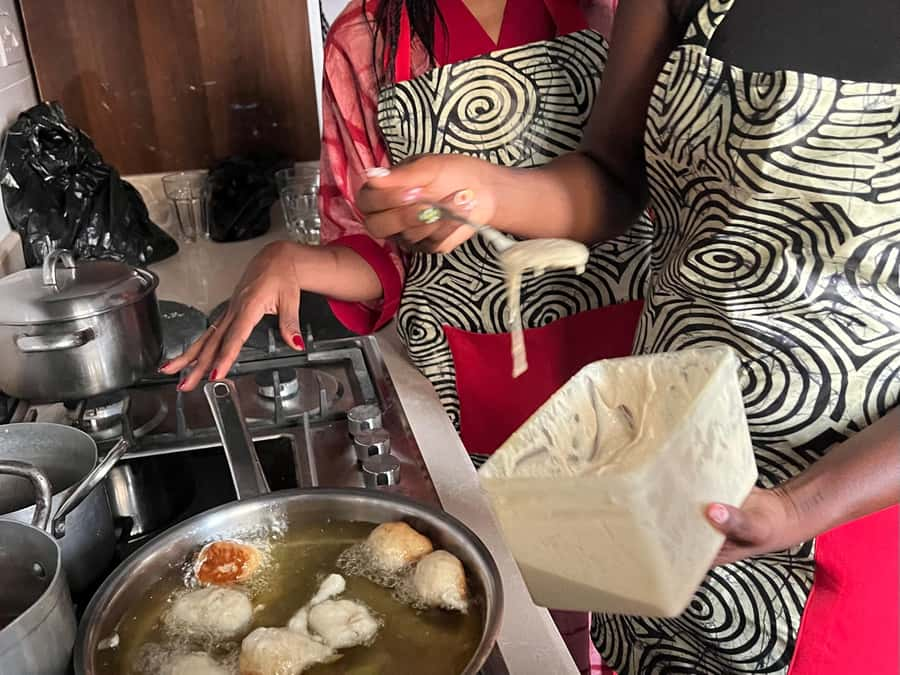
- Puff puff: A sweet fried snack that adds a lighter, hands-on task to the menu.
- Meat pie: A practical baked or filled item that gives the lesson a different texture and technique.
- Peppersoup: An introduction to a spicy, aromatic soup style.
The strongest part of the class is likely the chance to repeat these methods at home. Aisha explains preparation in a way designed for your own kitchen, not only for the meal you eat that day. The PDF recipe book gives you measurements and instructions, so you have something more useful than a few hurried notes on your phone.
A private class with Aisha
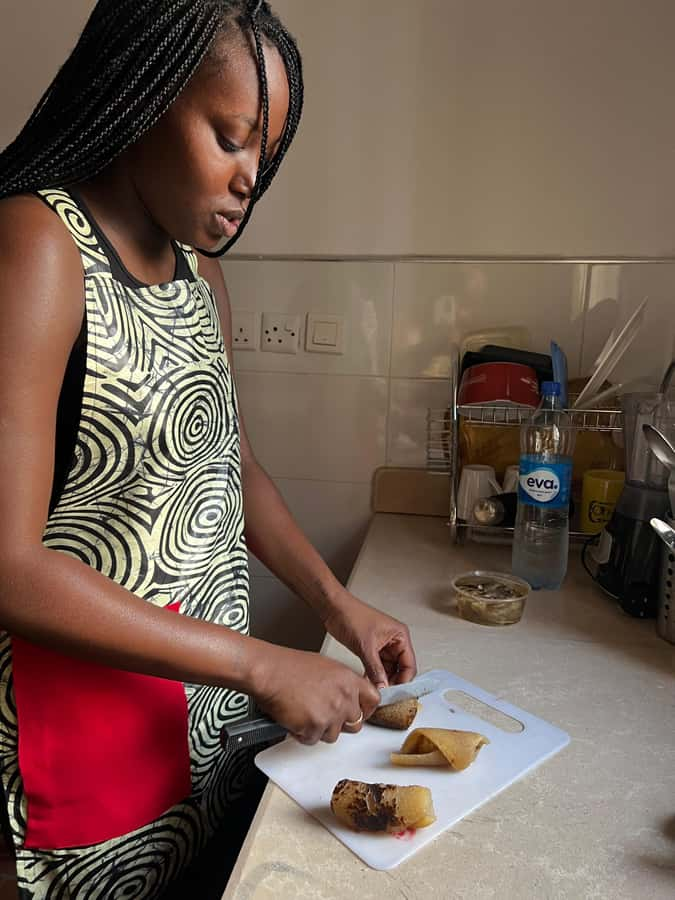
Aisha is the host and teacher, and the experience is built around her home kitchen. Her role matters because a private cooking lesson depends on clear explanations and patience. One particularly positive detail is that she is described as patient, with the food turning out well even for a participant who was learning the dishes for the first time.
You should expect a warm, direct teaching style rather than a scripted tour. Aisha shares her own love of cooking and eating Nigerian food while showing you how the dishes are made. That personal connection can make the food easier to understand, especially if you are curious about the culture behind the recipes.
The private format also suits couples, friends, or a solo visitor who wants focused instruction. The price is $175 per group of up to two people, not $175 per person. For two people, that works out to $87.50 each before any other travel costs. For one person, the same group price applies, so the value is best when two people share the booking.
The experience has a top rating from two verified bookings, including one from Nigeria and one from the United States. Those comments specifically praise Aisha’s patience, welcoming approach, fresh ingredients, and the success of the finished dishes. That is a small sample, so I would treat it as encouraging rather than final proof, but the praise matches the structure of the class.
More cooking classes in the world:
- Chiang Mai: Cooking Class, Market & Thai Herbs Garden Tour
★ 4.9 · 4,824 reviews - Chiang Mai: Authentic Cooking Class with Market & Farm Visit
★ 4.9 · 4,546 reviews - Barcelona: Paella Cooking Experience & Boqueria Market Tour
★ 4.8 · 3,661 reviews - Cooking Class Hoi An:Local Market, Basket Boat, Fishing & Cooking
★ 5.0 · 3,660 reviews
Taking the meal beyond the lesson
You are not simply cooking and leaving the food behind. The cooked dishes can be taken home, which gives you a chance to enjoy the results later or share them with others. That is a practical benefit, particularly if you have spent much of your trip eating restaurant meals and want something for later.
The Adire apron is another thoughtful inclusion. Adire is a Nigerian tie-dye textile tradition, and the apron gives you a small locally made item connected to the class. You use it during the lesson and then take it home, so it is more personal than a standard printed souvenir.
The PDF recipe book is the most useful item for future cooking. It includes measurements and instructions for the dishes prepared in class. Nigerian recipes can be difficult to recreate if you only remember the general idea, so having written quantities should make a real difference once you return home.
The food, apron, and recipes help justify the price, but you should still book this for the teaching and cultural setting first. If you only want a quick meal, a restaurant will cost less and take less time. This experience earns its value through the market visit, personal instruction, and the chance to learn methods you can use again.
Who should book this Lagos food experience
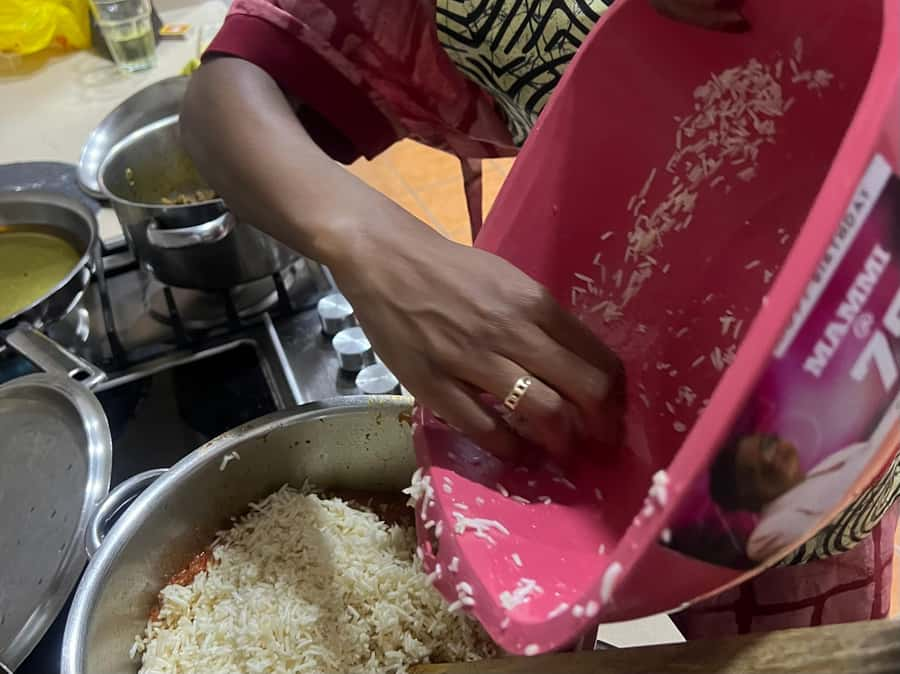
I would recommend it most strongly to adults and older teenagers who enjoy cooking, food history, or learning through ordinary local life. You do not need to be an experienced cook. The class is designed to guide you through the dishes, and Aisha’s patient approach should help beginners keep up.
It is also a good match if you have already sampled Nigerian food and want to understand how it is prepared. Jollof rice, egusi, fufu, puff puff, and peppersoup are not just names on a menu here. You get to handle ingredients, learn the process, and ask why particular spices or methods are used.
The experience is less suitable if you dislike markets, outdoor heat, bargaining, or spending several hours on one activity. It is also not intended for young children. The stated restrictions list children under five and children under thirteen, so families should confirm the age policy before booking. The safest reading is that this is aimed at participants aged thirteen and older.
Because the class takes place in a home, you must present an international passport for identification. A copy is accepted. Bring comfortable shoes, water, sunscreen, and a hat. Smoking, including indoors, is not allowed, and alcohol and drugs are prohibited.
The activity is wheelchair accessible, which is useful information for planning. Still, the market setting may involve crowded public areas and standing, so ask the provider about the exact route and arrangements if you need specific mobility support.
Price, timing, and cancellation
The experience lasts five hours, making it a substantial part of your Lagos day. You will need to allow time for both the market and the kitchen, rather than treating this as a short cooking demonstration.
At $175 for a private group of up to two, the cost is strongest for couples or two friends. You receive the market tour, a private lesson, food to take home, an Adire apron, and a recipe book. Compared with a large group class, the price buys personal attention and a more direct connection with the host.
The booking terms are traveler-friendly. You can reserve now and pay later, which keeps your plans flexible, and cancellation is free up to 24 hours before the activity for a full refund. Check the available starting times because the schedule is not fixed in the details provided.
Is this Lagos cooking class worth booking?
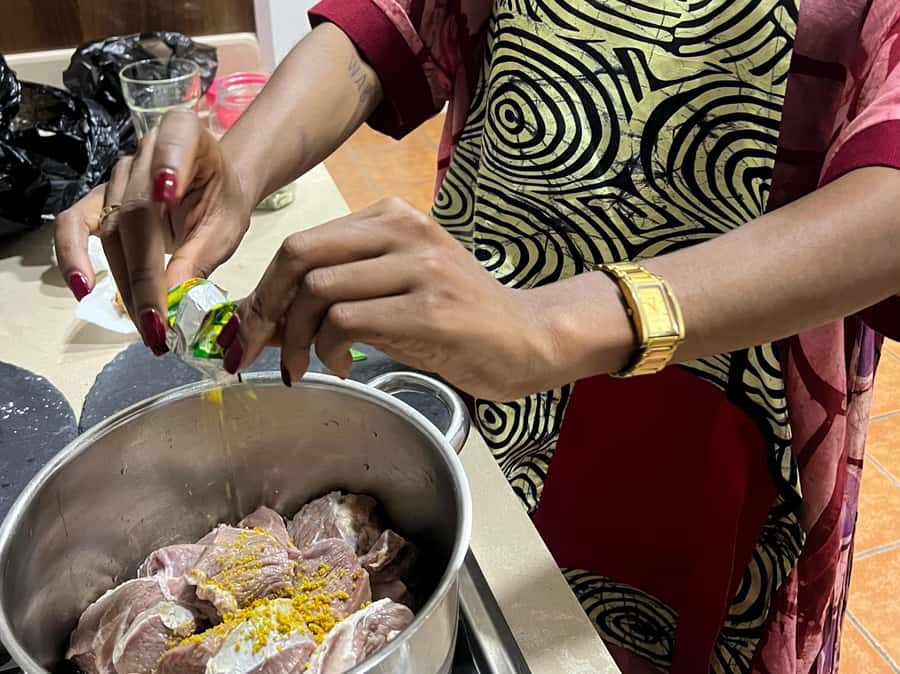
Book it if you want more than a meal and prefer a personal introduction to Nigerian food. The Oniru market visit gives the day a strong local focus, while Aisha’s hands-on teaching, the small group size, and the take-home recipes make the experience useful after your trip.
Think twice if you are looking for a cheap tasting session, dislike home-based activities, or have only a few free hours. For two people who enjoy food and can commit five hours, the $175 group price is reasonable. For a solo visitor, the cost is harder to justify unless the private format and the chance to learn Nigerian cooking are central to your Lagos plans.
FAQ
Where does the cooking experience take place?
The activity begins at a local market in the Oniru area of Lagos, described as being in Lagos Island, and then continues in Aisha’s home kitchen.
How long does the experience last?
The activity lasts five hours.
How much does the experience cost?
The price is $175 per private group of up to two people.
Who teaches the cooking class?
The class is hosted and taught by Aisha, a home-cook who teaches Nigerian food and culture.
What language is the class conducted in?
The instructor teaches in English.
What dishes might I learn to make?
Possible dishes include jollof rice, stew, egusi, fufu, puff puff, meat pie, and peppersoup. Confirm the exact menu for your session.
Can I take food home after the class?
Yes. The cooked food is included for you to take home.
What else is included?
You receive an Adire tie-dye apron used during the class and a PDF recipe book with measurements and instructions.
Do I need to bring identification?
Yes. Since the class takes place in Aisha’s home, you must present an international passport for identification. A copy is accepted.
Is the activity suitable for children?
The activity is not suitable for children under five or under thirteen, according to the stated restrictions. Confirm the age policy before booking if you are traveling with children.
What should I bring?
Bring comfortable shoes, a sun hat or hat, sunscreen, water, and your passport or a copy.
Is the activity wheelchair accessible?
Yes, the activity is listed as wheelchair accessible.
Can I cancel the booking?
You can cancel up to 24 hours in advance for a full refund.
Is smoking allowed?
No. Smoking and indoor smoking are not allowed. Alcohol and drugs are also prohibited.
More Shopping Tours in the world
- Bangkok: Floating Market and Train Market Experience
★ 4.8 · 3,998 reviews - Bangkok: City Highlights Temple and Market Walking Tour
★ 4.5 · 3,990 reviews - Half-Day Railway Market and Floating Market Tour in Thailand
★ 4.5 · 3,924 reviews - Chef Guided Food Tour of Pike Place Market
★ 5.0 · 3,733 reviews
More Markets in the world
- Bangkok: Damnoen Saduak Market and Maeklong Railway Market
★ 4.5 · 26,723 reviews - The Old Siam: Damnoen Saduak and Maeklong Railway Market
★ 4.5 · 10,992 reviews - Bangkok: Train Market & Floating Market with Boat Ride
★ 4.7 · 9,547 reviews - From Bangkok: Ayutthaya & Ayothaya Floating Market Day Trip
★ 4.7 · 6,084 reviews
Just added around the world
- Three-Hour Private Chengdu Tea Wholesale Market Tour★ 5.0 · 4 reviews
- Half-day Dandan Noodles Cooking Class with a Local Market Visit★ 5.0 · 8 reviews
- Chania: Old Town, Public Market, Hill of Prophet Elias, Agia Triada★ 5.0 · 35 reviews
- Moroccan Cooking Class with a Local Family & Market Visit★ 5.0 · 16 reviews
- Chania Old Town, Public Market and Chrisopigi Monastery Tour★ 4.5 · 6 reviews
- 3-Hour Herbal Wholesale TCM Market and a Local Wet Market Tour★ 5.0 · 4 reviews
- Food Tasting & Market Shopping: Private Guided Tour in PORT LOUIS★ 4.5 · 9 reviews
- Charleston International Sweet Treats & Historic City Market Tour★ 5.0 · 22 reviews
Market Cooking Classes, compared.
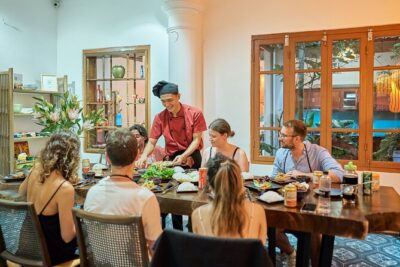
Hanoi Cooking Class: Culture, Local Market & Meaning CSR Impact
Read our review →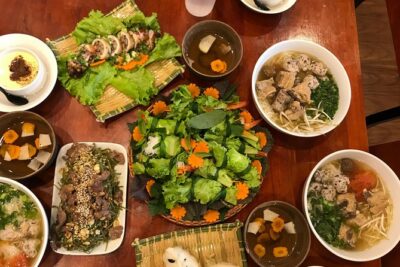
5 Traditional Dishes Hanoi Cooking Class with Market Trip
Read our review →
Cooking Class and Lunch at a Tuscan Farmhouse with Local Market Tour from Florence
Read our review →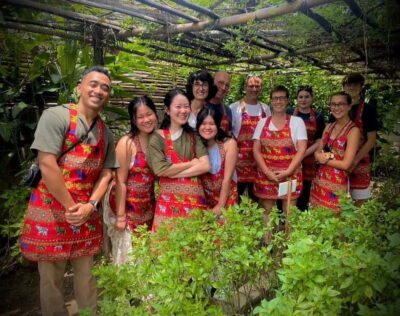
Cooking Class, Market & Thai Herbs Garden Tour
Read our review →
Authentic Cooking Class with Market & Farm Visit
Read our review →
Paella Cooking Experience & Boqueria Market Tour
Read our review →