
Review · SEOUL
Seoul: Korean Cooking Class at a Local Home and Market Tour
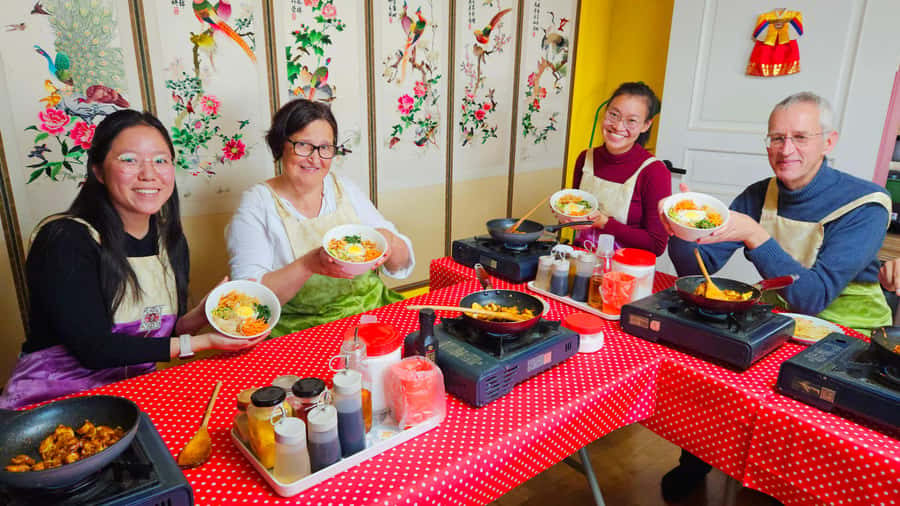
Seoul’s best food lessons often begin before the kitchen. This 3.5-hour experience starts at Mangwon Station and takes you through a traditional market, where you taste street food and help find ingredients for four Korean dishes. You then cook in a local home with an English-speaking host such as Sarah, Sara, or Junghee, depending on the session.
I like the market-to-table format, because it gives you a practical look at how Koreans shop and use everyday ingredients. I also like the warm social side: clear instructions, individual cooking spaces, Korean phrases, a welcome tea, and a shared Hanjeongsik meal with more than 10 side dishes.
The main consideration is access. The local home has no elevator, and you must make your own way to Mangwon Station. At $98 per person, this is not a quick bargain meal, but it offers a full afternoon of food, instruction, culture, recipes, and a home visit rather than only a restaurant stop.
Key points to know before booking
- Mangwon Market comes first: You taste street food and learn about ingredients before cooking with them.
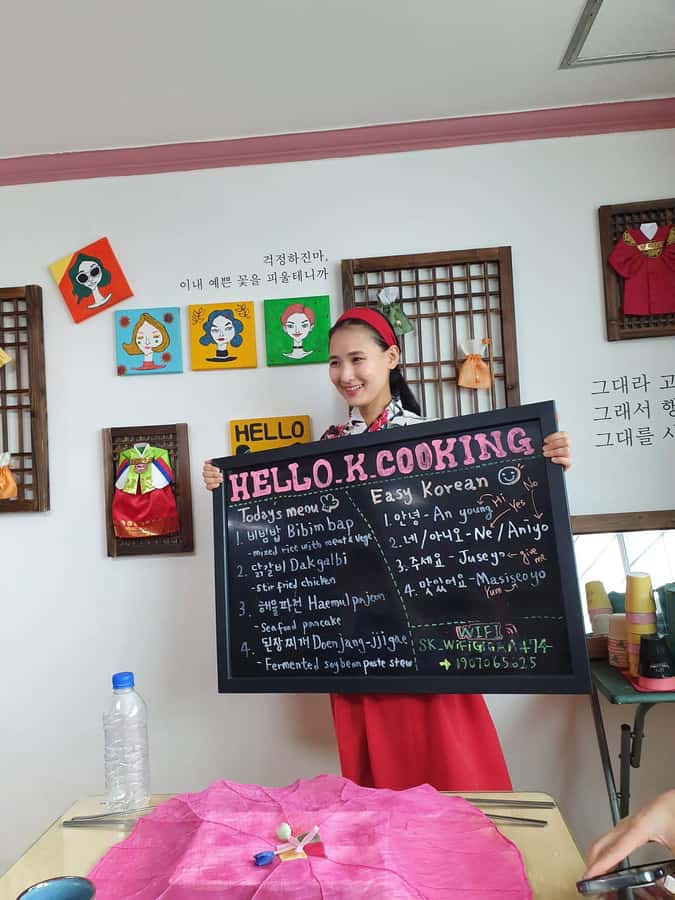
- Four Korean dishes are prepared: Make bibimbap, dakgalbi, haemul-pajeon, and doenjang-jjigae.
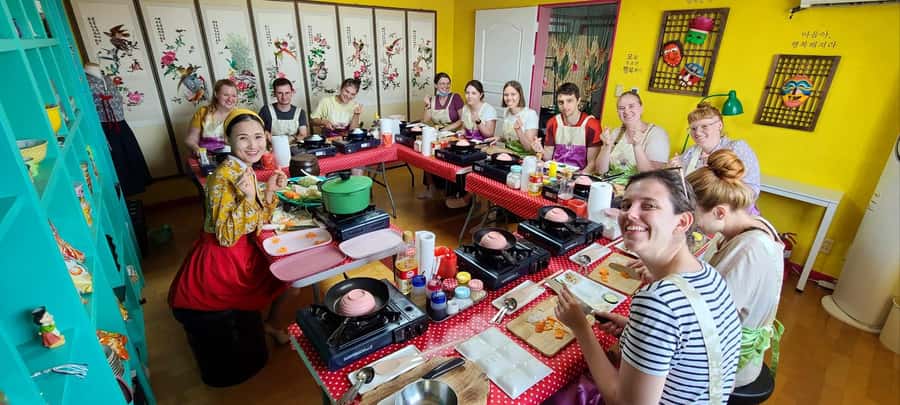
- The class takes place in a local home: Expect a personal setting rather than a formal cooking school.
- Hanjeongsik adds cultural depth: Your meal includes more than 10 side dishes, rice, seasonal fruit, and rice wine.
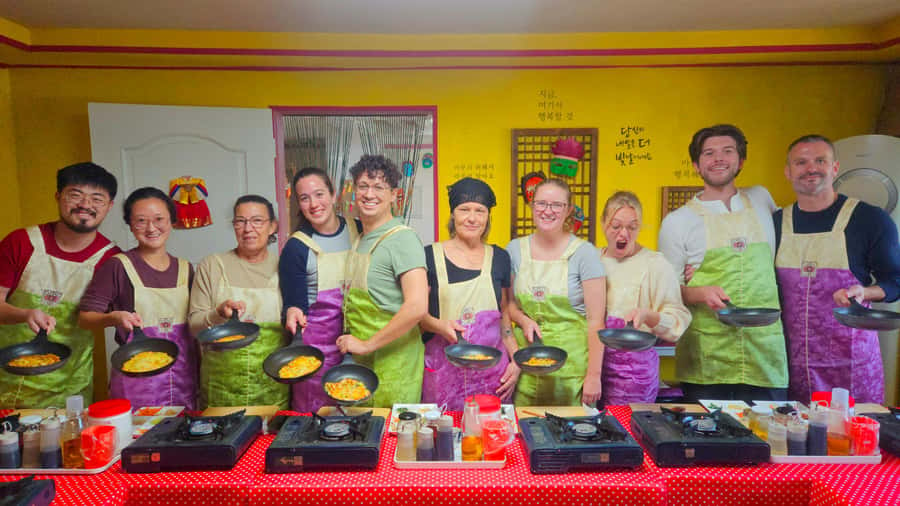
- Small groups keep the class hands-on: The maximum group size is 10 people, with English and Korean instruction.
- Plan for stairs and public transport: There is no hotel pickup, and the home has no elevator.
Starting at Mangwon Station and entering daily Seoul life
You meet outside exit 2 at Mangwon Station. Since hotel pickup is not offered, leave enough time to reach the station on your own. The activity ends at the same meeting point, which makes the route simple, but you still need to handle both parts of the journey yourself.
From the station, the market visit gives you a useful first look at ordinary food shopping in Seoul. This is not just a quick walk past stalls. Your guide helps identify the ingredients needed for class and explains the food you see along the way.
That matters because Korean cooking can look mysterious when you first encounter it. Fermented soybean paste, seafood, green onions, vegetables, rice, and meat each have a place in the meal, but a market setting shows how these items fit into daily life. You get context before anyone hands you a chopping board.
The market is described as popular but less touristy than some of Seoul’s better-known food stops. That makes it a good match for you if you want a local neighborhood experience without giving up English guidance.
More Market Cooking Classes in South Korea
- Local Home Korean Cooking Class & Market Adventure in Seoul
★ 5.0 · 1,024 reviews - Korean Cooking Class with Grocery Shopping at Seoul Local Market
★ 5.0 · 107 reviews - Seoul: Authentic Korean Cooking Class and Market Tour
★ 5.0 · 6 reviews
Sampling street food before the cooking begins
Street-food samples are included during the market walk. This is a small but worthwhile part of the experience, especially if you have not yet learned how Korean markets work.
Your guide can point out foods and ingredients that might otherwise blend into the stalls. You also learn a few Korean phrases along the way, which adds a light language lesson without turning the activity into a formal class.
The market portion is still a walking tour, so wear comfortable shoes. The full activity lasts 3.5 hours, and the time must cover the market, the journey to the home, cooking, and the meal. You should expect a well-paced visit rather than a slow, open-ended market wander.
I see the market as one of the strongest parts of the experience. Cooking classes can sometimes feel sealed off from the place where the food comes from. Here, you first see the ingredients in their everyday setting, then use them yourself.
From welcome tea to four Korean dishes
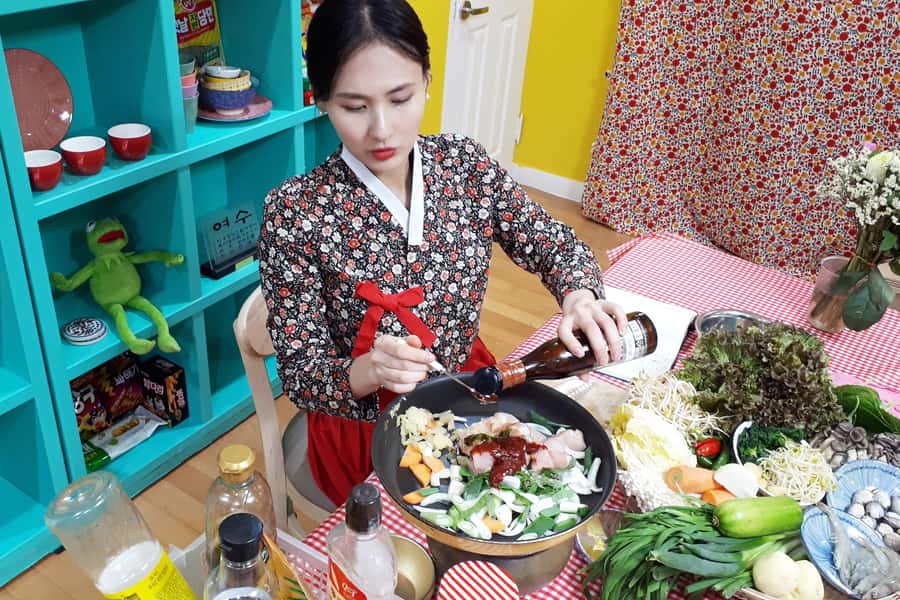
After the market, you go to the host’s local home. A welcome drink and a few Korean phrases ease the change from walking tour to kitchen lesson.
The cooking centers on four familiar dishes:
- Bibimbap: Mixed rice with meat and vegetables.
- Dakgalbi: Stir-fried chicken.
- Haemul-pajeon: A seafood and green onion pancake.
- Doenjang-jjigae: A stew made with fermented soybean paste.
This menu gives you a useful spread of Korean cooking methods. You work with rice, meat, vegetables, seafood, pancake batter, and a fermented base. The result is not four versions of the same dish. It is a compact introduction to several important parts of Korean food.
The dishes are also practical choices for a home cook. They are recognizable Korean classics, and the recipes are provided after the class. One participant specifically appreciated receiving the recipes through WhatsApp, though a small printed cookbook would have made a nicer physical keepsake. If you want to recreate the meal at home, save the recipes before leaving or make sure you know how they will be sent.
You do not need advanced cooking skills. The host demonstrates each dish and guides you through the steps. The class is designed to include beginners, and the instruction is described as clear and detailed. You get your own cooking space, which is important in a group class because you are not simply watching someone else prepare lunch.
The small-group limit of 10 helps here. Ten is large enough for a social meal but still small enough for the host to interact with each person. The strongest praise for the class centers on the host’s ability to keep everyone involved, including people who had never taken a cooking class before.
Why the local-home setting changes the experience
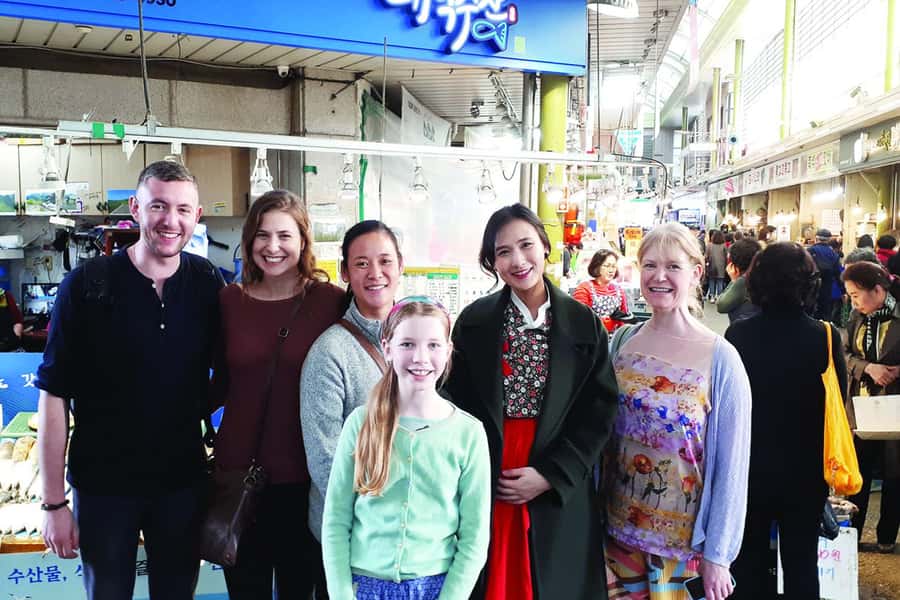
Cooking in a local home gives this activity a more personal feel than a standard demonstration class. You see the host’s Korean decoration and share a meal in a residential setting, rather than sitting in a commercial studio designed only for visitors.
That setting also creates room for conversation about Korean food and daily life. Hosts such as Sarah, Sara, and Junghee are described as friendly, energetic, funny, and comfortable in English. Those qualities matter because a cooking class can become stiff if the guide only reads instructions from a recipe.
The best version of this activity depends heavily on the host. Here, the host is both chef and cultural guide. You can ask about ingredients, cooking habits, Korean phrases, and the meal itself while working with your hands.
There is one practical drawback. The home has no elevator, so you need to manage stairs. If stairs are difficult for you, contact the local host before booking. Dietary restrictions and allergies should also be discussed with the host in advance. The supplied information does not promise that every dietary need can be accommodated, so do not wait until the cooking begins to raise the issue.
More market cooking classes in Seoul:
- Hanoi Cooking Class: Culture, Local Market & Meaning CSR Impact
★ 5.0 · 5,147 reviews - 5 Traditional Dishes Hanoi Cooking Class with Market Trip
★ 5.0 · 4,890 reviews - Cooking Class and Lunch at a Tuscan Farmhouse with Local Market Tour from Florence
★ 5.0 · 4,831 reviews - Chiang Mai: Cooking Class, Market & Thai Herbs Garden Tour
★ 4.9 · 4,824 reviews
Hanjeongsik turns lunch into a Korean food lesson
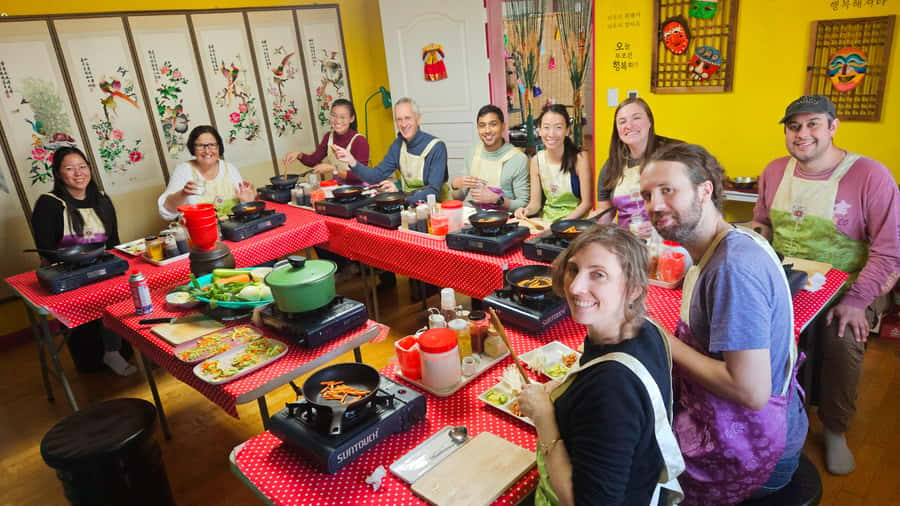
After cooking, you sit down to eat your creations. The host also provides a Hanjeongsik-style meal with more than 10 side dishes, rice, seasonal fruit, and rice wine.
Hanjeongsik is valuable here because it shows that Korean dining is not built around one large plate alone. The side dishes bring different tastes, textures, and ways of eating to the table. You can compare the dishes you made with the foods provided by the host and see how they work together as a complete meal.
This is also where the price begins to make more sense. You are paying for a market tour, street-food samples, ingredients, equipment, a professional cooking class, a substantial meal, drinks, recipes, and photo and video service. At $98, it costs more than simply ordering bibimbap or a pancake at a restaurant, but it gives you several hours of instruction and a memory you can carry into your own kitchen.
The rice wine is included, along with water. If you do not drink alcohol, the important part of the meal remains the food and conversation, but you should not expect the rice wine to be replaced unless you arrange that with the host.
Tal masks and the lighter side of Korean heritage
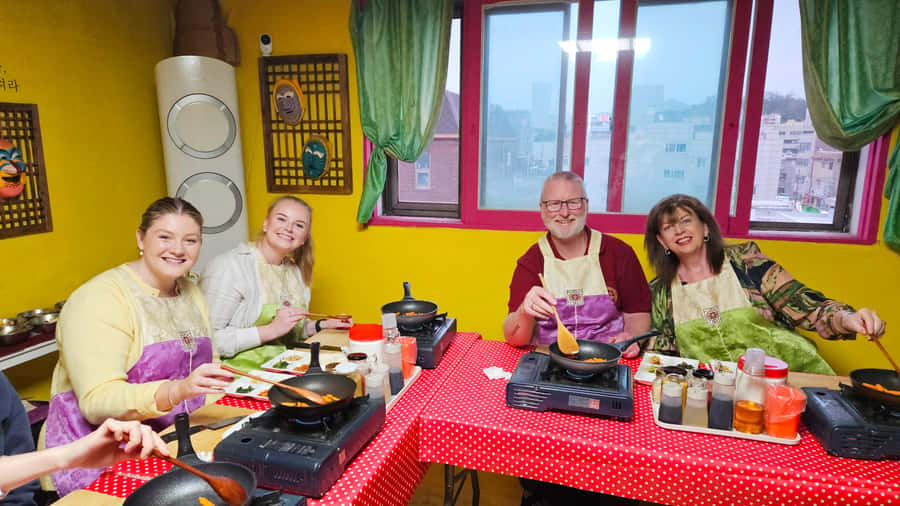
The experience also includes a chance to try on an artful Tal mask. These masks are worn at many Korean heritage festivals, so the activity adds a visual cultural element to the food lesson.
It is a simple feature, but a good one. A cooking class can become a sequence of chopping, stirring, and eating. The Tal mask moment gives you another way to connect food, performance, and Korean tradition.
The class also includes Korean phrases, a welcome tea, and photo and video service. These details help break up the cooking and give the afternoon a more social rhythm. You are not expected to spend every minute at the stove.
The guide’s role matters more than the recipe
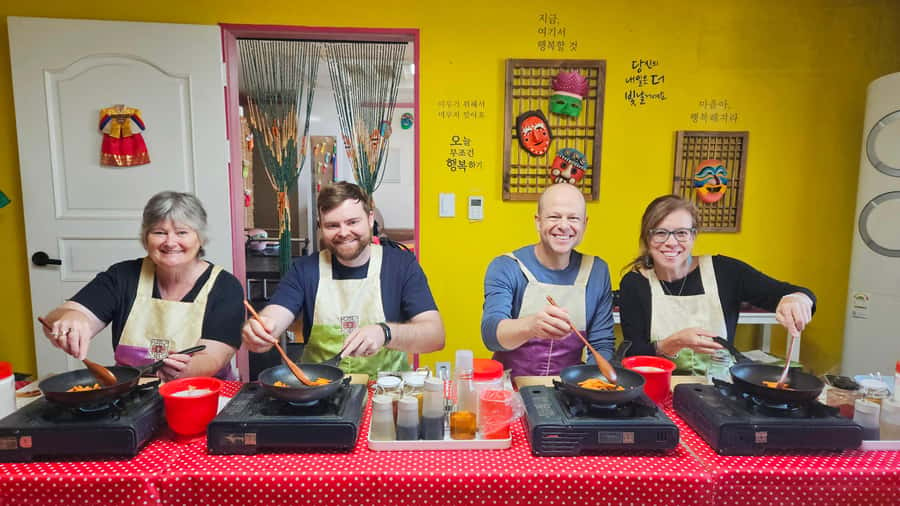
The recipes are useful, but the host makes or breaks a class like this. The strongest feedback about Sarah, Sara, and Junghee focuses on energy, humor, clear English, organization, and the effort to include everyone.
That combination is especially helpful in a mixed international group. Some people may be confident cooks, while others may be holding a knife in a cooking class for the first time. A good instructor needs to keep the pace moving without making beginners feel slow.
This class seems particularly suited to people who want conversation along with instruction. You cook, eat, practice a few Korean words, and ask questions. It is less suitable if you prefer a quiet, highly technical culinary workshop with long explanations of professional technique.
The instructor speaks English and Korean. The group is limited to 10 people, though the exact number in your session may vary. The language setup makes the class accessible to English-speaking visitors, while the Korean phrases and local setting keep it connected to Seoul.
Is $98 good value for a 3.5-hour activity?
I would judge the price by what you want from the afternoon. If you only want to eat Korean food cheaply, $98 is too much. Seoul offers many less expensive meals, and this is not the efficient choice for someone trying to see as many sights as possible.
If you want to understand Korean food and take part in making it, the value is stronger. The price includes:
- A guided market visit
- Street-food samples
- Ingredients and cooking equipment
- Instruction from a professional chef
- Four dishes
- A Hanjeongsik meal with more than 10 side dishes
- Rice wine, water, and welcome tea
- Seasonal fruit
- Recipes
- Photo and video service
- A local-home setting
The recipe element adds lasting value. You can make the dishes again at home, although ingredient availability and substitutions will depend on where you live. The meal itself is also more than a tasting portion, so plan this as a late lunch or early dinner rather than a snack between attractions.
The experience has a perfect 5 rating from 348 reviews, but I would still focus on the details rather than the number alone. The recurring strengths are consistent: hosts who are warm and funny, a market that feels less aimed at tourists, easy-to-follow cooking steps, tasty food, and a friendly group atmosphere.
Who should book this Korean cooking class?
I would choose this activity if you want a hands-on cultural experience and enjoy meeting people while you travel. It fits couples, friends, solo visitors, and families with older children who can manage the walking and stairs.
It is also a strong choice for people who already like Korean food but want to understand how dishes are made. You get to prepare well-known dishes rather than simply watching a chef work.
Beginners should feel comfortable booking. You do not need prior cooking experience, and the host explains the process in detail. The small-group format gives you a better chance to ask questions and take part in each dish.
You may want to skip it if you have serious dietary restrictions that cannot be discussed in advance, difficulty with stairs, or very limited time in Seoul. You should also choose another activity if you dislike group dining or prefer an independent market visit.
The meeting point is Mangwon Station, exit 2, outside. There is no hotel pickup or drop-off, so check your route before the start time. Free cancellation is available up to 24 hours before the activity, and you can reserve now and pay later, which helps if your Seoul schedule is still shifting.
My booking advice
I would book this class for the market visit, the local-home setting, and the chance to make four different dishes in one afternoon. The Hanjeongsik meal gives the class a fuller cultural purpose, while the recipes let you keep using what you learned after returning home.
Book it if you want to slow down and spend part of your Seoul visit with a host rather than moving from sight to sight. Bring comfortable shoes, arrive at Mangwon Station ready to walk, and contact the host early about allergies, dietary needs, or stair access.
At $98, it is a considered purchase, not a casual meal. For anyone curious about Korean cooking, local markets, and everyday food culture, it is a well-filled 3.5 hours with enough practical content to justify the cost.
FAQ
Where does the Korean cooking class meet?
Meet your guide outside exit 2 of Mangwon Station in Seoul. The activity also ends back at the meeting point.
How long does the experience last?
The experience lasts 3.5 hours. Starting times vary, so check availability when booking.
Which dishes will I cook?
You will prepare bibimbap, dakgalbi, haemul-pajeon, and doenjang-jjigae.
Is the class taught in English?
Yes. Instruction is available in English and Korean.
Is hotel pickup included?
No. You are responsible for making your own way to and from Mangwon Station.
Is the local home accessible by elevator?
No. There is no elevator to the local home. Contact the host in advance if stairs may be difficult for you.
More Markets in Seoul
- Seoul Street Food Market Tour
★ 5.0 · 1,226 reviews - Seoul: Night Market Food Tour with Local Guide
★ 4.9 · 943 reviews - Seoul: Palace, Temple and Market Guided Foodie Tour at Night
★ 4.9 · 750 reviews - Seoul: Guided Food & Market Tour with 8+ Tastings
★ 4.9 · 342 reviews
More Cooking Classes in Seoul
- Chiang Mai: Authentic Cooking Class with Market & Farm Visit
★ 4.9 · 4,546 reviews - Barcelona: Paella Cooking Experience & Boqueria Market Tour
★ 4.8 · 3,661 reviews - Cooking Class Hoi An:Local Market, Basket Boat, Fishing & Cooking
★ 5.0 · 3,660 reviews - Hoi An Cooking Class(Market,BasketBoat Crabfishing&Cooking Class)
★ 5.0 · 3,386 reviews
Just added around Seoul
- Seoul: Sokcho beach, market, hot spring and Seorak Cable Car★ 4.8 · 5 reviews
- Seoul: The Biggest Sea-food Noryangjin Market Tour★ 4.3 · 30 reviews
- Seoul: Namdaemun Market Food Tour★ 4.9 · 34 reviews
- Seoul: Guided Street Food Tour at Namdaemun Market★ 5.0 · 10 reviews
- Seoul: Gwangjang Market Vegan & Vegetarian Food Tour★ 5.0 · 16 reviews
- Seoul: Gyeongbokgung Palace Tour & Lunch at Authentic Market★ 4.5 · 2 reviews
- Seoul Evening Tour:Gwangjang Market&Naksan Park&Eungbongsan★ 5.0 · 2 reviews
- Seoul Gwangjang Market Foody Walking Tour★ 4.1 · 7 reviews
Market Cooking Classes, compared.
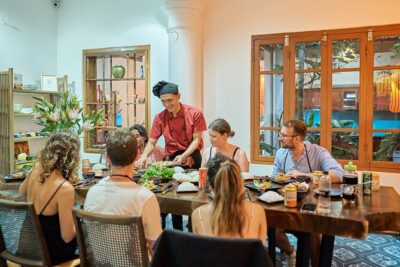
Hanoi Cooking Class: Culture, Local Market & Meaning CSR Impact
Read our review →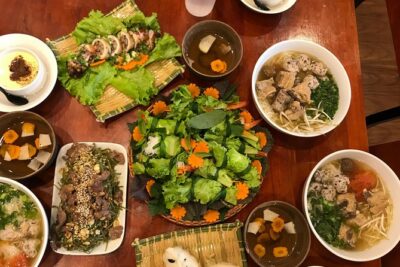
5 Traditional Dishes Hanoi Cooking Class with Market Trip
Read our review →
Cooking Class and Lunch at a Tuscan Farmhouse with Local Market Tour from Florence
Read our review →
Cooking Class, Market & Thai Herbs Garden Tour
Read our review →
Authentic Cooking Class with Market & Farm Visit
Read our review →
Paella Cooking Experience & Boqueria Market Tour
Read our review →
Cooking Class Hoi An:Local Market, Basket Boat, Fishing & Cooking
Read our review →Browse the lists this tour appears in