
Review · TEL AVIV
Tel Aviv: 2-Hour Jaffa Flea Market Tour with Tastings
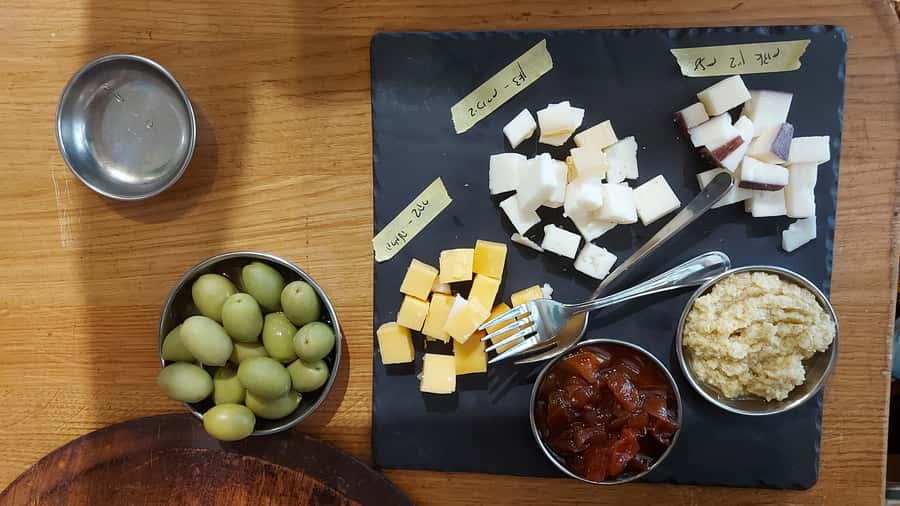
Jaffa Flea Market is where old trading traditions meet new cafés, bars, galleries, and food counters. In two hours, you move from Turkish and North African flavors to Balkan and Eastern European cooking, with the market itself providing the setting. The best part is the way food carries the story of Israeli society, rather than sitting apart from it in a formal museum.
I like the mix of tastings, from Libyan kuskus and Middle Eastern baked goods to local craft beer and updated Israeli dishes. I also like the strong guide-led approach. Guides such as Yan, Ohad, known as Dodo, and Orel have brought plenty of personality and cultural context to this walk. The main consideration is the $88 price, which is fair only if you value a guided food lesson as much as the food itself, and the tour requires at least six registered participants.
Key points to know
- Jaffa’s 19th-century flea market: Explore one of the world’s early flea markets, now packed with food, antiques, design, and art.
- Several food traditions in one walk: Taste Turkish, North African, Balkan, Eastern European, and modern Israeli influences.
- More than snack stops: The guide connects dishes with Israeli culture, politics, and the long story of Jaffa.
- A small-group feel may be possible: The minimum is six people, and one past guide tailored the route for a group of two.
- Tastings are included: Food and local craft beer are part of the experience, with an English or Hebrew-speaking guide.
- Useful flexibility: You can cancel up to 24 hours before the start for a full refund, and payment can be delayed when booking.
Starting at Jaffa Tourist Information Center
The tour begins at the entrance to the Jaffa Tourist Information Center. That is a practical meeting point, since you do not need to search through the market for a particular stall or restaurant.
From there, your guide leads you into the market area and the surrounding neighborhood. The short duration matters here. You are not signing up for a full-day food crawl with long transfers. This is a concentrated introduction, suited to a first afternoon in Jaffa or to anyone who wants a guided orientation before exploring alone.
The guide is the key to the experience. English and Hebrew are available, but the exact guide can vary. Previous tours have been led by Yan, Ohad, also called Dodo, and Orel. Their approach appears to lean toward conversation and storytelling, not simply pointing out dishes and moving on.
I would arrive ready to ask questions. Jaffa’s food reflects movement between regions, communities, and generations, so a curious guide can make a tasting feel far more useful than a list of ingredients.
More flower and flea markets in the world:
- Bangkok: Night Bike Tour with Temples & Flower Market Visit
★ 4.8 · 751 reviews - Bangkok: Night Bike Tour with Temples & Flower Market Visit
★ 5.0 · 223 reviews - Jaipur Tuk-Tuk Tour with Flower Market Visit
★ 5.0 · 124 reviews
Walking through a market with two lives
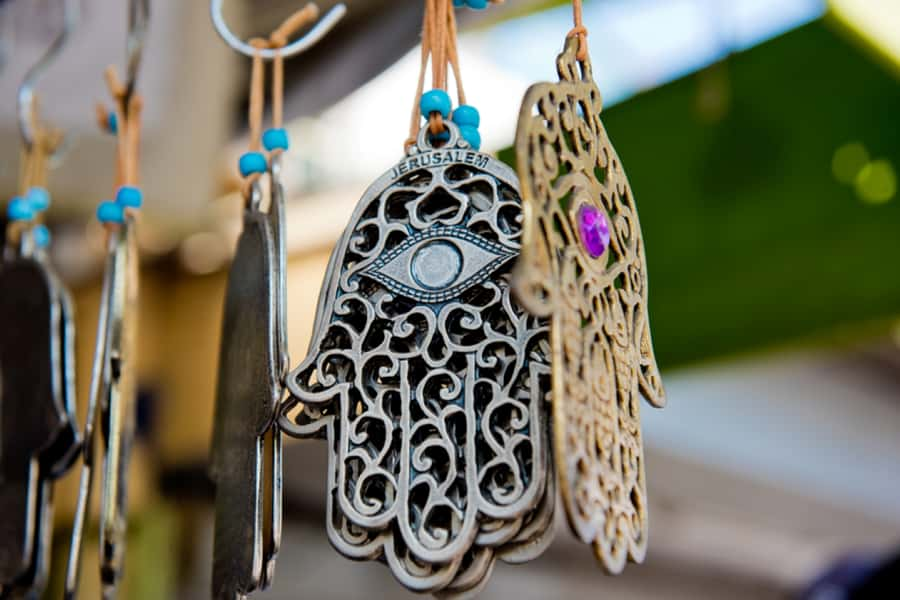
Jaffa Flea Market dates back to the 19th century and is described as one of the first flea markets in the world. Its older identity remains visible in the market setting, but the area now includes boutique cafés, bars, delis, design shops, and galleries.
That blend gives the walk its character. You are not visiting a sealed historic site where every detail has been preserved. You are seeing a working commercial area that has changed with the city around it.
The market attracts an estimated three million visitors a year, so do not expect a quiet, polished food hall. The atmosphere can be crowded and noisy, which is part of the appeal but may make it harder to hear every word. Stay close to the guide, especially when the group moves between tasting points.
The market’s changing identity is also worth watching. Old trade, secondhand goods, contemporary design, and casual dining sit close together. That makes the neighborhood useful for understanding how Jaffa connects its past with Tel Aviv’s current food and leisure scene.
The first tastes: Libyan kuskus and North African influence
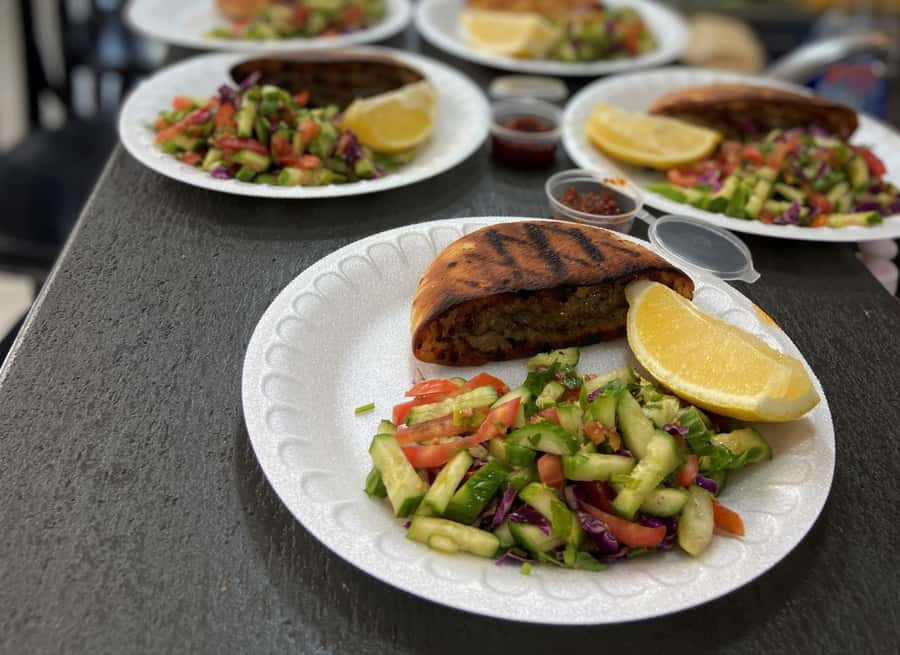
Libyan kuskus is one of the more distinctive foods named for this tour. It gives you a direct taste of North African influence in Israeli cooking and helps move the discussion beyond the familiar hummus and falafel shorthand.
The dish is important not only because it is traditional, but because it shows how Israeli food includes many regional traditions. Your guide can place it within the wider mix of cuisines found around Jaffa, including Turkish, Balkan, and Eastern European cooking.
The exact serving size and preparation are not specified, so think of this as a tasting rather than a full meal. If you arrive hungry, that is sensible, but do not assume the included food will replace lunch or dinner.
I especially like this kind of stop because it gives the guide something concrete to explain. A dish can open a conversation about migration, family cooking, and how recipes change as they move from one place to another.
Middle Eastern baked goods and the sweeter side of the route
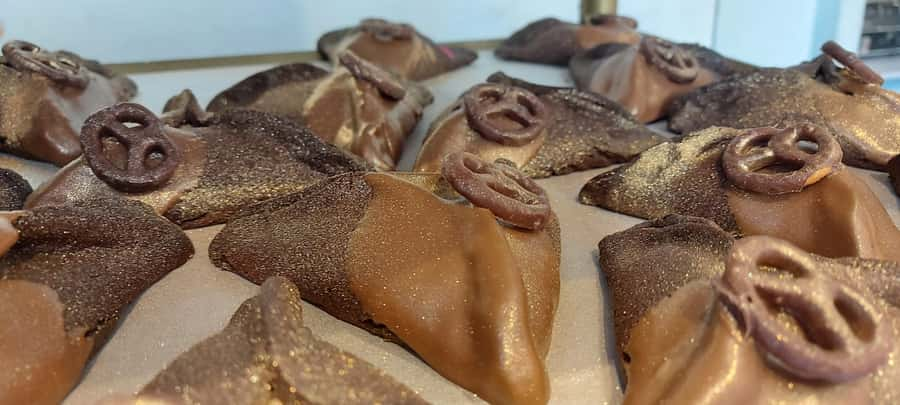
The tour also includes Middle Eastern baked goods. These provide a change of texture and pace from savory dishes and show how pastry and sweets fit into the region’s food culture.
This stop may appeal to you if you enjoy trying small portions rather than committing to one large plate. It also makes the experience easier to share with someone who prefers sweet foods to meat or strongly spiced dishes.
The supplied details do not identify the exact pastries, so you should not book this tour expecting a particular named dessert. The useful point is the range: the walk is built around several food traditions, not one signature dish.
I would treat the baked goods as part of the cultural explanation, not just a quick sugar break. In a market setting, food tells you who lives in the neighborhood, what has been sold there over time, and how older recipes continue alongside newer businesses.
A few more market tours around the world worth a look
- Bangkok: Damnoen Saduak Market and Maeklong Railway Market
★ 4.5 · 26,723 reviews - The Old Siam: Damnoen Saduak and Maeklong Railway Market
★ 4.5 · 10,992 reviews - Bangkok: Train Market & Floating Market with Boat Ride
★ 4.7 · 9,547 reviews - From Bangkok: Ayutthaya & Ayothaya Floating Market Day Trip
★ 4.7 · 6,084 reviews
Craft beer and modern Israeli cooking
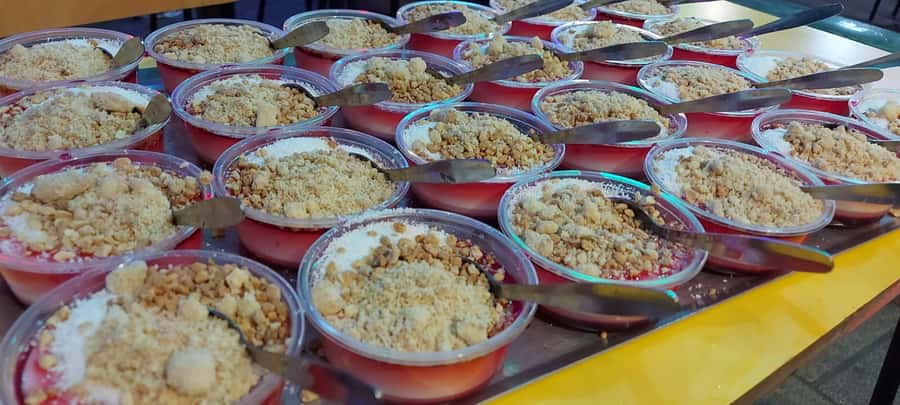
Local craft beer adds a contemporary note to the route. It balances the older food traditions and shows the market’s present-day side, where bars and newer food businesses operate beside long-established stalls.
The modern Israeli dishes serve a similar purpose. You can expect the guide to contrast traditional foods with newer interpretations, although the specific dishes depend on the day and participating businesses. That uncertainty is worth noting. The tour promises a style of tasting, not a fixed restaurant menu.
For me, this is one of the strongest ideas behind the experience. A food tour that serves only heritage dishes can make a city feel frozen in time. A tour that includes only fashionable cafés can lose its local roots. Here, the intended path runs between the two.
The craft beer also gives the group a natural pause. It is easier to compare the market’s older and newer identities when you are not rushing from one bite to the next.
Turkish, Balkan, and Eastern European flavors in one neighborhood
The tour covers Turkish, Balkan, and Eastern European foods in addition to North African and Middle Eastern cooking. That is a broad range for two hours, and it is one reason the guide matters so much.
You are unlikely to receive a long, detailed lesson about every cuisine. Instead, expect a series of short introductions tied to the food in front of you. The value comes from seeing how different traditions share the same market area and contribute to the larger story of Israeli cuisine.
This range also makes the tour a good choice for mixed groups. Someone who already knows Middle Eastern food may find more interest in the Balkan or Eastern European elements. Someone new to Israeli cooking gets a quick sense of how many influences are involved.
The possible drawback is pace. Two hours can pass quickly when several tastings, explanations, and walks are included. If you prefer to linger at each place or ask lengthy questions, the route may feel brisk.
What the guide adds to the food
The most highly praised part of this experience is the guide’s energy and command of the subject. Yan has been described as passionate about Israeli culture and food, while Ohad, called Dodo, has been noted for making the company as enjoyable as the tastings. Orel has also received praise for leading the walk well.
Those names are useful, but they do not guarantee who will lead your tour. What you should expect is a live guide in English or Hebrew, with the quality of the experience depending heavily on that person’s style and the size of the group.
One particularly useful detail is that a past small group received a route adjusted to its preferences, with extra time beyond the scheduled two hours. That suggests some flexibility may be possible, but it should not be treated as a promised feature.
The strongest version of this tour is not simply food in exchange for money. It is food plus explanation. The guide links market stalls to culture, history, and politics, helping you understand why a dish belongs in Jaffa rather than merely telling you whether it tastes good.
Is $88 a fair price for two hours?
At $88 per person, this is not a bargain snack walk. The value depends on what you would otherwise spend on food and how much you want a local guide to shape the experience.
The price includes tastings and the guide, but no separate meal is promised. If you are comparing it with buying a few inexpensive snacks on your own, the tour will cost more. If you see it as a compact cultural tour that happens to use food as its main teaching tool, the price is easier to justify.
I would consider it good value for a first visit to Tel Aviv or Jaffa, especially if you want context and do not feel confident choosing unfamiliar dishes alone. It is less compelling for a repeat visitor who already knows the market and prefers to spend two hours browsing independently.
The possibility of a smaller group also affects the value. The minimum is six registered participants, but group size is not otherwise stated. A compact group may allow more questions and personal attention. A larger group could make the walking and tasting stops less relaxed.
Who should book this Jaffa food walk?
This tour suits you if you want a short, guided introduction to Jaffa with food at the center. It is especially useful for first-time visitors, people curious about Israeli cuisine, and anyone who enjoys learning the story behind a dish.
It also fits an afternoon when you want an organized activity without giving up half a day. The meeting point is central to the Jaffa market area, and the tour stays focused on the neighborhood rather than adding transport between distant parts of Tel Aviv.
Families and mixed-age groups may appreciate the tasting format, though the available information does not specify child pricing or a children’s menu. Food preferences and allergies are not addressed, so you should ask the provider before booking if those matter to you.
The tour is wheelchair accessible, which is an important practical advantage. Still, the market setting may be crowded, and exact access between individual food businesses is not described. If you require detailed mobility information, confirm the route before paying.
Booking details worth knowing before you go
The walk lasts two hours and is available at different start times depending on the date. You should check the selected date carefully, since a minimum of six registered participants applies.
The activity can be canceled up to 24 hours in advance for a full refund. You can also reserve now and pay later, which helps if your Tel Aviv plans are still shifting.
Tastings and the local English-speaking guide are included. Hebrew is also offered, so check the language option that suits your group.
I would not plan a heavy meal immediately before the tour. The food list includes savory dishes, baked goods, beer, and modern Israeli preparations, but the exact amount is not stated. Come ready to sample several things, and keep your evening plans flexible enough to enjoy the walk without watching the clock.
Should you book it?
Book this Jaffa Flea Market tour if you want food with context, not just a list of places to eat. Its strongest qualities are the range of cuisines, the market setting, and guides who can connect each tasting to Israeli culture and Jaffa’s changing identity.
Skip it if you are looking for a cheap meal, a fixed menu, or a private tour with guaranteed extra time. At $88, the cost makes sense when the guide’s stories and local access are central to what you want.
For a first visit, I think the two-hour format is appealing. You get a focused look at one of Tel Aviv’s best-known areas, several included tastings, and a clearer sense of how old and new food traditions meet in Jaffa.
FAQ
How long does the Jaffa Flea Market tour last?
The tour lasts two hours.
Where does the tour meet?
Meet the guide at the entrance to the Jaffa Tourist Information Center.
What is included in the price?
The price includes tastings and a local English-speaking guide.
What languages are available?
The live guide is available in English or Hebrew.
What foods can you taste?
The tour includes foods such as Libyan kuskus, Middle Eastern baked goods, local craft beer, and modern versions of traditional Israeli dishes. The route also features Turkish, North African, Balkan, and Eastern European influences.
How much does the tour cost?
The listed price is $88 per person.
Is the tour wheelchair accessible?
Yes, the activity is listed as wheelchair accessible.
Can I cancel for a full refund?
Yes. You can cancel up to 24 hours in advance for a full refund.
Does the tour require a minimum number of participants?
Yes. The tour requires at least six registered participants.
More Shopping Tours in the world
- Hanoi Cooking Class: Culture, Local Market & Meaning CSR Impact
★ 5.0 · 5,147 reviews - 5 Traditional Dishes Hanoi Cooking Class with Market Trip
★ 5.0 · 4,890 reviews - Cooking Class and Lunch at a Tuscan Farmhouse with Local Market Tour from Florence
★ 5.0 · 4,831 reviews - Chiang Mai: Cooking Class, Market & Thai Herbs Garden Tour
★ 4.9 · 4,824 reviews
Just added around the world
- Three-Hour Private Chengdu Tea Wholesale Market Tour★ 5.0 · 4 reviews
- Half-day Dandan Noodles Cooking Class with a Local Market Visit★ 5.0 · 8 reviews
- Chania: Old Town, Public Market, Hill of Prophet Elias, Agia Triada★ 5.0 · 35 reviews
- Moroccan Cooking Class with a Local Family & Market Visit★ 5.0 · 16 reviews
- Chania Old Town, Public Market and Chrisopigi Monastery Tour★ 4.5 · 6 reviews
- 3-Hour Herbal Wholesale TCM Market and a Local Wet Market Tour★ 5.0 · 4 reviews
- Food Tasting & Market Shopping: Private Guided Tour in PORT LOUIS★ 4.5 · 9 reviews
- Charleston International Sweet Treats & Historic City Market Tour★ 5.0 · 22 reviews
Flower & Flea Market Tours, compared.

Night Bike Tour with Temples & Flower Market Visit
Read our review →Night Bike Tour with Temples & Flower Market Visit
Read our review →

Jaipur Tour by Tuk-Tuk or Car with Flower Market
Read our review →
Half-Day Guided Sightseeing Tour with Flower Market
Read our review →
Half or Full Day Sightseeing Tour with Flower Market
Read our review →

Browse the lists this tour appears in