
Review · TEL AVIV
Tel Aviv: 2-Hour Levinsky Market Tour with Full Lunch
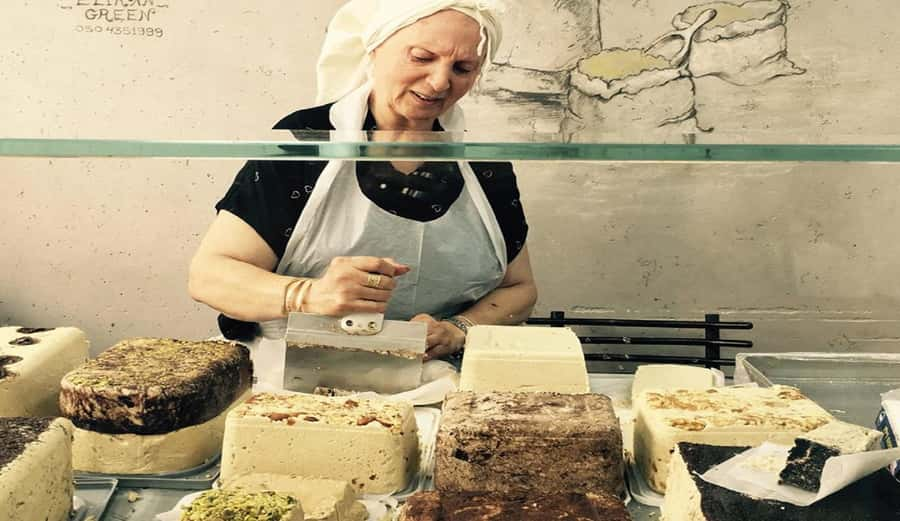
Levinsky Market is one of Tel Aviv’s best places to understand food through migration. In two hours, you move from spice shops and bakeries to small food stalls, tasting the flavors brought by Bulgarian, Bukharan, Persian, Balkan, Polish, and North African communities. The market began as a wholesale spice center, but today it is a compact food district with restaurants and specialty shops.
I like the way the tour connects each bite to the story of south Tel Aviv, and I like having a local English-speaking guide to explain foods you might otherwise walk past. Guides such as Jenny, Ivrat, Zita, Yaniv Ephod, and Ronnie have been praised for humor, warmth, and clear explanations. The main caution is the phrase full lunch: one past participant found the portions too small and the food uneven for the price.
Key points to know before you book
- A food market shaped by migration: Bulgarian, Bukharan, Persian, Balkan, Polish, and North African traditions all helped form Levinsky Market.
- Two hours of guided tasting: You sample snacks, baked goods, regional specialties, and spices while walking through the market.
- Lunch is included: The meal comes as a series of tastings rather than one clearly defined sit-down entrée.
- The guide matters: Jenny, Ivrat, Zita, Yaniv Ephod, and Ronnie have each been praised for humor, warmth, and strong English.
- A small-group minimum applies: The tour requires at least six registered participants to operate.
- Good booking flexibility: You can cancel up to 24 hours ahead for a full refund, and you can reserve now and pay later.
Why Levinsky Market makes a good food stop
Many food tours in Tel Aviv focus on famous dishes or large public markets. Levinsky Market offers something different. Its appeal is not simply the number of stalls. It is the way the market records the arrival of different communities in Israel through ingredients, cooking methods, sweets, bread, and spice blends.
The market was first built as a trading center for people living in the new city of Tel Aviv. New arrivals from Bulgaria, the Balkans, Persia, Bukhara, Poland, and North Africa helped shape its character. Over time, the area shifted from spice wholesaling to a mix of specialty shops, food counters, bakeries, and restaurants.
That background gives the tour a useful purpose. You are not just tasting random snacks. You are learning why the market contains such a broad mix of flavors in a relatively small area. A guide can point out the connection between a spice merchant, a bakery, and a dish influenced by a particular community. Without that context, Levinsky can feel like a string of shops. With it, the market becomes easier to read.
More market tours with lunch in the world:
- Cooking Class and Lunch at a Tuscan Farmhouse with Local Market Tour from Florence
★ 5.0 · 4,831 reviews - Paris Cooking Class and Lunch with Wine plus Market Visit Option
★ 5.0 · 1,024 reviews - Cairo: Private Pyramids, Museum & Bazaar Tour with Lunch
★ 4.6 · 744 reviews
Starting with the market’s spice tradition
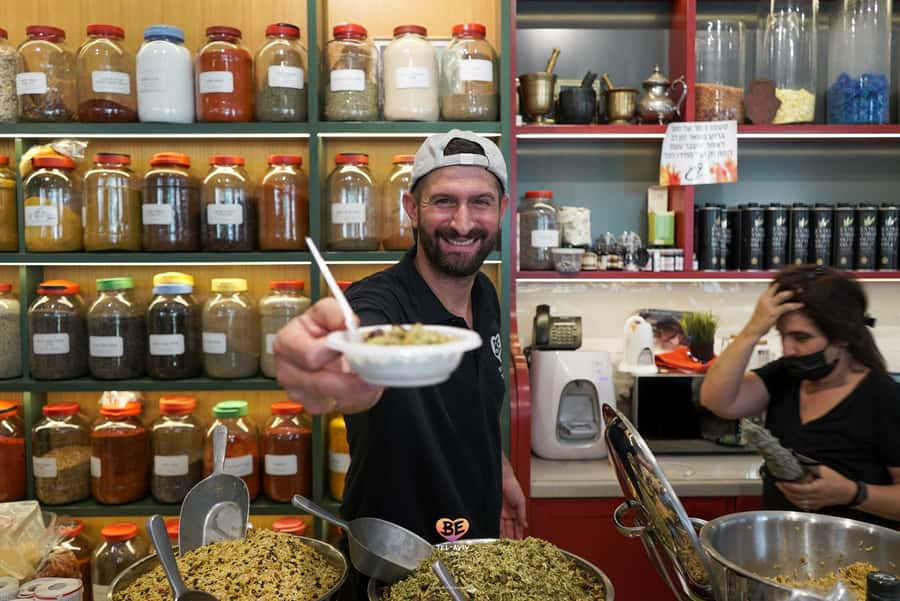
The spice trade is central to Levinsky Market’s identity. The experience promises pure spices of high quality, along with tastings from authentic food stalls. Exact stops and dishes can vary, so you should expect a guided selection rather than a fixed menu printed in advance.
The spice portion is likely to appeal most to cooks and curious eaters. Even if you do not plan to buy anything, smelling and sampling different seasonings gives you a quick sense of the market’s original role. The guide can also help explain how ingredients relate to the communities that settled in the area.
This is one reason I would take the tour early in a Tel Aviv visit. You gain a practical introduction to ingredients and food traditions that may appear elsewhere during your trip. You also get a better sense of which shops deserve a second visit.
The market is described as colorful and lively, but it is still a working neighborhood market rather than a staged attraction. That means the atmosphere is part of the experience. You are moving through real shops and food businesses, not simply looking at displays designed for a tour group.
Tasting baked goods and regional specialties
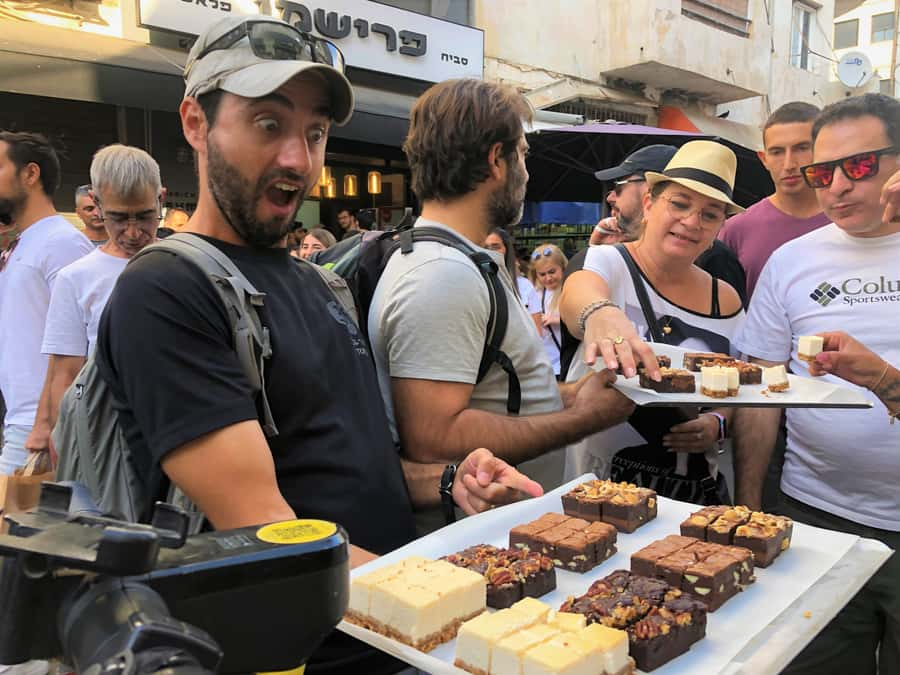
The tour includes local baked goods, snacks, and regional delicacies. The supplied information does not promise a specific list of pastries or dishes, and that is worth noting before you pay. The exact food selection may depend on what participating shops are serving that day.
I like this format because it allows the guide to respond to the market as it is. A food tour can feel more authentic when it uses the shops and products available at the time rather than handing every group an identical packaged menu. The tradeoff is less certainty. If you have your heart set on a particular Israeli dish, this tour does not guarantee that you will taste it.
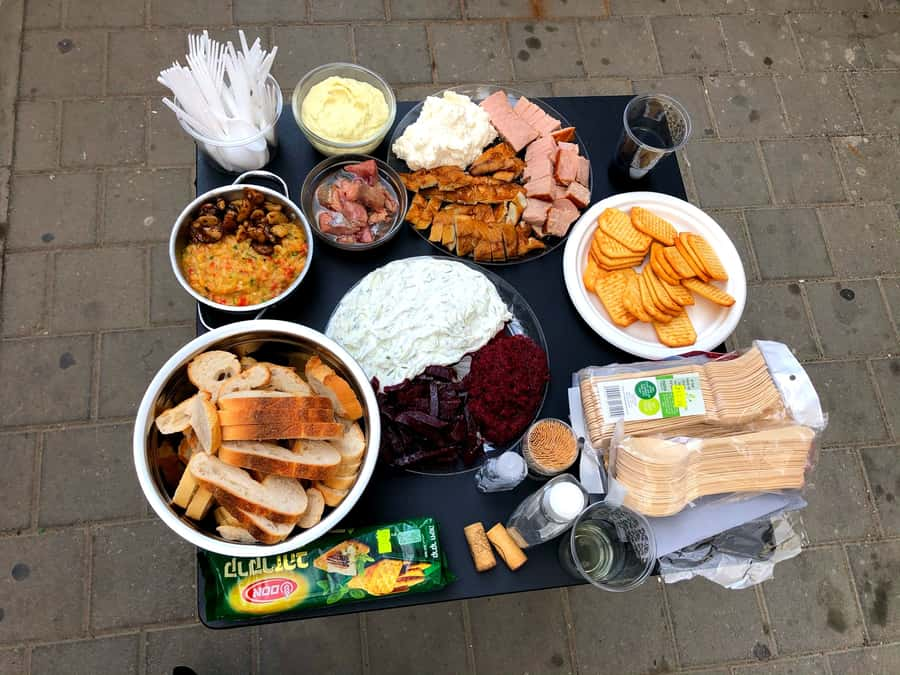
The food is intended to add up to a full lunch. In practical terms, that appears to mean several samples collected across the market rather than one large plated meal. One participant felt the portions were too small to count as a full lunch and found some choices mediocre. You should keep that criticism in mind, especially if you have a large appetite or expect a restaurant-sized meal.
At the same time, the broader response has been strongly positive. Several participants described the food as delicious or fantastic, and one person specifically praised the chance to try many different foods. The fairest way to view the lunch is as a tasting meal with variety, not as a formal feast.
If you are vegetarian, have allergies, or follow a special diet, the available information does not explain how substitutions are handled. Ask the provider before booking rather than assuming the food can be adjusted.
The guide turns a snack walk into a story
The guide is the most important part of this experience. The market itself can be explored independently, but the tour adds the neighborhood story, food context, and explanations that are difficult to get from a casual walk.
Several guides are named in the available feedback. Jenny is described as friendly, funny, and able to keep the group connected. Ivrat is praised for extra background details and anecdotes. Zita is described as warm and well informed. Yaniv Ephod is noted for clear English and strong knowledge of the market and food. Ronnie is praised for being considerate and for explaining Israeli food culture.
You should not assume that one particular guide will lead your departure. These names show the kind of guiding style you might receive, not a guaranteed assignment. The common thread is a guide who explains, jokes, and keeps the group moving together.
That group dynamic matters in a market. Stops are likely to be close together, and samples are shared within a set schedule. A good guide prevents the experience from becoming a confusing series of bites. The guide also helps you ask sensible questions, such as why a shop sells a certain ingredient or how a food fits into Israeli cooking.
The tour is conducted in English. The guide is local, which gives the experience a stronger connection to the neighborhood than a generic food briefing. You can expect history and cultural explanation along with the tasting.
A few more market tours around the world worth a look
- Bangkok: Damnoen Saduak Market and Maeklong Railway Market
★ 4.5 · 26,723 reviews - The Old Siam: Damnoen Saduak and Maeklong Railway Market
★ 4.5 · 10,992 reviews - Bangkok: Train Market & Floating Market with Boat Ride
★ 4.7 · 9,547 reviews - From Bangkok: Ayutthaya & Ayothaya Floating Market Day Trip
★ 4.7 · 6,084 reviews
What the two-hour route feels like
Two hours is a useful length for Levinsky Market. It gives you enough time to taste several foods and hear the neighborhood story without turning lunch into an all-day project.
The exact route is not provided, so I would not expect a strict stop-by-stop itinerary. Instead, think of the tour as a guided circuit through the market. You will likely move between specialty food stores, stalls, bakeries, and restaurants while the guide introduces products and offers samples.
The first part should help you get oriented to the market’s layout and origins. As the tour continues, the food becomes the main focus, with tastings tied to the cultures and businesses found in the area. The final part brings the samples together as lunch, though the amount may feel light to some people.
The short duration is helpful if you have other plans in Tel Aviv. You can fit the experience into a morning or afternoon without giving up most of your day. It is also a reasonable introduction for people who are unsure about committing to a longer food tour.
The limit is that two hours does not allow a slow, detailed visit to every shop. If you want extensive time to browse, shop, or sit over a meal, you may find the pace brisk. This tour is designed for tasting and explanation, not an unhurried market afternoon.
Is $88 a fair price?
At $88 per person, this is not a cheap way to grab lunch. You are paying for the guide, the organization, the food samples, and the cultural explanation. The value depends on how much you want those pieces rather than on the amount of food alone.
The price makes more sense if you are new to Tel Aviv, enjoy guided food experiences, or want help understanding the market’s many traditions. A local guide can save you from ordering blindly and can point out details you would likely miss on your own. The included lunch also means you are not paying the tour fee and then immediately buying a separate meal, although you may still want an extra snack afterward.
The price is harder to justify if your main goal is simply to eat a large lunch. One negative experience focused exactly on that issue: the combined portions did not feel substantial enough, and some of the food did not meet expectations. You should book for access and interpretation, not because $88 guarantees a big restaurant meal.
The tour has a minimum of six registered participants. That condition matters if your schedule is tight or you are booking close to your preferred date. Check that the departure is operating before building your day around it.
Who will enjoy this market experience most
I would recommend the tour to several types of visitors:
- People visiting Tel Aviv for the first time who want a quick introduction to local food culture.
- Cooks who enjoy spices, specialty ingredients, and stories about how dishes travel between communities.
- People who prefer small samples and variety to one standard restaurant meal.
- Anyone who enjoys neighborhood history presented through food.
- Visitors who want an English-language activity with a local guide.
- People with only two hours available for a structured experience.
It may be less suitable if you need a large lunch, want a guaranteed list of dishes, or prefer to explore independently. The tour does not provide enough menu detail to promise particular foods, and the one negative assessment suggests that expectations about portion size should be managed.
The activity is wheelchair accessible, which makes it more practical for many visitors. Still, the route passes through a market environment, and the available information does not describe the exact width of passages or seating arrangements. If you need detailed access information, confirm those points before booking.
Booking, cancellation, and timing advice
The duration is two hours, and starting times depend on availability. Since the exact meeting point and stop sequence are not provided here, check the booking details carefully before you leave for the market.
You can cancel up to 24 hours in advance for a full refund. The reserve-now, pay-later option is useful if your Tel Aviv schedule is still changing. It lets you hold a place without paying immediately, though the six-person minimum still applies.
I would avoid scheduling a major meal immediately after the tour. Most people should get enough food to count as lunch, but the portions may feel modest depending on the selection. If you have a hearty appetite, plan a little flexibility for an additional bite afterward.
The best mindset is to arrive ready to taste unfamiliar foods and listen to the guide. This is not a private chef experience or a polished restaurant crawl. Its strength is the connection between ordinary market businesses, migration, and daily food in Tel Aviv.
My verdict on the Levinsky Market tour
Book this tour if you want a compact, guided introduction to Tel Aviv food culture and you value the stories behind the ingredients. The market’s mix of Bulgarian, Bukharan, Persian, Balkan, Polish, and North African influences gives the experience a clear identity, while the guides bring humor and useful local context.
Think twice if your priority is a generous lunch or a fixed list of famous Israeli dishes. The food selection can vary, and one participant found the portions and quality disappointing for the cost.
For most food-curious visitors, the tour is worth considering as an orientation to south Tel Aviv. Come for the market story, the range of tastings, and the chance to learn what you are eating. Treat the lunch as a series of samples rather than a large sit-down meal, and the $88 price is easier to understand.
FAQ
How long does the Levinsky Market tour last?
The tour lasts two hours.
What language is the tour conducted in?
The tour is conducted in English with a live English-speaking local guide.
Is lunch included?
Yes. A full lunch is included, served through tastings of snacks, baked goods, regional specialties, and other market foods.
What kinds of food can I expect to try?
You can expect samples from authentic food stalls, local baked goods, regional delicacies, and high-quality spices. A fixed menu is not provided, so exact dishes may vary.
How many people are needed for the tour to operate?
The tour requires a minimum of six registered participants.
Can I cancel for a refund?
Yes. You can cancel up to 24 hours in advance for a full refund.
Is the tour wheelchair accessible?
Yes. The activity is listed as wheelchair accessible.
More Shopping Tours in the world
- Hanoi Cooking Class: Culture, Local Market & Meaning CSR Impact
★ 5.0 · 5,147 reviews - 5 Traditional Dishes Hanoi Cooking Class with Market Trip
★ 5.0 · 4,890 reviews - Chiang Mai: Cooking Class, Market & Thai Herbs Garden Tour
★ 4.9 · 4,824 reviews - Chiang Mai: Authentic Cooking Class with Market & Farm Visit
★ 4.9 · 4,546 reviews
Just added around the world
- Three-Hour Private Chengdu Tea Wholesale Market Tour★ 5.0 · 4 reviews
- Half-day Dandan Noodles Cooking Class with a Local Market Visit★ 5.0 · 8 reviews
- Chania: Old Town, Public Market, Hill of Prophet Elias, Agia Triada★ 5.0 · 35 reviews
- Moroccan Cooking Class with a Local Family & Market Visit★ 5.0 · 16 reviews
- Chania Old Town, Public Market and Chrisopigi Monastery Tour★ 4.5 · 6 reviews
- 3-Hour Herbal Wholesale TCM Market and a Local Wet Market Tour★ 5.0 · 4 reviews
- Food Tasting & Market Shopping: Private Guided Tour in PORT LOUIS★ 4.5 · 9 reviews
- Charleston International Sweet Treats & Historic City Market Tour★ 5.0 · 22 reviews
Shopping Tours, compared.

Damnoen Saduak Market and Maeklong Railway Market
Read our review →
The Old Siam: Damnoen Saduak and Maeklong Railway Market
Read our review →
Train Market & Floating Market with Boat Ride
Read our review →
Ayutthaya & Ayothaya Floating Market Day Trip
Read our review →
Hanoi Cooking Class: Culture, Local Market & Meaning CSR Impact
Read our review →
5 Traditional Dishes Hanoi Cooking Class with Market Trip
Read our review →
Cooking Class and Lunch at a Tuscan Farmhouse with Local Market Tour from Florence
Read our review →
Cooking Class, Market & Thai Herbs Garden Tour
Read our review →Browse the lists this tour appears in