
Review · ZANZIBAR
Zanzibar: 3 Hours Private Stone Town walking Tour with Guide
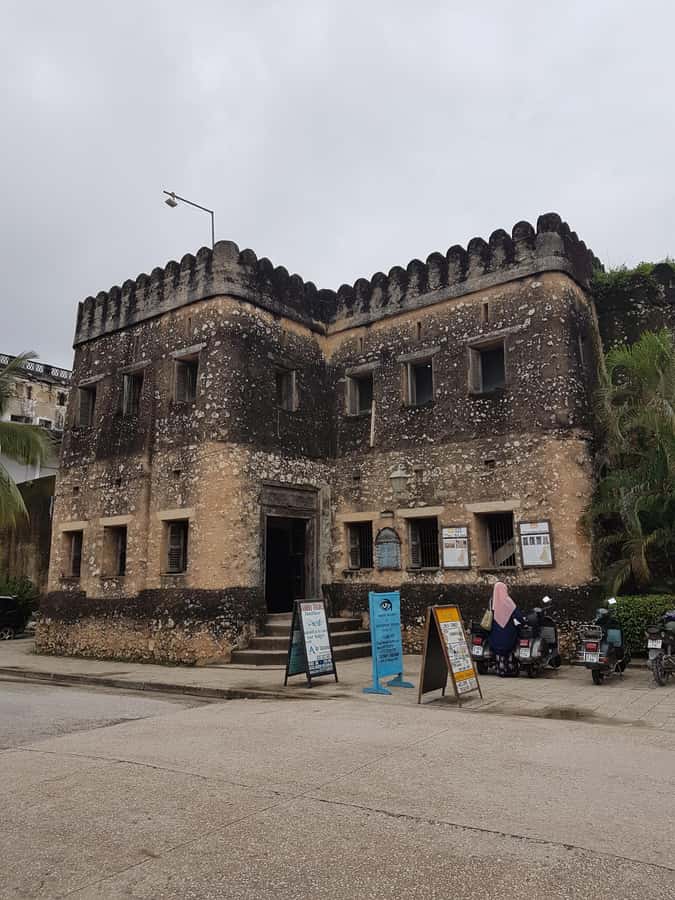
Stone Town is best understood on foot, one shaded alley, carved door, and weathered wall at a time. This three-hour private tour connects Zanzibar’s Swahili, Arab, Indian, European, and Portuguese past with the city you see today, including the former slave market, Darajani Market, Sultan Palace, Old Fort, and Freddie Mercury’s birthplace.
I like the private format, since your guide can slow down for questions, family needs, photos, or shopping. I also like the chance to visit Darajani Market, where fish, meat, fruit, vegetables, spices, and local life give the tour a taste beyond the monuments.
The main consideration is that this is a serious walking tour through narrow streets, markets, and historic buildings. Stone Town can feel crowded and uneven, and the former slave market deals with painful material. Museum entries are extra, and the advertised route may need adjusting to fit three hours.
Key points at a glance
- A useful first look at Stone Town: Cover major landmarks and get your bearings before exploring on your own.
- History with local context: Learn about the slave trade, the Sultanate, Swahili culture, and Zanzibar’s links with Arabia, India, Europe, and Portugal.
- Market life, not just monuments: Walk through Darajani Market to see spices, produce, fish, meat, and everyday commerce.
- Flexible private guiding: Guides such as Khameez, Mau, and Kassim have adapted routes, timing, language, and pace to suit different visitors.
- Extra costs to plan for: Freddie Mercury Museum entry is about $8, and the former slave market costs about $10.
- Good value at $24: Guiding and bottled water are included, while hotel transfers and museum tickets are not.
Why Stone Town makes a strong walking tour
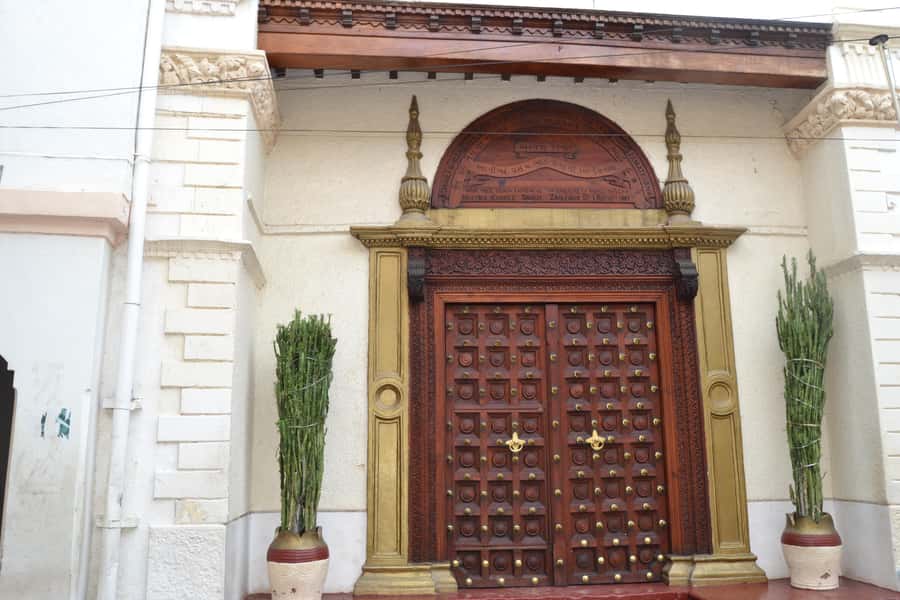
Stone Town is compact, but its story is not simple. The city grew from Indian Ocean trade and carries layers of Swahili, Arab, Indian, European, and Portuguese influence. You see that mixture in the architecture: carved wooden doors, enclosed balconies, coral-stone buildings, courtyards, churches, mosques, palaces, and old defensive walls.
A guide helps you read what you would otherwise pass as ordinary scenery. A doorway may show family status, religious tradition, or a connection to trade. A narrow lane may lead to a market, a historic home, or a small square that makes little sense until someone explains its place in the city.
This tour is also a useful orientation walk. After three hours, you should know where the main sights are and how the lanes fit together. Several guides, including Mau, Khameez, and Kassim, have been praised for explaining not only Stone Town, but also Zanzibar, Tanzania, East African history, modern society, and local customs.
The private setup matters here. You can ask why a building looks the way it does, pause for photographs, or request more time in the market. If you are traveling with children, the guide can make small changes, such as stopping for an ice cream break. If you are short on time, the route can be tightened.
More market walks in the world:
- Bangkok: City Highlights Temple and Market Walking Tour
★ 4.5 · 3,990 reviews - Tokyo Tsukiji Fish Market Food and Culture Walking Tour
★ 5.0 · 3,184 reviews - Marrakech: Ben Youssef, Secret Garden, & Souks Walking Tour
★ 4.6 · 2,802 reviews
Starting in Stone Town’s narrow lanes
Pickup is available within Stone Town, and the walk returns to Stone Town. If you are staying outside the area, hotel transport can be requested, but it is not included in the $24 price.
The tour normally begins with a general walk through the old city. Do not expect a wide boulevard and a neat sequence of sights. The pleasure is in the close-up details: heavy doors, carved panels, balconies, old facades, small shops, and lanes where daily life continues around historic buildings.
You will want comfortable shoes and water, even though one bottle of mineral water per person is supplied. The route is described as three hours, though some walks have lasted longer or shorter depending on the route and the group. One guide may move quickly through many sights, while another may give you more time to ask questions or shop.
That flexibility is useful, but it also means the exact order is not fixed. The description lists many stops, more than can always receive equal attention in three hours. Tell your guide early if the slave-trade history, architecture, markets, Freddie Mercury, or shopping matters most to you.
The former slave market and Anglican Cathedral
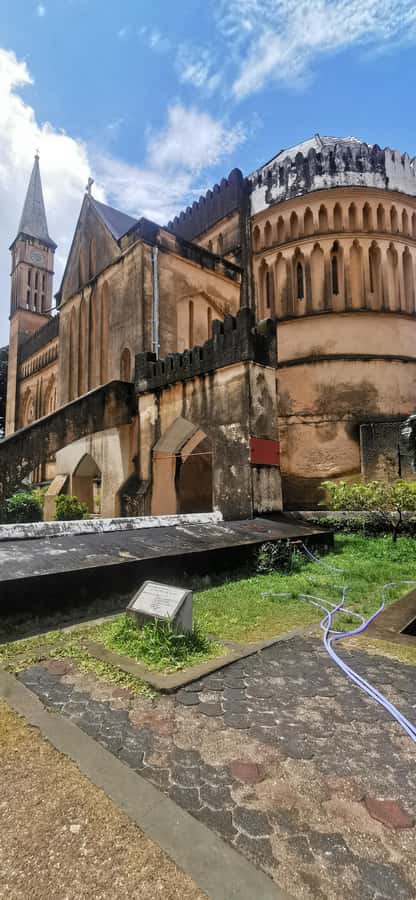
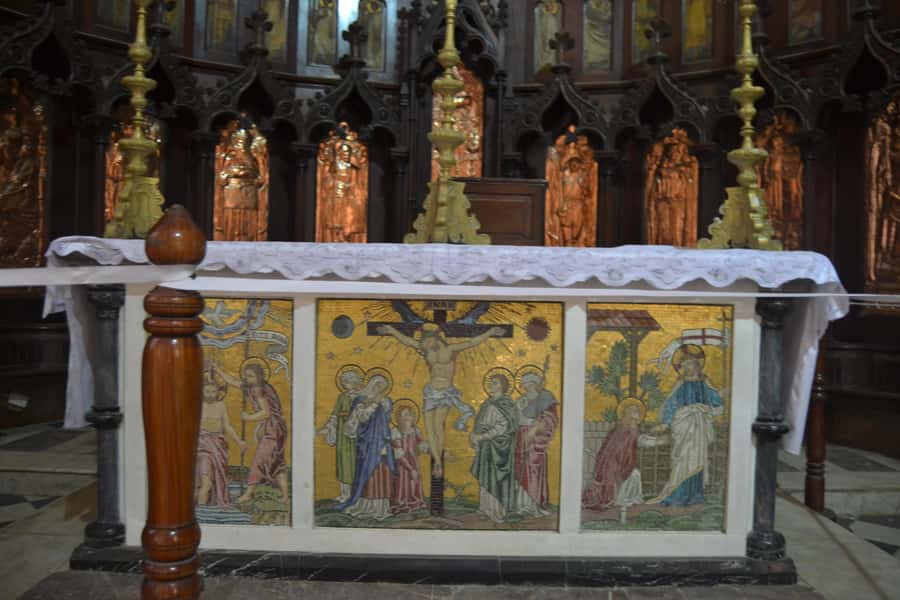
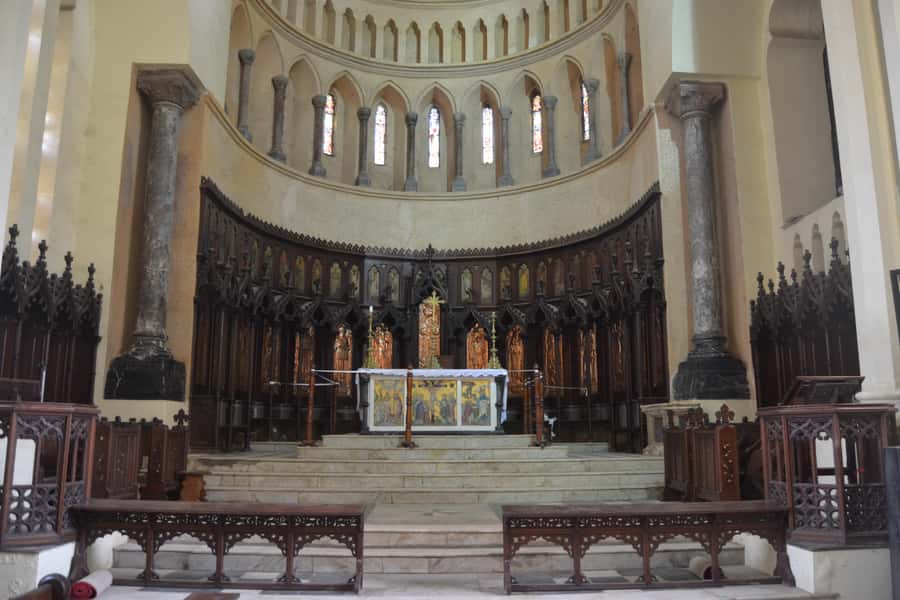
The former East African slave market, now connected with the Anglican Cathedral, is one of the most important stops. The site presents Zanzibar’s role in the East African slave trade and the suffering tied to that trade. It is not a light sightseeing stop, and you should allow yourself time to take in the material respectfully.
The former market admission is about $10 per person and is not included. The tour description says ticket lines can be skipped, but admission still costs extra. Opening conditions can change, too. During one visit connected with election disruption, the site was closed, so it is wise to treat this stop as a planned highlight rather than an absolute guarantee.
I consider this visit central to the tour. Stone Town’s beauty can otherwise make it easy to focus only on doors, palaces, and waterfront views. The slave market gives the city’s trade history a human cost and helps explain why Zanzibar occupies such an important place in East African history.
The nearby Anglican Cathedral adds another layer to the story. Your guide can connect the church, the former market, missionaries, and the wider changes that shaped Zanzibar. Guides such as Khameez and Mau have been praised for handling this difficult subject clearly and respectfully.
Darajani Market: the city’s everyday pulse
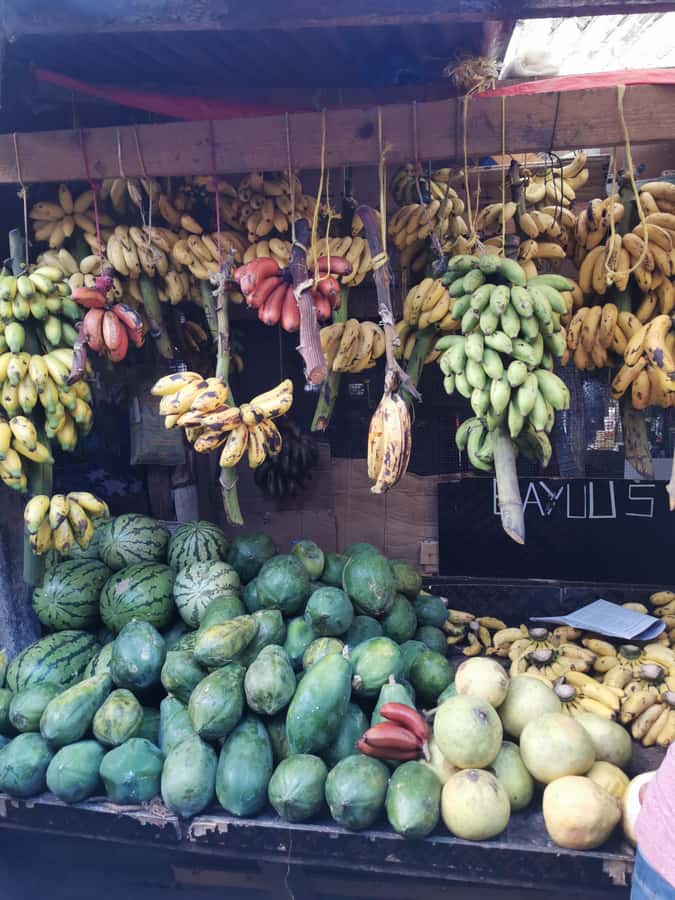
Darajani Market, in operation since 1904, is where the tour shifts from formal history to daily life. Expect stalls and displays of fruit, vegetables, spices, meat, and fish, along with the smells and sounds of a working market.
This is one of the most useful parts of the walk if you want to understand Zanzibar beyond its monuments. You may see the day’s catches from the Indian Ocean, local produce, and the ingredients that give Zanzibari cooking its character. The market is also a practical place to buy spices, coffee, or other small souvenirs.
Keep your expectations sensible. This is a functioning market, not a polished food hall. Conditions can be crowded, and the experience may feel untidy or intense. That is exactly why it is worth seeing, but it may not suit you if you prefer quiet museum rooms and carefully arranged displays.
Shopping is part of the route, though you are not required to buy anything. If you are looking for a specific item, tell your guide. Mau has taken visitors through more distant parts of the local market to help them find particular goods.
More private market tours in the world:
- Cairo 8 Hour Private Tour of Pyramids, Egyptian Museum and Bazaar
★ 5.0 · 2,931 reviews - Private Excursion to Maeklong Railway and Floating Markets
★ 5.0 · 850 reviews - Floating and Railway Market (Optional Waterfall): Private Tour
★ 5.0 · 827 reviews - Cairo: Private Pyramids, Museum & Bazaar Tour with Lunch
★ 4.6 · 744 reviews
Coffee, Jaws Corner, and a short local pause
The route may continue through the narrow streets toward Zanzibar Coffee House, where you can pause for coffee. Some walks also include coffee with locals at Jaws Corner, a small social meeting point associated with everyday Stone Town life.
This stop gives your legs a break and lets the tour breathe. You can ask questions without trying to keep up through a lane, and the guide can explain more about present-day Zanzibar rather than only the past.
Coffee is not listed as included, so expect to pay for your own drink. The value here is less about the beverage and more about sitting in a place where local conversation and city routines are easier to notice.
Sultan Palace and the House of Wonders
The Sultan Palace introduces the dynasty that ruled Zanzibar and gives you a look at the political side of the island’s past. The palace setting helps explain the authority, wealth, and international connections of the Sultans.
The House of Wonders, or Bait el-Ajab, is another major landmark. It was built as a ceremonial palace and is described in the tour material as the tallest building in East Africa. Its name comes from the unusual features it once had for Zanzibar, and the building carries many stories tied to the Sultanate and modern changes in the city.
You should not expect every historic building to be perfectly restored. Several parts of Stone Town are weathered or dilapidated, and that condition is part of the visual character, but it can disappoint visitors expecting a polished heritage district. The guide’s explanation becomes especially useful here, helping you understand the building’s importance even when the exterior needs repair.
Museum access and opening arrangements are not fully detailed for every palace stop, so confirm what you will enter and what you will see from outside. The former slave market and Freddie Mercury Museum are the clearly stated paid admissions.
Forodhani Gardens and the Old Fort
Forodhani Gardens is known as an evening food area, with seafood, grilled items, sugarcane juice, Zanzibar pizza, and other local foods. If your tour takes place earlier in the day, the gardens may feel quieter than the evening market. If you return later, it can be a good place to eat independently after the walk.
Food at Forodhani is not included in the tour price. Use normal care with any prepared food, and ask about prices before ordering. The point of the stop is to understand the setting and food culture, not to turn the walking tour into a full meal.
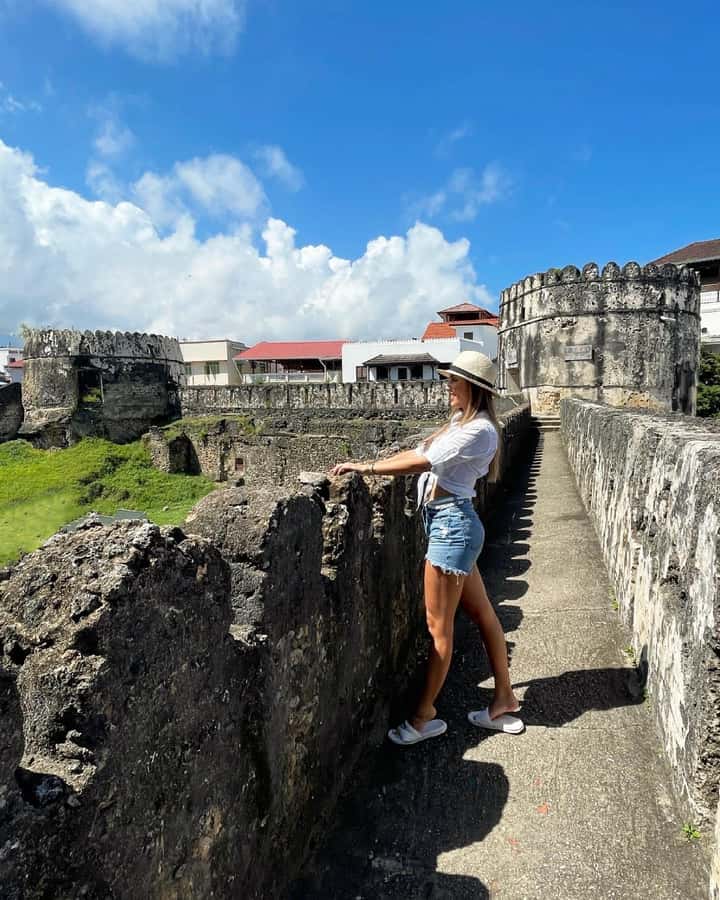
The Old Fort, also called the Old Arabic Fort, is a sturdy defensive structure near the waterfront. Its later uses have included a battle arena and, according to the tour description, a primitive railway station. It is a useful reminder that Stone Town’s landmarks have changed purpose over time.
The fort is also a practical navigation point. After seeing it, you can more easily return to the waterfront, Forodhani Gardens, or nearby shops on your own.
Freddie Mercury’s birthplace and the cathedral
The tour passes the home associated with Freddie Mercury, the lead singer and songwriter of Queen, who was born in Zanzibar. This is a quick but memorable contrast with the older trade and Sultanate stories.
Entry to the Freddie Mercury Museum costs about $8 per person and is not included. You can still see the exterior and take photographs without making the museum part of your budget, though fans may want to add the admission.
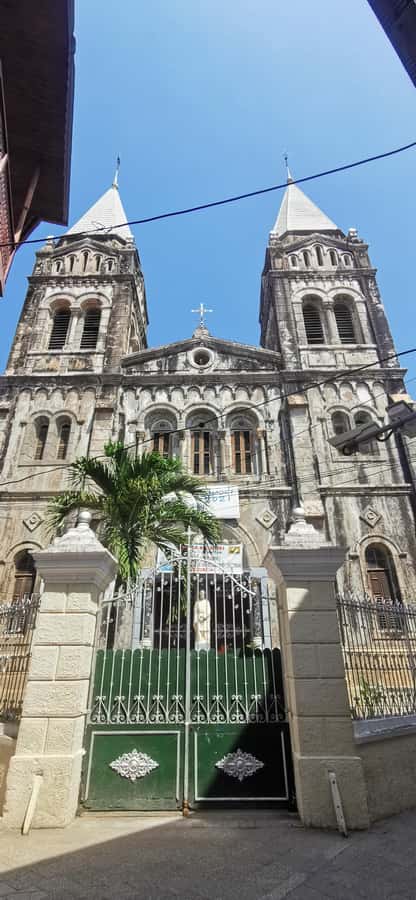
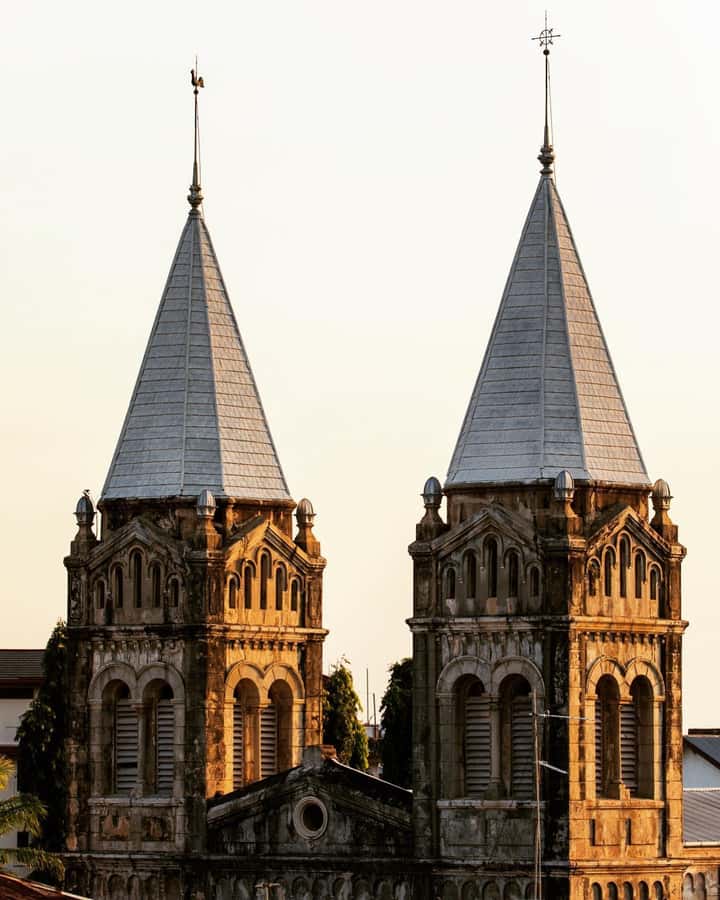
The final major stop is the French Catholic Cathedral, also called Notre Dame of Zanzibar. Its sculpted interior and position in the middle of Stone Town make it another example of the city’s mixed religious and cultural past.
These stops work well together because they broaden the tour. You move from royal history and slavery to popular music, worship, markets, and ordinary streets. Stone Town becomes more than a collection of old buildings.
How the guides shape the experience
The guide is the main reason to book this rather than simply wander with a map. Khameez is associated with clear English, French, warm storytelling, and an ability to adjust the route. Mau, also called Maulid, has led walks focused on history, architecture, markets, and modern life. Kassim has been praised for adapting timing, location, route, and stops to personal interests.
Other language options listed are German, English, French, Italian, Spanish, Arabic, Polish, Portuguese, and Chinese. Confirm your preferred language when booking, since the individual guide assigned to you can vary.
The strongest guide style here is conversational rather than rushed. You should have room for questions, photos, and some shopping. English is generally described as easy to follow, though one visitor found a guide’s accent heavy and asked him to speak more slowly. That is a reasonable request, especially when discussing names, dates, and difficult historical subjects.
Price, timing, and who should book
At $24 per person, this is good value if you want a private introduction to Stone Town. Guiding and bottled water are included, and you get a route that links major landmarks with the market streets between them. A private guide can also save time and reduce the guesswork of finding the old market, cathedral, palace, and fort.
Budget another $18 if you want to enter both the Freddie Mercury Museum and the former slave market. Hotel transfers outside Stone Town cost extra if requested. Those additions can change the final price, so factor them in before booking.
This tour suits first-time visitors, history fans, architecture lovers, families wanting a flexible pace, and anyone with only half a day in Stone Town. It is also useful before a longer Zanzibar stay because it helps you get your bearings.
I would hesitate if you have back problems or dislike extended walking. The activity is listed as wheelchair accessible, but the narrow streets, market conditions, and historic surfaces still make it sensible to ask about the exact route. Alcohol, drugs, weapons, sharp objects, fire, fireworks, littering, nudity, touching exhibits, and explosive substances are not allowed.
Should you book this Stone Town walk?
I would book it if you want the city’s major stories in one compact outing and prefer asking a local guide questions rather than reading signs alone. The best reasons are the private format, strong guide choice, market visit, and thoughtful treatment of the slave-trade history.
Book with a clear priority list. Ask for extra time at the former slave market if that matters most, or tell your guide you want more architecture, coffee, shopping, or Freddie Mercury. Do not expect every listed landmark to receive a long interior visit in three hours. Expect a fast, useful introduction to a complex old city, with extra admissions and some route flexibility.
FAQ
Where does the Stone Town walking tour start and finish?
The tour starts in Stone Town and returns to Stone Town. Free pickup is available from areas within Stone Town.
How long does the tour last?
The stated duration is three hours. The exact pace and route can vary with your interests, questions, photographs, and shopping stops.
What is included in the price?
Guiding services and one bottle of mineral water for each person are included.
Are hotel transfers included?
Transfers from and back to your hotel are not included. Pickup outside Stone Town can be requested separately.
How much does the Freddie Mercury Museum cost?
Admission is approximately $8 per person and is not included in the tour price.
How much does the former slave market cost?
Admission to the former East African Slave Market is approximately $10 per person and is not included.
Which languages are available?
The listed languages are German, English, French, Italian, Spanish, Arabic, Polish, Portuguese, and Chinese.
Is the tour private?
Yes. The activity is offered for a private group, allowing the guide to adjust the route and pace to your interests.
Is the tour suitable for people with back problems?
The activity is listed as not suitable for people with back problems. It is also described as wheelchair accessible, so you should confirm the route and access needs before booking.
More Walking Tours in the world
- Marrakech: Colorful Medina Souks Guided Walking Tour
★ 4.7 · 2,470 reviews - Air Raid Shelter + St. Nicholas Market Walking Tour
★ 5.0 · 1,950 reviews - Tokyo: Tsukiji Fish Market Food and Walking tour
★ 5.0 · 1,724 reviews - Tokyo: Tsukiji Fish Market Guided Walking Tour
★ 4.9 · 1,397 reviews
Just added around the world
- Three-Hour Private Chengdu Tea Wholesale Market Tour★ 5.0 · 4 reviews
- Half-day Dandan Noodles Cooking Class with a Local Market Visit★ 5.0 · 8 reviews
- Chania: Old Town, Public Market, Hill of Prophet Elias, Agia Triada★ 5.0 · 35 reviews
- Moroccan Cooking Class with a Local Family & Market Visit★ 5.0 · 16 reviews
- 3-Hour Herbal Wholesale TCM Market and a Local Wet Market Tour★ 5.0 · 4 reviews
- Chania Old Town, Public Market and Chrisopigi Monastery Tour★ 4.5 · 6 reviews
- Food Tasting & Market Shopping: Private Guided Tour in PORT LOUIS★ 4.5 · 9 reviews
- Charleston International Sweet Treats & Historic City Market Tour★ 5.0 · 22 reviews
Market Walking Tours, compared.
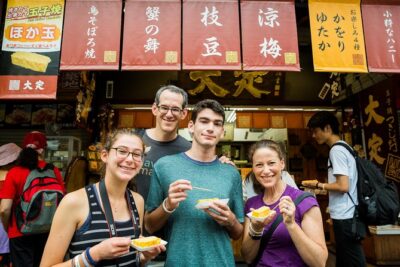
Tokyo Tsukiji Fish Market Food and Culture Walking Tour
Read our review →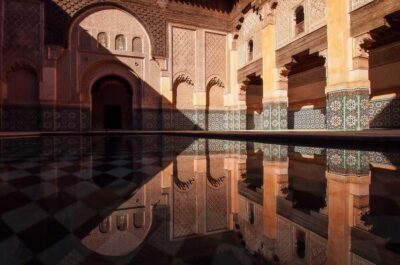
Ben Youssef, Secret Garden, & Souks Walking Tour
Read our review →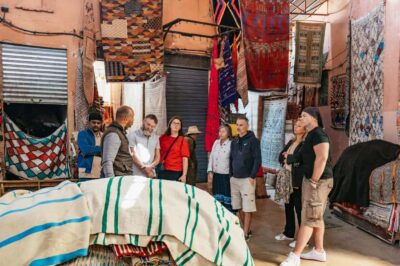
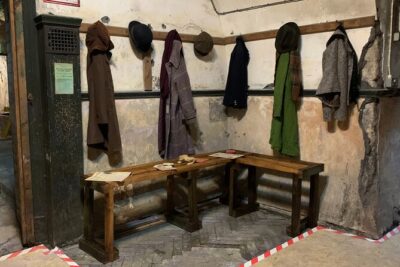
Air Raid Shelter + St. Nicholas Market Walking Tour
Read our review →
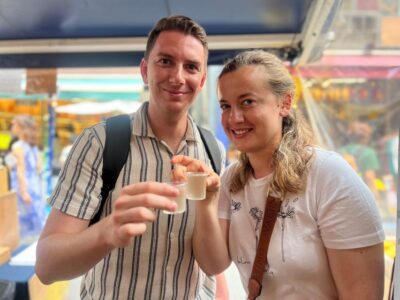
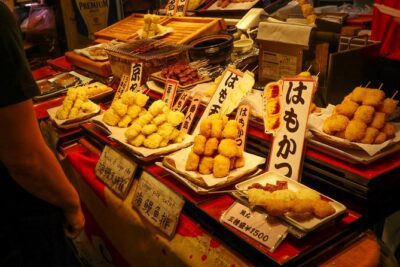
Nishiki Market Brunch Walking Tour (7 Tastings + Brunch)
Read our review →Tsukiji Fish Market Food and Culture Walking Tour
Read our review →Browse the lists this tour appears in