
Review · KYOTO
Kyoto: Nishiki Market Food Tour with Local Guide
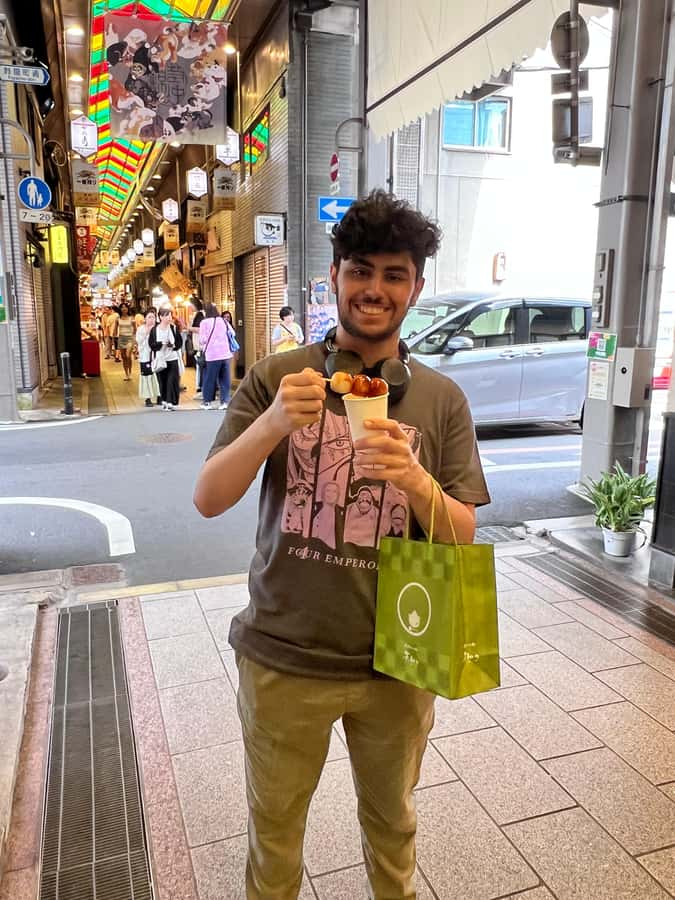
Nishiki Market is Kyoto’s food cupboard, a five-block run of stalls where seasonal produce, prepared snacks, and old cooking traditions meet. This tour gives you a useful guide to the market instead of leaving you to guess what each unfamiliar bite might be.
I like the food tastings, which let you try several Kyoto specialties in one outing, and I like the cultural context, especially the explanation of Buddhist vegetarian cooking and seasonal ingredients. Steven is named as one of the guides, and he has been especially praised for explaining both the market’s past and how Kyoto food is prepared.
The main drawback is simple: Nishiki Market is narrow and crowded, and you will do plenty of walking. At $64 per person, this is not the cheapest way to buy a snack, but the price makes more sense if you value a local guide, several tastings, and an introduction to Kyoto food culture.
Key points to know before booking
- Five blocks of Kyoto food culture: Nishiki Market grew from early fish shops into more than 100 stalls and specialty stores.
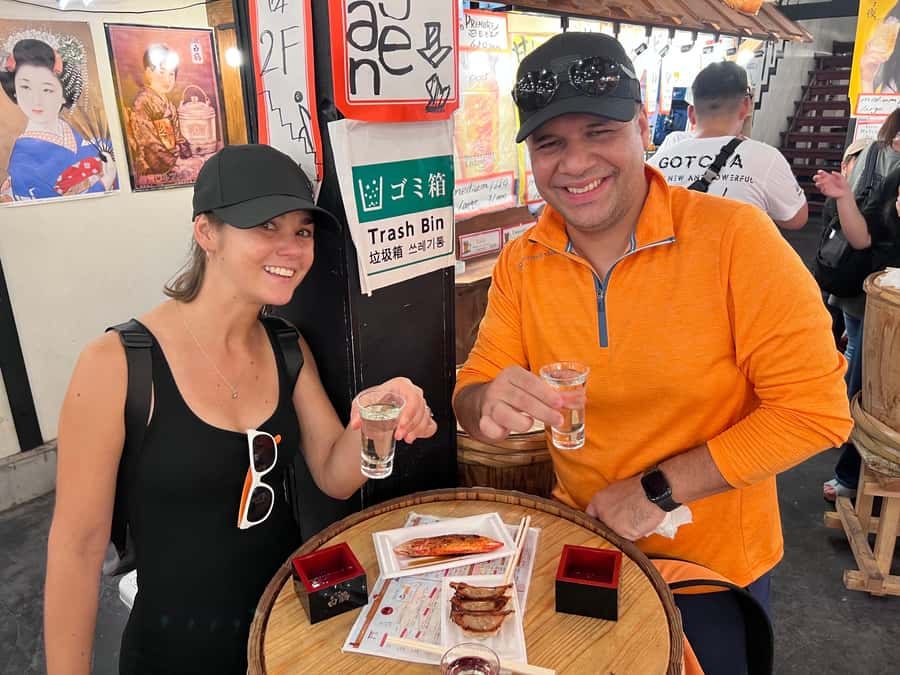
- Several tastings included: You sample a changing selection of traditional, seasonal foods rather than stopping at only one shop.
- English-speaking local guide: Steven is one named guide, with strong praise for his explanations and kind assistance.
- Buddhist influence explained: The tour connects market foods with Kyoto’s vegetarian traditions and temple culture.
- Vegetarian requests are possible: Notify the provider in advance if you need vegetarian options.
- Plan for walking: Comfortable shoes and a water bottle will serve you well.
Why Nishiki Market is worth your time
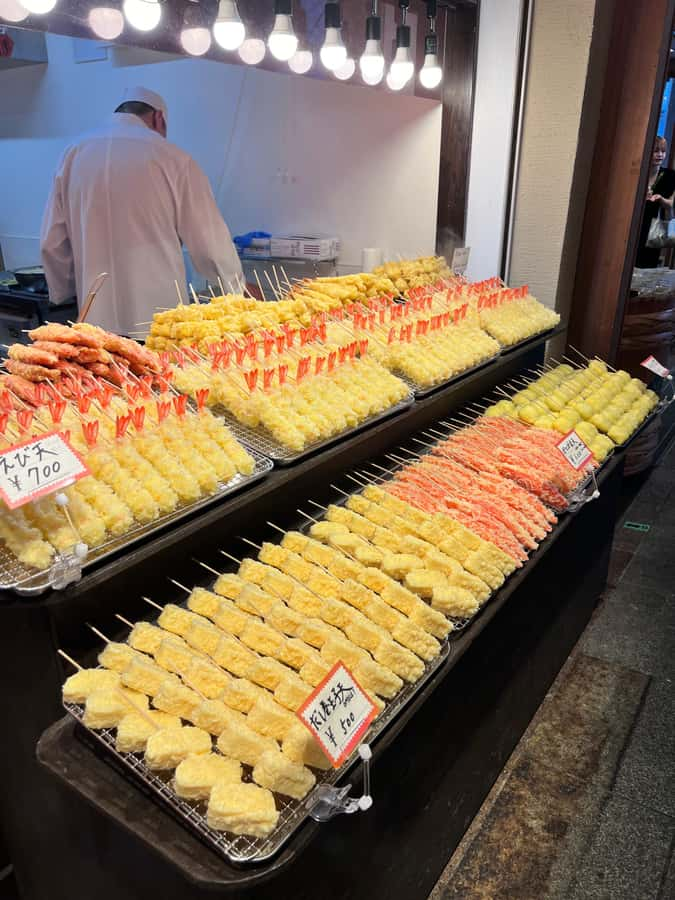
Nishiki Market is often called Kyoto’s Kitchen, and the nickname fits. It is a historic food street that stretches for five blocks through the city, lined with more than 100 stalls and specialty shops.
The market began in the early 14th century as a small group of fish shops. Over time, it became a place where Kyoto’s cooks and households could find fresh ingredients, preserved foods, sweets, pickles, seafood, and other specialty goods.
You do not need a guide to walk through Nishiki Market. You can simply follow the covered street and look at the displays. The challenge is understanding what you are seeing. A tray of unfamiliar food may look appealing, but you may not know how it is made, when it is traditionally eaten, or whether it reflects Kyoto cooking or a newer market snack.
That is where this tour earns its keep. Your guide helps you focus on selected foods instead of wandering past every stall. You also get the story behind the ingredients, which turns a quick tasting into a better picture of daily food culture in Kyoto.
The market is not a quiet museum. Vendors call out their offerings, aromas drift through the passage, and the narrow route can feel crowded. I see that as part of the appeal, but it also means you should expect a shared public market rather than a calm, sit-down meal.
More Street Food Market Tours in Japan
- Kyoto: Local Food Tasting Tour at the Nishiki Market
★ 4.7 · 135 reviews - Kyoto: Nishiki Market and Depachika Food Tour with a Local
★ 4.7 · 76 reviews - Kyoto: Nishiki Market Tour with a Local Foodie & Tastings
★ 4.5 · 67 reviews
Entering the five-block market
The tour begins with a walk through Nishiki’s long covered shopping street. The scale is easy to underestimate. Five blocks may not sound like much, but the steady stream of stalls, people, displays, and food samples gives the outing plenty to take in.
Your guide introduces the market as a working part of Kyoto’s food life, not just a sightseeing stop. The early fish trade helps explain why the market developed here, while the later mix of specialty stores shows how its role grew.
As you walk, your guide can point out the kinds of foods that matter in Kyoto cooking. The supplied information does not give a fixed stop-by-stop menu, so you should not book this expecting a guaranteed list of exact dishes. Instead, expect a selection of tastings shaped by what is available and seasonal at the time of your visit.
That flexibility is useful in a market. Seasonal food is central to Kyoto’s cooking, and a changing selection can give you a more honest sense of what the stalls are offering on that day. The tradeoff is that two tours at different times of year may not taste exactly alike.
I recommend keeping your eyes open for the preparation and presentation as much as the food itself. Kyoto has a strong tradition of careful cooking and attractive displays. Even a small sample can show how much attention goes into color, texture, and season.
Tasting seasonal Kyoto specialties
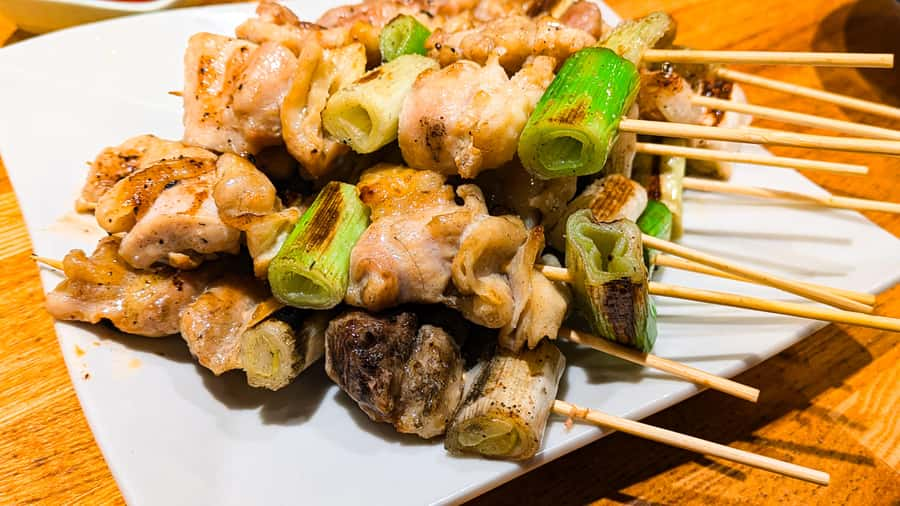
Food tasting is the heart of the experience. You sample different traditional foods while moving through the market, with the guide explaining what you are trying and why it matters.
The focus on seasonal food is important. Japanese cooking often places great weight on eating ingredients at their best time of year. In Kyoto, that idea is tied to the city’s wider food traditions, from everyday market ingredients to formal multi-course dining.
You will also hear about Kyoto kaiseki, the city’s refined multi-course meal tradition. This tour is not a kaiseki dinner, and it should not be confused with one. Instead, the guide uses kaiseki to explain a broader Kyoto approach to food: attention to season, balance, presentation, and the order in which foods are served.
That background helps you read the market differently. A small portion is not necessarily a lesser version of a meal. It may be a way to notice one ingredient, one texture, or one seasonal idea without filling up at a single stop.
The food tastings also make this tour practical for first-time visitors. You can try unfamiliar items with some guidance rather than ordering blindly. If something is not to your taste, the experience keeps moving, and you still gain context from the next stall.
I would not choose this outing if your main goal is a large lunch. The included tastings are better understood as a series of samples and introductions. You may leave satisfied, but the purpose is to explore the market’s food culture, not replace every meal of the day.
The Buddhist influence on Kyoto food
One of the more distinctive parts of the tour is its look at Buddhist vegetarian cuisine. This adds depth that a simple snack crawl would miss.
Buddhist traditions have influenced food in Kyoto, including ideas about vegetarian preparation and the treatment of ingredients. Your guide explains how that influence appears in the market and in the city’s cooking traditions.
For visitors who know Japanese food mainly through sushi, ramen, or grilled meat, this is a useful correction. Kyoto’s food identity is broader than its best-known dishes. A market shaped by temple traditions, seasonal produce, careful preparation, and preserved foods gives you a wider view of the city.
Vegetarian options are available if you notify the provider in advance. That advance notice matters. Do not assume that a market tasting can be adjusted at the last minute, particularly when the exact seasonal selection is not fixed.
I also like that the vegetarian theme is presented as part of Kyoto culture rather than as a separate dietary add-on. It helps explain why plant-based dishes and restrained seasoning have such an important place in the city’s food traditions.
Still, you should clarify your needs when booking if you have strict dietary restrictions. The information confirms vegetarian options, but it does not promise that every allergy or special diet can be accommodated.
More street food market tours in Kyoto:
- Nishiki Market Food Tour with Cooking Class
★ 4.9 · 42 reviews - Kyoto: Nishiki Market Food Tour
★ 4.9 · 21 reviews - Taste of Nishiki Market Walking Food Tour with Local guide
★ 5.0 · 17 reviews - Dubai: Old Town, Creek, Museums, Souks, & Street Food Tour
★ 4.8 · 10,816 reviews
What the guide adds to the market visit
The guide is the main difference between this tour and a self-guided walk. You receive cultural and historical explanations while you taste, so the market becomes easier to understand as you move through it.
Steven is one named guide associated with the experience. He has been praised for explaining the history of Nishiki Market and how Kyoto food is cooked. That combination is useful: market facts alone can feel dry, while food samples without context can blur together.
The personal side of guiding matters, too. One account describes the guide helping a partner after she fell. That suggests a kind and attentive approach, though you should still plan carefully for a walking tour and wear shoes that feel secure.
The tour is offered in English. This makes it a practical choice if you want explanations about ingredients, traditions, and preparation without relying only on signs or translation apps.
The group size and tour duration are not provided, so I would not assume an intimate small-group format or a particular length. If those details affect your decision, confirm them before paying. The fixed information is the English-speaking local guide, food tastings, and cultural and historical discussion.
Walking, photography, and market manners
Comfortable shoes are essential. You will walk through a five-block market, and the surface may feel tiring simply because you are on your feet while stopping, looking, and tasting.
Bring a water bottle, especially if you are visiting during warm weather. The market’s food samples can be salty or rich, and having water makes the tasting easier.
Photography is encouraged, but Nishiki is a working market with vendors trying to serve customers. Ask before taking close-up photos of people, food preparation, or private displays. A quick request is polite and may lead to a better interaction than raising a camera without warning.
Try to stay aware of the narrow route. Stop to take photos only when you are not blocking the flow of shoppers. The market can become crowded, and your guide may need to keep the group together while moving from one tasting to the next.
This is also a place where you should resist rushing. The stalls are close together, but the details are small: a display of seasonal produce, the way food is arranged, or a preparation method your guide points out. You will get more from the tour if you look closely rather than treating it as a fast snack stop.
Is $64 a fair price?
The price is $64 per person. That is a noticeable charge for a market visit, especially because Nishiki Market itself is open to people who want to explore independently.
The value comes from the combination of three things: food tastings, an English-speaking guide, and interpretation of Kyoto’s food traditions. If you would otherwise buy several snacks and spend time trying to identify them, the tour can be a sensible way to use your first visit.
The historical explanation also adds value. You learn how the market developed from fish shops into a large food center, and you connect what you eat with seasonality, kaiseki, and Buddhist vegetarian cooking.
On the other hand, price-sensitive visitors may prefer to walk through the market alone and pay only for the foods they choose. That approach gives you more freedom and may cost less, but you lose the built-in explanations and guided selection.
I see this tour as best value at the start of a Kyoto visit. Take it early, if your schedule allows, and you will have more confidence when you return to the market or visit other food areas. You will know more about what you are seeing and may recognize traditions that would otherwise pass unnoticed.
The booking terms are traveler-friendly: you can reserve and pay later, and cancellation is allowed up to 24 hours in advance for a full refund. Last-minute bookings may be canceled, so do not leave this one until the final moment if it matters to your plans.
Who should book this Nishiki Market tour?
I would recommend it to first-time Kyoto visitors who want food and culture in the same outing. It suits people who enjoy sampling several small foods, asking questions, and learning why a dish belongs to a particular place or season.
It also fits visitors who feel uncertain in Japanese food markets. A guide can explain what you are seeing and help you choose samples without turning the whole visit into guesswork.
Vegetarians should consider it, provided they notify the provider in advance. The tour specifically offers vegetarian options, and the discussion of Buddhist cuisine may be especially interesting for anyone curious about plant-based Japanese cooking.
Families and older visitors should think about the walking and crowded market setting. The guide has shown kindness when a participant needed help, but the experience still requires steady movement through a narrow public passage.
I would skip it if you want a quiet meal, a fixed restaurant menu, or a guaranteed list of specific dishes. The exact tastings are not stated, and seasonal availability is part of the experience.
Final verdict: a smart introduction to Kyoto food
Book this tour if you want Nishiki Market to make sense, not just look attractive. The food samples give you a direct taste of Kyoto, while the guide’s explanations connect those bites to market history, seasonal cooking, kaiseki, and Buddhist vegetarian traditions.
The strongest reason to choose it is the guide. Steven is praised for clear food and history explanations, and the personal care shown during an accident adds confidence in the human side of the experience. The main caution is the $64 price and the amount of walking.
For a self-guided shopper, it may cost more than necessary. For a visitor who wants an informed, English-language introduction to Kyoto’s food culture, the fee is reasonable, especially if you value trying several foods without having to decode every stall yourself.
FAQ
Where does this food tour take place?
The tour takes place at Nishiki Market in Kyoto, on Honshu, Japan. The market is a five-block marketplace with more than 100 stalls and specialty stores.
What is included in the price?
The $64 price per person includes a local guide, food tastings, and cultural and historical insights about Nishiki Market and Kyoto food traditions.
Is the tour offered in English?
Yes. The listed tour language is English.
Who is one of the guides?
Steven is one of the named guides associated with the experience.
Are vegetarian food options available?
Yes, vegetarian options are available. You need to notify the provider in advance if you require them.
Should I wear special clothing or shoes?
Wear comfortable shoes because the tour involves a lot of walking. You should also bring a water bottle to stay hydrated.
Can I cancel for a full refund?
Yes. You can cancel up to 24 hours in advance for a full refund. Last-minute bookings may have to be canceled.
More Food in Kyoto
- Tokyo Tsukiji Fish Market Food and Culture Walking Tour
★ 5.0 · 3,184 reviews - Bangkok: Markets, Temples and Food Night Tour by Tuk Tuk
★ 4.9 · 2,371 reviews - London Bridge & Borough Market Food Tour with 7 Authentic Dishes
★ 5.0 · 1,972 reviews - Tokyo: Tsukiji Fish Market Food and Walking tour
★ 5.0 · 1,724 reviews
More Food and Drink Tours in Kyoto
- Kyoto Nishiki Market Food and Culture Walking Tour
★ 5.0 · 412 reviews - Dubai: Old Town, Souks, Street Food, Guided Tour & Abra Ride
★ 4.9 · 7,170 reviews - Bangkok by Night: Temples, Markets and Food Tuk-Tuk Tour
★ 5.0 · 3,752 reviews - Chef Guided Food Tour of Pike Place Market
★ 5.0 · 3,733 reviews
Just added around Kyoto
- Taste of Nishiki Market Walking Food Tour with Local guide★ 5.0 · 17 reviews
- Nishiki Market Food Tour with Cooking Class★ 4.9 · 42 reviews
- Kyoto: Wholesale Fish Market Walking Tour★ 5.0 · 2 reviews
- Golden Pavilion, Nijo Castle, & Nishiki Market Half day tour★ 5.0 · 29 reviews
- Kyoto: Nishiki Market Tour with a Local Foodie & Tastings★ 4.5 · 67 reviews
- Kyoto: Arashiyama Unveiled Bamboo, Temple, Matcha, & Monkeys★ 5.0 · 6 reviews
- Kyoto: Nishiki Market Food Tour★ 4.9 · 21 reviews
- Kyoto: Enjoy Sushi & Market Tour! Best for Family & Couple!★ 4.8 · 20 reviews
Street Food Market Tours, compared.

Old Town, Creek, Museums, Souks, & Street Food Tour
Read our review →
Old Town, Souks, Street Food, Guided Tour & Abra Ride
Read our review →
London Bridge & Borough Market Food Tour with 7 Authentic Dishes
Read our review →
Old Town, Souks, Street Food, Guided Tour & Abra Ride
Read our review →
Small Group Cooking Class & Market Food Tour in Florence
Read our review →
Old Town, Street Food, Creek, Souks, & Emirati House
Read our review →Browse the lists this tour appears in