
Review · KYOTO
Kyoto: Nishiki Market Food Tour
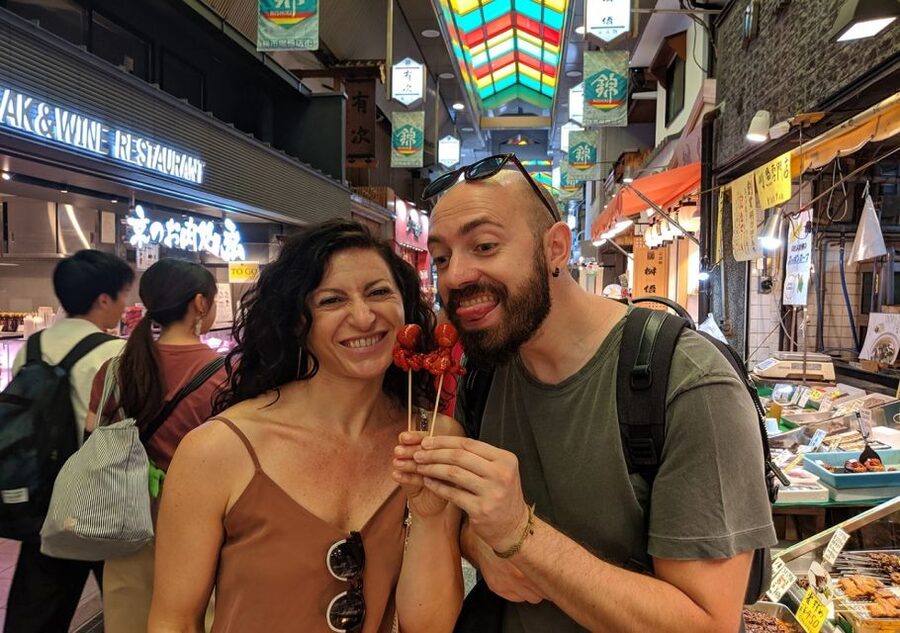
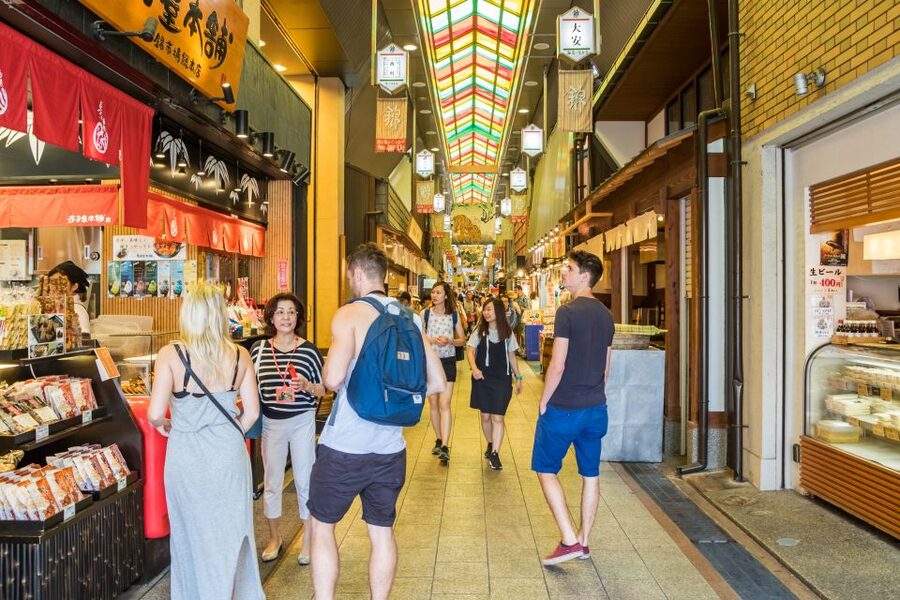
Nishiki Market is where Kyoto’s food culture gets wonderfully hands-on. In three hours, you’ll move through its narrow corridors, stopping at family-run shops for seafood, pickles, sweets, tea, and other local specialties. The tastings are the heart of the tour, but the guide’s explanations give each bite a place in Kyoto’s story.
I like the chance to try foods you might pass without recognizing, including dried bonito and seasonal specialties. I also like the small group, limited to eight, which makes it easier to ask questions and keep up with the guide. The main consideration is the $173 price, which is fair only if you value guided context, a planned lunch, and many tastings more than simply browsing the market on your own.
Key points at a glance
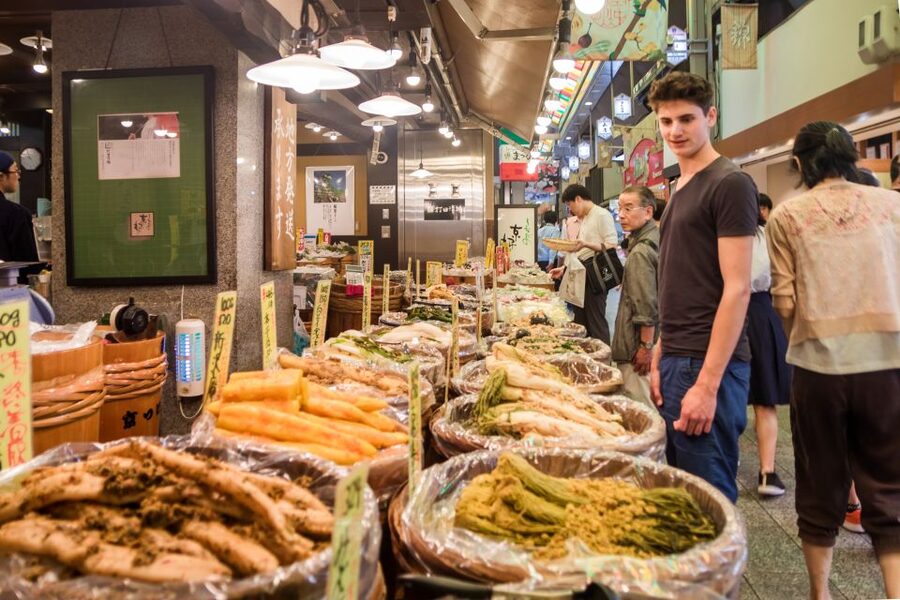
- About 10 market stops: Visit family-owned vendors rather than simply walking the main corridor.
- A seasonal Kyoto lunch: Tastings are paired with a regional meal, Japanese tea, and local snacks.
- English-speaking guides: Guides including Raquel, Sanae, Sae, Marie, and Ida have received especially warm praise for their food and cultural explanations.
- Small group of eight or fewer: A useful size for narrow market lanes and quick questions.
- Three hours on foot: Wear comfortable shoes and expect a steady walking pace.
- A practical first look at Nishiki: Shopping time is included, so you can return to foods you want to buy.
Why Nishiki Market works best with a guide
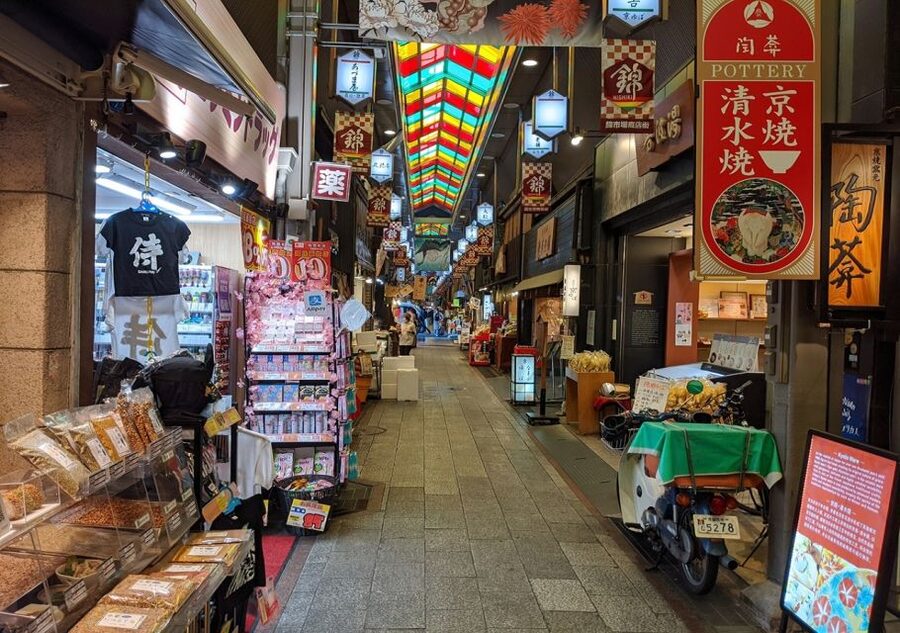
Nishiki Market is often called the Kitchen of Kyoto, and the name fits. It is not just a place to grab a quick snack. The market brings together ingredients used in Kyoto cooking, seasonal produce, preserved foods, sweets, tea, seafood, and ready-to-eat bites.
The corridor can be confusing on a first visit. Shops sit close together, signs may not explain every product in English, and some foods are presented in forms you may not recognize. A guide helps you move beyond the obvious grilled skewer and find the small tastes that show how local cooking works.
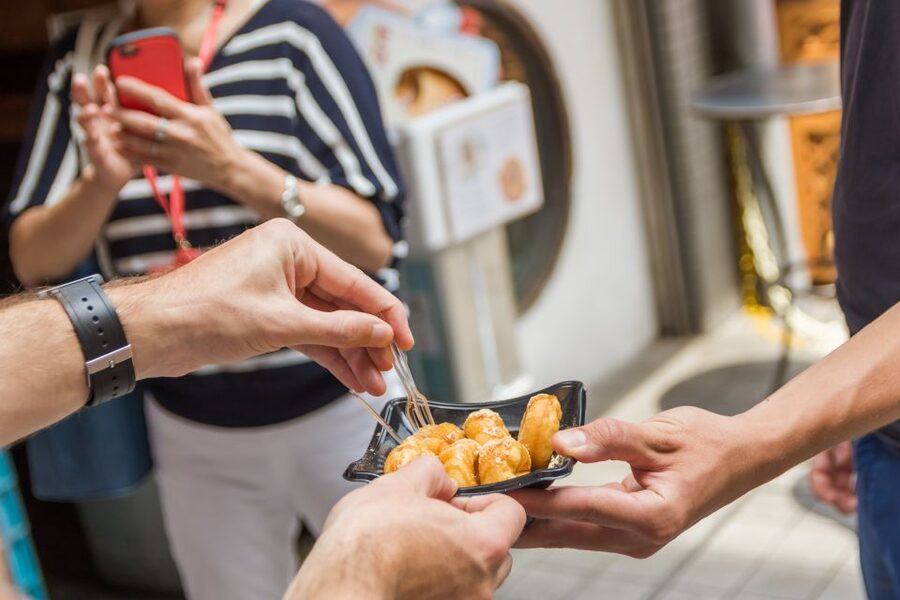
The tour visits around 10 vendors. That number matters because it gives you variety without turning the morning or afternoon into a rushed eating contest. You may taste fresh seafood, local snacks, pickled vegetables, sweets, tea, and specialty ingredients. The exact selection changes with the season, which is part of the point. Kyoto food pays close attention to what is available at its best.
I especially like the cultural angle. Japanese cuisine is closely tied to season, presentation, freshness, and careful use of ingredients. The tour explains those ideas as you taste them, rather than presenting a long lecture before the food appears.
More Street Food Market Tours in Japan
- Kyoto: Local Food Tasting Tour at the Nishiki Market
★ 4.7 · 135 reviews - Kyoto: Nishiki Market and Depachika Food Tour with a Local
★ 4.7 · 76 reviews - Kyoto: Nishiki Market Tour with a Local Foodie & Tastings
★ 4.5 · 67 reviews
Meeting the guide near Kawaramachi
The meeting point is in front of Lacoste at Naramonochi 375, on Shijo-dori in Kyoto’s Shimogyo Ward. From the Hankyu Line, get off at Kyoto-Kawaramachi Station and use Exit 9.
This is a useful starting point because it places you close to the market area, but allow time to find the exact spot. Kyoto’s busy streets can make a simple meeting point less simple than it looks on a map. Save the Japanese address before you leave:
〒600-8004 京都府京都市下京区 四条通寺町西入奈良物町375
Hotel pick-up is not included. It can be arranged for an extra charge, but most people should plan to reach the meeting point independently. Transportation costs are also separate, so include your train or local transit fare in your budget.
The tour needs at least two people per booking. The group can include no more than eight participants, a sensible limit for a market where the walking space is tight and vendors are serving customers.
The first stretch through Kyoto’s food corridor
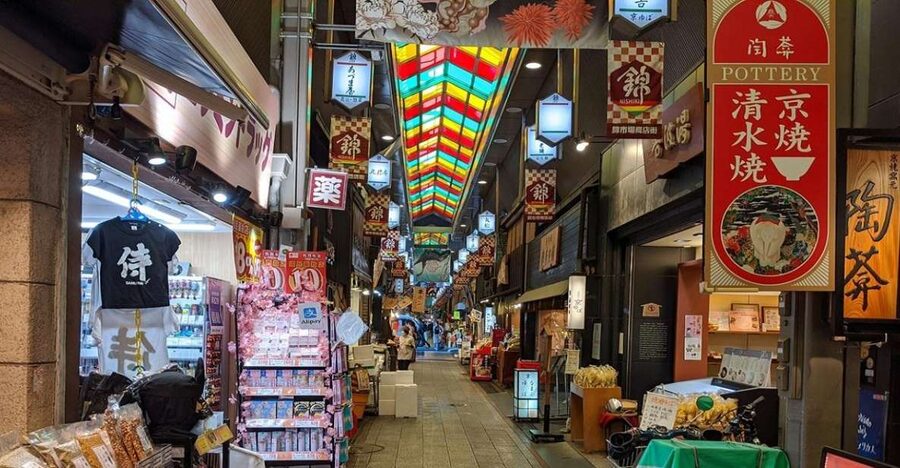
Once the group enters Nishiki Market, expect a walking tour built around frequent stops. This is not a sit-down cooking class, and it is not simply a restaurant meal. You will walk, look, listen, taste, and occasionally pause while the guide explains what you are seeing.
The market’s appeal comes from its range. One stall may focus on seafood, another on preserved vegetables, another on sweets or tea. Displays change with the seasons, so a spring visit may not offer precisely the same food as an autumn visit. That keeps the experience connected to Kyoto’s traditional way of eating.
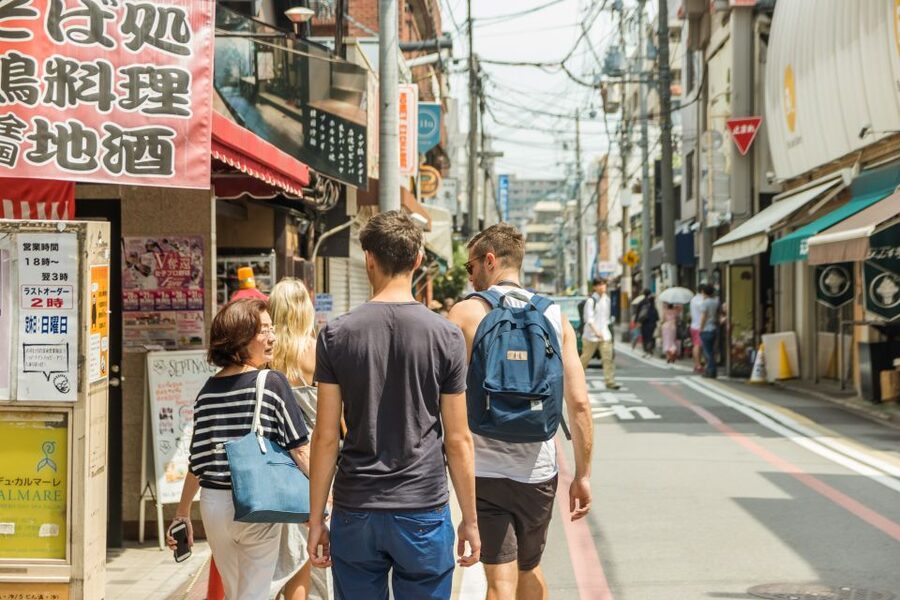
The narrow passage also creates a lively sensory experience. You will notice grilled food, roasted tea, pickles, fresh ingredients, and carefully arranged sweets as you move along. The market is an active shopping area, not a quiet museum, so you should expect other customers, vendor conversations, and occasional stops as the group makes room.
A guide is most useful here when a product needs explanation. You may see an ingredient and have no idea how it is eaten or why it matters. The tour turns those moments into useful lessons instead of letting you walk past them.
Tasting foods you might otherwise miss
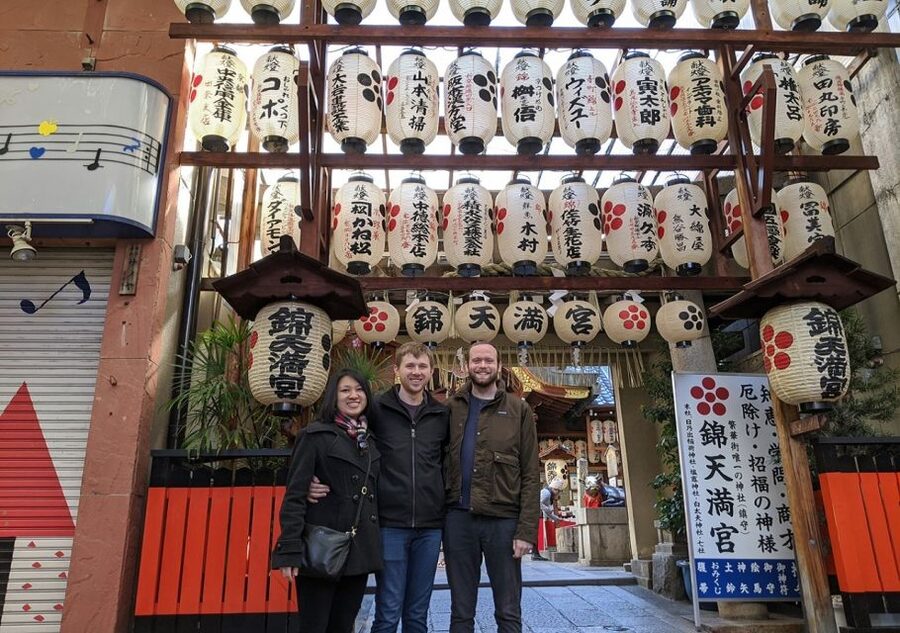
The tastings are included in the price, along with a seasonal and regional lunch. Additional food and drinks can be purchased, but they are not part of the set cost.
The selection includes fresh seafood, local snacks, Japanese sweets, pickled items, and other Kyoto specialties. One guest became a fan of dried bonito after learning about it during the tour. That is exactly the sort of market discovery a guided visit can provide: an ingredient that looks ordinary on a shelf becomes memorable once you understand its role in Japanese cooking.
Do not expect every sample to suit every palate. Market food can include strong, salty, sour, sweet, or unfamiliar flavors. That is part of the value, but it also means you should tell the company about allergies or dietary requirements before the tour. The supplied information does not promise that every diet can be accommodated, so ask clearly when booking.
The guide also helps with the social side of tasting. You are not left to guess how to approach every stall or decide what is worth buying. Guides such as Sae, Ida, and Raquel have been praised for keeping the experience friendly while explaining what participants are eating.
More street food market tours in Kyoto:
- Nishiki Market Food Tour with Cooking Class
★ 4.9 · 42 reviews - Taste of Nishiki Market Walking Food Tour with Local guide
★ 5.0 · 17 reviews - Kyoto: Nishiki Market Food Tour with Local Guide
★ 4.6 · 5 reviews - Dubai: Old Town, Creek, Museums, Souks, & Street Food Tour
★ 4.8 · 10,816 reviews
A seasonal lunch and Japanese tea
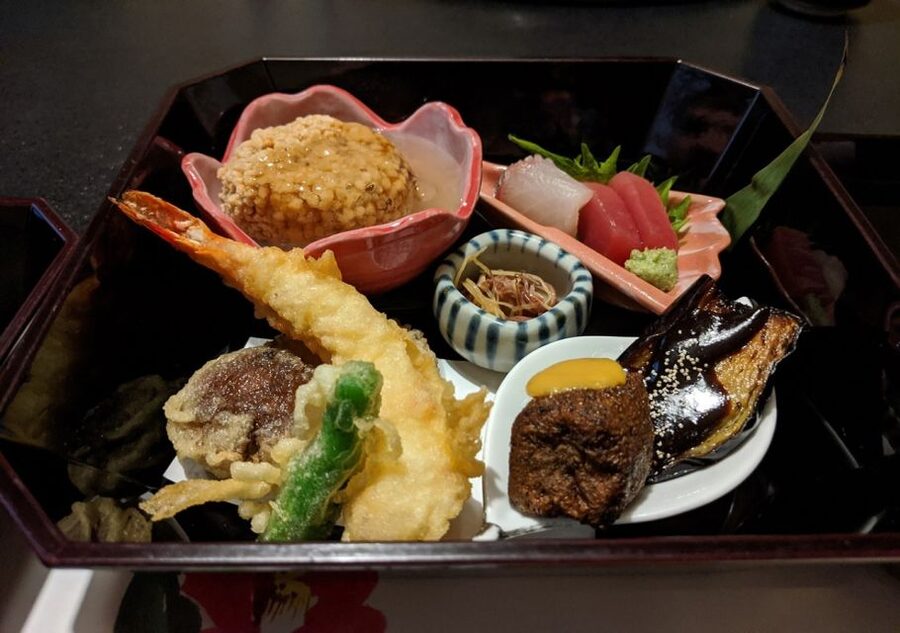
The tour includes a regional lunch and Japanese tea, which gives the experience more weight than a string of tiny samples. Snacks show off the market’s quick pleasures. Lunch gives you a better sense of how several ingredients fit together in a meal.
The exact restaurant or menu is not specified, so do not book this expecting a named dining room or a fixed dish list. Past experiences included a traditional lunch, but the available information does not promise the same setting on every date.
Tea is another useful part of the visit. It adds a calmer pause to a tour that otherwise keeps moving through the market. It also reflects Kyoto’s wider food culture, where preparation and presentation matter as much as the basic ingredient.
If you want a large meal, keep your expectations in check. The tour is built around tasting several foods and having lunch, not eating one oversized restaurant portion. You can buy extra items at your own expense if you are still hungry or find something you want to sample again.
The guides make the difference
The strongest part of this experience is the guide. Several guides have received especially warm praise for their personal manner and cultural explanations.
Raquel has been described as professional, pleasant, and attentive to the group’s enjoyment. Sanae brought historical context to the market and helped make the food stops more meaningful. Sae was praised for encouraging the group to try many foods while explaining them clearly.
Marie is another name worth noting. She has led more than one food experience in Japan and has offered practical suggestions about other places to eat and visit. Ida was praised for guiding the group through the market and pointing out foods that would be easy to miss alone.
Kohei was described as gracious and well prepared, with an international background. One useful criticism from a past participant was that the tour could have included more insight into the products a local Kyoto shopper might buy every day. That is a fair point. The tour is designed for visitors, so it may not provide a full picture of routine household shopping.
Still, the guide’s presence gives you something a self-guided walk cannot: a person who can respond to your questions in the moment. Ask about ingredients, local customs, Kyoto food traditions, or where to eat later. The best value comes when you treat the guide as a resource rather than simply following from stall to stall.
What the UNESCO reference really adds
The experience connects Japanese cuisine with UNESCO recognition. The important idea is not just prestige. Japanese food traditions place strong value on seasonality, respect for ingredients, balance, presentation, and regional habits.
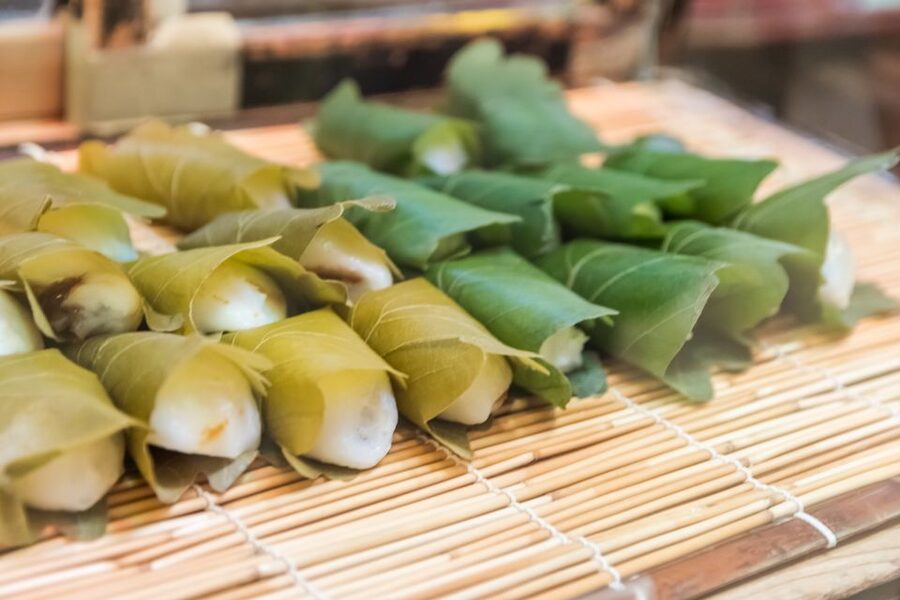
At Nishiki, those principles appear in practical form. Pickled vegetables preserve seasonal produce. Tea reflects careful preparation. Seafood and other ingredients are presented in ways that emphasize freshness. Sweets can be shaped and colored for particular seasons or occasions.
The market does not replace a formal lesson in Japanese food history, and the tour cannot explain every part of the country’s cuisine in three hours. What it can do is give you examples you can see and taste. That makes the UNESCO reference useful rather than abstract.
Shopping time and buying food to take away
Shopping time is included, which is important if you find a tea, snack, seasoning, sweet, or preserved food you want to take home. The guide can help you understand what you are buying, though the available information does not promise shipping or advice on customs restrictions.
I would avoid planning a packed shopping list before the tour. Let the food stops show you what interests you, then use the final shopping time to return to a favorite vendor or make a considered purchase.
Remember that any extra food or drink is your responsibility. The included tastings and lunch cover the core experience, but Nishiki makes it easy to spend more once you start noticing specialty items.
Is $173 a fair price?
At $173 per person, this is not a cheap way to eat your way through Nishiki Market. You can enter the market without paying admission and buy individual snacks for much less.
The price begins to make sense if you want a planned three-hour experience with an English-speaking guide, about 10 vendor visits, included tastings, a seasonal lunch, Japanese tea, and time to shop. It also covers the convenience of knowing what to try and how the foods connect to Kyoto.
The small group improves the value. With no more than eight people, the guide has a better chance of answering questions and keeping the group together. A large group would be harder to manage in the market’s narrow passages and could make food stops feel less personal.
I would recommend comparing the price with your priorities. If you enjoy researching food stalls and are comfortable trying unfamiliar foods alone, self-guiding will cost less. If you have only one market visit and want context without doing the research yourself, the fee is easier to justify.
Who should book this food tour?
This tour suits first-time visitors to Kyoto, food-focused travelers, and anyone who wants help understanding Japanese ingredients. It is also a good choice for people who have already visited Nishiki but felt they only saw the surface.
It works well for couples, friends, and small family groups, provided everyone can walk for three hours and is open to tasting different foods. The minimum booking is two people, so solo visitors cannot reserve it alone under the stated conditions.
You should wear comfortable shoes. The route is on foot, and the market environment means you will spend much of the tour standing, walking, and pausing at stalls.
People with serious food allergies or strict dietary rules should contact the operator before booking. Requirements must be shared in advance, and the tour may not be able to provide a full range of substitutions.
The tour is also a good opening activity for a Kyoto stay. You can use what you learn to choose later meals, recognize ingredients in restaurants, and return to the market with a better sense of what you are looking at.
Practical details before you reserve
The tour lasts three hours, with starting times dependent on availability. It is conducted in English by a live guide.
Free cancellation is available up to 24 hours before the activity for a full refund. You can also reserve now and pay later, which helps if your Kyoto plans are still shifting.
Participants aged 10 and over must provide a copy of their passport information. That requirement is easy to overlook, so prepare it before the tour date.
The rating is 4.9 from 21 reviews, with repeated praise for the guides’ warmth, food knowledge, and ability to add context to a market visit. The one useful caution is that the amount of detail about everyday local shopping may depend on the guide and the questions you ask.
Should you book the Nishiki Market Food Tour?
Book it if you want more than a walk through a famous food market. The included lunch, tea, tastings, and small group give you a structured introduction to Kyoto’s cuisine, while guides such as Raquel, Sanae, Sae, Marie, and Ida have helped make the experience personal and informative.
Skip it if your main goal is to spend as little as possible or browse at your own pace. You can visit Nishiki independently, and the $173 fee is a serious premium.
For most first visits, I think the tour earns its place in the budget if you care about food and want a guide who can explain what is in front of you. Go hungry but not empty-stomached, wear good shoes, disclose dietary needs early, and leave room in your bag for something you discover along the way.
FAQ
Where does the Nishiki Market food tour meet?
The meeting point is in front of Lacoste at Naramonochi 375, Kyoto, 〒600-8004. From the Hankyu train line, get off at Kyoto-Kawaramachi Station and use Exit 9.
How long does the tour last?
The tour lasts three hours.
What language is the tour conducted in?
The live tour guide conducts the experience in English.
How many people are in the group?
The group is limited to eight participants.
What food is included?
Seasonal and regional lunch items, market food tastings, and Japanese tea are included. The tour visits around 10 market vendors.
Is shopping time included?
Yes. The tour includes time for shopping at the market.
Are additional foods and drinks included?
No. Extra food and drinks can be purchased separately at your own expense.
Is hotel pick-up included?
No. Hotel pick-up is not included, though it can be arranged for an additional charge.
Are transportation costs included?
No. Transportation costs are separate.
What should I do about food allergies or dietary requirements?
Tell the operator about allergies or dietary requirements before the tour. The information provided does not guarantee that every dietary need can be accommodated.
Can I cancel for a full refund?
Yes. You can cancel up to 24 hours in advance for a full refund.
Is there a minimum number of people required?
Yes. A minimum of two people per booking is required.
Do participants need passport information?
Yes. A copy of passport information is required for every participant aged 10 and over.
More Food in Kyoto
- Tokyo Tsukiji Fish Market Food and Culture Walking Tour
★ 5.0 · 3,184 reviews - Bangkok: Markets, Temples and Food Night Tour by Tuk Tuk
★ 4.9 · 2,371 reviews - London Bridge & Borough Market Food Tour with 7 Authentic Dishes
★ 5.0 · 1,972 reviews - Tokyo: Tsukiji Fish Market Food and Walking tour
★ 5.0 · 1,724 reviews
More Food and Drink Tours in Kyoto
- Kyoto Nishiki Market Food and Culture Walking Tour
★ 5.0 · 412 reviews - Dubai: Old Town, Souks, Street Food, Guided Tour & Abra Ride
★ 4.9 · 7,170 reviews - Bangkok by Night: Temples, Markets and Food Tuk-Tuk Tour
★ 5.0 · 3,752 reviews - Chef Guided Food Tour of Pike Place Market
★ 5.0 · 3,733 reviews
Just added around Kyoto
- Taste of Nishiki Market Walking Food Tour with Local guide★ 5.0 · 17 reviews
- Nishiki Market Food Tour with Cooking Class★ 4.9 · 42 reviews
- Kyoto: Wholesale Fish Market Walking Tour★ 5.0 · 2 reviews
- Kyoto: Nishiki Market Tour with a Local Foodie & Tastings★ 4.5 · 67 reviews
- Golden Pavilion, Nijo Castle, & Nishiki Market Half day tour★ 5.0 · 29 reviews
- Kyoto: Arashiyama Unveiled Bamboo, Temple, Matcha, & Monkeys★ 5.0 · 6 reviews
- Kyoto: Enjoy Sushi & Market Tour! Best for Family & Couple!★ 4.8 · 20 reviews
- Kyoto: Nishiki Market and Depachika Food Tour with a Local★ 4.7 · 76 reviews
Street Food Market Tours, compared.

Old Town, Creek, Museums, Souks, & Street Food Tour
Read our review →
Old Town, Souks, Street Food, Guided Tour & Abra Ride
Read our review →
London Bridge & Borough Market Food Tour with 7 Authentic Dishes
Read our review →
Old Town, Souks, Street Food, Guided Tour & Abra Ride
Read our review →
Small Group Cooking Class & Market Food Tour in Florence
Read our review →
Old Town, Street Food, Creek, Souks, & Emirati House
Read our review →Browse the lists this tour appears in