
Review · MARKET TOURS
Makola Market Walking Tour
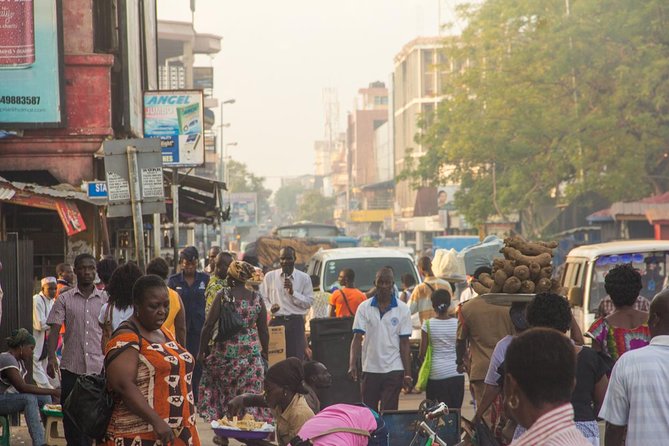
Makola Market is not a polished sightseeing stop. It is a working center of Accra, where food, clothing, cosmetics, tools, medicine, and household goods spill into a maze of busy lanes. With a local guide leading the way, you get far more than a quick look at stalls. You learn what goes into a Ghanaian kitchen, how the market is organized, and where to find the things you actually want.
I like the tour for two clear reasons: the guide makes the market easier to navigate, and the food section gives you a direct look at everyday Ghanaian life. I also like that you can ask for help with shopping. Guides including Ben and Prince have helped visitors locate specific items and bargain for a fairer price.
The main drawback is the setting itself. Makola can be crowded, noisy, and tiring, and two to three hours may feel short if you want to reach every section. Come ready to walk, stay alert, and accept that this is a busy market rather than a calm cultural display.
Five things to know before you go
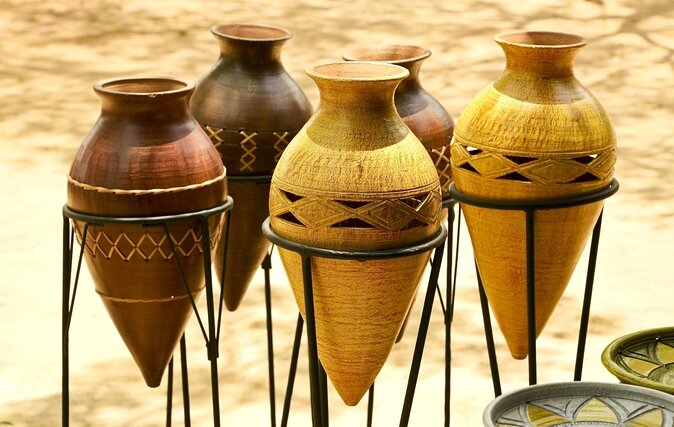
- The food section comes first: Learn about gari, palm oils, spices, produce, fish, giant snails, bush meat, and edible cow hide.
- Your guide matters: Ben, Benjamin, and Prince are named guides associated with highly praised experiences, especially for navigation and shopping help.
- It is a private tour: You receive English-language guiding for your own group, rather than joining a large shared party.
- Shopping is part of the fun: Textiles, jewelry, cosmetics, electronics, used clothing, and household goods all appear along the route.
- The route can expand: With enough time and energy, you might reach the artisan and timber market, Agblobloshie vegetable market, or the Broni wawu clothing section.
Why Makola Market is worth your time
Makola Market gives you a practical view of Ghana rather than a staged performance. The market works as a place to buy food, clothing, medicine, building supplies, and small household goods. That range is what makes the walk useful: you see how daily life is supplied, not just what is arranged for visitors to admire.
I especially like the food section because it turns unfamiliar items into something you can understand. A guide can explain the role of cassava gari, the difference between red and white palm oil, and the local use of spices, fruits, and vegetables. You might also see fish, giant snails, bush meat, and edible cow hide, all of which give the market a strong sense of place.
This is a good choice if you want context while you walk. Without a guide, you might pass the same goods and miss what makes them important. With one, a sack of cassava or a tray of unusual ingredients becomes part of a larger story about cooking, trade, and household life.
The market also gives you a chance to interact with sellers. That does not mean every conversation will be long or arranged for you. It means your guide can help you ask questions, find a particular product, and approach shopping in a respectful way.
More market walks in the world:
- Bangkok: City Highlights Temple and Market Walking Tour
★ 4.5 · 3,990 reviews - Tokyo Tsukiji Fish Market Food and Culture Walking Tour
★ 5.0 · 3,184 reviews - Marrakech: Ben Youssef, Secret Garden, & Souks Walking Tour
★ 4.6 · 2,802 reviews
Starting at the food stalls
The walk begins at the typical food market section. This is the strongest part of the tour for anyone interested in cooking, local ingredients, or ordinary Ghanaian routines.
Expect to see products tied to the Ghanaian kitchen, including gari made from cassava, palm oils in red and white varieties, spices, fruits, vegetables, fish, and meats. The tour also covers less familiar foods such as giant snails, bush meat, and edible cow hide. Your guide explains what these products are and how they fit into local food culture.
You may also get the chance to try something along the way. Sofia’s experience included Agneli kaklo and tiger nuts, with the tiger nuts making a particularly strong impression. Tasting is not presented as the whole point of the walk, so you should not book this expecting a formal food tour. Still, the chance to sample something unfamiliar adds a nice personal touch.
The food section can be visually and physically intense. There are many smells, sounds, people, and products close together. If you prefer quiet, carefully arranged food markets, this may take some adjustment. If you want to understand what people buy and cook, it is hard to beat.
From cosmetics to electronics
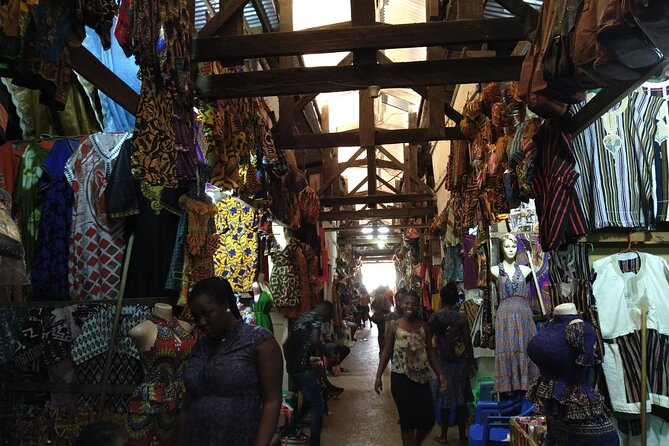
After the food area, the route moves through other parts of Makola. You might pass cosmetics, jewelry, textiles, pharmaceuticals, groceries, and electronics. Each section shows a different side of the market, and the change from one type of product to another helps you see how much ground Makola covers.
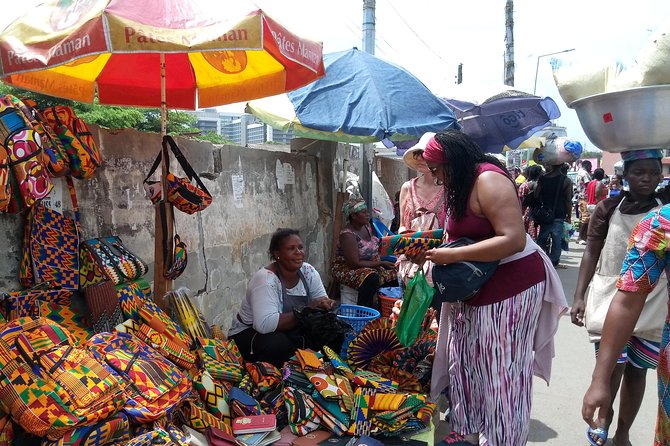
The textile area should appeal to anyone shopping for Ghanaian fabrics or looking for a useful souvenir. Jewelry offers another option, while cosmetics and groceries show how the market serves local residents rather than only visitors.
The electronics and pharmaceutical sections are a reminder that Makola is not just a place for crafts. It is also a serious commercial center. That makes the walk more interesting than a standard shopping stop, though it also means the route can feel crowded and fast-moving.
If you plan to buy something, decide before you arrive what you want to look for. One visitor found that Prince could guide her to the correct part of the market once she knew what she needed. Ben also helped with finding goods and getting better prices, while another visitor appreciated his effort to locate a replacement for a broken suitcase.
Those examples point to the best use of your guide: do not rely only on a general stroll. Give the guide a short shopping list, even if it includes just one or two items. You will spend less time wandering and more time seeing the sections that matter to you.
Extending the walk to timber and artisans
If your group still has energy, the route can continue to the artisan and timber market. This area is known for skilled craftspeople and for materials used in building. The description of the tour presents it as a place to find nearly anything required for construction.
This extension makes the tour more useful for visitors interested in trades, woodworking, tools, or the practical side of Ghanaian commerce. It also adds walking time, so it may not suit everyone after a full circuit of Makola.
The tour lasts about two to three hours, and the exact route depends on how quickly your group moves and how much time you spend shopping or asking questions. Do not assume you will cover every section in detail. The market is large, and the experience works best when you choose a few areas to understand rather than race through all of them.
A few more market tours around the world worth a look
- Bangkok: Damnoen Saduak Market and Maeklong Railway Market
★ 4.5 · 26,723 reviews - The Old Siam: Damnoen Saduak and Maeklong Railway Market
★ 4.5 · 10,992 reviews - Bangkok: Train Market & Floating Market with Boat Ride
★ 4.7 · 9,547 reviews - From Bangkok: Ayutthaya & Ayothaya Floating Market Day Trip
★ 4.7 · 6,084 reviews
Agblobloshie and the Broni wawu section
The route can also include Agblobloshie, described as Ghana’s largest vegetable market. This gives you another look at produce trading and may be especially interesting after seeing the smaller food sections inside Makola.
You might also reach the used clothing area known as Broni wawu, or the bend-down boutique. The name refers to the idea that the white man died, and the section sells used goods ranging from underwear and shirts to shoes. It is a frank, practical part of the market, not a neatly arranged vintage shop.
For shoppers, this can be one of the most entertaining sections. For anyone expecting a tidy retail setting, it may feel rough around the edges. The point is not presentation. The point is the sheer range of secondhand goods and the way people shop for value.
Because the market has so many sections, tell your guide what interests you most. If you care about vegetables, fabrics, used clothing, or building materials, say so early. A private tour gives you more room to shape the walk than a fixed group outing.
The guide is the key to the experience
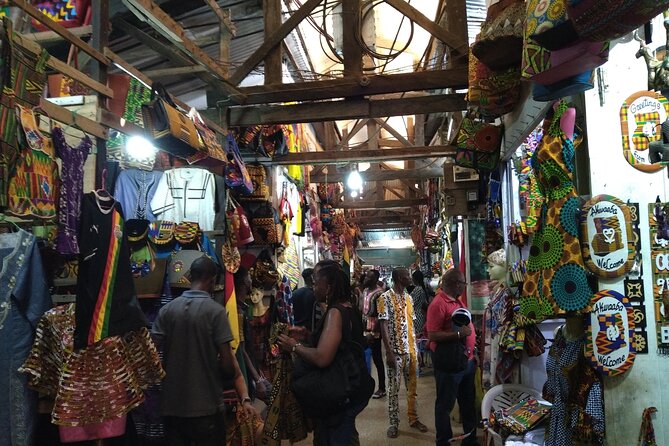
A local guide changes this from a self-guided market wander into a more useful cultural walk. The guide helps you move through the lanes, explains what you are seeing, and gives you a way to ask questions without feeling lost.
The strongest praise has focused on that personal help. Ben has been singled out for explaining the market, finding requested items, helping with prices, and even spending extra time trying to replace a broken suitcase. Prince has been praised for explaining history and interesting facts, navigating Makola, and helping with a wider Accra day that included another tour.
Benjamin is also named as a guide who took good care of his group and helped make Makola approachable. The names do not guarantee that one particular guide will lead your tour, but they show the kind of service to look for: practical help, patience, and a willingness to adjust the route.
English is the stated tour language. The group is private, which is a real advantage in a market. You can pause when something catches your eye, ask about a food or product, or spend time shopping without waiting for a large group.
Still, a private guide does not turn Makola into a quiet place. You will need to keep close, listen for instructions, and accept the normal pressure of a working market.
Is $58 a fair price?
The cost is $58 per person. That is more than you would pay to walk through a market by yourself, so the value depends on what you want from the visit.
If all you want is a quick look and a few photographs, the price may feel high. If you want help finding sections, explanations of unfamiliar foods, local interaction, and support with shopping, the cost makes more sense. The private format is another important part of the calculation, since you are not sharing the guide with a large group.
Water and guiding are included. The activity does not list meals, transportation throughout the city, or purchases as included, so budget separately for anything you buy. The meeting and drop-off options relate to Accra Metropolis and the Accra Metropolitan Assembly, with the exact starting point depending on the selected option.
The flexible cancellation terms also reduce some booking risk. You can cancel up to 24 hours ahead for a full refund, and you can reserve now and pay later. Starting times depend on availability.
Who should book this walk?
I would choose this tour if you want to see Accra through shopping, food, and ordinary commerce. It suits first-time visitors who want a guide in a large market, solo visitors who would rather not navigate the lanes alone, and shoppers who already know what they hope to buy.
It also works well for anyone curious about Ghanaian ingredients. The food section covers enough unusual products to make the walk worthwhile even if you do not plan to purchase textiles or clothing.
You should think twice if you dislike crowds, close quarters, or unstructured shopping. This is not a polished museum visit, and there is no promise that every market section will fit into the time. You will get more from it if you stay flexible and accept the market on its own terms.
Wear comfortable walking shoes, keep your plans loose, and bring a clear idea of what you want to see. Most of all, let the guide know your priorities at the start.
My verdict on the Makola Market Walking Tour
Book it if you want a direct look at Ghanaian life and prefer an informed local escort to wandering alone. The food section, private format, and practical shopping help are the tour’s strongest points.
The $58 price is easiest to justify when you use the guide actively. Ask about the ingredients, name the goods you want, and request the market sections that interest you. If you do that, Makola becomes more than a crowded shopping area. It becomes a close look at how Accra eats, dresses, trades, and builds.
FAQ
Where does the Makola Market Walking Tour take place?
The tour takes place at Makola Market in Accra, Ghana. The supplied location information identifies the broader area as Ghana Central Region.
How long does the tour last?
The tour lasts about two to three hours. The Makola Market portion is listed as a two-hour guided visit, walk, sightseeing, and shopping experience.
How much does the tour cost?
The price is $58 per person.
Is the tour private?
Yes. The group type is private, so the guide leads your own group rather than placing you in a shared group.
What language does the guide speak?
The live tour guide speaks English, and English is the listed tour language.
What food products can I learn about?
The food section can include gari made from cassava, red and white palm oils, local spices, fruits, vegetables, fish, bush meat, giant snails, and edible cow hide.
Can I shop during the tour?
Yes. Shopping is part of the Makola Market visit. You can see textiles, jewelry, cosmetics, pharmaceuticals, groceries, electronics, and other goods.
Can the tour include used clothing?
It can include the Broni wawu, or bend-down boutique, section, where used items such as underwear, shirts, and shoes are sold.
Is water included?
Yes. Water and guiding services from a local expert are included.
Can I cancel the booking?
You can cancel up to 24 hours in advance for a full refund. The activity also offers a reserve-now, pay-later option.
More Walking Tours in the world
- Marrakech: Colorful Medina Souks Guided Walking Tour
★ 4.7 · 2,470 reviews - Air Raid Shelter + St. Nicholas Market Walking Tour
★ 5.0 · 1,950 reviews - Tokyo: Tsukiji Fish Market Food and Walking tour
★ 5.0 · 1,724 reviews - Tokyo: Tsukiji Fish Market Guided Walking Tour
★ 4.9 · 1,397 reviews
More Shopping Tours in the world
- Hanoi Cooking Class: Culture, Local Market & Meaning CSR Impact
★ 5.0 · 5,147 reviews - 5 Traditional Dishes Hanoi Cooking Class with Market Trip
★ 5.0 · 4,890 reviews - Cooking Class and Lunch at a Tuscan Farmhouse with Local Market Tour from Florence
★ 5.0 · 4,831 reviews - Chiang Mai: Cooking Class, Market & Thai Herbs Garden Tour
★ 4.9 · 4,824 reviews
Just added around the world
- Half-day Dandan Noodles Cooking Class with a Local Market Visit★ 5.0 · 8 reviews
- Three-Hour Private Chengdu Tea Wholesale Market Tour★ 5.0 · 4 reviews
- Chania: Old Town, Public Market, Hill of Prophet Elias, Agia Triada★ 5.0 · 35 reviews
- Moroccan Cooking Class with a Local Family & Market Visit★ 5.0 · 16 reviews
- Chania Old Town, Public Market and Chrisopigi Monastery Tour★ 4.5 · 6 reviews
- 3-Hour Herbal Wholesale TCM Market and a Local Wet Market Tour★ 5.0 · 4 reviews
- Food Tasting & Market Shopping: Private Guided Tour in PORT LOUIS★ 4.5 · 9 reviews
- Charleston International Sweet Treats & Historic City Market Tour★ 5.0 · 22 reviews
Market Walking Tours, compared.
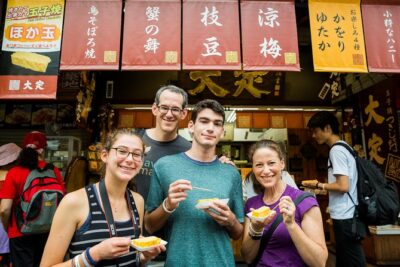
Tokyo Tsukiji Fish Market Food and Culture Walking Tour
Read our review →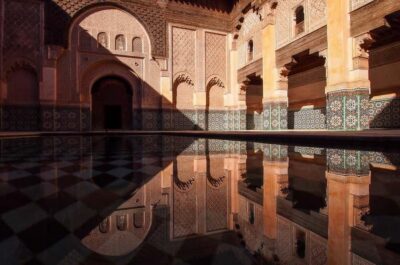
Ben Youssef, Secret Garden, & Souks Walking Tour
Read our review →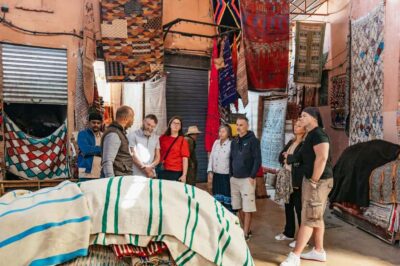
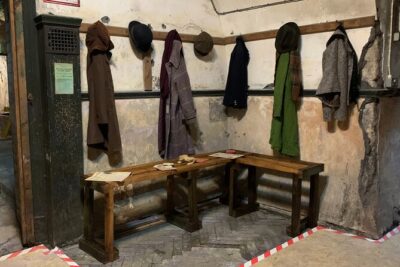
Air Raid Shelter + St. Nicholas Market Walking Tour
Read our review →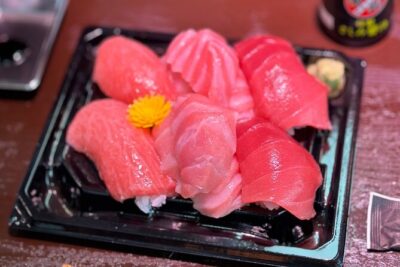
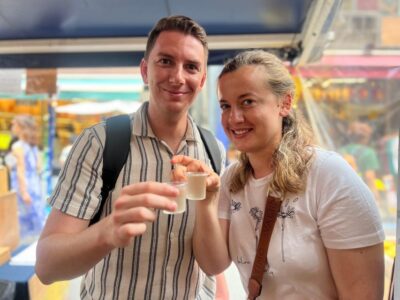
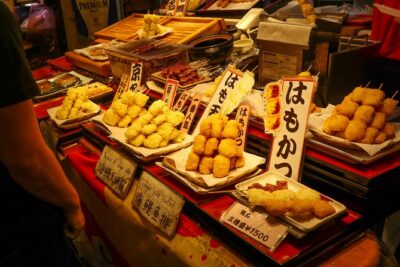
Nishiki Market Brunch Walking Tour (7 Tastings + Brunch)
Read our review →Tsukiji Fish Market Food and Culture Walking Tour
Read our review →Browse the lists this tour appears in