
Review · JAPAN
Naha Makishi Public Market : Sushi making experience
Makishi Public Market is one of the few places in Naha where you can shop for fresh fish and turn it into sushi in the same outing. You tour the market first, learn from an instructor, then sit down to eat eight pieces made with your own hands. I like the direct link between the market stalls and your meal, and I like that an English or Chinese interpreter is assigned to each event. The main concern is the price: at $161 per person, this is not a cheap lunch with a short lesson.
The 150-minute schedule gives you time to eat, talk, and learn about Okinawa, rather than rushing through a demonstration. Children can join, and the small minimum of four participants means the class may be canceled if there are not enough bookings. Check the cancellation terms carefully, since the booking information gives both a 24-hour refund policy and a one-week advance reservation and cancellation deadline.
Key points to know before booking
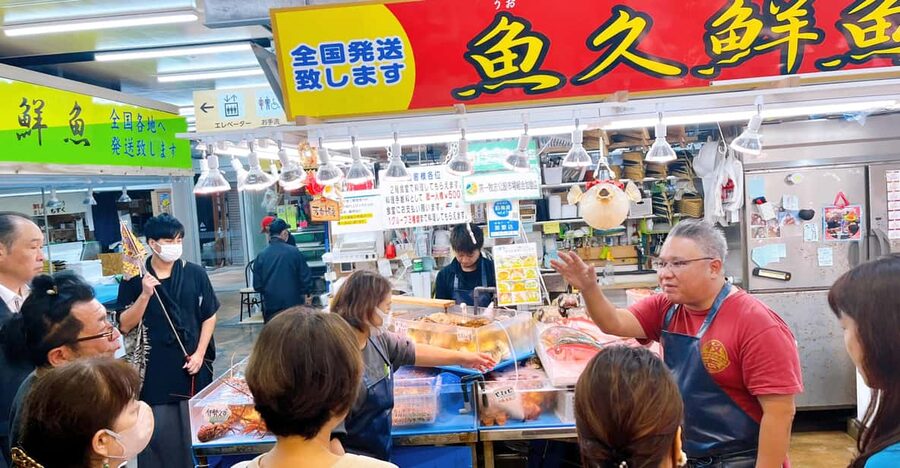
- Fresh fish begins at Makishi Market: You tour the stalls where ingredients for the class are purchased.
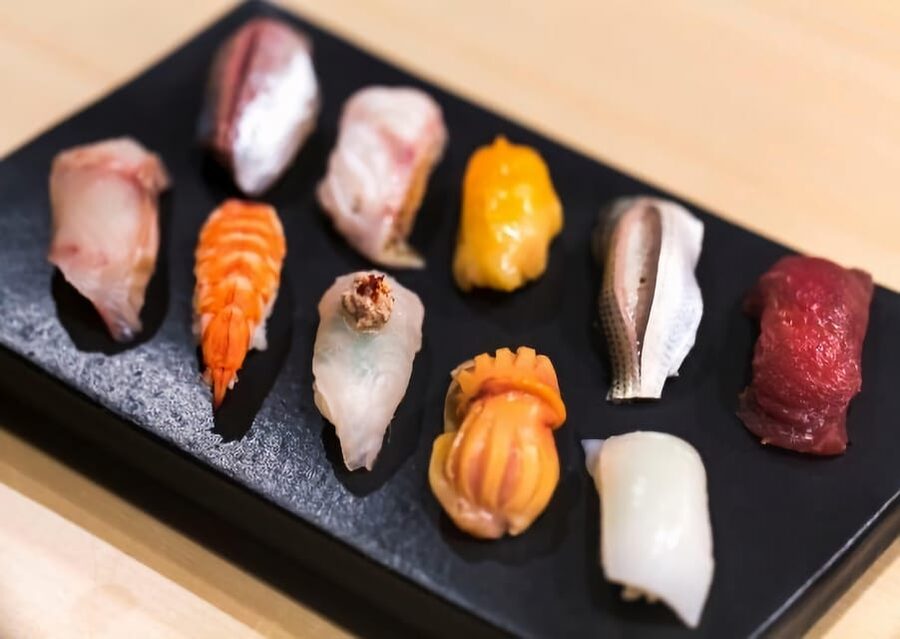
- Eight pieces are included: Fish may include local tuna, bonito, salmon, irabucha, kubushimi, and other seasonal catches.
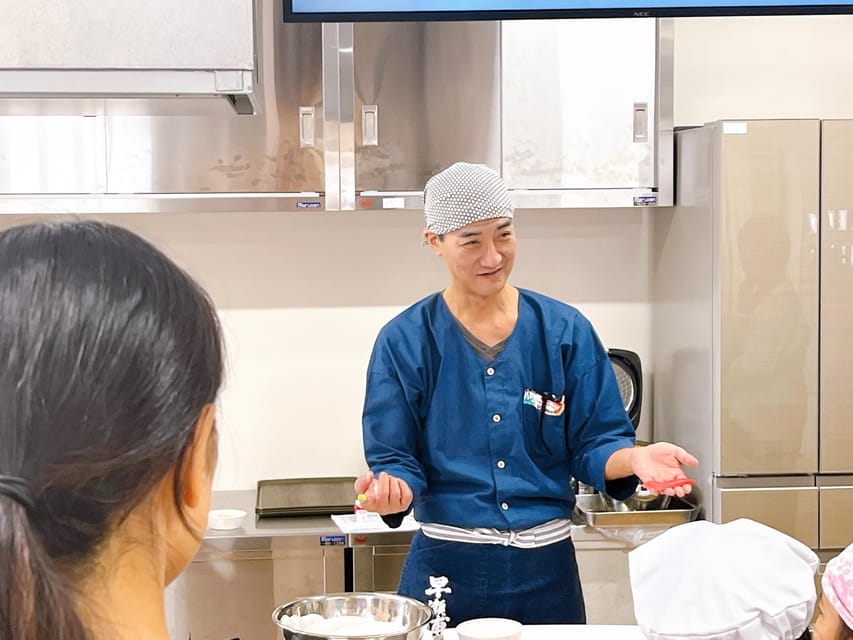
- You make the sushi yourself: The instructor demonstrates the process, then you prepare your own pieces.
- Two daily start times: Choose the 11 a.m. session or the 5 p.m. session.
- English and Chinese support: One interpreter is dispatched to each event.
- Drinks cost extra: Sake and beer are available for an additional fee, while red soup stock, gari, and green tea are included.
Starting at Makishi Public Market
The meeting point is the third floor of Makishi Public Market, right in the center of the experience. You do not begin in a detached cooking studio and then hear about Okinawan seafood later. You start where the food is sold.
Reception opens 30 minutes before the scheduled start. For the morning session, that means arriving between 11:00 and 11:30, with the activity itself beginning at 11:30. The afternoon schedule runs from 5:00 to 8:00, with the main event beginning at 5:30.
I would arrive at least 10 minutes before the start time. The market tour comes soon after reception, and a late arrival could make the opening explanation harder to follow. The supplied instructions also stress advance reservations, so this is not a good activity to treat as a last-minute walk-in.
Makishi Public Market gives this class its sense of place. You see the ingredients before they are prepared, and the seafood is tied to the market rather than chosen from a generic restaurant menu. The exact fish changes with the season, which is a plus for freshness and local character, but it means you cannot count on one particular species.
A few more market tours around Japan worth a look
- Tokyo Tsukiji Fish Market Food and Culture Walking Tour
★ 5.0 · 3,184 reviews - Tokyo: Tsukiji Fish Market Food and Walking tour
★ 5.0 · 1,724 reviews - Tokyo: Tsukiji Fish Market Guided Walking Tour
★ 4.9 · 1,397 reviews
Touring the fish stalls before lunch
The market tour lasts about 30 minutes. This is a short walk, but it gives you useful context: you see the fresh fish shops where the sushi ingredients are purchased and learn what may appear on your plate.
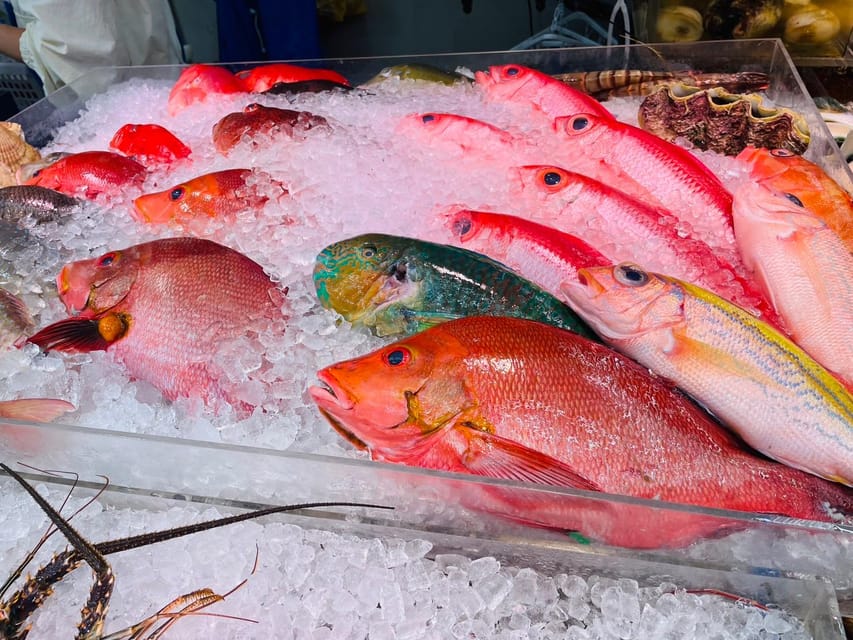
The possible fish list includes local bonito, local tuna, red machi, irabucha, stew machi, kubushimi, salmon, and other seasonal choices. Some of those names may be unfamiliar, which is part of the point. Instead of ordering from a menu filled with standard sushi names, you get a look at the fish connected to Okinawa.
I like this part because it makes the later meal easier to understand. You are not simply told that the food is local. You see the market setting and then handle ingredients selected for the class. The tour also gives the interpreter and instructor a natural chance to explain the fish and the meal before you begin cooking.
Keep your expectations in check. This is a market orientation, not a long food tour with many tastings. The stated schedule allows 30 minutes, so the emphasis is on seeing the purchasing area and learning about the sushi ingredients. If you want an extensive market history lesson or several separate tastings, this class may feel brief.
Learning the sushi basics in 45 minutes
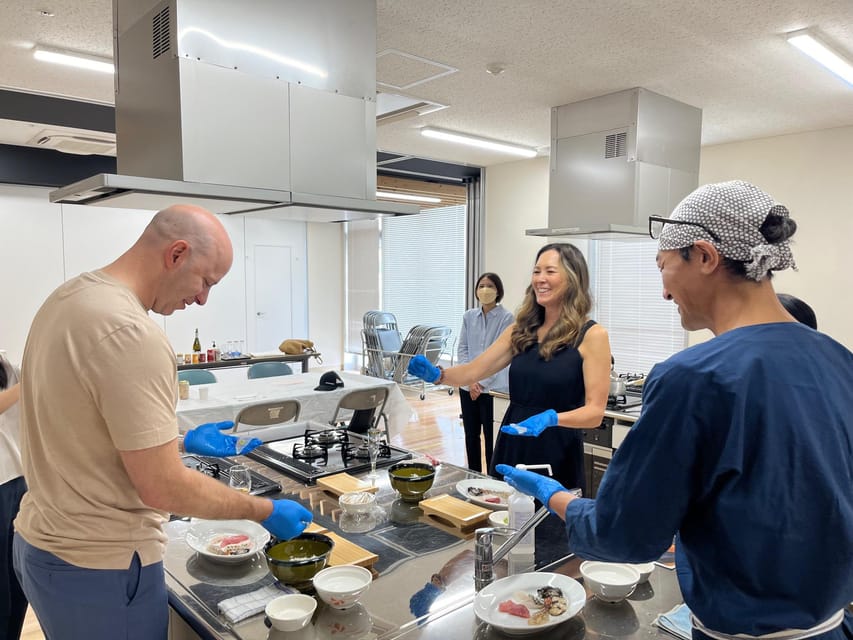
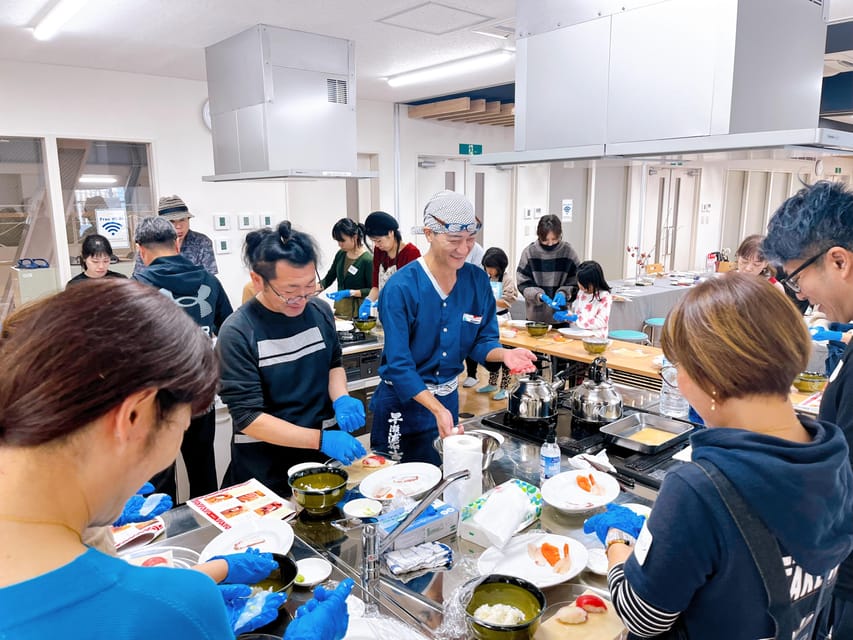
The sushi-making portion runs for 45 minutes. The instructor demonstrates how to make the sushi, then guides you as you prepare your own eight pieces.
That format is especially useful for beginners. You do not need to arrive with sushi-making experience, and the instructor is described as kind, patient, and skilled at explaining the process. The English or Chinese interpreter provides language support, which matters when the lesson involves small hand movements and food preparation.
The class is practical rather than purely theatrical. You are there to make your own food, not just watch a chef work. Expect the instructor to show you the basic method and then give you time to repeat it. The exact level of detail may depend on the group, but the session is designed for people who want to handle the sushi themselves.
An apron is not provided, so wear something you do not mind cooking in. This is a small detail, but it is worth planning for because sushi preparation can be hands-on. Smoking, intoxication, littering, excessive noise, and nudity are not allowed. Those rules are ordinary, though they make sense in a shared food-preparation setting.
Children can participate, making this a possible family activity. Parents should still consider the length of the day and the need to follow food-handling instructions. The data does not specify a minimum age, so confirm that point before booking for a very young child.
Eating eight pieces made by you
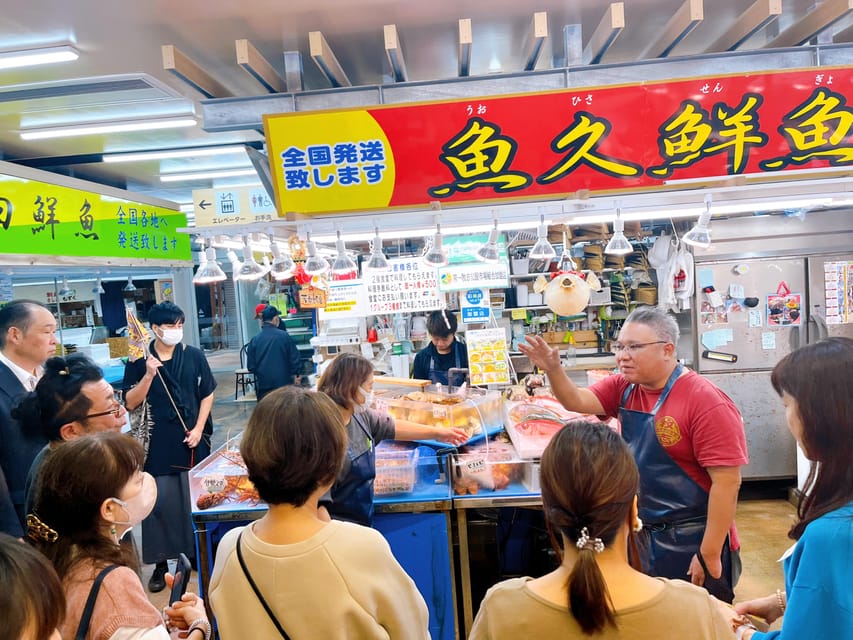
After the lesson, everyone sits down to eat the sushi they prepared. This is the longest part of the schedule, lasting 75 minutes in both sessions. The morning group eats from 12:45 to 2:00, while the evening group eats from 6:45 to 8:00.
Eight pieces of sushi are included for each participant. The selection may come from fish such as local tuna, local bonito, irabucha, kubushimi, salmon, and other seasonal ingredients. The menu is not fixed, so the meal can change depending on what is available.
You also receive red soup stock, gari, and green tea. Gari, the pickled ginger served with sushi, helps refresh your palate between pieces. These additions turn the lesson into a complete meal rather than a quick sample.
The final 75 minutes are also the social heart of the experience. You eat with the other participants, who may come from different countries, and the activity is designed to encourage international conversation. The interpreter helps with communication, but you should still expect a shared-group format rather than a private chef lesson.
Sake and beer are sold separately. That can make the evening session appealing if you want a drink with dinner, but budget for it on top of the $161 activity price. If you prefer not to pay extra, green tea is included.
More shopping tours in Japan:
- Nishiki Market Brunch Walking Tour (7 Tastings + Brunch)
★ 5.0 · 1,355 reviews - Tsukiji Fish Market Guided Tour and Sushi Making with Pro Chef
★ 5.0 · 775 reviews - Tokyo: Tsukiji Fish Market Food and Culture Walking Tour
★ 4.7 · 757 reviews - Tsukiji Fish Market: Street Food & Culture Walking Tour
★ 5.0 · 669 reviews
Is $161 a fair price?
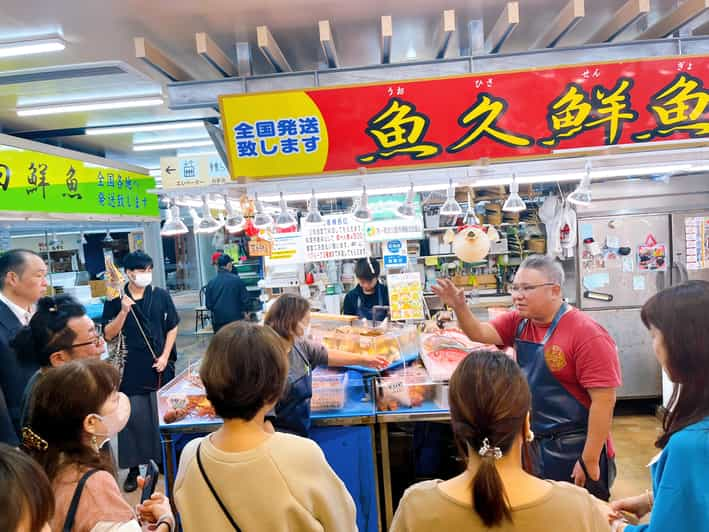
The price is the biggest question here. At $161 per person, you are paying for more than eight pieces of sushi. The fee covers the market tour, instruction, interpreter support, the meal, tea, soup, gari, and an original tenugui towel.
That is a substantial package for a food activity, especially when drinks are not included. One clear assessment of the experience found the instructor friendly and effective but judged the price too high for what the workshop covered. That is a fair concern. If your main goal is simply to eat sushi, you can likely spend far less elsewhere in Naha.
The value improves if you care about the full chain from market to plate. You get to see where the fish is sold, learn a hands-on skill, eat what you prepared, and share the table with an international group. The experience also gives you a structured way to spend half a day or evening in Makishi Market.
I would book it for the activity, not for the quantity of food. Eight pieces is a modest meal for some people, and the included items are simple accompaniments. You are paying for instruction, access to the market tour, language help, and the social setting.
Feedback about the staff is consistently strong. The instructor is described as friendly, patient, and clear, and communication before and during the activity has been prompt and easy to understand. Another participant felt the experience was worth the price, while someone else felt the cost was too high. That split tells you exactly how to judge it: food-focused visitors may balk, while people who value a hands-on cultural activity may find the fee easier to justify.
Choosing the morning or evening session
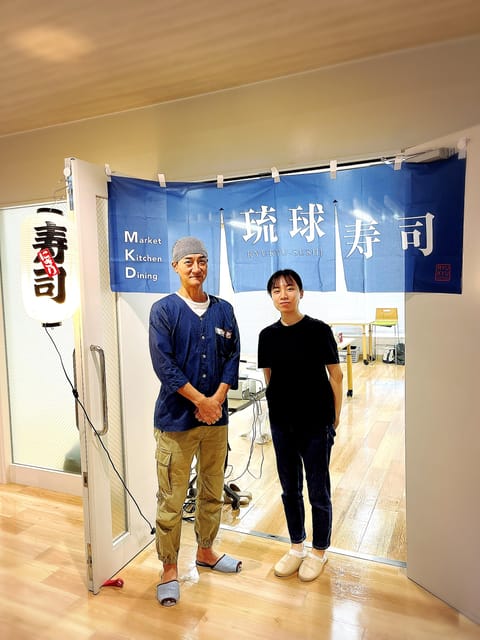
The two schedules follow the same pattern, so the choice comes down to your plans and preferred mood.
The 11 a.m. session begins with reception at 11:00, the market tour at 11:30, sushi making at noon, and the meal from 12:45 to 2:00. This works well if you want a planned lunch and still have the afternoon free.
The 5 p.m. session starts with reception at 5:00, the market tour at 5:30, sushi making at 6:00, and dinner from 6:45 to 8:00. This choice gives you an evening meal and the option to purchase sake or beer with it.
Both sessions last 150 minutes. The long eating period is useful because it leaves room for conversation, but it also means this is not a quick stop between sightseeing plans. Set aside the full three hours, including reception and the meal.
The event can host up to 20 people, so the atmosphere may range from a small class to a fairly full group. It requires at least four participants to operate. If fewer than four people book, the activity may be canceled and a full refund issued. That possibility matters if you are building a tightly timed itinerary around it.
Who will enjoy this most?
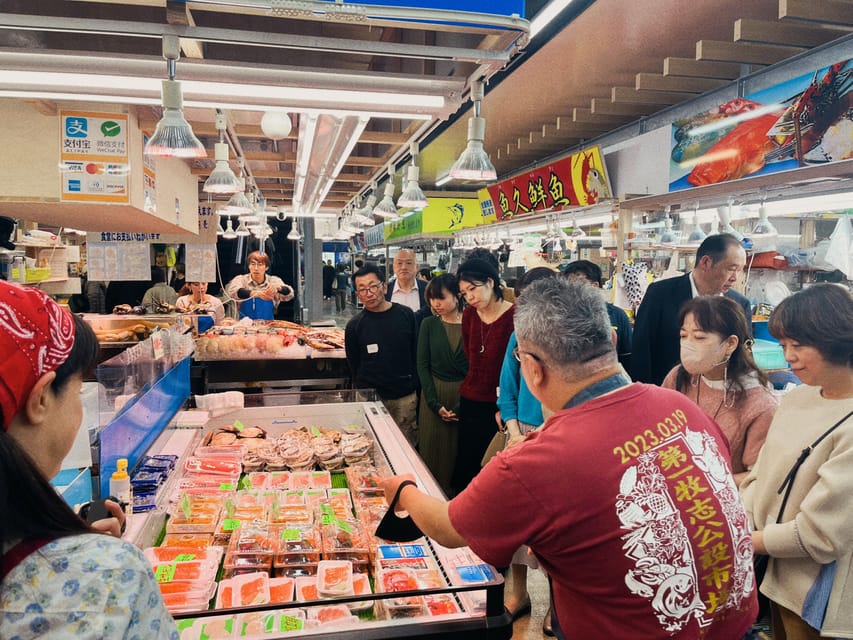
I would recommend this experience to visitors who want to connect a meal with a place. The market tour gives you more than a standard restaurant visit, while the lesson gives you something active to do. It also suits people who enjoy meeting others at a shared table.
Families can consider it because children are allowed to participate. English and Chinese interpretation makes the instructions easier to follow, and the format does not assume prior sushi skills. The instructor’s patient teaching style is another reason beginners should feel comfortable.
This is less suitable for anyone who wants a quiet private meal, a luxury tasting, or a fixed list of premium fish. The group can reach 20 people, the fish changes seasonally, and drinks cost extra. Vegans and vegetarians should not book, since the activity centers on fish sushi.
The wheelchair accessibility is a useful practical point. You should still confirm any personal access needs before booking, but the activity is listed as wheelchair accessible.
Booking details worth checking
The activity runs every day and requires advance reservations. The supplied information says reservations and cancellations must be handled one week before the participation date, while the booking terms also state that cancellation up to 24 hours in advance can receive a full refund. Because those conditions do not match perfectly, check the exact terms shown for your selected date before paying.
You can reserve now and pay later, which helps if your Naha schedule is still changing. The experience provider is RYUKYU-MONO.
Bring yourself to the third floor of Makishi Public Market. An apron is not included, so dress for food preparation. Arrive 10 minutes before the event starts, even though reception opens 30 minutes early.
Should you book the Makishi Market sushi class?
Book it if you want a hands-on Okinawan food experience rather than the cheapest sushi meal in Naha. The market connection, clear instruction, interpreter support, and generous time at the table make this more meaningful than a short demonstration.
Skip it if $161 feels high for eight pieces of sushi, or if you prefer to choose your own fish and dine independently. The price is hard to defend on food alone, and drinks add another charge.
For families, first-time sushi makers, and people who enjoy shared cultural activities, I think the class can be a memorable use of an afternoon or evening. Just confirm the cancellation deadline, arrive early, and treat the fee as payment for the market visit and lesson as much as for the meal.
FAQ
Where does the sushi-making experience meet?
Meet on the third floor of Makishi Public Market in Naha, Okinawa.
How long does the activity last?
The experience lasts 150 minutes, including reception, the market tour, sushi making, and the meal.
What time does the class start?
There are two sessions each day. The morning session begins at 11:00, and the afternoon session begins at 17:00. Reception starts 30 minutes before each event.
How many pieces of sushi are included?
Each participant receives eight pieces of sushi. The fish may include local tuna, local bonito, irabucha, kubushimi, salmon, and other seasonal selections.
Are drinks included?
Red soup stock, gari, and green tea are included. Sake and beer are available for an additional fee.
Is the activity available in English?
Yes. English and Chinese language support are available, with one interpreter dispatched to each event.
Can children or wheelchair users participate?
Children can participate, and the activity is listed as wheelchair accessible. Vegans and vegetarians should not book because the experience centers on fish sushi.
Just added around Japan
- Nagoya Super Market Tour & Home Cooking Class with a Local, Akiko★ 5.0 · 10 reviews
- Tokyo: Private Tsukiji Street Food & Sake with Local Guide★ 5.0 · 3 reviews
- Tokyo: Tsukiji Market Guided Tour & Sushi-Making Experience★ 4.4 · 11 reviews
- Tokyo: Tsukiji Market and Hama-rikyu Gardens Guided Tour★ 4.8 · 73 reviews
- Tokyo : Tsukiji Fish Market Food Walking & Shrine Visit Tour★ 5.0 · 3 reviews
- Tokyo: Tsukiji Fish Market Culture Tour with Sashimi Tasting★ 4.6 · 54 reviews
- 【Family pack】Tokyo: Tsukiji fish market food tour★ 5.0 · 3 reviews
- Tokyo: Tsukiji Fish Market Foodie and Educational Tour★ 5.0 · 4 reviews
Shopping Tours, compared.
Damnoen Saduak Market and Maeklong Railway Market
Read our review →
The Old Siam: Damnoen Saduak and Maeklong Railway Market
Read our review →
Train Market & Floating Market with Boat Ride
Read our review →
Ayutthaya & Ayothaya Floating Market Day Trip
Read our review →
Hanoi Cooking Class: Culture, Local Market & Meaning CSR Impact
Read our review →
5 Traditional Dishes Hanoi Cooking Class with Market Trip
Read our review →
Cooking Class and Lunch at a Tuscan Farmhouse with Local Market Tour from Florence
Read our review →
Cooking Class, Market & Thai Herbs Garden Tour
Read our review →Browse the lists this tour appears in