
Review · JAPAN
Nagoya Super Market Tour & Home Cooking Class with a Local, Akiko
Nagoya food is not shy. Red miso, fried pork, chicken wings, and crisp shrimp tempura give this three-and-a-half-hour experience plenty of character. Akiko first guides you through a supermarket, then welcomes you into her home to cook dishes that are hard to understand from a restaurant menu alone.
I like the supermarket stop, where you can see the ingredients and seasonings used in ordinary Japanese kitchens and buy items to take home. I also like the practical cooking: you make dashi from scratch, prepare regional dishes, and receive recipes so the meal can continue after Japan.
The main thing to consider is the setting. This is a visit to a private home, not a polished commercial cooking studio, and the market is a regular supermarket rather than an outdoor food market. You should also confirm the precise meeting station, since the information refers to both Kasugai and Kachigawa.
Key points to know before booking
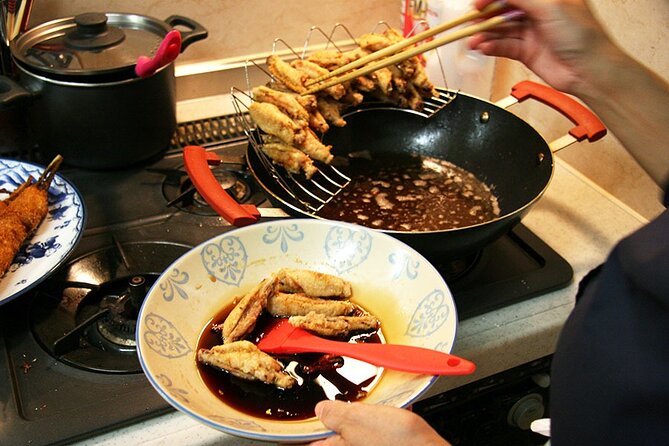
- A real Nagoya menu: Prepare red miso-based food, shrimp tempura rice balls or Nagoya-style fried chicken, and a miso pork cutlet sandwich.
- A supermarket with a purpose: Akiko explains Japanese ingredients as you shop, and she can help you choose products to carry home.
- Dashi from scratch: You learn the stock used for miso soup, one of the most useful building blocks in Japanese cooking.
- A private home setting: Only your party participates, with group sizes ranging from solo bookings to six people.
- Train-based meeting point: Pickup is provided at the station, but hotel transport is not included.
- Recipes to take home: Written recipes make this more useful than a meal that ends when you leave the table.
From the station to an everyday Japanese supermarket
The experience begins at a JR station in the Kasugai area, about 20 minutes from Nagoya. The supplied meeting information names Kasugai Station, while one description refers to Kachigawa Station, so I would confirm the exact station and address after booking. That small check matters, especially if you are planning a tight day around Nagoya.
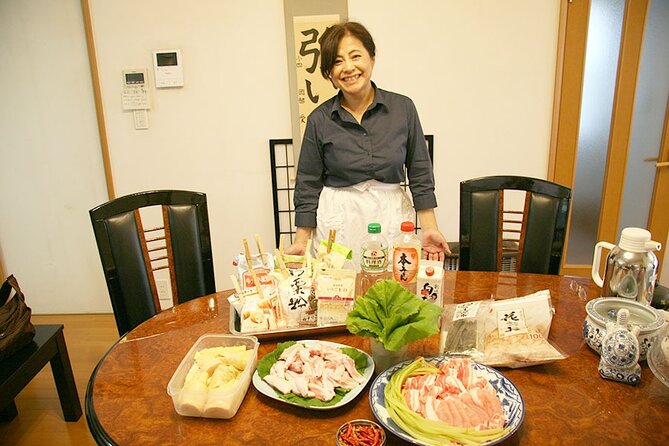
Akiko meets you at the station and walks with you to a nearby supermarket. This is not a market stall area or a grand covered arcade. It is the kind of store where local residents do their normal food shopping. That makes the stop useful in a quiet, practical way.
You can expect Akiko to point out ingredients used in Japanese cooking and explain seasonings as you move through the aisles. The value is not simply seeing unfamiliar packages. You begin to connect those products with the dishes you will cook later.
A regular Japanese supermarket can also help you make sense of food culture at home. You might see products that rarely appear on a restaurant table, along with ingredients that form the backbone of everyday meals. The tour gives you a chance to ask what something is, how it is used, and what is worth buying.
If you want to take Japanese ingredients home, Akiko can help you select them. This is a better plan than buying random packets based only on attractive packaging. You can ask about seasonings and products you have just seen used in the cooking class.
The supermarket portion is especially helpful for first-time visitors who find Japanese grocery labels difficult to read. It also suits cooks who want ideas rather than a simple sightseeing stop. Just keep your expectations in check: the attraction is local context, not a dramatic food market atmosphere.
More Market Cooking Classes in Japan
- Tokyo Sushi Making Class in Tsukiji with Professional Chef
★ 5.0 · 1,177 reviews - Tsukiji Fish Market Guided Tour and Sushi Making with Pro Chef
★ 5.0 · 775 reviews - Tokyo: Tsukiji Fish Market Sushi Making Class with Pro Chef
★ 4.9 · 506 reviews
Cooking Nagoya food in Akiko’s home
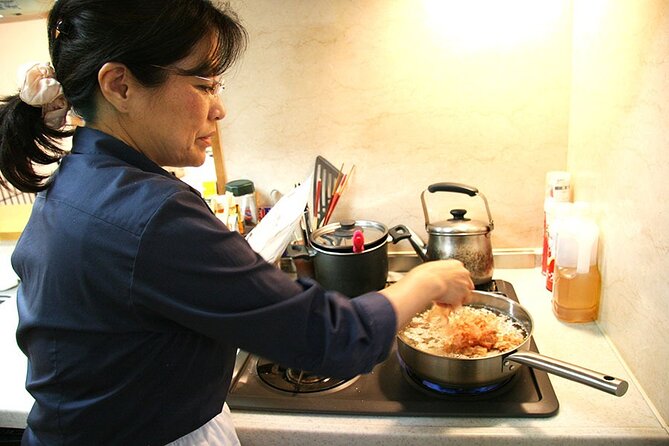
After shopping, you go to Akiko’s home kitchen for the hands-on class. The experience is private, so your group does not share the lesson with a large class. That allows the pace and conversation to feel more personal, although the exact amount of hands-on work may depend on your group and the menu that day.
The menu can vary with the season. The listed choices include shrimp tempura tucked into a rice ball, Nagoya-style fried chicken, and a miso pork cutlet sandwich. These foods show different sides of the region: crisp fried textures, familiar comfort food, and the deep salty-sweet flavor associated with red miso.
Nagoya-style fried chicken gives you a chance to work with a dish that is more specific than generic Japanese fried chicken. The pork cutlet sandwich offers another useful lesson in how Japanese cooking combines a fried main ingredient with bread and a strong sauce.
The shrimp tempura rice ball is perhaps the most unusual item in the group. Tempura and rice balls are familiar on their own, but placing shrimp tempura into a rice ball turns them into a portable, distinctly Japanese snack. It is the kind of detail that gives the class a local personality.
The cooking portion lasts about an hour before you sit down to eat. That is enough time for a focused lesson, but not enough for a long culinary workshop with many separate dishes. If you want several hours of technical instruction, this may feel brief. If you want to cook a few regional foods and then enjoy lunch or dinner, the timing works well.
Why learning dashi matters
The most useful lesson may be the dashi stock. You learn to make it from scratch for miso soup, rather than treating soup as an afterthought or relying only on a prepared packet.
Dashi is a foundation of Japanese cooking. Learning the basic method helps you understand why miso soup tastes different from a simple bowl of vegetables and paste. It also gives you a technique you can repeat at home, provided you can find the needed ingredients.
I like that the class connects the supermarket visit with the kitchen. You see seasonings and ingredients in the store, then watch them become part of a meal. That simple sequence makes the lesson easier to remember than a cooking demonstration with no shopping context.
The class is also a good fit if you want to ask questions while cooking. Akiko is not presenting a restaurant menu from a distance. She is sharing food in her own home and showing you how she prepares it. That distinction is important. The experience focuses on conversation and home cooking, not on chef theater.
Sitting down to a Nagoyan meal
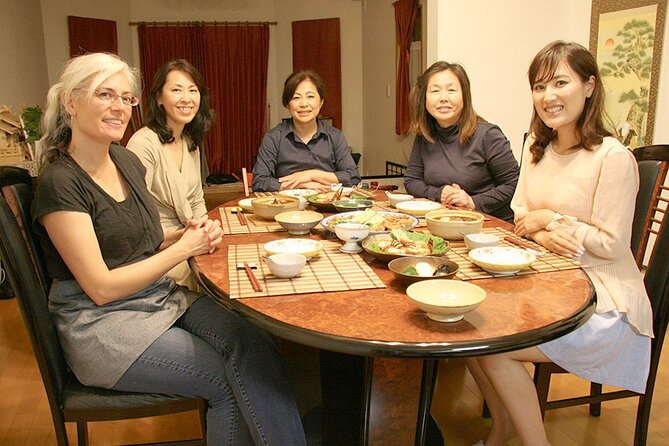
Once the cooking is finished, you eat the food you helped prepare. The meal includes local alcohol, which adds a regional touch for those who choose to drink. The inclusion is part of the package, not an extra item you need to arrange separately.
The meal is likely to be the most social part of the experience. You have already met at the station, shopped together, and worked in the kitchen. Sitting down afterward gives the afternoon a natural finish and leaves time to talk with Akiko.
Previous visitors specifically appreciated her warm hosting, the chance to get acquainted over the meal, and the recipes provided afterward. Her helpers may also be present, and the strongest praise centers on the welcoming atmosphere and clear instruction.
I would not book this only for the food. Nagoya has plenty of restaurants where you can order fried chicken, miso pork, or other local specialties. The point here is to understand the food through the person making it, then sit down together in a home setting.
That makes the experience especially appealing for solo visitors. A private cooking appointment can give you more conversation and attention than a large group class. It also works for families, couples, or friends, with options for groups of up to six.
More market tours with home cooking in Japan:
- Krakow Pierogi Cooking Class with Market Visit & Home-Cooked Meal
★ 5.0 · 212 reviews - Fez: Souk Tour and Traditional Home Cooking Class
★ 4.9 · 186 reviews - Jaipur Market Tour & Vegetarian Rajasthani Home Cooking Class
★ 5.0 · 113 reviews - Home Cooking Class: Market, Garden and cooking 4 dishes
★ 5.0 · 61 reviews
What the $119 price includes
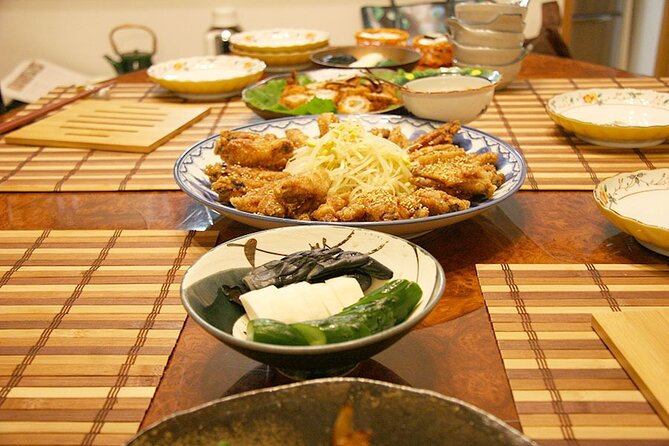
At $119 per person, the cost is higher than simply eating a Nagoya meal. You are paying for several connected parts: a private supermarket tour, pickup at the station, a private cooking class, the meal, and local alcohol.
The value improves if you plan to use the supermarket help and recipes. You are not only paying for lunch. You are getting guidance on ingredients, a lesson in dashi, regional cooking practice, and a way to recreate parts of the meal later.
Group discounts may make the price easier to justify for a party. Solo visitors should look closely at the final cost, since private experiences can be good value for personal attention but may feel expensive beside a regular cooking class.
The experience is also booked well ahead on average, about 23 days in advance. That suggests you should not leave it until the last few days of a Nagoya stay, especially if you need a particular date or have dietary requests.
A fair comparison is not a restaurant meal versus a cooking class. Compare it with the cost of a private cultural activity plus food. If you want a quiet, personal introduction to Nagoya cooking, the price is reasonable. If you mainly want to eat local dishes, a restaurant will cost less and take less time.
Dietary needs, timing, and practical planning
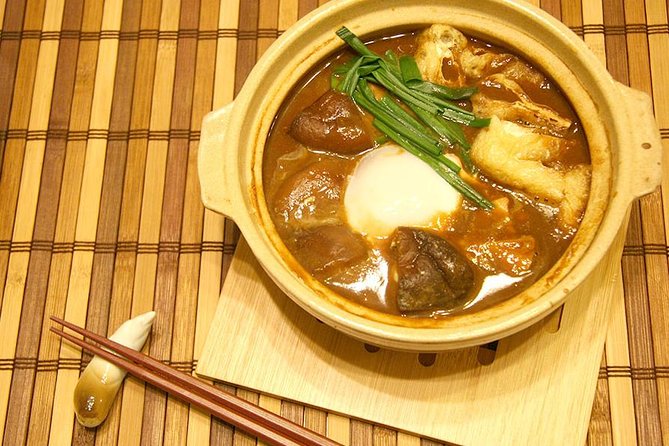
Tell the provider about allergies, dietary restrictions, or cooking preferences when you book. A vegetarian option is available if requested in advance. Do not wait until you arrive, since the menu and shopping plan need to reflect your needs.
The menu changes with the season. That is a benefit for freshness and variety, but it means you should not assume that every listed dish will appear on your date. If one specific item is the main reason you want to book, ask about it ahead of time.
The total duration is about three hours and 30 minutes. The cooking itself lasts about one hour, with the rest covering the station meeting, supermarket visit, preparation, meal, and return to the meeting point.
Hotel pickup and drop-off are not included. You need to reach the station yourself, and the activity ends back at the meeting point. Public transit access makes the arrangement manageable, but leave enough time to find the station and meet Akiko without rushing.
The experience is described as private and personalized. That is a strength if you want direct conversation and a relaxed meal. It may be less suitable if you prefer a formal cooking school with printed lesson plans, several instructors, or a professional teaching kitchen.
Free cancellation is available when you cancel at least 24 hours before the start time. Cancellations or changes made inside that window are not refunded or accepted, so check your schedule before the cutoff.
Who will get the most from this experience
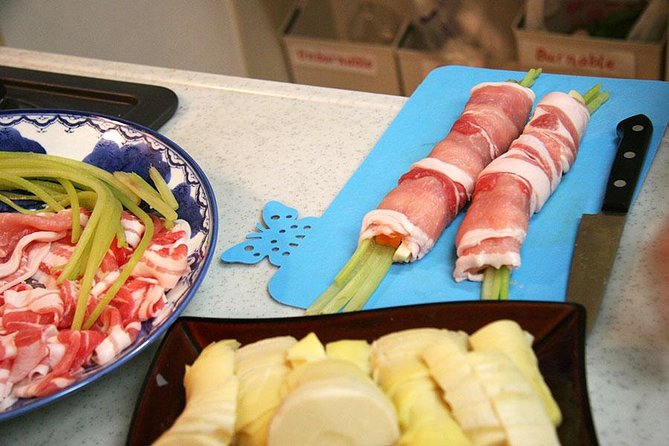
I would choose this for food lovers who want to understand how Japanese meals come together. The supermarket visit adds useful context, and the dashi lesson gives you a technique rather than just a pleasant memory.
It is also a strong choice for solo visitors. Akiko meets you at the station, spends the day with you, and shares a meal in her home. That creates a personal connection without requiring you to join a large group.
Families and small groups can benefit too. Children or beginners may enjoy forming rice balls and helping with simple cooking tasks, though the supplied information does not specify age limits or exact activity assignments. Ask ahead if you need details for young children.
I would be more cautious about booking if you want an outdoor market, a long professional cooking course, or a broad tour of Nagoya. The supermarket is ordinary, the class is short, and the focus stays on food and conversation rather than city sightseeing.
You should also be comfortable entering a private home. That is central to the experience, not a minor detail. The setting offers warmth and a local point of view, but it is less predictable than a commercial studio.
Should you book Akiko’s Nagoya cooking class?
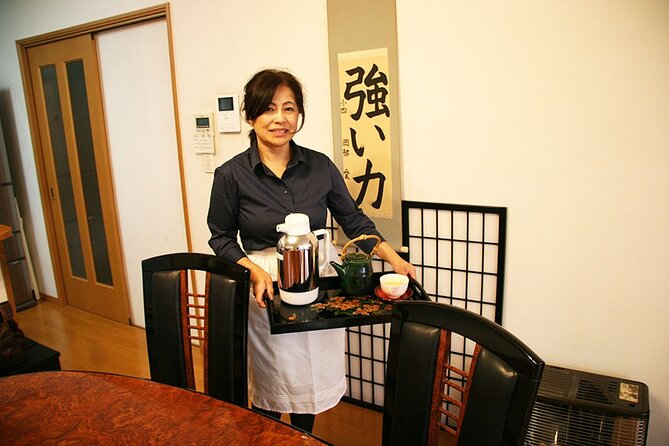
Book it if you want to shop for Japanese ingredients with help, learn dashi, cook Nagoya specialties, and share a home meal with Akiko. The recipes, personal hosting, and supermarket connection make it more useful than a standard eat-and-leave activity.
Skip it if you want a formal culinary school, a street market, or a low-cost meal. Confirm the station before booking, request vegetarian or allergy-friendly arrangements early, and remember that the menu may change by season.
For the right kind of visitor, this is a thoughtful three-and-a-half-hour introduction to Nagoya food. You leave with a meal, a few recipes, and a better sense of how local ingredients become everyday Japanese cooking.
FAQ
Where does the experience begin?
The listed start point is Kasugai Station in Aichi Prefecture. One description also refers to Kachigawa Station, so confirm the exact meeting station and address after booking.
How long does the activity last?
The experience lasts approximately three hours and 30 minutes. The cooking class itself lasts about one hour before you sit down for the meal.
Is this a private activity?
Yes. Only your party participates, and the experience is available for solo visitors and groups of up to six people.
What food will I learn to make?
The menu may include shrimp tempura in a rice ball, Nagoya-style fried chicken, and a miso pork cutlet sandwich. The menu can change with the season.
Will I learn how to make dashi?
Yes. Akiko teaches you how to make dashi stock from scratch for miso soup.
Is a vegetarian option available?
Yes. A vegetarian option is available, but you must request it when booking. You should also report allergies, dietary restrictions, and cooking preferences at that time.
Is transportation from my hotel included?
No. Hotel pickup and drop-off are not included. Pickup is provided from the designated JR station, and the activity ends back at the meeting point.
More Markets in Japan
- Tokyo Tsukiji Fish Market Food and Culture Walking Tour
★ 5.0 · 3,184 reviews - Tokyo: Tsukiji Fish Market Food and Walking tour
★ 5.0 · 1,724 reviews - Tokyo: Tsukiji Fish Market Guided Walking Tour
★ 4.9 · 1,397 reviews - Nishiki Market Brunch Walking Tour (7 Tastings + Brunch)
★ 5.0 · 1,355 reviews
More Cooking Classes in Japan
- Tokyo: Tsukiji Market Walking Tour & Sushi Cooking Class
★ 4.6 · 122 reviews - Nishiki Market Food Tour with Cooking Class
★ 4.9 · 42 reviews - Osaka: Cooking Class & Sake Tasting with Local Market Visit
★ 4.8 · 31 reviews - Private Market Tour and Cooking Class with Kanae, a Sapporo Local
★ 5.0 · 29 reviews
Just added around Japan
- Tokyo: Private Tsukiji Street Food & Sake with Local Guide★ 5.0 · 3 reviews
- Tokyo: Tsukiji Market Guided Tour & Sushi-Making Experience★ 4.4 · 11 reviews
- Tokyo: Tsukiji Market and Hama-rikyu Gardens Guided Tour★ 4.8 · 73 reviews
- Tokyo : Tsukiji Fish Market Food Walking & Shrine Visit Tour★ 5.0 · 3 reviews
- Tokyo: Tsukiji Fish Market Culture Tour with Sashimi Tasting★ 4.6 · 54 reviews
- 【Family pack】Tokyo: Tsukiji fish market food tour★ 5.0 · 3 reviews
- Tokyo: Tsukiji Fish Market Foodie and Educational Tour★ 5.0 · 4 reviews
- Tokyo: Sushi Making with Pro Chef & Tsukiji Fish Market Tour★ 4.6 · 49 reviews
Market Cooking Classes, compared.
Hanoi Cooking Class: Culture, Local Market & Meaning CSR Impact
Read our review →
5 Traditional Dishes Hanoi Cooking Class with Market Trip
Read our review →
Cooking Class and Lunch at a Tuscan Farmhouse with Local Market Tour from Florence
Read our review →
Cooking Class, Market & Thai Herbs Garden Tour
Read our review →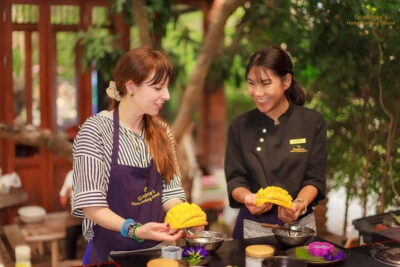
Authentic Cooking Class with Market & Farm Visit
Read our review →
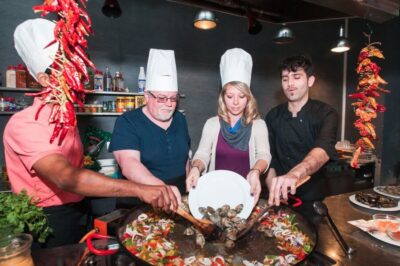
Paella Cooking Experience & Boqueria Market Tour
Read our review →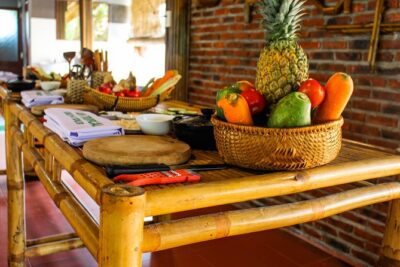
Cooking Class Hoi An:Local Market, Basket Boat, Fishing & Cooking
Read our review →Browse the lists this tour appears in