
Review · HONG KONG
Hong Kong Market Walking Tour & Chinese Cooking Class
Hong Kong’s food culture makes the most sense when you see the ingredients before they reach the plate. This experience begins in Ngau Tau Kok, where Bill Chan guides you through a local wet market, then turns those market finds into a three-course Chinese meal in a professional cooking studio. It is a useful mix of street life, local culture, and hands-on cooking.
I like the market visit because it shows you more than a row of restaurants can. I also like the practical cooking class, where recipes and methods are simple enough to repeat at home. The main consideration is the price, $131.25 per person, which is a serious spend for four and a half hours, though the private format, meal, ingredients, and instruction add real value.
Key points to know
- Ngau Tau Kok market: See fresh seafood, meats, vegetables, exotic fruit, Chinese barbecue, noodles, and other everyday food shops.
- Bill Chan as guide and teacher: Expect local explanations about Hong Kong culture, food, neighborhoods, and recent changes to the city.
- Three-course meal: Shop for ingredients, cook in pairs, and eat what you prepare for lunch or dinner.
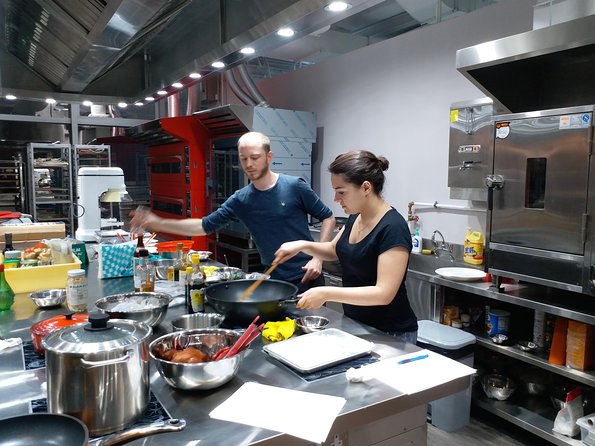
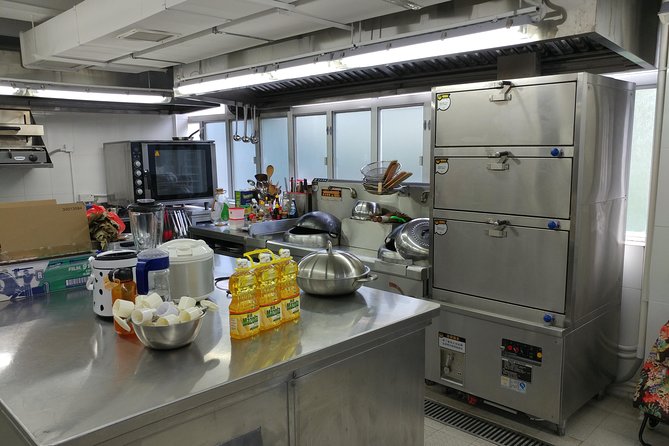
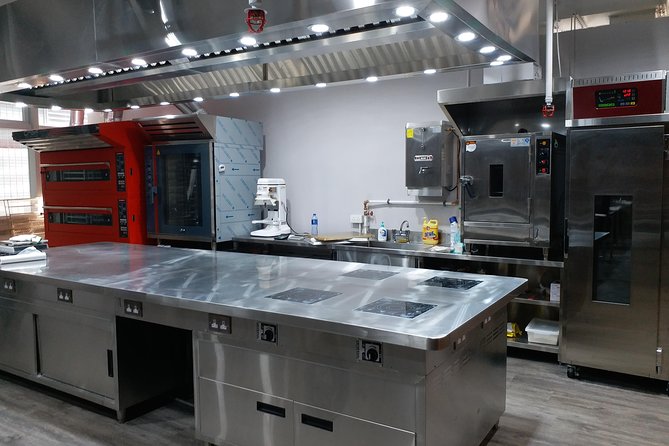
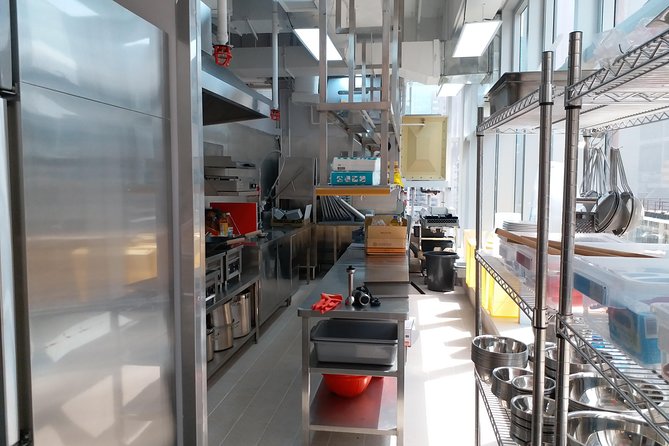
- Professional studio: The cooking takes place in a well-equipped kitchen rather than a basic demonstration room.
- Private experience: Only your own group participates, with personalized attention during the market walk and cooking.
- Plan around the timing: Choose a morning or afternoon departure, wear comfortable walking shoes, and arrive hungry.
Starting in Ngau Tau Kok, away from the postcard Hong Kong
The meeting point is in Ngau Tau Kok, and the experience ends there too. That matters because you are not being whisked between famous sights. You begin in a working Hong Kong neighborhood, where the food shopping is part of ordinary daily life.
Bill Chan meets you at the starting point and leads the walk toward the market. Along the way, he explains how the area has changed over roughly the past 20 years, including the mix of commercial and residential uses. That background gives the market more meaning. You are not simply looking at unfamiliar produce. You are seeing how food shopping fits into a local district.
The tour is private, so only your group takes part. The description also presents it as a small-group experience, and the cooking is done in pairs. In practice, that means you should expect a more personal session than a large class with one instructor speaking to a crowded room.
You will need comfortable walking shoes. The market portion involves moving through local streets and shops before the cooking begins, so this is not a sit-down food tasting with only a short stroll.
More Market Cooking Classes in China
- Half-Day Chengdu Cooking Class with a Local Market Visit
★ 5.0 · 465 reviews - Chengdu: Cooking Class with Fresh Market Half Day Experience
★ 5.0 · 42 reviews - Half-Day steamed Buns Cooking Class with a Local Market Visit
★ 5.0 · 26 reviews
Reading Hong Kong through its wet market
A wet market can feel more revealing than a formal food museum. Here, fresh seafood, meats, vegetables, and fruit are displayed for local shoppers, and Bill helps explain what you are seeing and how these ingredients relate to Chinese cooking.
You may also pass traditional shops selling Chinese barbecue, noodles, and other prepared foods. These stops help connect raw ingredients with the food you will later cook. The market is not just a shopping errand. It is the first lesson in how Hong Kong builds flavor, chooses ingredients, and feeds a city.
I especially like this part for visitors who find restaurant menus a little mysterious. You can ask questions as you go, and the guide can provide context that a menu rarely gives you. The experience also offers a look at food culture without turning the market into a staged performance.
The market is a working place, so you should keep your expectations sensible. It is not described as a long list of tastings, and the main purpose is to explore, learn, and shop for the class. If you want a full-day food crawl with many samples, this is not that. If you want to understand what goes into Chinese cooking, it is a better fit.
Shopping for ingredients before cooking
After the market tour, you head to the cooking studio with the fresh ingredients. That transition is one of the strongest parts of the experience because you see the connection between the market and the meal instead of receiving a prepared box of ingredients with no explanation.
The exact dishes can be adjusted for dietary requirements, according to the experience details. Bill also provides advice on flavor combinations, so the class is not limited to following instructions mechanically. You can ask questions, try techniques, and understand why ingredients work together.
That flexibility is useful for home cooks. The goal is not to impress you with difficult restaurant tricks that cannot be repeated in an ordinary kitchen. Recipes and techniques are designed so you can cook the dishes again after returning home.
Still, you should not assume that the menu is fully chosen in advance from a fixed restaurant-style list. The information describes a three-course Chinese meal, but it does not specify the exact dishes for every departure. If you have strict dietary needs, raise them when booking or before the class so the cooking plan can be handled properly.
Cooking three Chinese courses in a professional studio
The cooking session takes place in a well-equipped, professional-style kitchen. You work in pairs, which gives you an active role rather than leaving you to watch Bill demonstrate everything from a distance.
This is where the experience earns much of its cost. You are not only paying for a meal. You receive the ingredients, instruction, kitchen time, and the chance to practice techniques under guidance. Bill’s teaching style is described as relaxed and open to questions, which suits beginners who may feel uncertain about dumpling folding, seasoning, or unfamiliar preparation methods.
One useful detail is that the food is made by the group and eaten afterward. Your lunch or dinner is part of the class, and water, tea, and coffee are included. Dessert is also provided. Alcohol is not included, though it can be purchased.
The class should suit cooks with different levels of experience. Beginners can follow straightforward steps, while more confident cooks can ask about flavor combinations and technique. One person found the dishes simple enough to recreate at home, while another thought the class could have included more complicated recipes. That is a fair way to view the session: it leans toward practical Chinese cooking rather than advanced culinary training.
More market walks in China:
- Bangkok: City Highlights Temple and Market Walking Tour
★ 4.5 · 3,990 reviews - Tokyo Tsukiji Fish Market Food and Culture Walking Tour
★ 5.0 · 3,184 reviews - Marrakech: Ben Youssef, Secret Garden, & Souks Walking Tour
★ 4.6 · 2,802 reviews - Marrakech: Colorful Medina Souks Guided Walking Tour
★ 4.7 · 2,470 reviews
The meal you make is part of the value
At the end, you eat the dishes prepared during the class for lunch or dinner. This makes the experience feel complete, and it also gives you a chance to judge the results of your own work while the methods are still fresh.
Portions appear to be generous. You may even have leftovers to take away, so do not schedule this as a light snack before a larger meal. The advice to arrive hungry is sensible.
Tea and coffee are included, along with water and dessert. Alcohol is extra. Since the price is $131.25 per person, these inclusions matter, but the main value remains the private instruction and market access rather than the drinks.
The meal is also a useful test of the recipes. If you enjoy what you make, you leave with a clearer idea of which dishes you want to repeat. Recipes are supplied, so you are not expected to rely on memory.
What makes Bill Chan important to the experience
A good food class depends heavily on the person leading it. Bill Chan serves as market guide, cultural interpreter, cooking teacher, and host. His role goes beyond showing you where to buy ingredients.
He explains Hong Kong’s recent changes, local culture, and food traditions while walking through the neighborhood. In the kitchen, he encourages questions and experimentation, and he can suggest combinations that work well together. That blend of local context and practical advice gives the experience more depth than a class focused only on chopping and stirring.
The strongest praise is directed at Bill’s ability to make people feel at ease. That matters if you are nervous about cooking unfamiliar food or joining a class with another pair. The private format also means your questions are less likely to get lost in a crowd.
For families, children must be accompanied by an adult. The class could work well for a parent and older child, though the provided information does not set a minimum age. You should ask about suitability if your child is very young.
Is $131.25 per person fair?
The price is not cheap. At $131.25 per person, this costs more than a typical market walk or a simple meal. The value depends on how much you want from the experience.
You receive roughly four and a half hours of activity, a guided market walk, fresh ingredients, a three-course cooking class, lunch or dinner, dessert, tea, coffee, water, and recipes. You also get a private format and direct time with Bill. If you would otherwise book a separate market tour and a cooking class, the combined price becomes easier to justify.
The cost makes less sense if you mainly want to eat Hong Kong food. A restaurant meal or casual food tour will be cheaper and require less time. This experience is for people who want to understand the ingredients and learn methods they can use later.
I would consider it especially good value for a couple, family group, or small private party that values personal attention. The price may feel high for a solo visitor, depending on how the private booking is priced for that date. Since confirmation is subject to availability and is sent within 48 hours, check the booking details before making tight plans.
Morning or afternoon: choosing your departure
You can choose a morning or afternoon start. A morning session naturally leads into lunch, while an afternoon session leads into dinner. Think about the rest of your Hong Kong plans before choosing.
The morning option is useful if you want the cooking class to be the main event of your day and keep the evening free. The afternoon option may suit you if you plan to spend the morning sightseeing or want a substantial meal later.
The food itself is likely to be filling, and leftovers may be available. Do not book the class immediately before a major dinner reservation unless you are prepared to eat lightly or cancel the second meal.
Because the walk begins outdoors and the experience requires good weather, allow some flexibility. If poor weather forces cancellation, you are offered another date or a full refund.
Who should book this Hong Kong cooking class?
I would recommend it to you if you enjoy learning by doing. It is particularly well suited to:
- First-time visitors who want local food context without a formal lecture.
- Home cooks who want practical Chinese recipes.
- Couples and families looking for a private activity.
- People who prefer neighborhoods and markets to only visiting famous sights.
- Anyone who wants a substantial meal built into a cultural experience.
It may not suit you if you dislike markets, have very limited walking tolerance, or want a fast, highly structured demonstration. It is also not the right choice if your main goal is a long list of tastings from restaurants and street stalls.
The class is more about understanding and making food than sampling as many dishes as possible. That distinction should guide your decision.
Practical details before you reserve
Wear comfortable walking shoes, since the first part takes place on foot through local streets and the market. The activity starts and ends in Ngau Tau Kok, so plan your Hong Kong day around that location.
Children need an accompanying adult. The experience is private, and only your group participates. Ingredients, the cooking class, the meal, water, tea, and coffee are included, while alcohol costs extra.
Free cancellation is available when you cancel at least 24 hours before the start time. Changes or cancellations inside that window are not refunded or accepted. The experience also depends on suitable weather, with a different date or full refund offered if the operator cancels for that reason.
Should you book it?
Book this experience if you want more than a meal and would enjoy seeing how Hong Kong ingredients move from market stall to kitchen. The combination of Ngau Tau Kok, Bill Chan’s local explanations, and a hands-on three-course class gives you a useful look at food culture from several angles.
Skip it if you want a low-cost food walk, a fixed list of famous dishes, or a short activity near the main tourist sights. At $131.25, it asks you to value instruction and personal attention. For the right person, the recipes and confidence to cook the dishes at home make the experience worth the higher price.
FAQ
Where does the Hong Kong cooking experience start?
It starts in Ngau Tau Kok, Hong Kong.
Where does the experience end?
The activity ends back at the meeting point in Ngau Tau Kok.
How long does the experience last?
The experience lasts approximately four hours and 30 minutes.
Is the activity available in the morning and afternoon?
Yes. You can choose a morning or afternoon departure.
What happens during the market visit?
You walk through a local wet market and see seafood, meats, vegetables, exotic fruit, Chinese barbecue, noodles, and other traditional shops.
How many courses do you cook?
You prepare a three-course Chinese meal in the cooking studio.
Is the meal included?
Yes. You eat the lunch or dinner prepared during the class. Dessert, water, tea, and coffee are also included.
Is alcohol included?
No. Alcoholic drinks are not included, but they are available to purchase.
Can children join the activity?
Yes, but children must be accompanied by an adult.
What is the cancellation policy?
You can cancel at least 24 hours before the start time for a full refund. Cancellations or changes made less than 24 hours before the start time are not accepted for a refund.
More Markets in China
- Mini Group Xian Day Tour to Terracotta Army, City Wall, Pagoda and Muslim Bazaar
★ 5.0 · 1,320 reviews - Shanghai Day Tour to Zhujiajiao Water Town, Yu Garden, Bazaar, Bund
★ 5.0 · 162 reviews - Organic Chinese Dumpling Class with Market Walk
★ 5.0 · 88 reviews - Xi’an: Terracotta Army, Lunch, City Wall, Pagoda, Bazaar
★ 5.0 · 72 reviews
More Cooking Classes in China
- Half-Day Professional Mapo Tofu Cooking with a Local Market Visit
★ 5.0 · 19 reviews - Half-day Dandan Noodles Cooking Class with a Local Market Visit
★ 5.0 · 8 reviews - Beijing: Vegan Home Cooking & Local Market Tour with Sanxia
★ 4.8 · 4 reviews - Dumpling Cooking Class and Local Market Tour
★ 5.0 · 3 reviews
Just added around China
- Three-Hour Private Chengdu Tea Wholesale Market Tour★ 5.0 · 4 reviews
- Half-day Dandan Noodles Cooking Class with a Local Market Visit★ 5.0 · 8 reviews
- 3-Hour Herbal Wholesale TCM Market and a Local Wet Market Tour★ 5.0 · 4 reviews
- Private Tour to Pearl Market Acrobatic Show & Peking Duck Dinner★ 5.0 · 5 reviews
- Private Distinctive Market Tour with Shaomai Lunch and Full Massage in Beijing★ 5.0 · 2 reviews
- Small Group Beijing Temple of heaven and Summer Palace with Pearl market★ 5.0 · 3 reviews
- Half Day Tour:Market Shopping Acrobatic Show & Peking Duck dinner★ 5.0 · 2 reviews
- Lama Temple, Hutong and Silk & Pearl Market Private Day Tour★ 5.0 · 5 reviews
Market Cooking Classes, compared.
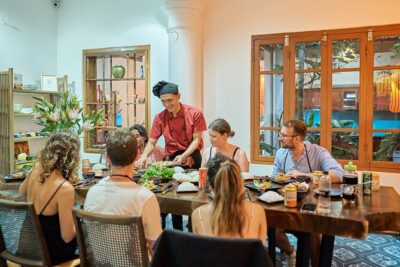
Hanoi Cooking Class: Culture, Local Market & Meaning CSR Impact
Read our review →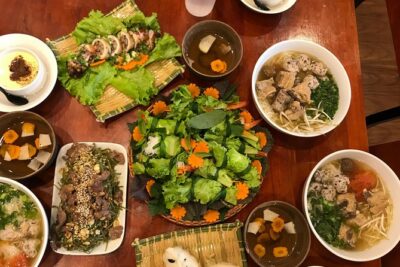
5 Traditional Dishes Hanoi Cooking Class with Market Trip
Read our review →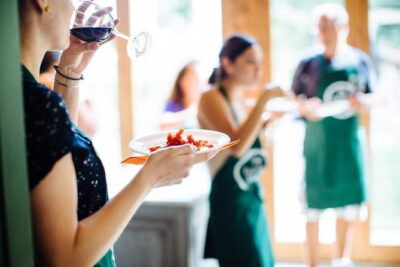
Cooking Class and Lunch at a Tuscan Farmhouse with Local Market Tour from Florence
Read our review →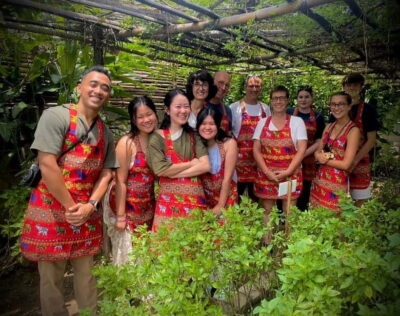
Cooking Class, Market & Thai Herbs Garden Tour
Read our review →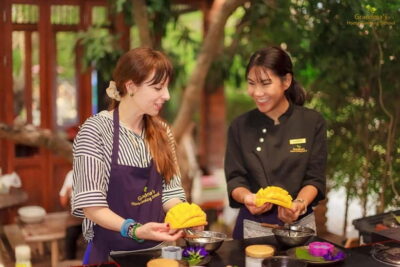
Authentic Cooking Class with Market & Farm Visit
Read our review →
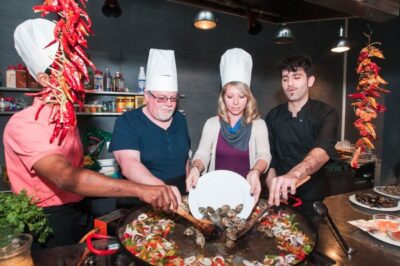
Paella Cooking Experience & Boqueria Market Tour
Read our review →
Cooking Class Hoi An:Local Market, Basket Boat, Fishing & Cooking
Read our review →Browse the lists this tour appears in