
Review · OSAKA
Kuromon Market Tour: All inclusive 6~8 Dishes & 3~4 samplings
Kuromon Market is easiest to enjoy when someone helps you read it. This small-group food walk takes you from stall to stall for six to eight proper dishes plus three to four extra tastings, with seafood, fugu, local specialties, dessert, and tea on the menu.
I like the personal scale, with no more than nine people, and I like the guides’ vendor connections. Anna, Hikaru, Michael, Mico Yamamoto, and British Andy are all praised for explaining unfamiliar foods and adjusting choices for families or curious eaters. The main drawback is simple: vegetarians and vegans should skip this tour, and the generous portions mean you need to arrive hungry.
Key points at a glance
- More than ten tastes in about two hours: The food count includes substantial dishes and smaller samplings, so this is closer to a light meal than a quick snack stop.
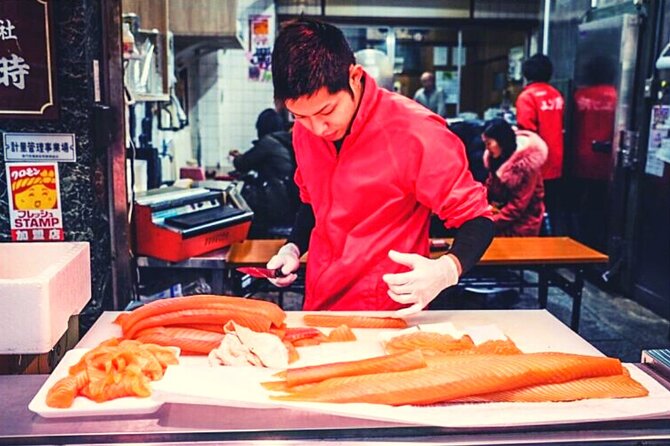
- Seafood takes center stage: You might try oysters, otoro tuna, sea urchin, fish cakes, and carefully prepared fugu.
- A maximum of nine people: A small group makes it easier to ask questions, keep moving, and get help ordering.
- Guides know the market stalls: Guides such as Anna and Michael use personal vendor relationships to steer you toward family-run shops and quality products.
- Start at 2 pm at Nippombashi Station: The tour returns to the meeting point after roughly two hours.
- Plan your next meal carefully: The food is plentiful enough that you may leave too full for dinner.
Why Kuromon Market works best with a guide
Kuromon Ichiba can look simple at first: a long market corridor filled with seafood, cooked dishes, sweets, and small shops. The hard part is knowing what is worth trying, how to order it, where you may eat it, and which unfamiliar item deserves your money.
That is where this tour earns its keep. You are not simply shown the market. You are given a route through it, with food selected as you go. The guide explains ingredients, customs, preparation, and the difference between a local specialty and a product aimed mainly at passing visitors.
I especially like the help with translation and ordering. A display of raw fish, grilled seafood, or unusual Japanese sweets may tell you very little if you cannot read the labels. A guide can point out what you are eating, explain how it is prepared, and answer the basic question every hungry visitor has: is this worth trying?
The small-group format matters here. With a maximum of nine people, the guide can keep an eye on food preferences and make room for questions. It also reduces the chance of losing half the group in a narrow market lane while everyone stops to examine the next tray of seafood.
A few more market tours around Japan worth a look
- Tokyo Tsukiji Fish Market Food and Culture Walking Tour
★ 5.0 · 3,184 reviews - Tokyo: Tsukiji Fish Market Food and Walking tour
★ 5.0 · 1,724 reviews - Tokyo: Tsukiji Fish Market Guided Walking Tour
★ 4.9 · 1,397 reviews
The two-hour route through Kuromon Ichiba
The sole listed stop is Kuromon Market, but that does not mean the experience is thin. The market itself provides the route, and the food stalls provide the changing scenery.
You meet at Nippombashi Station at 2 pm. From there, the guide leads you into Kuromon Ichiba and begins building a meal from several stops. Exact dishes can change, which makes sense in a market where availability, shop hours, and seasonal products are part of the experience.
The advertised food range includes six to eight selected dishes and three to four samplings. Taken together, that adds up to more than ten different tastes. You may encounter first-class seafood, familiar Osakan dishes, desserts, and Japanese tea, with the guide explaining how each fits into local food culture.
The route is a walking route, so you should expect to eat while moving between vendors rather than sit down for one long restaurant meal. This keeps the pace lively and gives you a broad look at the market, but it also means the tour is not the best choice if you want a quiet, formal dining experience.
At the end, the activity returns to the starting point. Some food walks in Osaka leave you in a different neighborhood, which can be convenient if you want to continue sightseeing there. This one gives you a clear finish near Nippombashi Station.
Seafood, fugu, and the foods you may not order alone
Seafood is one of the strongest reasons to book this experience. The tastings can include oysters, sea urchin, otoro tuna, fish cakes, and pufferfish. One particularly memorable item is otoro, the fatty section of tuna known for its soft, buttery texture.
Fugu, or pufferfish, is another possible highlight. The tour presents it as carefully prepared, and having a guide with vendor relationships gives you more confidence than pointing at an unfamiliar serving on your own. You still need to be comfortable with seafood and with trying items that may be outside your usual diet.
The exact list is not fixed. One guide may add a sample based on your interests, while another may suggest a substitute if a food does not appeal to you. Whale was also included for one group, showing how the route can sometimes reach unusual local products.
That flexibility is useful, but do not treat every named item as guaranteed. The experience promises a variety of dishes and samplings, not a fixed menu of fugu, whale, or sea urchin on every departure.
Osakan specialties, sweets, and Japanese tea
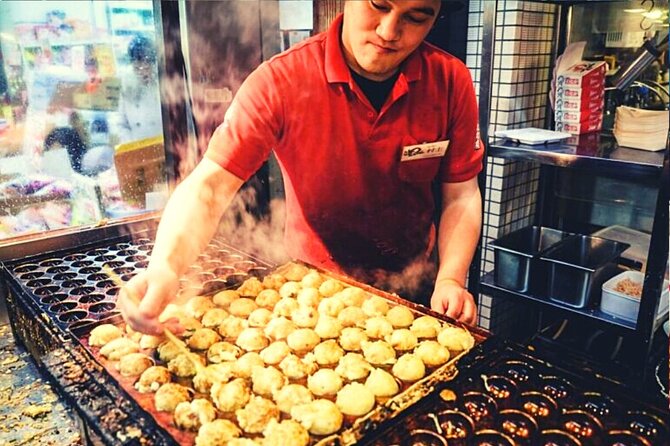
The tour is not only a seafood crawl. You can also expect local Osakan dishes, dessert, and Japanese tea. Okonomiyaki is specifically included among the food types, giving you a taste of one of Osaka’s best-known savory specialties.
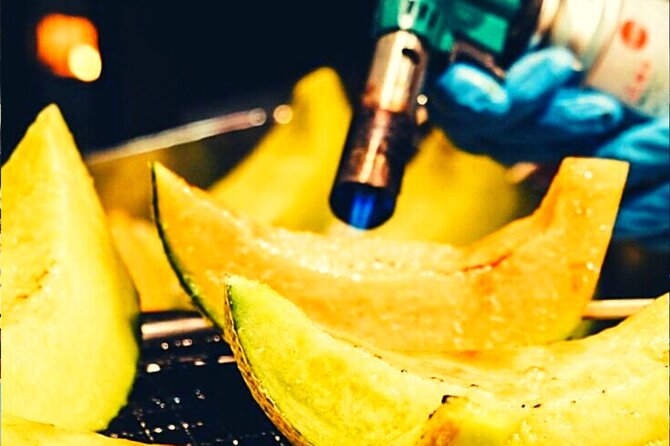
The dessert course helps break up the seafood. Sakura-mochi was one item included on a reported route, offering a softer, sweeter contrast to oysters and grilled or raw fish. Japanese tea adds another small cultural detail and gives the guide a chance to explain how drinks fit into everyday food customs.
I like this range because it gives you a better idea of Osaka than a tour built around one ingredient. You get salty, sweet, cooked, raw, familiar, and strange items in one short walk. For a first afternoon in the city, that variety can help you decide what to seek out later.
Still, picky eaters should be honest with the guide at the start. The route is designed around trying many foods, and it is not a vegetarian or vegan experience. One family appreciated having alternatives arranged for children who did not want every dish, but that kind of adjustment should be discussed rather than assumed.
More shopping tours in Japan:
- Nishiki Market Brunch Walking Tour (7 Tastings + Brunch)
★ 5.0 · 1,355 reviews - Tsukiji Fish Market Guided Tour and Sushi Making with Pro Chef
★ 5.0 · 775 reviews - Tokyo: Tsukiji Fish Market Food and Culture Walking Tour
★ 4.7 · 757 reviews - Tsukiji Fish Market: Street Food & Culture Walking Tour
★ 5.0 · 669 reviews
The guides make the biggest difference
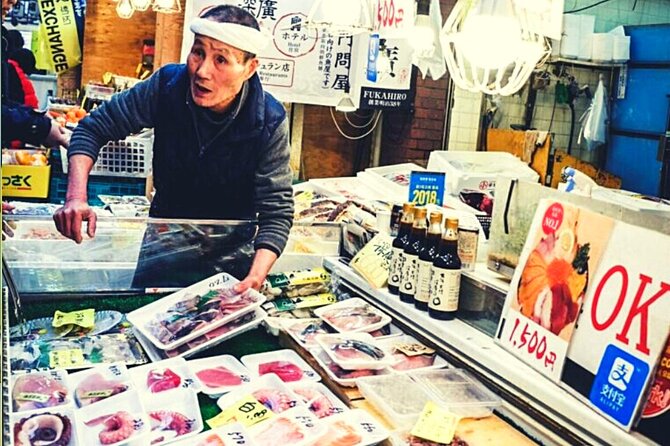
The food matters, but the guide is the part that turns a market visit into a useful experience. Anna is described as energetic, funny, and deeply familiar with the stalls. She has helped families, answered questions about ingredients, and customized routes for private groups.
Hikaru brings a chef background and a calm, patient approach. His food explanations appealed to families with teenagers, and he has also helped with recommendations for later meals, including a wagyu restaurant.
Michael is praised for being easygoing and for having strong relationships with the vendors. He has explained seafood from source to plate, added samples based on personal interests, and offered suggestions for other places to visit. One route continued toward Den-Den Town, although that should be viewed as an extra possibility rather than a standard part of the two-hour plan.
Mico Yamamoto is described as courteous, highly fluent in English, and attentive to questions about the stalls. British Andy has been especially useful for families, giving clear meeting instructions, explaining market traditions, and finding alternatives for children who are hesitant about certain dishes.
These names do not mean you can select a particular guide when booking. They do show the range of guide styles you may encounter: chef-led explanations, family-friendly pacing, strong market contacts, and practical advice for the rest of your Osaka stay.
What the vendor relationships add
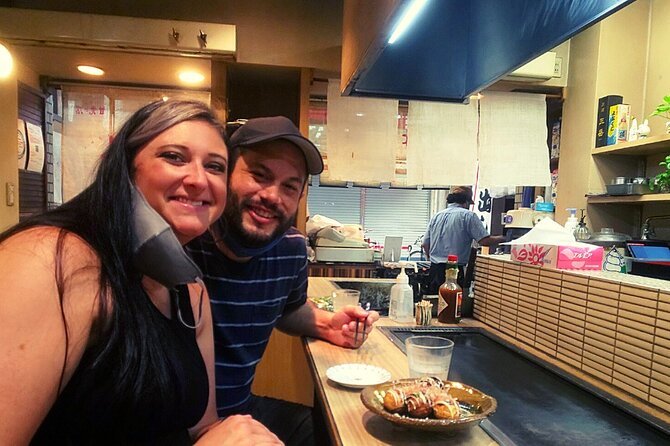
A market guide should do more than lead you down an aisle. The best part of this experience is the access that comes from knowing where to stop and how to approach each stall.
The guides are familiar with the sellers and often focus on smaller family businesses. That can make the visit feel less like a checklist of famous foods and more like an introduction to people who work in the market every day.
You also get help spotting quality. One useful part of the commentary is learning how to identify fresh or authentic products on your own. That advice has value beyond the tour because you can use it later at other markets and food shops in Japan.
This is also a practical buffer against market overload. Kuromon can be full of smells, signs, displays, and unfamiliar choices. Instead of spending your whole visit wondering what to buy, you can follow a route that has already been shaped around good stops.
The tradeoff is that you give up some freedom to browse at your own pace. If you want to photograph every stall or stop for long shopping sessions, two hours may feel structured. If you want someone else to handle the choices, the structure is a benefit.
Is $63.43 a fair price?

At $63.43 per person, this is not the cheapest way to wander through Kuromon Market. You can enter the market without paying for a tour and choose a few snacks on your own.
The value comes from what is included: at least six dishes, three to four additional samplings, a guide, explanations, ordering help, and access to vendor connections. If you tried more than ten items independently, the food bill could rise quickly, especially with premium seafood such as otoro, oysters, sea urchin, or fugu.
You are also paying for certainty. A self-guided market visit can be rewarding, but you may order a small portion, misunderstand the ingredients, or miss the best stalls. This tour lowers those risks and gives you a meal-sized introduction to Osaka food in roughly two hours.
I would call the price good value for first-time visitors who want to sample widely. It is less appealing for someone who already knows Kuromon Market, speaks Japanese comfortably, or prefers choosing one or two dishes slowly.
The best money-saving tip is to eat lightly before you arrive. The portions are substantial, and the wide range of tastings can leave you full. If you are planning a special dinner afterward, schedule a gap.
Timing, group size, and practical details
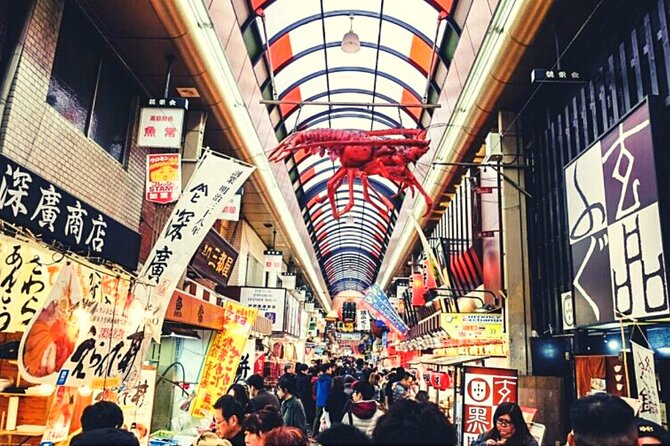
The 2 pm start works well as a late lunch. It also gives you time to reach Nippombashi Station without rushing through an early morning market visit. The tour lasts about two hours and ends back where it began.
The group limit is nine people, though some departures may be smaller. One booking even became a private experience, but you should not count on having the guide to yourself.
A mobile ticket is provided, and confirmation arrives when you book. The meeting point is Nippombashi Station, at 1 Chome-5 Nipponbashi, Chuo Ward, Osaka, 542-0073.
The activity is near public transportation, and service animals are allowed. Most people can take part, but the key practical limitation is the food itself. This is not suitable for vegetarians or vegans, and anyone with strong seafood restrictions should check carefully before booking.
Market conditions can affect the route. During a holiday such as Golden Week, some shops may close early or remain shut. A good guide can adjust the order of stops, but no market tour can promise that every stall will be open.
Who should book this Kuromon Market tour?
I would recommend it to first-time Osaka visitors, families who want help with unfamiliar foods, and anyone who likes tasting many small portions instead of committing to one restaurant meal.
It is also a strong choice for a short Osaka visit. A family visiting from Kyoto for only a day used the two-hour format to see the market and eat a broad range of dishes without spending half the day figuring out where to go.
Food-focused travelers will get the most from the explanations about ingredients, quality, and local customs. The tour can also be a smart choice at the start of your Japan trip because the guide may offer suggestions for later meals and help you understand what to look for elsewhere.
I would skip it if you are vegetarian or vegan, dislike seafood, need a fixed menu, or want a leisurely shopping visit. The tour is built around variety, movement, and trying things you may not recognize.
Should you book it?
Book this tour if you want Kuromon Market to make sense quickly. The strongest reasons are the small group, the number of included tastes, and the guides’ close ties with the vendors.
Arrive hungry, keep an open mind, and tell the guide about your preferences early. At $63.43, the price is justified when you would otherwise spend money on several premium samples and still wonder what you missed.
For most first-time visitors who eat seafood and want a practical introduction to Osaka’s food culture, this is a worthwhile two-hour stop. For independent market experts, it may be more guidance than you need.
FAQ
Where does the tour start?
The tour starts at Nippombashi Station, at 1 Chome-5 Nipponbashi, Chuo Ward, Osaka, 542-0073, Japan.
What time does the tour begin?
The scheduled start time is 2 pm.
How long does the experience last?
The tour lasts approximately two hours.
Where does the tour end?
The activity ends back at the meeting point.
How much food is included?
You receive six to eight selected dishes and three to four additional samplings. The experience includes more than ten food items in total.
What kinds of food may be included?
Possible foods include fresh seafood, oysters, otoro tuna, sea urchin, fish cakes, fugu, okonomiyaki, dessert, Japanese tea, and other Osaka specialties. The exact selection can vary.
Is the tour suitable for vegetarians or vegans?
No. The tour is specifically not suitable for vegetarians or vegans.
How many people can join?
The tour has a maximum of nine travelers.
Can I cancel for a full refund?
Yes. You can cancel at least 24 hours before the experience start time for a full refund. Changes or cancellations made less than 24 hours before the start time are not accepted for a refund.
Just added around Japan
- Nagoya Super Market Tour & Home Cooking Class with a Local, Akiko★ 5.0 · 10 reviews
- Tokyo: Tsukiji Market and Hama-rikyu Gardens Guided Tour★ 4.8 · 73 reviews
- Tokyo: Private Tsukiji Street Food & Sake with Local Guide★ 5.0 · 3 reviews
- Tokyo: Tsukiji Market Guided Tour & Sushi-Making Experience★ 4.4 · 11 reviews
- Tokyo : Tsukiji Fish Market Food Walking & Shrine Visit Tour★ 5.0 · 3 reviews
- Tokyo: Tsukiji Fish Market Culture Tour with Sashimi Tasting★ 4.6 · 54 reviews
- 【Family pack】Tokyo: Tsukiji fish market food tour★ 5.0 · 3 reviews
- Tokyo: Tsukiji Fish Market Foodie and Educational Tour★ 5.0 · 4 reviews
Shopping Tours, compared.

Damnoen Saduak Market and Maeklong Railway Market
Read our review →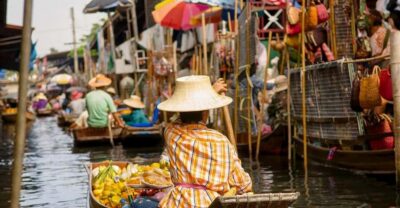
The Old Siam: Damnoen Saduak and Maeklong Railway Market
Read our review →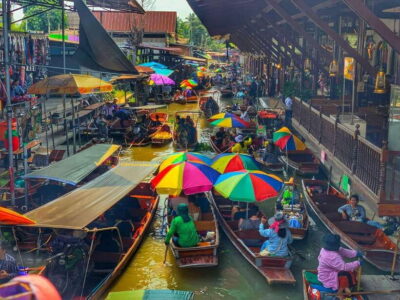
Train Market & Floating Market with Boat Ride
Read our review →
Ayutthaya & Ayothaya Floating Market Day Trip
Read our review →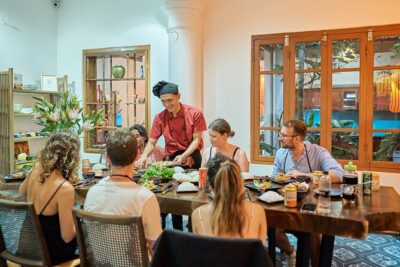
Hanoi Cooking Class: Culture, Local Market & Meaning CSR Impact
Read our review →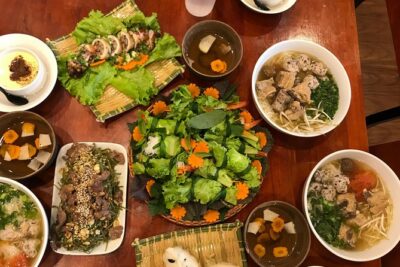
5 Traditional Dishes Hanoi Cooking Class with Market Trip
Read our review →
Cooking Class and Lunch at a Tuscan Farmhouse with Local Market Tour from Florence
Read our review →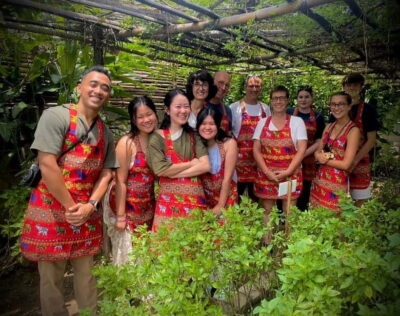
Cooking Class, Market & Thai Herbs Garden Tour
Read our review →Browse the lists this tour appears in