
Review · NAIROBI
Authentic Kenyan Cooking Class & Market Tour in Nairobi
The best part of this Nairobi experience is the change of setting: you begin at a local market, then follow your ingredients into Tabitha’s home kitchen. This is not a polished restaurant lesson. It is a small, personal look at everyday Kenyan food, with shopping, cooking, conversation, and lunch packed into four hours.
I like the market-to-table format, because you see the ingredients before they reach the pot. I also like the chance to spend time with Tabitha and her husband at home, where the food comes with stories about daily life in Kenya. The main consideration is that the home kitchen has limited space, so this suits you best if you value personal contact over a large, highly structured cooking school.
Key points to know
- Meet at K-MALL Komarocks: The stated meeting point is the parking lot, where you can connect with the host before going to the market.
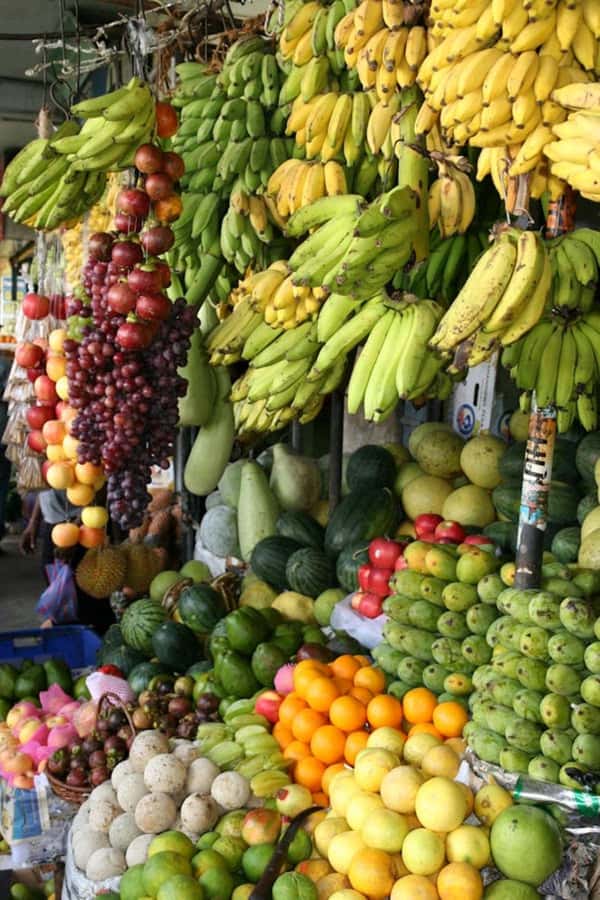
- Shop for fresh ingredients: You will visit a local market and choose ingredients with Tabitha.
- Cook Kenyan comfort food: The menu may include ugali, pilau, chapati, sukuma wiki, kachumbari, mukimo, githeri, and kuku kienyeji.
- Eat in a private home: Lunch is shared at Tabitha’s home, along with conversation and storytelling.
- Four hours and $64 per person: The price includes the host, market transport, cooking instruction, lunch, water, soda, and tea.
- English and Swahili guidance: Children under 10 enter free, while people with food allergies should not book this activity.
From K-Mall Komarocks to a Nairobi market
Your meeting point is the K-Mall Komarocks parking lot. From there, the experience moves to a local market, with transport to and from the market included in the activity. If you are arranging your own ride to the meeting point, Uber or other transportation costs are your responsibility.
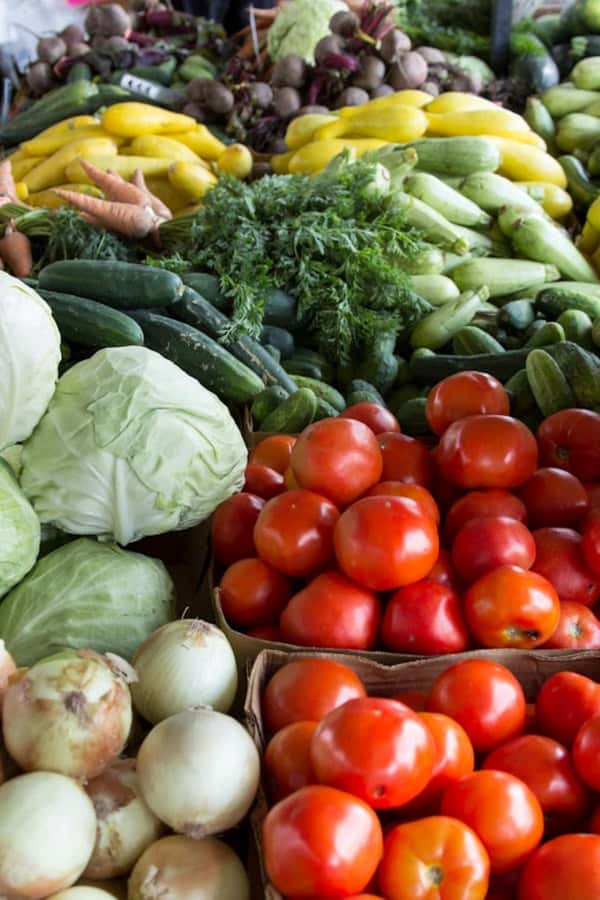
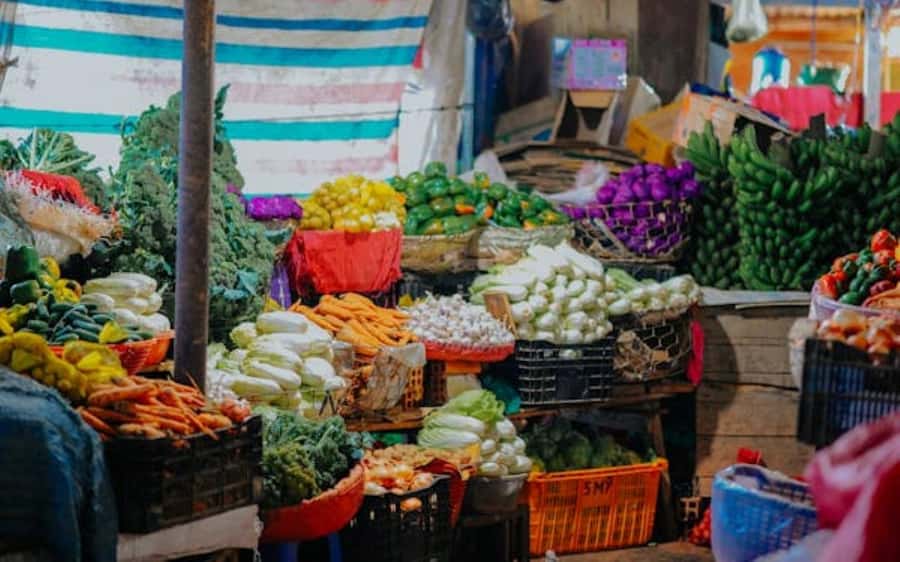
The market is more than a quick shopping stop. It gives you a useful first look at the food culture behind the meal. You will see where the ingredients are bought, interact with local people, and help select the produce used later in the kitchen. That simple step changes the way you understand the dishes. Ugali, chapati, pilau, and sukuma wiki are not abstract items on a menu. They begin as everyday market ingredients.
You should expect a busy public setting rather than a quiet guided tour. The market is part of normal local life, and you may attract some friendly attention as an international visitor. One participant described the drive through Nairobi and the market itself as an important part of the experience, not just a means of getting to the cooking lesson.
Bring comfortable shoes and clothes. A market visit involves walking and standing, and the four-hour schedule includes several different activities. Bring cash too, since it is listed among the recommended items, though the activity price covers the planned market transport and meal.
More market cooking classes in Kenya:
- Traditional Kenyan Cooking Class & Local Market Tour
★ 5.0 · 129 reviews - Market Tour and Traditional Kenyan Cooking Class in Nairobi
★ 4.8 · 6 reviews - Local Market Tour and Traditional Meal Cooking Class
★ 5.0 · 4 reviews
Cooking Kenyan dishes in Tabitha’s home
After the market, you go to Tabitha’s home on the outskirts of Nairobi. This is the heart of the experience. Instead of cooking in a commercial studio, you work in a private home and share time with the host and her husband.
The kitchen has limited space, so do not expect every participant to have a large work station. The advantage is that the lesson feels close and informal. You get opportunities to help prepare food, taste it as you go, and ask questions about how Kenyan families cook and eat.
Tabitha guides you through a mix of well-known dishes and less familiar local foods. The menu can include:
- Kachumbari: A fresh salad that adds a crisp contrast to heavier dishes.
- Sukuma wiki: A leafy green vegetable dish commonly served as part of a home meal.
- Ugali: A firm maize-based staple often used to accompany other foods.
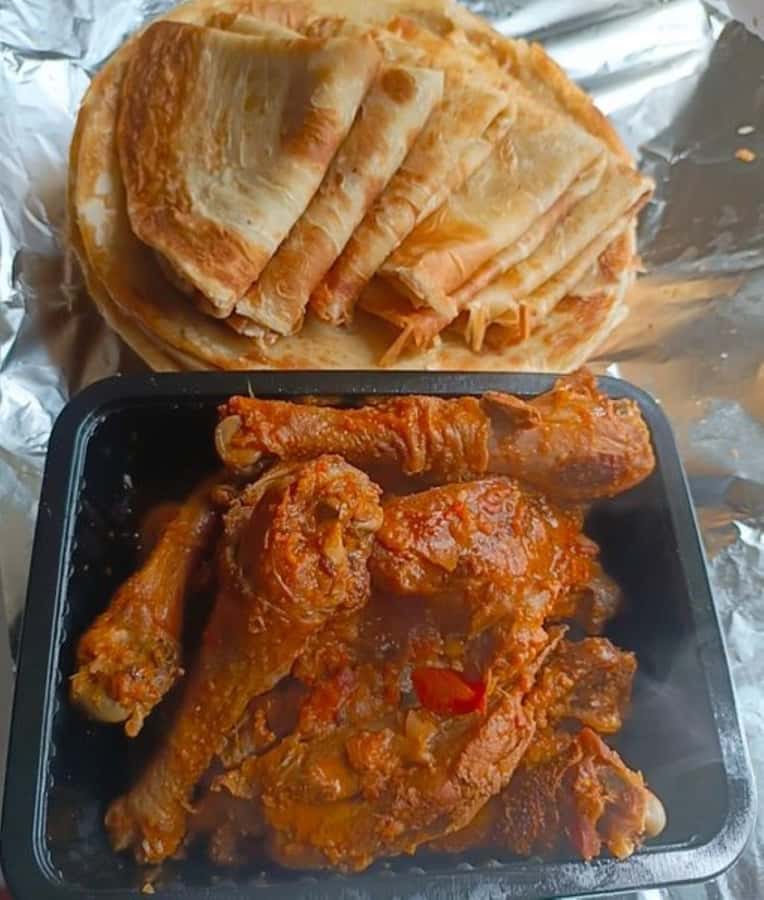
- Chapati: Flatbread prepared as part of the meal.
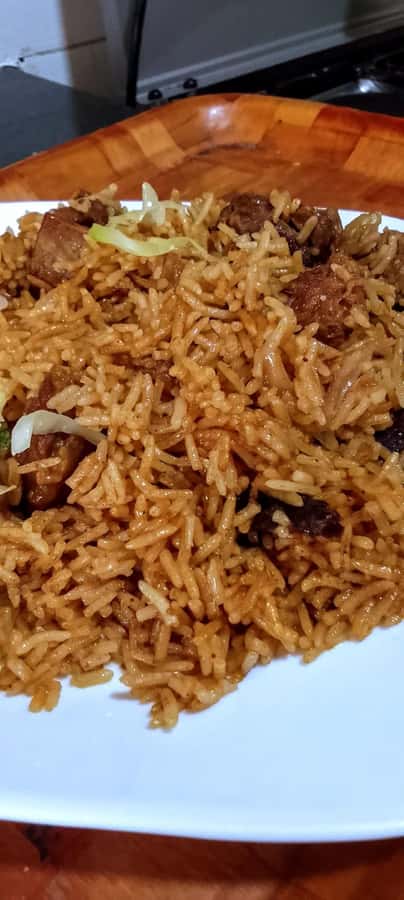
- Pilau: Spiced rice with a fuller, more aromatic flavor.
- Mukimo: A traditional mashed dish.
- Githeri: A hearty combination of beans and maize.
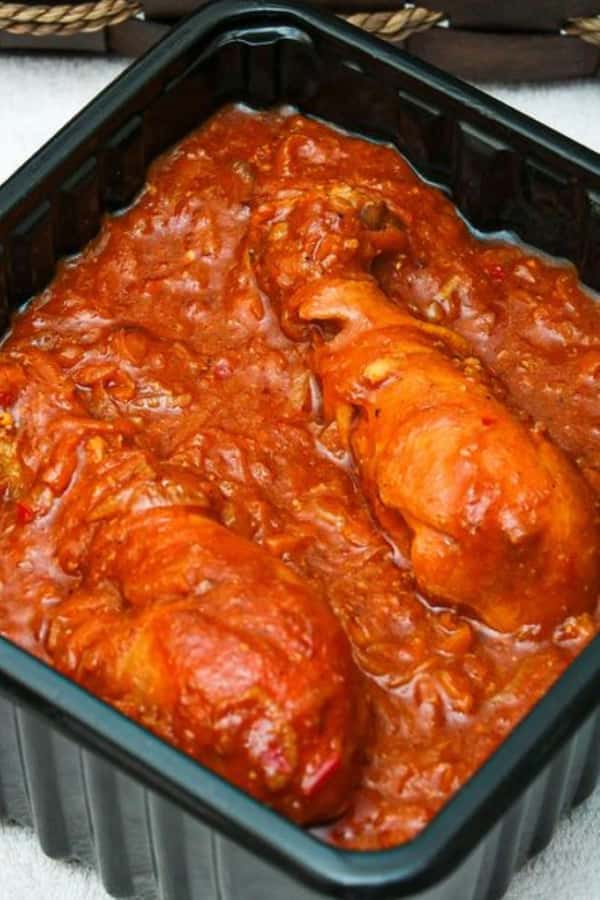
- Kuku kienyeji: Traditionally prepared local chicken.
The exact selection may vary, so you should not book expecting every item to appear in one sitting. The description gives a broad range of possible dishes, with a special focus on the Kenyan staples named above. Ask about the day’s menu if one particular dish matters to you.
The lesson is hands-on, but it is also a food and culture conversation. Tabitha explains ingredients and techniques while you work. The value here is not only learning a recipe. You get a sense of how food fits into home life, hospitality, and family conversation in Kenya.
A shared lunch, not just a cooking demonstration
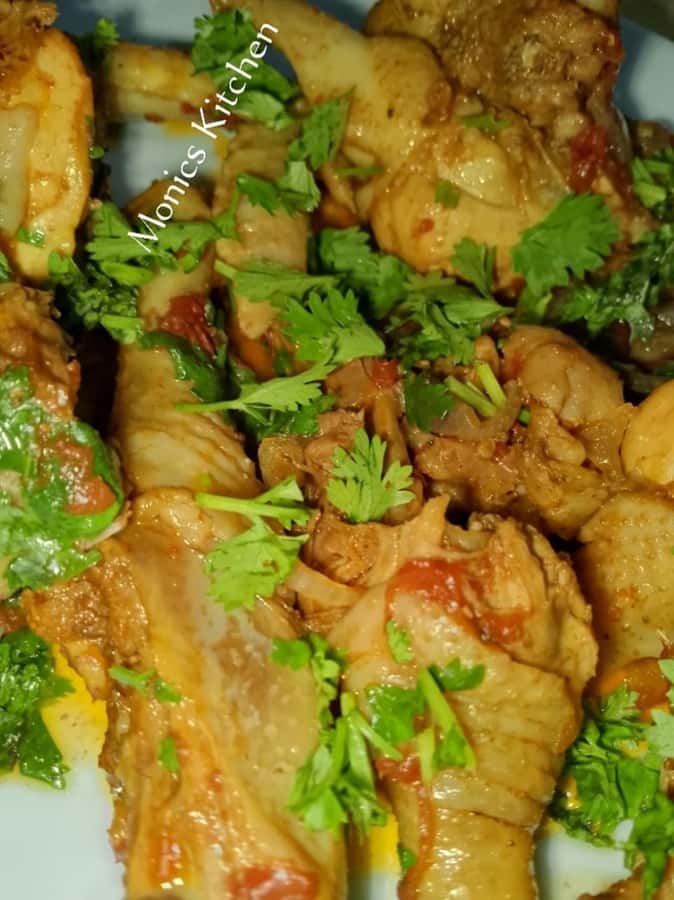
Lunch is included, along with water, soda, and tea. You will eat the food prepared during the session, which gives the class a satisfying finish and lets you compare the flavors you helped create.
The shared meal is especially important because the activity is built around hospitality. You are not simply watching a host cook and then leaving with a printed recipe. You spend time in her home, talk with her and her husband, and eat together. That setting can make the experience feel more personal than a standard restaurant class.
The conversation may be as memorable as the food. One account of the experience describes learning about Tabitha’s life, including ordinary challenges and joys in Kenya. That kind of exchange can help you understand the country beyond sightseeing stops. It also means you should arrive ready to listen, not just to take photographs and rush through the menu.
A camera is listed as something to bring, and you may want photos of the market and dishes. Still, be considerate in a residential setting and around people at the market. The activity is about meeting people, not treating the neighborhood like a stage set.
What the $64 price covers
At $64 per person, this is not the cheapest way to eat in Nairobi. You could certainly buy a local meal for much less. The question is what you are paying for beyond lunch.
The price includes:
- Local host services
- Transport to and from the market
- Cooking instruction
- Lunch
- Soda, water, and tea
You are paying for a four-hour block of time with a host, a market visit, food preparation, and a meal in a private home. For me, that makes the price reasonable if you want a cultural activity rather than a simple cooking lesson. The personal setting is the main value.
You will need to budget separately for your own Uber or other transportation to the meeting point. Alcoholic drinks are not included. Since the meeting point is specific, check your route to K-Mall Komarocks before booking and allow enough time to arrive there.
The booking terms are flexible: you can cancel up to 24 hours ahead for a full refund, and the reserve-now, pay-later option lets you hold a place without paying immediately. Starting times depend on availability.
More cooking classes in Kenya:
- Nairobi Traditional Cooking Classes and Local Market Visit
★ 5.0 · 2 reviews - Hanoi Cooking Class: Culture, Local Market & Meaning CSR Impact
★ 5.0 · 5,147 reviews - 5 Traditional Dishes Hanoi Cooking Class with Market Trip
★ 5.0 · 4,890 reviews - Cooking Class and Lunch at a Tuscan Farmhouse with Local Market Tour from Florence
★ 5.0 · 4,831 reviews
Who will enjoy this Nairobi food experience
This activity is a good fit for you if you want to meet a local host and see an everyday side of Nairobi. It suits curious eaters, couples, families with older children, and visitors who prefer a small home setting to a formal class.
Children below 10 years receive free entrance, which can make it useful for families. Keep in mind that the kitchen space is limited, and the tour is not designed for people with food allergies. If you need strict control over ingredients or preparation surfaces, choose another activity.
It is also a good choice if you want a slower cultural experience after time spent on a busy sightseeing schedule. The market, cooking, and meal offer three different ways to connect with Nairobi: public life, household food, and personal conversation.
This may not suit you if you want a polished culinary school, detailed professional technique, or a fixed menu with guaranteed dishes. The emphasis is on home cooking and cultural contact. That means the pace and menu may feel more relaxed and less formal.
The activity is also listed as unsuitable for people over 95 years old. The provided information does not give further accessibility details, so ask the provider directly if you have mobility concerns or need specific arrangements.
Language, group size, and the pace of the visit
The live guide can speak English and Swahili. English-speaking visitors should be able to follow the activity, while Swahili speakers may enjoy an added connection during the market and meal.
The kitchen has limited space, but the exact group size is not stated. This matters. A smaller group should allow more direct participation, while a larger group could mean taking turns at the counter. You will still have chances to help, taste, and talk, but do not assume that every person will prepare every dish from start to finish.
Four hours is enough for the market, the cooking, and lunch, but it is not a full culinary course. You should think of it as a compact cultural outing with food at its center. The experience gives you an introduction to several dishes rather than advanced training in one recipe.
The schedule also includes travel between the meeting point, market, and home. Nairobi traffic can affect how much time you spend in each part, so keep your plans afterward flexible. The experience begins and ends according to the arrangements made with the host.
Practical tips before you go
Wear comfortable clothes and shoes. You will be moving through a market and spending time standing in a kitchen.
Carry cash and a camera. Water, soda, and tea are included, but alcohol is not. You should also avoid bringing weapons or sharp objects, which are not allowed.
Come hungry, but do not expect a restaurant-style menu with substitutions for every dietary need. People with food allergies should not book this experience. If you have strong preferences or restrictions that are not allergies, contact the provider before reserving so you know what can be prepared.
The neighborhood is described as secure, which should offer some comfort, but normal city awareness is still sensible. Keep your belongings close at the market and follow Tabitha’s directions.
The meeting point is K-Mall Komarocks parking lot. Confirm the pickup details and transport arrangements before the day of the activity, especially if you are arriving from another part of Nairobi.
Should you book this Kenyan cooking class?
Book it if you want a personal, food-centered look at Nairobi and like the idea of sharing a meal in a local home. The market visit adds context, and Tabitha’s role as both guide and host gives the day a warm, direct feel. At $64, the experience offers good value when you count the transport, instruction, lunch, drinks, and four hours of personal contact.
Skip it if you have food allergies, need a fully accessible or highly formal cooking school, or want a guaranteed menu with exact recipes and fixed portions. For everyone else, especially visitors who want to move beyond sightseeing and talk with a Kenyan family, this is one of the more human ways to spend an afternoon in Nairobi.
FAQ
Where does the experience meet?
The meeting point is the K-Mall Komarocks parking lot. From there, you proceed to the local market.
How long does the activity last?
The experience lasts four hours.
How much does the cooking class and market tour cost?
The listed price is $64 per person.
What dishes might I learn to prepare?
Possible dishes include kachumbari, sukuma wiki, ugali, chapati, pilau, mukimo, githeri, and kuku kienyeji.
Is lunch included?
Yes. Lunch is included, along with soda, water, and tea.
Is transportation included?
Transport to and from the market is included. Your own Uber or other transportation fees are not included.
What languages does the guide speak?
The live guide speaks English and Swahili.
Can children join the activity?
Yes. Children below 10 years receive free entrance.
Can I cancel the booking?
You can cancel up to 24 hours in advance for a full refund. A reserve-now, pay-later option is also available.
More Shopping Tours in Kenya
- Diani: Market and Street Food Walking Tour
★ 4.2 · 6 reviews - Nairobi: Explore Maasai Market for Unique Souvenirs
★ 5.0 · 5 reviews - Nairobi: Maasai Market and Nairobi City Tour
★ 5.0 · 4 reviews - Maasai Market Souvenir Shopping
★ 5.0 · 2 reviews
More Markets in Kenya
- Memorable Daily KIBERA Slums/Toi Market Tour with Locals (2 hours)
★ 5.0 · 29 reviews - Mombasa City Tour,Fortjesus,Oldtown,Tusks and Spice Market.
★ 4.8 · 19 reviews - Half-Day Nairobi National Park and Maasai Market with Pick up
★ 5.0 · 16 reviews - Nairobi: Hop on Hop off and Maasai market Collections Visit
★ 3.5 · 10 reviews
Just added around Kenya
- Nairobi Traditional Cooking Classes and Local Market Visit★ 5.0 · 2 reviews
- Nairobi: Maasai Market and Nairobi City Tour★ 5.0 · 4 reviews
- Nairobi: Hop on Hop off and Maasai market Collections Visit★ 3.5 · 10 reviews
- Nairobi: Explore Maasai Market for Unique Souvenirs★ 5.0 · 5 reviews
- Market Tour and Traditional Kenyan Cooking Class in Nairobi★ 4.8 · 6 reviews
- Maasai Market Souvenir Shopping★ 5.0 · 2 reviews
- Local Market Tour and Traditional Meal Cooking Class★ 5.0 · 4 reviews
- Diani: Market and Street Food Walking Tour★ 4.2 · 6 reviews
Market Cooking Classes, compared.
Hanoi Cooking Class: Culture, Local Market & Meaning CSR Impact
Read our review →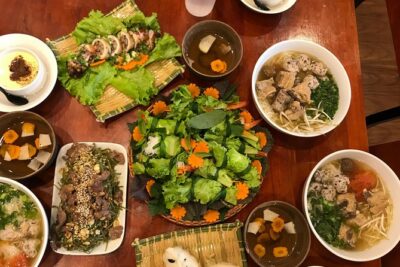
5 Traditional Dishes Hanoi Cooking Class with Market Trip
Read our review →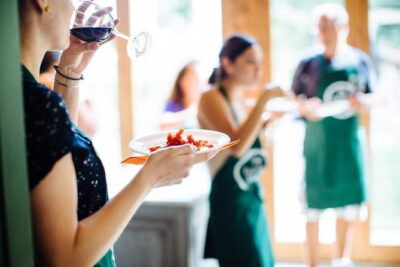
Cooking Class and Lunch at a Tuscan Farmhouse with Local Market Tour from Florence
Read our review →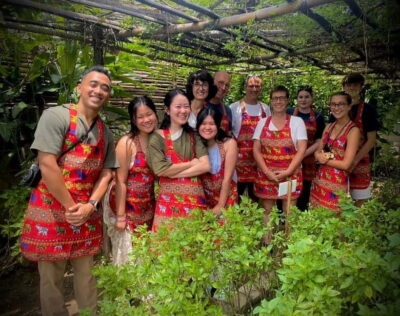
Cooking Class, Market & Thai Herbs Garden Tour
Read our review →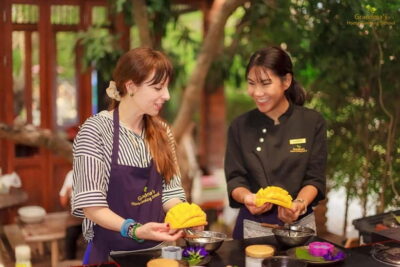
Authentic Cooking Class with Market & Farm Visit
Read our review →
Paella Cooking Experience & Boqueria Market Tour
Read our review →
Cooking Class Hoi An:Local Market, Basket Boat, Fishing & Cooking
Read our review →Browse the lists this tour appears in