
Review · NAIROBI
Nairobi: Maasai Market and Nairobi City Tour
Nairobi’s center makes the most sense when you see its old civic buildings, independence-era monuments, markets, and new city views in one sweep. This private tour gives you that broad picture, with a guide explaining places such as the Dedan Kimathi and Tom Mboya monuments while helping you get your bearings.
I like the mix of public history and everyday city life, especially the stop at Nairobi City Market for a local snack. I also like the personal pace of a private group and the chance to learn a few Swahili words. The main drawback is that this is a walking-heavy outing and is not suitable for wheelchair users or people with mobility impairments.
Key points at a glance

- A private 4 to 5 hour city introduction: You get an English-speaking guide and hotel pickup and drop-off rather than finding your own way around central Nairobi.
- Maasai arts with context: The Maasai Market is not treated as the whole tour. It comes after monuments, civic buildings, and city streets have given you a wider view of Kenya.
- Two important political monuments: Dedan Kimathi and Tom Mboya offer a direct way to discuss Kenya’s independence story and modern national identity.
- A practical food stop: Nairobi City Market gives you a chance to choose a snack at a traditional restaurant, though food and drinks cost extra.
- Local language tips: Your guide teaches some Swahili words, a small but useful touch for moving around Kenya.
- A tour shaped by the guide: Past departures have included Paul, described as calm, informative, and reassuring during the city walk.
Starting in Nairobi with a private guide

The tour begins with pickup from your hotel or the selected starting point. That matters in Nairobi, where a first visit can feel scattered if you are trying to connect distant sights on your own. The guide takes care of the basic movement, then leads you through the central city on foot.
The group is private, so you are not tied to the pace of a large coach party. You can ask about a building as you reach it, pause to take in a monument, or spend more time at the market if the schedule allows. The exact balance depends on your start time and the guide, but expect a guided city walk of about three hours, with Uhuru Gardens and the Maasai Market receiving separate visits.
The tour is conducted in English. Some of the strongest praise has focused on the guides’ explanations and calm manner. Paul, named in one account of the experience, explained the buildings and places clearly and made the walk feel safe. Another departure gave the option of taking a local bus into the center. That choice is not promised for every booking, but it shows that the experience can include a more ordinary Nairobi transport moment when suitable.
You receive a 500 milliliter bottle of mineral water. Bring comfortable walking shoes and allow room in your day for the duration to run closer to five hours rather than four.
A few more market tours around Kenya worth a look
- Traditional Kenyan Cooking Class & Local Market Tour
★ 5.0 · 129 reviews - Memorable Daily KIBERA Slums/Toi Market Tour with Locals (2 hours)
★ 5.0 · 29 reviews - Mombasa City Tour,Fortjesus,Oldtown,Tusks and Spice Market.
★ 4.8 · 19 reviews
Reading Nairobi through its monuments
The city walk brings together places that can seem unrelated if you see them one at a time. Your guide is expected to explain both the original purpose of each site and its place in present-day Nairobi.
The Dedan Kimathi Monument honors one of Kenya’s best-known anti-colonial figures. A stop here gives the independence story a clear public face. Instead of treating history as a list of dates, you can connect it to a monument placed in the middle of the working city.
The Tom Mboya Monument adds another political figure to the walk. Seeing both monuments during the same tour lets you compare how Kenya remembers key leaders and how national stories are presented in public spaces.
You also visit Kipande House and the Kenya Archives. These stops broaden the picture beyond statues. Kipande House is linked to the colonial-era identity document system, while the archives represent the records behind the country’s official story. The supplied details do not promise entry into every building, so expect the guide to explain the sites from the route rather than assume an interior visit.
The Parliament Buildings and All Saints Cathedral add two more major points of reference. Parliament brings national government into the city walk, while the cathedral shows the religious and architectural side of central Nairobi. You get a useful sense of how political, commercial, religious, and civic spaces sit close together.
This part of the tour is best for you if you like learning why a place matters, not just photographing it. It is less suited to someone looking for a long museum visit or a tightly timed list of indoor attractions. The value comes from the guide’s running explanation as you move through the streets.
Uhuru Gardens and the meaning of public space
Uhuru Gardens receives a visit of about 30 minutes. The name refers to freedom, making this a fitting stop in a tour that also includes independence-era monuments and government buildings.
The garden gives you a change from the denser city streets and a place to consider how Kenya marks national milestones. Your guide can connect the site to the wider story of independence and the symbols used in public places.
Do not expect this to be a full park excursion. The listed timing is short, and the tour has many other stops. Think of Uhuru Gardens as one chapter in a wider introduction to Nairobi, not a destination where you spend half the day.
The schedule also means you should keep your expectations realistic. A 4 to 5 hour tour covering this many points cannot offer long, unhurried visits everywhere. In return, you get range. By the end, you have seen more of central Nairobi than you would on a single market visit.
A snack and a look at Nairobi City Market
Nairobi City Market brings the tour down to street level. After monuments and official buildings, you get a chance to see a working market setting and choose a snack at a traditional Nairobi restaurant.
Food and drinks are not included in the $35 price, so carry some extra money if you want to eat. The exact snack choice is left to you, which is useful if you prefer to choose rather than receive a fixed tasting menu.
This is one of the tour’s most practical moments. A small local food stop gives you a break from walking and a simple way to connect with daily life. It also helps you judge the city beyond its formal landmarks.
The stop is not presented as a full food tour. You should book this experience for the city route first, with the snack as a pleasant part of the day. If you want several tastings or detailed food history, you will need a different type of outing.
More shopping tours in Kenya:
- Half-Day Nairobi National Park and Maasai Market with Pick up
★ 5.0 · 16 reviews - Authentic Kenyan Cooking Class & Market Tour in Nairobi
★ 5.0 · 12 reviews - Nairobi: Hop on Hop off and Maasai market Collections Visit
★ 3.5 · 10 reviews - Market Tour and Traditional Kenyan Cooking Class in Nairobi
★ 4.8 · 6 reviews
Learning a few Swahili words along the way
The guide teaches some Swahili words during the tour. That may sound like a minor feature, but it changes the feel of a short city visit. Even a few basic words can help you greet people and approach local interactions with more ease.
The language lesson is informal rather than a full class. You will learn as part of the walk, alongside explanations of Nairobi’s past and present. This works well for first-time visitors who want a small cultural connection without spending an entire day in a classroom.
I especially like this feature because it gives you something to carry beyond the monuments. A photograph records a place, but a useful word can shape how you handle the rest of your time in Kenya.
The Maasai Market and decorative arts
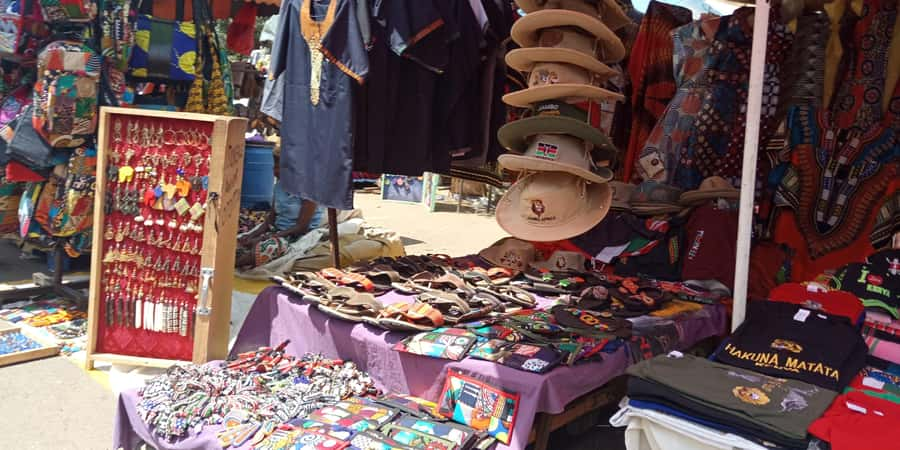
The Maasai Market is scheduled for about 30 minutes and is one of the clearest shopping and craft elements of the tour. You can look at decorative arts associated with Maasai culture and learn about the symbols and visual ideas behind them.
The market setting is likely to be active and sales-focused, so keep your expectations practical. This is a guided introduction, not a private workshop with an artist. You may find jewelry, decorative pieces, and other handmade items, but the provided details do not guarantee particular products or fixed prices.
A short visit can be enough to see what interests you. If you plan to buy something, take your time, compare items, and remember that the tour’s schedule includes other stops. Your guide can help explain the cultural side of the objects, while you decide for yourself what fits your budget and luggage.
The Maasai Market works better at the end of the route than at the beginning. By then, you have already discussed Nairobi’s public history and seen the city’s official side. The market becomes part of a wider story about Kenya, rather than the only cultural image you take away.
Nairobi’s modern side and the city skyline
The route also moves through the modern part of central Nairobi. You get views of the skyline and a chance to see how the city has grown around older institutions and historic sites.
This contrast is one of the tour’s strengths. A visit focused only on monuments might make Nairobi feel frozen in the past. A walk focused only on shopping might leave you with little sense of how the city developed. Here, the guide links old and new places during the same outing.
The skyline portion is not described as a rooftop visit or a separate observation deck. Expect street-level city views and explanations as you move through the center. Bring a camera if you like urban scenes, but do not book this expecting a dedicated photography session.
What the $35 price gives you
At $35 per person, the tour offers reasonable value if you want an organized introduction to central Nairobi. The price includes hotel pickup and drop-off, an English-speaking guide, a private group, and 500 milliliters of water.
The strongest value is the guide and the route. You are not paying for a major museum entrance or an elaborate meal. You are paying for someone to connect monuments, markets, public buildings, and city streets into a usable first picture of Nairobi.
Food and drinks are extra. That keeps the base price lower and gives you control over what you buy at the market. You should also budget for anything you purchase at the Maasai Market.
A private tour at this price can make sense for a first day in Nairobi, especially if you want a guide who can explain the city rather than simply drive past it. It is less compelling if you already know the center well or want a long, slow visit at one attraction.
Timing, walking, and comfort
The total duration is listed as 4 to 5 hours, with starting times depending on availability. The route includes a guided city walk of around three hours, a 30 minute visit to Uhuru Gardens, and a 30 minute Maasai Market visit.
That is a full half-day. Wear shoes you can walk in comfortably and expect regular movement between stops. The tour is specifically not suitable for wheelchair users or people with mobility impairments, so consider that carefully before booking.
Pickup and drop-off reduce the need to arrange transport at the beginning and end. The listed drop-off points include Nairobi and International House, while the tour details also describe return to your accommodation. Confirm the exact pickup and drop-off option when choosing your booking.
The tour is private, but that does not mean every stop will be leisurely. The guide has many places to cover, so tell your guide early if you have a particular interest in architecture, political history, markets, or language. That helps shape the time you have.
Who will enjoy this Nairobi tour
This experience fits you best if you want:
- A first look at central Nairobi in half a day
- Historical explanations rather than an unaccompanied city walk
- A private group instead of a large shared party
- A mix of monuments, markets, public buildings, and skyline views
- A small food stop and informal Swahili lesson
- Hotel pickup and drop-off included in the price
It is also a good match for visitors with a short Nairobi stay who want more than a quick drive through the center. The route gives you several subjects to follow up on later, from the Kenya Archives to Maasai decorative arts.
You may want another activity if your priority is a long wildlife excursion, a full food experience, or an indoor museum program. This is a city orientation with cultural and historical detail, not a safari or a specialist art tour.
The four available ratings are all five out of five, with praise centered on clear explanations, a calm manner, and helpful guidance. That fits the design of the experience: its success depends heavily on the person leading the walk. Paul is one guide named in the information provided, but guide assignment can vary.
Should you book this experience?
Book it if you want a well-priced, private introduction to Nairobi that combines civic history with ordinary city life. The strongest reasons are the broad route, hotel transport, guide-led explanations, and the useful contrast between monuments, government buildings, markets, and modern Nairobi.
Skip it if walking is difficult, you need wheelchair access, or you want to spend most of your time at one attraction. Also remember that lunch and drinks are not included, and the Maasai Market visit is brief.
For a first half-day in Nairobi, $35 is a sensible way to get oriented. You see the main central landmarks, learn a few Swahili words, taste a local snack, and leave with a clearer idea of where the city’s past and present meet.
FAQ
How long does the Nairobi city and Maasai Market tour last?
The experience lasts about 4 to 5 hours. The guided Nairobi city walk is around three hours, with separate visits to Uhuru Gardens and the Maasai Market.
What is included in the price?
The price includes hotel pickup and drop-off, an English-speaking tour guide, and 500 milliliters of mineral water.
Is food included?
No. Food and drinks are not included, but you can choose a snack at a traditional Nairobi restaurant during the tour.
Is the tour private?
Yes. The activity is operated as a private group tour.
What language does the guide speak?
The live tour guide speaks English.
Does the tour visit the Maasai Market?
Yes. The Maasai Market visit lasts about 30 minutes and includes guidance about Maasai decorative arts and symbols.
Which landmarks are included?
The route includes Nairobi City Market, Uhuru Gardens, the Dedan Kimathi Monument, the Tom Mboya Monument, McMillan Memorial Library, Kipande House, the Kenya Archives, Parliament Buildings, All Saints Cathedral, the Maasai Market, and modern parts of central Nairobi.
Is the tour suitable for wheelchair users?
No. The activity is not suitable for wheelchair users or people with mobility impairments.
Can I cancel the booking?
You can cancel up to 24 hours in advance for a full refund. The booking option also allows you to reserve now and pay later.
Just added around Kenya
- Nairobi Traditional Cooking Classes and Local Market Visit★ 5.0 · 2 reviews
- Nairobi: Hop on Hop off and Maasai market Collections Visit★ 3.5 · 10 reviews
- Nairobi: Explore Maasai Market for Unique Souvenirs★ 5.0 · 5 reviews
- Market Tour and Traditional Kenyan Cooking Class in Nairobi★ 4.8 · 6 reviews
- Maasai Market Souvenir Shopping★ 5.0 · 2 reviews
- Local Market Tour and Traditional Meal Cooking Class★ 5.0 · 4 reviews
- Diani: Market and Street Food Walking Tour★ 4.2 · 6 reviews
- Authentic Kenyan Cooking Class & Market Tour in Nairobi★ 5.0 · 12 reviews
Shopping Tours, compared.
Damnoen Saduak Market and Maeklong Railway Market
Read our review →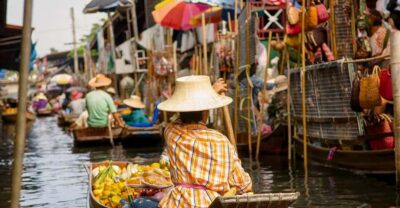
The Old Siam: Damnoen Saduak and Maeklong Railway Market
Read our review →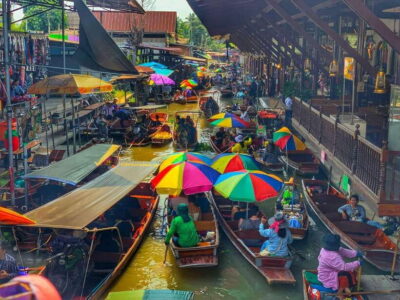
Train Market & Floating Market with Boat Ride
Read our review →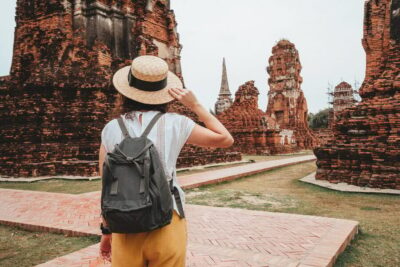
Ayutthaya & Ayothaya Floating Market Day Trip
Read our review →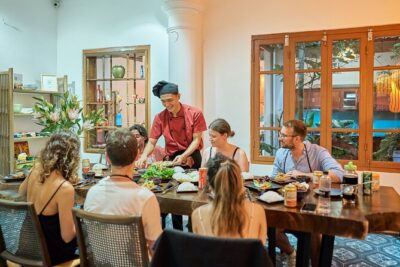
Hanoi Cooking Class: Culture, Local Market & Meaning CSR Impact
Read our review →
5 Traditional Dishes Hanoi Cooking Class with Market Trip
Read our review →
Cooking Class and Lunch at a Tuscan Farmhouse with Local Market Tour from Florence
Read our review →
Cooking Class, Market & Thai Herbs Garden Tour
Read our review →Browse the lists this tour appears in