
Review · NAIROBI
Market Tour and Traditional Kenyan Cooking Class in Nairobi
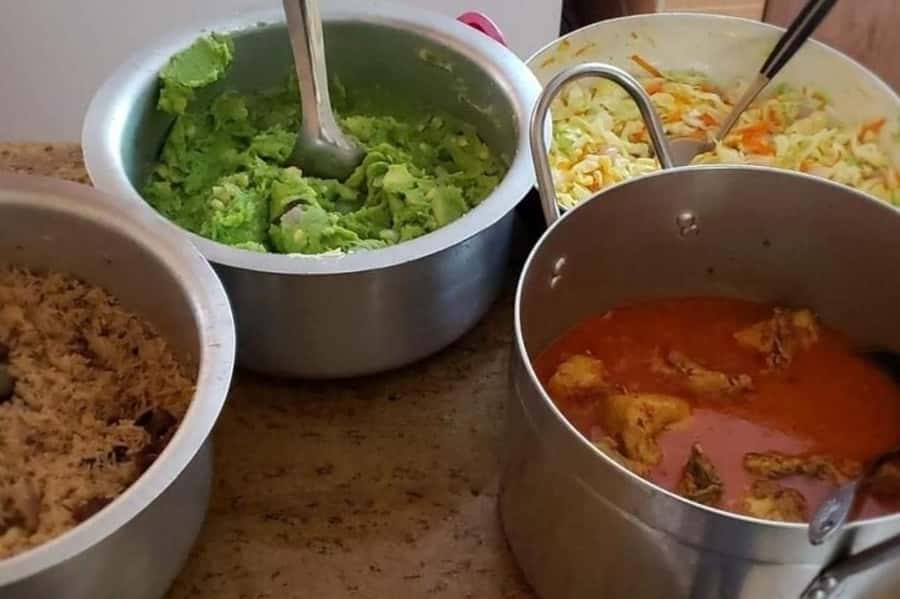
The best part of this Nairobi experience is that you do not simply watch a cooking show. You shop for the ingredients first, then take them to a local home and help prepare a meal from scratch. Ugali, chapati, pilau, and curry-style dishes give you a useful taste of everyday Kenyan cooking.
I like the private format, which keeps the lesson personal, and I like the market stop because it gives the food some context. You see what goes into the meal before you sit down to eat it. The main drawback is the small kitchen: the host may do most of the cooking, so this is a guided home meal rather than a fully hands-on class for every participant.
Key points to know before booking
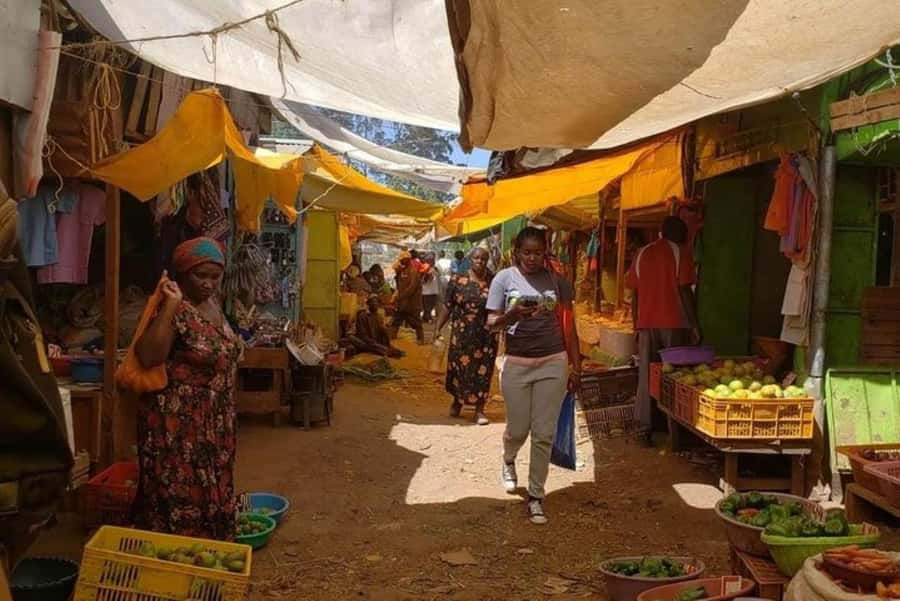
- A market-to-table route: Shop for fresh local supplies before cooking at the host’s home.
- Classic Kenyan dishes: Expect food such as ugali, chapati, pilau, and Kenyan or Indian-influenced curries.
- Private group setting: You receive more direct attention than in a large class, but space limits how much you can cook.
- A real home setting: The lesson takes place in a local residence, with a small kitchen and a personal feel.
- Four hours for $55: Food, fruit, soda, water, and transport to and from the market are included.
- English and Swahili guidance: The named provider is Evaline Mbugua, though some comments refer to the host as Eve or Mary Evelyn, so confirm the host’s name when booking.
Starting at K Mall Komarock
Your meeting point is the K Mall Komarock parking lot. From there, you proceed to a local market before heading to the host’s home.
This arrangement matters. You are not being picked up for a polished food show at a hotel. You need to reach the meeting point yourself, and any Uber costs are not included. Build that into your budget and allow enough time to get there without rushing.
The tour lasts about four hours, but the exact start time depends on availability. Since the class includes both shopping and cooking, the time can pass quickly. If you want a relaxed meal and plenty of conversation, avoid treating this as a quick stop between tightly scheduled sightseeing plans.
The group is private, which is one of the stronger features here. You can ask about ingredients, cooking methods, or Kenyan food customs without competing with a large crowd. It also makes the visit better suited to couples, families, and small groups who want a personal activity.
More market cooking classes in Kenya:
- Traditional Kenyan Cooking Class & Local Market Tour
★ 5.0 · 129 reviews - Authentic Kenyan Cooking Class & Market Tour in Nairobi
★ 5.0 · 12 reviews - Local Market Tour and Traditional Meal Cooking Class
★ 5.0 · 4 reviews
Reading a Nairobi market through food
The market visit is not just a shopping errand. It is the first part of the cooking lesson.
You help source fresh local ingredients for the meal. The exact market and ingredient list are not specified, so you should not expect a fixed food itinerary with every dish guaranteed in advance. Instead, think of the stop as a chance to see how a home cook selects supplies for the day’s meal.
That practical angle is valuable. A plate of ugali or chapati can seem simple when it arrives at the table. Buying the ingredients first helps you understand the work behind it. You see the connection between the market, the kitchen, and the finished meal.
The market also gives you a look at ordinary food shopping in Nairobi. This is different from visiting a restaurant that has already separated the food from its source. The experience begins with everyday ingredients, then follows them into a private kitchen.
You will want comfortable clothing and shoes for this section. No special equipment is listed, but a market is an active part of the tour rather than a quiet indoor introduction.
From fresh supplies to the host’s kitchen
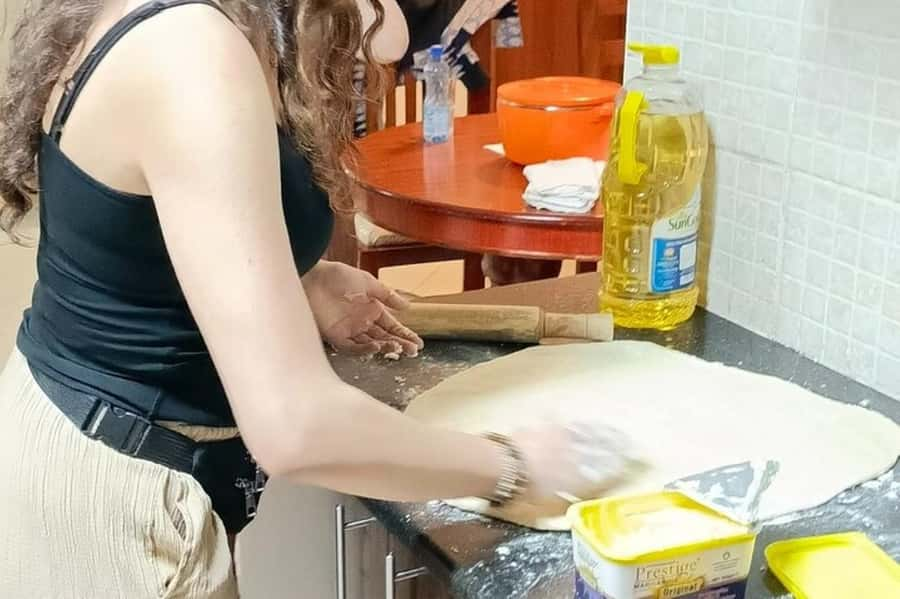
After shopping, you go to the host’s home and begin preparing the meal. The cooking starts from scratch, with the host explaining the process and giving you chances to help.
The home setting is central to the experience. You are not learning in a large culinary studio with several workstations. The kitchen is small, and the host does most of the cooking because of the limited space. That point deserves attention when you decide what kind of class you want.
If you want a formal lesson where each person prepares a separate dish, this may feel limited. You will probably watch some steps rather than perform every one. On the other hand, the smaller setting can feel more personal. You get close guidance, direct conversation, and a better sense of how these dishes are prepared in an ordinary home.
One especially useful part is the chance to help make chapati. This flatbread requires attention to the dough and cooking process, and it gives you a hands-on task even if the host handles much of the meal. You may also help with other preparations, depending on the kitchen space and the day’s menu.
The experience is not presented as a professional chef course. It is a cultural food lesson led by a local host. I would book it for the chance to watch, ask questions, and take part, not for technical kitchen training.
Ugali, chapati, pilau, and curry
The meal brings together several foods associated with Kenyan home cooking.
Ugali is a cornmeal staple, often served as a filling base for other foods. Preparing it can teach you how a basic ingredient becomes a central part of a meal. The method may look straightforward, but the texture and timing matter.
Chapati is the flatbread that gives you one of the clearest chances to participate. It is also a good example of the Kenyan and Indian influences mentioned in the experience. You learn by watching the host handle the dough and by helping where space allows.
Pilau adds another layer to the meal. It is a seasoned rice dish and fits naturally with the tour’s Kenyan and Indian influences. Curries may also be included, although the exact dishes are not promised for every booking.
This variety makes the class more useful than a single-dish demonstration. You get a sense of different textures and cooking styles: a firm staple, a flatbread, seasoned rice, and sauce-based food. The menu also means you can compare what is familiar to you with what is part of Kenyan home cooking.
Food is included, along with fruit, soda, and water. That makes the price easier to judge because you are paying for a meal as well as the market visit, instruction, private setting, and transport to and from the market.
More cooking classes in Kenya:
- Nairobi Traditional Cooking Classes and Local Market Visit
★ 5.0 · 2 reviews - Hanoi Cooking Class: Culture, Local Market & Meaning CSR Impact
★ 5.0 · 5,147 reviews - 5 Traditional Dishes Hanoi Cooking Class with Market Trip
★ 5.0 · 4,890 reviews - Cooking Class and Lunch at a Tuscan Farmhouse with Local Market Tour from Florence
★ 5.0 · 4,831 reviews
What the small kitchen changes
The small kitchen is both a strength and a limitation.
It creates a more intimate atmosphere. You are close to the host and can follow the process without standing in a large classroom. Conversation becomes part of the activity, and one comment describes preparation together on the sofa while talking about daily life. That detail points to the social side of the visit: the meal is not separated from the person who is making it.
But limited space means not everyone can work at once. The host may prepare most of the food while you assist with selected steps. If your top priority is constant hands-on cooking, ask how much participation is possible for your group before you commit.
I would also keep an open mind about the pace. Home cooking does not always follow a tidy class schedule. The market, preparation, cooking, eating, and conversation all share the four-hour window. That can be a pleasure if you want a human-scale experience. It may frustrate you if you want rapid instruction and a precise timetable.
The private format helps here. With only your party, the host can adjust the conversation and involve you when there is room. A large class might offer more physical workstations, but it would lose some of the direct contact that makes this visit appealing.
The host and the personal side of the visit
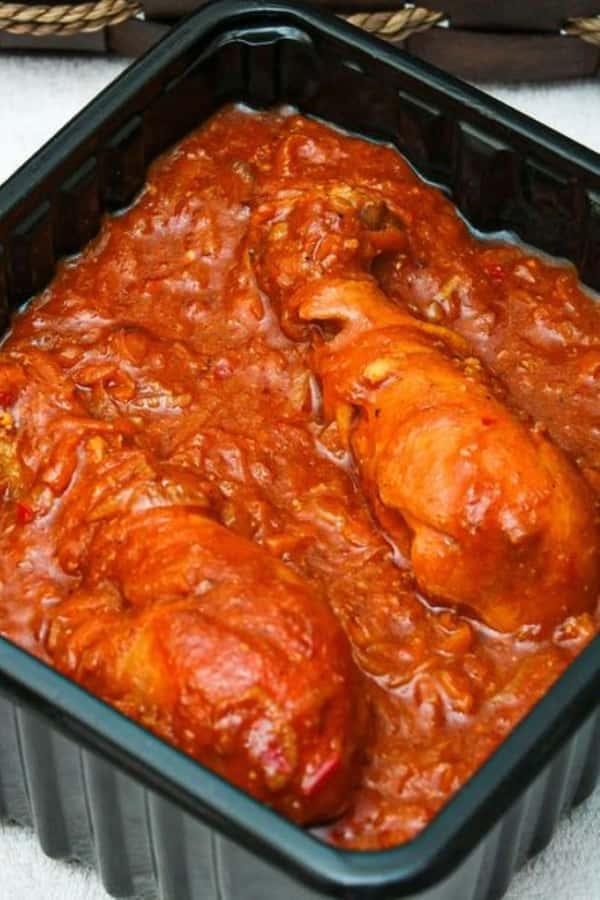
The experience provider is listed as Evaline Mbugua. The available comments also refer to a host named Eve and to Mary Evelyn. These names may refer to the same person, but the details are not fully consistent, so I recommend confirming the host’s name when you book.
The important point is the personal teaching style. English and Swahili are offered, so you can communicate in English while also hearing local language used in the home and market setting. The experience is not built around a recorded audio guide or a large demonstration. You have a live host who explains the food and shows you the process.
The personal exchange is a major part of the value. One account describes learning about Kenyan culture through the host, while another focuses on the chance to talk about everyday life during the preparation. Those details suggest that you should come ready to ask questions, not simply take photos and wait for lunch.
The class can also work well for someone who wants a gentle introduction to Kenyan culture. Food provides an easy way into larger subjects such as family routines, ingredients, local shopping, and the influence of Indian cooking on Kenyan dishes.
What $55 covers, and what it does not
At $55 per person, the four-hour experience offers fair value if you use all of its parts.
You are paying for a market visit, private instruction, ingredients, the meal, fruit, soda, water, and transport to and from the market. That is a useful package, especially for a small private group. The food alone is not the whole point. You are also paying for access to a local home and for the host’s time.
The price is less attractive if you want a polished cooking school with extensive equipment and a full workstation for each person. This is a home experience, and the small kitchen is part of what you are buying. You receive cultural contact and a shared meal rather than a professional culinary certificate.
Uber fees are excluded. You should plan your own transport to the K Mall Komarock meeting point and check how you will return afterward. The included transport applies to the market portion, not every journey connected with the tour.
Food, soda, fruit, and water are included, so you should not need to budget separately for refreshments during the activity. The description does not specify dietary accommodations, so ask about allergies, vegetarian needs, or other restrictions before booking.
Who will enjoy this most
I would recommend this activity to you if you want to meet a local host, see a food market, and eat a homemade meal in one outing. It is particularly suitable for people who value conversation and cultural context as much as cooking technique.
It also suits couples and small private groups. The format lets you share the experience without being placed in a large class. Families may enjoy it too, especially if children are interested in food, though the small kitchen may limit how many people can help at the same time.
This may not be the right choice if you need a highly structured class. You will not necessarily prepare every dish from start to finish. The host handles much of the cooking because of the available space.
It is also not ideal for a very tight Nairobi schedule. The four-hour duration does not include the time you need to reach the meeting point, and the market and home portions can make the day feel full. Give yourself room before and after the activity.
Booking details that matter
You can cancel up to 24 hours before the activity for a full refund. The reserve-now, pay-later option lets you hold a place without paying immediately, which is useful when your Nairobi plans are still changing.
The tour is offered in English and Swahili. It is a private group experience, and the available rating is 4.8 from six reviews. The strongest praise centers on the authentic market visit, the host’s kindness, the food, and the chance to learn about Kenyan culture through a real home meal.
Because the host name appears in more than one form, confirm that detail before booking. Also confirm the expected dishes if you have your heart set on a particular food such as pilau or curry. Ugali and chapati are specifically highlighted, but the wider menu can vary.
Should you book the Nairobi cooking class?
Book this experience if you want a personal market-to-table visit, a homemade Kenyan meal, and conversation with a local host. The food, drinks, market transport, private group format, and four-hour schedule make $55 a reasonable price for a cultural activity rather than just a restaurant meal.
Skip it if you want a large professional kitchen, constant hands-on work, or a fixed menu with every cooking step assigned to you. The small home kitchen means the host does much of the preparation.
For most people, the best reason to book is the combination of places and activities: market first, home kitchen second, meal at the end. That sequence gives you a clearer picture of Kenyan food than a demonstration alone. Confirm the meeting details, host name, and any dietary needs, then expect a relaxed and personal introduction to Nairobi through what people shop for and cook at home.
FAQ
Where does the tour meet?
The meeting point is the K Mall Komarock parking lot.
How long does the experience last?
The cooking and market experience lasts four hours.
How much does the activity cost?
The listed price is $55 per person.
Is the activity private?
Yes. It is offered as a private group experience for your party.
Which languages are available?
The live guide speaks English and Swahili.
What food might I learn to prepare?
The experience includes Kenyan and Indian-influenced food such as curries, ugali, chapati, and pilau. Ugali and chapati are specifically highlighted, while the exact menu may vary.
Is food included?
Yes. Food, fruit, soda, and water are included.
Is transport included?
Transport to and from the market is included. Uber fees are not included.
Can I cancel for a full refund?
Yes. You can cancel up to 24 hours in advance for a full refund.
Do I have to pay when I book?
No. The reserve-now, pay-later option allows you to book without paying immediately.
More Shopping Tours in Kenya
- Diani: Market and Street Food Walking Tour
★ 4.2 · 6 reviews - Nairobi: Explore Maasai Market for Unique Souvenirs
★ 5.0 · 5 reviews - Nairobi: Maasai Market and Nairobi City Tour
★ 5.0 · 4 reviews - Maasai Market Souvenir Shopping
★ 5.0 · 2 reviews
More Markets in Kenya
- Memorable Daily KIBERA Slums/Toi Market Tour with Locals (2 hours)
★ 5.0 · 29 reviews - Mombasa City Tour,Fortjesus,Oldtown,Tusks and Spice Market.
★ 4.8 · 19 reviews - Half-Day Nairobi National Park and Maasai Market with Pick up
★ 5.0 · 16 reviews - Nairobi: Hop on Hop off and Maasai market Collections Visit
★ 3.5 · 10 reviews
Just added around Kenya
- Nairobi Traditional Cooking Classes and Local Market Visit★ 5.0 · 2 reviews
- Nairobi: Maasai Market and Nairobi City Tour★ 5.0 · 4 reviews
- Nairobi: Hop on Hop off and Maasai market Collections Visit★ 3.5 · 10 reviews
- Nairobi: Explore Maasai Market for Unique Souvenirs★ 5.0 · 5 reviews
- Maasai Market Souvenir Shopping★ 5.0 · 2 reviews
- Local Market Tour and Traditional Meal Cooking Class★ 5.0 · 4 reviews
- Diani: Market and Street Food Walking Tour★ 4.2 · 6 reviews
- Authentic Kenyan Cooking Class & Market Tour in Nairobi★ 5.0 · 12 reviews
Market Cooking Classes, compared.
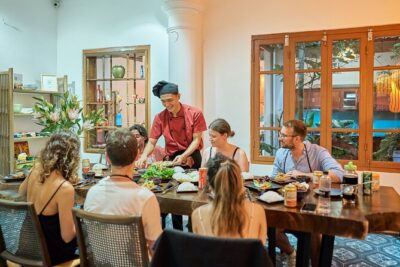
Hanoi Cooking Class: Culture, Local Market & Meaning CSR Impact
Read our review →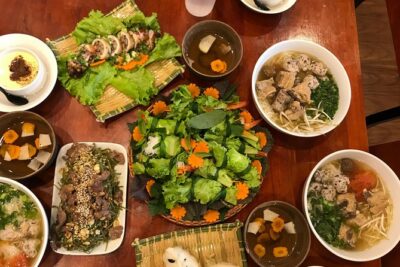
5 Traditional Dishes Hanoi Cooking Class with Market Trip
Read our review →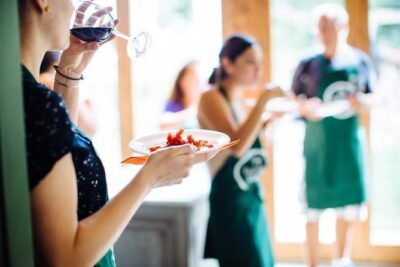
Cooking Class and Lunch at a Tuscan Farmhouse with Local Market Tour from Florence
Read our review →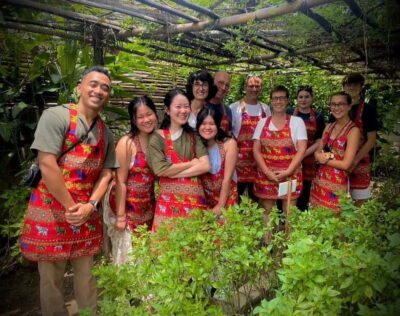
Cooking Class, Market & Thai Herbs Garden Tour
Read our review →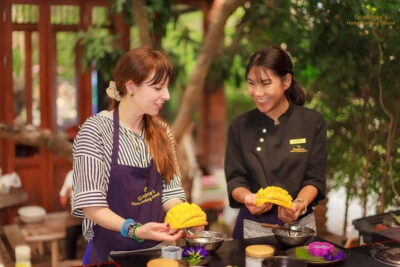
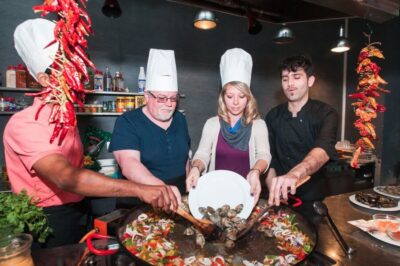
Authentic Cooking Class with Market & Farm Visit
Read our review →
Paella Cooking Experience & Boqueria Market Tour
Read our review →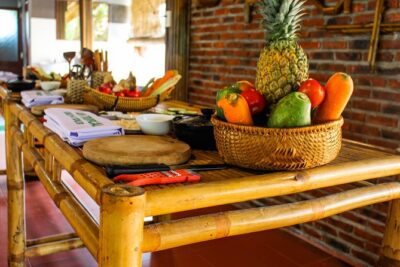
Cooking Class Hoi An:Local Market, Basket Boat, Fishing & Cooking
Read our review →Browse the lists this tour appears in