
Review · NAIROBI
Nairobi: Explore Maasai Market for Unique Souvenirs
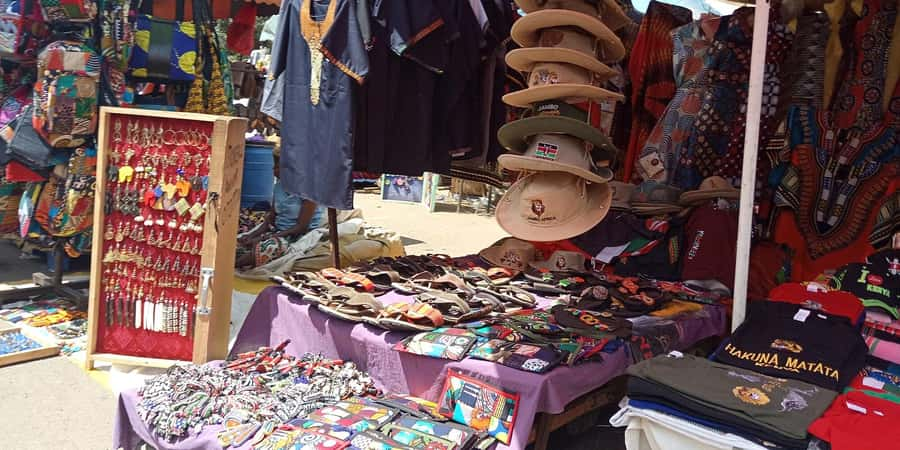
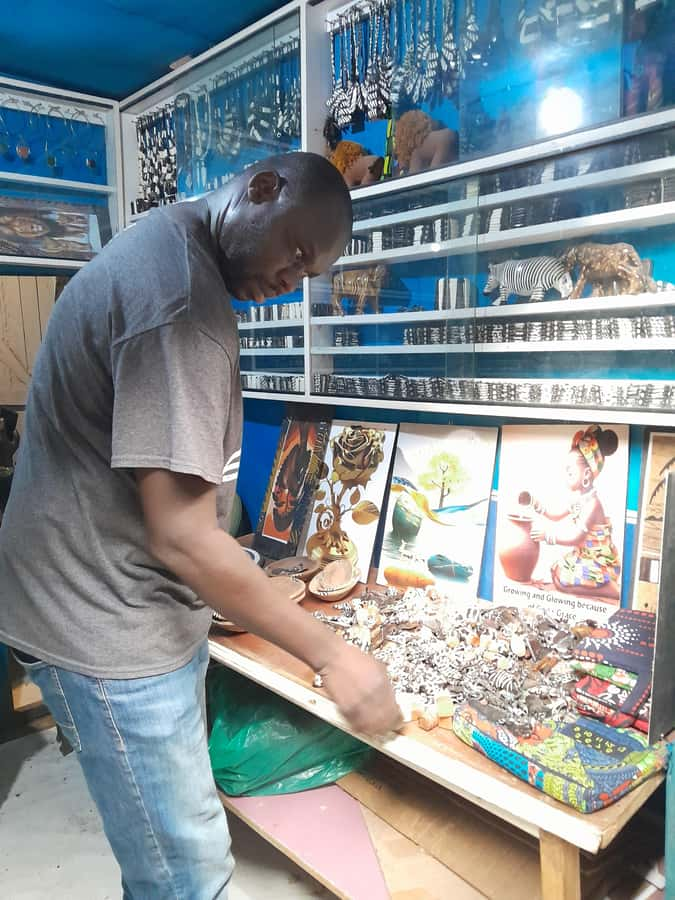
Nairobi’s Maasai Market is not a fixed shop you simply walk into. It shifts location during the week, and that makes a local guide especially useful. Erick, also listed as Eric, helps you find the market, speak with sellers, and judge prices without turning every purchase into a guessing game.
I like two things here: you meet the people who make or sell the crafts, and the $10 price leaves room in your budget for the actual shopping. I also like the flexible plan, which can include gift shops, wholesale craft outlets, and a short city-center walk. The main consideration is time. Two hours passes quickly, especially if you stop to compare carvings, beadwork, textiles, paintings, and jewelry.
Key points at a glance
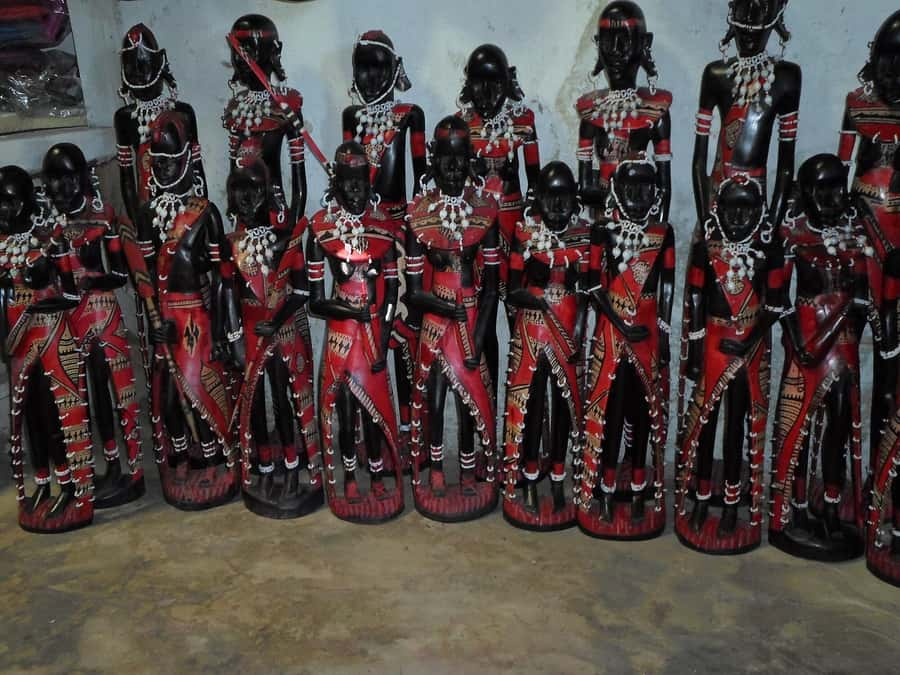
- The market moves: Its weekday location changes, so confirm the day’s exact meeting and market point.
- Bargaining has a guide: You receive help with prices, translation, and spotting better-quality work.
- Shopping is personal: You can meet artisans, local shop owners, and social-impact entrepreneurs.
- The route is flexible: Add gift shops, craft production centers, errands, or a short Nairobi sightseeing walk.
- Bring cash: Some sellers may not accept cards, and purchases are not included in the $10 tour price.
Why a local guide changes the shopping experience
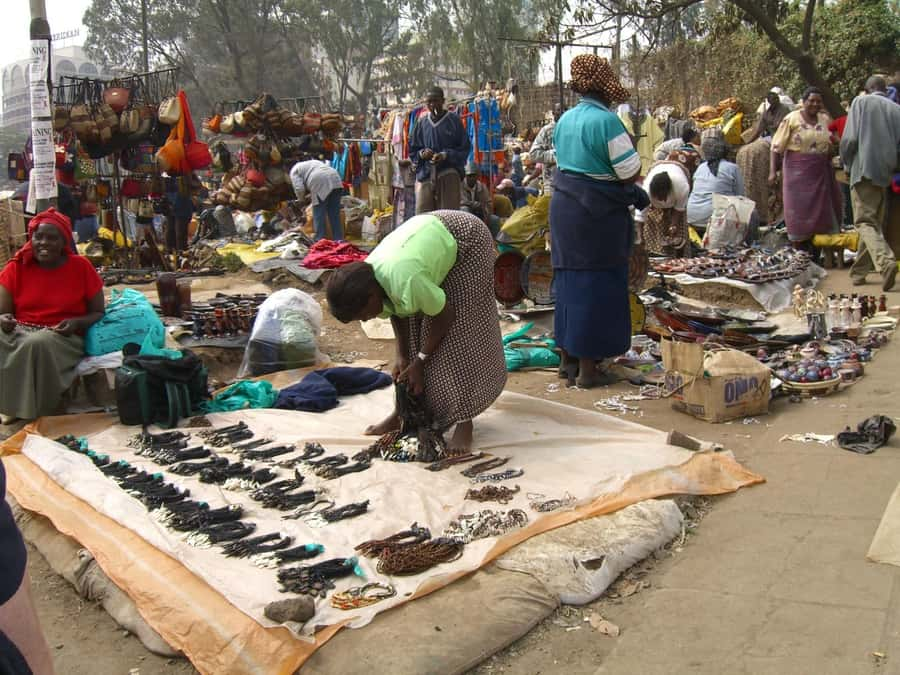
The Maasai Market is a colorful open-air craft market, but it is not a quiet gallery. Sellers approach you, several prices may be offered for similar goods, and the best purchase is not always the first one you see. A guide gives you a calmer way to look around.
Your guide can translate, explain how an item was made, and help you decide if the quality matches the asking price. That matters most when you are buying carved objects, beadwork, jewelry, or textiles. You are not simply paying for directions. You are paying for context and help with the parts of market shopping that can feel awkward.
I also like the direct contact with local makers and small businesses. The experience includes craft shops and social-impact entrepreneurs, not only stalls aimed at quick souvenir sales. That gives you a better chance to spend money with people involved in the work itself.
The tour is conducted in English. Past bookings were especially positive about the guide’s care, reliability, and ability to adjust the route. Two women from Germany felt secure with Erick, who prepared them for what to expect and responded to their wishes. That kind of support is useful if you are new to Nairobi or simply prefer not to shop alone.
More market shopping trips in Kenya:
- Maasai Market Souvenir Shopping
★ 5.0 · 2 reviews - Hanoi: Handcrafted Wood Carving Workshop with Local Artisan
★ 5.0 · 733 reviews - Marrakesh: Guided Souk Shopping Tour with a Local Guide
★ 4.9 · 651 reviews
Starting at Hilton Arcade and Mama Ngina Street
The stated meeting point is Hilton Arcade along Mama Ngina Street in central Nairobi. The route information also names Bata as the starting and return point, so I would confirm the exact meeting place when you book. That small check is worth making because the market itself changes location during the week.
From the central meeting area, you begin on foot. The walk takes you through city-center shopping areas before reaching the main market stop. The supplied timing lists an overall duration of two hours, but another route entry contains unusually long walking and market figures that do not fit that duration. Use the two-hour length as the practical guide and expect the schedule to be adjusted around your shopping interests.
This is a walking activity, so comfortable shoes matter. A hat and sunscreen can help on sunny days, while a light jacket is sensible when the weather is cooler. You are outdoors and moving between shops and market areas rather than sitting in a vehicle.
First stop: Nairobi’s local gift and craft shops
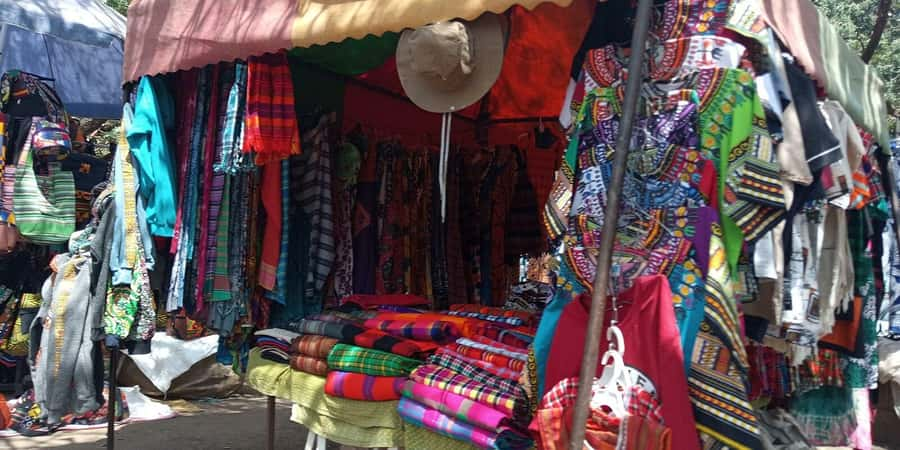
The first part of the experience takes you to city-center gift and craft shops. These stores give you a useful comparison before you reach the open-air market. You might see similar types of jewelry, carvings, paintings, beadwork, or textiles in a more settled setting.
That comparison helps with price and quality. If you find a bracelet or carved piece at the market, you can better judge it after seeing related goods elsewhere. The guide can also point out differences in materials, finish, and workmanship.
The shops are not just filler before the Maasai Market. They introduce you to smaller retailers and local businesses, including people involved in handmade production. If you are buying several gifts, this first stop may help you narrow your list before the louder market section begins.
The flexible format is a real benefit here. You can say what interests you. If you want jewelry, the guide can give that more attention. If you prefer textiles, carvings, or paintings, you can focus your time there instead of being pushed through a fixed shopping route.
The Maasai Market: what the main stop feels like
The market is the central part of the tour. It is an open-air gathering of vendors and artisans selling handmade goods, and the selection can be broad. Expect jewelry, textiles, carvings, paintings, and beadwork, with many variations in style and price.
The market may operate in different places on different weekdays, while the weekend arrangement is different again. One person who used this tour specifically pointed out that the market moves each day except on weekends. That is why an informed guide is more useful than a map pin copied from an old travel post.
You will have time to browse, but do not expect an endless shopping session. The listed market visit is part of a two-hour activity, and the route may also include other shops or a short city walk. If you already know you want to buy several large pieces, tell the guide early so the pace can match your plans.
Sellers may approach you closely. That is normal for this kind of market, but it can feel intense if you are used to fixed-price stores. Be polite, keep your belongings secure, and do not let friendliness pressure you into buying something you do not want.
A few more market tours around Kenya worth a look
- Traditional Kenyan Cooking Class & Local Market Tour
★ 5.0 · 129 reviews - Memorable Daily KIBERA Slums/Toi Market Tour with Locals (2 hours)
★ 5.0 · 29 reviews - Mombasa City Tour,Fortjesus,Oldtown,Tusks and Spice Market.
★ 4.8 · 19 reviews - Half-Day Nairobi National Park and Maasai Market with Pick up
★ 5.0 · 16 reviews
Bargaining without turning it into a battle
Bargaining is one of the most useful skills this tour offers. Your guide can help you understand the price, translate when needed, and suggest a sensible response. The point is not to force a seller into the lowest possible figure. It is to reach a price that feels fair while respecting the work behind the object.
A smile and good manners go a long way. One account of the experience described the sellers as friendly but persistent, with the advice to respond with a smile and politeness. That is good market etiquette anywhere, and it keeps the exchange enjoyable.
I would decide your budget before you start. Carry enough cash for the purchases you hope to make, but do not display all of it. Not every vendor accepts cards, and the tour price covers the guide rather than your souvenirs.
The guide can also help you avoid buying an item simply because the first offer sounds cheap. A low price may reflect a different material, a rougher finish, or a mass-produced piece. Ask about the origin and production of anything important to you. The tour is designed to help you identify genuine local craftsmanship and support direct trade where possible.
Meeting artisans and finding the story behind a souvenir
A souvenir becomes more meaningful when you know who made it and how it was produced. This activity gives you a chance to speak with artisans and entrepreneurs working in the handmade sector. You can ask about materials, methods, and the cultural meaning attached to certain designs.
The guide helps bridge the language gap, which makes those conversations easier. You are not left to point at an object and hope for an answer. The result is a better chance of understanding what you are buying.
The experience also visits other craft production and selling centers if you want more shopping after the main market. One route may include a wholesale shop where local small retailers purchase their stock. That can be an interesting stop if you want lower prices or a wider selection, although wholesale pricing does not automatically mean every item is handmade.
I would ask clear questions and listen closely. If a seller explains that a piece is made locally, ask what part of the work is done locally and whether the materials are sourced nearby. The guide’s role is especially helpful when you want to spend carefully rather than simply fill a suitcase.
What $10 buys you in practical value
At $10 per person, this is a low-cost guided activity. The value depends on how much help you want with market shopping. If you are comfortable bargaining, navigating central Nairobi, and comparing prices on your own, you may prefer to go independently. But the guide can save time and reduce uncertainty.
You receive a guided walk through local gift and craft shops, a visit to the Maasai Market, bargaining help, translation support, quality advice, and access to a route that can be adjusted around your interests. You can also add a short city-center sightseeing walk or ask for help with an errand in town.
The price does not include the souvenirs. That is important because it is easy to spend far more on goods than on the tour itself. Set a total shopping budget before you arrive, especially if you are buying gifts for several people.
The strongest value comes if you plan to shop seriously. A single good purchase, made with clearer information and less stress, can make the guide fee worthwhile. If you only want to look for ten minutes, the two-hour booking may feel less useful.
Handling large purchases and personal safety
The guide can help carry heavy or bulky purchases, which is a practical touch. Carvings, framed art, and larger textiles can be awkward to manage while walking through a city market. Ask for help before buying something difficult to transport.
Keep your bag closed and your phone secure in crowded areas. The activity information specifically warns about pickpockets, so use the same basic care you would in any busy shopping district. Carry only the cash you need for the outing and avoid leaving valuables in easy-to-reach pockets.
Respect matters here. Ask before photographing artisans or their workspaces, and do not treat people as part of the scenery. A calm, courteous approach makes bargaining and conversation better for everyone.
Smoking, alcohol in a vehicle, food in a vehicle, and littering are not allowed. The tour is mainly on foot, but these rules are still part of the activity terms.
Who will get the most from this tour
This is a good fit if you want authentic gifts but do not enjoy negotiating alone. It also suits anyone visiting Nairobi for a short time who wants shopping combined with a small amount of local conversation and city sightseeing.
First-time visitors may appreciate the help with the moving market location. Solo shoppers and small groups may also value the extra confidence that comes from having someone explain prices and customs. The positive experiences from Germany and Switzerland put particular emphasis on the guide’s reliability, care, and willingness to follow personal wishes.
You may want a different plan if you dislike open-air markets, persistent sales approaches, or flexible timing. This is not a polished museum visit or a fixed-price retail tour. It is a social shopping experience, and some patience is part of the bargain.
Booking details worth checking before you go
The activity lasts two hours and is led in English. It offers free cancellation up to 24 hours before the start, and you can reserve now and pay later if that option is available at booking.
Confirm the exact starting point because the information names Hilton Arcade along Mama Ngina Street and also uses Bata as the route start and finish. Also confirm where the Maasai Market will be located on your chosen day. The market’s changing weekday location is one of the tour’s defining practical details.
Wear walking shoes, bring cash, and prepare for changing weather. Most importantly, tell the guide what you want to buy. The more specific you are, the easier it will be to shape the two-hour route around your interests.
Should you book the Maasai Market experience?
Book it if you want handmade Kenyan souvenirs and would like help with bargaining, translation, quality checks, and finding a market that may shift location. The $10 fee is especially good value for serious shoppers and for anyone who wants a safer, less confusing introduction to Nairobi’s craft trade.
Skip it if you prefer to browse silently in fixed-price shops or if you have only a few spare minutes. For everyone else, this offers a practical way to meet local sellers, compare goods, and take home items with a clearer sense of their price and story.
FAQ
How long does the Maasai Market tour last?
The activity lasts two hours.
How much does the experience cost?
The listed price is $10 per person. Souvenir purchases are not included.
Where is the meeting point?
The meeting point is Hilton Arcade along Mama Ngina Street. The route information also mentions Bata, so confirm the exact starting point when booking.
Is the tour conducted in English?
Yes. The live guide language is English.
Does the tour include help with bargaining?
Yes. The guide offers local bargaining tips, translation help, price guidance, and assistance with quality checks.
Can I meet the people who make the crafts?
Yes. The experience includes opportunities to meet local artisans, craft sellers, and social-impact entrepreneurs.
Does the market stay in one location?
No. The Maasai Market moves during the week, while its weekend arrangement differs. Confirm the location for your chosen day.
Should I bring cash?
Yes. Cash is recommended because not all vendors may accept credit cards.
What should I wear and bring?
Wear comfortable shoes for walking. A hat and sunscreen may help in sunny weather, and a light jacket can be useful when it is cooler. Keep your belongings secure in crowded areas.
More Shopping Tours in Kenya
- Authentic Kenyan Cooking Class & Market Tour in Nairobi
★ 5.0 · 12 reviews - Nairobi: Hop on Hop off and Maasai market Collections Visit
★ 3.5 · 10 reviews - Market Tour and Traditional Kenyan Cooking Class in Nairobi
★ 4.8 · 6 reviews - Diani: Market and Street Food Walking Tour
★ 4.2 · 6 reviews
Just added around Kenya
- Nairobi Traditional Cooking Classes and Local Market Visit★ 5.0 · 2 reviews
- Nairobi: Maasai Market and Nairobi City Tour★ 5.0 · 4 reviews
- Nairobi: Hop on Hop off and Maasai market Collections Visit★ 3.5 · 10 reviews
- Market Tour and Traditional Kenyan Cooking Class in Nairobi★ 4.8 · 6 reviews
- Maasai Market Souvenir Shopping★ 5.0 · 2 reviews
- Local Market Tour and Traditional Meal Cooking Class★ 5.0 · 4 reviews
- Diani: Market and Street Food Walking Tour★ 4.2 · 6 reviews
- Authentic Kenyan Cooking Class & Market Tour in Nairobi★ 5.0 · 12 reviews
Market Shopping Tours, compared.
Handcrafted Wood Carving Workshop with Local Artisan
Read our review →
Shopping in the Souks of Marrakech Private Tour
Read our review →
Local Markets & Khan el Khalili Private Shopping Tour
Read our review →
Pierogi Cooking Class with Market Shopping and Local Snacks
Read our review →
Exclusive Private Shopping Adventure in The souks
Read our review →Browse the lists this tour appears in