
Review · NAIROBI
Maasai Market Souvenir Shopping
Nairobi’s Maasai Market is easier to enjoy when you have someone beside you who knows how local bargaining works. Jack helps you compare prices, check the quality of handmade goods, handle language gaps, and carry the heavier purchases. I like that he can adjust the outing for gift shopping, bulk orders, or a closer look at local craft businesses. I also like the direct social purpose behind the fee, which supports education for orphans and vulnerable children.
The main consideration is that this is a flexible shopping walk, not a fixed museum-style tour. The exact mix of shops and market stops can change with your interests, and you should confirm the precise meeting point because the details refer to both the KICC front entrance and the KICC helipad.
Key points at a glance
- A practical bargaining partner: Jack helps you judge when a price is fair and negotiate without turning every purchase into a contest.
- More than one market stop: The route begins with city-centre gift shops before moving to the open-air Maasai Market.
- Useful for serious shopping: Jack can assist with bulk buying, personalised items, and possible links with local artisans or social enterprises.
- A personal social mission: Booking fees help pay school fees and provide supplies for orphans and vulnerable children through Jack’s community work.
- Flexible timing and interests: The three-hour plan can include extra craft centres, city sightseeing, or errands if you want to adjust the outing.
- English-speaking guidance: The tour is conducted in English, with help available for communication during purchases.
Why a guide matters at Nairobi’s Maasai Market
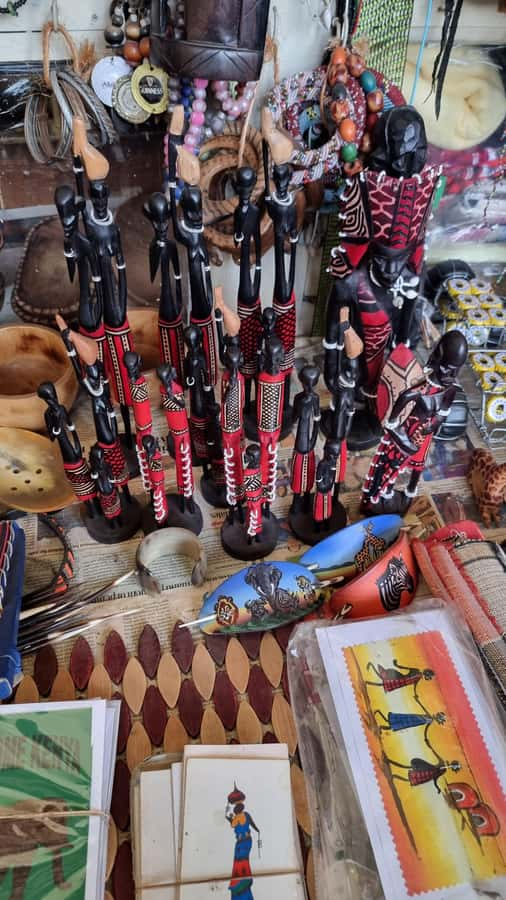
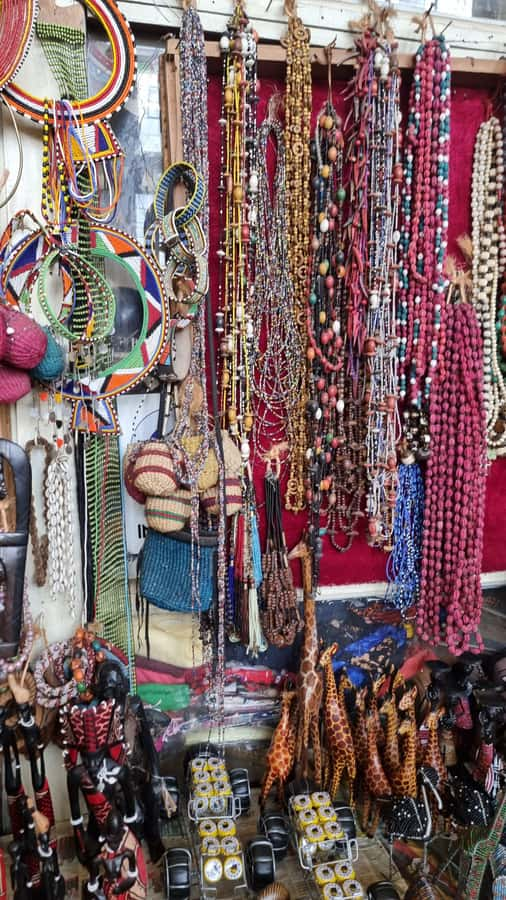
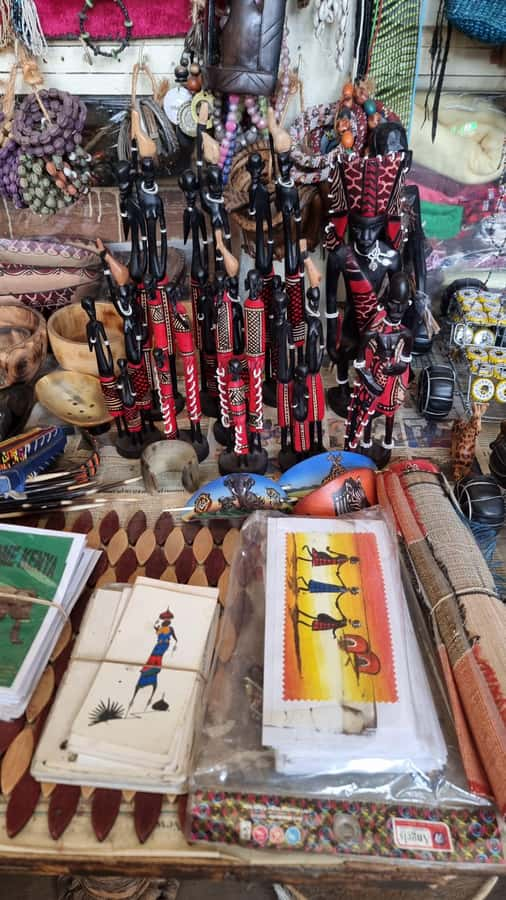
The Maasai Market is a place to look, compare, ask questions, and bargain. It is not simply a row of souvenir shelves with fixed prices. You may see handmade gift items, curios, and other Kenyan handicrafts offered by different artisans and vendors, with prices that can vary from one seller to the next.
That can be fun, but it can also make shopping tiring. If you are not sure how to negotiate, you may pay more than necessary or feel uncomfortable pushing back. Jack’s role is practical: he helps you discuss prices, identify fair deals, and avoid confusion when communication becomes difficult.
I especially like that his help is not limited to bargaining. He also offers quality checking, which matters when you are buying handmade goods for yourself, friends, or family. A colourful item can look good at first glance, but you may still want to check its finish, construction, and condition before paying.
For a first visit to Nairobi, this support can help you spend less time worrying about the buying process and more time deciding what you actually want. Still, you should remember that bargaining remains part of the experience. Jack can guide you, but the final choice and price are yours.
More market shopping trips in Kenya:
- Nairobi: Explore Maasai Market for Unique Souvenirs
★ 5.0 · 5 reviews - Hanoi: Handcrafted Wood Carving Workshop with Local Artisan
★ 5.0 · 733 reviews - Marrakesh: Guided Souk Shopping Tour with a Local Guide
★ 4.9 · 651 reviews
Meeting Jack at KICC
The planned starting point is the Kenyatta International Conference Centre, usually referred to as KICC, in central Nairobi. The description gives the KICC front entrance as the meeting place, while the itinerary identifies the KICC helipad. Confirm the exact point with Jack before setting out so you are not searching around the complex.
The outing begins with a short introduction and a briefing about the plan. This is a useful moment to explain what you want to buy. Tell Jack if you are looking for small gifts, larger decorative pieces, customised handmade items, or products in quantity for a business or organisation.
This first conversation matters because the experience is deliberately flexible. You are not locked into one narrow shopping list. You can focus on souvenirs, ask to meet artisans, explore craft production and selling centres, or include a short city-centre walking tour afterward.
The listed duration is three hours. That is enough time for a focused shopping outing, but it can pass quickly if you spend a long time comparing goods or negotiating several purchases. If you already know you want a large order or several types of products, tell Jack early so he can shape the route around your priorities.
Starting with Nairobi city-centre craft shops
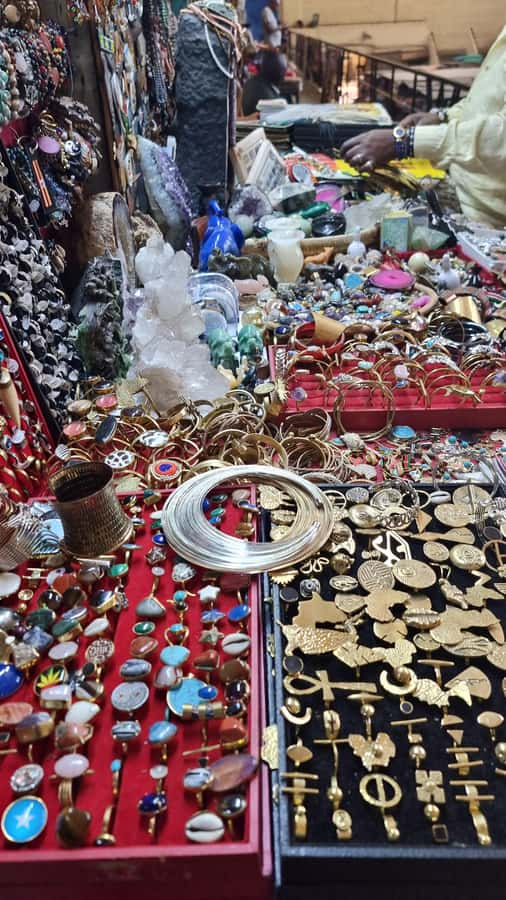
Before reaching the Maasai Market, Jack takes you to some gift and craft shops in the city centre. This opening section gives you a useful price and quality reference point before you enter the larger open-air market.
You might find that a shop suits you better for a particular item, while the market offers more choice and a livelier buying experience. Comparing both settings can help you make a more informed decision instead of buying the first attractive object you see.
These shops are also helpful if you want a more targeted purchase. Someone looking for a personalised handmade gift, a business order, or a specific type of craft may prefer to discuss the item with a shop or artisan before negotiating in the market.
The available information does not promise a fixed list of shops or specific products, so you should treat this part as adjustable. That is a benefit if you have a clear interest, but it also means you should not expect a tightly scripted series of named stops.
Entering the open-air Maasai Market
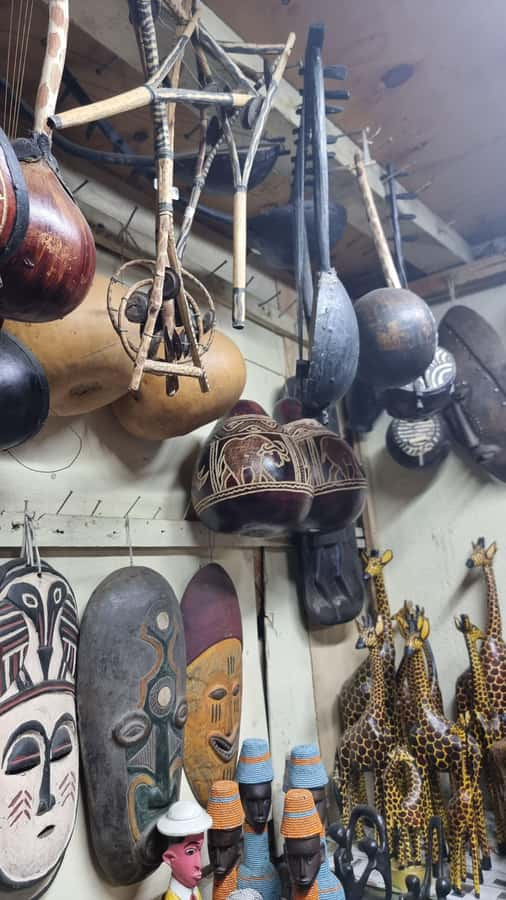
The main shopping stop is Nairobi’s Maasai Market, described as a large open-air market with many artisans and vendors. The attraction is the range of handmade goods and the chance to buy directly in a market setting rather than from a standard souvenir counter.
You can take time to look at the work, compare similar pieces, and decide which items feel right for your budget and luggage. If you are buying presents, it helps to think about size, weight, and how easily an object can travel before you agree to a price.
Jack’s help becomes most useful here. He can assist with communication, check the condition of items, and help negotiate prices so you have a clearer idea of what represents a fair local payment. One verified booking described his help with bargaining as a major reason to take the tour, especially for someone who already enjoys haggling but wants reassurance during the process.
That is a useful distinction. Jack is not there simply to bargain as aggressively as possible. The aim is to help you pay a regular or fair price while avoiding confusion. If you enjoy negotiating, you can remain involved. If you dislike bargaining, he can take more of the pressure.
The market may also suit shoppers who want more than a single keepsake. Jack can help with bulk buying and with enquiries about partnerships involving local artisans or social enterprises in the handmade sector. The experience does not promise that every order can be completed on the spot, but it gives you a local contact for exploring those possibilities.
A few more market tours around Kenya worth a look
- Traditional Kenyan Cooking Class & Local Market Tour
★ 5.0 · 129 reviews - Memorable Daily KIBERA Slums/Toi Market Tour with Locals (2 hours)
★ 5.0 · 29 reviews - Mombasa City Tour,Fortjesus,Oldtown,Tusks and Spice Market.
★ 4.8 · 19 reviews - Half-Day Nairobi National Park and Maasai Market with Pick up
★ 5.0 · 16 reviews
Quality checks, language help, and carrying purchases
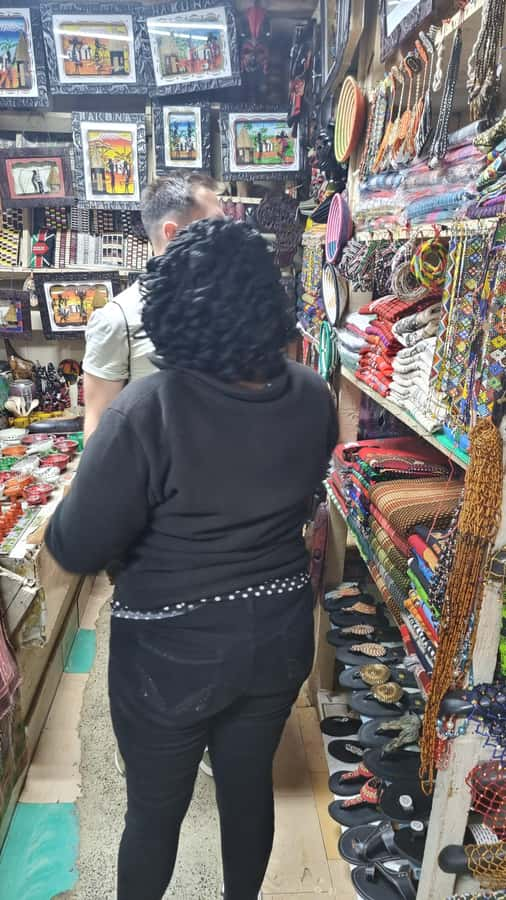
A guide for a shopping trip earns his fee through small practical services, and this outing includes several that can make a real difference.
Language support is one. The tour is conducted in English, and Jack helps you communicate during purchases where needed. That can make it easier to ask about an item, discuss a price, or explain a customised request.
Quality checking is another. You can ask for help examining handmade goods before buying. Since the experience covers curios and handicrafts rather than only factory-made products, quality may vary from one item to another. A second pair of eyes is useful, particularly if you are shopping for a business, ordering several pieces, or buying a gift that needs to hold up during the journey home.
Then there is the simple matter of carrying things. Souvenirs can become awkward once you have several bags, and Jack offers to help carry heavier purchases during the outing. This is a modest service, but it lets you keep looking without being weighed down by everything you bought earlier.
You should still plan your purchases sensibly. The information provided does not include shipping, packing, or luggage arrangements, so ask about those matters if you are buying large or heavy items.
Adding craft centres, sightseeing, or errands
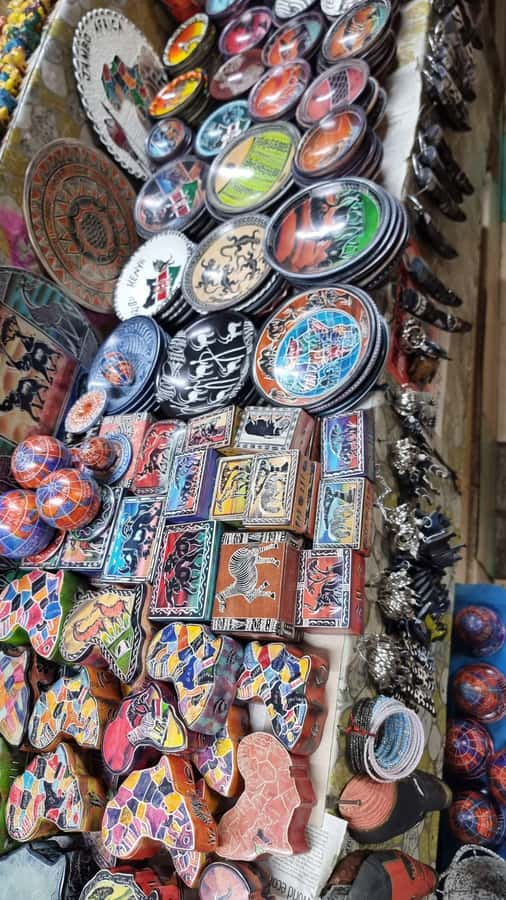
After the Maasai Market, you can decide if you want to continue shopping or explore other craft production and selling centres. This option is particularly useful if you have not found the right item yet or if you want to learn more about how handmade goods reach the market.
You can also request a short walking tour and sightseeing in the city centre after the shopping. The experience does not give a fixed list of sights, so think of this as a flexible add-on rather than a full Nairobi sightseeing tour.
Jack also says he can help with errands in town. That makes the outing useful for someone with a practical task to complete, not just someone searching for souvenirs. You will need to discuss the errand and timing with him in advance, since the standard experience lasts three hours and the route can change according to your plans.
One verified booking is especially useful here: a guest booked at the last minute after discovering they had an entire day in Nairobi, and Jack adapted the outing into a much fuller local experience. That suggests flexibility is one of the strongest reasons to contact him if your schedule changes. It does not mean every booking automatically becomes a full-day tour, so agree on the extra time and plan before you begin.
The social purpose behind the $35 price
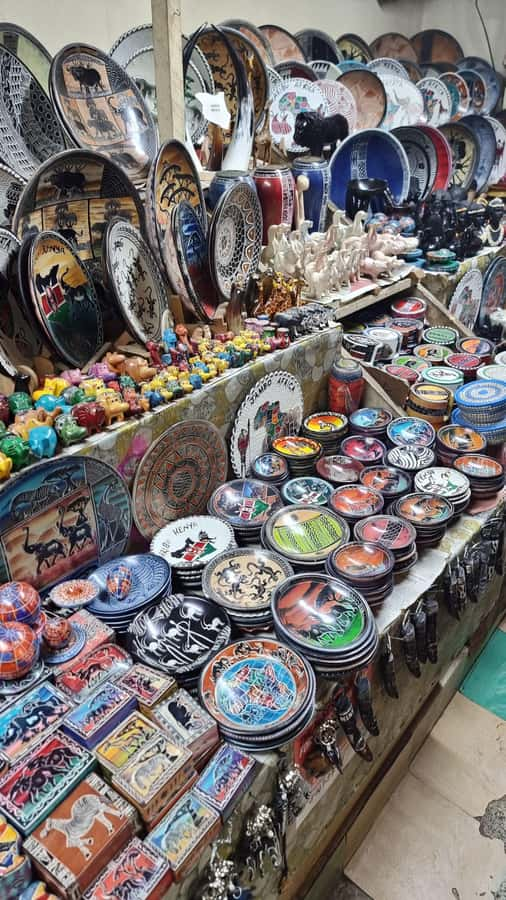
The price is $35 per person for three hours. On a basic calculation, you are paying for a guide who accompanies you through several shopping areas and helps with negotiation, communication, quality checks, and carrying purchases.
The value depends on how much help you want. If you are comfortable shopping alone, speak easily with vendors, and already know the market, you may prefer to keep your money for purchases. If you are new to Nairobi or feel uncertain about bargaining, the support can be worth more than a standard guided walk because it directly affects the buying process.
There is another part of the value. Jack works as a social entrepreneur, social worker, and volunteer, with a focus on education for orphans and vulnerable children. He works with OAC Kenya, a tours and crafts social enterprise, and KCOOP, a community-based organisation.
Booking fees help with school fees and school supplies for children in his community. Jack’s motivation is personal: he lost both parents at age nine and grew up as a total orphan. His work now includes linking volunteers with charity schools and orphanages.
You should not treat the booking as a donation alone. You are still paying for a three-hour shopping service, and you should judge the tour by what you need from that service. But the social purpose gives the fee an added benefit, especially if you prefer spending with a local operator whose work supports a specific community goal.
Jack is also seeking partnerships with like-minded individuals, enterprises, and organisations. If you represent a business or group interested in handmade products or community projects, this experience may open a useful conversation beyond ordinary souvenir shopping.
Who should book this shopping experience?
I would consider this a good match for several kinds of visitors:
- You want Kenyan handicrafts but are unsure how to bargain.
- You need help comparing quality and prices.
- You are carrying home several or heavy souvenirs.
- You want personalised or customised handmade items.
- You are exploring bulk buying or artisan partnerships.
- You have limited time in Nairobi and want shopping combined with a little city walking.
- You prefer supporting a local social enterprise with a clear community purpose.
It may be less suitable if you want a fixed sightseeing route, a formal art tour, or a quiet shopping environment with set prices. The open-air market setting is part of the point, and bargaining is part of the process.
You should also be clear about your priorities before meeting Jack. Decide if you want a few small presents, a special handmade piece, a larger order, or simply a look at Nairobi’s craft trade. The more specific you are, the easier it will be to use the three hours well.
Practical details before you go
The tour is in Nairobi County and lasts three hours. Jack guides in English. The listed meeting information should be confirmed because it refers to both the KICC front entrance and the KICC helipad.
The experience allows free cancellation up to 24 hours before the start time, with a full refund, and you can reserve while paying later. Check the available starting times when booking, since the schedule is not fixed in the information provided.
Bring a clear idea of what you want to buy, but keep some room for discovery. Ask Jack to explain the day’s route at the start, and mention any need for bulk orders, custom work, extra shopping, sightseeing, or errands.
A last-minute booking may work, as Jack has accommodated one, but I would not rely on that if you have a tight schedule or a specialised request. Contact him early for larger purchases or business enquiries.
Should you book Maasai Market Souvenir Shopping?
Book this experience if you want practical help rather than a polished, fixed tour. Jack’s strongest contribution is his local support during the parts of shopping that can be difficult: bargaining, communication, quality checks, and carrying purchases.
The $35 fee is easier to justify if you plan to buy several items, want customised goods, or are uneasy about paying a fair price. It also supports Jack’s work helping orphans and vulnerable children, which gives the outing a clear social purpose.
Skip it if you prefer to browse alone or want a formal sightseeing tour with a set route. For most first-time souvenir shoppers in Nairobi, though, Jack’s flexible approach and personal help make this a useful three-hour introduction to the city’s handmade goods.
FAQ
How much does Maasai Market Souvenir Shopping cost?
The experience costs $35 per person.
How long does the experience last?
The standard duration is three hours.
Where does the tour start?
The meeting information identifies KICC in Nairobi, with the front entrance given in the tour description and the KICC helipad listed in the itinerary. Confirm the exact meeting point with Jack before arriving.
What language is the tour conducted in?
The live tour guide speaks English.
Can Jack help me negotiate prices?
Yes. Jack helps you negotiate prices and understand when a price is fair.
Can I buy customised items or purchase in bulk?
Yes. The experience is suitable for people looking for customised or personalised handmade items, bulk buying, or possible business partnerships with local artisans and social enterprises.
What does the booking fee support?
Booking fees help pay school fees and buy school supplies for orphans and vulnerable children in Jack’s community.
More Shopping Tours in Kenya
- Authentic Kenyan Cooking Class & Market Tour in Nairobi
★ 5.0 · 12 reviews - Nairobi: Hop on Hop off and Maasai market Collections Visit
★ 3.5 · 10 reviews - Market Tour and Traditional Kenyan Cooking Class in Nairobi
★ 4.8 · 6 reviews - Diani: Market and Street Food Walking Tour
★ 4.2 · 6 reviews
Just added around Kenya
- Nairobi Traditional Cooking Classes and Local Market Visit★ 5.0 · 2 reviews
- Nairobi: Maasai Market and Nairobi City Tour★ 5.0 · 4 reviews
- Nairobi: Hop on Hop off and Maasai market Collections Visit★ 3.5 · 10 reviews
- Nairobi: Explore Maasai Market for Unique Souvenirs★ 5.0 · 5 reviews
- Market Tour and Traditional Kenyan Cooking Class in Nairobi★ 4.8 · 6 reviews
- Local Market Tour and Traditional Meal Cooking Class★ 5.0 · 4 reviews
- Diani: Market and Street Food Walking Tour★ 4.2 · 6 reviews
- Authentic Kenyan Cooking Class & Market Tour in Nairobi★ 5.0 · 12 reviews
Market Shopping Tours, compared.
Handcrafted Wood Carving Workshop with Local Artisan
Read our review →
Shopping in the Souks of Marrakech Private Tour
Read our review →
Local Markets & Khan el Khalili Private Shopping Tour
Read our review →
Pierogi Cooking Class with Market Shopping and Local Snacks
Read our review →
Exclusive Private Shopping Adventure in The souks
Read our review →Browse the lists this tour appears in