
Review · MARKET TOURS
Ethiopian Culinary Tour – Market, Coffee Ceremony and More
Ethiopia’s food culture is best understood with your hands, nose, and taste buds. This six-hour Addis Ababa tour takes you from Merkato’s spice stalls to an injera griddle, then into the careful rhythm of a traditional coffee ceremony and a local tej bar. It is more than a meal. It is a compact lesson in daily life.
I like the mix of planned activities and ordinary city scenes. You get to handle ingredients, try baking injera, roast or prepare coffee, and taste honey wine rather than simply watch a guide talk. I also like the included transport and hotel pickup, a real help in a large city where traffic can eat into your day.
The main consideration is pace. Six hours covers several stops, so this is not a relaxed cooking course with lots of time at one work station. Merkato can be busy and sensory, and the tour takes place rain or shine. Bring your passport or ID, and expect some walking and a full day of flavors.
Key points to know before booking
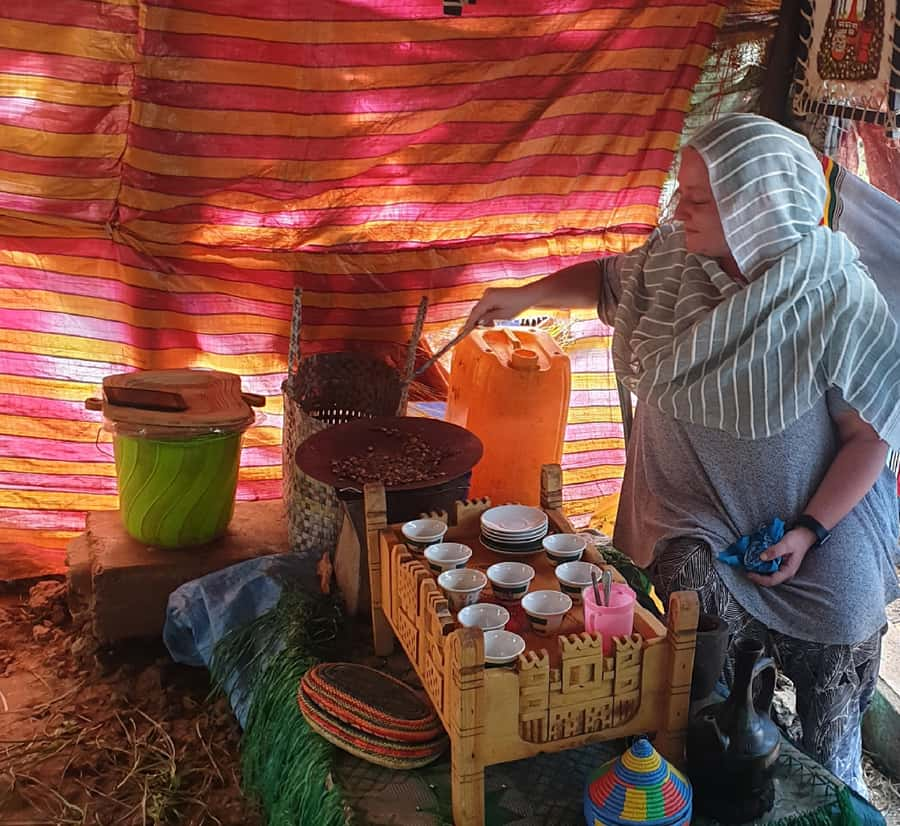
- Merkato brings the city’s food trade into view: Explore spice stalls and test your bargaining skills in Africa’s largest open-air market.
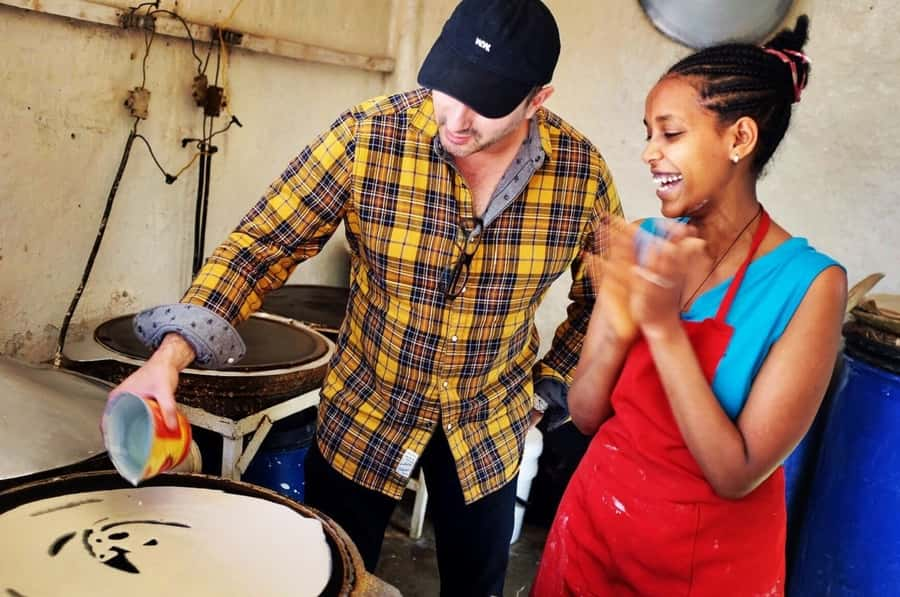
- Injera is hands-on: Learn how the soft, spongy flatbread is baked, then try your own creation with a typical Ethiopian spice.
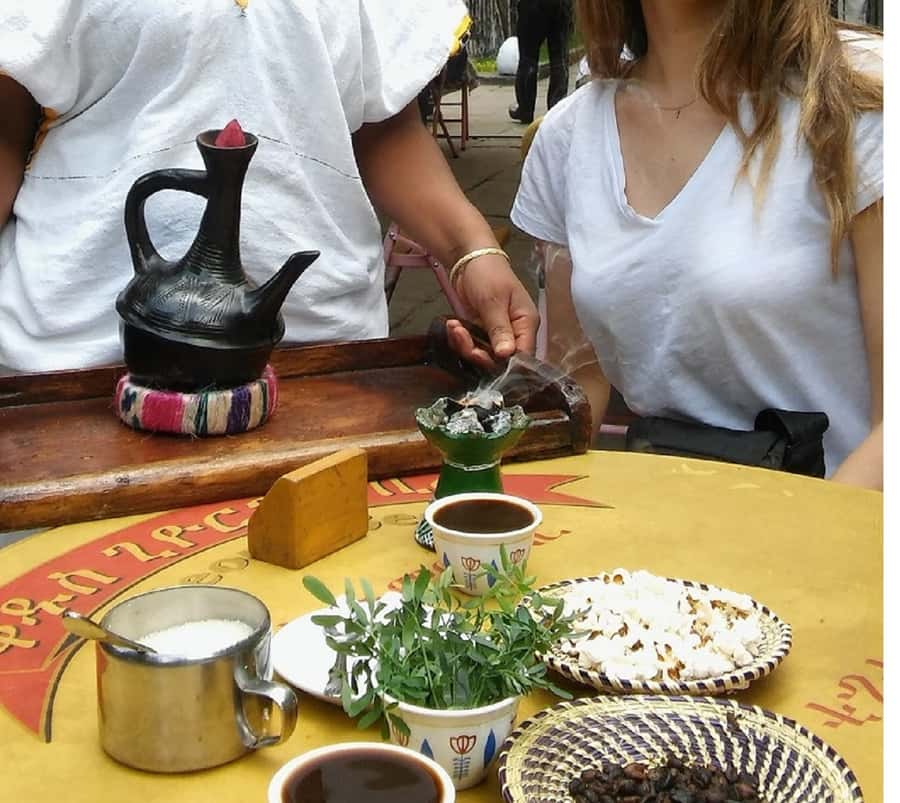
- The coffee ceremony is the centerpiece: See coffee prepared in a traditional way, with time to taste the result.
- Tomoca adds an Italian connection: Sample espresso-style coffee and macchiato made with Ethiopian Arabica beans.
- Tej gives the day a local finish: Visit a honey-wine bar and taste Ethiopia’s traditional fermented honey drink.
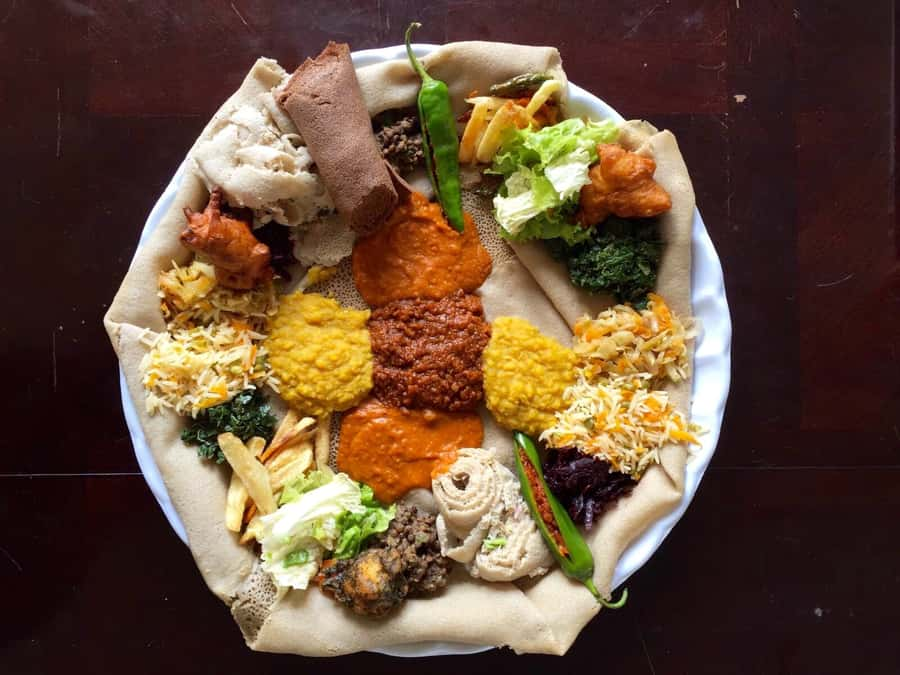
- Lunch is broad rather than fussy: A buffet at Ethiopia’s first hotel lets you sample several popular dishes in one sitting.
Why this food tour works in Addis Ababa
Many city tours show you monuments from a vehicle window. This one gives you useful cultural shorthand through food. Coffee, injera, spices, and tej are not side notes in Ethiopian life. They help explain how people gather, eat, trade, and welcome one another.
You spend six hours moving between market stalls, cafés, food preparation, lunch, and a honey-wine bar. That variety is the tour’s greatest strength. If you have only a short stay in Addis Ababa, you can cover several important parts of the city without arranging separate transport or finding each stop yourself.
The experience is priced at $85 per person. That is not a bargain-priced meal, but the price includes a car, driver, fuel, English-speaking guide, pickup and drop-off anywhere in Addis Ababa, lunch, water, hot drinks, and the activity fees. For a first visit, that package offers fair value, especially if you want context as well as food.
The tour is best for curious eaters who want to participate. It suits solo visitors, couples, and small groups looking for a structured introduction to Ethiopian food. If you prefer a long cooking lesson focused on one dish, this may feel too broad. Its purpose is to connect several tastes and customs in one day.
More coffee and tea market tours in the world:
- Active Volcano, Rice Field, Hot Spring, Fruit market, Tea Plantation with Lunch
★ 5.0 · 513 reviews - Da Nang Cooking Class with Coffee Tasting and Market Visit
★ 5.0 · 310 reviews - Kyoto: Nishiki Market Tea Ceremony with Koto Performance
★ 4.8 · 294 reviews
Starting with Tomoca’s Ethiopian coffee
The day begins with a stop at Tomoca Coffee, where you can try Italian-style coffee and macchiato made with Ethiopian Arabica beans. This is a clever opening because it shows two sides of Addis Ababa’s coffee culture in one cup: Ethiopia’s famous beans and the Italian influence found in the city’s cafés.
You should expect this stop to be more about tasting and setting the scene than taking a full coffee class. It gives you a quick reference point before the later ceremony. The contrast matters. A macchiato is quick and café-like, while the traditional ceremony takes time and attention.
Coffee is one of the strongest threads running through the experience. Ethiopia is closely linked with coffee production, but the value here is not just learning that fact. You get to taste the beans in more than one setting and notice how preparation changes the experience.
If caffeine affects you strongly, keep the day’s coffee servings in mind. The itinerary includes Tomoca, a later traditional ceremony, and hot drinks with lunch. You do not have to treat every cup as a full serving, but this is not the right tour for someone hoping to avoid coffee.
Reading the spice stalls at Merkato
Next comes Merkato, the enormous open-air market in Addis Ababa. The food focus is on spices and coffee, with local dealers providing the day’s most direct contact with the trade side of Ethiopian cuisine.
This is where your bargaining skills get a practical workout. You may find the market crowded, noisy, and visually intense. That is part of the point, but it can also be tiring. Keep your expectations realistic: you are visiting a working market, not a polished food hall arranged for sightseeing.
The stop is valuable because it connects the food on your plate with the ingredients behind it. Smelling spices at the stalls gives you a better sense of Ethiopian cooking than seeing a list of dish names. You can ask your guide about unfamiliar ingredients and watch how local commerce works.
Wear practical shoes and keep your belongings secure. The tour information does not specify how much walking takes place, but a large open-air market calls for sensible footwear and attention. Since the activity runs rain or shine, a light rain layer is a wise choice when the forecast looks uncertain.
The guide adds much more here than a map would. Past participants singled out guides such as Desale, Seid, and Zerefa for explaining local food, landmarks, history, and culture. Your assigned guide may differ, but an English-speaking guide is included and should help turn the market from a maze into a readable part of the city.
Trying your hand at injera
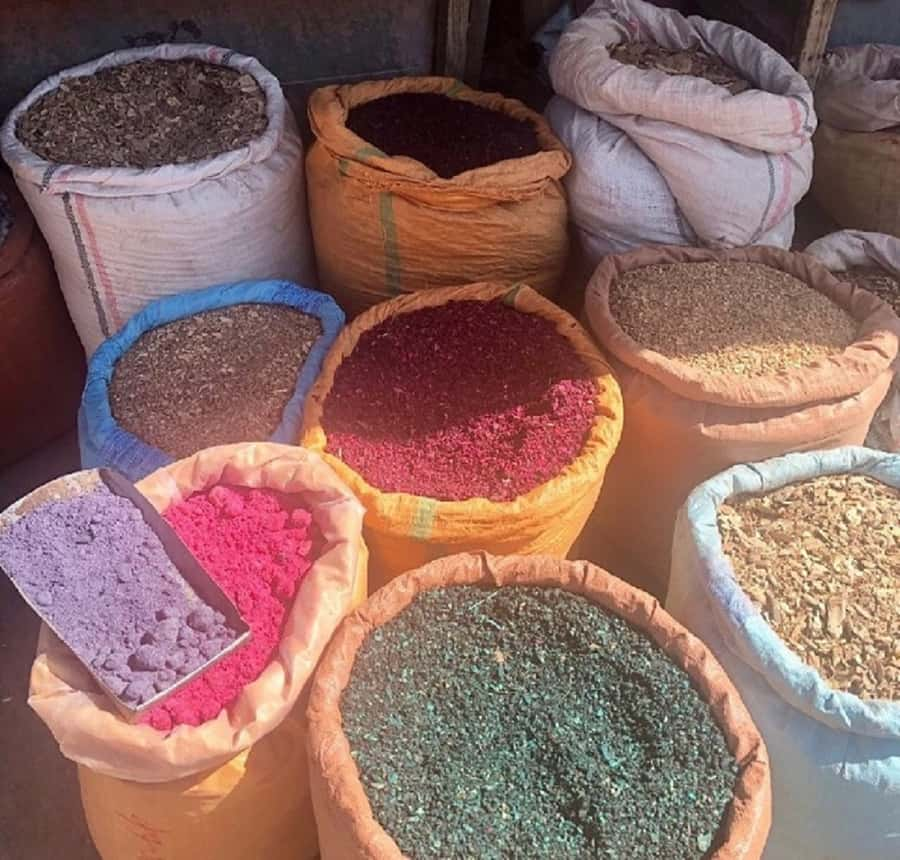
The injera lesson is likely to be the most hands-on food stop. You learn to bake Ethiopia’s famous spongy flatbread, then try your creation with a typical spice.
Injera is central to Ethiopian dining because it works as both food and utensil. Its soft, porous surface holds sauces and stews, while pieces can be torn off and used to scoop food. Making it yourself helps you appreciate why the bread is more demanding than it looks.
Do not expect perfect results on your first attempt. The fun is in the challenge. The activity gives you a chance to ask questions, watch the steps closely, and taste something you helped prepare. One useful detail from the experience is that your finished bread can be tried with a customary spice, so the lesson ends with eating rather than a demonstration alone.
The tour does not provide a separate list of ingredients or promise that you will make a complete meal from scratch. Think of this as an introduction to a signature food, not a professional cooking class. If you enjoy practical activities, it is a strong part of the day. If you dislike getting involved in food preparation, you may prefer the market and coffee portions.
More coffee stops in the world:
- Hungry in Vienna? A Food Lover’s Coffee & Market Walk
★ 4.9 · 276 reviews - From rick’s coffee to local markets authentic casablanca
★ 5.0 · 90 reviews - Vienna Eats: Private Foodie Walk with Coffee & Markets
★ 5.0 · 77 reviews - Ethiopian Culinary Tour – Market, Food, Coffee Ceremony & more
★ 5.0 · 65 reviews
The traditional coffee ceremony
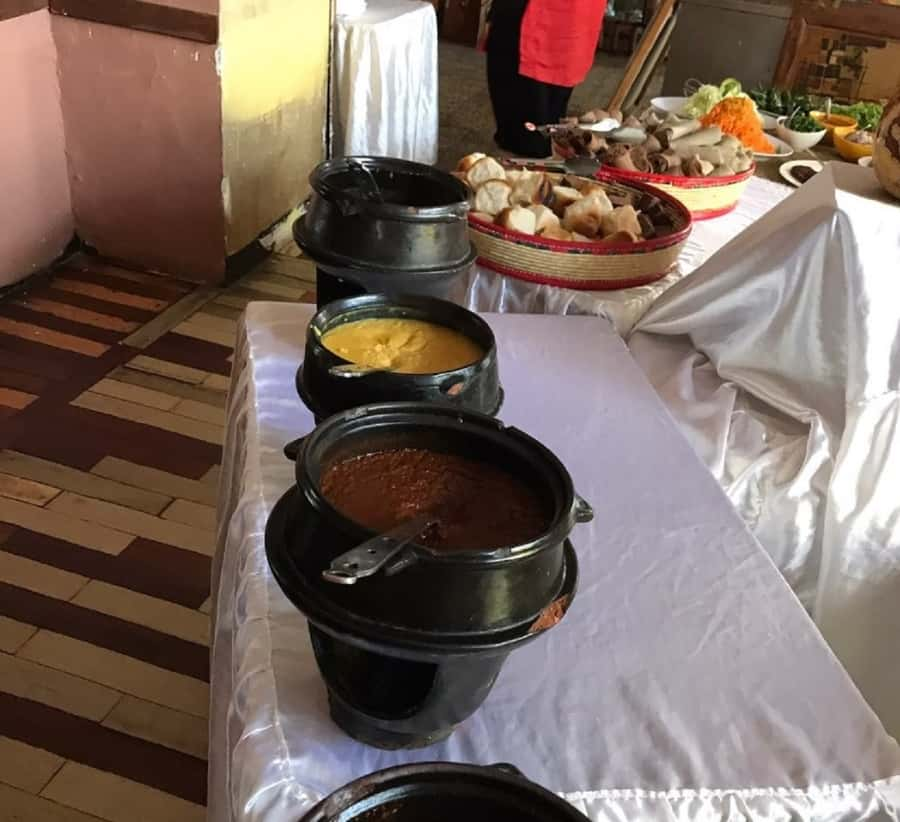
The traditional coffee ceremony is the cultural heart of the tour. Your guide demonstrates the process step by step, and you have the chance to take part in preparing the coffee. One account also describes roasting the beans, which gives the ceremony a more active quality than simply being handed a cup.
This is a slower ritual than the Tomoca stop. The appeal comes from the method, the smell of the beans, and the social purpose of the ceremony. You are not just sampling a beverage. You are seeing how coffee can mark hospitality and shared time.
Give this part your full attention. It is easy to rush through a ceremony while taking pictures, but the small details are what make it worthwhile. Watch how the coffee changes as it is prepared, and ask your guide about the customs you see.
The exact setting and length of the ceremony are not specified, so the experience may vary. It is best to approach it as a guided cultural activity rather than expect a formal performance with a fixed schedule. The benefit is that the ceremony sits within a wider food day, giving the coffee more context.
Lunch at Ethiopia’s first hotel
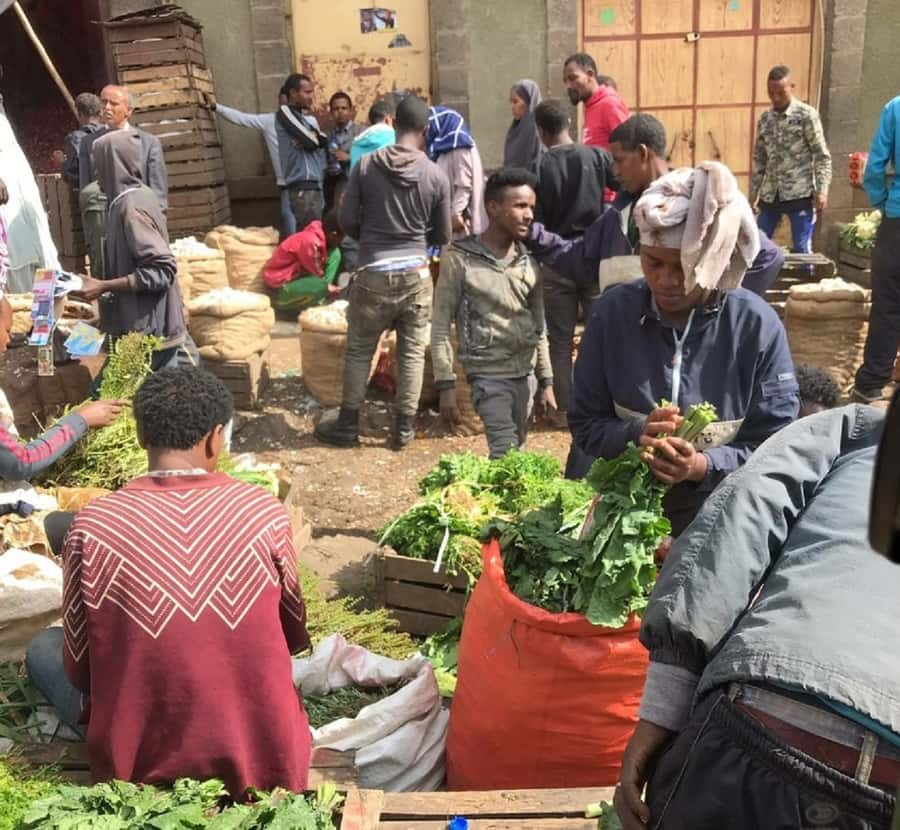
Lunch is served buffet-style at the oldest hotel in Ethiopia, described as the country’s first hotel. You can sample a range of popular dishes instead of committing to one unfamiliar plate.
This is a smart format for a first taste of Ethiopian food. You can try several items in small amounts and return for more of what suits you. A vegetarian buffet is specifically noted, and vegetarian dishes are often a useful way to explore the spices, sauces, and textures without feeling overwhelmed by one large portion.
Lunch includes a bottle of water and hot drinks. Other alcoholic beverages are not included, though tej is part of the later visit. The buffet setting also helps keep the midday meal efficient, which matters on an itinerary with several stops.
Do not expect this to be a quiet, extended restaurant lunch. The tour still has the honey-wine bar ahead, and the day is designed for variety. For me, the value is the range: you get a proper meal while sampling dishes that may be hard to identify from a menu alone.
Finishing with tej at a local bar
The final stop is a local Ethiopian honey-wine bar. Tej is a traditional drink made mainly from fermented honey, with similarities to mead. You can taste samples and learn how this drink fits into local food and social customs.
The tasting is included, but other alcoholic drinks are not. That distinction matters if you are planning your budget or hoping for a wider bar visit. The focus is tej, not a general nightlife tour.
The honey wine gives the day a pleasant change of direction. After coffee, spices, bread, and lunch, you finish with a drink that is both sweet and fermented. If you rarely try traditional drinks, this is one of the more distinctive parts of the itinerary.
As with any alcohol tasting, pace yourself. The tour includes transport, so you do not need to arrange your own driver, but a six-hour food day can feel long if you treat every tasting as a full portion.
The guide and transport setup

Pickup and drop-off are available from any location in Addis Ababa, including hotels, houses, and the airport. That flexibility is especially useful if you are arriving, leaving, or staying outside the main hotel areas.
You are asked to wait in the hotel lobby for 15 minutes before or after the scheduled pickup time. Traffic and city logistics can make exact timing difficult, so build a little patience into the morning.
A car, driver, fuel, and English-speaking guide are included. The driver handles the road while the guide explains what you are seeing. Several guides named in individual accounts, including Desale, Seid, and Zerefa, were praised for clear explanations, local insight, and friendly conversation. The person assigned to you may be different, but the guide is a key part of the experience.
The vehicle also lets the guide point out city landmarks between food stops. That means you get some general Addis Ababa orientation without booking a separate sightseeing tour. It does not turn the activity into a full city tour, but it adds useful context while you move around.
Who should book this Addis Ababa experience?
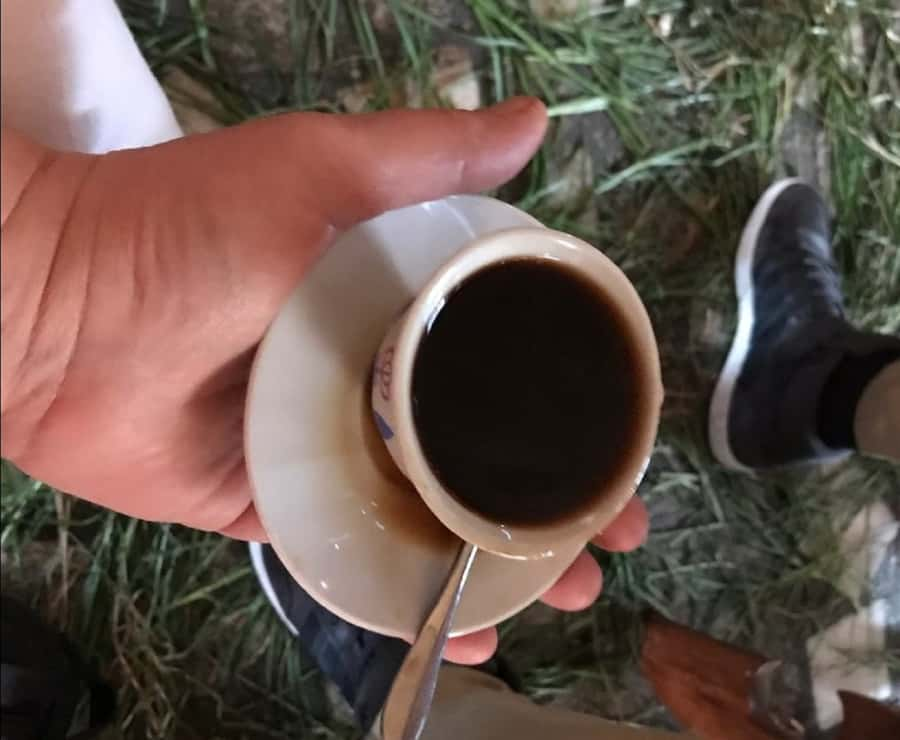
I would choose this tour if you want a practical first look at Ethiopian food and culture, especially if you have limited time in Addis Ababa. It is a good match for people who enjoy tasting, asking questions, and trying small challenges such as baking injera and bargaining at a market.
It also works well for visitors who want a guide and private transport arranged in advance. Pickup at the airport or accommodation removes some early planning work, while the included lunch and drinks make the $85 price easier to assess.
You may want a different experience if you need a quiet, slow-paced cooking workshop, a detailed market photography tour, or a broad alcoholic drinks itinerary. The day covers a lot, and some stops will be introductions rather than lengthy lessons.
The tour takes place in all weather. Bring your passport or ID card, wear comfortable shoes, and carry only what you need for a market visit. Cancellation is free up to 24 hours before the start, and you can reserve now and pay later, which helps if your Addis Ababa schedule is still shifting.
Should you book it?
Book this Ethiopian Culinary Tour if you want food to be your way into Addis Ababa. The strongest elements are the hands-on injera lesson, the traditional coffee ceremony, the spice market, and the chance to try tej in a local setting.
At $85, it offers solid value for a six-hour private-transport experience with lunch, tastings, a driver, and an English-speaking guide. Just remember that it is a broad cultural food tour, not a single-dish cooking school. If that balance suits you, it is an efficient and genuinely tasty introduction to Ethiopia.
FAQ
How long does the Ethiopian Culinary Tour last?
The tour lasts six hours. Starting times depend on availability.
What does the $85 price include?
The price includes pickup and drop-off in Addis Ababa, a car, driver, fuel, an English-speaking guide, activity fees, lunch, a bottle of water, and hot drinks.
Is pickup available from the airport?
Yes. Pickup and drop-off are available from any location in Addis Ababa, including hotels, houses, and the airport.
What language is the tour conducted in?
The live tour guide speaks English.
Do I need to bring identification?
Yes. You should bring your passport or ID card.
Can I cancel the tour for a refund?
Yes. You can cancel up to 24 hours in advance for a full refund. You can also reserve now and pay later.
More Shopping Tours in the world
- Hanoi Cooking Class: Culture, Local Market & Meaning CSR Impact
★ 5.0 · 5,147 reviews - 5 Traditional Dishes Hanoi Cooking Class with Market Trip
★ 5.0 · 4,890 reviews - Cooking Class and Lunch at a Tuscan Farmhouse with Local Market Tour from Florence
★ 5.0 · 4,831 reviews - Chiang Mai: Cooking Class, Market & Thai Herbs Garden Tour
★ 4.9 · 4,824 reviews
More Markets in the world
- Bangkok: Damnoen Saduak Market and Maeklong Railway Market
★ 4.5 · 26,723 reviews - The Old Siam: Damnoen Saduak and Maeklong Railway Market
★ 4.5 · 10,992 reviews - Bangkok: Train Market & Floating Market with Boat Ride
★ 4.7 · 9,547 reviews - From Bangkok: Ayutthaya & Ayothaya Floating Market Day Trip
★ 4.7 · 6,084 reviews
Just added around the world
- Three-Hour Private Chengdu Tea Wholesale Market Tour★ 5.0 · 4 reviews
- Half-day Dandan Noodles Cooking Class with a Local Market Visit★ 5.0 · 8 reviews
- Chania: Old Town, Public Market, Hill of Prophet Elias, Agia Triada★ 5.0 · 35 reviews
- Moroccan Cooking Class with a Local Family & Market Visit★ 5.0 · 16 reviews
- 3-Hour Herbal Wholesale TCM Market and a Local Wet Market Tour★ 5.0 · 4 reviews
- Chania Old Town, Public Market and Chrisopigi Monastery Tour★ 4.5 · 6 reviews
- Food Tasting & Market Shopping: Private Guided Tour in PORT LOUIS★ 4.5 · 9 reviews
- Charleston International Sweet Treats & Historic City Market Tour★ 5.0 · 22 reviews
Coffee & Tea Market Tours, compared.
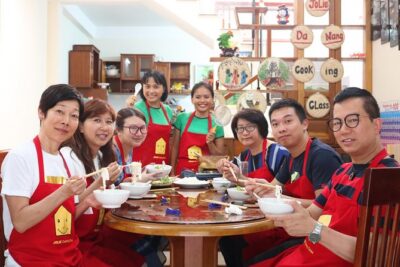
Da Nang Cooking Class with Coffee Tasting and Market Visit
Read our review →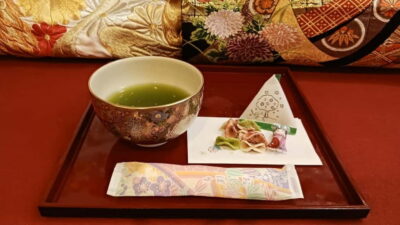
Nishiki Market Tea Ceremony with Koto Performance
Read our review →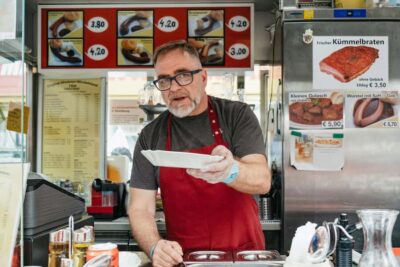
Hungry in Vienna? A Food Lover’s Coffee & Market Walk
Read our review →
Delicious Doughnuts & Tea: Small-Group Borough Market Experience
Read our review →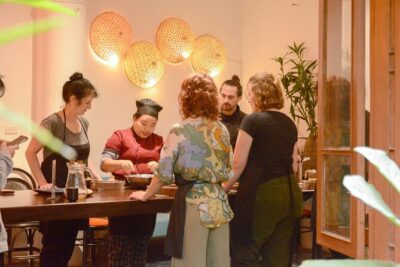
Mini Hanoi Coffee Workshop: Pick Any Signature Coffee You Like
Read our review →
From rick’s coffee to local markets authentic casablanca
Read our review →
Vienna Eats: Private Foodie Walk with Coffee & Markets
Read our review →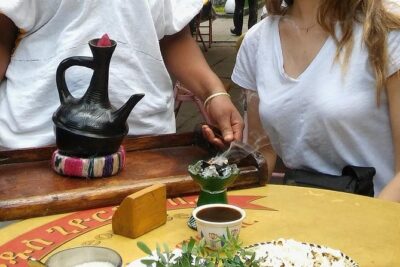
Ethiopian Culinary Tour – Market, Food, Coffee Ceremony & more
Read our review →Browse the lists this tour appears in