
Review · SOUTH KOREA
Hidden Stories & Flavors: Traditional Market Food Tour
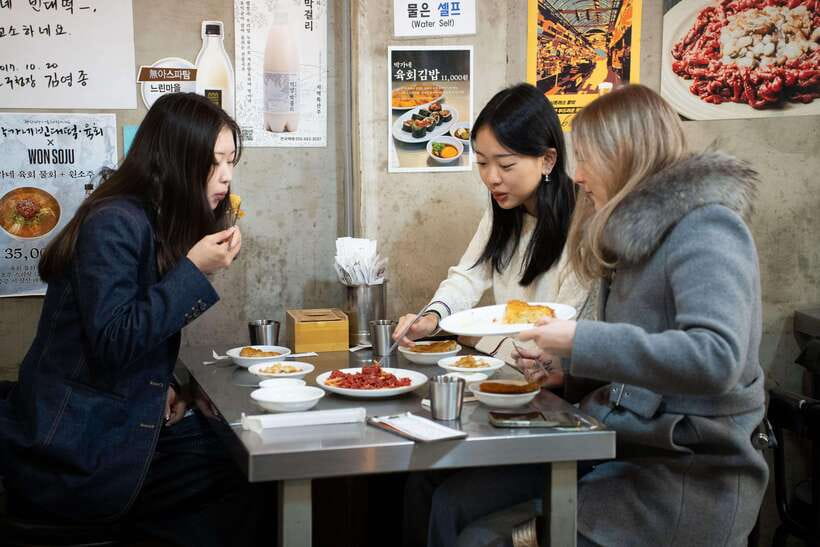
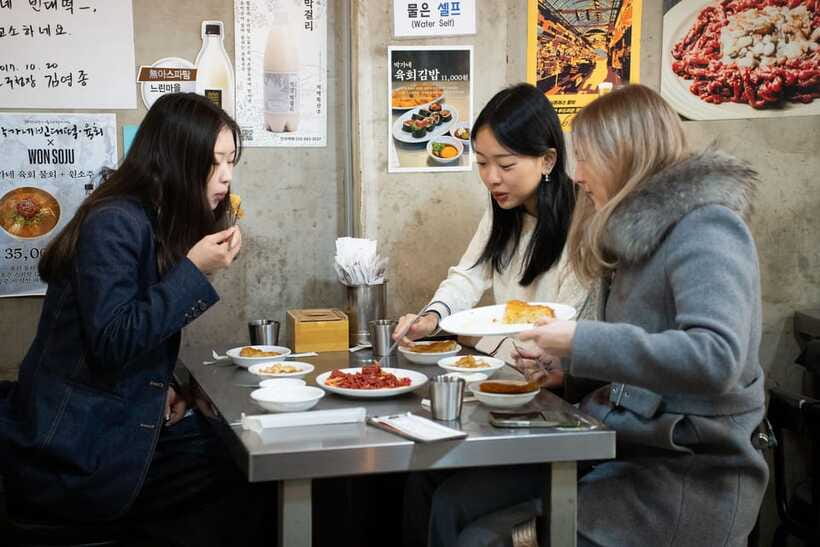
Gwangjang Market is the setting, but the food is only half the story. You’ll move from stall to stall with an English-speaking guide, tasting familiar Korean market foods while hearing about Seoul, everyday life, and the lasting effect of the peninsula’s division. The conversation gives the meal its purpose.
I like two things right away: the tour keeps its group to 10 people, and the menu gives you a broad sample of Korean street food in only two hours. I also like that the guide brings personal insight into Korea’s military system through reserve-force experience, rather than giving you a standard sightseeing lecture.
The main drawback is quantity. The portions can be large, so arrive hungry and plan to share or pace yourself. This is also not a formal historical tour, and the menu can change with market conditions.
Key points at a glance
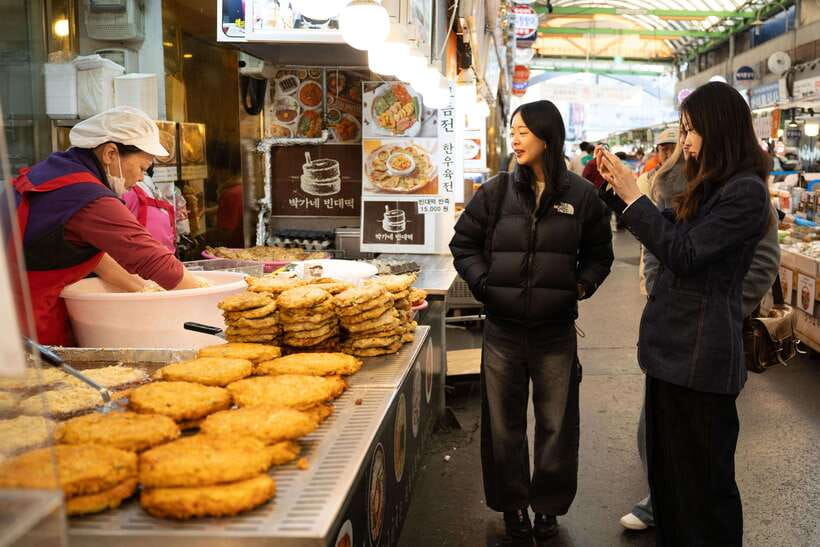
- Eight or more Korean market foods: Expect dumplings, meatballs, Korean hotdog, rice roll, spicy rice cake, fish cake, sweet pancake, fish-shaped bun, and water.
- Gwangjang Market in two hours: The tour focuses on food stalls and conversation rather than a broad tour of Seoul.
- Personal views on modern Korea: Your guide discusses Korean society, Seoul sights, military service, and the division of the Korean Peninsula.
- Small English-speaking group: The maximum group size is 10, making it easier to ask questions and keep up in the market.
- A filling experience: The food is not just a series of tiny tastes. Large portions may make breakfast a poor idea.
- Flexible booking: You can cancel up to 24 hours ahead for a full refund, or reserve now and pay later.
Starting at Jongno 5-ga Station Exit 8
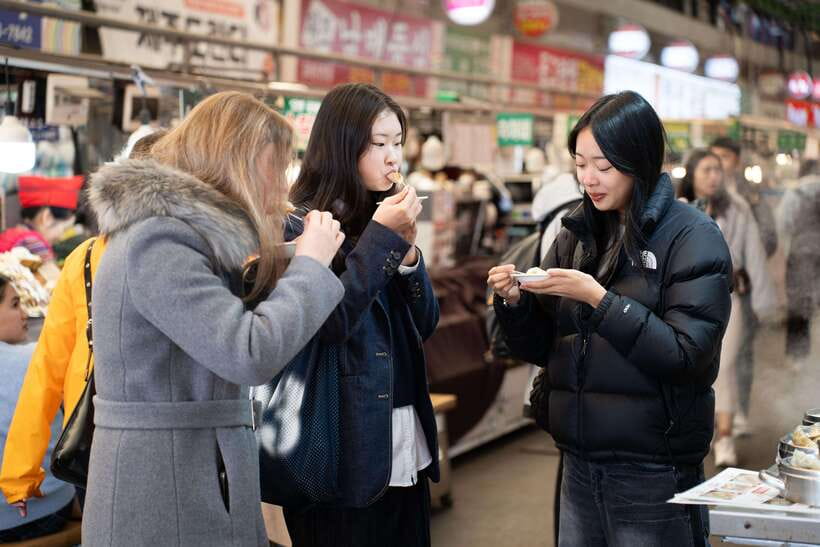
Your meeting point is Jongno 5-ga Station Exit 8. This is a useful start because you enter the tour with a clear point of contact before the market crowds and food stalls take over.
The supplied starting location is also shown as 407, but the practical meeting instruction is Jongno 5-ga Station Exit 8. I would rely on the station exit when planning your arrival and allow enough time to find the guide before the two-hour visit begins.
The group is capped at 10 people, which matters inside a traditional market. You are not being herded behind a large flag or left to guess which stall matters. A smaller group also gives you a better chance to ask about an unfamiliar dish, Korean table manners, or something you have noticed in Seoul.
The guide speaks English. Taeseong is one guide associated with this experience, and his role has included explaining both dishes and Korean life. If Taeseong is leading your group, you can expect a sociable style with plenty of room for conversation. The exact guide may vary, so book this for its format and subject matter rather than for a guaranteed individual guide.
More Street Food Market Tours in South Korea
- Seoul Street Food Market Tour
★ 5.0 · 1,226 reviews - Seoul: Night Market Food Tour with Local Guide
★ 4.9 · 943 reviews - Seoul: Palace, Temple and Market Guided Foodie Tour at Night
★ 4.9 · 750 reviews
Gwangjang Market, one stall at a time
The main stop is Gwangjang Market, visited for a full two hours. That sounds simple, but it is the strength of the tour. Instead of rushing between several neighborhoods, you stay in one market and let the guide connect the food, the people, and the setting.
You will explore market stalls and stop for a series of Korean dishes. The listed menu includes a dumpling, meatball, Korean hotdog, rice roll, spicy rice cake, fish cake, sweet Korean pancake, fish-shaped bun, and water. These foods cover several textures and flavors, from soft and savory to sweet and chewy.
The menu is subject to change. That is normal for a market food tour, where supply and stall conditions can affect what is available. You should think of the list as a guide to the kind of food you will try, not a locked menu.
I like this arrangement because it lets you compare foods as you go. A dumpling and meatball offer familiar starting points, while spicy rice cake and fish cake introduce classic street-food flavors. The sweet pancake and fish-shaped bun finish the route with something sugary, although the exact order may depend on the guide and the market.
What each food stop adds
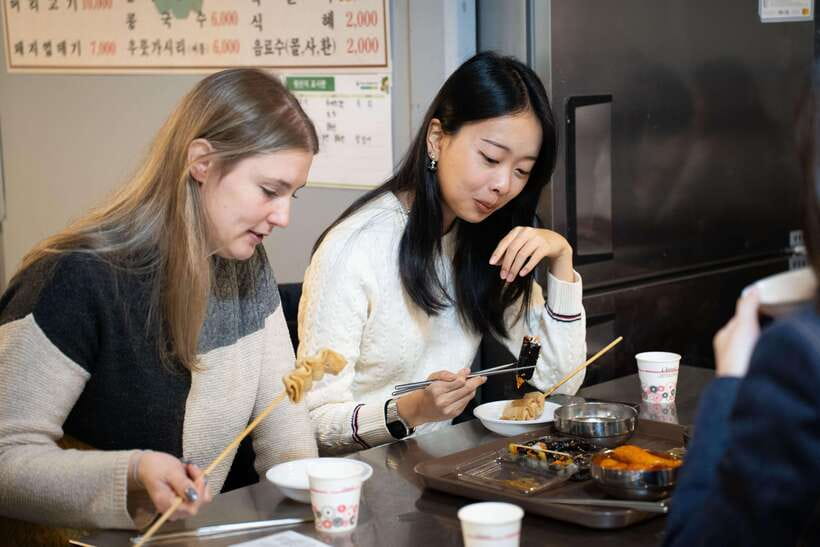
The dumpling is a practical first taste because it is easy to recognize and gives the guide a chance to explain what you are eating. You may also learn how the dish fits into Korean market food, rather than simply receiving a bite and moving on.
The meatball adds another savory stop. It is one of the foods that can help you settle into the market rhythm, especially if you are cautious about unfamiliar dishes.
The Korean hotdog is not necessarily the same as the plain American version suggested by the name. The important point here is that you are trying the market’s Korean take on a familiar snack. Ask your guide about the ingredients and preparation if you want more detail.
The rice roll gives you a different texture and a useful taste of a portable Korean meal. Rice-based foods are a natural fit for a market visit because they are filling and easy to eat while standing or walking between stalls.
Spicy rice cake, often called tteokbokki, is likely to be one of the more distinctive stops. The sauce brings heat and sweetness, and the rice cakes have a springy texture. If you are sensitive to spice, ask about the level before taking a large bite.
Fish cake is another common Korean street-food item. It brings a soft, savory quality to the menu and helps break up the heavier rice and dough-based foods.
The sweet Korean pancake offers a change of pace. It is a fitting late stop because the warm, sweet flavor gives the food route a clear finish.
The fish-shaped bun is also sweet and playful in appearance. It is the kind of snack that makes the market meal feel different from a restaurant tasting menu. You are eating ordinary street food in the place where it is sold, not a polished version designed only for tourists.
Water is included. That is a small detail, but useful when you are eating salty or spicy food over a concentrated two-hour period.
Food explanations matter as much as the food
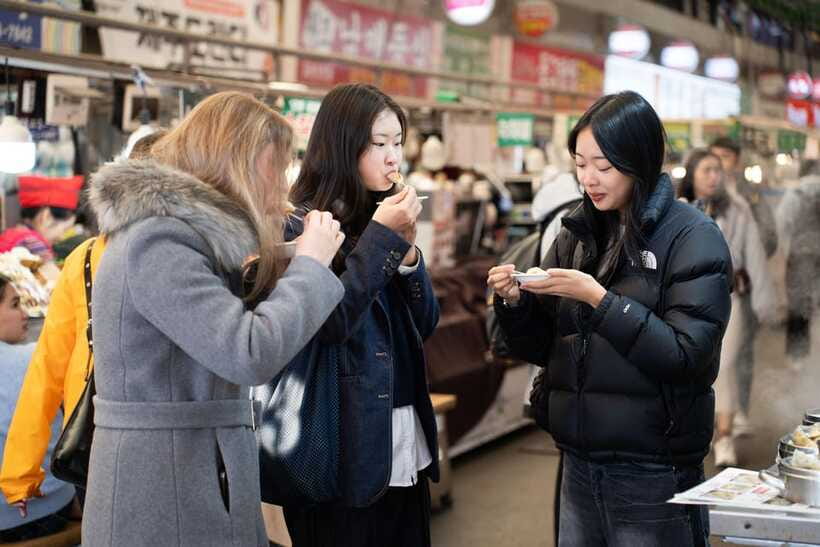
The strongest part of this experience is the guide’s role. You are not only being told the English names of the dishes. The guide explains the foods and the stories behind them, then broadens the conversation to modern Korean culture.
That approach helps if you have already visited Seoul’s major sights and want more context. Food becomes a way to discuss how people eat, socialize, and move through the city. The guide also explains aspects of Korean society and everyday interaction, giving you material that a standard market walk may leave out.
The tour is not presented as a formal history lesson. That distinction matters. You should not book it expecting a detailed chronology of Korean history or an academic account of the Korean War. Instead, expect food-led conversations about modern Korea, Seoul’s sights, and the realities of a divided peninsula.
Same stalls, a different way to shop and eat:
- Local Home Korean Cooking Class & Market Adventure in Seoul
★ 5.0 · 1,024 reviews - Seoul: Korean Cooking Class at a Local Home and Market Tour
★ 5.0 · 348 reviews - Seoul: Guided Food & Market Tour with 8+ Tastings
★ 4.9 · 342 reviews - Seoul Night Palace & Market Food Tour with Vehicle
★ 5.0 · 275 reviews
Korea’s division and military experience
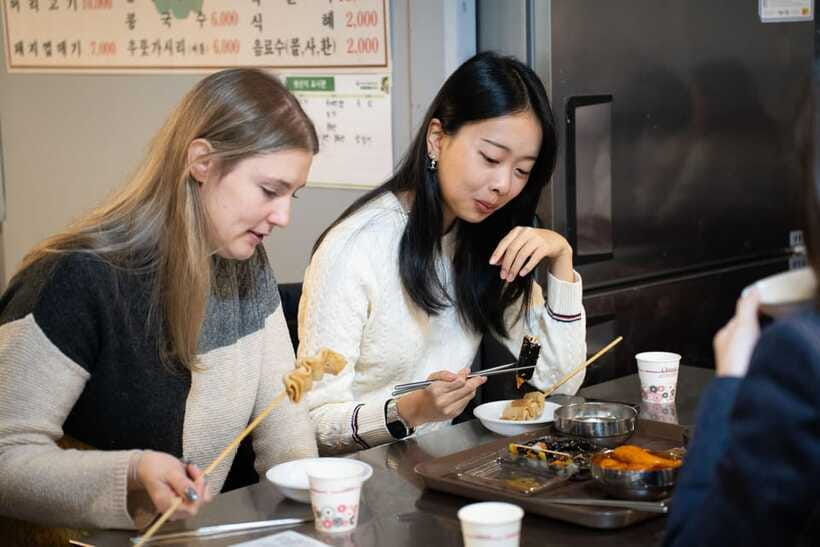
The discussion of the Korean Peninsula’s division is a notable feature. It gives the tour a subject that many food walks avoid, yet it is central to understanding modern Korea.
The guide also brings personal experience from serving in Korea’s reserve forces. That does not turn the outing into a military tour, but it can give the conversation a more direct point of view when the subject turns to military service, security, and life on the peninsula.
I value this part because it adds substance without taking over the meal. You can eat a fish cake or hotteok while asking what military service means in South Korea, how the division affects daily thinking, or how Koreans relate to one another. The exact direction of the discussion will depend on your questions and the guide’s style.
Keep your expectations measured. The activity specifically notes that it is not a historical tour. If your main goal is a detailed account of palaces, dynasties, or wartime events, choose a dedicated history walk instead. If you want a food outing that opens the door to modern social and political questions, this format is a better fit.
Is $100 a fair price for two hours?
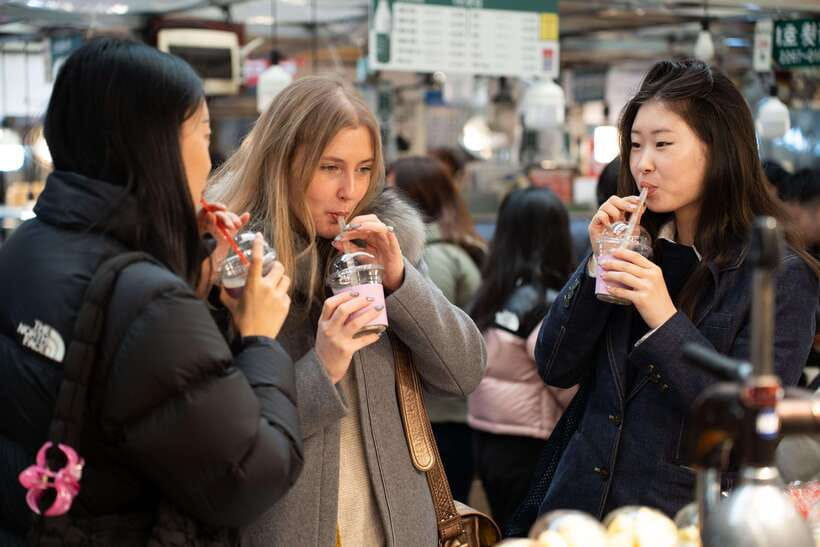
At $100 per person, this is not the cheapest way to eat at Gwangjang Market. You could buy individual snacks yourself for much less. The price is paying for more than the food: it covers a live English-speaking guide, a planned sequence through the market, conversation about Korean culture, and the chance to ask questions in a small group.
The value depends on how you travel. If you are comfortable ordering at stalls and already know Korean street food, you may prefer to explore independently. In that case, the fixed price and two-hour structure may feel high.
I see stronger value for a first visit to Seoul, solo visitors, couples, and anyone who wants an interpreter for the market experience. You get several foods without having to study menus, point at random items, or wonder what you just ordered. The social side also helps if you want conversation rather than a meal eaten on your own.
The group limit of 10 supports the price. It is still a group outing, but not a huge one. A larger group could make market stops slow and make questions difficult. Here, the small size should make it easier to hear the guide and keep the route moving.
The portion problem is real
Plan this as a meal, not a snack break. The listed foods add up quickly, and the portions may be large enough that you cannot comfortably finish everything after a full breakfast or lunch.
I would skip or keep breakfast very light. You do not need to arrive starving, especially if you are sensitive to spicy or rich food, but you should leave room. Pacing yourself is sensible. Take smaller bites, ask what is coming next, and do not feel pressured to finish every item if you are full.
This is also worth considering for children or anyone with a limited diet. The available information does not specify vegetarian, vegan, allergy-friendly, or gluten-free arrangements. Since the menu can change, ask the provider before booking if you need a particular diet accommodated.
The menu includes fish cake and other foods whose ingredients may not be obvious. If you have allergies, ask the guide before tasting rather than relying on appearance.
Who will enjoy this market food tour?
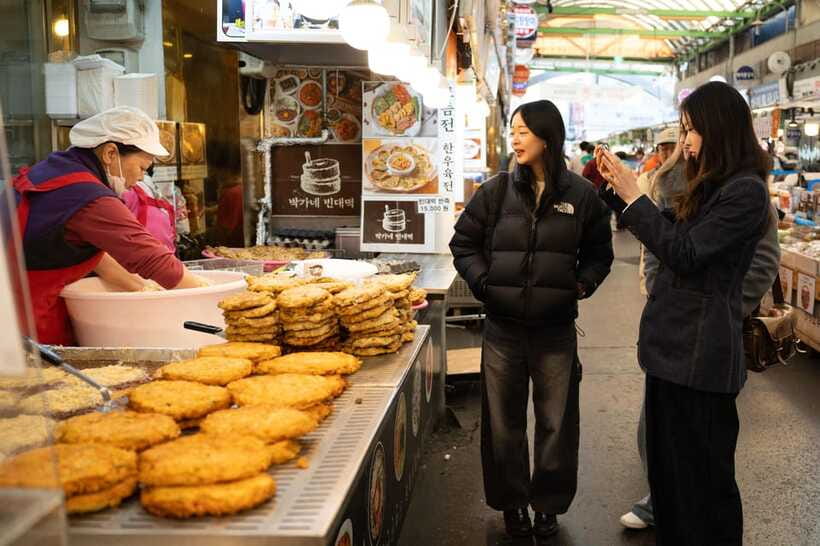
I would recommend it to you if you want three things in one outing: Korean street food, a local English-speaking guide, and open conversation about present-day Korea.
It suits first-time visitors who want a friendly introduction to Gwangjang Market without trying to decode every stall. It also works for repeat visitors who have seen Seoul’s big sights and now want a more personal discussion about society and the peninsula’s division.
Food-focused visitors will appreciate the range. You are not limited to one signature dish. The menu moves through savory, spicy, soft, chewy, and sweet foods, giving you a broad sample of market cooking.
It may not suit you if you want a quiet, formal meal, a private tour, or a tightly controlled menu. It is also not the right pick if your only interest is Korean history. The guide may discuss history and politics, but the experience is built around eating and conversation.
Booking details that matter
The tour lasts two hours, and starting times depend on availability. Check the schedule before you commit your Seoul plans, especially if you are fitting this between palace visits or other timed activities.
The experience is conducted in English. The group type is small, with no more than 10 participants. The meeting point is Jongno 5-ga Station Exit 8.
You can reserve now and pay later, which helps if your route through Seoul is still changing. Cancellation is free up to 24 hours before the activity for a full refund. Those terms are useful, but the bigger planning point is the food: do not schedule a large meal immediately afterward.
My call: book it for food and conversation
Book this tour if you want to eat your way through Gwangjang Market while discussing what life in South Korea is actually like. The combination of many market foods, a small English-speaking group, and personal discussion of military service and the divided peninsula gives the two hours more weight than a basic snack crawl.
Skip it if you want the lowest possible food cost, a formal historical tour, or a guaranteed fixed menu. For everyone else, $100 is reasonable when you value guidance and conversation as much as the dishes themselves.
Bring curiosity, wear comfortable shoes, and arrive hungry but not overconfident. Gwangjang Market may look easy to explore on your own, but a guide can turn a series of quick bites into a clearer picture of Korea today.
FAQ
Where does the tour meet?
The meeting point is Jongno 5-ga Station Exit 8.
How long does the experience last?
The guided market visit lasts two hours.
Which market does the tour visit?
The tour takes place at Gwangjang Market.
What language is the tour conducted in?
The live guide speaks English.
How large is the group?
The tour is limited to 10 participants.
What foods are included?
The listed foods include a dumpling, meatball, Korean hotdog, rice roll, spicy rice cake, fish cake, sweet Korean pancake, fish-shaped bun, and water.
Can the menu change?
Yes. The menu items may change depending on circumstances at the market.
Is this a historical tour?
No. The activity specifically notes that it is not a historical tour, although the guide discusses modern Korea, Seoul, the peninsula’s division, and military-related perspectives.
Who is the guide?
Taeseong is named as a guide associated with the experience. The specific guide for your departure may vary.
Can I cancel for a refund?
Yes. You can cancel up to 24 hours in advance for a full refund.
Do I have to pay when I book?
No. You can reserve now and pay later, which keeps your plans flexible.
More Food in South Korea
- Busan Tailored Korean cooking class (Vegan OK)with market tour
★ 5.0 · 66 reviews - Seoul: Gwangjang Market Netflix Food Tour
★ 4.7 · 31 reviews - Seoul: The Biggest Sea-food Noryangjin Market Tour
★ 4.3 · 30 reviews - Busan: Gukje and Jagalchi Market Food Tour with Tastings
★ 4.6 · 27 reviews
More Food and Drink Tours in South Korea
- Busan: Food Market Tour, Smash Seafoods and Street Foods
★ 4.8 · 80 reviews - Busan history and market food tour with local chef
★ 5.0 · 58 reviews - Busan Local Food Cooking Class with Market Tour
★ 5.0 · 53 reviews - Seoul: Namdaemun Market Food Tour
★ 4.9 · 34 reviews
Just added around South Korea
- Visit Busan night market and enjoy the night view of Busan harbor★ 5.0 · 6 reviews
- Busan history and market food tour with local chef★ 5.0 · 58 reviews
- Busan Local Food Cooking Class with Market Tour★ 5.0 · 53 reviews
- Gamcheon Cultural Village & Skywalk & Markets★ 4.5 · 2 reviews
- Jagalchi Sunset Cruise and Night Market Tour in Busan★ 3.5 · 2 reviews
- Busan: Food Crawl with Fish Market, Soju Tents & Local Snacks★ 5.0 · 8 reviews
- Colors of Busan: Sky Capsule, Jagalchi Market & Night Views★ 4.5 · 6 reviews
- Busan Food Market Tour Seafoods and Street Foods★ 5.0 · 8 reviews
Street Food Market Tours, compared.

Old Town, Creek, Museums, Souks, & Street Food Tour
Read our review →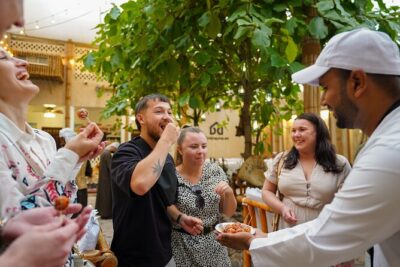
Old Town, Souks, Street Food, Guided Tour & Abra Ride
Read our review →
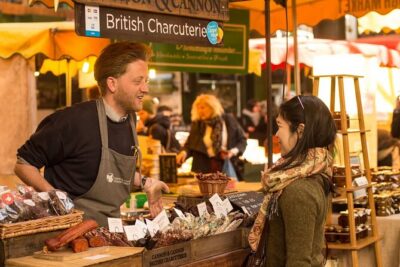
London Bridge & Borough Market Food Tour with 7 Authentic Dishes
Read our review →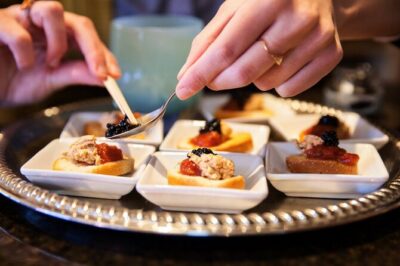
Old Town, Souks, Street Food, Guided Tour & Abra Ride
Read our review →
Small Group Cooking Class & Market Food Tour in Florence
Read our review →
Old Town, Street Food, Creek, Souks, & Emirati House
Read our review →Browse the lists this tour appears in