
Review · MARKET TOURS
Makola Market Walking Tour
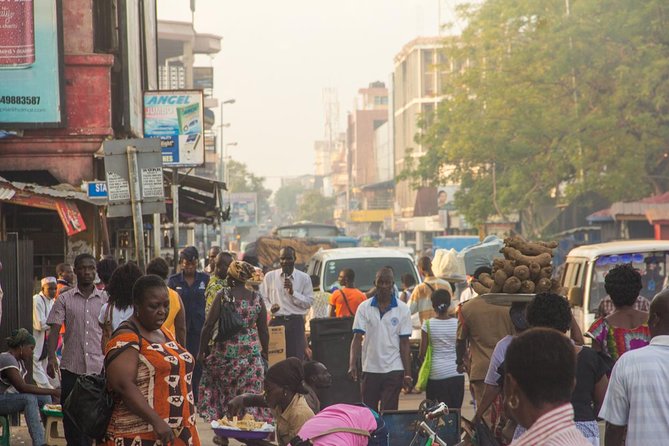
Makola Market is not a tidy row of souvenir stalls. It is a sprawling maze of textiles, food, electronics, secondhand clothing, and everyday Ghanaian trade. A local guide helps you get through the crowds, find the right sections, and understand what is happening around you. Prince, Ben, and Obeng have all led tours here, with a strong focus on answering questions and helping you shop.
I like the small-group format, limited to 15 people, because a guide can keep an eye on your pace and interests. I also like the practical help with bargaining. You are not simply shown around, you can ask for a particular fabric, souvenir, or household item and get help finding it. The main drawback is the setting itself: Makola can be hot, crowded, noisy, and difficult to navigate, so this is not a gentle stroll.
Makola Market Walking Tour at a Glance
- A guide makes the market manageable: Makola is large and divided into many sections, with busy foot traffic and vehicles nearby.
- Shopping is part of the experience: You can browse textiles, used clothing, food, groceries, electronics, handicrafts, and souvenirs.
- Bargaining is explained in context: Your guide can help you understand how local buying and selling works and assist with prices.
- Small groups allow personal attention: The maximum group size is 15, and guides check what you want to see.
- The tour lasts about two hours: Some outings may take longer when you need extra help finding items or visiting a seamstress.
- The price is $41.03 per person: Bottled water and all fees are included, but transport and lunch are not.
Entering Accra’s Most Useful Market
Makola Market sits in central Accra, with the meeting point at Accra Central on Tudu Road. You meet your guide there, then begin on foot. The activity ends back at the same meeting point, so you do not need to arrange a separate ride from the market when the tour is over.
The market is best understood as a working center of trade, not a staged cultural attraction. People come here to buy and sell ordinary goods, and the range is broad. You may move from brightly colored fabric to used clothes, then on to food, groceries, or electronics. The appeal is the variety, but that variety can also make the place hard to read at first.
I would not choose to tackle Makola alone if I were visiting Accra for the first time. One person who booked the tour alone found the guide especially useful for staying oriented and feeling safe. That matters here because the market is described as a maze, and the combination of people, stalls, and traffic can make even a simple shopping request take effort.
Your guide provides the basic structure. Instead of wandering until you happen upon something interesting, you can say what you would like to see and receive help finding the appropriate section. If you are interested in fabric, the tour can take you toward textiles. If you want food, clothing, electronics, or a gift, the guide can point you in the right direction.
More market walks in the world:
- Bangkok: City Highlights Temple and Market Walking Tour
★ 4.5 · 3,990 reviews - Tokyo Tsukiji Fish Market Food and Culture Walking Tour
★ 5.0 · 3,184 reviews - Marrakech: Ben Youssef, Secret Garden, & Souks Walking Tour
★ 4.6 · 2,802 reviews
Two Hours Among Textiles, Food, and Electronics
The advertised time is about one to two hours, with the main visit lasting roughly two hours. That gives you enough time to see several areas without turning the outing into an all-day shopping trip. The exact pace depends on your group and how much time you spend looking, asking questions, or negotiating.
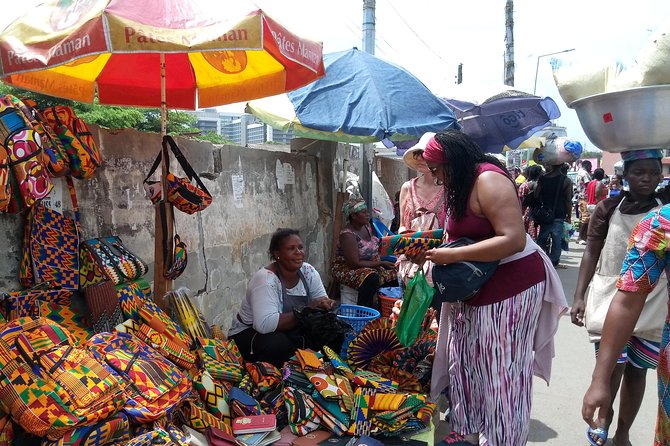
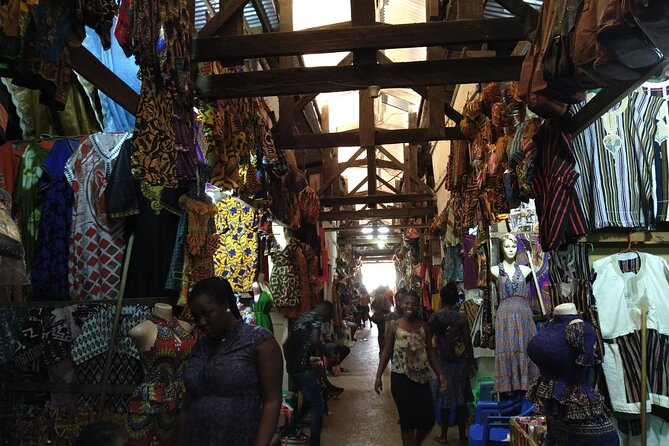
The textile section is likely to be one of the most appealing stops for first-time visitors. Ghanaian fabrics are colorful and practical, and the market lets you see them in the same setting where local shoppers buy them. You can ask your guide to help identify suitable prints or direct you to a seller, but the tour does not include purchases.
Used clothing forms another part of the market. This section shows the everyday side of Makola, where shopping is not limited to items made for visitors. The same is true of the food and grocery areas. You may find these sections more interesting than a standard souvenir stop because they show how people shop for daily life.
The electronics section adds another change of pace. Makola is not only about cloth and food, and the range of goods helps explain why the market is so important to Accra. Moving between these areas also gives the tour a useful rhythm. You are not spending two hours looking at one type of stall.
The guide can explain the art of selling and the way local trading works. That is more useful than a list of product names. You learn how to approach a purchase, how to ask about a price, and how to judge the pace of an exchange. The aim is not to turn you into an expert negotiator in one morning. It is to make the process less awkward and more understandable.
Bargaining Without Guesswork
The tour’s strongest practical feature is help with buying. Bargaining can feel uncomfortable when you do not know the local habits. You may not know when to make an offer, how far to negotiate, or when a price is already fair.
A guide can reduce that uncertainty. Prince, in particular, has helped people locate items and bargain with vendors, while Obeng has assisted with shopping requests and even taken one person to a seamstress for fabric alterations. These details show how the tour can become more useful when you have a specific goal.
I would arrive with a short list rather than a vague plan to buy everything interesting. Decide if you want textiles, clothing, a small craft, food, or another local product. You can still browse, but a clear request gives your guide something concrete to work with.
Do not assume that guide-assisted bargaining guarantees the lowest possible price. The value is the support and reduced stress, not a promise of a particular discount. One careful shopper was unsure exactly how good a deal had been, but found the negotiation easier with help. That is a fair way to judge this part of the experience.
It is also wise to carry a little patience. Makola is a working market, and buying may involve conversation and waiting. You are not moving through a fixed display with one price tag on every item. The process is part of what you came to see.
What the Guides Add
The guide is the difference between a confusing market visit and a useful one. Prince has been praised for knowing the layout, answering questions, adjusting the pace, and taking people well into the market. Ben has been described as patient and good at showing areas that might otherwise be missed. Obeng has provided a flexible outing, including extra time for sewing and a return trip to retrieve a forgotten purchase.
These examples suggest that the guiding style is responsive rather than rigid. You can ask about a product, a section, or a local custom. The guide can also check that you are comfortable with the pace and distance, which is important in a crowded place.
For a solo visitor, this personal attention is especially valuable. You do not have a companion to watch your belongings, confirm directions, or help decide where to go next. A local guide provides a point of contact and keeps the outing focused.
For couples and small groups, the benefit is different. You can split your attention between shopping and learning, while the guide handles some of the practical work. Groups should still stay together, especially when moving through tight or crowded areas.
The listed maximum is 15 people. That is not a private tour, but it is small enough to be workable if the group stays close. If you want nearly constant one-on-one help, a larger group could feel less personal. The available information does not promise a private option, so you should not book expecting one.
A few more market tours around the world worth a look
- Bangkok: Damnoen Saduak Market and Maeklong Railway Market
★ 4.5 · 26,723 reviews - The Old Siam: Damnoen Saduak and Maeklong Railway Market
★ 4.5 · 10,992 reviews - Bangkok: Train Market & Floating Market with Boat Ride
★ 4.7 · 9,547 reviews - From Bangkok: Ayutthaya & Ayothaya Floating Market Day Trip
★ 4.7 · 6,084 reviews
Heat, Crowds, and Physical Effort
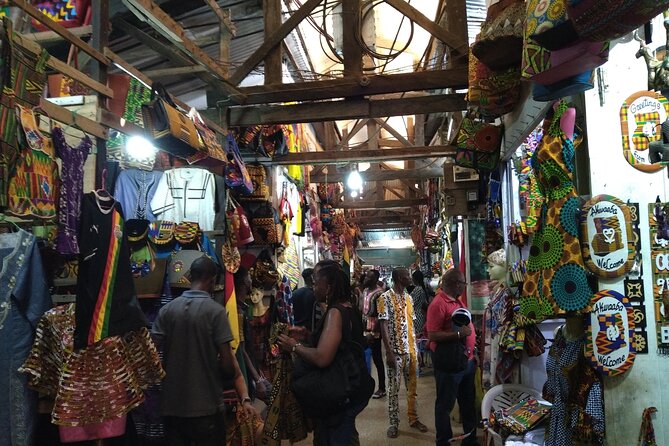
The market setting requires a moderate level of physical fitness. You will be walking for up to two hours, standing while looking at goods, and dealing with crowds. The heat can add to the effort, and the market may feel hectic if you are not used to busy commercial areas.
Wear comfortable shoes and keep your clothing practical. The tour is on foot, and private transport is not included. Bottled water is provided, which is helpful, but you should still plan for a warm outdoor and market environment.
The crowds are not a minor detail. Foot traffic can be thick, and cars may share nearby routes. One visitor specifically found the traffic, both people and vehicles, difficult to handle without a local. A guide cannot remove the crowds, but can help you move through them with more purpose.
I would be cautious about booking this as your first activity after a long flight if you dislike heat or busy streets. It is better suited to someone who wants direct contact with daily city life and accepts a little disorder. If you prefer quiet museums, fixed paths, and plenty of personal space, Makola may test your patience.
The physical demand is still moderate rather than extreme. This is a walking tour, not a hike. The key issue is sensory overload and uneven flow, not long-distance exercise.
Is $41.03 a Fair Price?
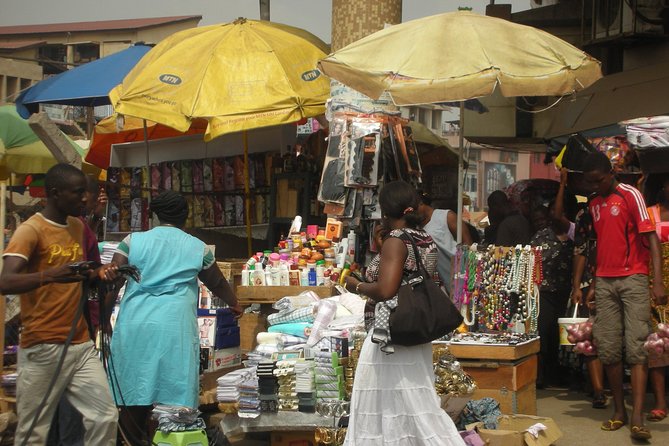
At $41.03 per person, the tour costs more than simply walking into the market. The question is what you receive for that extra cost. You are paying for local orientation, practical shopping help, explanations of trading customs, bottled water, and the convenience of a planned route.
For a solo visitor, the price can make good sense. A wrong turn, missed section, or stressful bargaining attempt could reduce the value of the visit. A guide also helps you use limited time well, especially if you have only one day in central Accra.
For two or more people, the decision depends on your interests. If everyone in your group wants to shop and learn, the cost buys shared support. If you only want a quick look at the market and do not plan to purchase anything, you may find the price harder to justify.
Group discounts are available, though the exact saving is not provided. That could improve the value for families or friends booking together. Lunch and private transportation are not included, so add those costs if you need them.
The experience is booked, on average, 25 days ahead. That suggests you should plan rather than assume a last-minute place will be available. At the same time, one booking was arranged the evening before, with a requested start time accommodated. That flexibility may be possible, but I would not rely on it during a busy period.
Meeting Point and Timing Tips
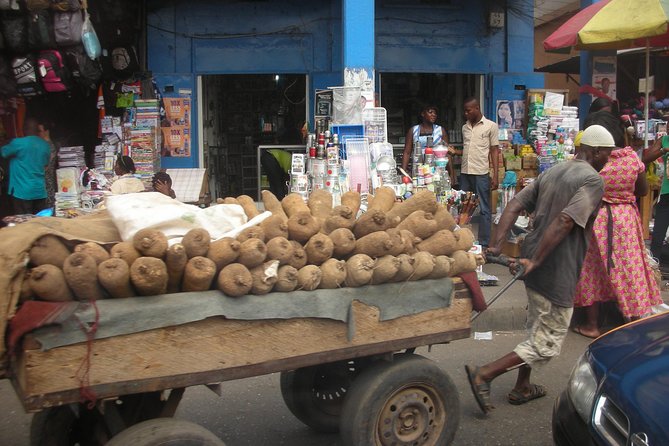
The meeting point is Accra Central, at HQ3R+8MX on Tudu Road, Accra. There is no hotel pickup and no private transport included. You are responsible for getting to the start point, so allow time to reach central Accra before the scheduled beginning.
The activity returns to the meeting point. That makes it easier to plan another stop afterward, but do not schedule something immediately if you want time to buy goods or if your group moves slowly.
Several tour times are offered. This is useful if you are fitting Makola between other Accra plans. Choose a time that suits your energy and tolerance for heat, but the supplied details do not identify which time of day is best or how market conditions vary by hour.
Bring a clear idea of what you want to see. Your guide can respond to individual interests, and the tour becomes more useful when you ask for specific help. If you are simply curious, let the guide lead you through the main sections and explain how each one functions.
The activity has mobile tickets, and confirmation is received when you book. Free cancellation is available until 24 hours before the start time. Inside that window, the amount paid is not refunded and changes are not accepted.
Who Should Book This Market Walk
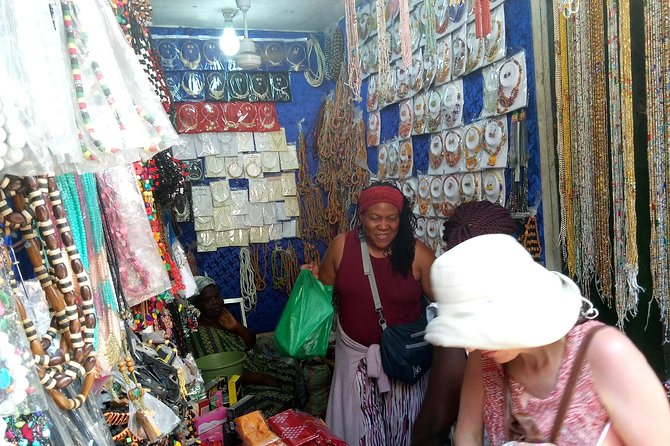
I would recommend this tour most strongly to first-time visitors to Accra, solo visitors, shoppers, and anyone who wants cultural context along with the market experience. It is also a good fit if you want to buy fabric, clothing, crafts, or other local products but do not know where to begin.
You will get the most from it if you ask questions and tell the guide what interests you. The guides have helped people find specific goods, negotiate, locate a seamstress, and return for something forgotten. That level of assistance is more valuable when you have a purpose.
Families and older adults should consider the heat, traffic, crowds, and moderate walking requirement. The guide can check your pace, but this is not described as an accessible or low-effort outing.
I would skip it if you want a polished shopping center, fixed prices, quiet surroundings, or a private vehicle. Makola is a working market, and the experience depends on accepting its noise, movement, and unpredictability.
Should You Book the Makola Market Tour?
Book it if you want to see the working heart of Accra with someone who knows how to move through it. The guide support is the main value, especially for a solo visitor or anyone who wants to bargain without feeling lost.
The best reason to choose this tour is not simply shopping. It is the chance to connect textiles, food, clothing, electronics, and local trading customs in one demanding but memorable walk. Just arrive ready for heat and crowds, wear good shoes, and keep your expectations practical. You are entering a real market, not a quiet attraction, and that is precisely why the experience can be worthwhile.
FAQ
Where does the Makola Market Walking Tour start?
It starts at Accra Central, at HQ3R+8MX on Tudu Road, Accra, Ghana.
Where does the tour end?
The activity ends back at the meeting point.
How long does the tour last?
The tour lasts approximately one to two hours, with the main itinerary listed as about two hours.
What parts of Makola Market are included?
The walk covers several market sections, including textiles, used clothing, electronics, food, and groceries. It may also include other areas of the market.
Is transportation included?
No. Private transportation is not included, and there is no hotel pickup listed.
Is bottled water included?
Yes. Bottled water, along with all fees and taxes, is included.
What is the cancellation policy?
You can cancel at least 24 hours before the start time for a full refund. Cancellations or changes made less than 24 hours before the experience are not accepted for a refund.
More Walking Tours in the world
- Marrakech: Colorful Medina Souks Guided Walking Tour
★ 4.7 · 2,470 reviews - Air Raid Shelter + St. Nicholas Market Walking Tour
★ 5.0 · 1,950 reviews - Tokyo: Tsukiji Fish Market Food and Walking tour
★ 5.0 · 1,724 reviews - Tokyo: Tsukiji Fish Market Guided Walking Tour
★ 4.9 · 1,397 reviews
More Shopping Tours in the world
- Hanoi Cooking Class: Culture, Local Market & Meaning CSR Impact
★ 5.0 · 5,147 reviews - 5 Traditional Dishes Hanoi Cooking Class with Market Trip
★ 5.0 · 4,890 reviews - Cooking Class and Lunch at a Tuscan Farmhouse with Local Market Tour from Florence
★ 5.0 · 4,831 reviews - Chiang Mai: Cooking Class, Market & Thai Herbs Garden Tour
★ 4.9 · 4,824 reviews
Just added around the world
- Half-day Dandan Noodles Cooking Class with a Local Market Visit★ 5.0 · 8 reviews
- Three-Hour Private Chengdu Tea Wholesale Market Tour★ 5.0 · 4 reviews
- Chania: Old Town, Public Market, Hill of Prophet Elias, Agia Triada★ 5.0 · 35 reviews
- Moroccan Cooking Class with a Local Family & Market Visit★ 5.0 · 16 reviews
- Chania Old Town, Public Market and Chrisopigi Monastery Tour★ 4.5 · 6 reviews
- 3-Hour Herbal Wholesale TCM Market and a Local Wet Market Tour★ 5.0 · 4 reviews
- Food Tasting & Market Shopping: Private Guided Tour in PORT LOUIS★ 4.5 · 9 reviews
- Charleston International Sweet Treats & Historic City Market Tour★ 5.0 · 22 reviews
Market Walking Tours, compared.
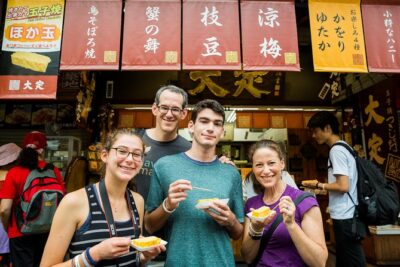
Tokyo Tsukiji Fish Market Food and Culture Walking Tour
Read our review →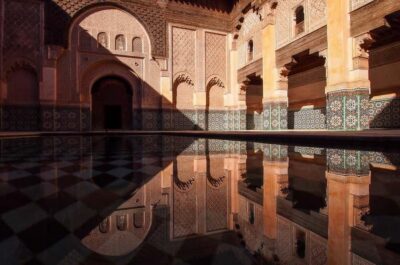
Ben Youssef, Secret Garden, & Souks Walking Tour
Read our review →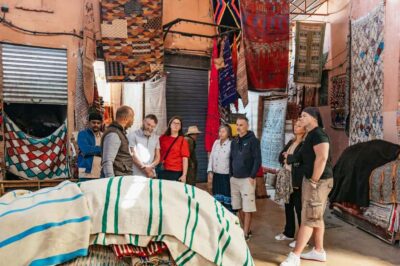
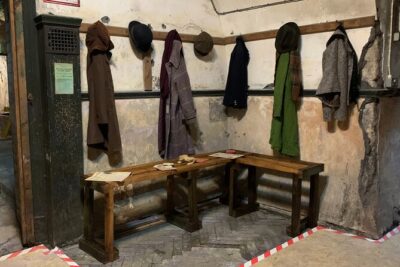
Air Raid Shelter + St. Nicholas Market Walking Tour
Read our review →
Nishiki Market Brunch Walking Tour (7 Tastings + Brunch)
Read our review →Tsukiji Fish Market Food and Culture Walking Tour
Read our review →Browse the lists this tour appears in