
Review · TANZANIA
Moshi: Town tour and Local Markets tour
Moshi’s best introduction may be found among banana sellers, fish stalls, spice tables, bus conductors, and coffee drinkers rather than behind a museum door. This tour takes you from the old train station through several working markets, showing how people buy, sell, move money, and make a living. I especially like the fruit tasting and the chance to compare three markets instead of seeing one hurriedly.
I also like the practical touch of stopping to explain Tanzania’s mobile banking system, then finishing at a craft shop linked to support for disabled makers, orphans, and people in need. Guide Isaac, also called Zac, is known for clear English, friendly help, and flexible routing. The main consideration is pace: three hours is enough for a useful introduction, but not enough to linger at every stall or shop.
Key points at a glance
- Three working markets: Compare Manyema, Mbuyuni, and the Central Market, each with its own character and range of goods.
- A useful local focus: Learn about food selling, small businesses, SIM-based banking, transport, and everyday trade.
- Isaac or Zac as guide: Expect a personal tour with explanations, Swahili help, and practical assistance when needed.
- Fruit tasting included in the experience: Sample local fruit while learning how produce is sold.
- Coffee and Tanzanite stops: Break at Coffee Union Cafe, then browse Blue Zebra Art, Tanzanite, and Souvenir Shop.
- Good value at $25: Hotel pickup, drop-off, bottled water, and a three-hour guided outing are included.
Why Moshi’s markets make a better introduction than a checklist of sights
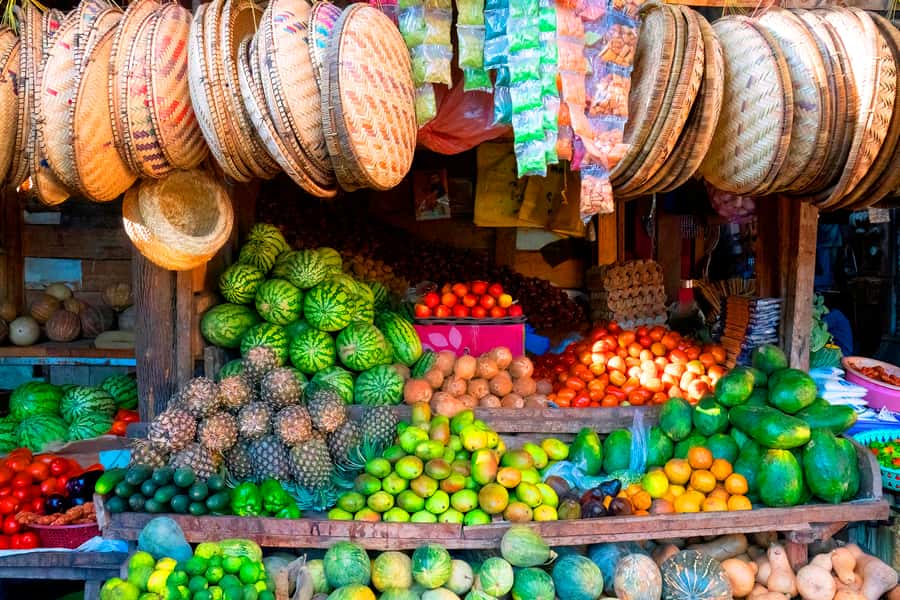
Moshi is the kind of town you understand by watching ordinary business unfold. A market visit gives you more than colorful produce. You see who supplies food, how goods move, where people meet, and how small payments keep daily life running.
The tour starts with pickup in Moshi Urban and moves by vehicle to the train station. From there, much of the experience is on foot, with short transfers between stops. You get a guide to explain what you are seeing instead of trying to interpret every stall on your own.
That matters in a market. A pile of bananas is easy to photograph, but it is more useful to know why one market handles certain goods, how prices are discussed, and how local sellers fit into the town’s wider economy. Isaac’s role is less about rushing you from sight to sight and more about explaining the connections.
The outing is also a sensible first activity if you have just arrived in Moshi. It helps you learn the town’s layout before a Kilimanjaro climb or a longer stay. Several bookings have also been adapted around airport departures, gear collection, pharmacy stops, supermarket visits, and restaurant plans. Those extras are not guaranteed parts of the advertised route, but Isaac has shown a willingness to help when timing allows.
A few more market tours around the world worth a look
- Stonetown: Food Markets and Street Food Walking Tour
★ 4.7 · 151 reviews - Stone Town Guided Tour: Culture, Slave Market & Spice Market
★ 4.8 · 44 reviews - Arusha: Traditional Tanzania Cooking Class & Food Market Tour
★ 5.0 · 34 reviews
The railway station puts Moshi in context
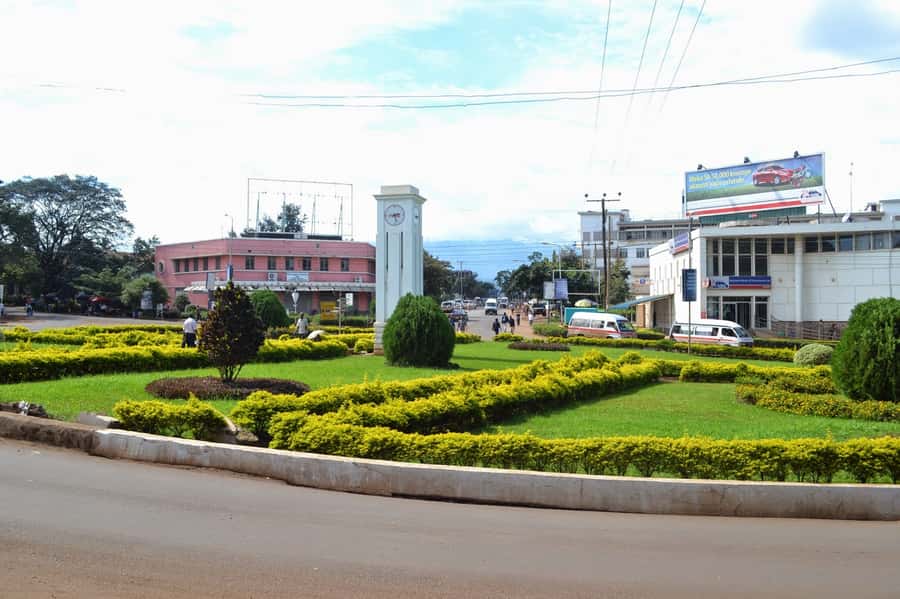
The first stop is Moshi’s train station, with about 25 minutes for a visit, photographs, and an explanation of the railway. This is not simply a quick photo stop. The railway gives you a way to place Moshi within Tanzania’s transport and trading story before you enter the markets.
You can also look toward Mount Kilimanjaro from the station area when visibility is good. The mountain panorama is a welcome bonus, not a promise, since clouds and weather control the view. Bring your camera, but keep your attention on the station itself too.
One useful detail is that the route can include walking along the railway toward the market area. The distance and exact route may vary, but one outing included roughly a kilometer of walking after a train happened to arrive. That kind of unplanned moment can make the town feel more real, though it also shows why comfortable shoes matter.
The station stop is a good opening because it slows the tour down. You are not thrown straight into the market noise. You first get a sense of how transport, town growth, and commerce are tied together.
Manyema Market: a first look at everyday trade
Manyema Market receives about 25 minutes. Expect a guided walk through a food market, with time for photographs and questions. The point is not only to identify produce, but to see how the first market differs from the others later in the morning.
You may see fresh food and locally used goods arranged for quick buying rather than display. Isaac can explain the economic activity around the stalls, helping you understand the market as a workplace and social meeting point.
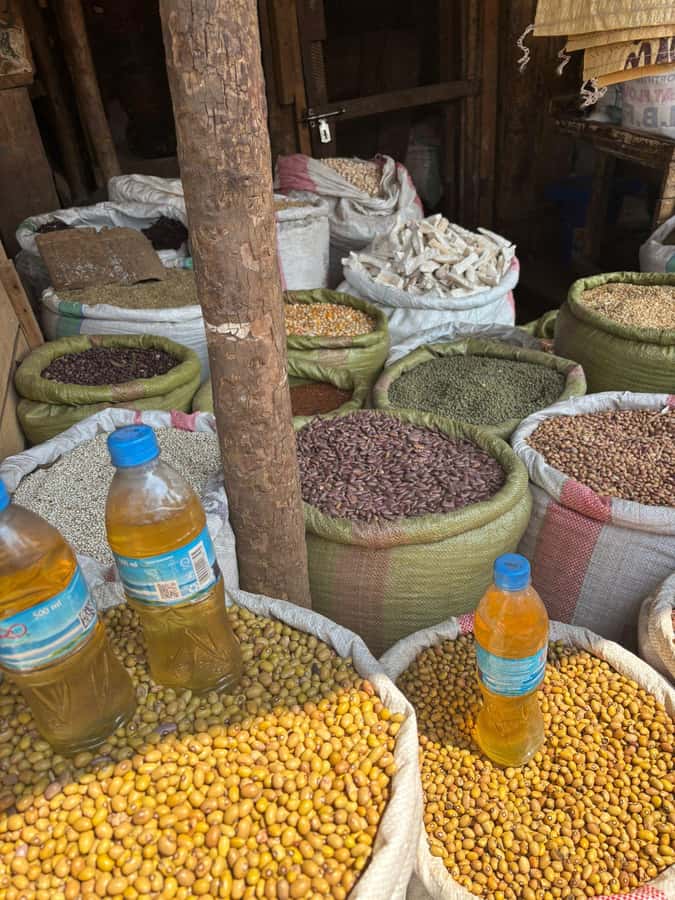
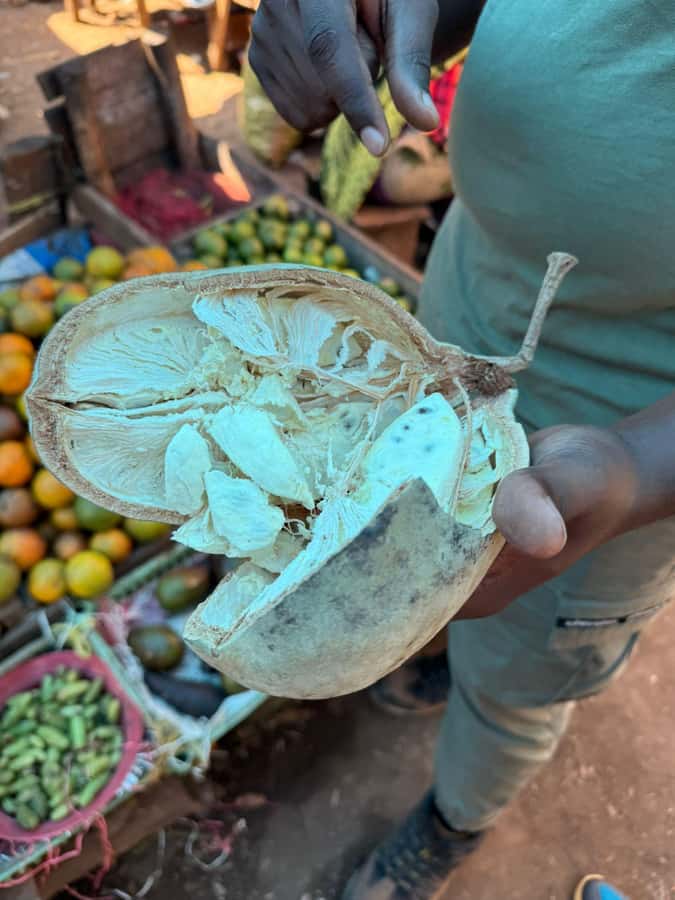
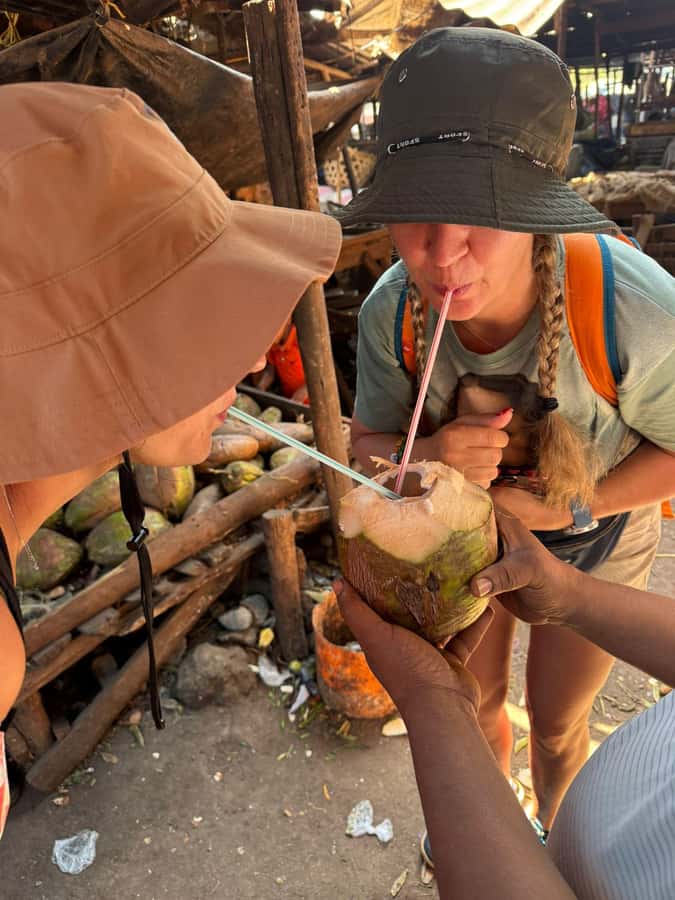
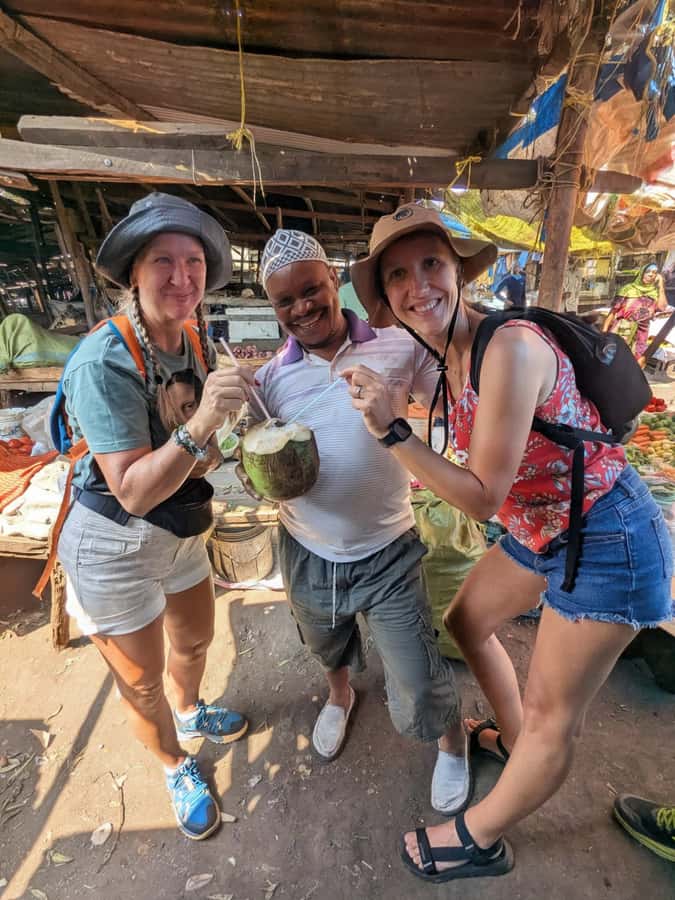
This is also a good place to ask about fruit. The experience includes sampling various fruits, and the tasting gives you a direct connection to the produce you are seeing. If you want to buy extra fruit or any other food, carry some Tanzanian shillings. Food and drinks are not included in the $25 price.
The short time here is both useful and limiting. You get an initial impression without spending the whole tour in one market, but you will need to stay close and ask focused questions if a particular stall interests you.
Mbuyuni Market brings the local economy into view
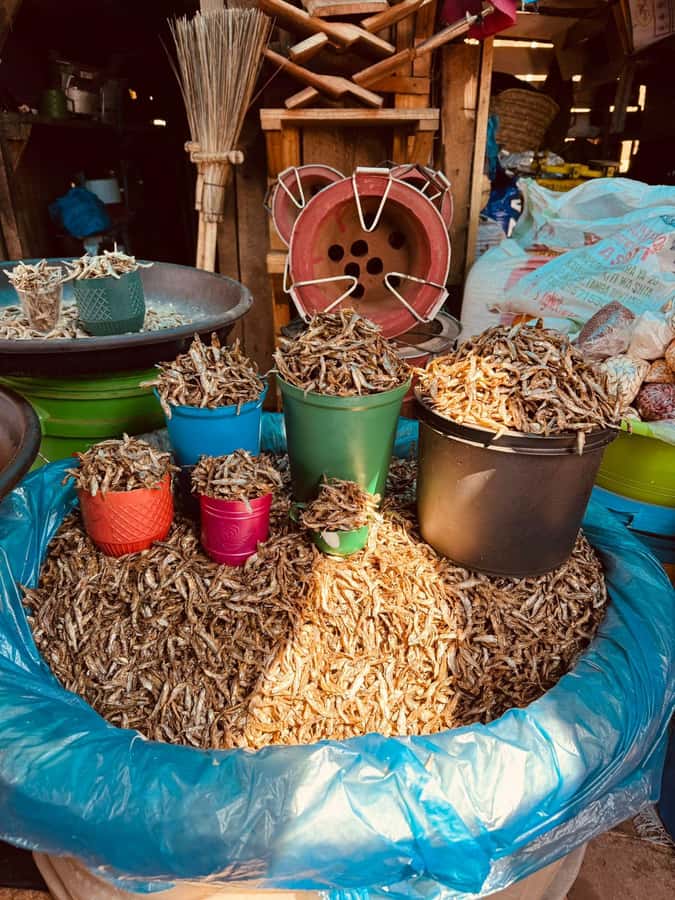
The Mbuyuni stop is another 25-minute guided walk. It is described as a larger sequence of market areas, including bananas, fish, spices, clothing, a local dispensary, and other businesses.
This variety is one of the strongest parts of the tour. A food market can look simple from the outside, but Mbuyuni lets you see several layers of local commerce in one place. Bananas show the importance of agricultural trade. Fish and spices add different supply chains. Clothing and the dispensary remind you that markets serve household needs far beyond meals.
You can expect a lot to happen in a small area. The guide’s explanation becomes especially valuable here, since it helps separate the different functions of the market. You are not just walking past tables. You are learning what each section sells and why it matters to people living in Moshi.
Be respectful with photographs. The experience includes photo stops, but a market is a place where people are working. Ask before photographing individuals, particularly at sensitive places such as the dispensary.
Same stalls, a different way to shop and eat:
- Bangkok: Damnoen Saduak Market and Maeklong Railway Market
★ 4.5 · 26,723 reviews - The Old Siam: Damnoen Saduak and Maeklong Railway Market
★ 4.5 · 10,992 reviews - Dubai: Old Town, Creek, Museums, Souks, & Street Food Tour
★ 4.8 · 10,816 reviews - Bangkok: Train Market & Floating Market with Boat Ride
★ 4.7 · 9,547 reviews
Central Market shows another side of food selling
The Main Market, also called the Central Market, receives another 25 minutes. The purpose of this stop is comparison. After seeing Manyema and Mbuyuni, you can look at the Central Market with a better sense of how one food market differs from another.
The route also passes local banks, where Isaac explains SIM-based banking in Tanzania. This is one of the more useful details on the tour because it connects what you see on the street with how people handle payments, transfers, and small business transactions.
The mobile banking explanation is practical rather than decorative. It gives you a clearer idea of how commerce works when people may not rely on the same banking habits you use at home. Ask questions here if you want to understand how mobile money fits into daily purchases and business.
The Central Market section is still brief, so do not expect a long cooking lesson or a full shopping trip. Think of it as a guided snapshot, with enough time to compare products and ask about the local economy.
Coffee Union Cafe gives your feet and senses a break
After the markets, the tour pauses for about 20 minutes at Coffee Union Cafe. This is a welcome change of rhythm after walking through food stalls and crowded commercial areas.
Coffee and tea are part of the stop, but drinks are listed as not included. Plan to pay for anything you order. The café also gives you a chance to ask Isaac for advice about other food and coffee places in Moshi. He has helped people find local restaurants, and that kind of recommendation can be useful if this is your first day in town.
I like this break because it keeps the tour from becoming a three-hour march. You have time to sit, cool down, and sort through what you have seen. If you prefer a faster pace, the break may feel longer than necessary, but most people will appreciate it, especially in warm weather.
Moshi Bus Stand explains movement and business
The bus stand is a 15-minute stop for photographs, walking, and a guided look at how people do business around public transport. This is a short visit, but it adds an important piece to the town’s daily rhythm.
Markets need transport, and transport creates its own trade. At the bus stand, you can see how passengers, drivers, sellers, and luggage all meet in one place. Isaac explains the activity rather than leaving you to work it out alone.
The stop is not designed as a long bus journey or a ride across the region. It is an observation point. Keep your belongings secure and stay with the guide, as you would at any busy transport hub.
One past outing included a tuk-tuk ride, but that is not part of the stated inclusions, so treat it as a possible extra rather than something to expect. The same applies to personal errands such as a pharmacy or supermarket visit. Isaac may help if the schedule permits, but the published route is the bus stand and the final market.
Blue Zebra connects shopping with community support
The last stop is Blue Zebra Art, Tanzanite, and Souvenir Shop, with about 20 minutes for browsing and shopping. This is not just another place to buy a carved object or piece of jewelry. The shop is described as selling items made mainly by disabled people, with some revenue supporting orphans and people in need.
That gives the stop a social purpose, but you should still shop thoughtfully. Ask about prices, materials, and what you are buying before committing. The tour does not require you to purchase anything.
Tanzanite is another major draw. This valuable stone is found only in Tanzania, and the shop gives you a chance to see it and ask questions. If you are considering a purchase, take your time and request clear information about the stone, price, and documentation. A guided introduction is helpful, but it does not replace your own care when buying jewelry.
The stop works best as an optional ending. You can browse, buy a souvenir, or simply learn about local crafts and the community work connected to the shop.
What $25 really gets you
At $25 per person, this is strong value if you want a guided introduction to Moshi rather than a private car ride with a few photo stops. The price includes hotel pickup and drop-off in Moshi Urban, bottled water, a live English-speaking guide, transport between locations, and roughly three hours of local sightseeing.
Food and drinks are not included, so budget separately for coffee, tea, market purchases, extra fruit, or souvenirs. The fruit sampling is part of the experience, but the listing does not promise a full meal.
The value is strongest for solo visitors and first-time arrivals. You get help crossing between different parts of town, explanations that would be difficult to pick up alone, and a more personal way to see daily life. It is also useful before or after a Kilimanjaro trip, when your time in Moshi may be limited.
Do not book it expecting a polished sightseeing circuit with long stops at major monuments. This is a working-town experience. You will walk, observe ordinary commerce, and spend short periods at several places. That is its appeal, but also its limit.
Who will get the most from this Moshi tour
I would choose this outing if you want to understand how Moshi functions, not just take photographs. It suits solo visitors, couples, small groups, and anyone who feels unsure about entering local markets without a guide.
Isaac’s English, flexible approach, and willingness to answer questions are useful for first-time visitors. He has helped with Swahili phrases, money exchange, local food choices, and practical errands when time allowed. Single women may also value the added confidence of having a trusted guide in unfamiliar market areas.
The tour is a good match for curious eaters, amateur photographers, shoppers, and people interested in small business. It is less suitable if you dislike walking, crowded commercial spaces, bargaining activity, or changing street conditions.
Wear comfortable clothes and shoes. Bring a small amount of local currency for drinks and purchases, but do not feel pressured to shop. Bottled water is supplied, though carrying it during the walking sections is still sensible.
The schedule can be adjusted in some cases. Isaac has started early for airport plans, accommodated last-minute bookings, and shaped visits around specific interests. Confirm your timing before booking if you need a strict departure or an added stop.
Booking details worth knowing before you go
The advertised duration is three hours, with these approximate stop times: 25 minutes at the train station, 25 at Manyema Market, 25 at Mbuyuni Market, 25 at the Central Market, 20 at Coffee Union Cafe, 15 at the bus stand, and 20 at the souvenir shop. Allow for short drives and walking between locations.
Pickup and return are in Moshi Urban. The live guiding language is English. Cancellation is free up to 24 hours before the start time, and you can reserve now and pay later, which helps if your Kilimanjaro plans are still shifting.
The experience has a 4.9 rating from 36 bookings, with especially strong praise for Isaac’s communication, friendliness, local explanations, flexible timing, and help beyond the basic route. That pattern matters because the tour depends heavily on the guide. A good guide turns a market walk into an explanation of local life; Isaac appears to put real effort into that role.
Should you book this tour?
Book it if you want an affordable, personal introduction to Moshi’s working life. The three markets, railway history, SIM banking explanation, fruit tasting, café break, and community-focused craft stop give you more range than a simple town walk.
Skip it if you want a long shopping session, a formal museum tour, or a full meal included in the price. For most people with a free morning or afternoon in Moshi, though, the $25 cost is modest for the transport, guide, and local context. I would especially recommend it early in your stay, when it can help you get your bearings and point you toward good food, coffee, markets, and practical services for the rest of your visit.
FAQ
How long does the Moshi town and markets tour last?
The tour lasts three hours, including visits to the railway station, three markets, Coffee Union Cafe, the bus stand, and the Blue Zebra art and souvenir shop.
Where does pickup take place?
Pickup and drop-off take place in Moshi Urban, including your lodging in that area.
Which markets does the tour visit?
The route includes Manyema Market, Mbuyuni Market, and the Main or Central Market.
Is food included in the tour price?
Food and drinks are not included. The experience includes fruit sampling, but you should pay separately for café drinks, additional food, and market purchases.
Is coffee or tea included?
The tour includes a stop at Coffee Union Cafe for coffee or tea, but drinks are not included in the price.
What language does the guide speak?
The live tour guide speaks English.
Does the tour visit a Tanzanite shop?
Yes. The final stop is Blue Zebra Art, Tanzanite, and Souvenir Shop, where you can browse Tanzanite, arts, crafts, and souvenirs.
What should I bring?
Bring comfortable shoes and comfortable clothes. Bottled water is provided.
Just added around the world
- Three-Hour Private Chengdu Tea Wholesale Market Tour★ 5.0 · 4 reviews
- Half-day Dandan Noodles Cooking Class with a Local Market Visit★ 5.0 · 8 reviews
- Chania: Old Town, Public Market, Hill of Prophet Elias, Agia Triada★ 5.0 · 35 reviews
- Moroccan Cooking Class with a Local Family & Market Visit★ 5.0 · 16 reviews
- Chania Old Town, Public Market and Chrisopigi Monastery Tour★ 4.5 · 6 reviews
- 3-Hour Herbal Wholesale TCM Market and a Local Wet Market Tour★ 5.0 · 4 reviews
- Chania: Morning Bites and Market Delights Food Tour★ 5.0 · 11 reviews
- Food Tasting & Market Shopping: Private Guided Tour in PORT LOUIS★ 4.5 · 9 reviews
Tanzania Market Tours, compared.
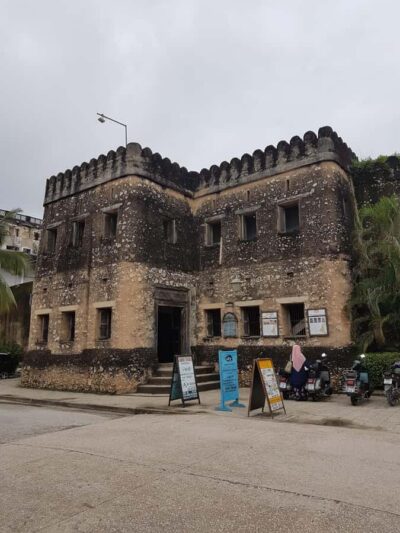
3 Hours Private Stone Town walking Tour with Guide
Read our review →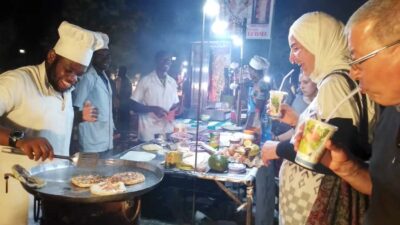
Stonetown: Food Markets and Street Food Walking Tour
Read our review →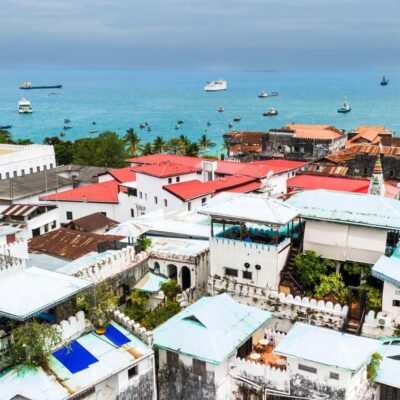
Stone Town Guided Tour: Culture, Slave Market & Spice Market
Read our review →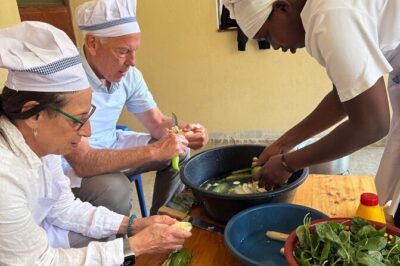
Arusha: Traditional Tanzania Cooking Class & Food Market Tour
Read our review →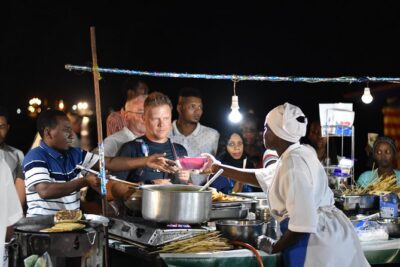
Stone Town Evening Walk Tour With Visit Food Markets
Read our review →Arusha: Traditional Tanzania Cooking class& Food Market Tour
Read our review →
24 Hours in Arusha—Arusha Museum, Cultural Heritage, Maasai Market, Shanga
Read our review →
Browse the lists this tour appears in