
Review · SEOUL
Seoul: Colonial History Tour with Prison&Palace, Market Food
Seoul’s colonial story comes into sharp focus at Seodaemun Prison, where independence fighters endured imprisonment during Japanese rule. From there, this four-hour tour connects resistance, royal change, foreign support, and everyday food in one compact route.
I like the way the day pairs serious historical sites with Namdaemun’s food alleys. I also like the mix of settings: prison rooms, a journalist’s restored home, a palace with Western touches, and a traditional market. The main drawback is the pace. With several stops and moderate walking, this is not a slow, relaxed sightseeing stroll.
Key points at a glance
- Seodaemun Prison History Hall: Spend about 80 minutes learning about Korean independence fighters and the hardship they faced under Japanese rule.
- Dilkusha: Visit the former home of American journalist Albert W. Taylor, whose reporting helped share Korea’s independence cause abroad.
- Deoksugung Palace: See Korean royal buildings beside Western-style architecture and consider Korea’s difficult path toward modernization.
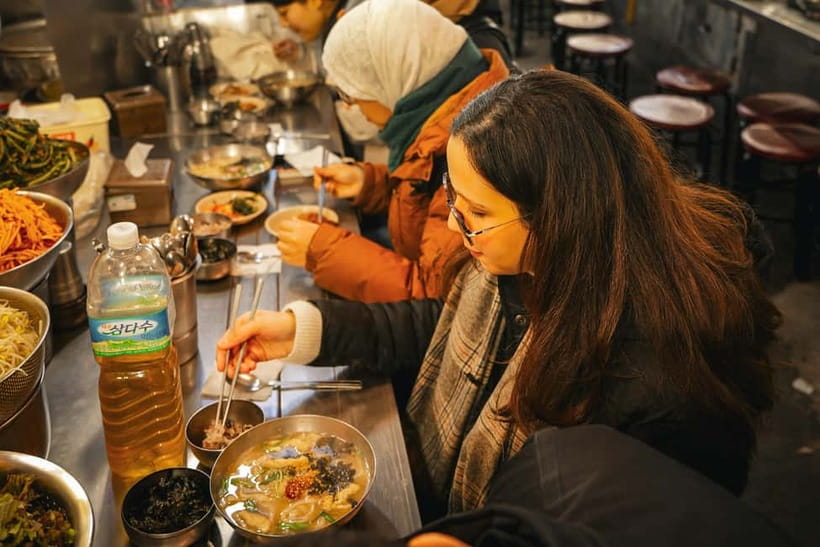
- Namdaemun Market food stop: Eat at Kalguksu Alley and sample local street foods such as hotteok and gimbap.
- Useful timing: The tour lasts four hours, begins at Dongnimmun Station Exit 5, and returns to the same meeting point.
- Best for history-minded eaters: The guide-led context gives the food and landmarks more meaning, but the subject matter can be emotionally heavy.
Why this route gives Seoul’s past a human scale
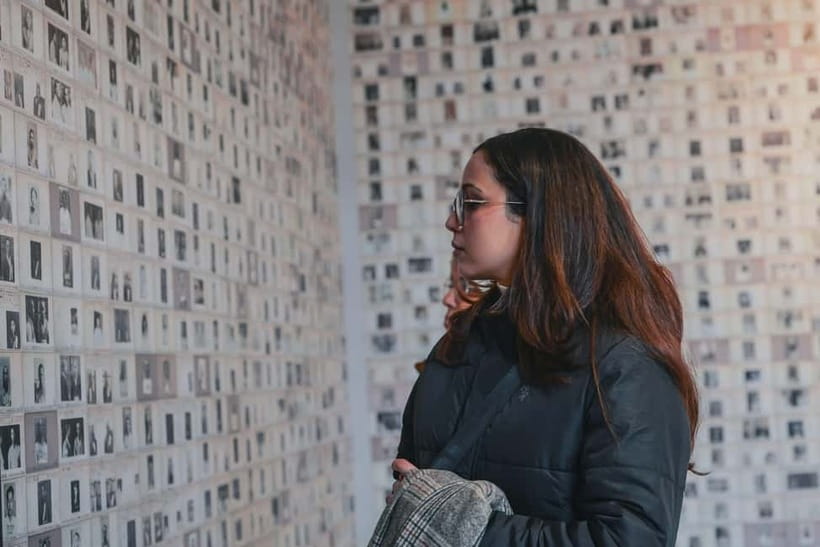
Many Seoul sightseeing routes move from palace to palace, treating history as a series of pretty gates and tiled roofs. This one takes a different path. It begins with imprisonment and resistance, then follows the political and architectural changes that shaped modern Seoul.
That order matters. At Seodaemun Prison, you encounter the cost of colonial rule. At Dilkusha, you see how information and international attention could support Korea’s independence movement. At Deoksugung Palace, the story shifts to royal power, foreign influence, and modernization. The final stop at Namdaemun Market brings you back to ordinary life, with noodles, snacks, and crowded food counters.
I find this structure useful because it links major facts instead of presenting them as isolated stops. You are not simply looking at an old prison, a palace, and a market. You are following a city through pressure, change, and survival.
The English-speaking guide is an important part of the experience. The advertised guides include Janice and Ron, and the tour is designed around explanation rather than a quick walk past monuments. Ron, in particular, is described as happy to answer questions about Korean culture, food, and other periods of history. That kind of open conversation can help you connect the colonial period with the rest of your time in Seoul.
More food and drink tours in Seoul:
- Seoul Street Food Market Tour
★ 5.0 · 1,226 reviews - Seoul: Night Market Food Tour with Local Guide
★ 4.9 · 943 reviews - Seoul: Guided Food & Market Tour with 8+ Tastings
★ 4.9 · 342 reviews
Seodaemun Prison, where the tour turns serious
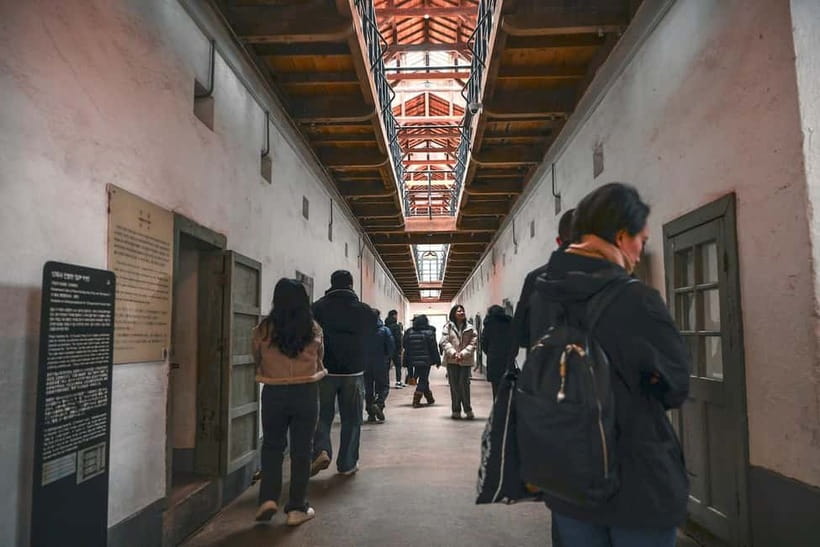
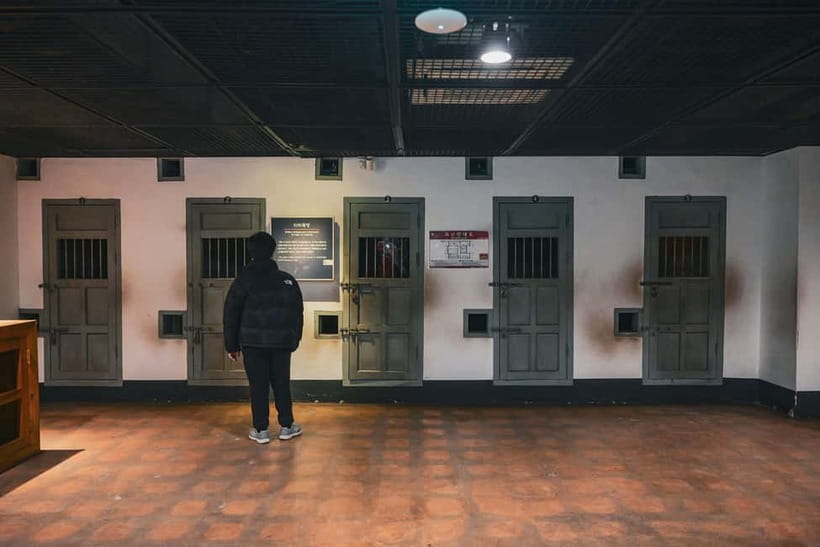
The first major stop is Seodaemun Prison History Hall, reached from the meeting point at Dongnimmun Station. The guided visit lasts about 80 minutes, making it the longest single stop of the day.
This former prison was used during the Japanese colonial period, and the visit focuses on Korean independence fighters who were detained and mistreated there. The subject is painful. You should expect a somber historical visit rather than a light museum outing.
That emotional weight is also the reason this stop matters. The independence movement can feel distant when it is reduced to dates and political names. Inside a former prison, the story becomes more direct. The rooms and displays point to the people who accepted hardship in the hope of ending foreign rule.
Give yourself some mental space here. The tour moves on afterward, but the prison is likely to be the part you remember most clearly. The historical material may be difficult for younger children or anyone looking only for cheerful sightseeing.
The 80-minute guided visit is a good use of time. You get more than a quick look at the grounds, and you can ask questions as the guide explains the site. Still, this is an active walking tour. Comfortable shoes are essential, and you should be ready to spend much of the morning or afternoon on your feet.
Dilkusha and the international side of independence
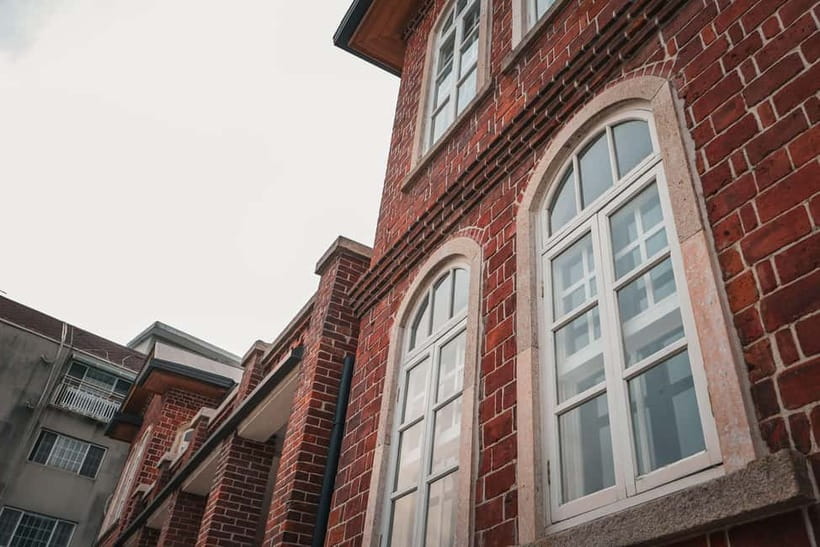
After Seodaemun Prison, the route continues to Dilkusha, the historic home of American journalist Albert W. Taylor. The guided portion here lasts about 15 minutes, so this is a short but pointed stop.
Taylor supported Korea’s cause and helped share news of the independence movement with the outside world. His home adds an international angle to a story that can otherwise be told only from inside Korea. It shows how foreign residents, journalists, and outside networks could help carry information beyond colonial control.
Do not expect a long museum visit. Fifteen minutes is enough for a focused explanation and a look at the house, but not enough for every detail. The value comes from the connection to the earlier prison stop. You first learn about resistance inside Korea, then see how news of that struggle reached an international audience.
This is also one of the tour’s more unusual stops. Most first-time visitors to Seoul know the main palaces and markets, but Dilkusha is less familiar. That makes the guide’s explanation especially useful. Without context, it could seem like simply another historic house. With context, it becomes part of the wider story of Korea’s fight for independence.
Deoksugung Palace and Korea’s uneasy modernization
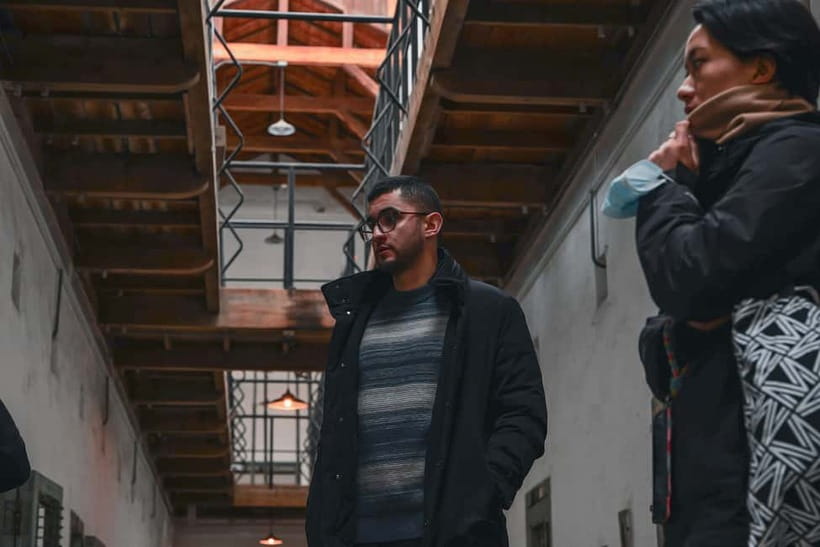
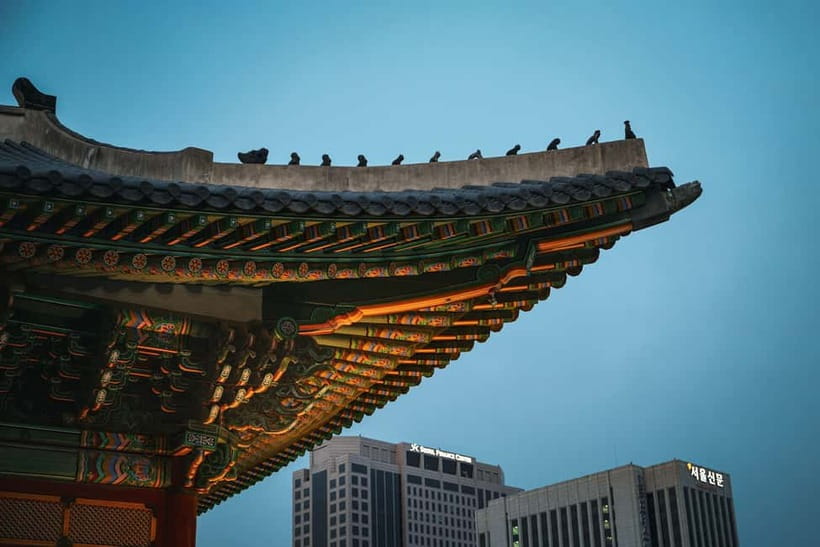
Deoksugung Palace brings a sharp change of mood. The palace offers traditional Korean buildings, but it also includes Western-style architecture, reflecting the political and cultural pressures that came with modernization.
The guided visit lasts about one hour. That gives you enough time to consider more than the palace’s visual appeal. The key question here is how Korea adapted to a changing world while facing political danger and foreign pressure.
I like this stop because it complicates the usual palace picture. Deoksugung is not presented only as a beautiful royal compound. Its mixture of Korean and Western forms points to a period when the country was trying to respond to new powers, new technology, and new political realities.
The visit also works well after Dilkusha. At the journalist’s home, you think about international reporting and outside connections. At Deoksugung, you see those wider forces reflected in royal architecture and government life.
Expect some walking between buildings and through the palace grounds. The route is not intended for a wheelchair, and the overall tour involves a moderate amount of walking. If you need frequent rests, ask about the pace before booking.
A few more market tours around Seoul worth a look
- Seoul: Palace, Temple and Market Guided Foodie Tour at Night
★ 4.9 · 750 reviews - Seoul Night Palace & Market Food Tour with Vehicle
★ 5.0 · 275 reviews - Seoul: Namdaemun Market Food Tour
★ 4.9 · 34 reviews - Seoul: Gwangjang Market Netflix Food Tour
★ 4.7 · 31 reviews
City Hall and Sungnyemun connect old Seoul with new Seoul
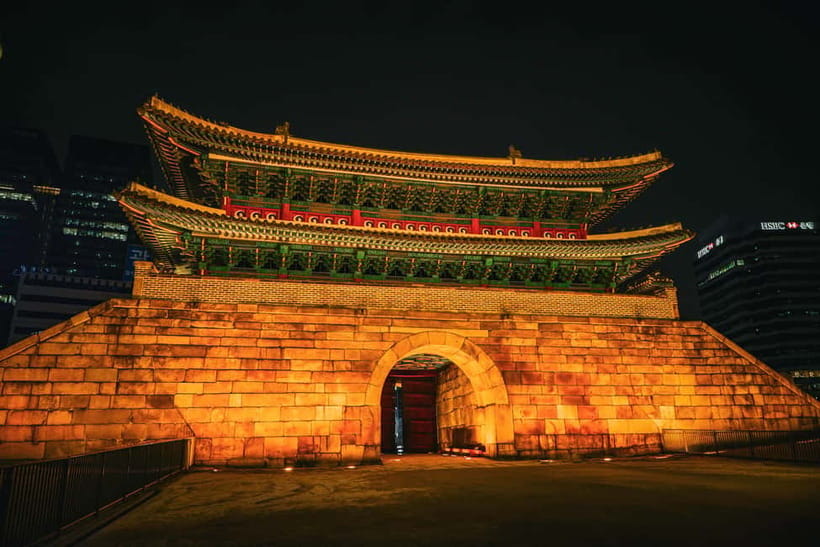
The route also includes brief visits near Seoul City Hall and Sungnyemun Gate, often called Namdaemun. Each stop is listed at about 10 minutes, so these are quick orientation points rather than extended museum visits.
Seoul City Hall helps mark the city’s transformation from a colonial past to a modern democracy. It is a useful contrast with Seodaemun Prison. One site recalls suppression and resistance. The other points toward the political city that developed afterward.
Sungnyemun Gate gives you a much older reference point. This 600-year-old national treasure served as the southern entrance to Seoul during the Joseon Dynasty. Seeing it in the same tour as a former colonial prison and a modern city hall puts several layers of Seoul in one frame.
The short timing means you should not expect a detailed architectural study at either location. Instead, use these stops to orient yourself. Listen for the connections your guide makes between Joseon Seoul, colonial Seoul, and the city you see today.
These brief pauses also help break up the heavier material. After the prison and the political history at the palace, a gate and city landmark offer a chance to look outward at Seoul’s streets and daily movement.
Namdaemun Market turns history into lunch
The tour ends with about an hour at Namdaemun Market, one of Seoul’s largest and oldest traditional markets. Vendors have sold goods here for more than 600 years, and the market remains a working place rather than a polished attraction built only for sightseeing.
This is where the tour becomes especially practical and social. You get to see how food is served in compact market stalls and how a traditional shopping district operates. The guide can point you toward local specialties and explain what you are eating, which is useful if Korean menus feel unfamiliar.
The main meal takes place in Kalguksu Alley, known for handmade knife-cut noodles. A warm bowl of kalguksu is a fitting end to a history-heavy route. It is simple, filling food, served in the kind of small, busy setting that gives you a stronger feel for ordinary Seoul than a restaurant designed for visitors.
Food tastings also include street foods such as hotteok and gimbap. Hotteok is a sweet filled pancake, while gimbap consists of rice and fillings rolled in seaweed. The exact food experience can vary, but the tour promises tastings at the market rather than a formal sit-down meal with a fixed menu.
That distinction matters. If you want a quiet lunch or a long restaurant meal, this may feel rushed. If you want to try several foods while moving through a traditional market, the format works well.
The market stop also helps balance the serious beginning. The tour does not leave you at the prison with a heavy ending. Instead, it closes with food, conversation, and a glimpse of the city’s continuing daily life.
What the four-hour schedule feels like
The route is tightly packed. It includes a starting point at Dongnimmun Station Exit 5, a long visit at Seodaemun Prison, a short stop at Dilkusha, an hour at Deoksugung Palace, two brief landmark visits, and an hour at Namdaemun Market.
Transportation costs are included, and the vehicle route may change to walking depending on conditions at the time. You should therefore plan for more walking than the map might suggest. Comfortable shoes are not just a nice idea here. They are the practical choice.
The activity ends back at the original meeting point. That makes the start and finish easy to plan, but it also means the final return comes after the market visit rather than near a separate central station. Check your next appointment carefully so you do not create a tight connection.
Starting times vary, so check availability when choosing a date. The tour-related information is sent through WhatsApp one to two days before the activity. Provide a number that can receive WhatsApp messages, and watch for the meeting instructions.
At Dongnimmun Station Exit 5, look for the guide holding a Tripper sign. The tour is conducted in English, and entrance fees are included along with transportation and the food tastings.
Is the $58 price fair?
At $58 per person, this tour offers reasonable value if you want several admissions, a guide, transportation, and food in one half-day outing. Seodaemun Prison and Deoksugung Palace are the two main paid historical visits, and the price also covers the smaller stops and market tastings.
The stronger value comes from the connections. You could visit some of these locations alone, but you would need to plan the route, arrange transport, decide how long to spend at each site, and work out what to eat at Namdaemun. The guide supplies the historical thread and removes much of that planning.
The price is less compelling if you prefer to spend a long time at one site. Deoksugung receives about an hour, Dilkusha about 15 minutes, and the City Hall and Sungnyemun visits about 10 minutes each. You are paying for range and interpretation, not a slow museum study.
Food is included as tastings, not unlimited eating. Bring extra money if you want to buy more snacks or add food beyond what is provided. The information given does not specify every dish or portion, so treat the market meal as a guided introduction rather than a guaranteed large lunch.
The ability to cancel up to 24 hours in advance for a full refund adds useful flexibility. You can also reserve now and pay later, which helps if your Seoul plans are still shifting.
Who will get the most from this tour?
I would choose this tour if you want modern Korean history explained in place, rather than only reading about it later. It suits first-time visitors who want a structured introduction to Seoul’s colonial period and independence movement.
It is also a good match for people who plan their trips around food. The market portion is not an afterthought. Kalguksu Alley, hotteok, and gimbap give the day a clear local-food finish.
The tour may not suit you if your main goal is palace photography, shopping, or a leisurely market lunch. The historical material is central, and Seodaemun Prison can be emotionally demanding. The walking level also rules it out for wheelchair users, and the activity is not suitable for people with altitude sickness.
Families should consider the child’s interest and maturity before booking. The prison visit deals with suffering and imprisonment, so it is not the same as a light cultural outing.
Should you book this Seoul history and food tour?
Book it if you want a compact, guided route that ties together Korean independence, colonial history, royal change, foreign reporting, and traditional food. The strongest parts are the 80-minute Seodaemun Prison visit, the unusual Dilkusha stop, and the final meal at Namdaemun Market.
I especially like the way the tour gives Seoul’s history a beginning, middle, and end: resistance at the prison, political and architectural change at the palace, then everyday life over noodles and street food. Guides such as Janice and Ron add value by answering questions beyond the basic route.
Skip it if you want a quiet day, minimal walking, or a long visit at each landmark. For a history-minded eater with four hours to spare, the $58 cost is fair, and the route gives you useful context for the rest of your time in Seoul.
FAQ
How long does the tour last?
The tour lasts four hours. Starting times vary, so check availability for the date you want.
Where does the tour start?
Meet at Dongnimmun Station, Exit 5. The guide will be holding a Tripper sign.
Where does the tour end?
The activity ends back at the original meeting point.
Is the tour conducted in English?
Yes. The tour includes a live English-speaking guide.
What food is included?
Food tastings take place at Namdaemun Market. The experience includes a meal at Kalguksu Alley with handmade knife-cut noodles, along with street foods such as hotteok and gimbap.
How much walking is involved?
The tour involves a moderate amount of walking. Comfortable shoes are recommended, and the vehicle route may change to a walking route depending on conditions.
Is the tour suitable for wheelchair users?
No. The activity is listed as not suitable for wheelchair users.
What is the cancellation policy?
You can cancel up to 24 hours in advance for a full refund. You can also reserve now and pay later.
More Shopping Tours in Seoul
- Seoul: Nighttime Tour of Palace, Market, Naksan Park & More
★ 4.9 · 143 reviews - Fortress Night Hike & Snack at a Local Market
★ 5.0 · 112 reviews - Seoul: Gyeongbok Palace, N Tower, & Local Market City Tour
★ 4.9 · 107 reviews - Korean Cooking Class with Grocery Shopping at Seoul Local Market
★ 5.0 · 107 reviews
More Markets in Seoul
- Local Home Korean Cooking Class & Market Adventure in Seoul
★ 5.0 · 1,024 reviews - Seoul: Korean Cooking Class at a Local Home and Market Tour
★ 5.0 · 348 reviews - Cook 3 Authentic Korean Dishes with Local Market Tour
★ 5.0 · 231 reviews - Korean Palace and Market Tour in Seoul Including Insadong and Gyeongbokgung Palace
★ 4.0 · 174 reviews
Just added around Seoul
- Seoul: Sokcho beach, market, hot spring and Seorak Cable Car★ 4.8 · 5 reviews
- Seoul: The Biggest Sea-food Noryangjin Market Tour★ 4.3 · 30 reviews
- Seoul: Namdaemun Market Food Tour★ 4.9 · 34 reviews
- Seoul: Guided Street Food Tour at Namdaemun Market★ 5.0 · 10 reviews
- Seoul: Gwangjang Market Vegan & Vegetarian Food Tour★ 5.0 · 16 reviews
- Seoul: Gyeongbokgung Palace Tour & Lunch at Authentic Market★ 4.5 · 2 reviews
- Seoul Evening Tour:Gwangjang Market&Naksan Park&Eungbongsan★ 5.0 · 2 reviews
- Seoul Gwangjang Market Foody Walking Tour★ 4.1 · 7 reviews
Shopping Tours, compared.
Damnoen Saduak Market and Maeklong Railway Market
Read our review →
The Old Siam: Damnoen Saduak and Maeklong Railway Market
Read our review →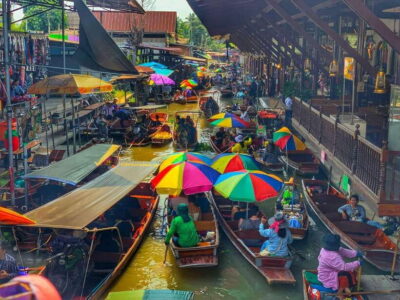
Train Market & Floating Market with Boat Ride
Read our review →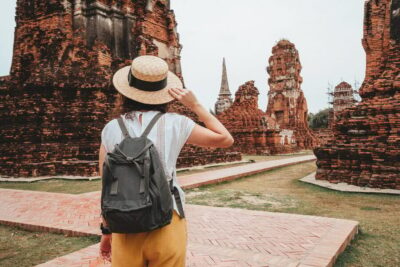
Ayutthaya & Ayothaya Floating Market Day Trip
Read our review →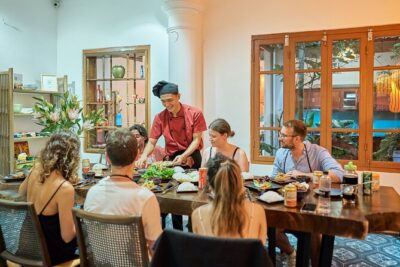
Hanoi Cooking Class: Culture, Local Market & Meaning CSR Impact
Read our review →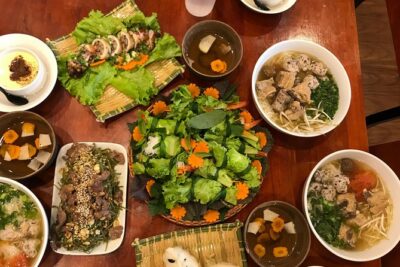
5 Traditional Dishes Hanoi Cooking Class with Market Trip
Read our review →
Cooking Class and Lunch at a Tuscan Farmhouse with Local Market Tour from Florence
Read our review →
Cooking Class, Market & Thai Herbs Garden Tour
Read our review →Browse the lists this tour appears in