
Review · AUSTRALIA
Sydney Fish Market: Tide to Table Seafood Tour with Drink
Sydney Fish Market’s Tide to Table tour shows you what happens before seafood reaches a plate. You’ll begin on the commercial fishing wharf, trace the catch toward the auction floor, and learn how Australian seafood is harvested across a huge range of waters. I like the clear link between fishing methods, sustainability, and the food you eat. I also like the small group, capped at 10 people, which should make it easier to hear the guide and ask questions.
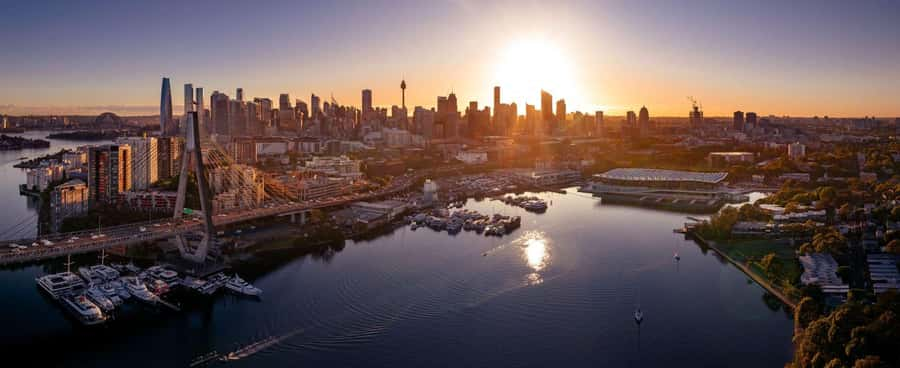
The final drink and seafood canape give the 90-minute visit a pleasant finish, especially with waterfront views. The main drawback is that this is not a general food tour with lots of tastings. You receive one beer or wine and one canape, so anyone hoping for a full meal should plan to eat separately.
Key points at a glance
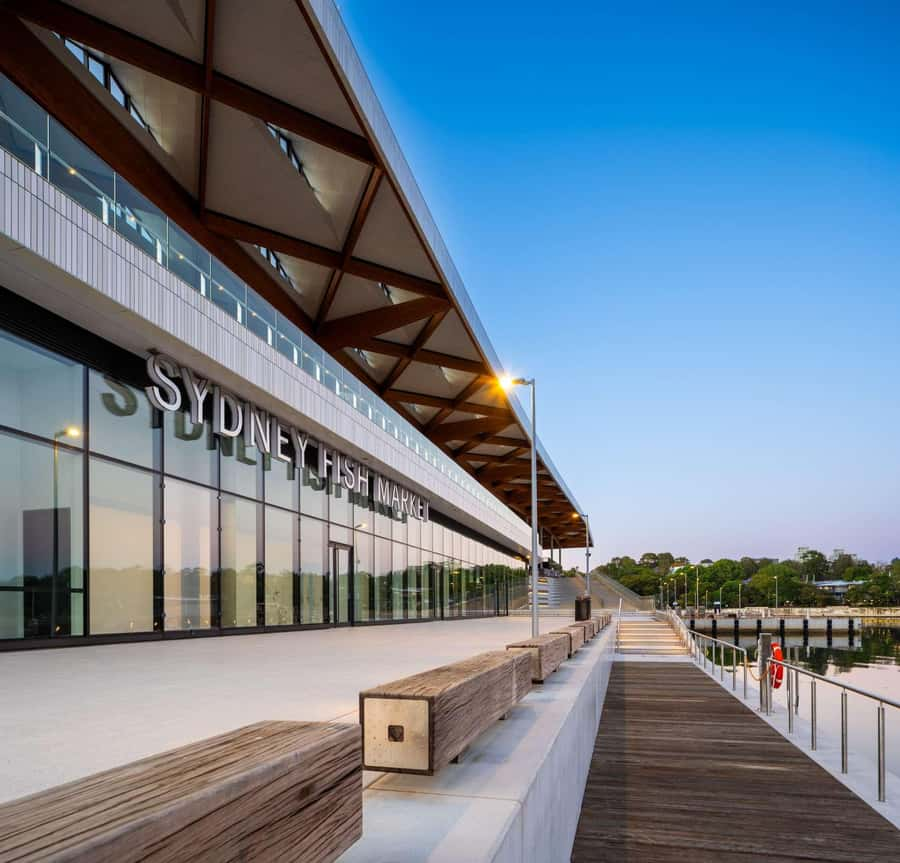
- Start at the working wharf: See where the day’s catch arrives and learn how fishing methods vary across Australian waters.
- Follow seafood toward the auction floor: Understand the quick movement from landing to sale inside a major seafood facility.
- Sustainability is part of the main story: The tour explains how harvesting practices connect with long-term care for the ocean.
- Small groups keep the visit personal: Numbers are limited to 10 people, with an English-speaking live guide.
- Finish with a simple seafood pairing: Enjoy one beer or wine and a seafood canape beside the water.
- Plan for practical limits: Wear closed-toe shoes and a jacket, and note that the tour is not suitable for children under 13 or wheelchair users.
The story begins where the catch comes ashore
You meet at the Visitor Hub on the ground level, in the southeast corner of the building. From there, the tour takes you to the commercial fishing wharf, the right place to begin because it puts the seafood story in physical order: first the catch arrives, then it moves through the facility, then it is sold.
I like this start because it gives the tour a working focus. You are not simply looking at seafood counters or hearing a general talk about Australian cuisine. You are learning about the first stage of the supply chain and the different ways fish and other seafood are caught across Australian waters.
The information is broad rather than tied to one single species. That is useful if you want a better sense of the Australian seafood industry as a whole. Fishing methods differ depending on the water, the target catch, and the conditions, and the tour uses that variety to explain why seafood production is not one simple process.
You should expect to walk while listening, so comfortable clothing matters. Closed-toe shoes are required, and a jacket is recommended. The wharf and facility can feel practical rather than polished, which is part of the point, but it also means this is best approached as an educational visit to a working seafood operation.
More Fish Market Tours in Australia
- Sydney Fish Market Behind the Scenes Tour
★ 5.0 · 10 reviews - Sydney Fish Market Discovery Tour
★ 4.2 · 10 reviews - Sydney Fish Market Behind the Scenes Tour
★ 5.0 · 9 reviews
Why the sustainability discussion matters
Sustainability is not tacked on as a final talking point. It shapes the tour’s explanation of how seafood is harvested and how the industry thinks about the future of the ocean.
I find that useful because the word sustainability can be vague when it is separated from real working practices. Here, you learn how it connects to fishing methods and long-term ocean stewardship. The tour does not promise a simple answer to every seafood question, but it gives you a framework for thinking about where seafood comes from and how harvesting affects natural resources.
This part should appeal to you if you care about responsible food choices but do not want a lecture detached from daily business. It also gives more meaning to the market’s activity. The catch is not presented only as a product to buy. You are shown the systems and decisions behind it.
The supplied information does not identify individual guides, so I cannot point you toward a particular host by name. The tour is conducted in English by a live guide, and the small group size should help keep the explanation focused. A maximum of 10 people is a real advantage in a place where machinery, movement, and background noise may make a large group harder to manage.
Following the catch toward the auction floor
After the wharf, you follow the route seafood takes toward the auction floor. This is the tour’s most distinctive section because it explains the fast stage between arrival and sale.
Seafood auctions are built around timing. The tour gives you insight into that quick process and into the way the facility handles seafood as it moves through the system. You are not just seeing a market from the customer side. You are learning about the commercial steps that happen before seafood reaches a restaurant, shop, or home kitchen.
The auction floor may be the part that interests you most if you enjoy seeing how food systems work. It also adds useful context to the market’s name. A seafood market is not only a place for browsing and eating. It is part of a larger chain that begins at the wharf and depends on fast handling.
The description does not promise that an auction will be running during every tour, so I would treat this as an opportunity to learn about the auction process and see the auction-floor area, not as a guarantee of a live auction spectacle. That distinction matters if you are booking mainly to watch an active sale.
A look at the facility’s newer spaces
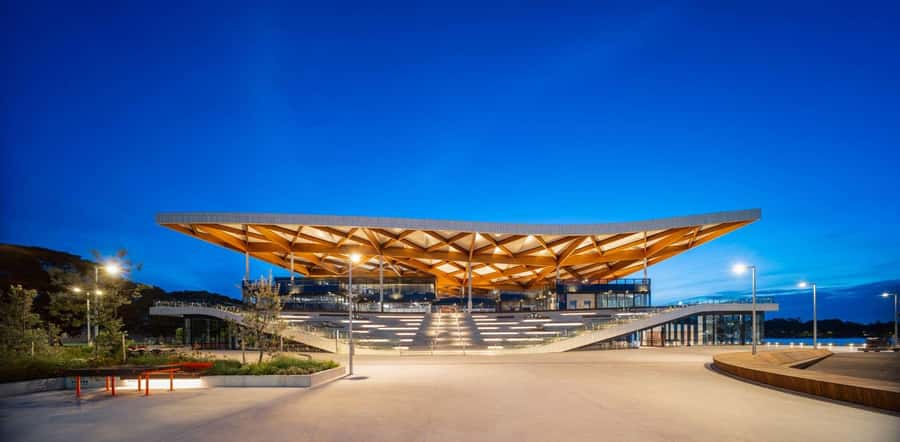
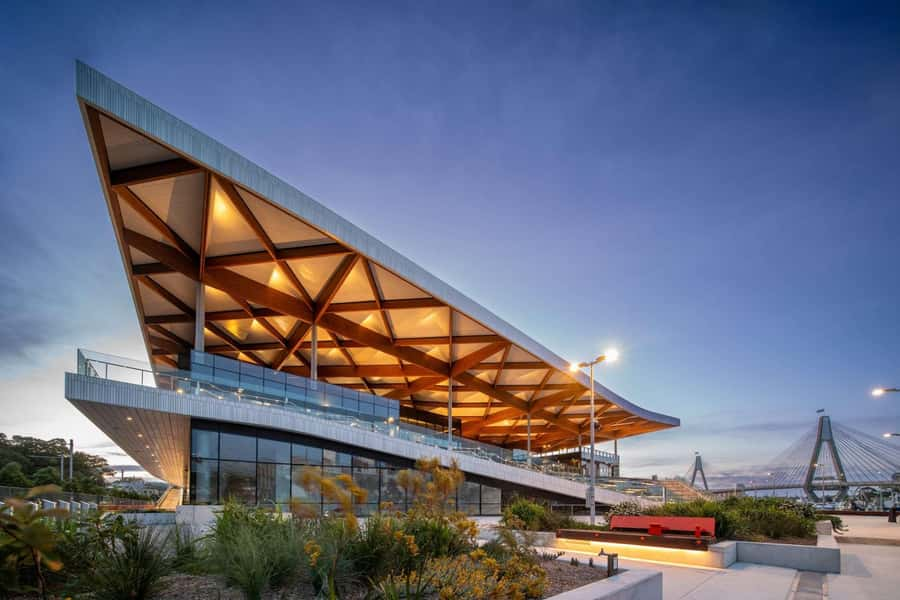
The route also includes innovative spaces within the state-of-the-art seafood facility. This gives the experience a second layer. You hear about the traditional work of fishing and auctioning, then see how a modern seafood site is designed to support those activities.
I like that combination. The tour is not only about old routines or only about new architecture. It links the practical work of receiving and selling seafood with the spaces built to support a modern operation.
The phrase state-of-the-art does not mean the visit turns into an architecture tour. The main subject remains seafood, fishing, auctions, and sustainability. Still, these spaces help explain how a large facility can connect the wharf, auction process, public areas, and waterfront setting.
You may find this portion less exciting if you want constant tasting or hands-on cooking. There is no cooking lesson listed, and additional food and drinks are not included. For a 90-minute visit, though, the mix of working areas, industry information, and the final tasting is fairly well judged.
Same stalls, a different way to shop and eat:
- Queen Victoria Market Ultimate Foodie Tour
★ 5.0 · 295 reviews - Adelaide Central Market Discovery Tour
★ 5.0 · 203 reviews - Sunshine Coast Hinterland and Noosa Day Trip from Brisbane Incl Eumundi Markets
★ 4.5 · 189 reviews - Eumundi Markets Bus Transfer: Mooloolaba Sunshine Coast & Noosa
★ 5.0 · 84 reviews
The drink and seafood canape finish
At the end, you settle in with a beer or wine and a seafood canape while taking in waterfront views. This is a modest food component, but it is a smart way to close the visit.
The drink gives you a chance to pause after the walking and information, while the canape connects the talk back to eating. You have just followed seafood from arrival and handling toward sale, and now you get a small taste of the finished experience.
Keep your expectations in check. One canape is not lunch, and the tour includes only one beer or wine. Additional food and drinks cost extra. I would schedule this as a focused market visit before or after a separate meal rather than treating it as a complete dining outing.
The waterfront setting adds appeal, especially if you like a relaxed finish instead of being sent straight back into the market. It also gives the tour a clear rhythm: working wharf, auction process, facility spaces, then a drink and bite with a view.
Is $56 a fair price?
At $56 per person, the value depends on what you want from Sydney Fish Market. If you only want to look around and buy food, a paid tour may feel unnecessary. If you want access to the seafood story behind the public market, the price is easier to justify.
You are paying for 90 minutes with a live English-speaking guide, a small group of no more than 10 people, access to the commercial fishing wharf, an explanation of fishing methods and sustainability, a look at the auction floor, and time in the facility’s innovative spaces. The beer or wine and seafood canape add a practical finish, though they are not large enough to define the value.
I see the strongest value in the access and interpretation rather than the food portion. The drink and canape are welcome, but the real reason to book is to understand how Australian seafood moves from water to market.
The price may feel high if you are traveling with a large family, since children under 13 cannot join and the group is designed for adults and older teenagers. It makes more sense for solo visitors, couples, or small groups who enjoy food production, sustainability, and behind-the-scenes operations.
Who should book this seafood tour?
I would recommend it if you enjoy seeing how food reaches the table. It suits you particularly well if you want more than a casual market wander and like learning about fishing methods, commercial handling, and responsible seafood production.
The tour also works for visitors with a strong interest in Australian food. You will not get a broad tasting menu, but you will gain context that can make a later seafood meal more meaningful. The final canape is a small reminder of the connection between industry and plate.
It is a good choice for adults and older teenagers who are comfortable walking and listening for 90 minutes. The limited group size should help if you prefer a quieter, more direct tour rather than a large crowd.
I would skip it if you want a cooking class, a full seafood lunch, or a tour built around repeated tastings. Vegans are specifically excluded, and the experience is not suitable for people with a cold, wheelchair users, children under 13, or people over 95. Those restrictions are important when planning a group booking.
Timing, clothing, and meeting details
The tour lasts 90 minutes, and starting times vary, so you need to check the available session when booking. Transportation to the starting point is not included.
Meet at the Visitor Hub on the ground level in the southeast corner of the building. Wear comfortable clothes for walking, closed-toe shoes, and a jacket. These are simple requirements, but they matter because the tour includes a commercial wharf and working facility rather than only indoor public areas.
The tour is offered in English. If you need another language, this experience is not a match based on the stated format.
You can cancel up to 24 hours before the start for a full refund. A reserve-now, pay-later option is also available, which helps if your Sydney schedule is still shifting.
What the early feedback tells me
The available feedback is small in volume but very positive. Two verified bookings gave the experience five out of five, with one short assessment calling it well worth doing and Lindsay praising the guide’s storytelling and impressive delivery.
That praise points to the tour’s strongest feature: the human explanation. The subject could sound technical if presented as a list of fishing methods and auction steps. A guide who tells the story well can make those details stick.
I would not treat two ratings as proof that every departure will be identical. Still, the consistent five-star pattern and the specific praise for storytelling support the idea that the guide’s presentation is central to the experience. Since no guide names are provided, you should book for the format and subject, not for a particular person.
My call: book it if you want the story behind the seafood
Book the Tide to Table tour if you want a compact, adult-focused look at how seafood moves from an Australian wharf to a commercial auction and finally to your plate. The small group, sustainability content, and access to the wharf and auction-floor areas give it more substance than a simple market visit.
Skip it if your priority is a large meal, lots of tastings, or a family activity for young children. At $56, the value comes from the guide, access, and industry context, with the drink and canape as a pleasant extra. For the right audience, that is a sensible price for 90 minutes of focused insight at one of Sydney’s most important seafood sites.
FAQ
How long does the Tide to Table seafood tour last?
The tour lasts 90 minutes.
How much does the tour cost?
The price is $56 per person.
Where do I meet the guide?
Meet at the Visitor Hub on the ground level, in the southeast corner of the building.
What does the tour include?
It includes a visit to the commercial fishing wharf, information about fishing methods and sustainability, a tour of the seafood auction floor, exploration of innovative facility spaces, one beer or wine, a seafood canape, and waterfront views.
Is transportation included?
No. Transportation to the starting point is not included.
What should I wear and bring?
Wear comfortable clothing suitable for walking, closed-toe shoes, and a jacket.
Who cannot take part in the tour?
The experience is not suitable for children under 13, wheelchair users, vegans, people with a cold, or people over 95 years.
More Shopping Tours in Australia
- Rusty’s Market Foodlovers Tour
★ 5.0 · 18 reviews - Adelaide: Central Market Early Risers Breakfast Tour
★ 4.8 · 16 reviews - Adelaide Central Market Food Tour
★ 5.0 · 13 reviews - Queen Victoria Market: ‘Flavours of Australia’ Food Tour
★ 5.0 · 9 reviews
More Markets in Australia
- Small-Group Adelaide Central Market Early Breakfast Tour
★ 5.0 · 73 reviews - Melbourne Flavors: Queen Victoria Market Food Tour
★ 4.8 · 63 reviews - Adelaide: Central Market Morning Tour
★ 4.8 · 53 reviews - Adelaide Central Market Delicious Lunch Tour
★ 5.0 · 21 reviews
Just added around Australia
- Port Douglas Sunday Markets Day Tour★ 4.0 · 25 reviews
- Rusty’s Market Foodlovers Tour★ 5.0 · 18 reviews
- Noosa Heads and Eumundi Markets Private Tour from Brisbane★ 5.0 · 2 reviews
- Noosa, Eumundi Markets, Glass House Mountains from Brisbane★ 5.0 · 4 reviews
- Small-Group Adelaide Central Market Early Breakfast Tour★ 5.0 · 73 reviews
- A Taste of Adelaide Central Markets Food Tour★ 5.0 · 5 reviews
- Adelaide Central Market Food Tour★ 5.0 · 13 reviews
- Adelaide Central Market Delicious Lunch Tour★ 5.0 · 21 reviews
Fish Market Tours, compared.
Tokyo Tsukiji Fish Market Food and Culture Walking Tour
Read our review →
Tokyo Sushi Making Class in Tsukiji with Professional Chef
Read our review →
Tsukiji Fish Market Guided Tour and Sushi Making with Pro Chef
Read our review →Tsukiji Fish Market Food and Culture Walking Tour
Read our review →
Tsukiji Fish Market: Street Food & Culture Walking Tour
Read our review →
Tsukiji Fish Market Small-Group Food Walking Tour
Read our review →Browse the lists this tour appears in